Southern Africa
Wildlife · Distance · Time

Snapshot
Route: Cape Town → Cape Peninsula → Victoria Falls, Zimbabwe → Hwange → Matobo → Mapungubwe → Kruger → Johannesburg → Durban → KwaZulu-Natal South Coast → Rhino River Lodge → Sodwana Bay → Franschhoek → Stellenbosch → Cape Town
Duration: Nearly four weeks | October 2026
Travel Style: Independent exploration · Small-group safari · Wildlife · Culture · Scenic road trips
Pace: Slower independent travel mixed with demanding overland safari days, some with ten hours on the road.
Why Southern Africa: For the extraordinary diversity of landscapes and wildlife, the cultural experiences, the history, and the opportunity to experience a part of the world through both independent exploration and local knowledge.
First Impressions
Some trips take years to plan. Others begin with a conversation that happened decades ago.
Our Southern Africa travel experience was both.
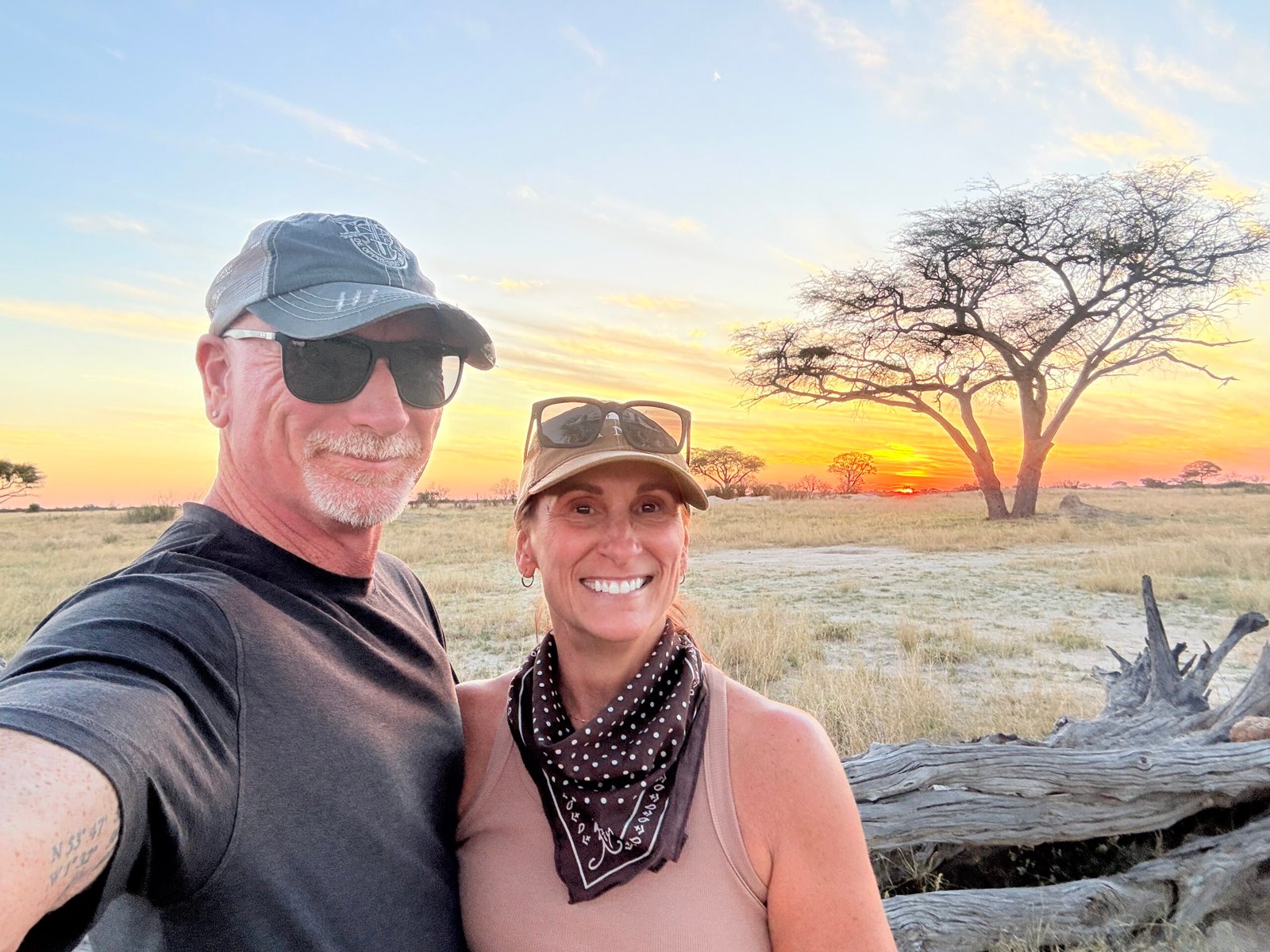
More than twenty years ago, I met Marnus while working in the mountains of Colorado. Our lives eventually took us to different continents, but the friendship remained. Over the years, he returned to South Africa, built a life around exploring its extraordinary landscapes, and eventually developed Wildforge Adventures.
When Lisa and I started planning this journey, having someone who knew the country personally changed everything.
We had ambitious plans. Cape Town, Victoria Falls, wildlife reserves, the Indian Ocean coastline, and eventually the vineyards of the Western Cape.
Nearly four weeks. Thousands of miles. Two countries that felt like a dozen.
What we couldn’t have anticipated was how different each part of the journey would feel.
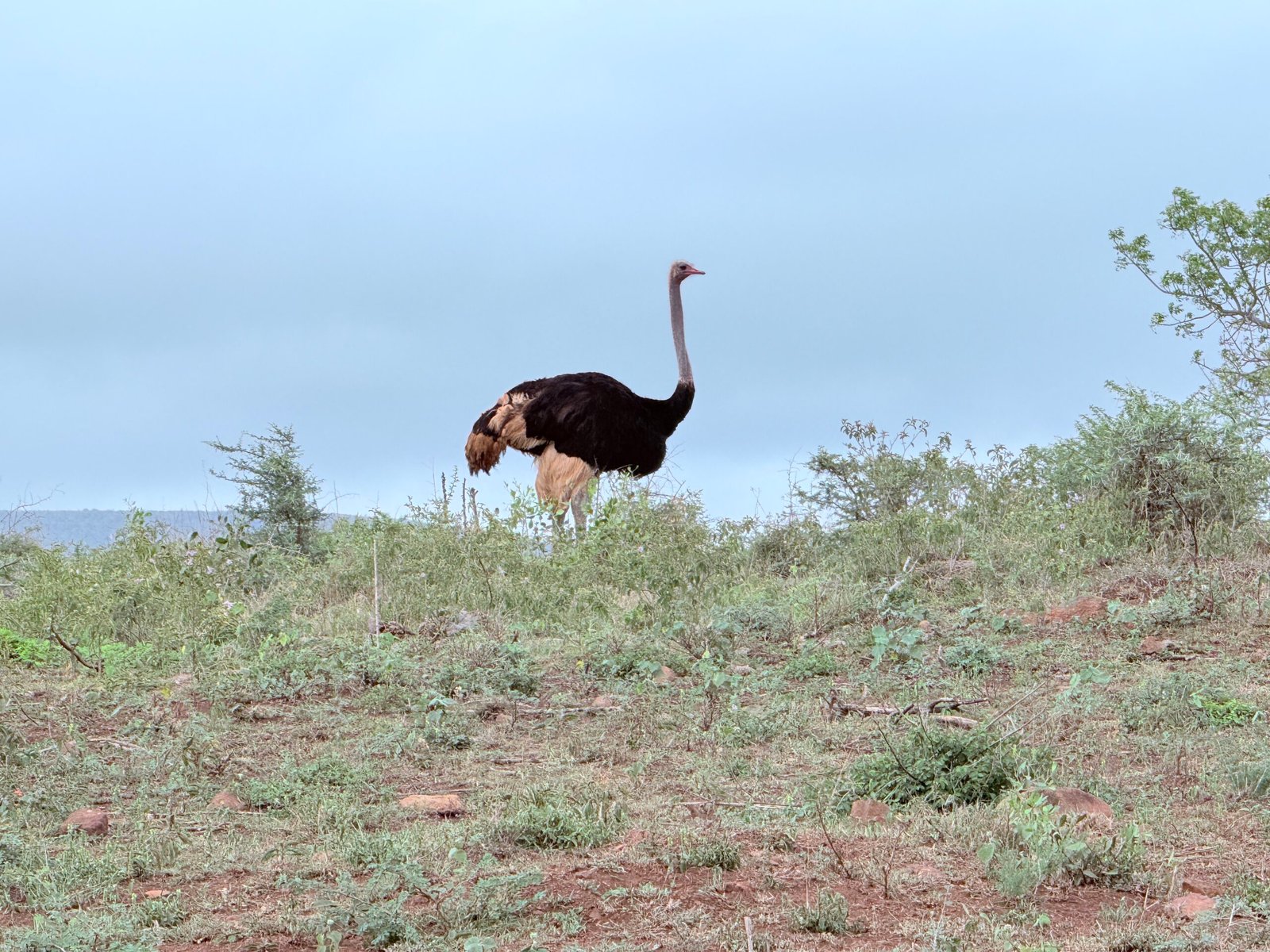
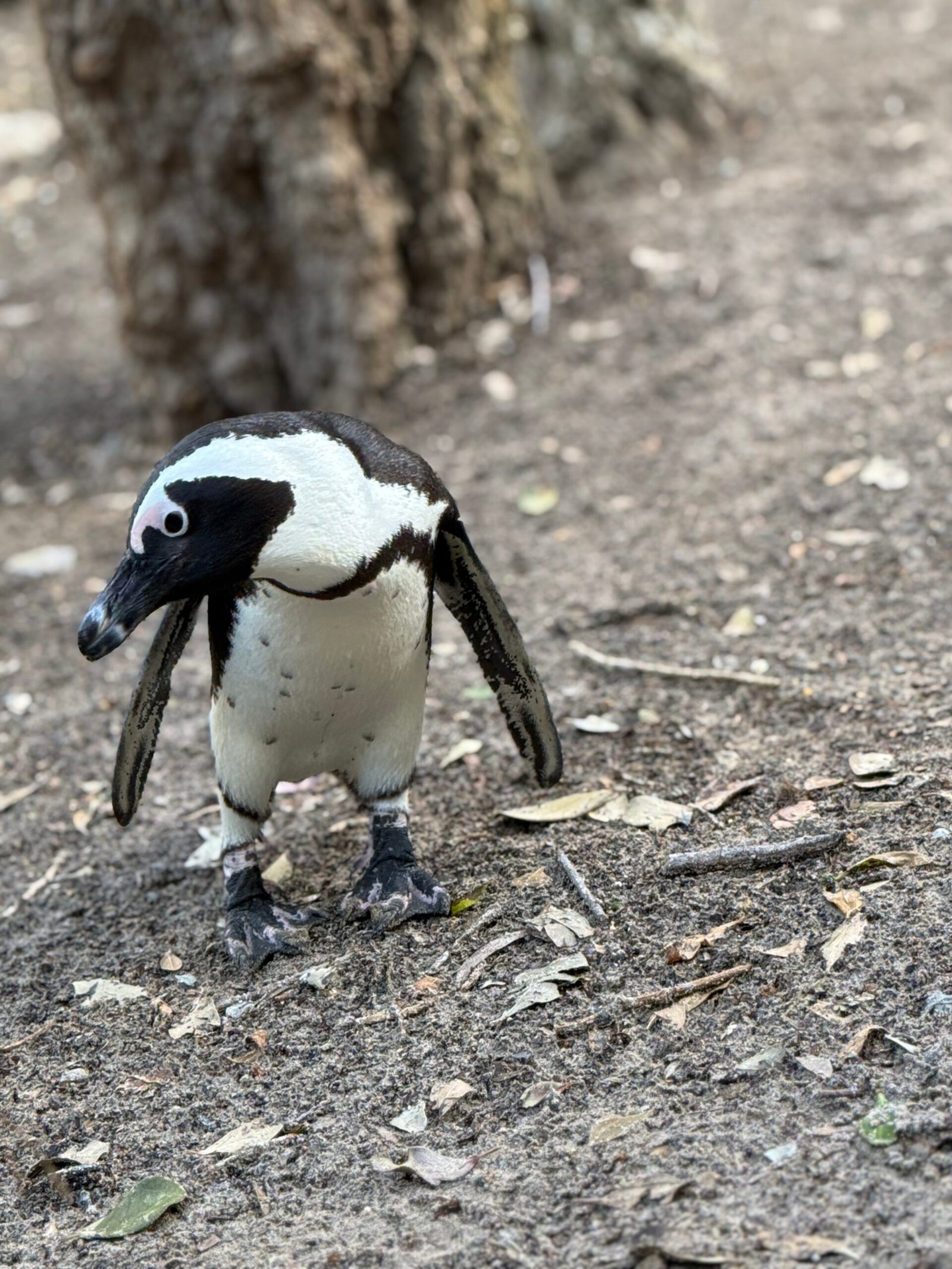
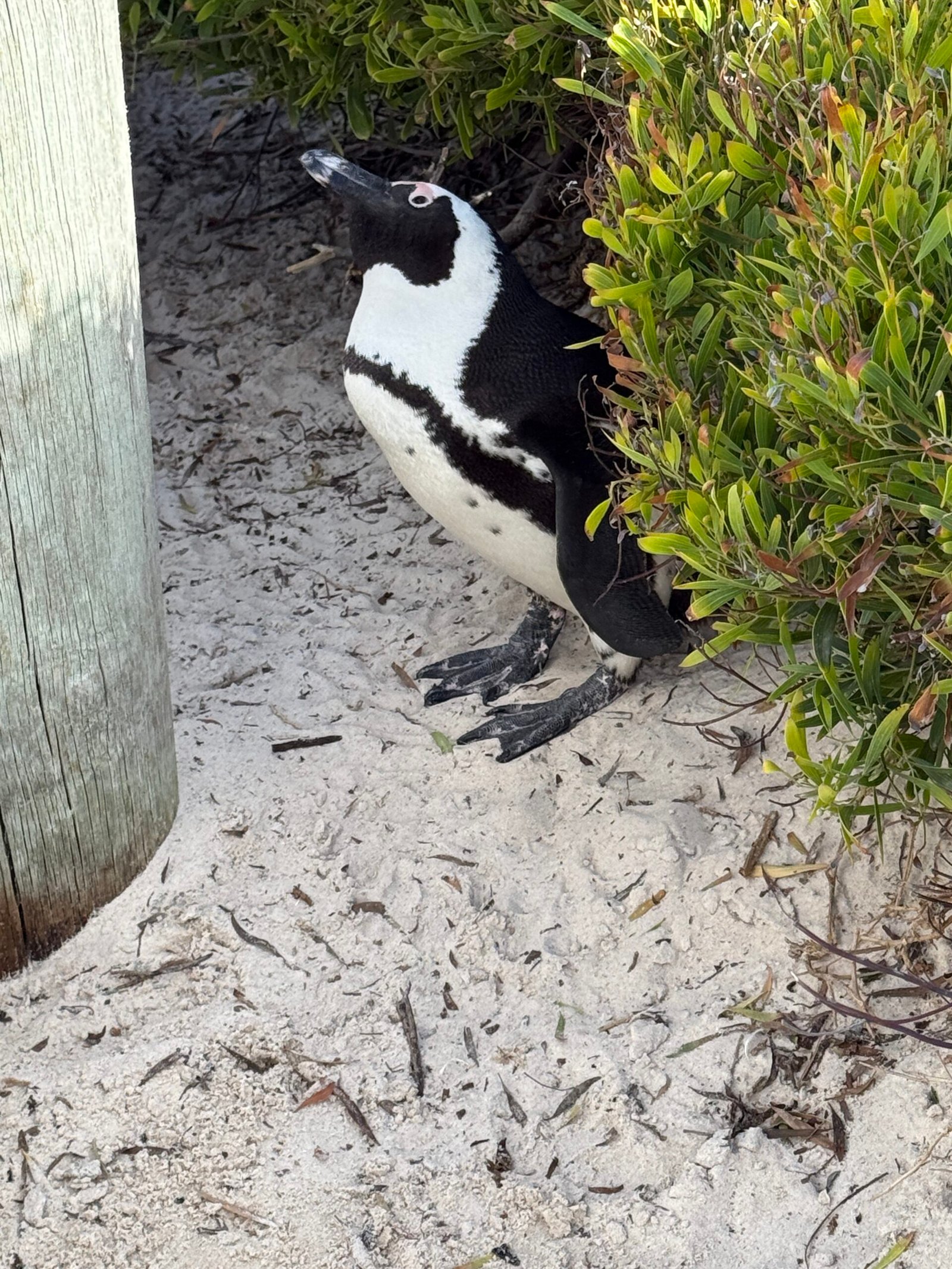
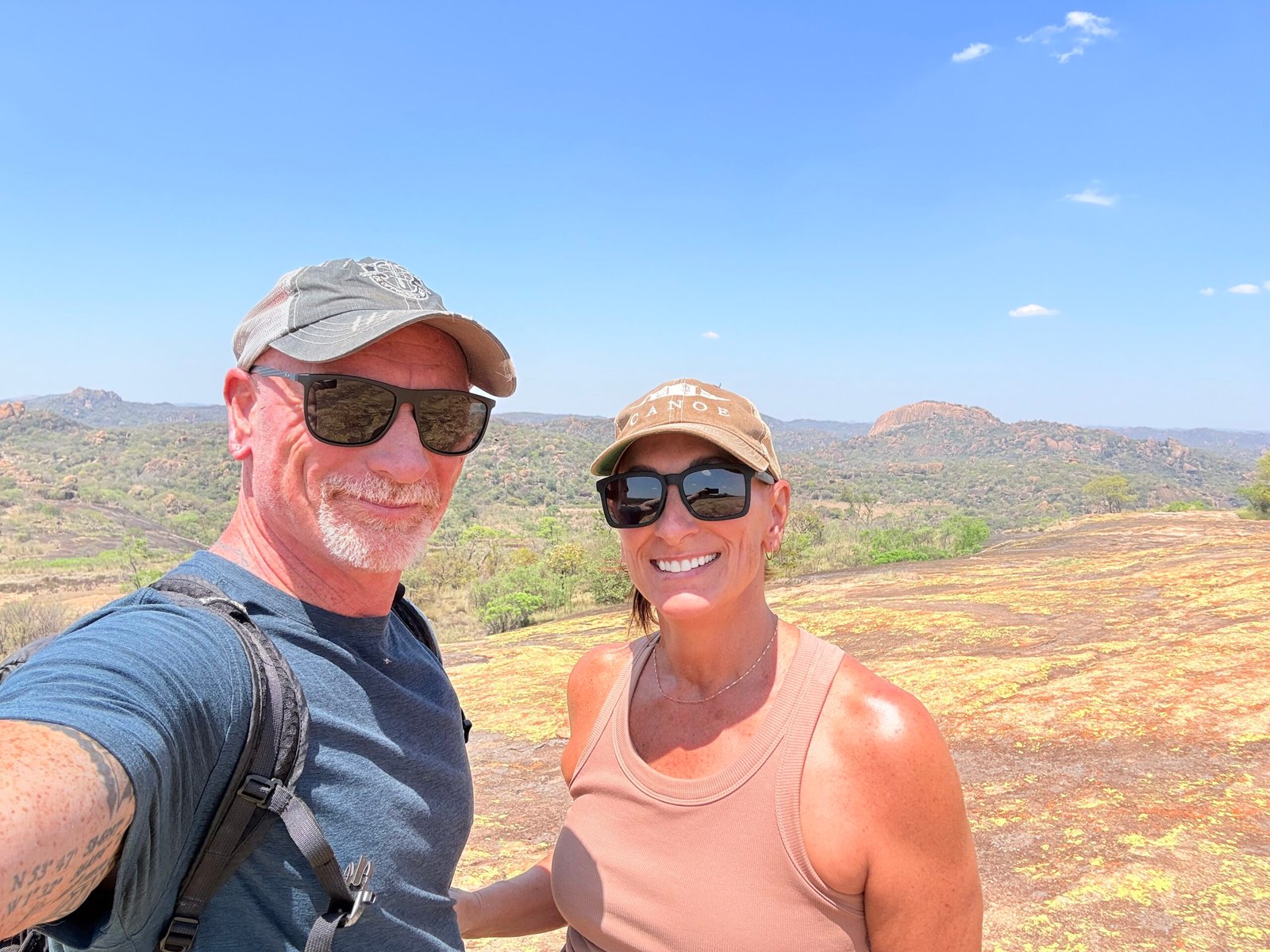
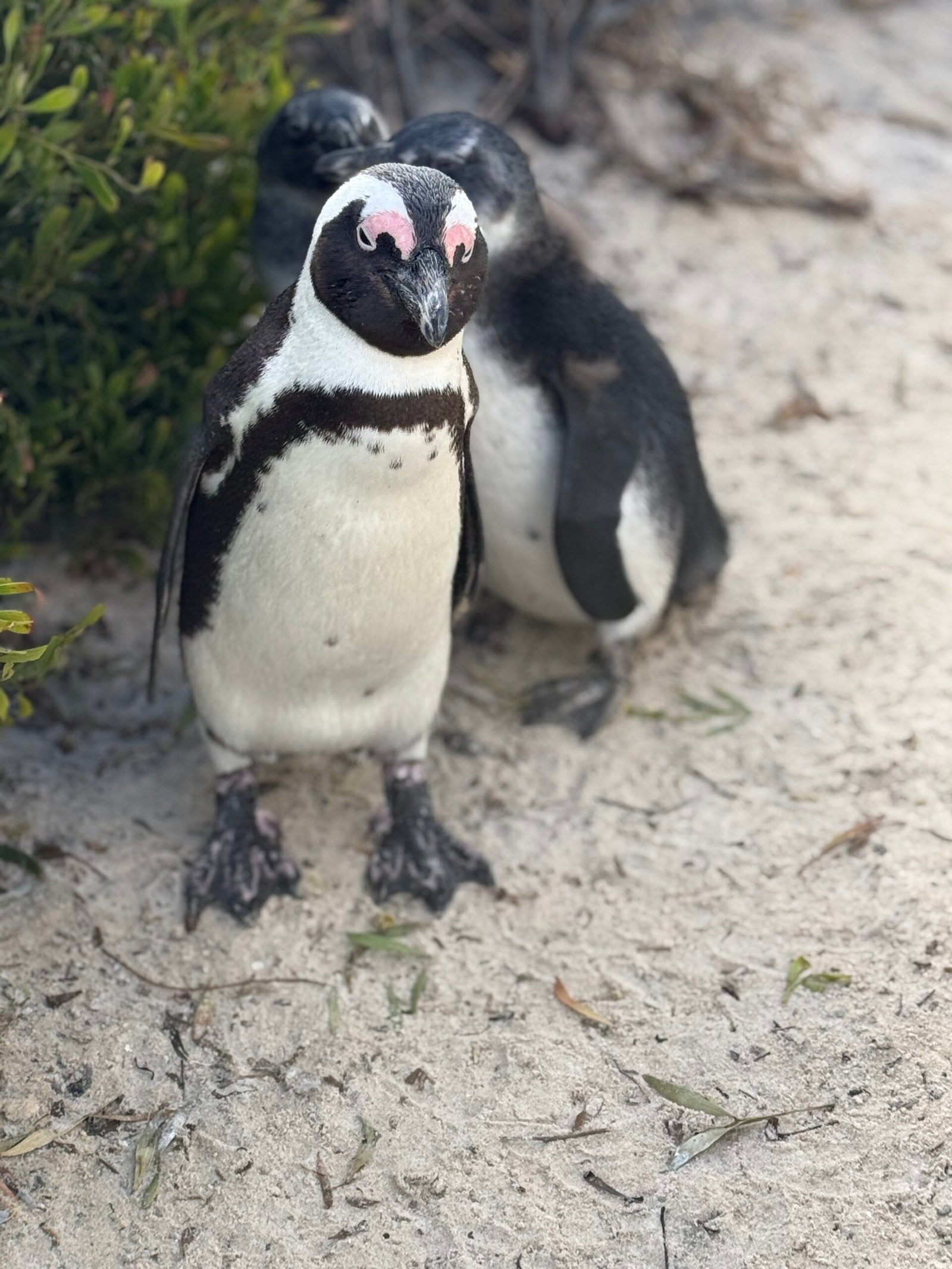
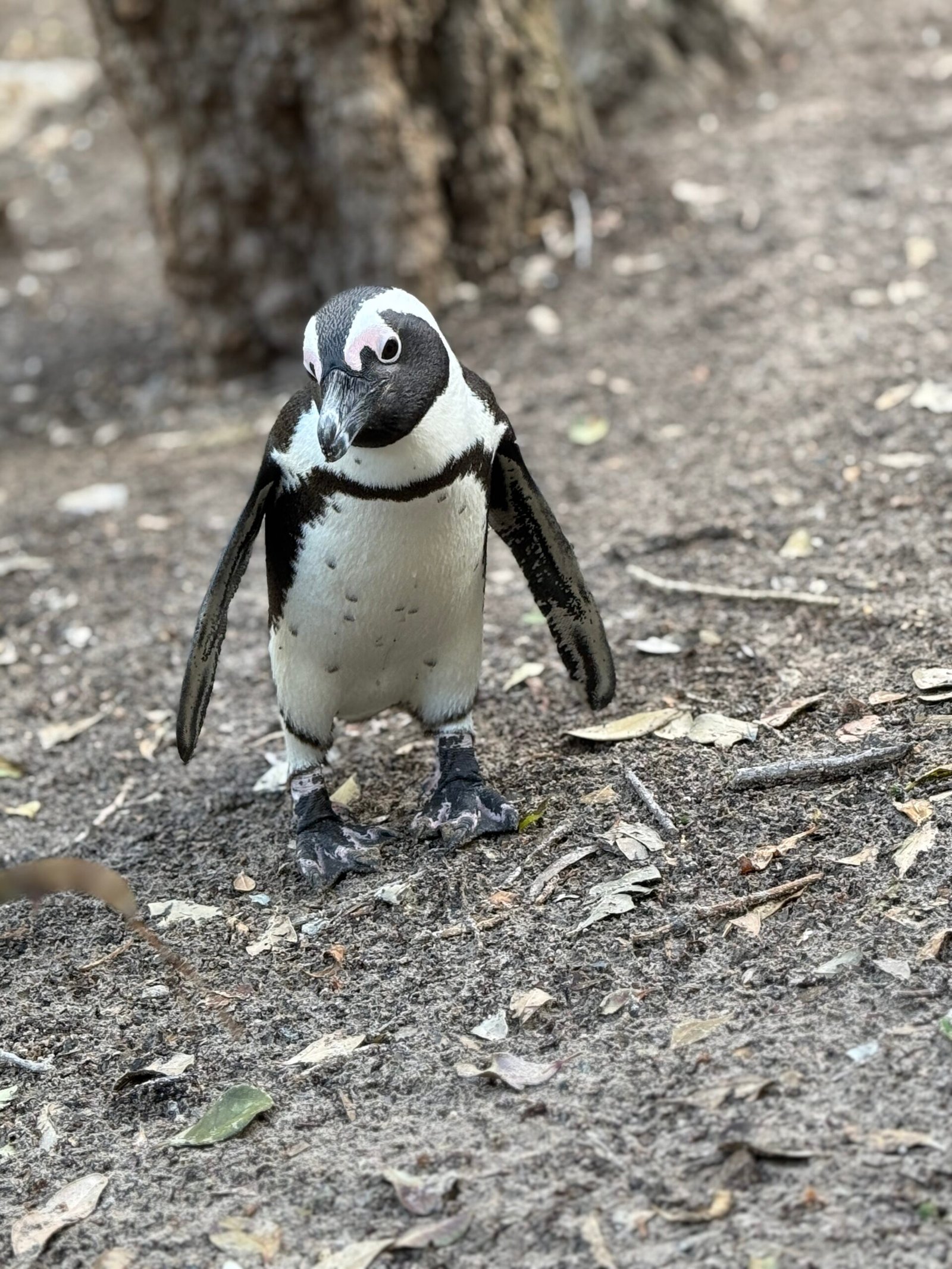
One morning, we were watching penguins along the Cape Peninsula. Days later, elephants were crossing the road in Zimbabwe. We experienced enormous waterfalls, wildlife in its natural environment, quiet coastal communities, and mountains rising above vineyards.
But Southern Africa wasn’t simply a collection of extraordinary landscapes.
It was the people, the conversations, the food, the history, and the constant reminders that there was much more happening around us than anything an itinerary could capture.
And despite nearly a month of traveling, we barely scratched the surface.
The Experience
Cape Town | Where the Journey Began
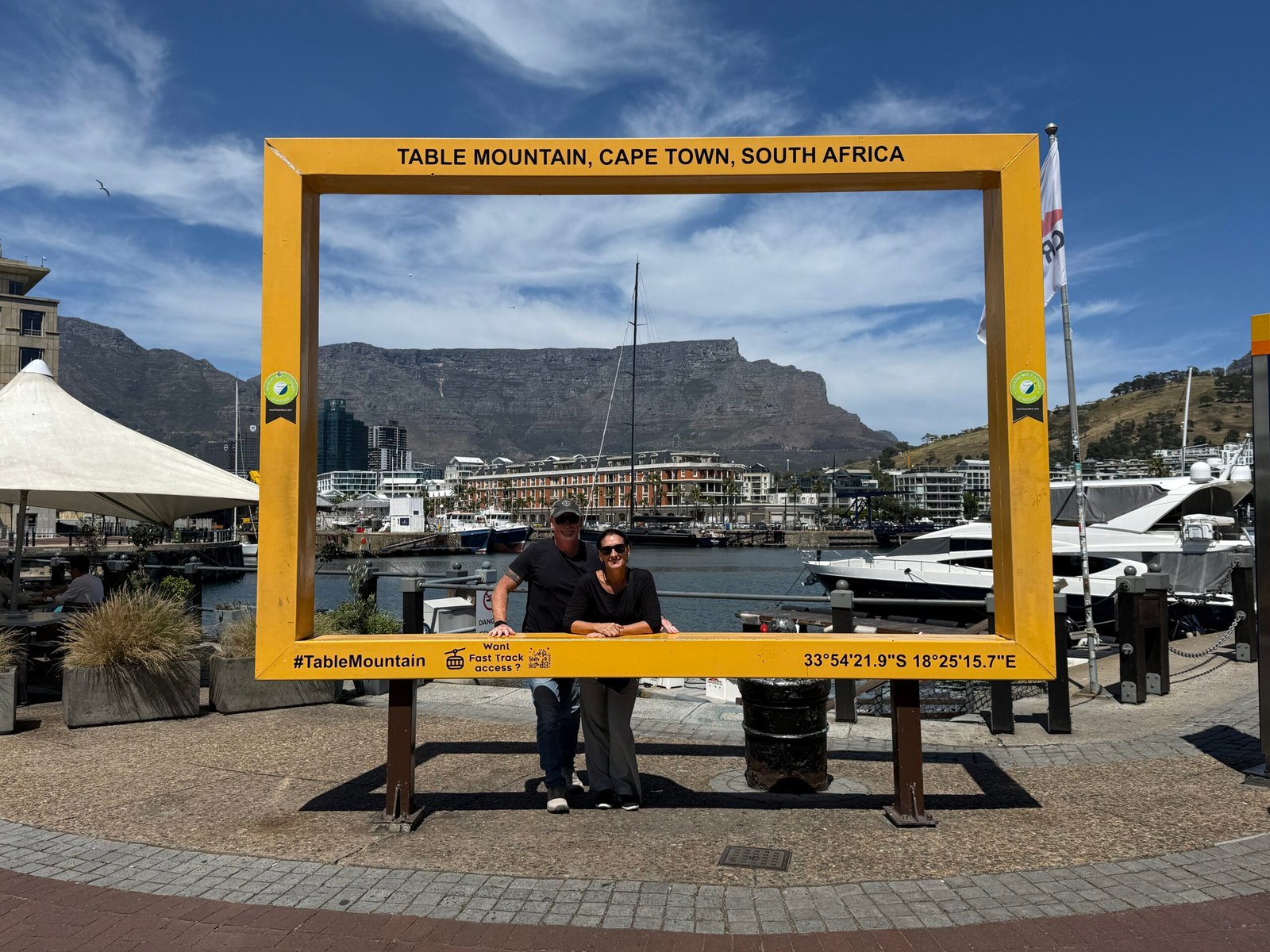
Cape Town was our introduction to Southern Africa, and it immediately challenged any expectation that we could understand the region through a single experience.
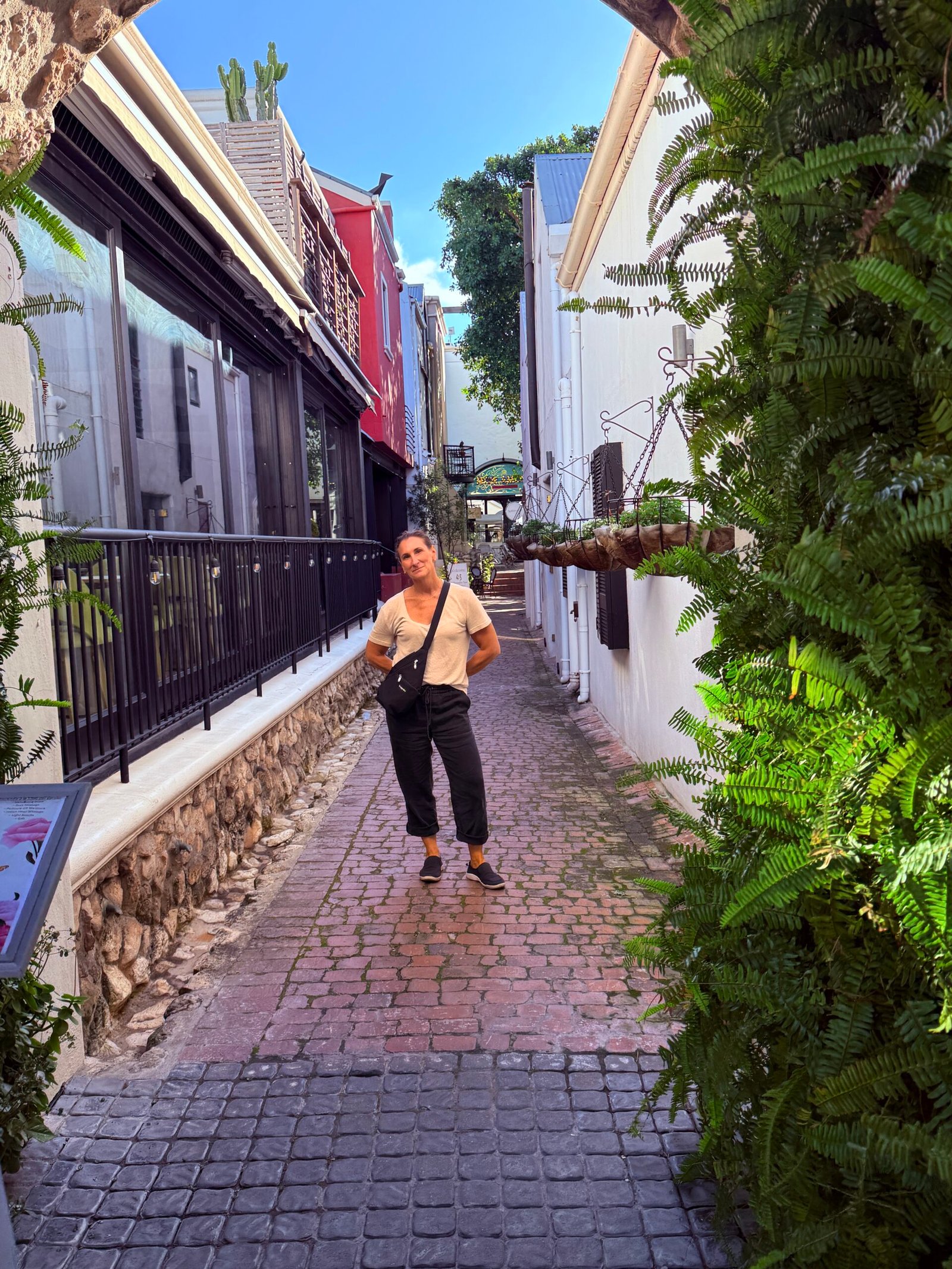
We stayed in Sea Point, close enough to walk to restaurants and explore the neighborhood while having a comfortable place to return to each evening.
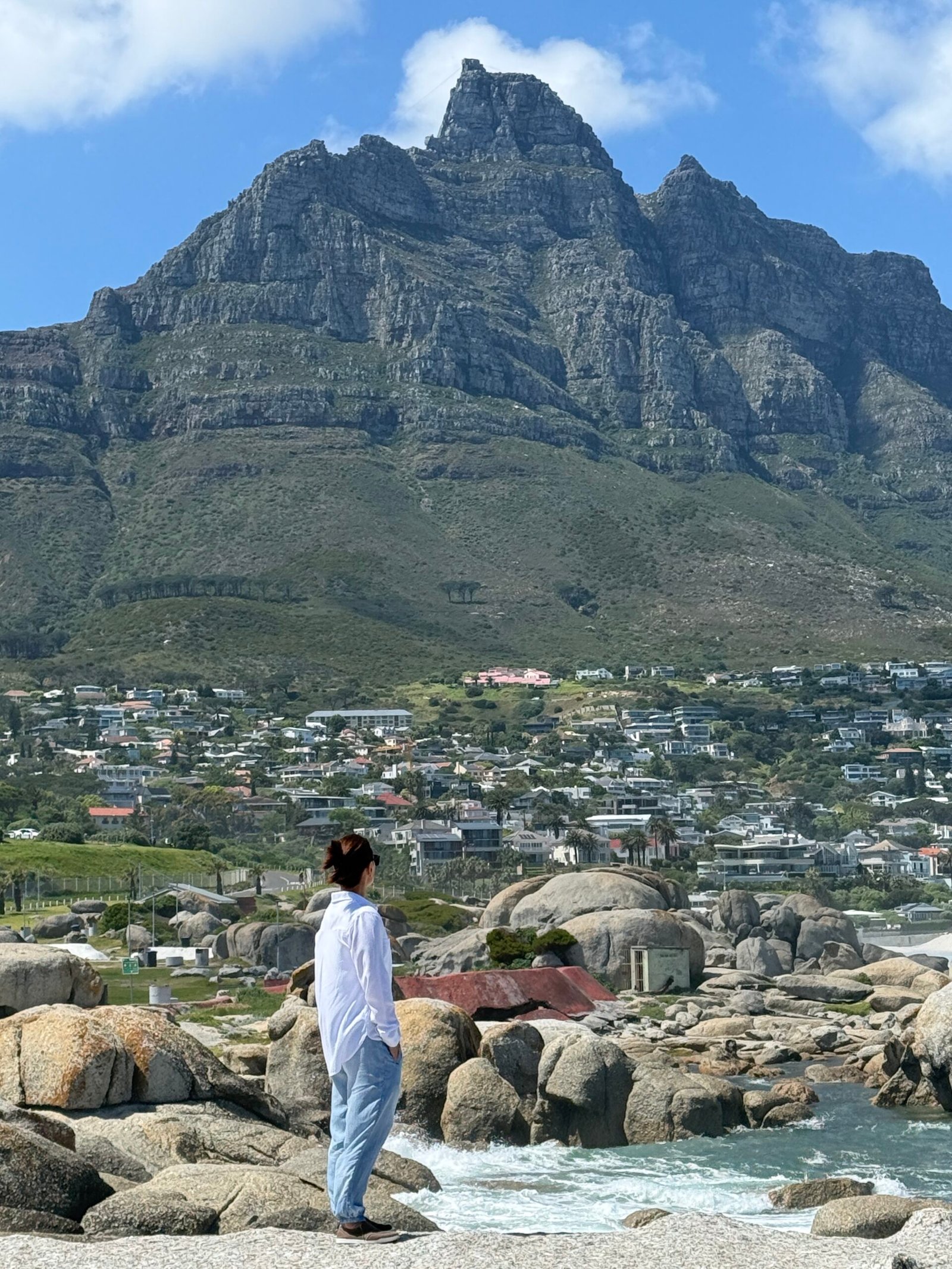
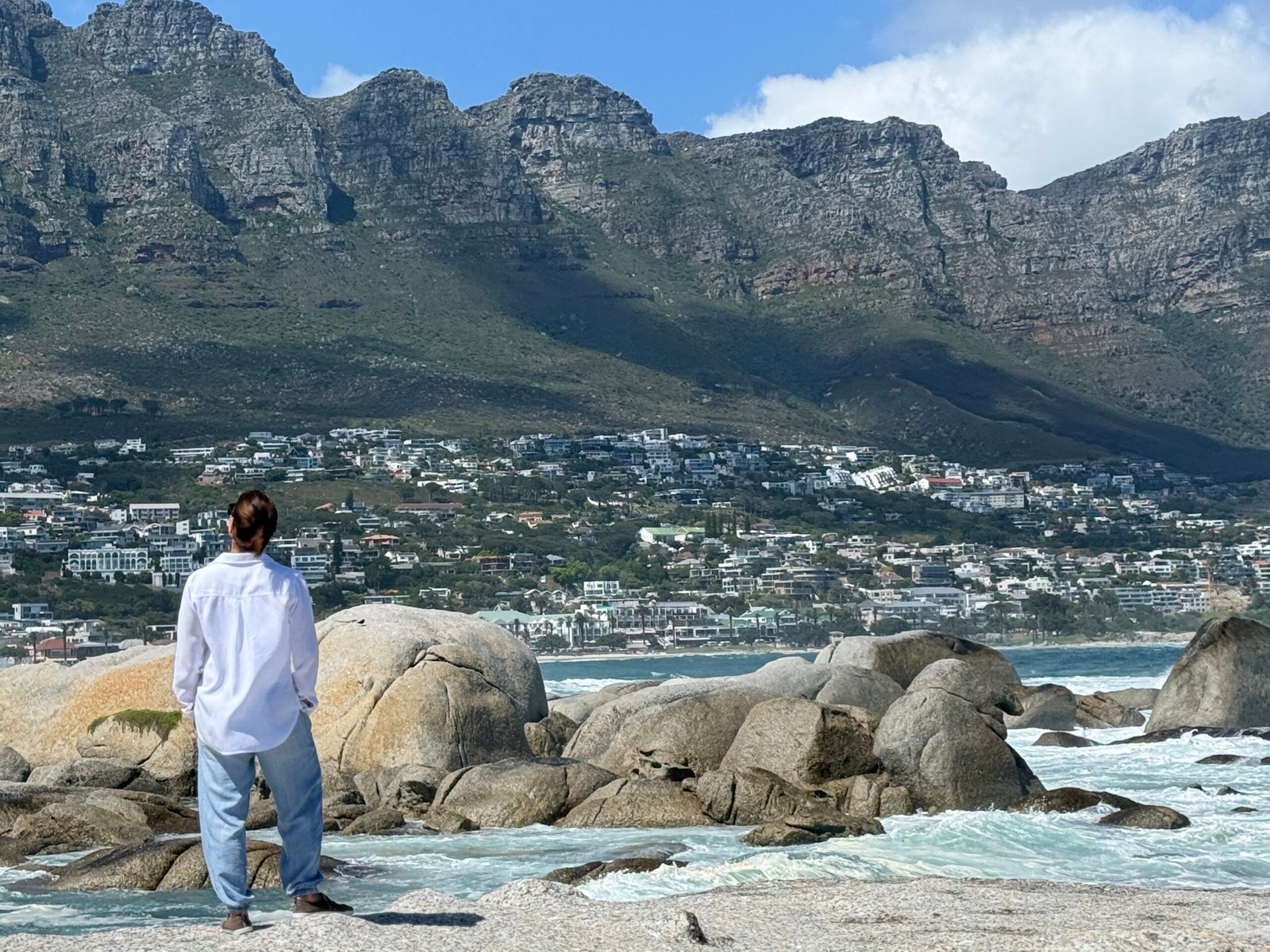
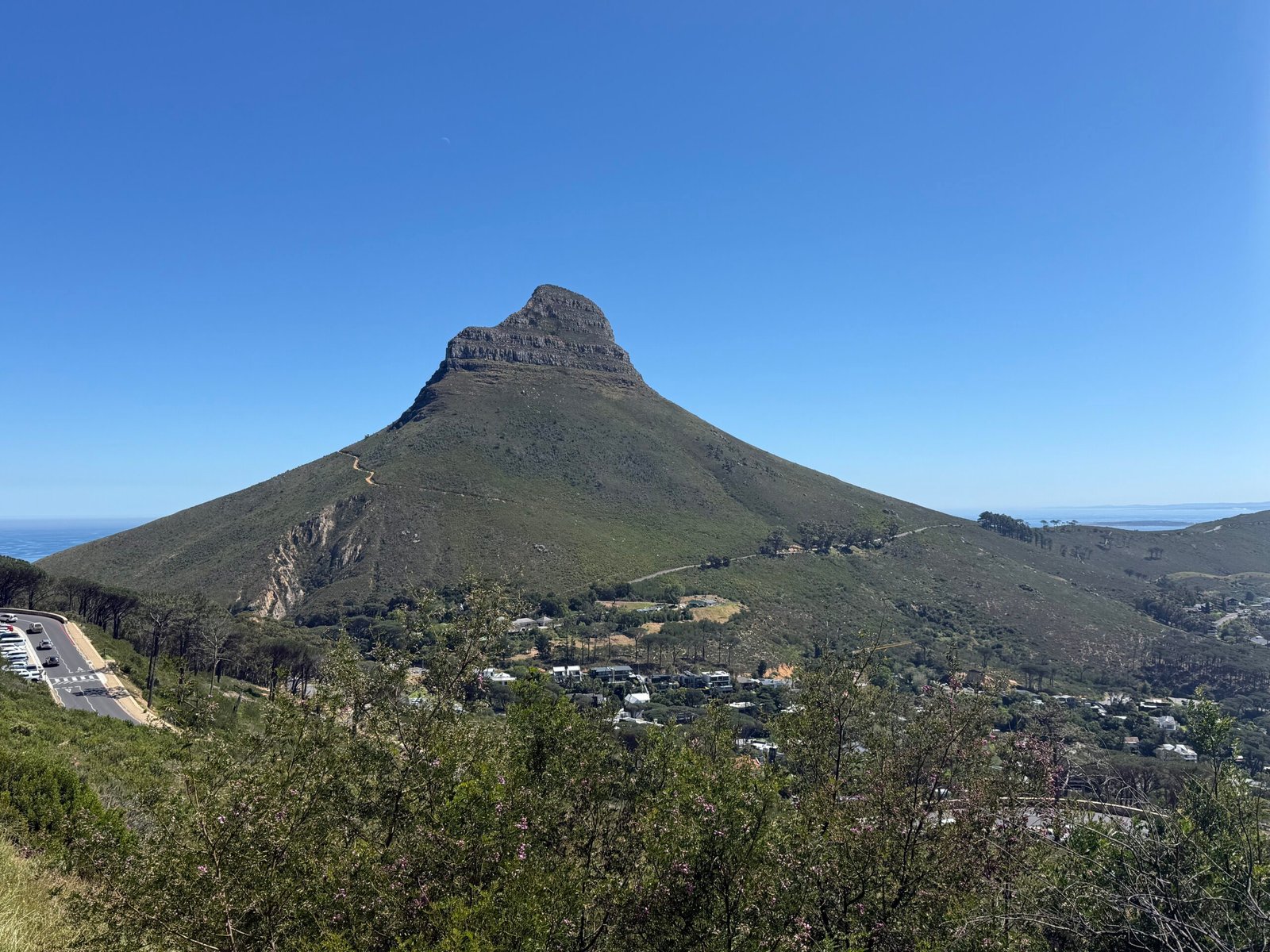
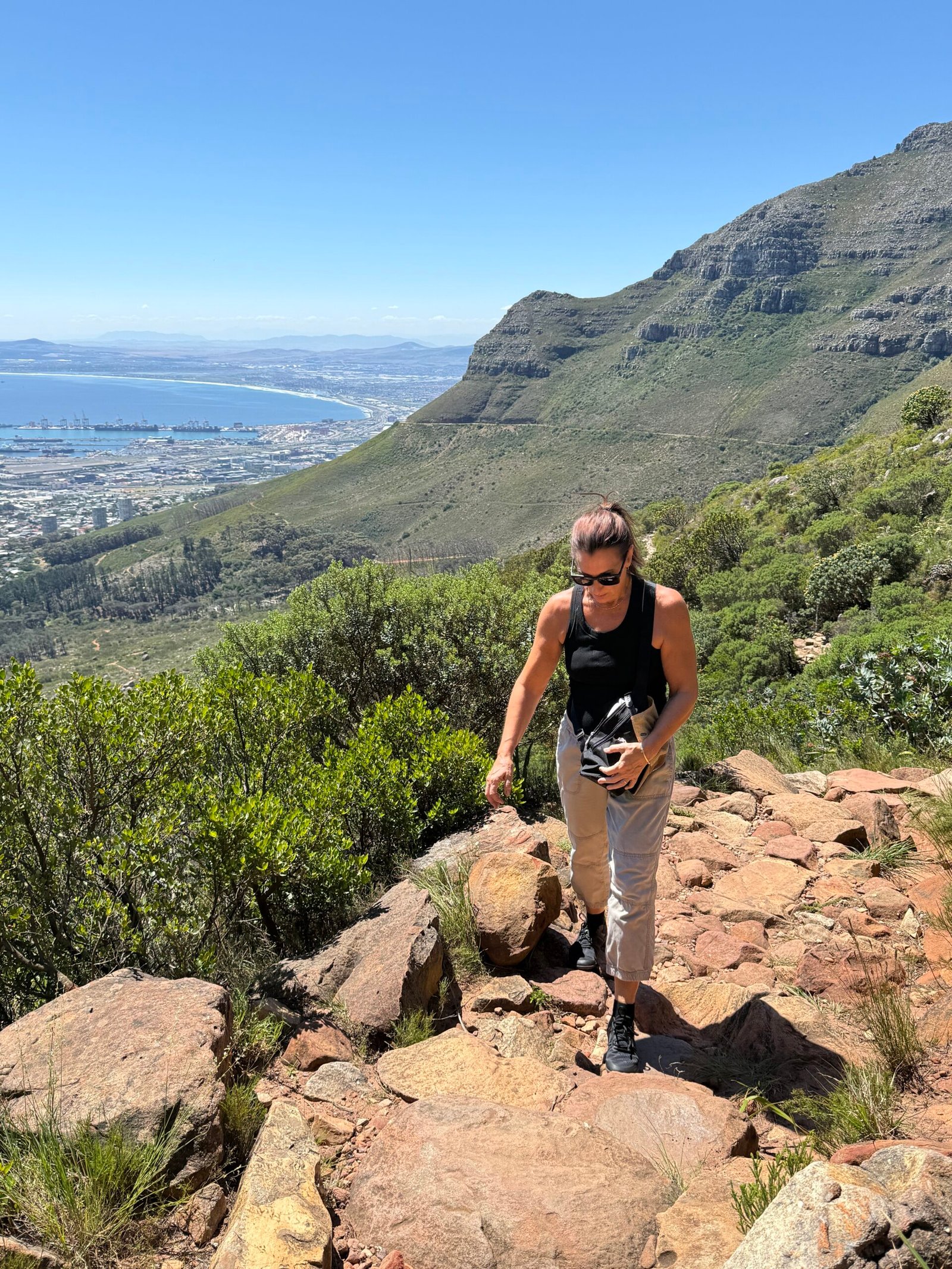
The city sits in a remarkable setting. Mountains rise almost directly from the coastline, neighborhoods stretch toward the Atlantic, and the landscape seems to change every time you turn a corner.
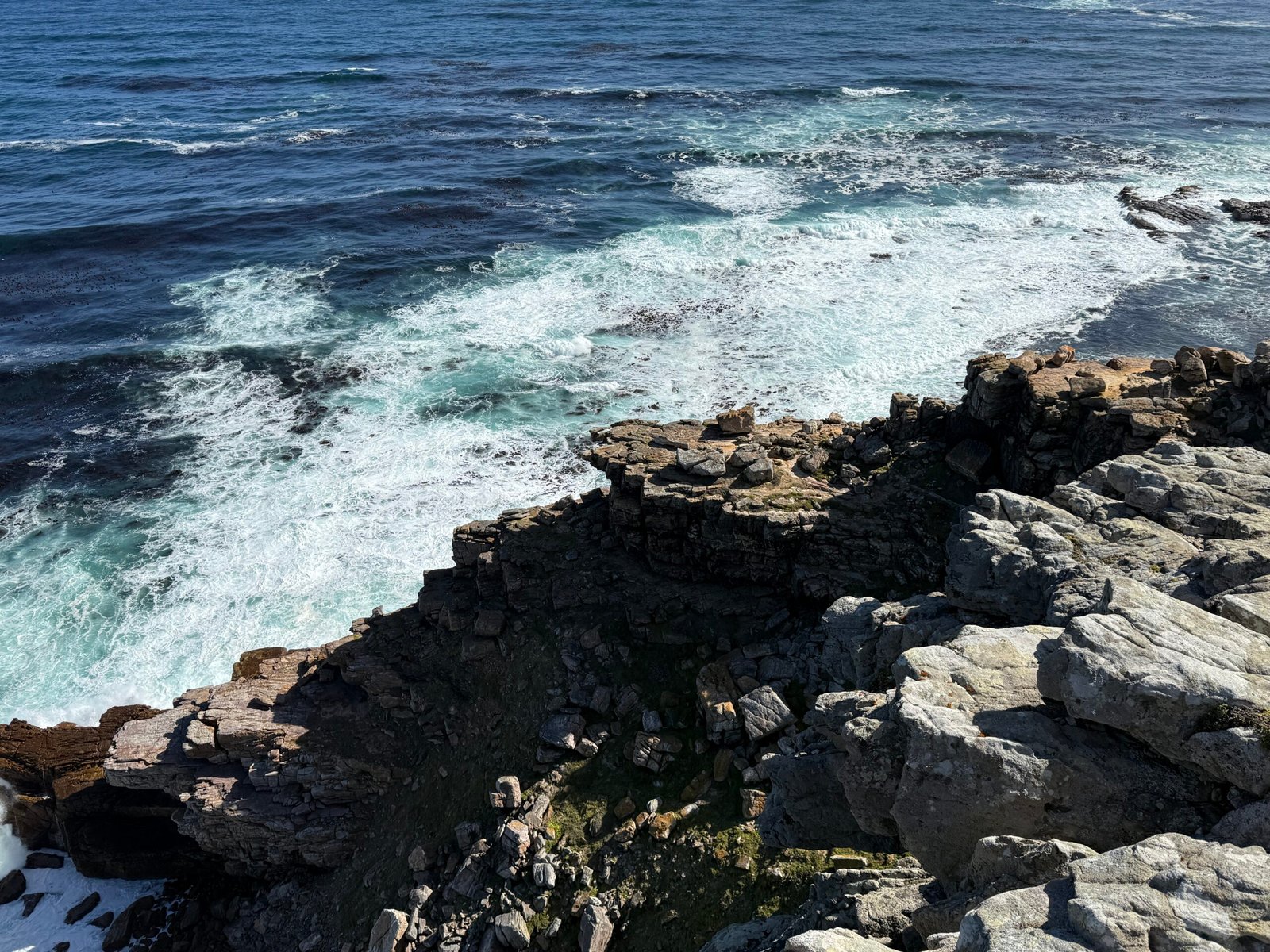
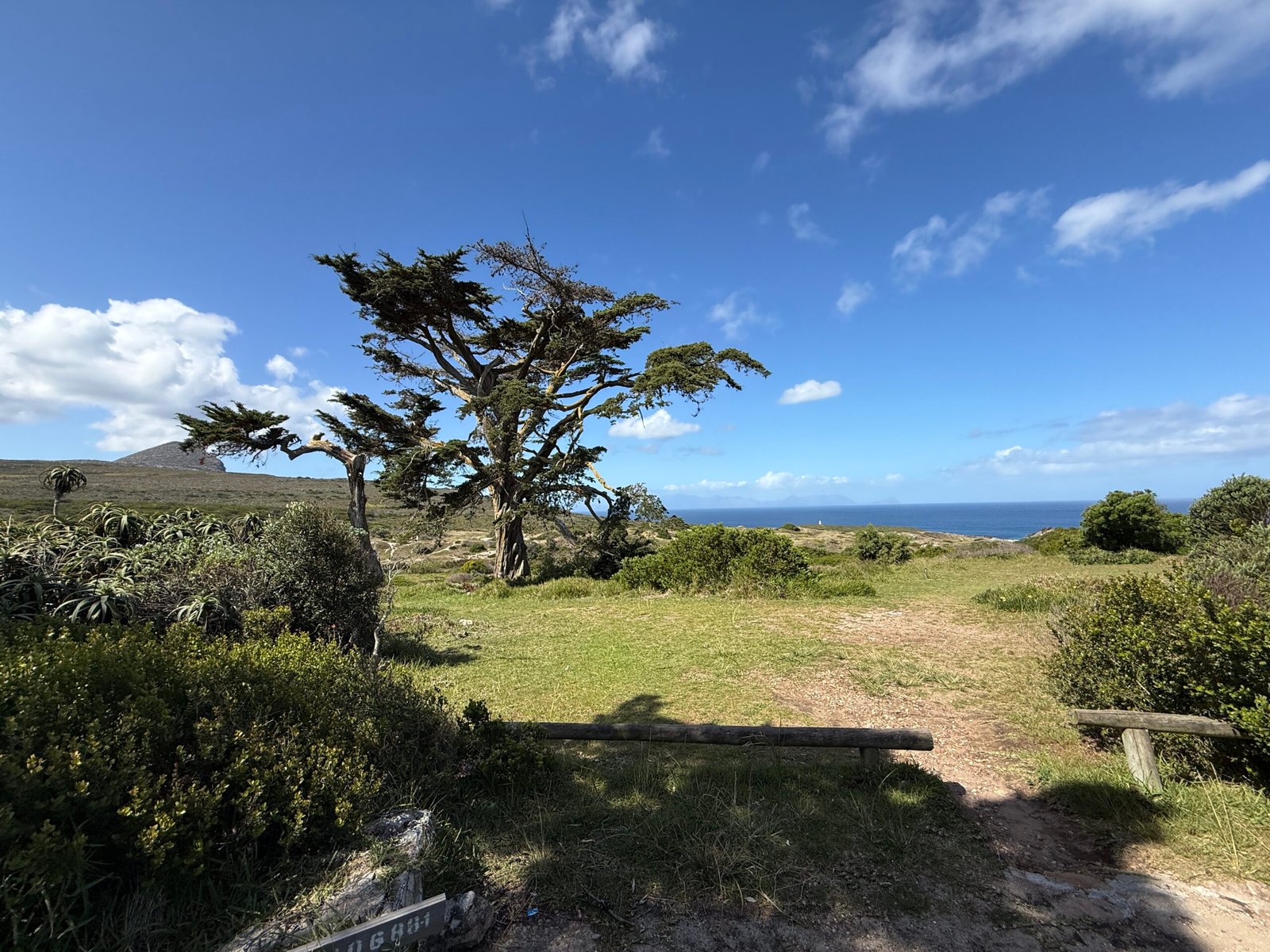
Our drive around the Cape Peninsula was one of the first memorable days of the trip.
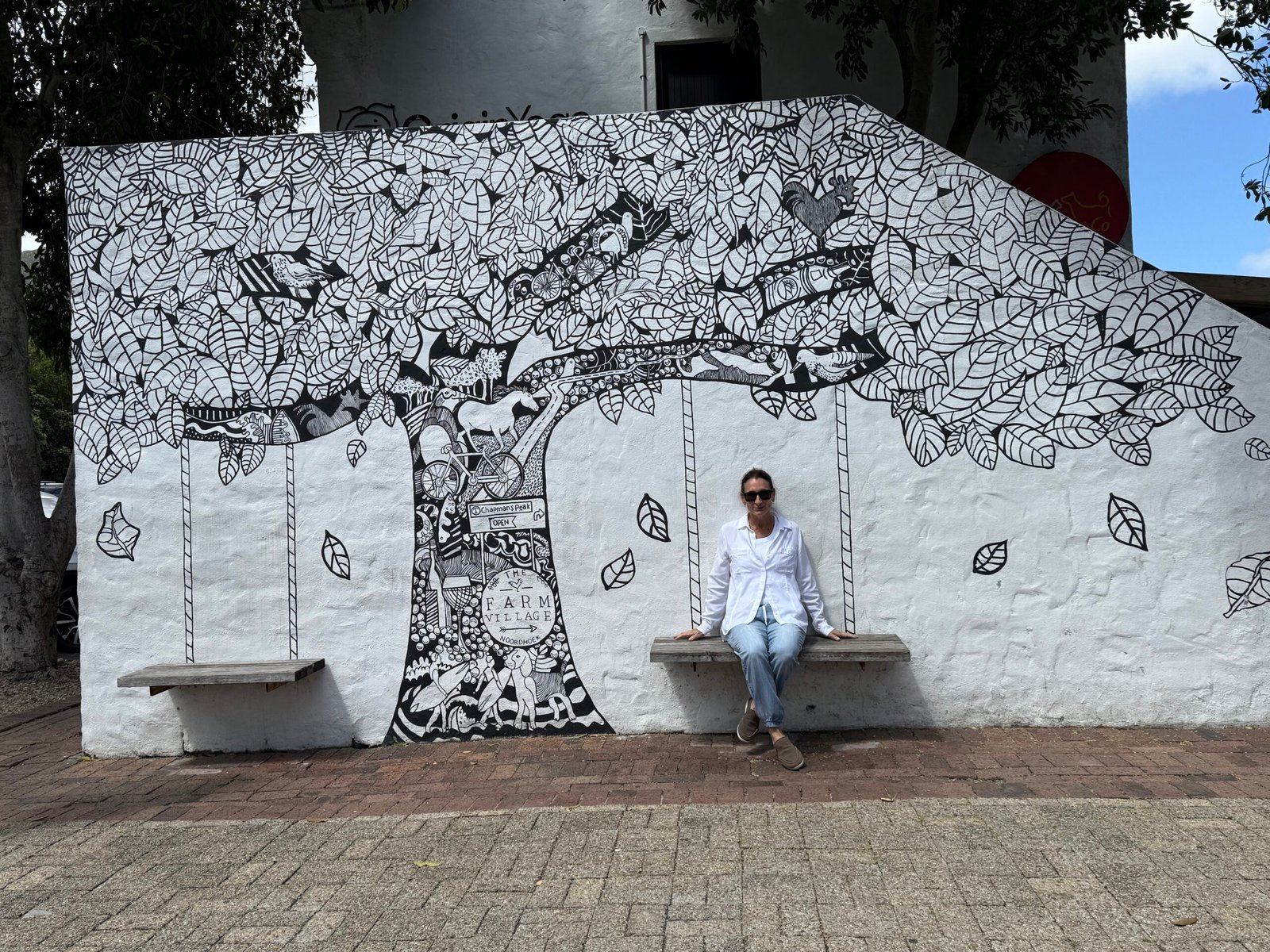
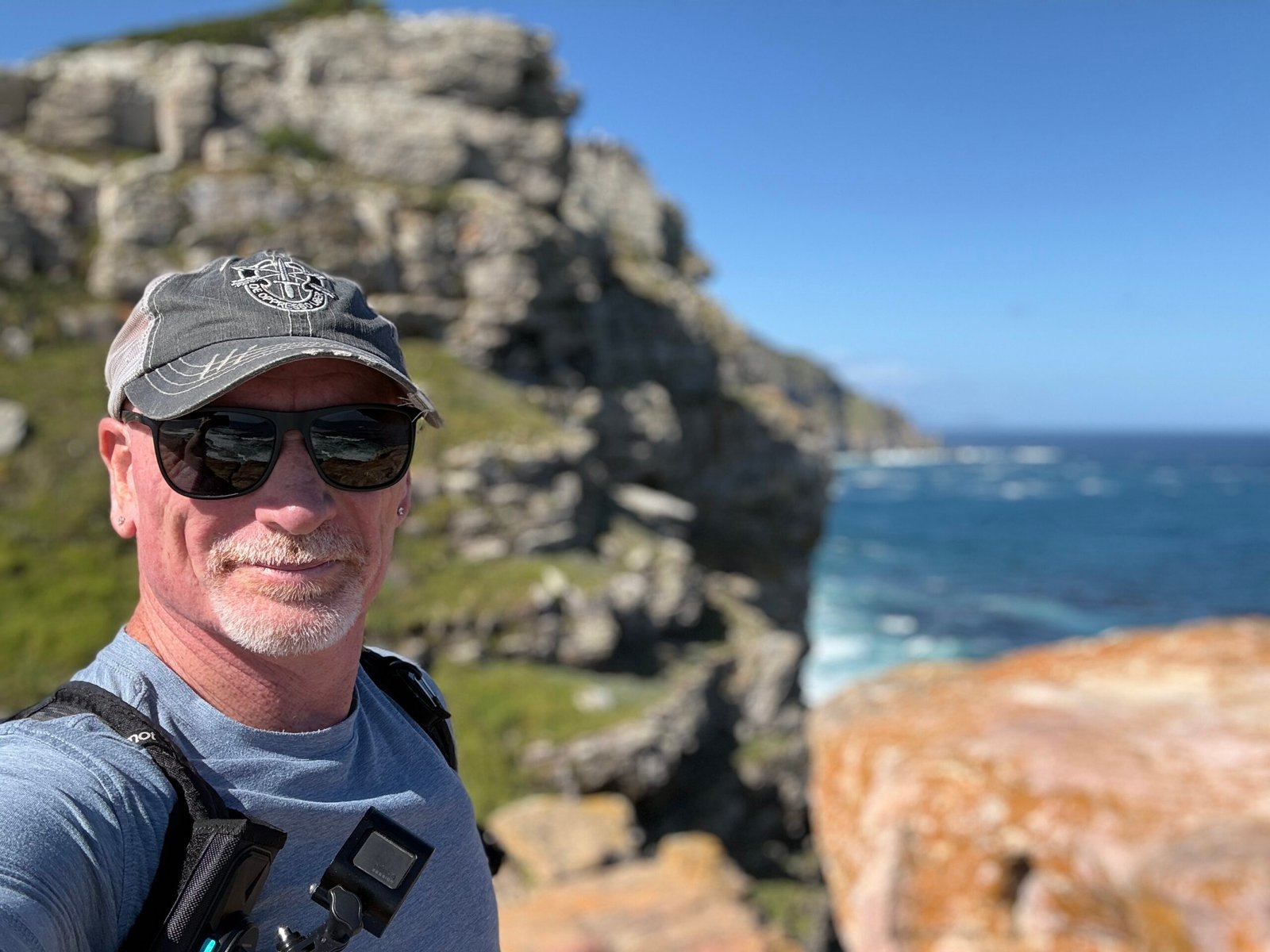
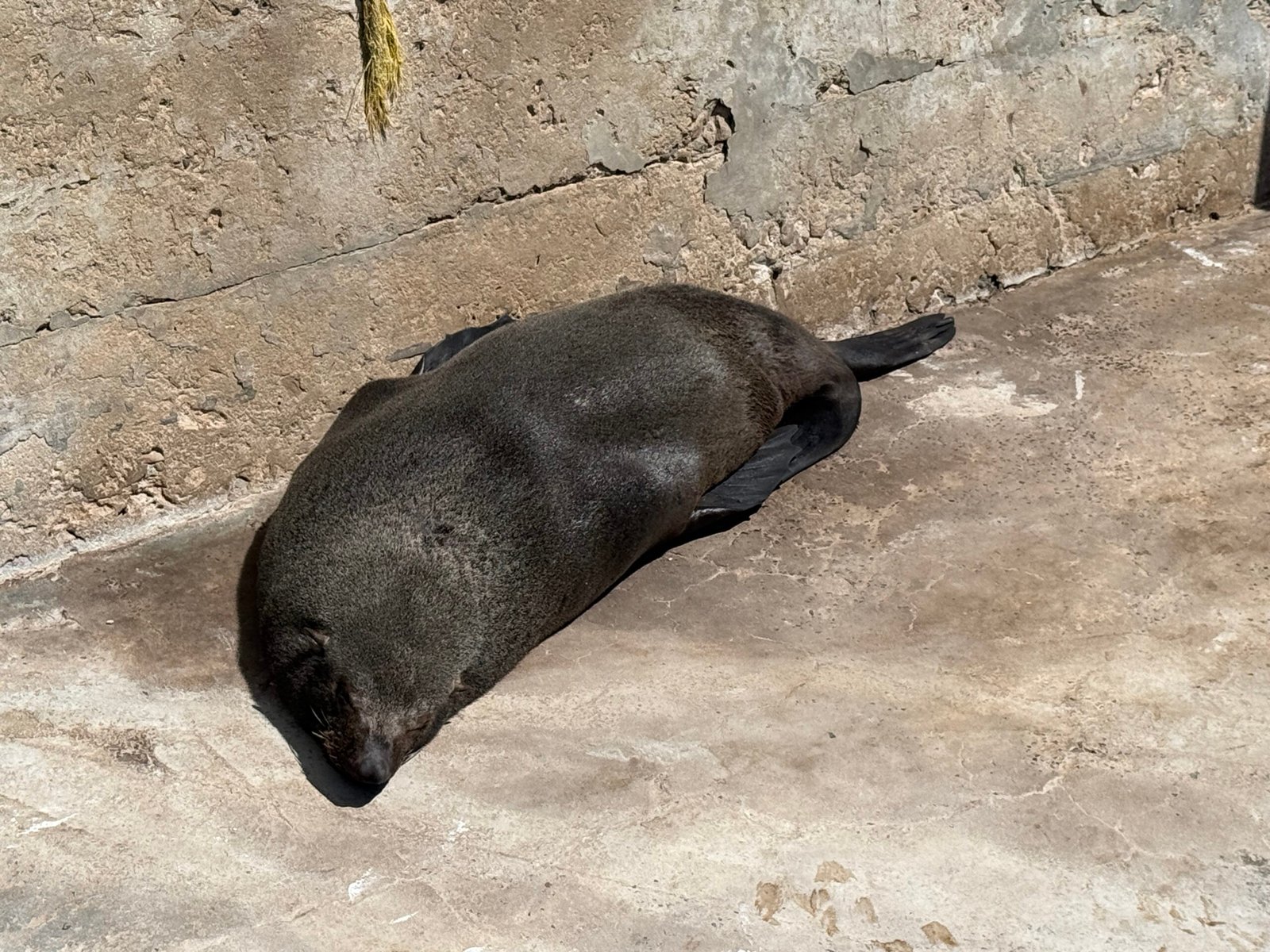
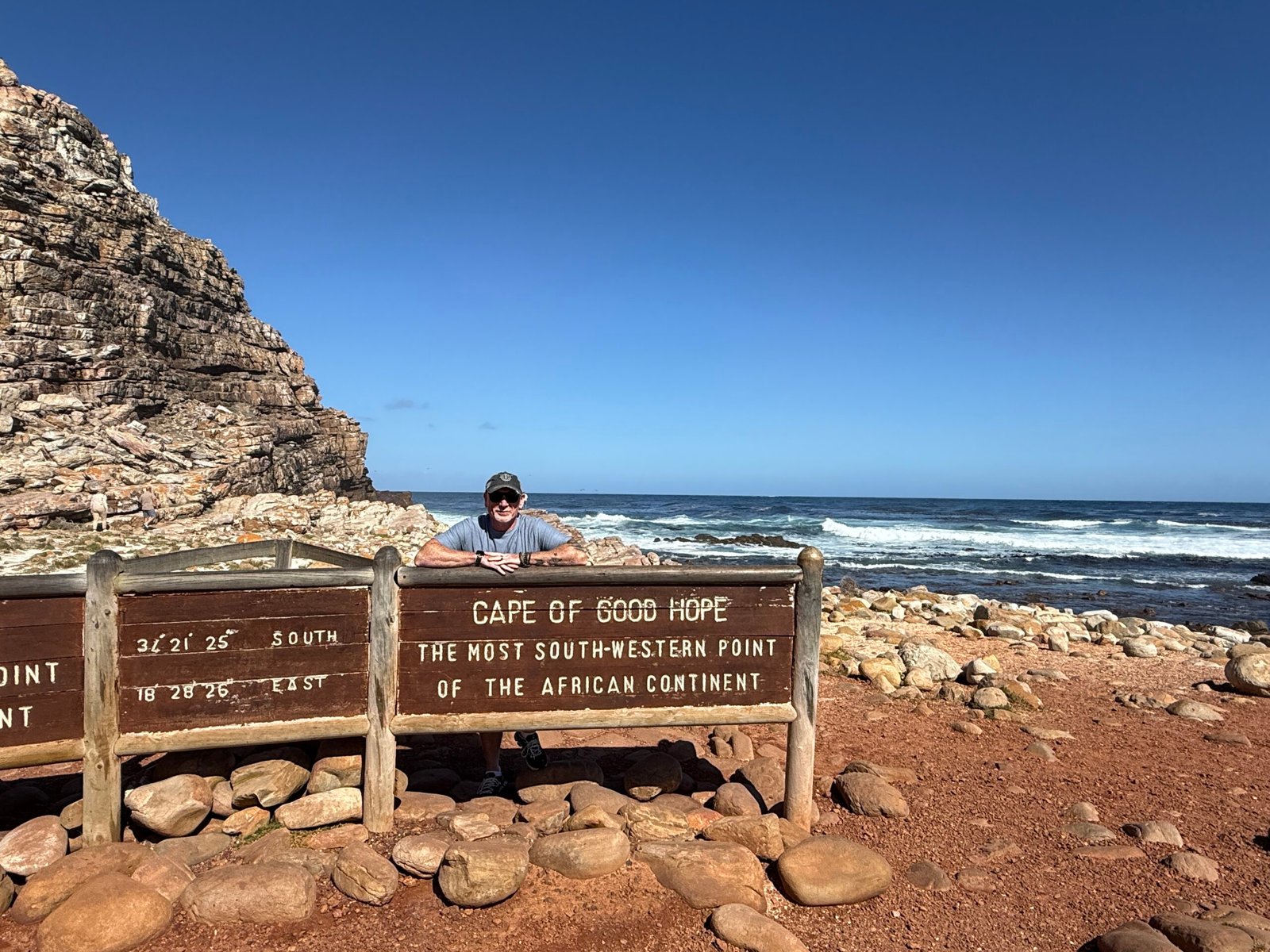
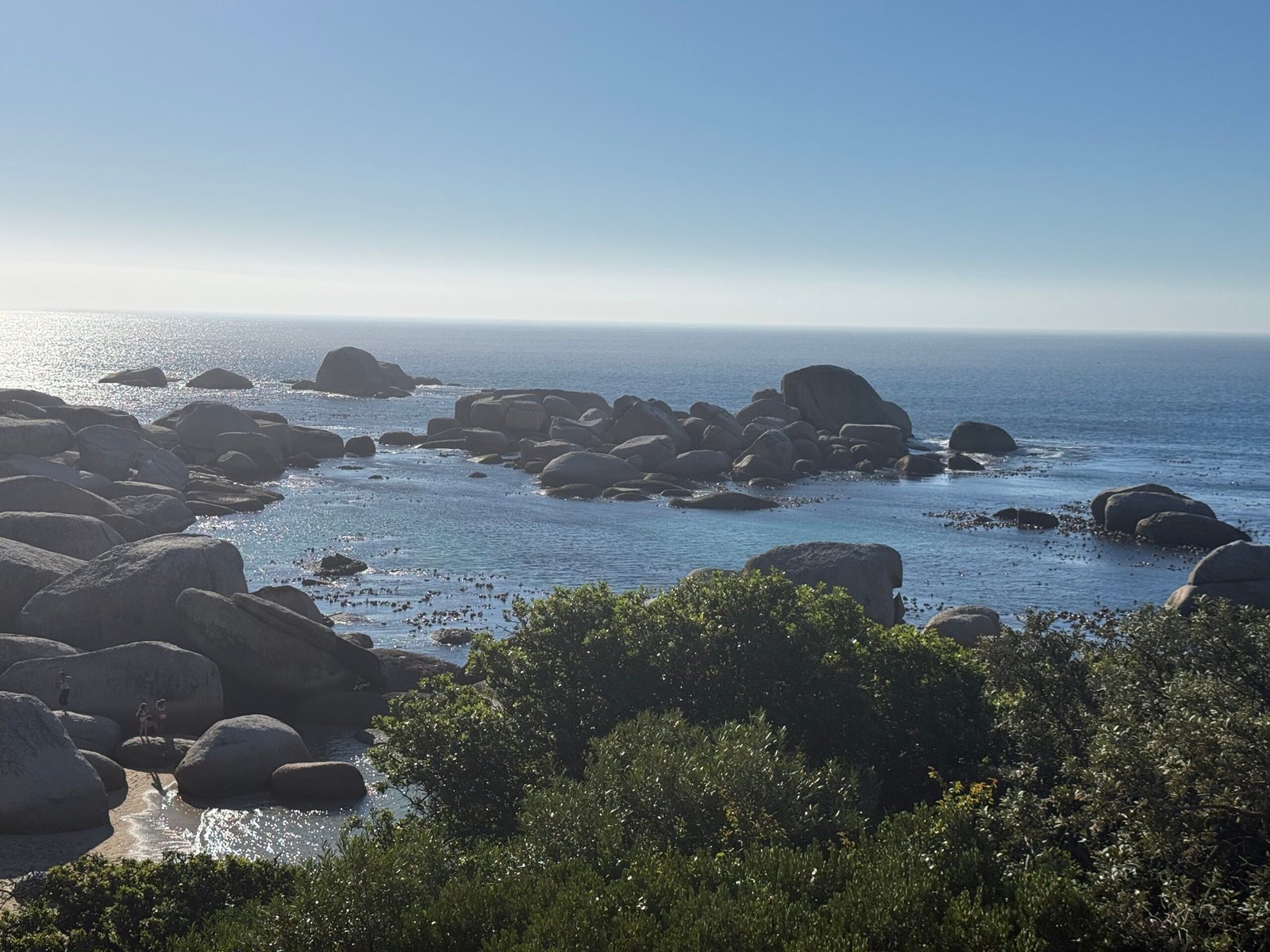
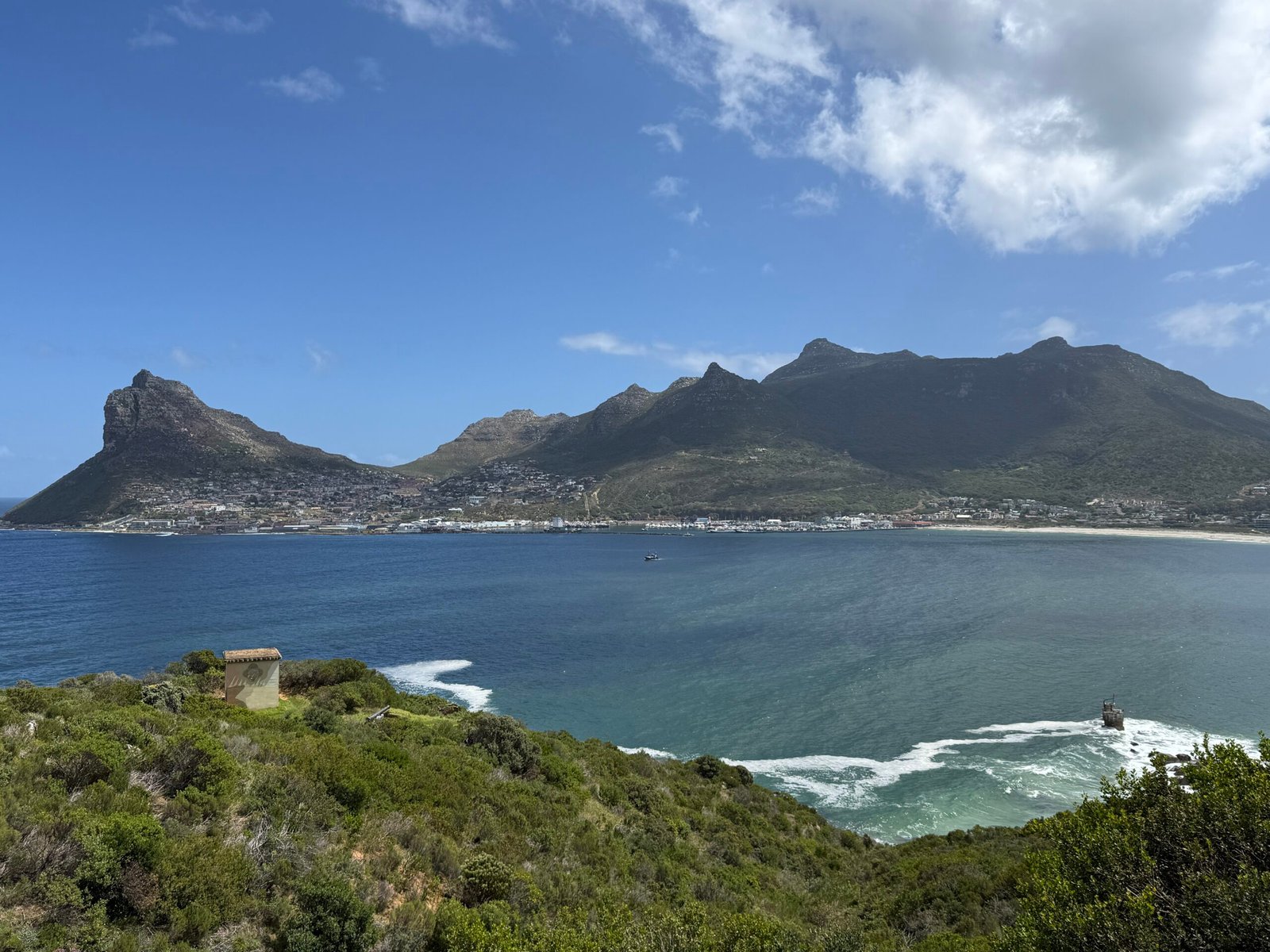
Hout Bay, Chapman’s Peak Drive, the Cape of Good Hope, Cape Point, and the penguins at Boulders Beach.
The coastline was spectacular, but the experience went beyond the scenery. There was history everywhere, communities with distinct personalities, and an incredible contrast between the rugged natural environment and the city just a short distance away.
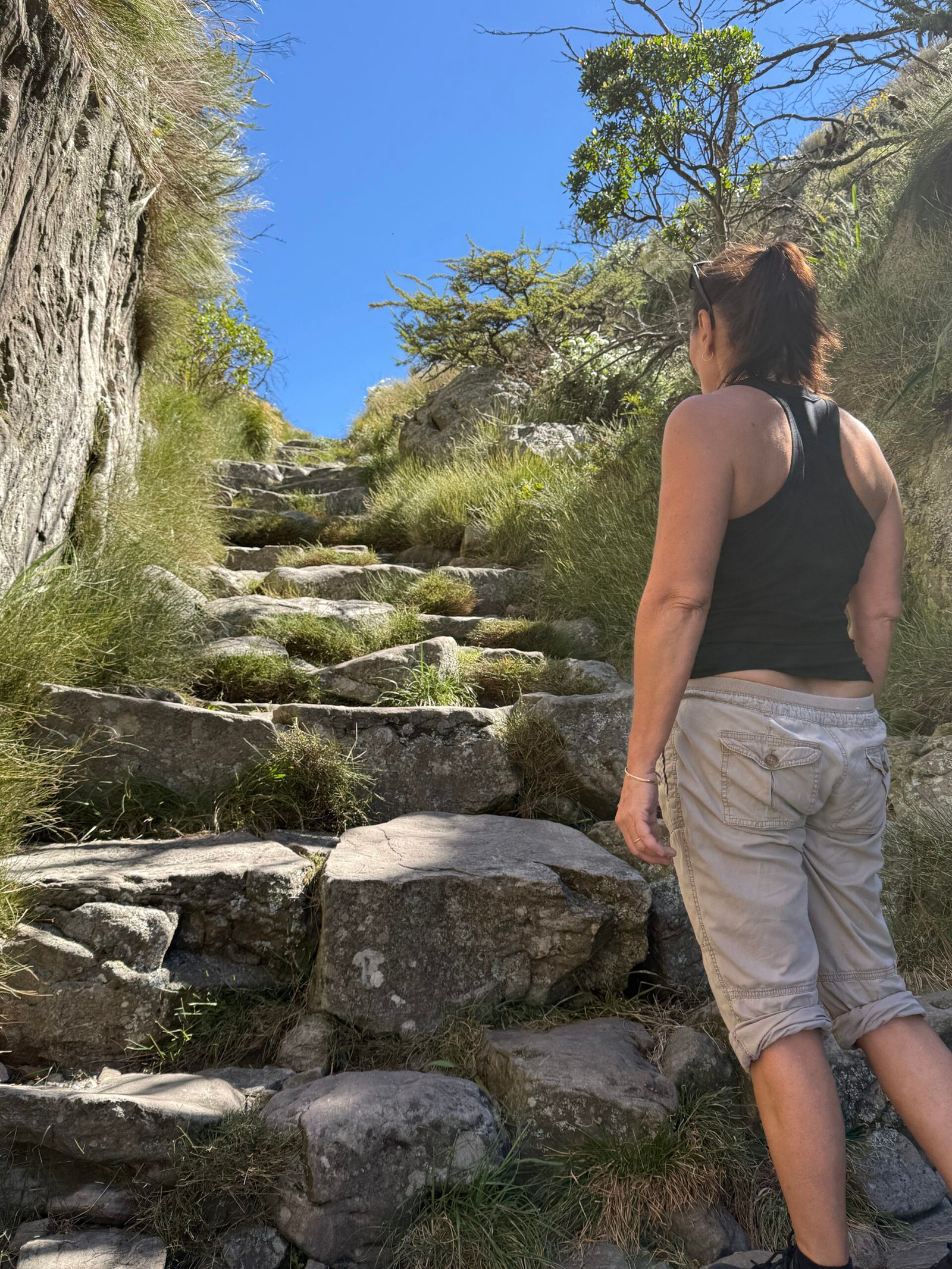
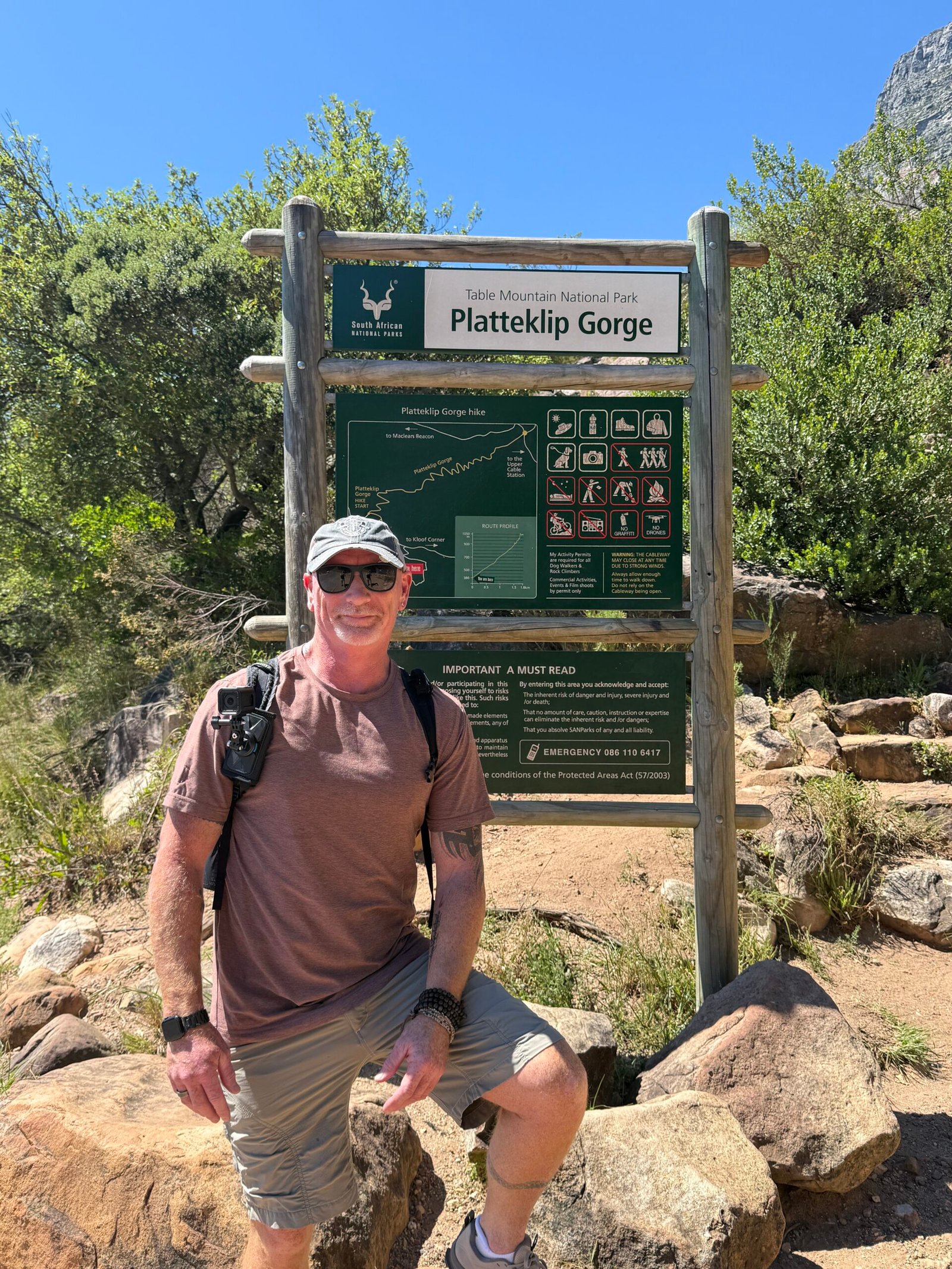
We also explored Table Mountain and Kirstenbosch National Botanical Garden.
Cape Town felt like a place where you could spend weeks without running out of things to discover.
Unfortunately, our schedule only allowed a few days before the next chapter began.
Zimbabwe | Where the Wild Became Real
Victoria Falls was something we had been looking forward to for years.
But Zimbabwe introduced itself before we ever reached the waterfall.
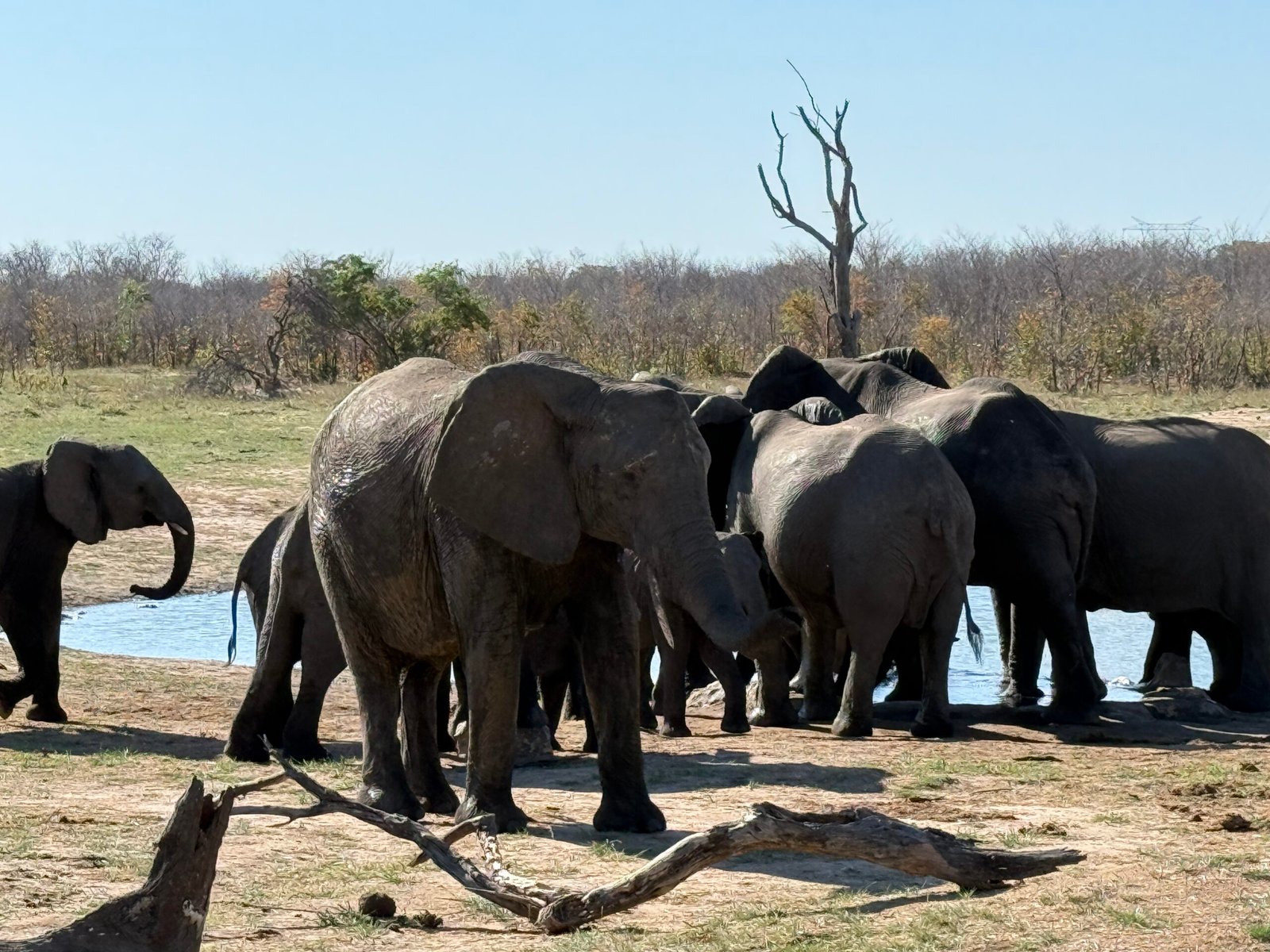
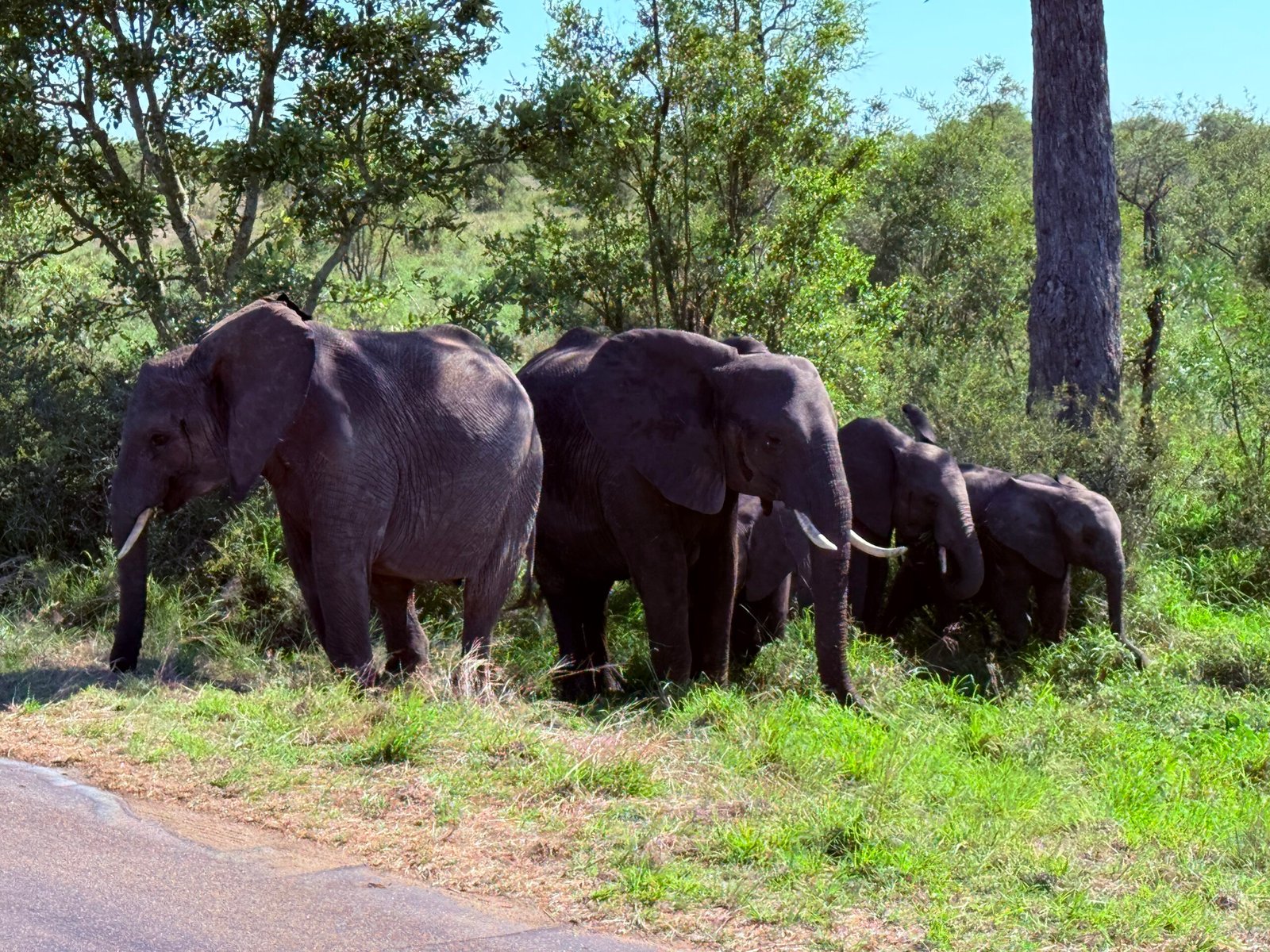
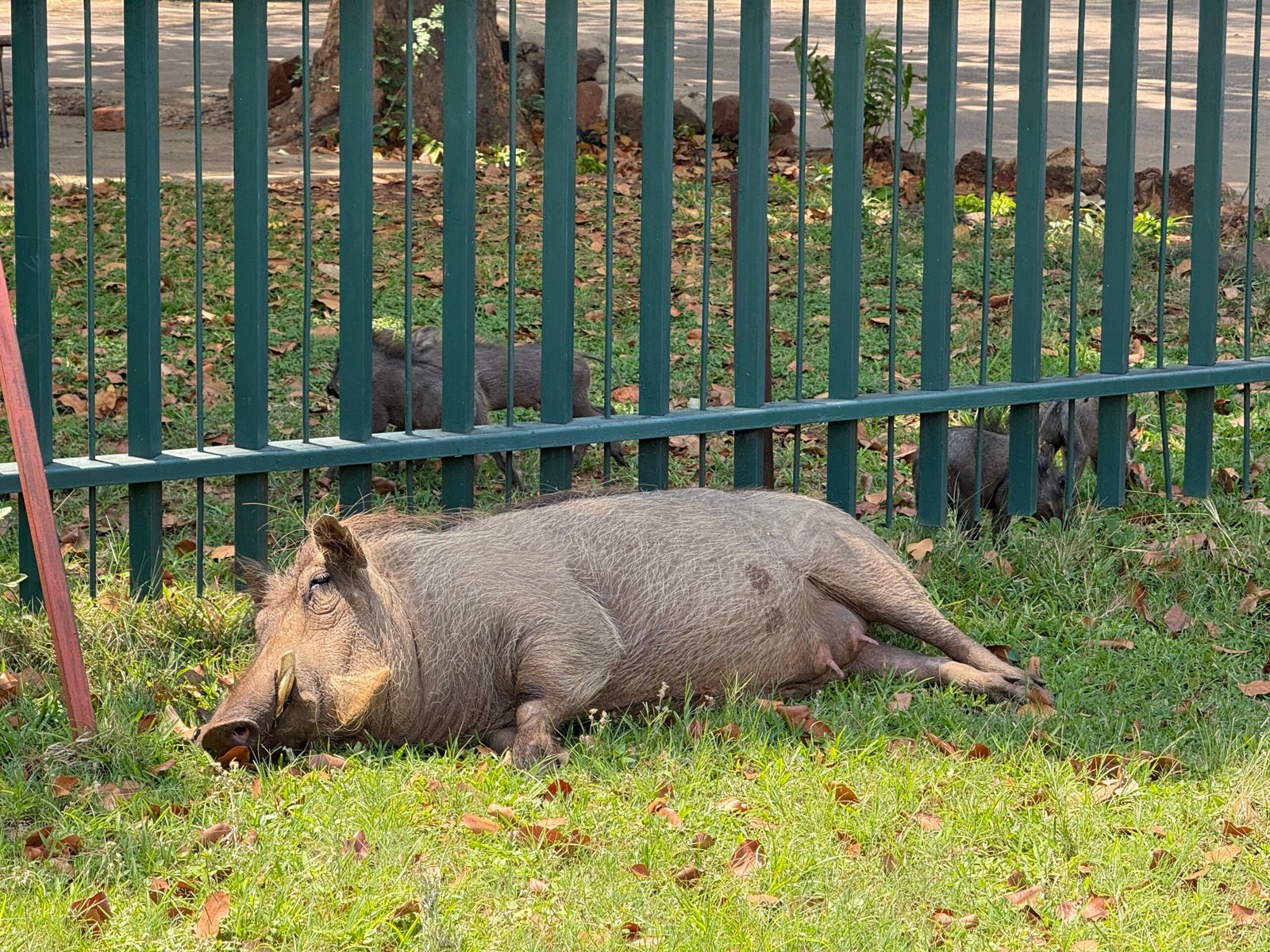
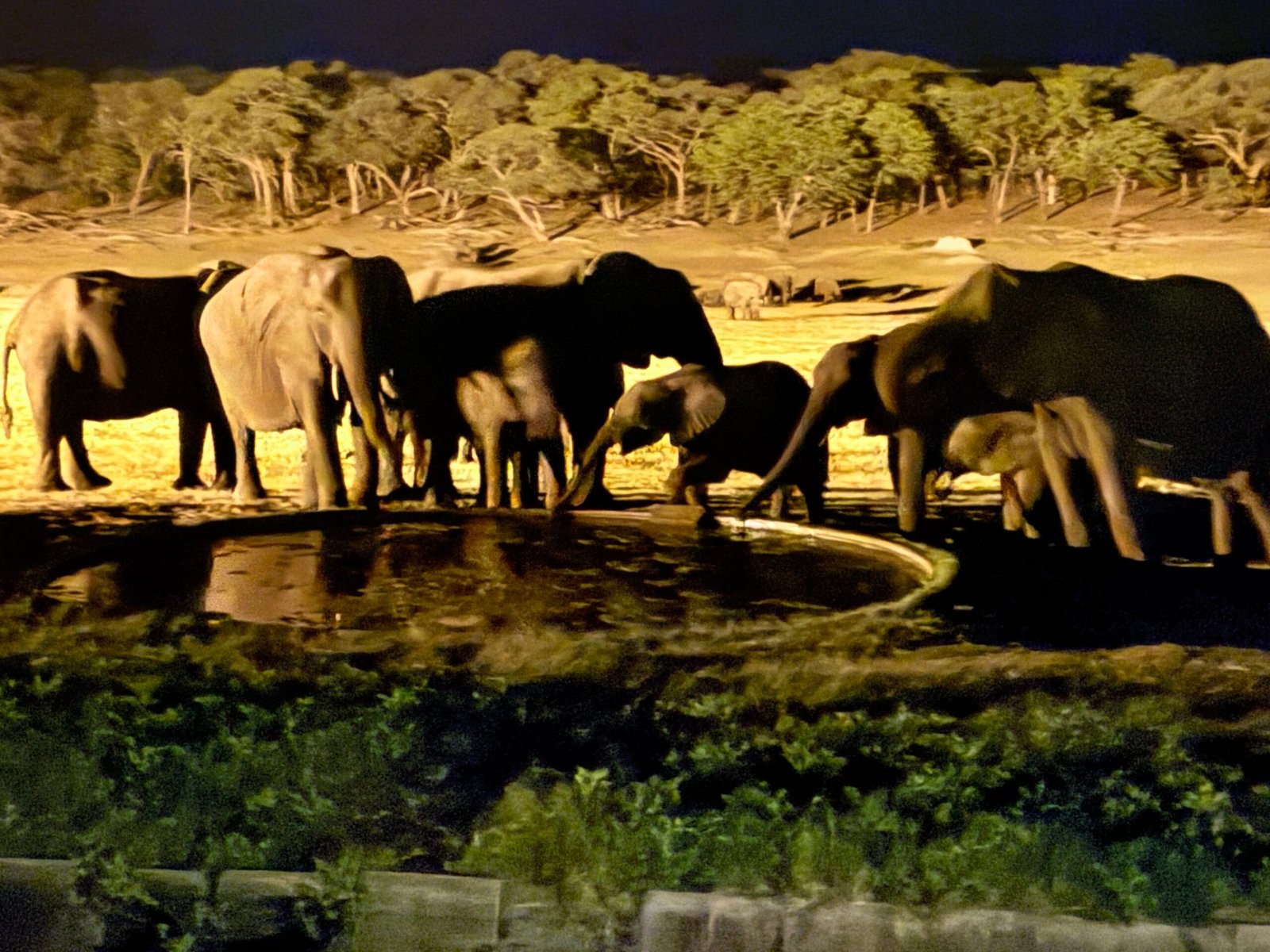
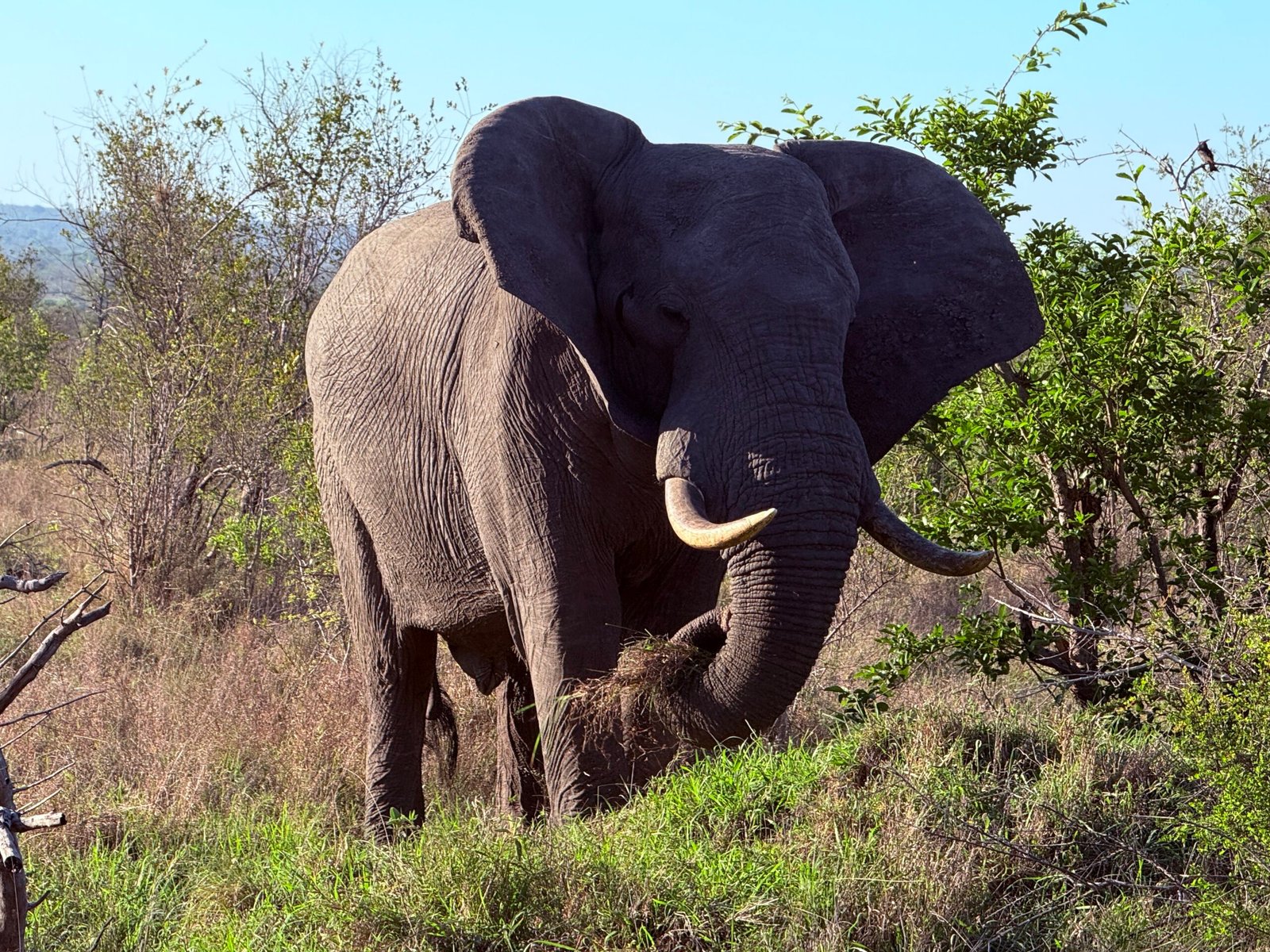
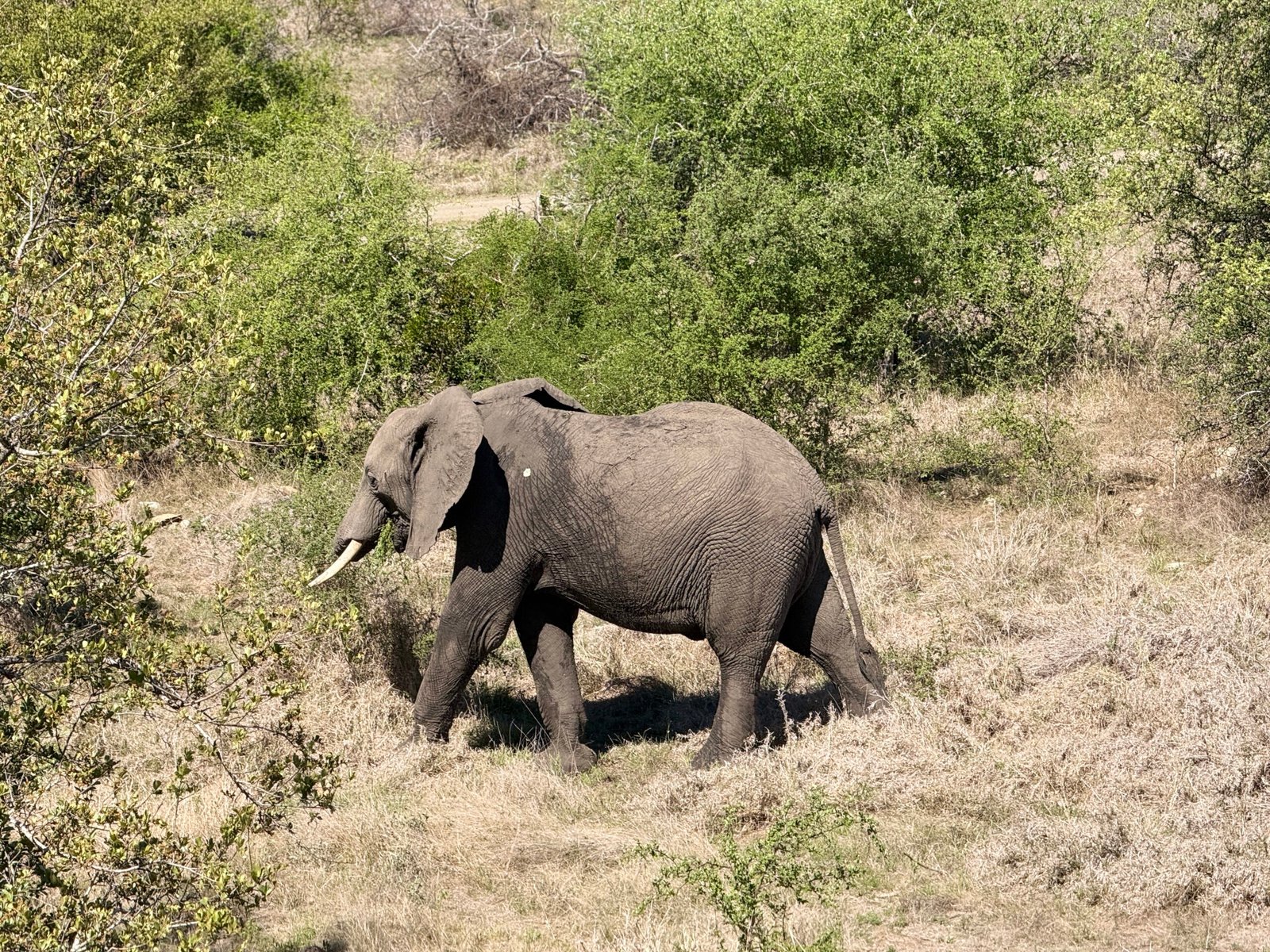
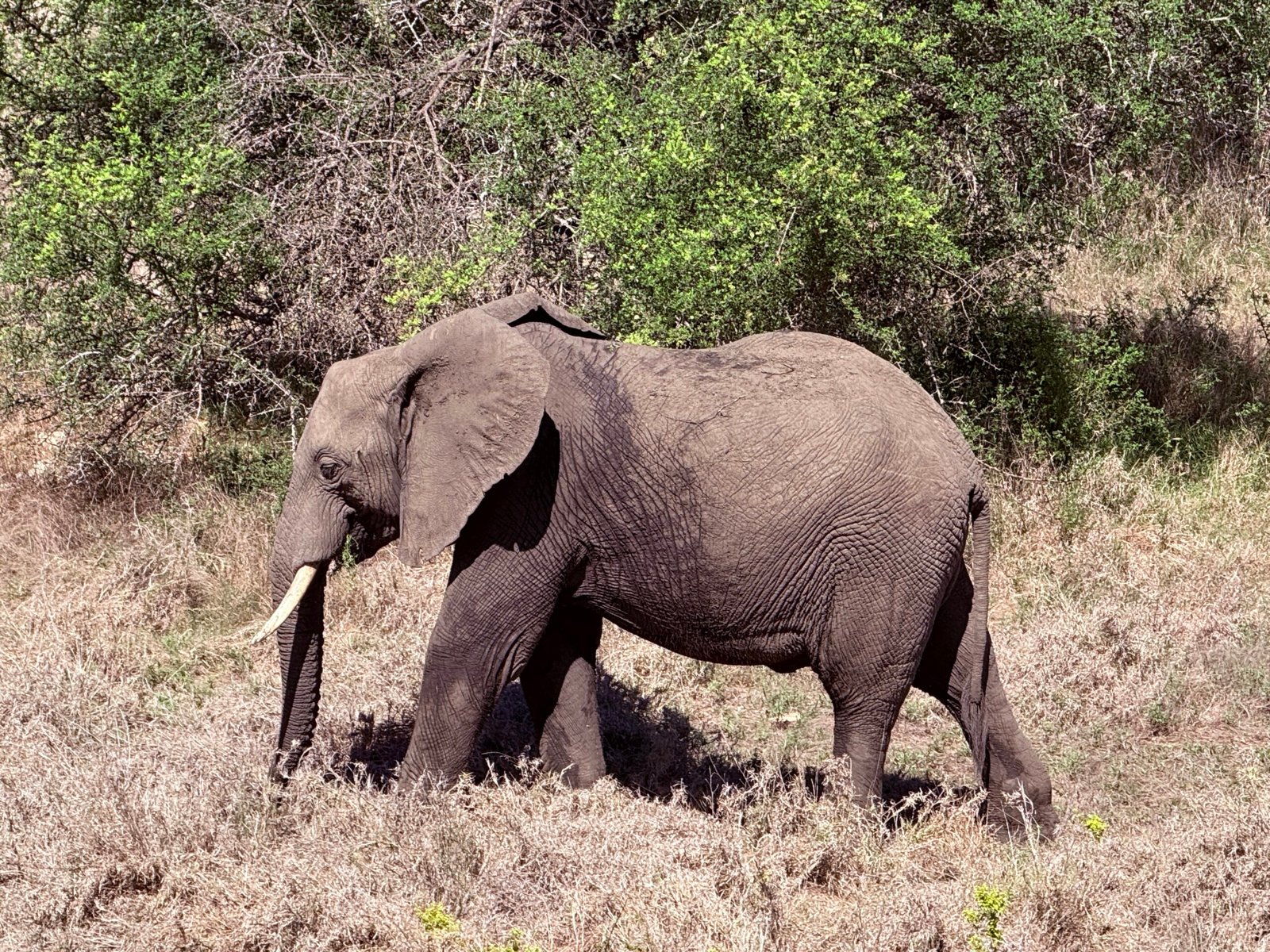
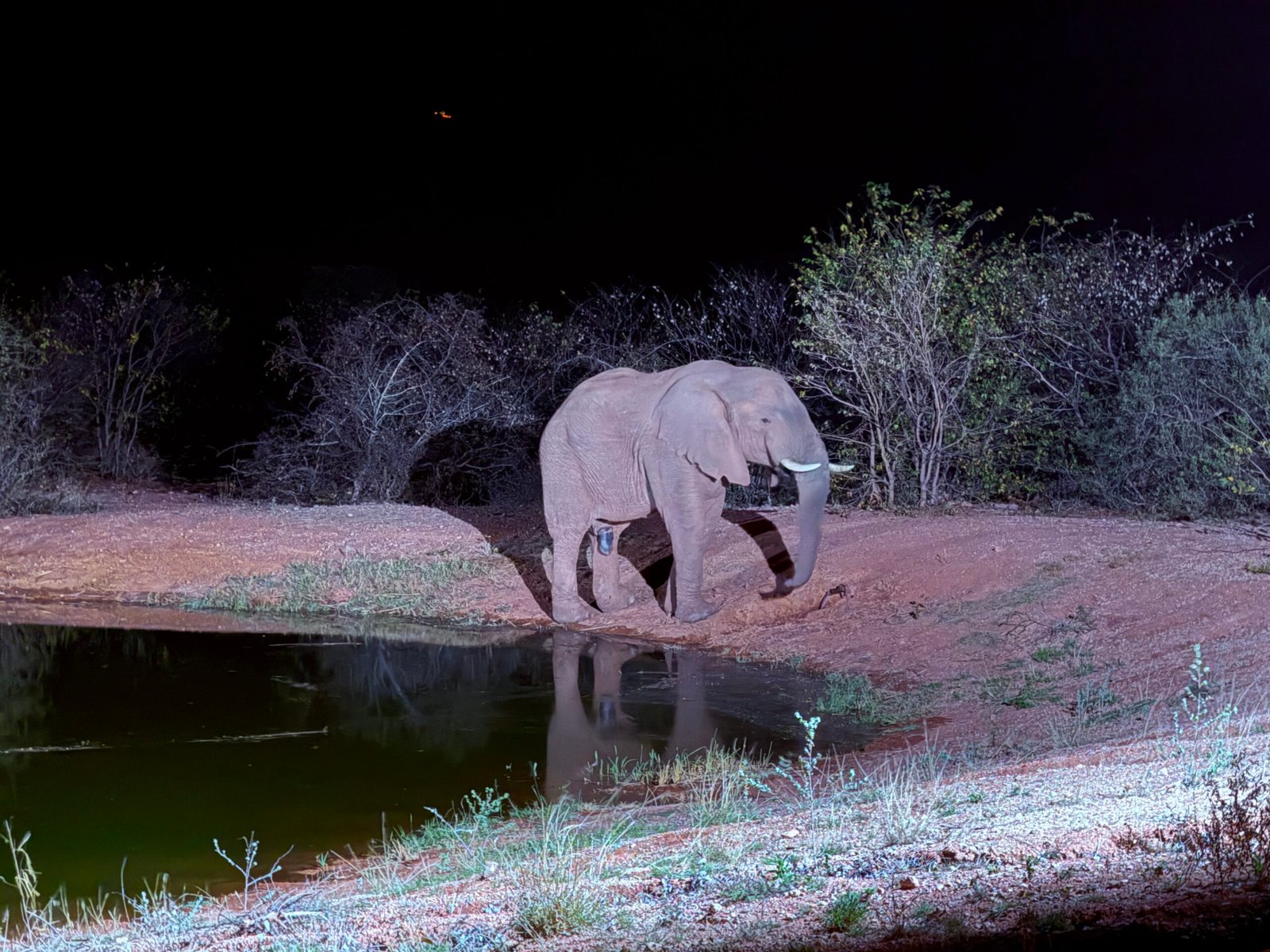
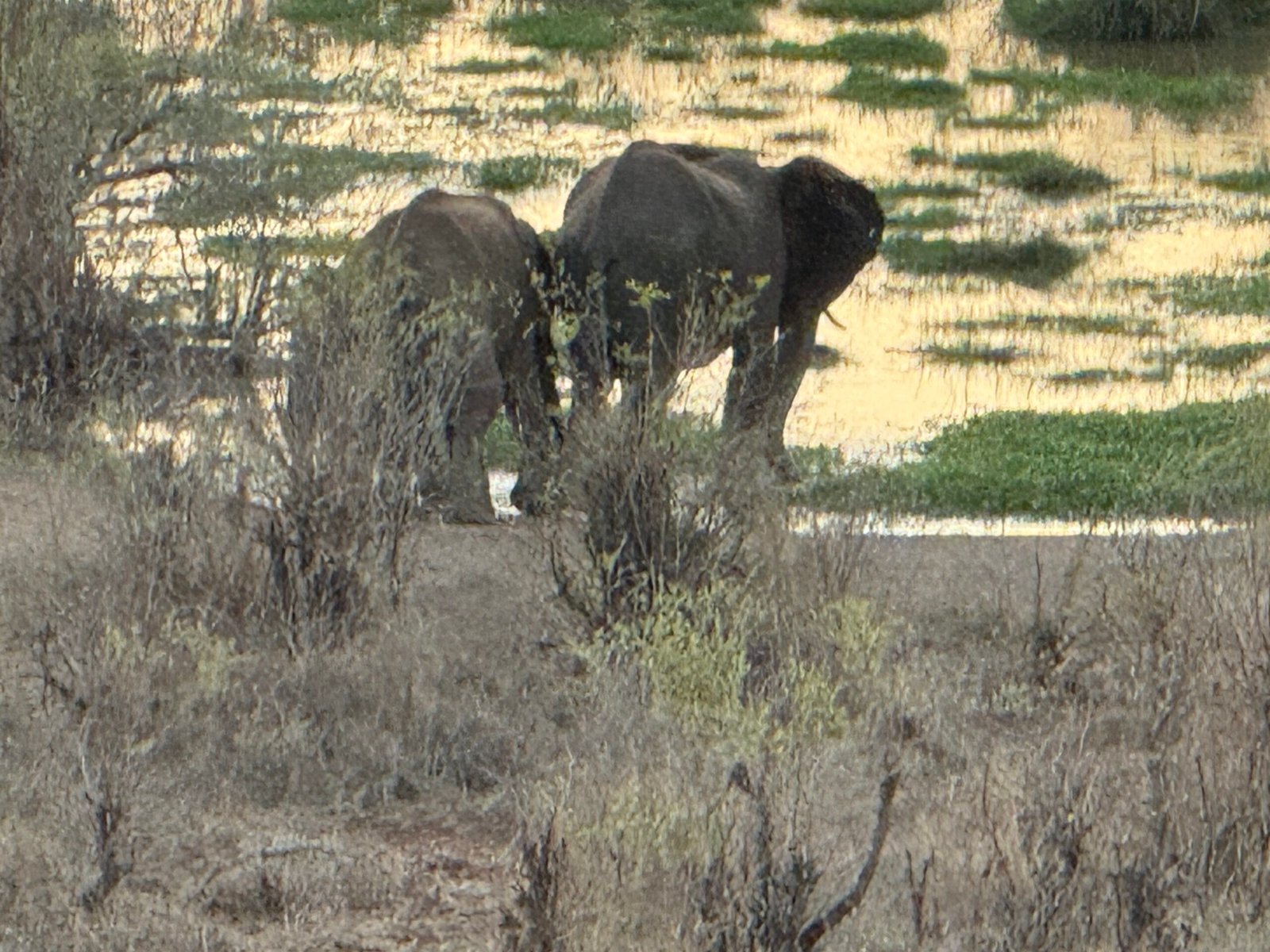
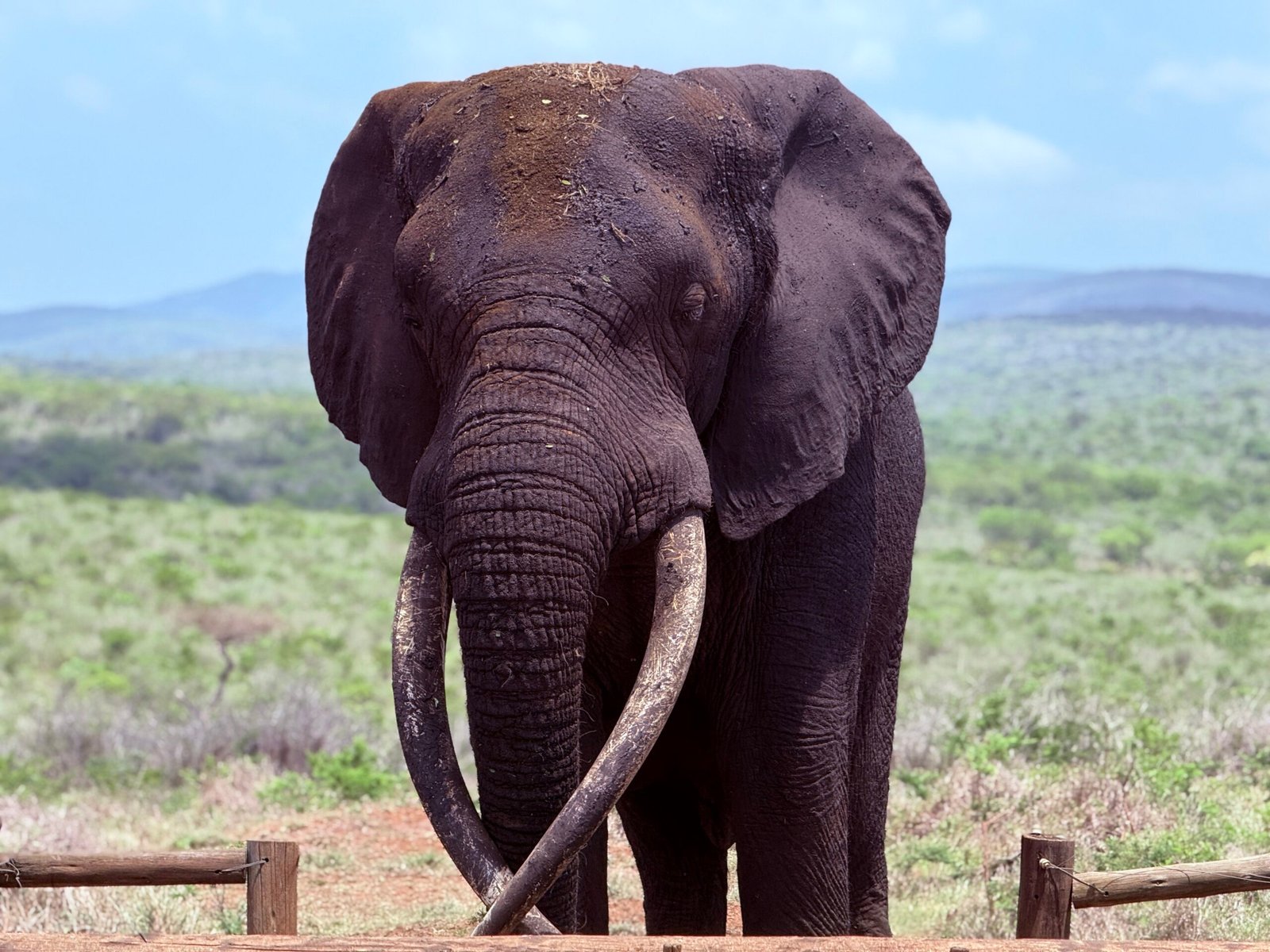
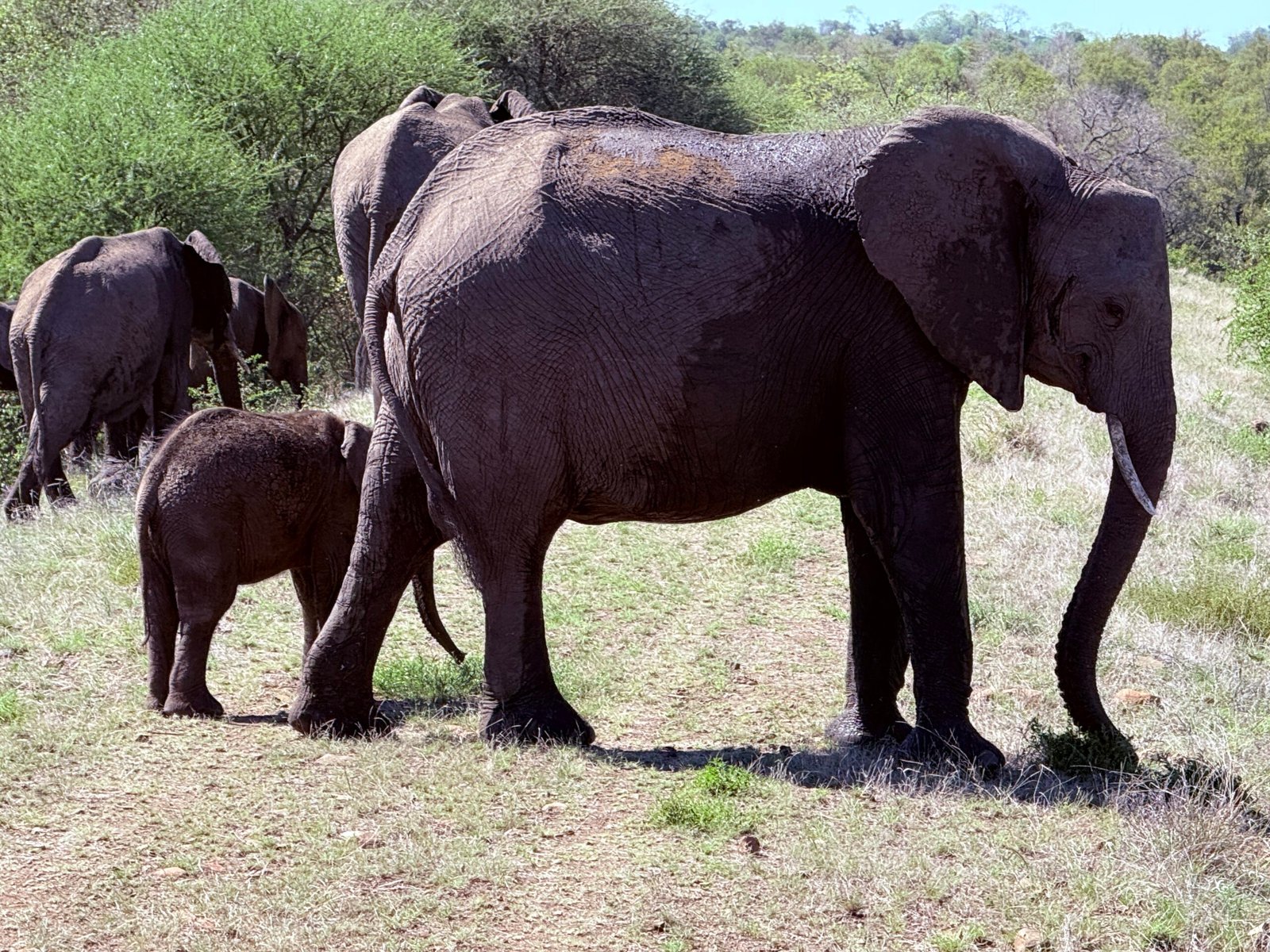
During the drive from the airport, we were warned to watch for elephants crossing the road. When we arrived at our resort along the Zambezi River, we were advised not to walk outside the property after dark because of elephants, lions, and hyenas.
That certainly got our attention.
Suddenly, wildlife wasn’t something we were traveling somewhere to see. It was part of the environment around us.
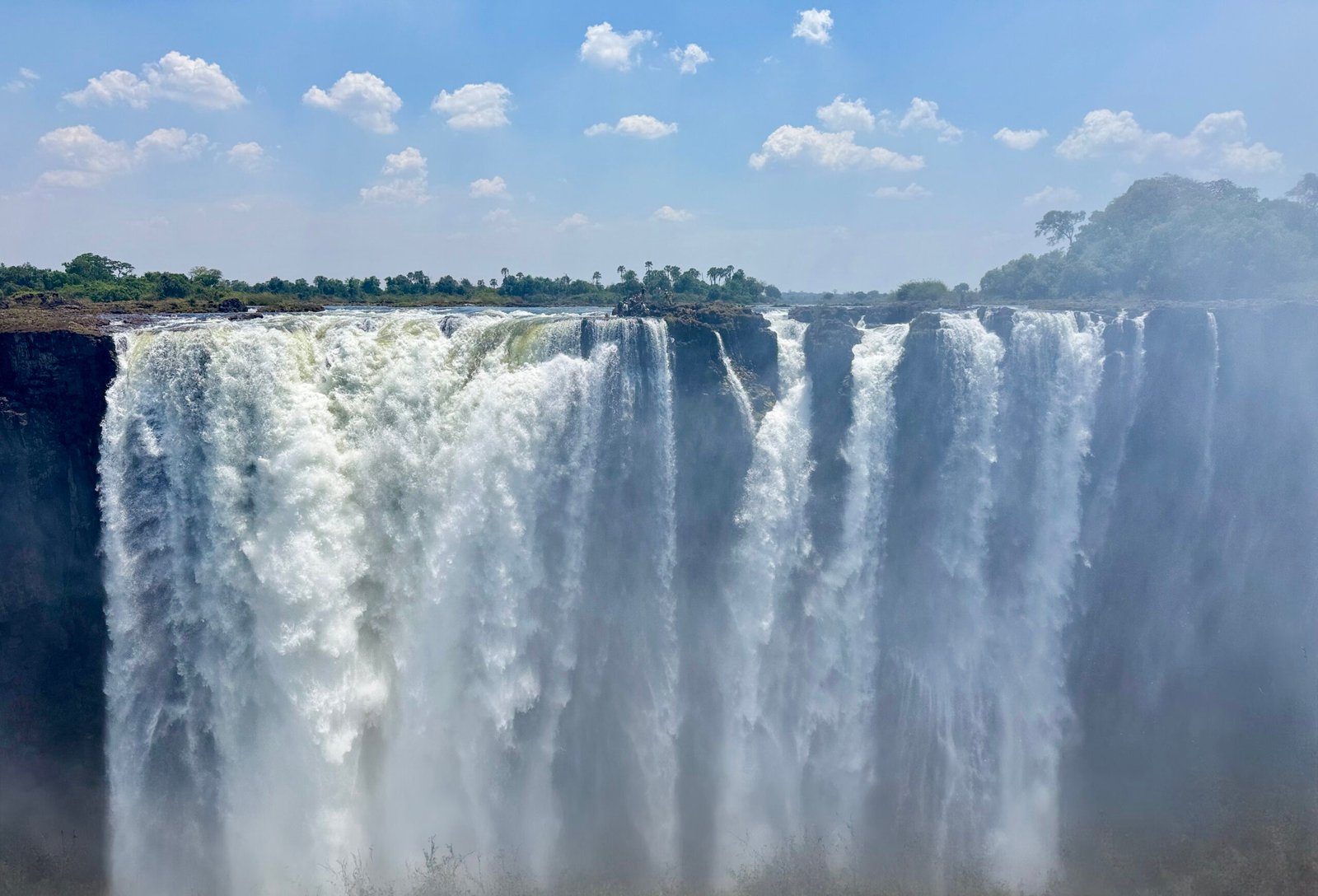
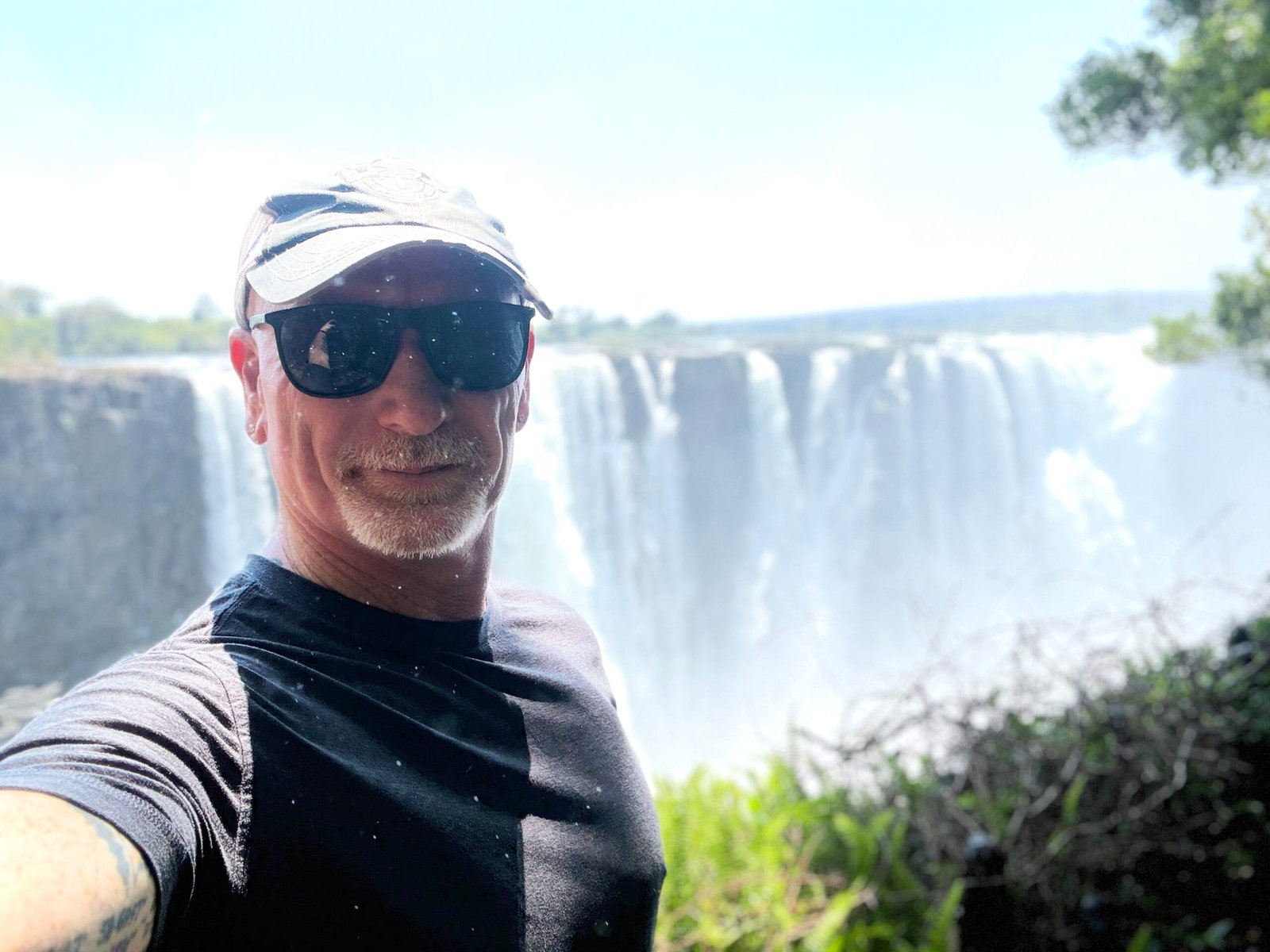
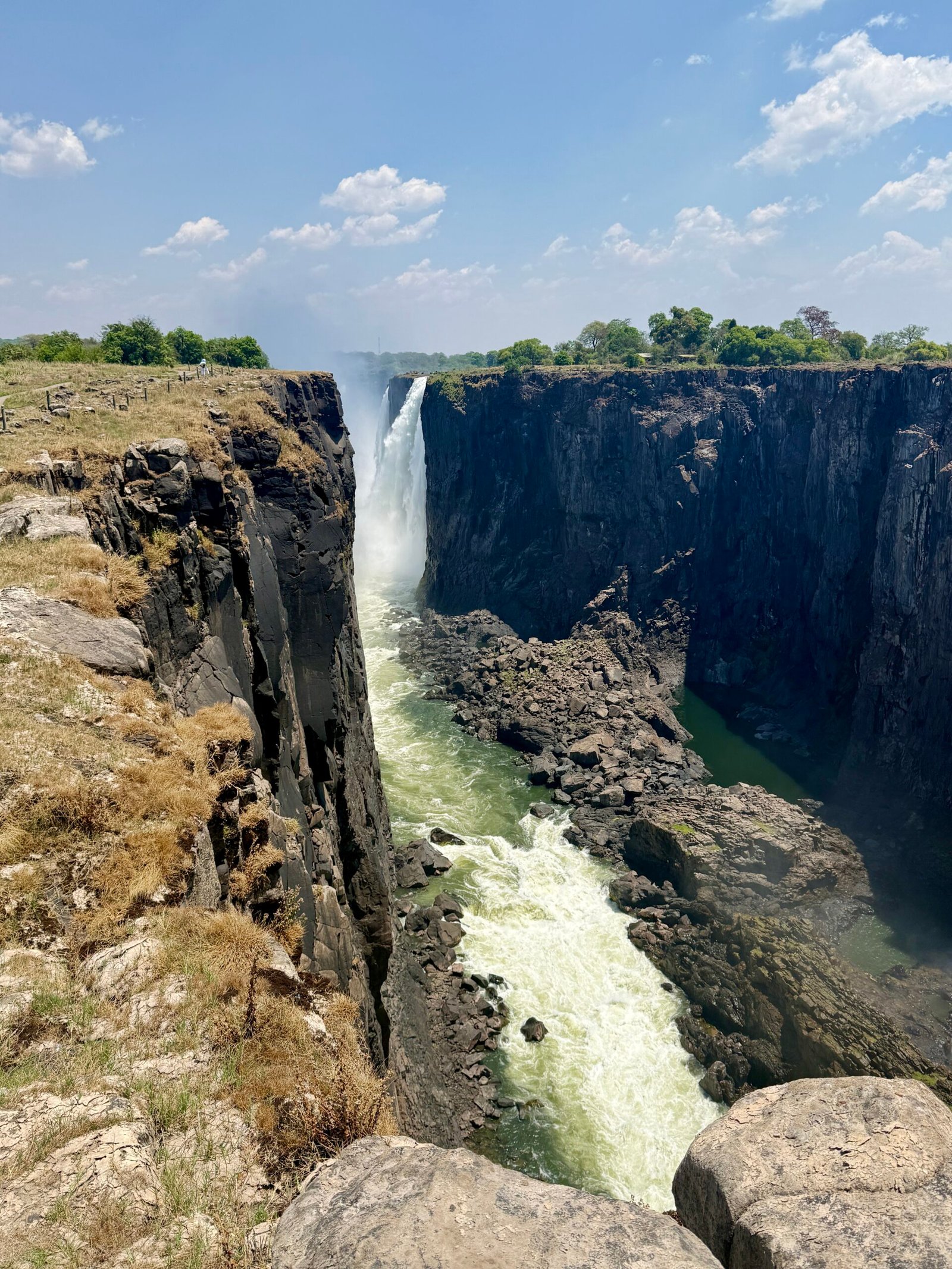
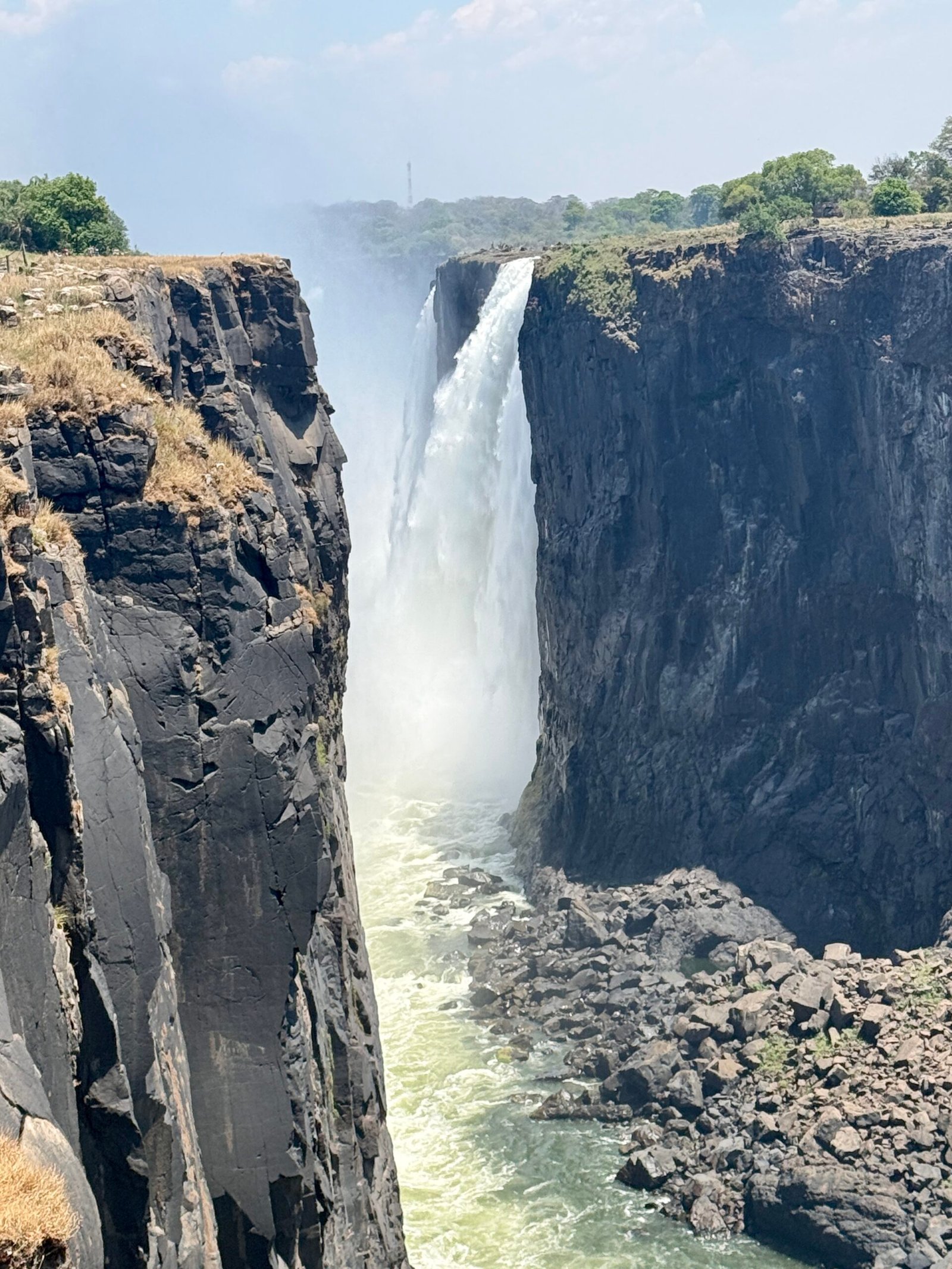
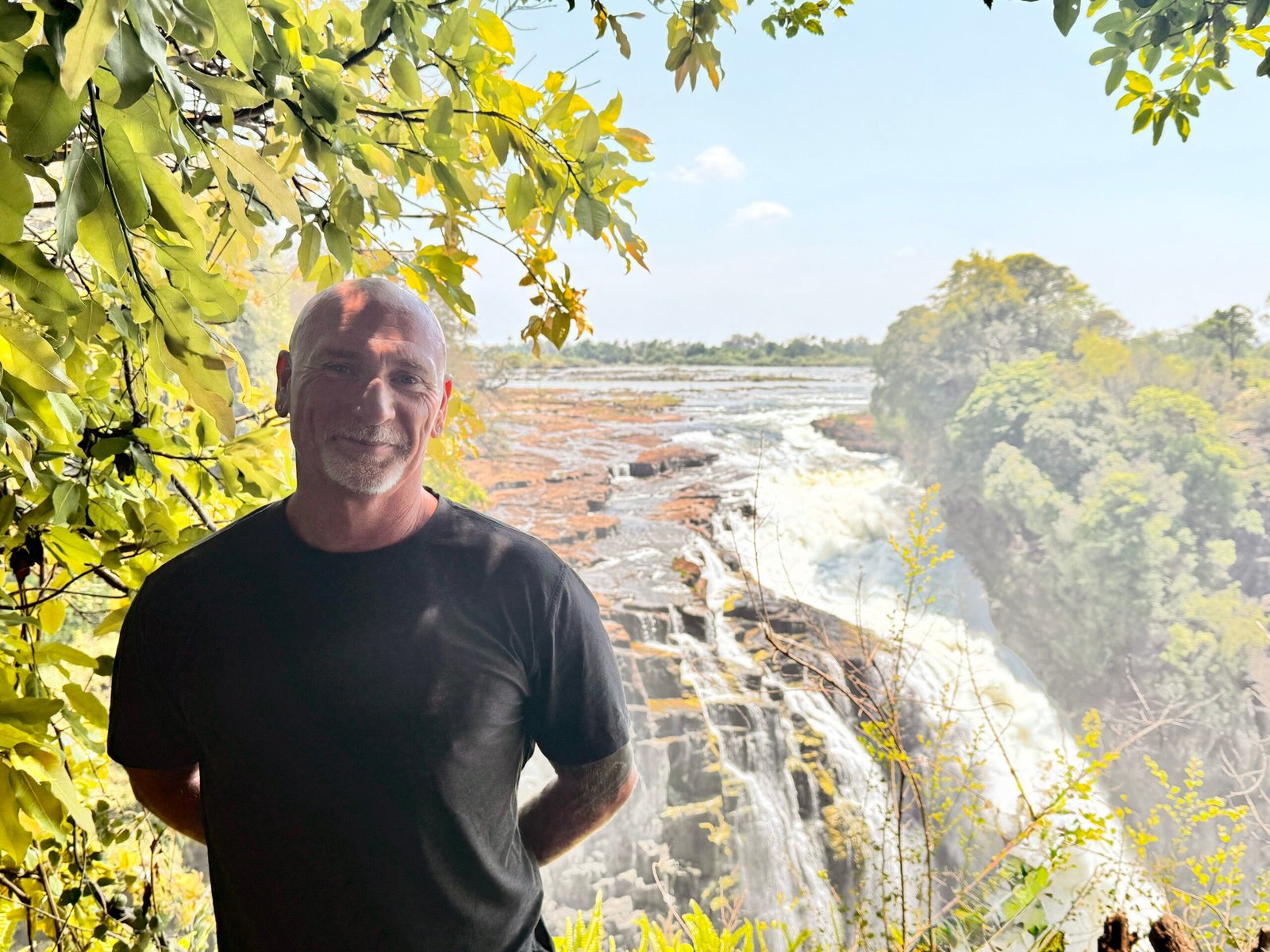
Victoria Falls itself was overwhelming.
The scale is difficult to communicate through photographs. The sound, the mist rising from the gorge, and the sheer volume of water create an experience that can’t really be replicated on a screen.
But one of our most memorable experiences happened away from the falls.
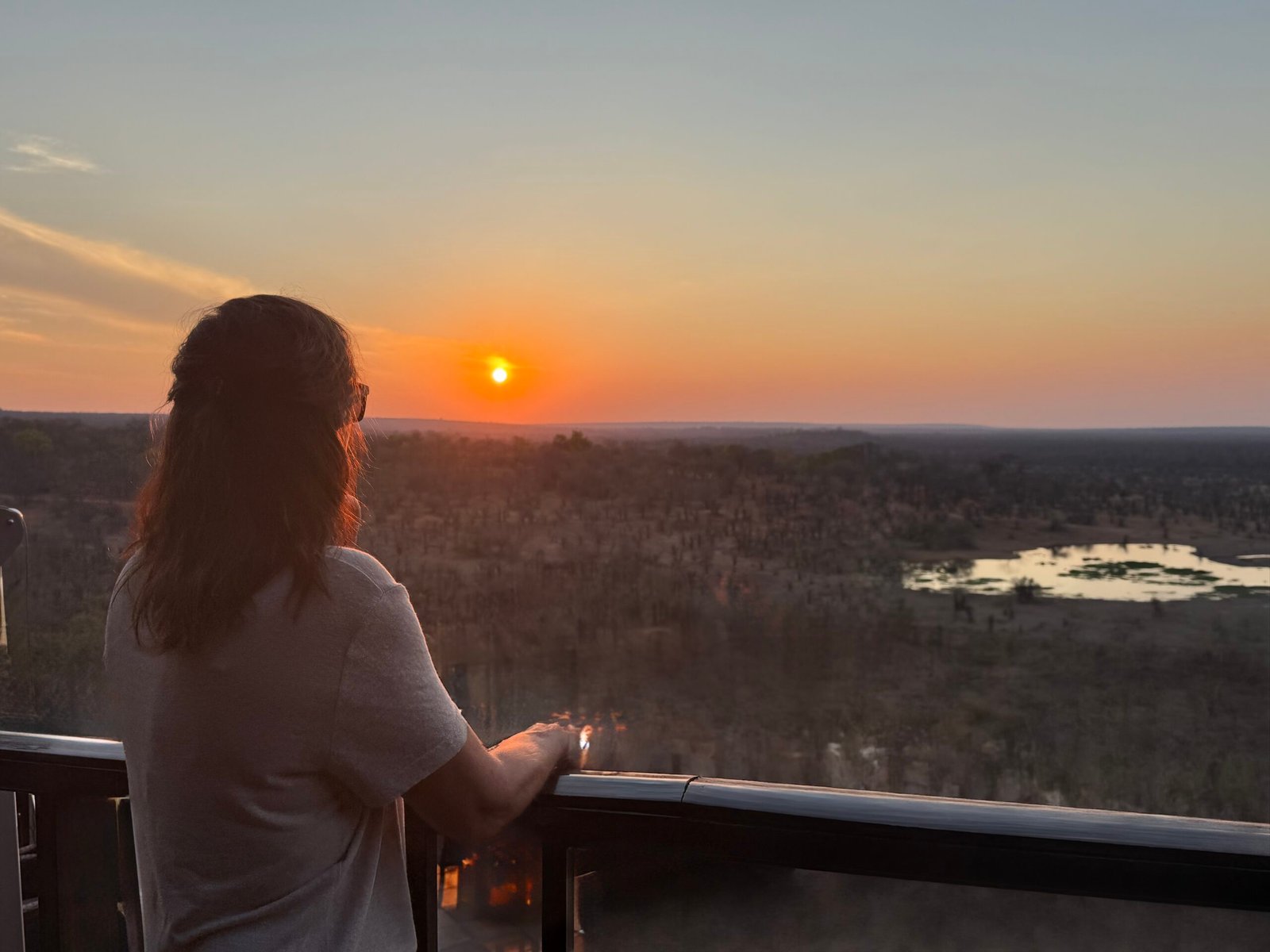
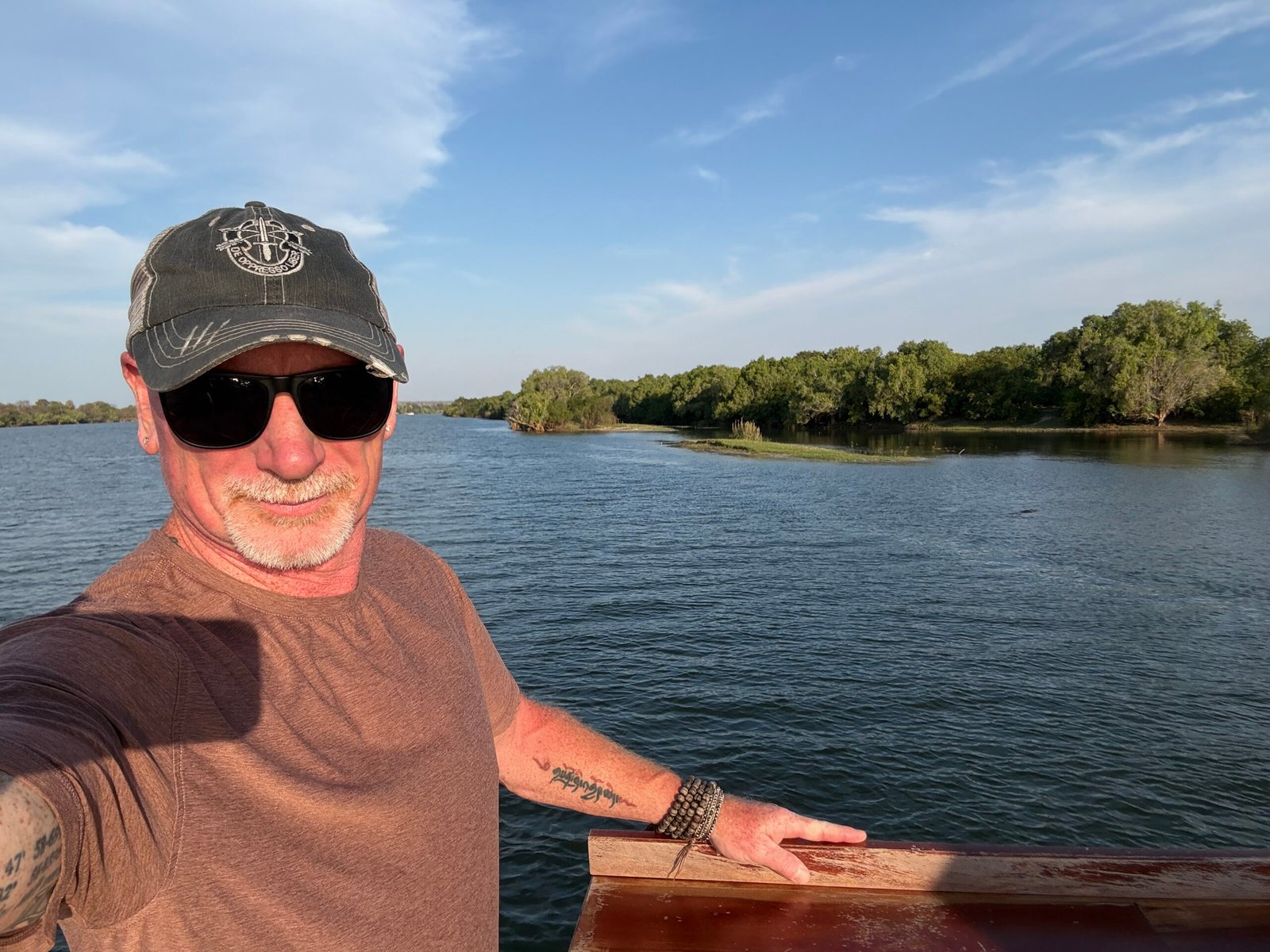
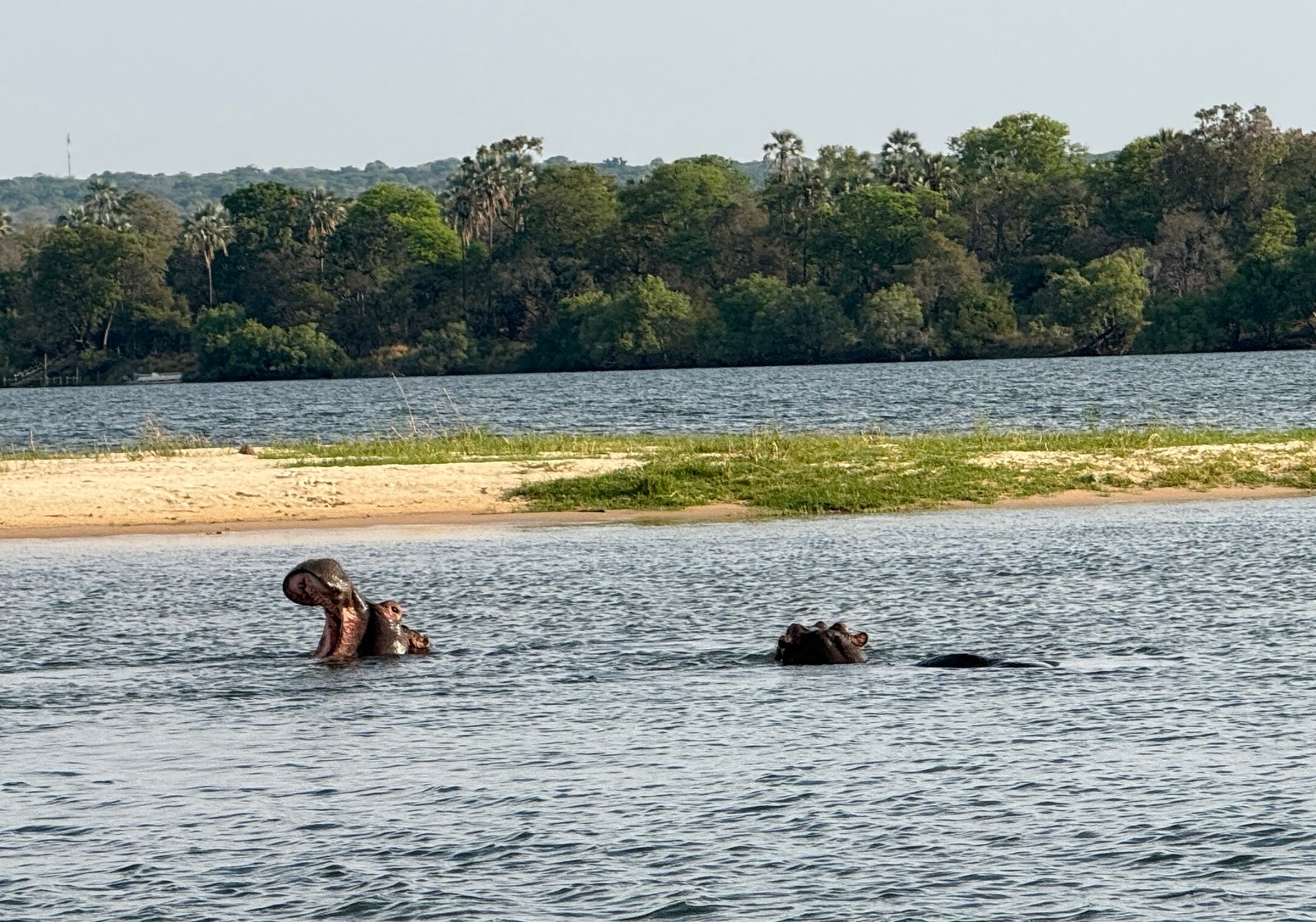
We had a sunset cruise on the Zambezi River entirely to ourselves.
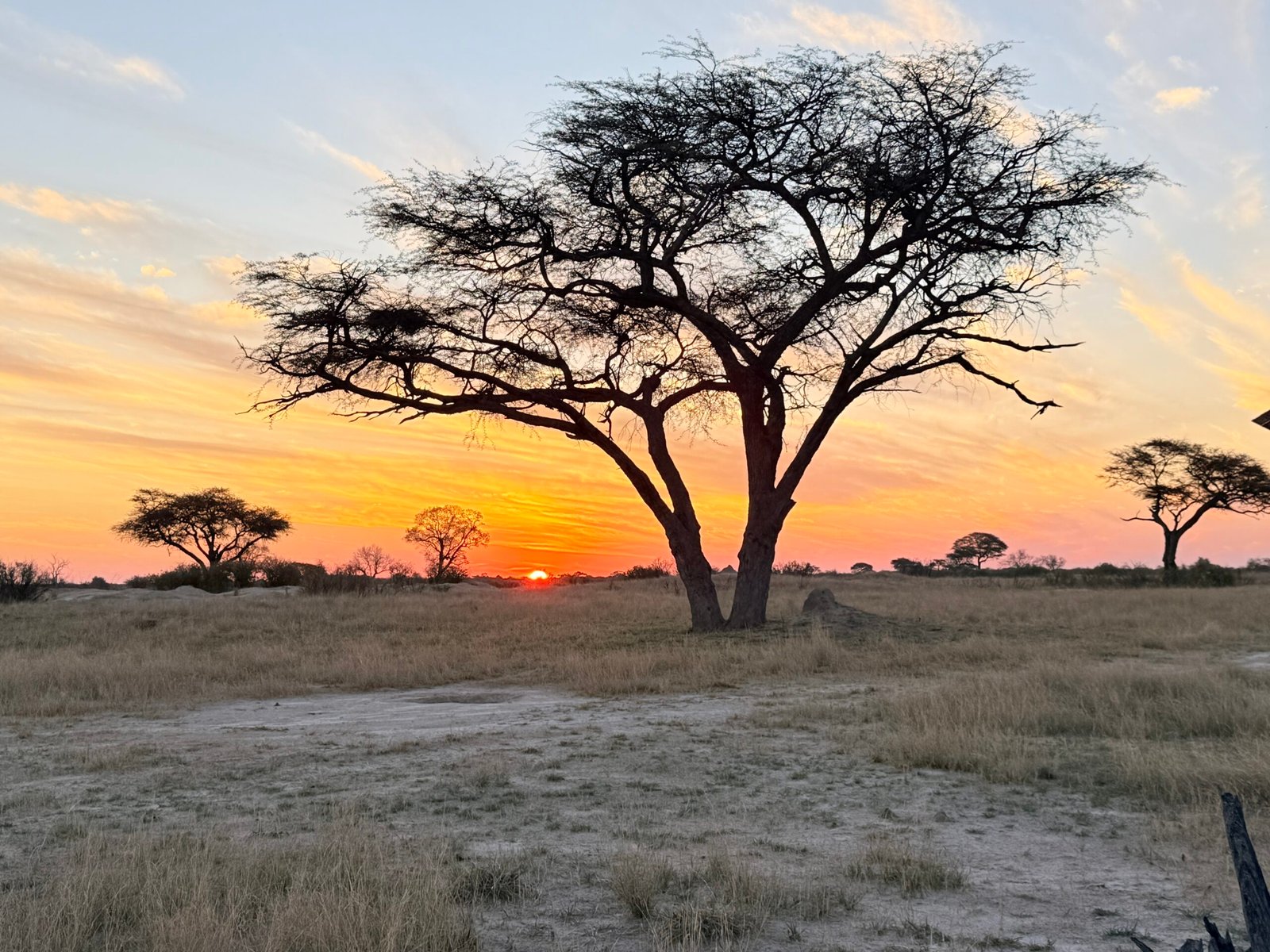
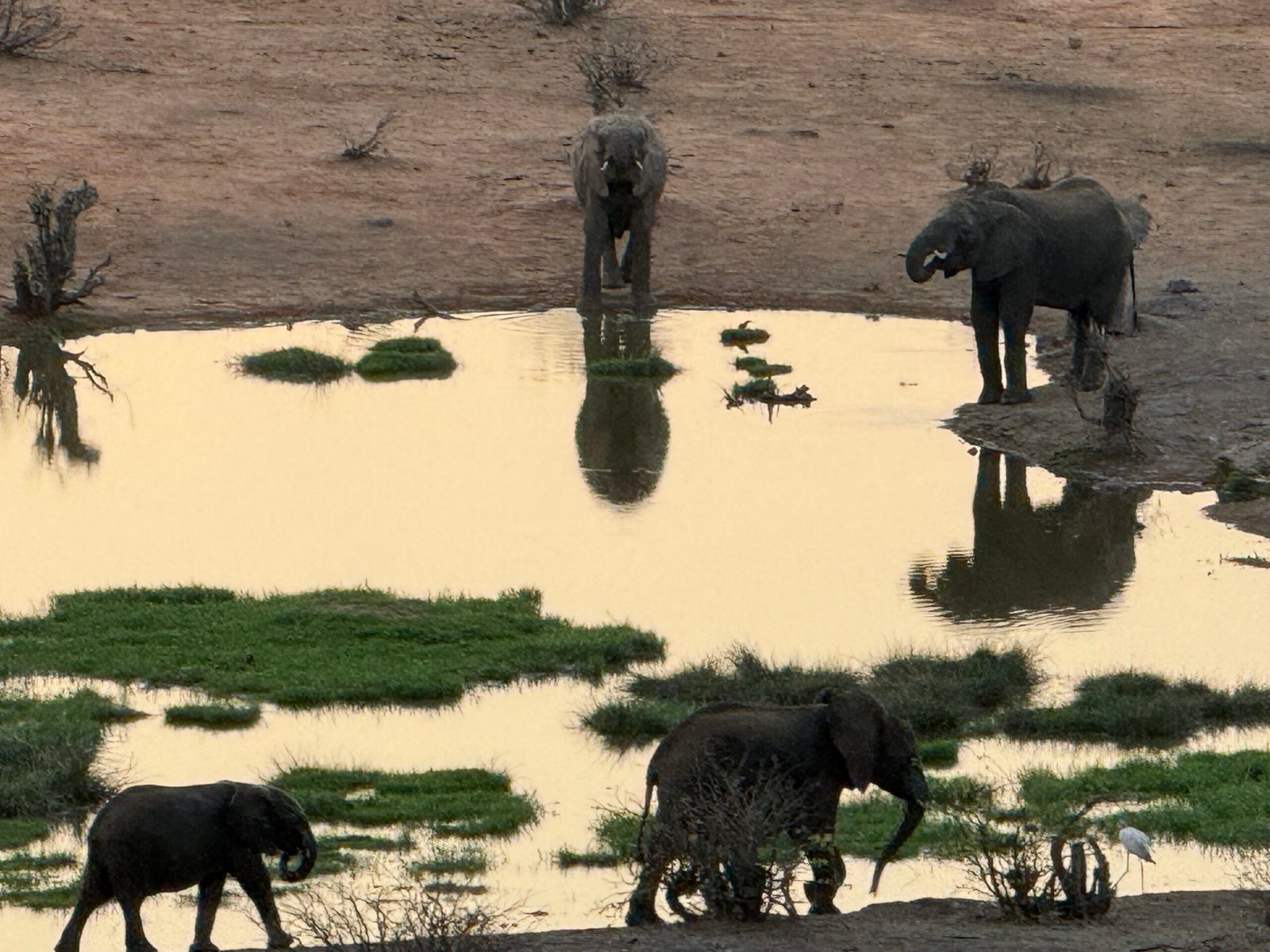
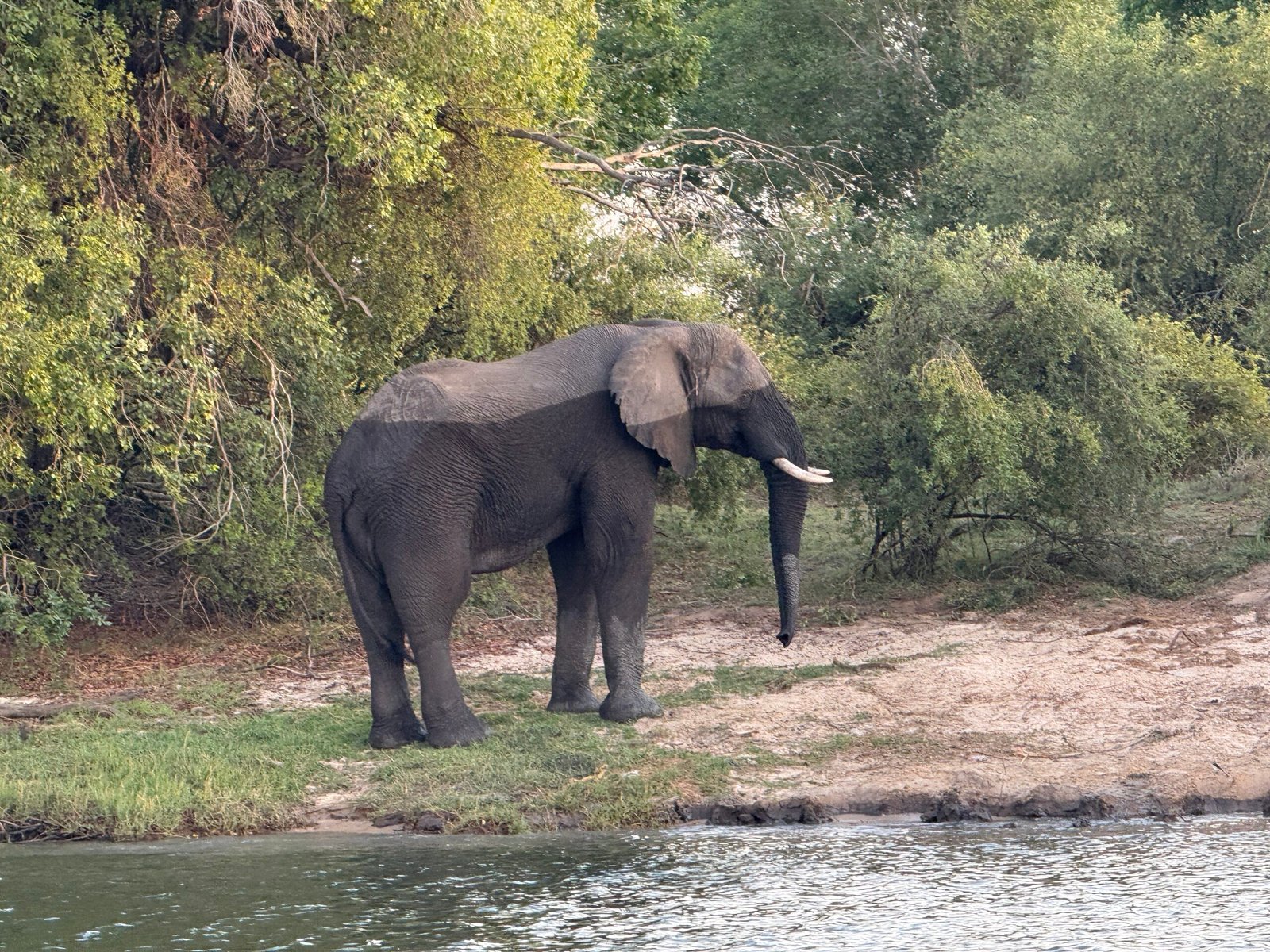
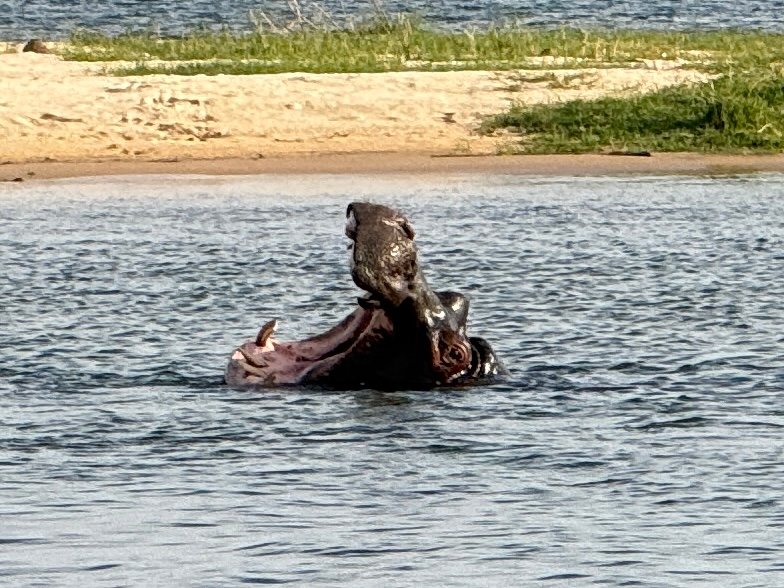
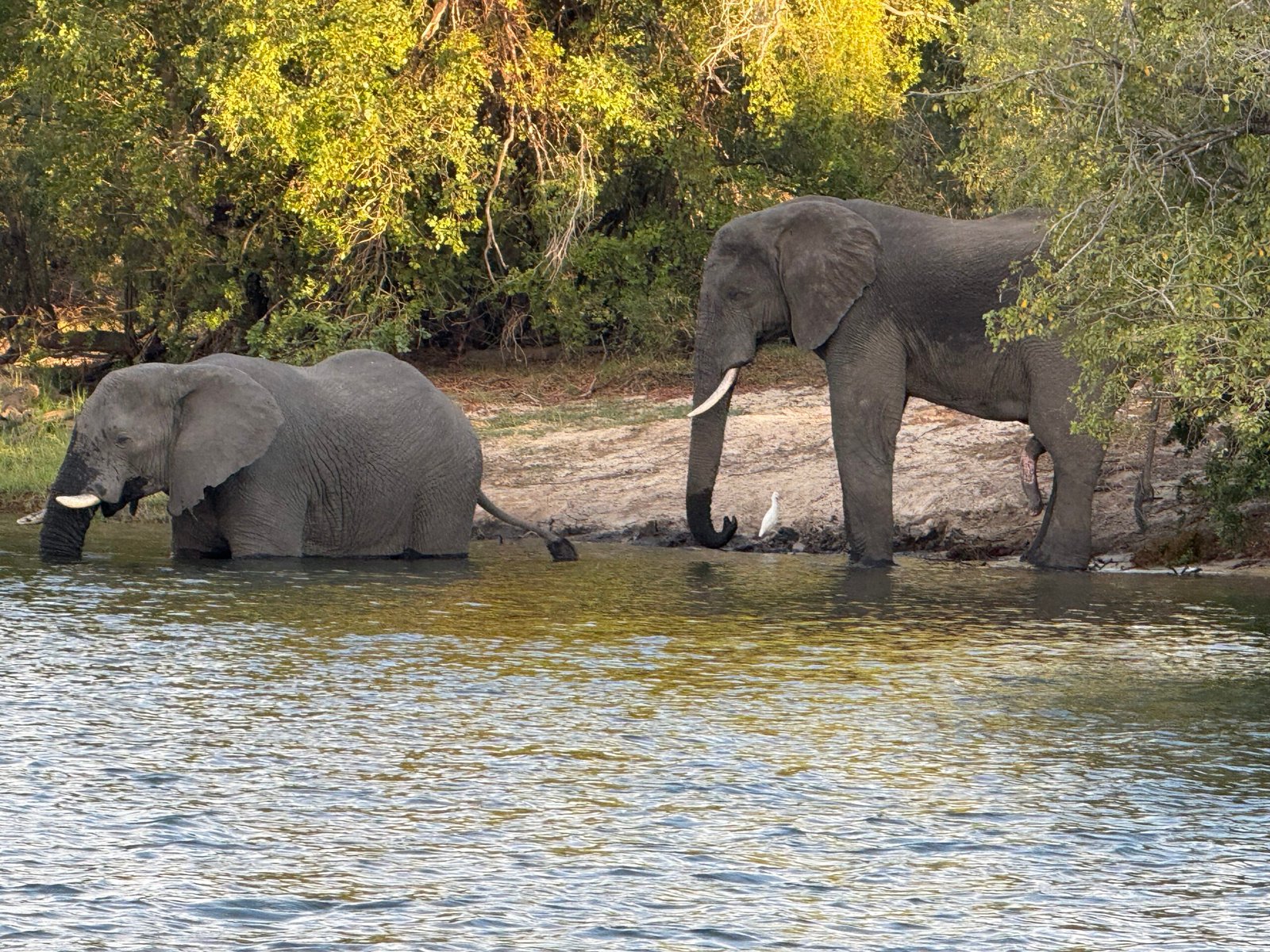
As the light changed, we watched hippos in the water, crocodiles along the river, and elephants swimming across.
There was no crowd, no rushing between activities, and nothing competing for our attention.
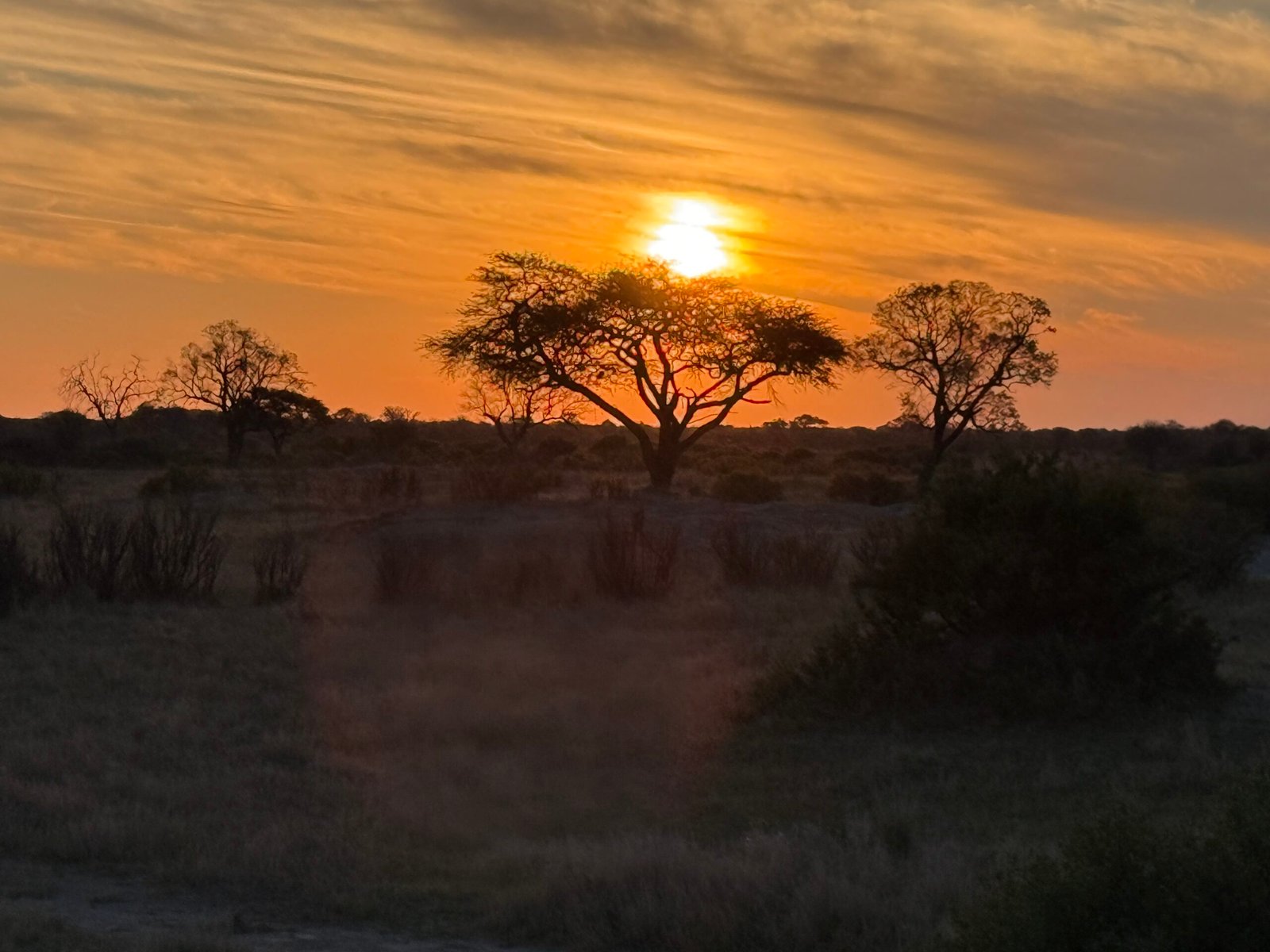
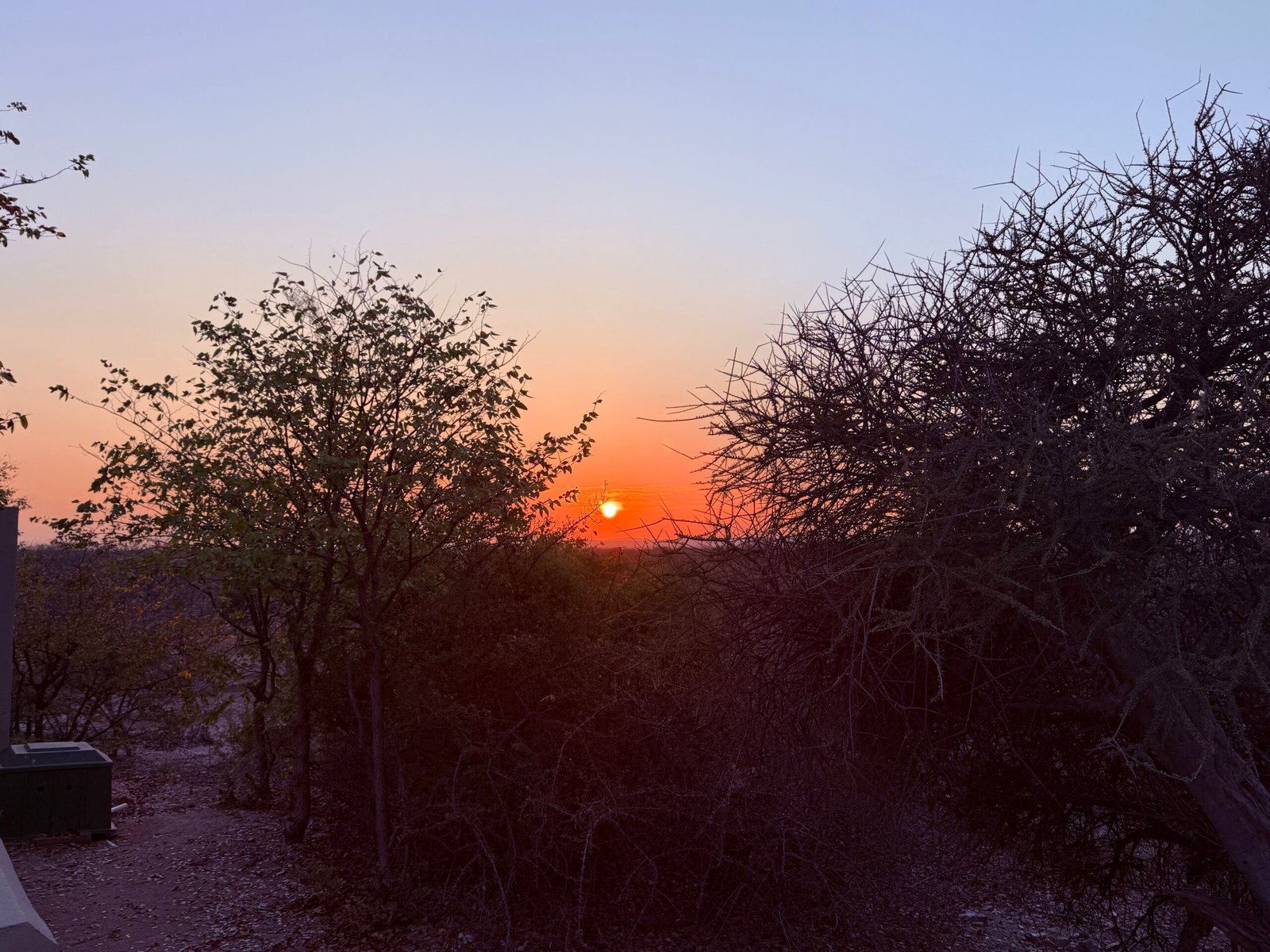
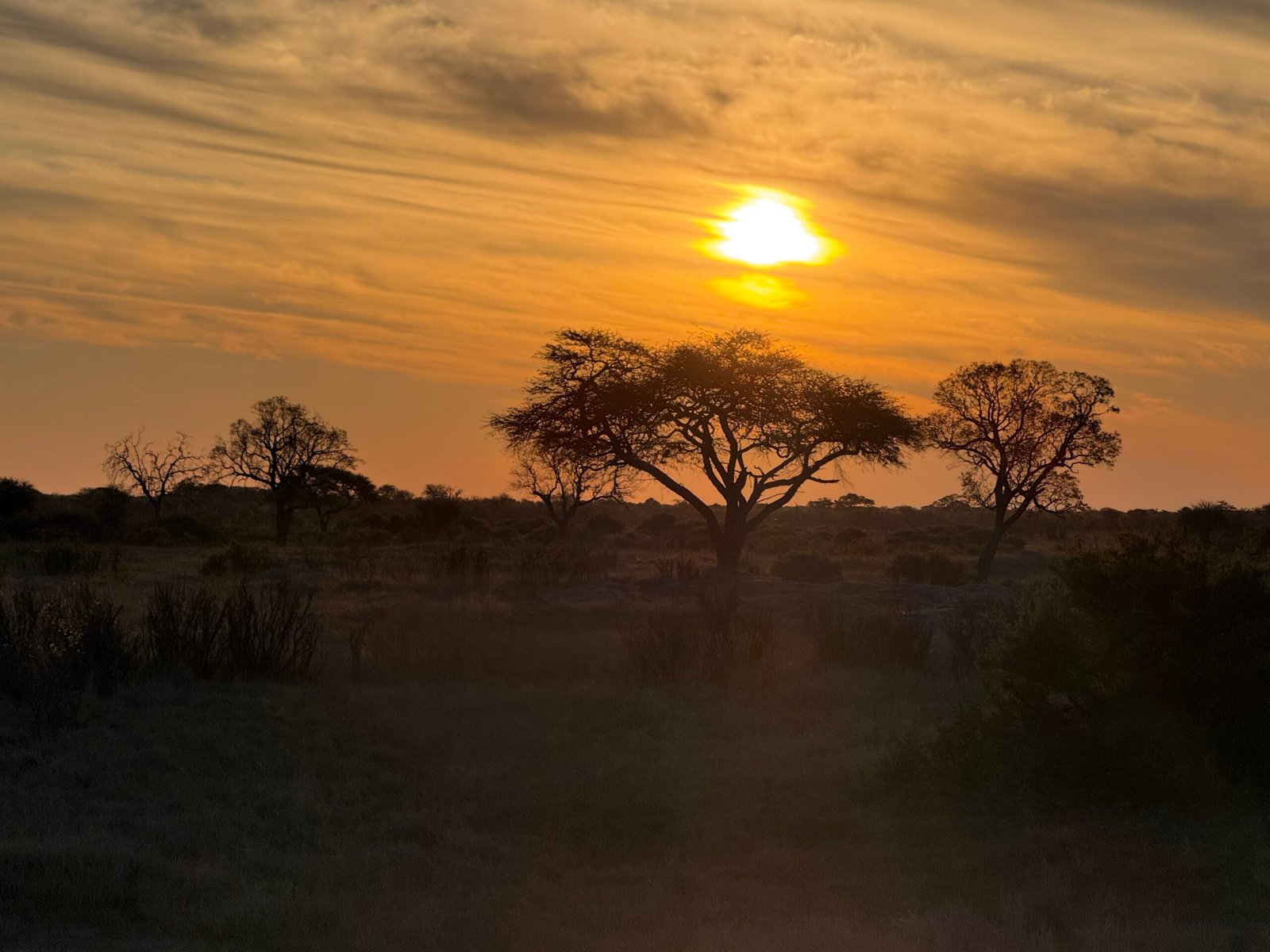
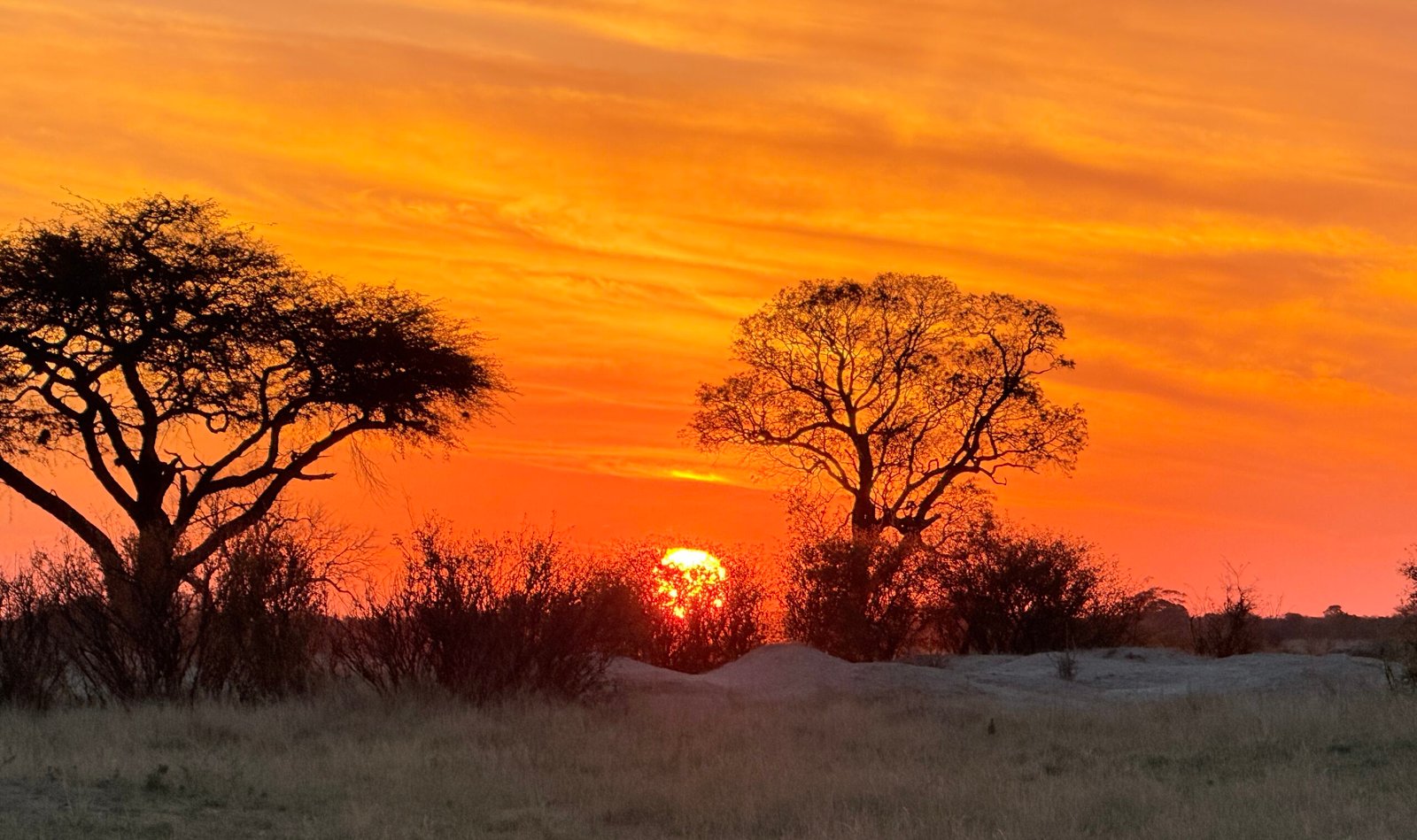
Just the river, the wildlife, and an unforgettable evening.
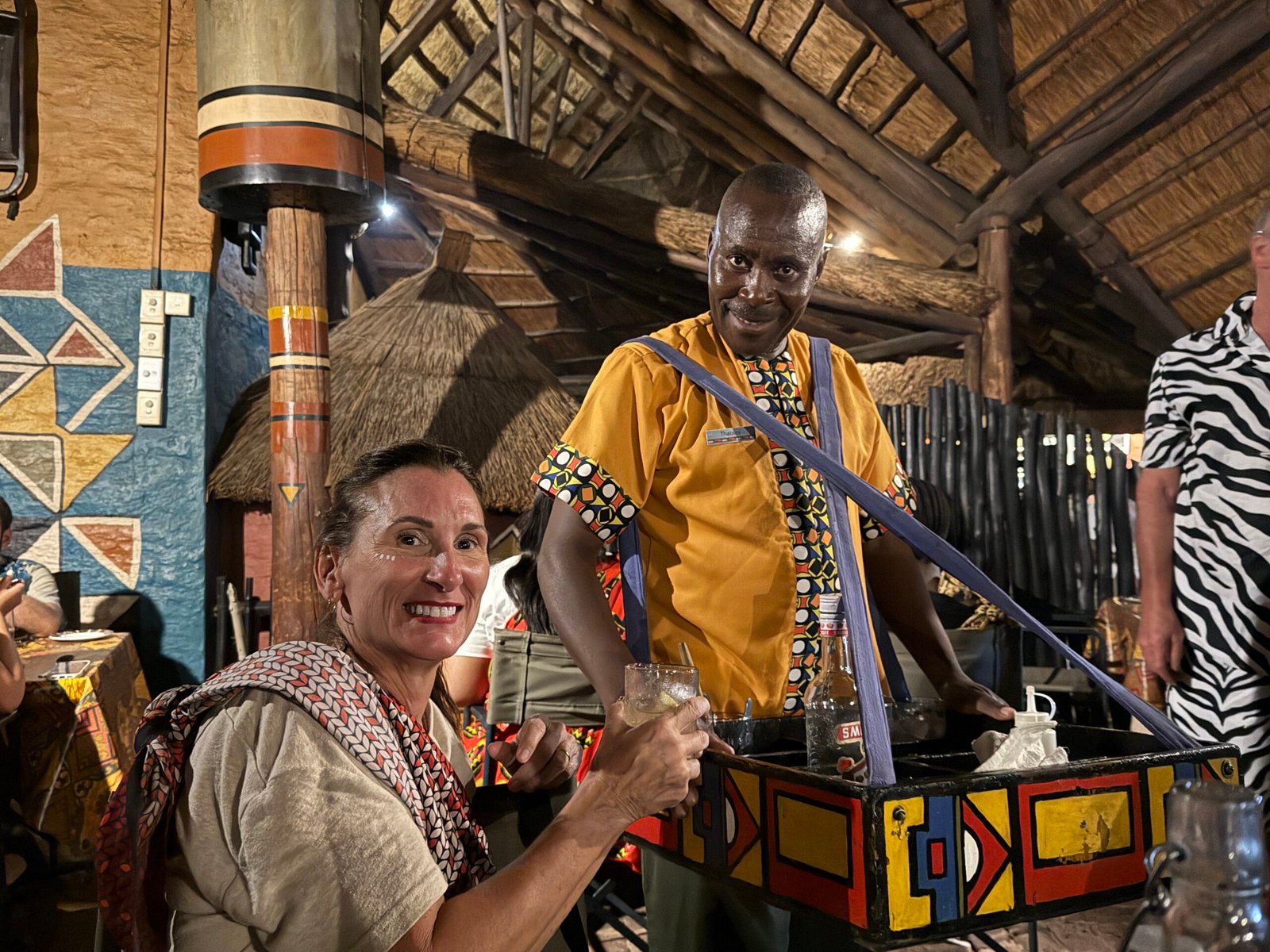
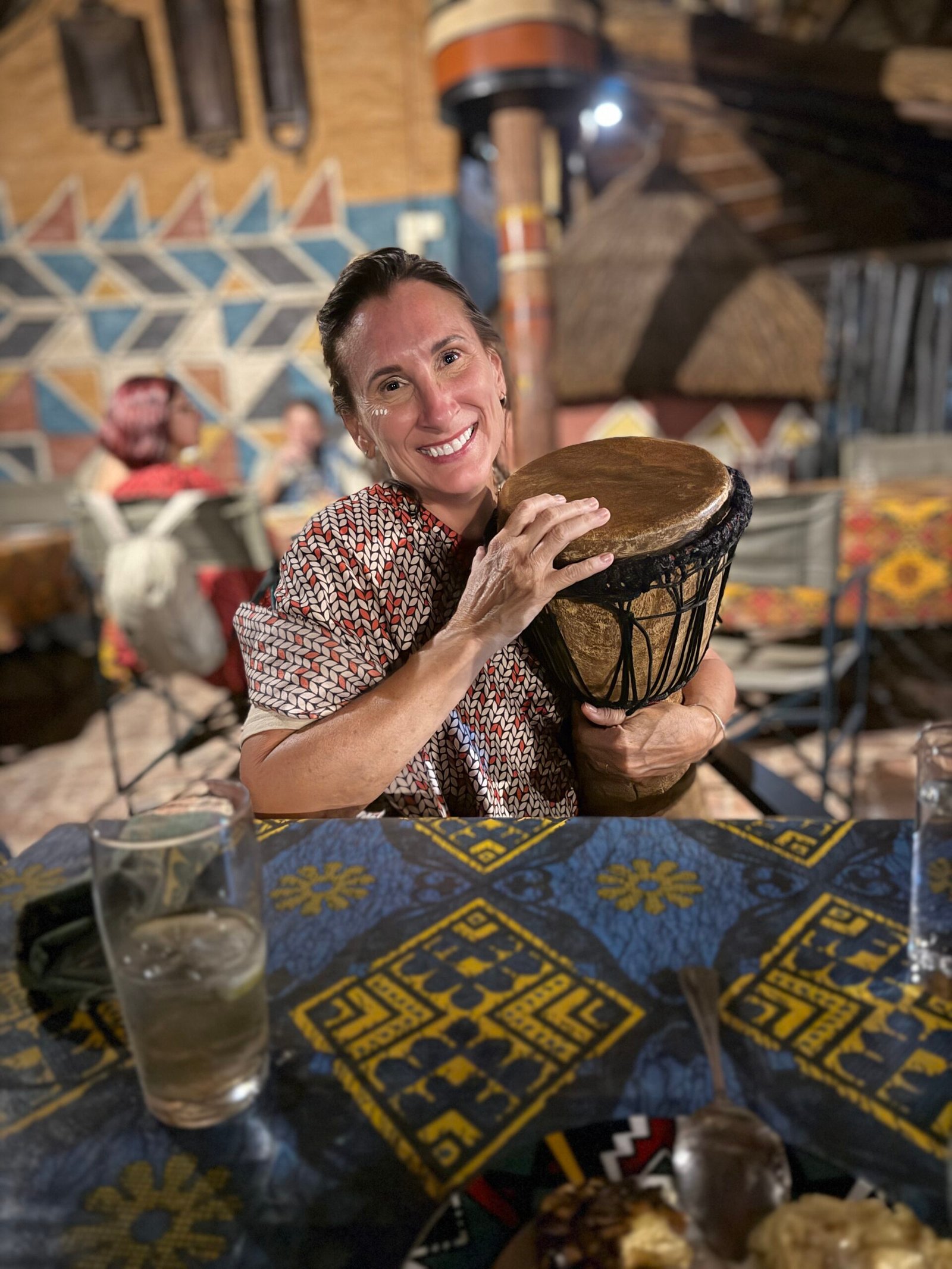
Zimbabwe also introduced us to local hospitality, traditional food, and the wonderfully energetic Boma dinner experience.
It was the right beginning to our time in the African wilderness.
The Safari | Extraordinary Wildlife, Demanding Roads
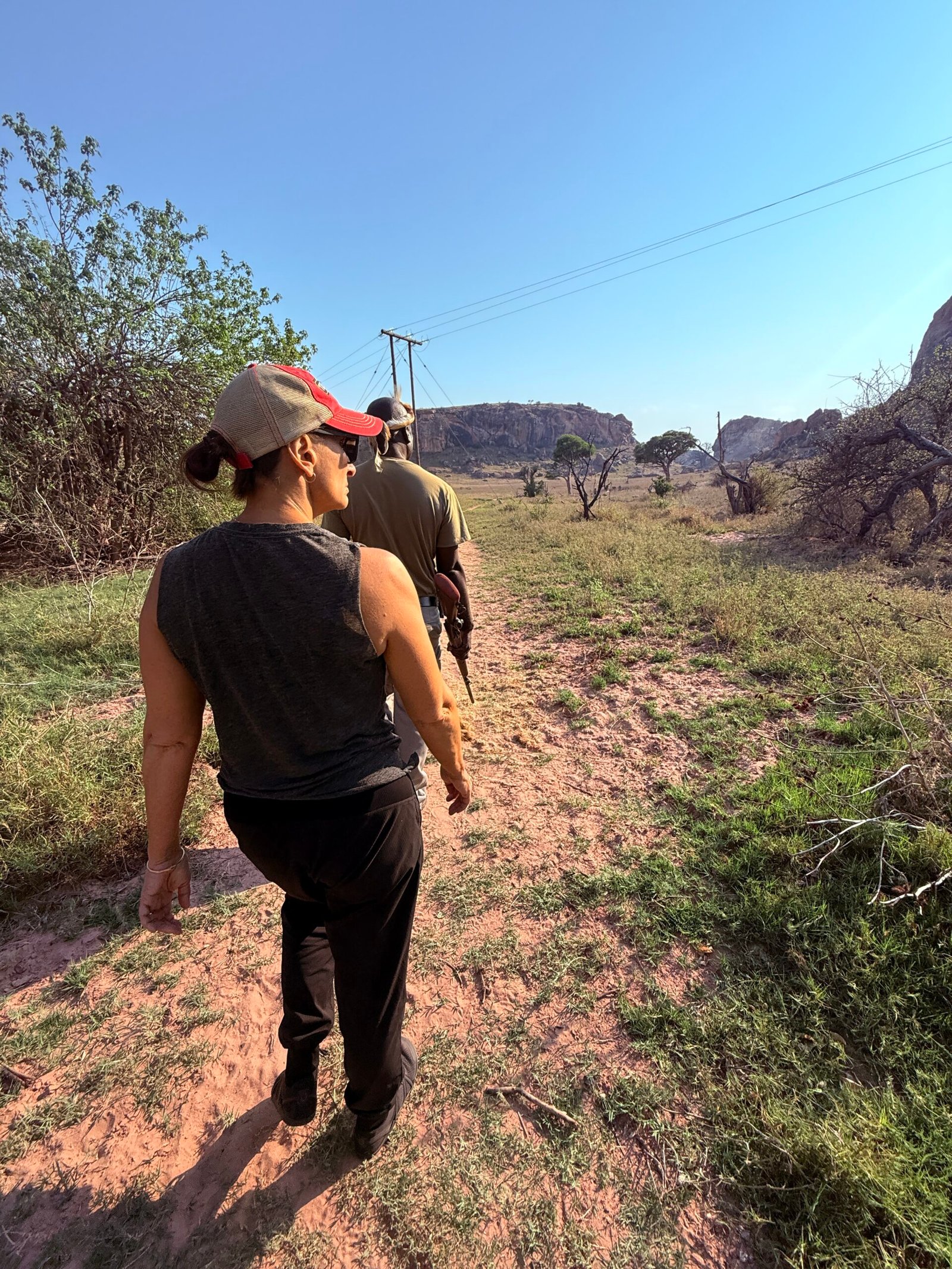
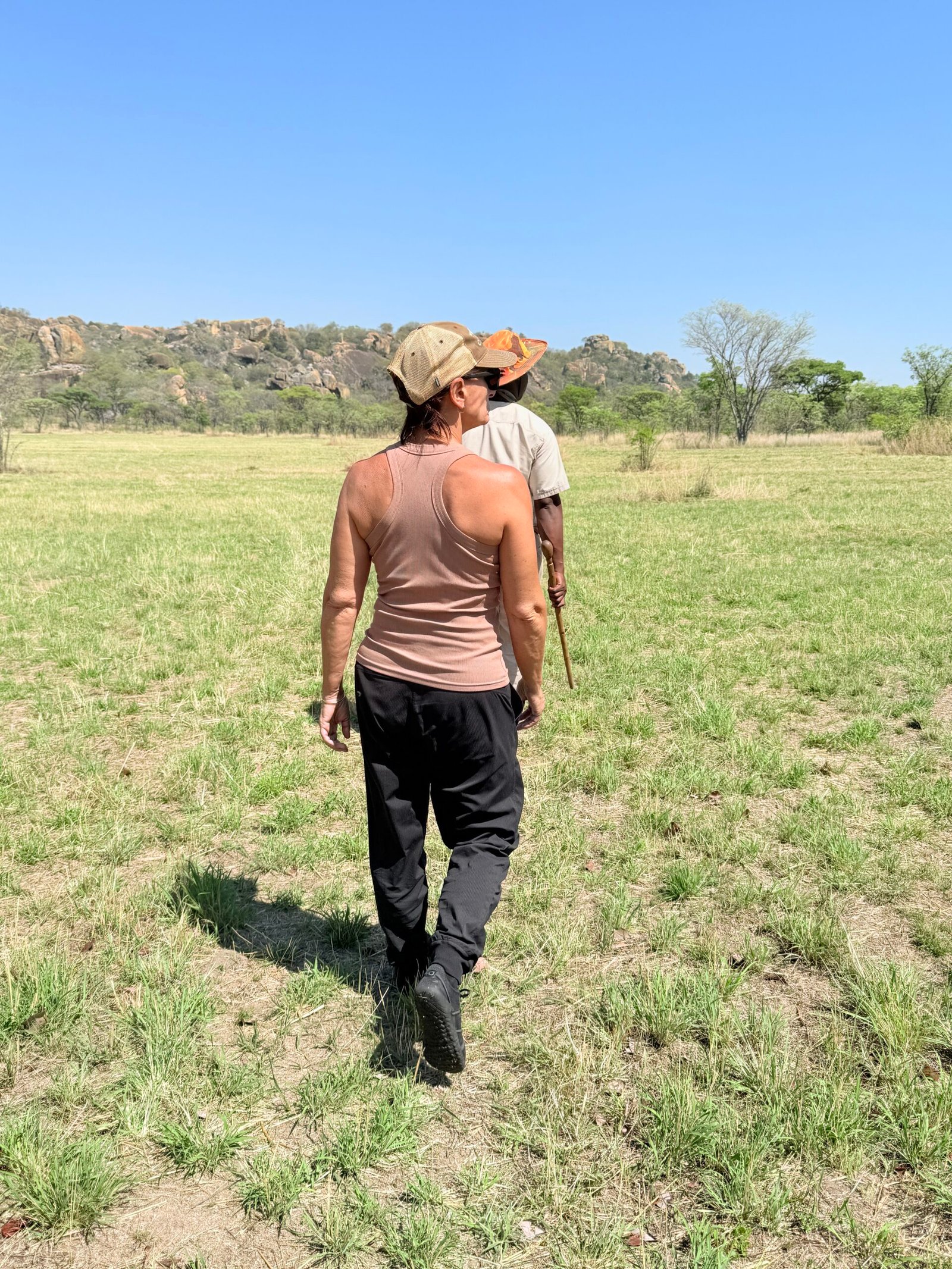
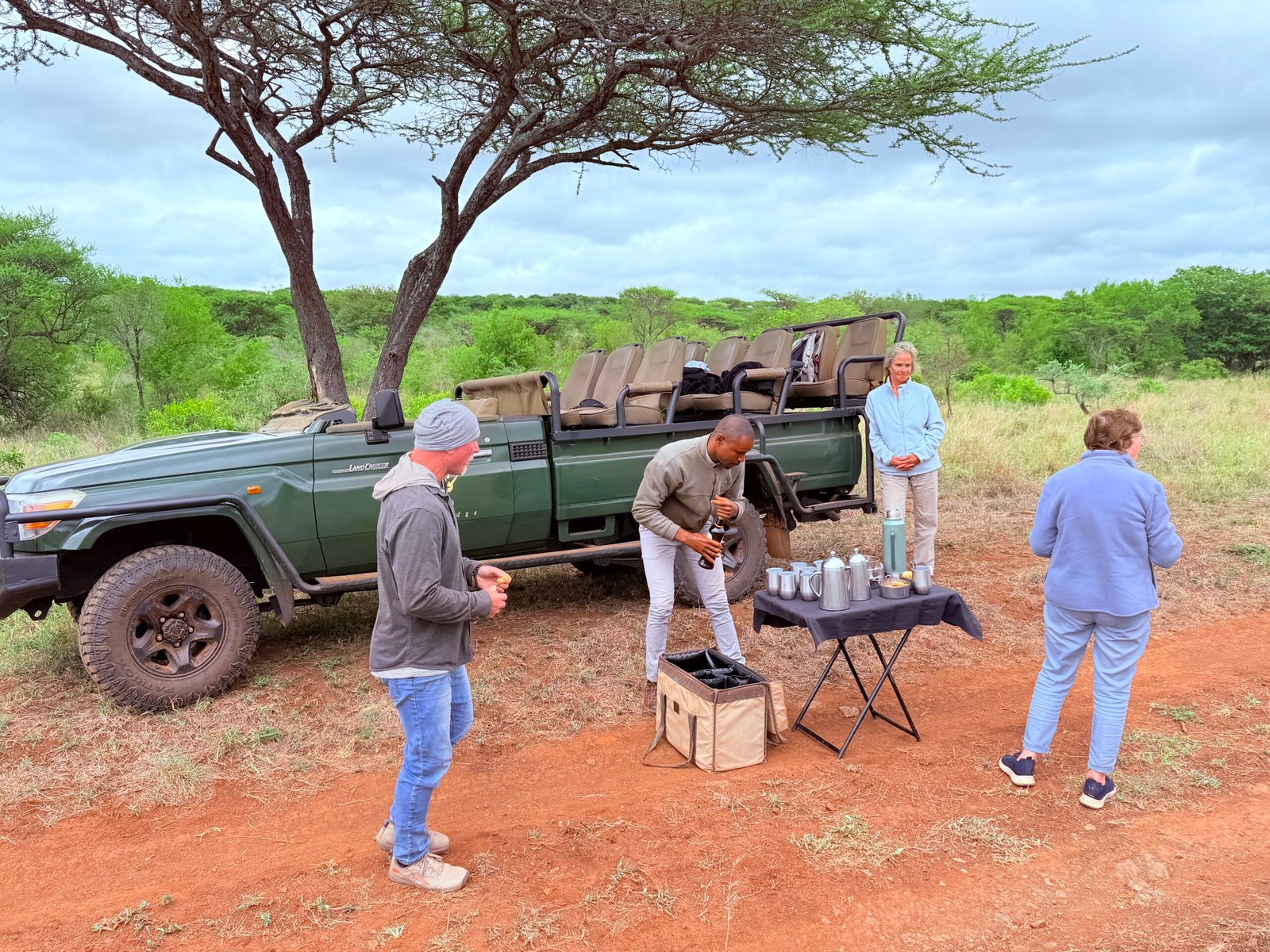
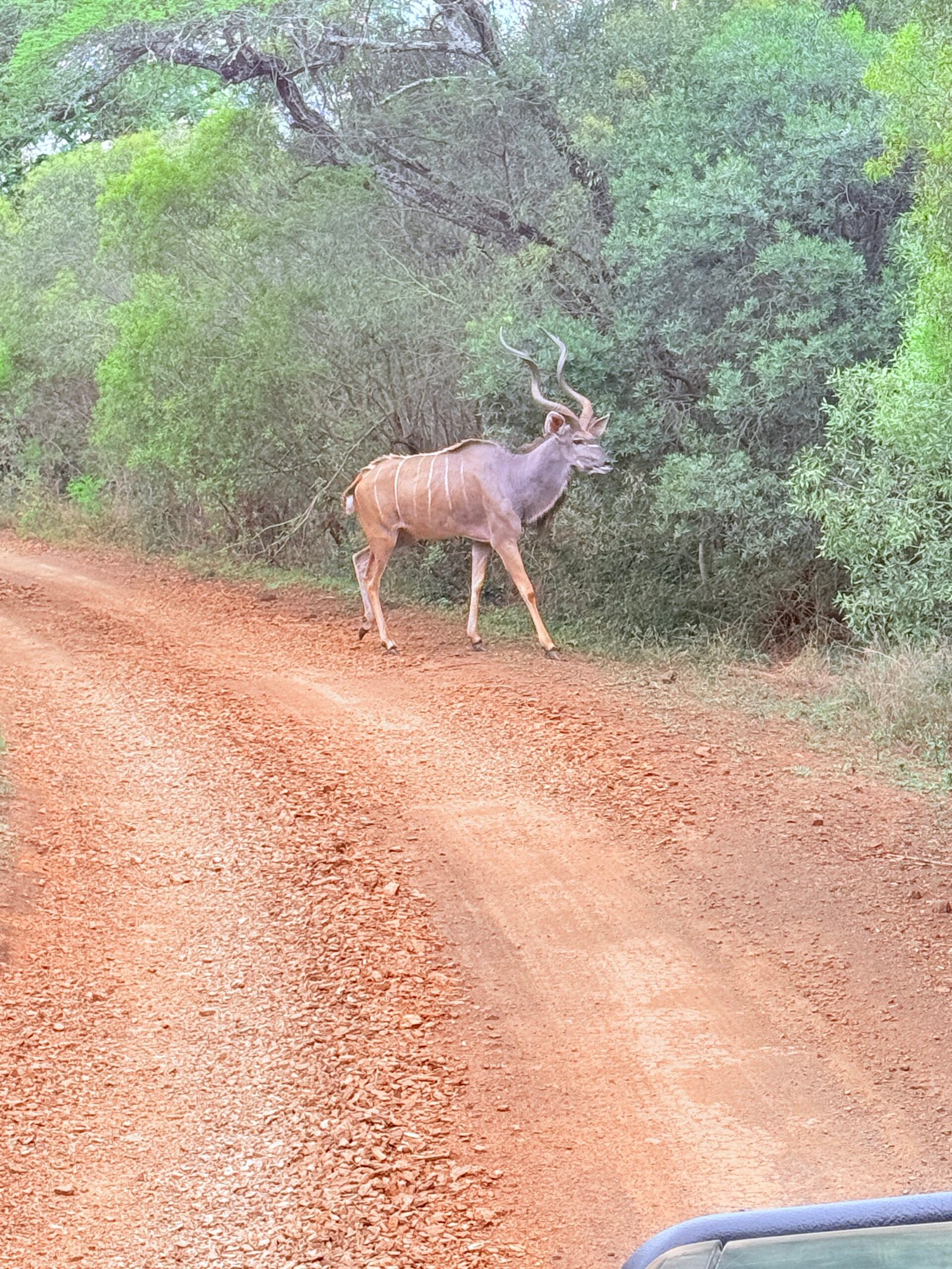
Our organized safari began in Victoria Falls and carried us south through Zimbabwe and into South Africa.
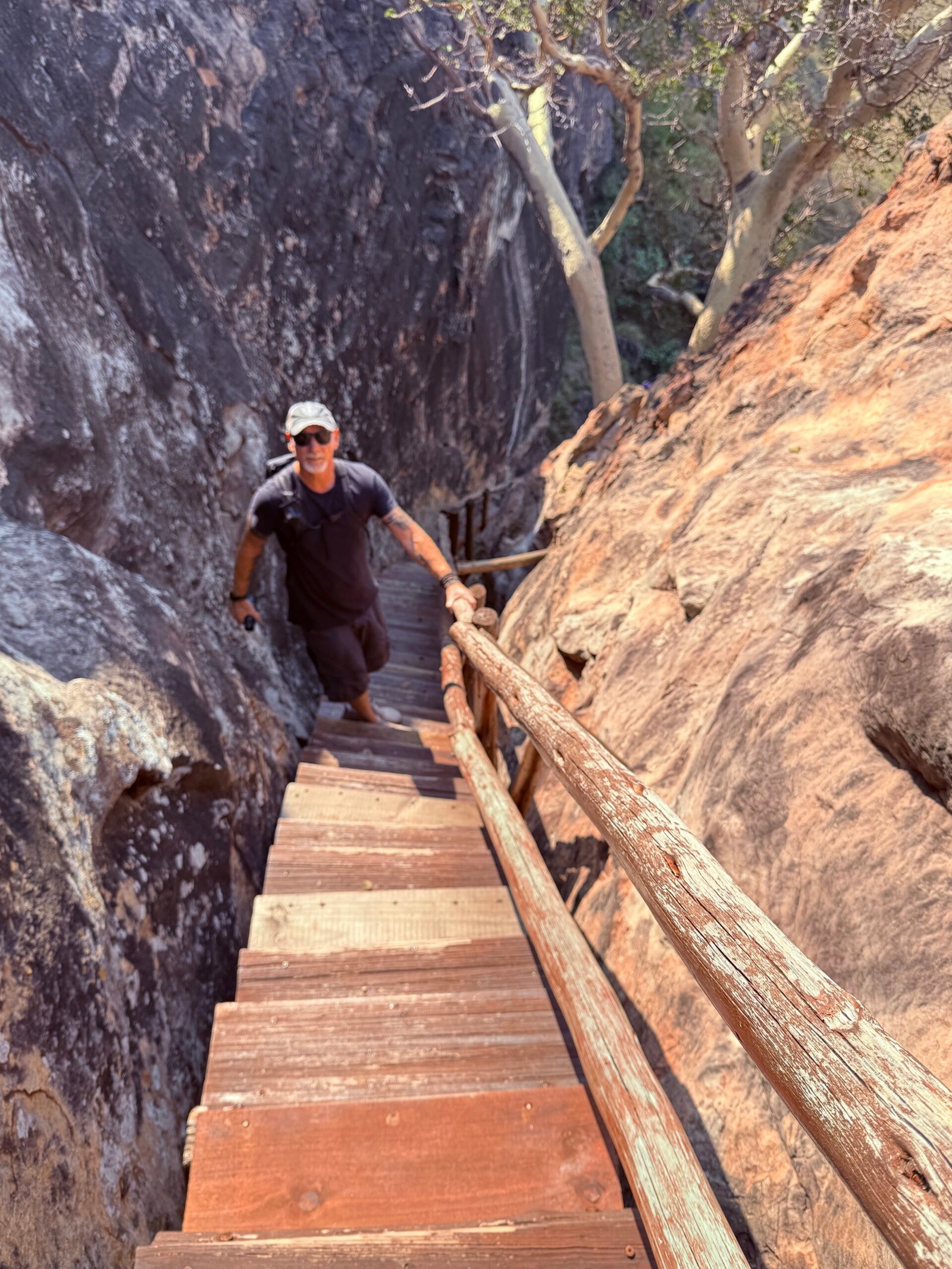
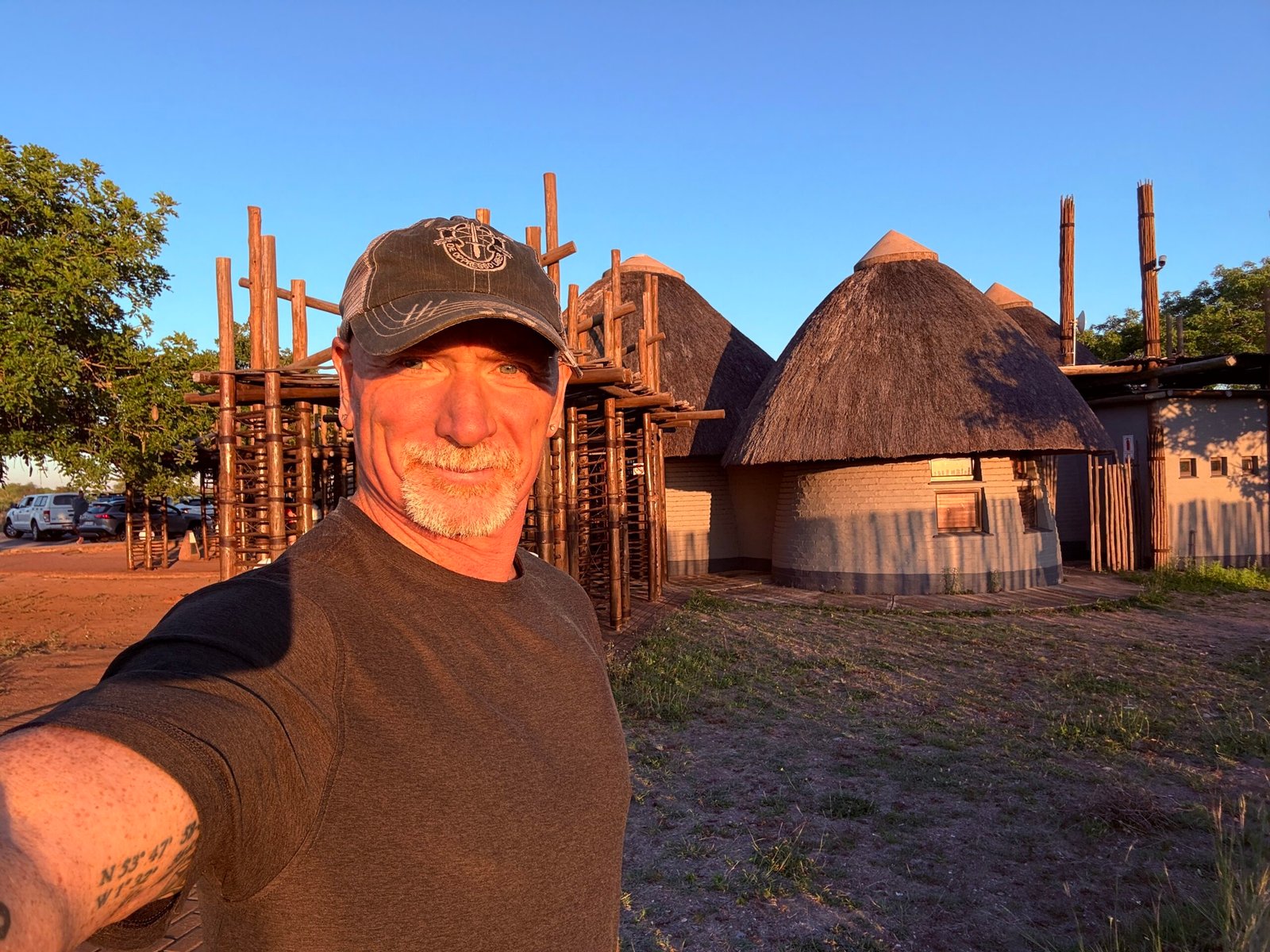
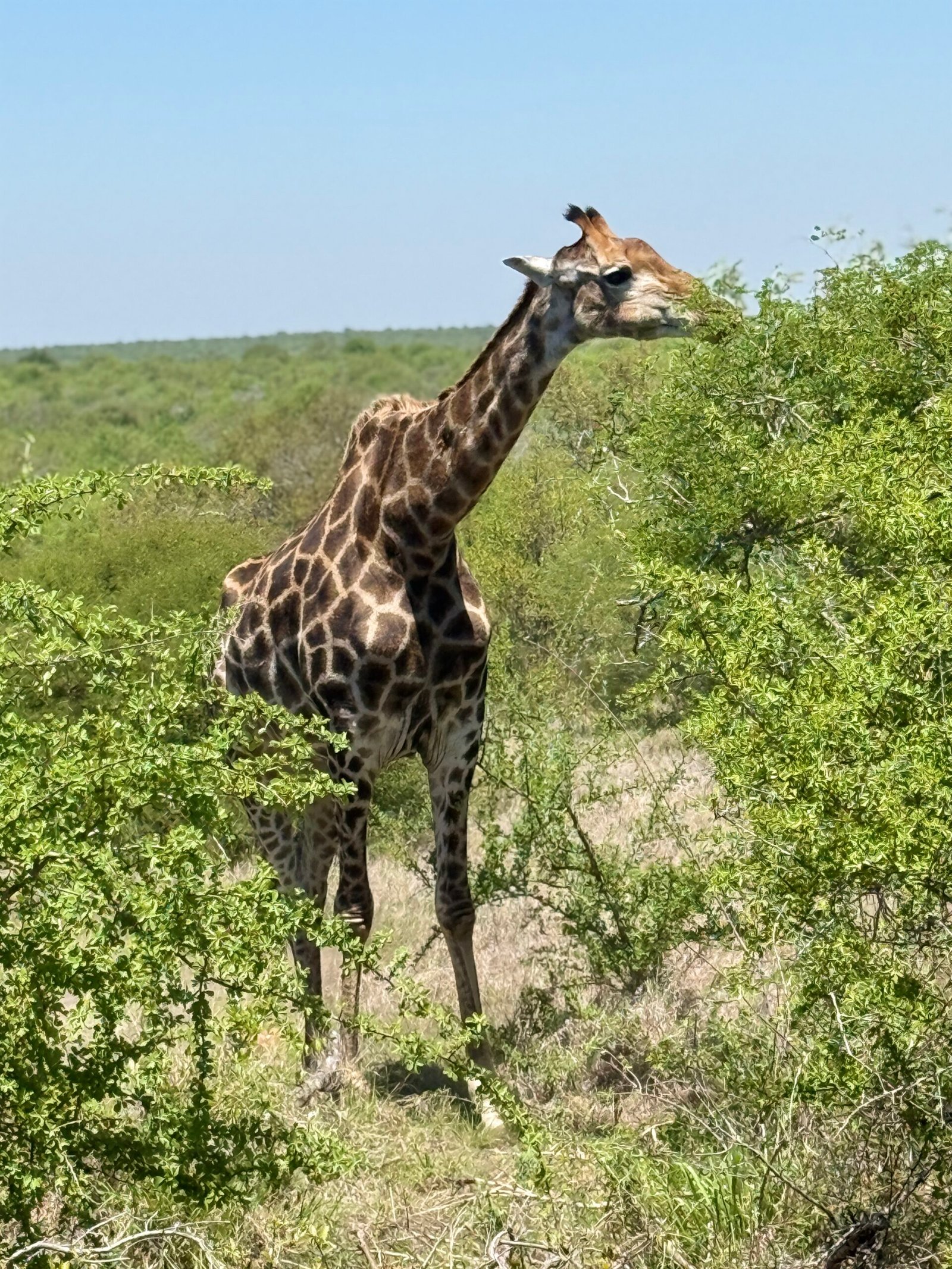
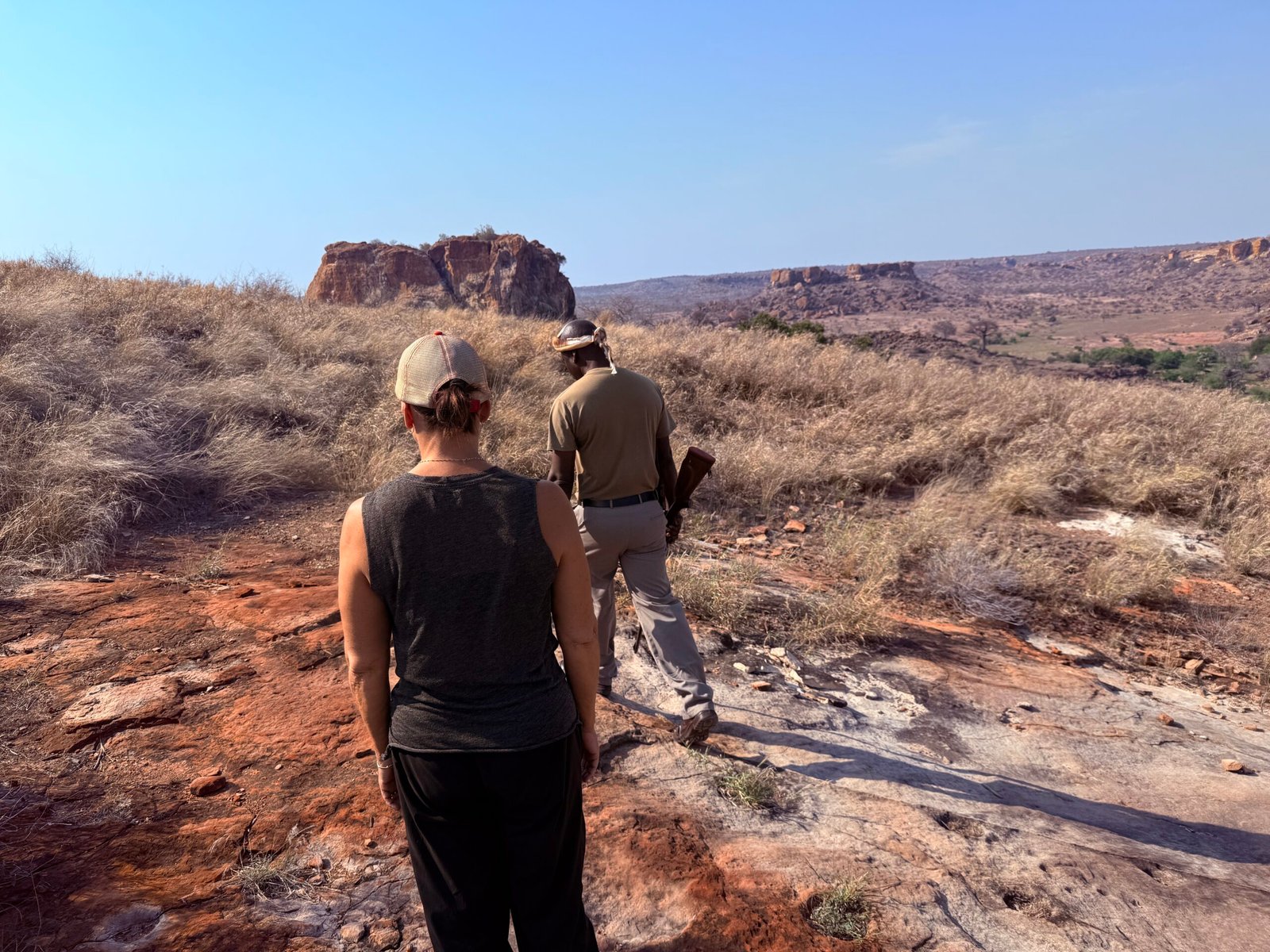
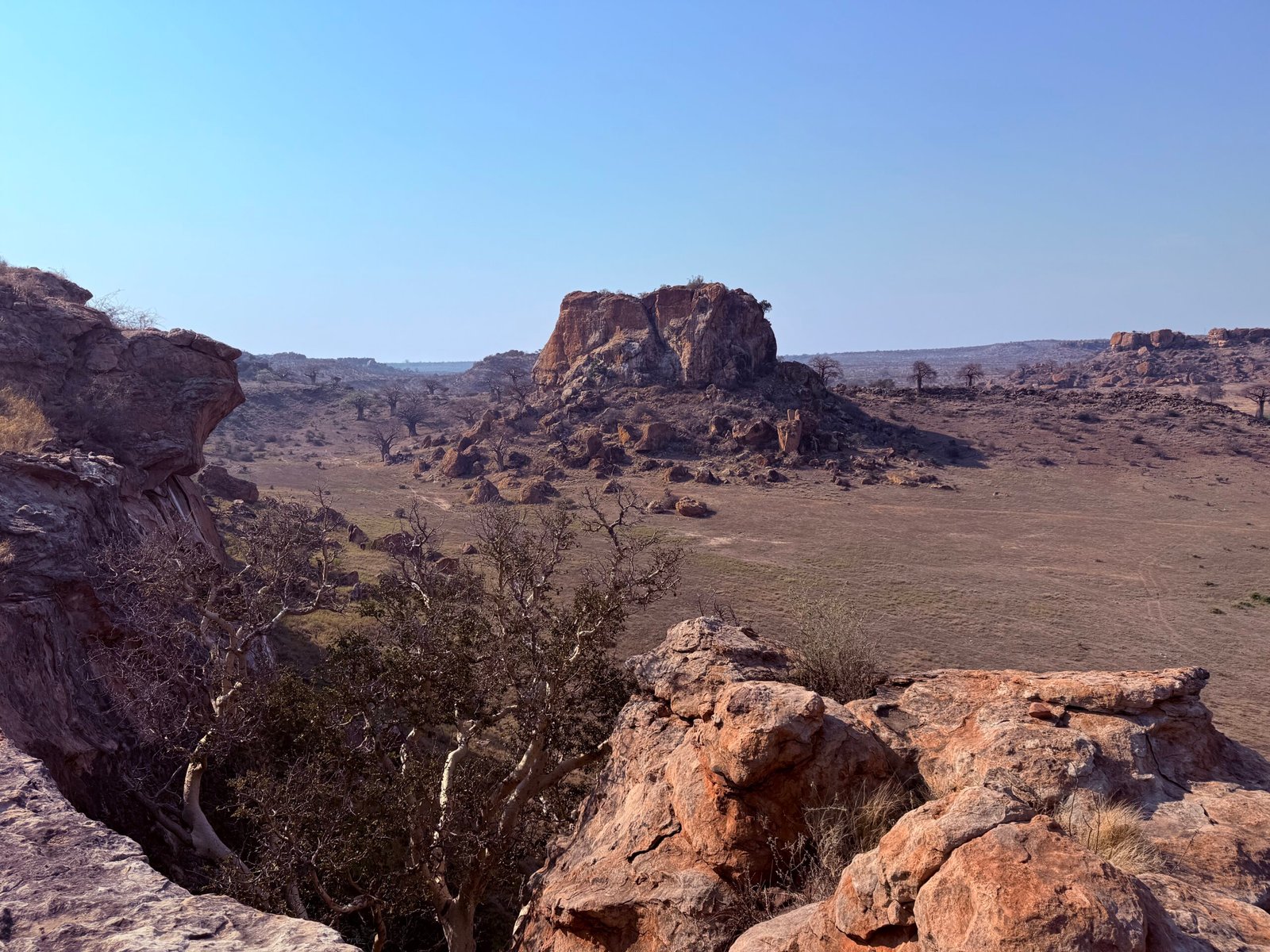
The journey included Hwange National Park, Matobo National Park, Mapungubwe, and Kruger National Park before finishing in Johannesburg.
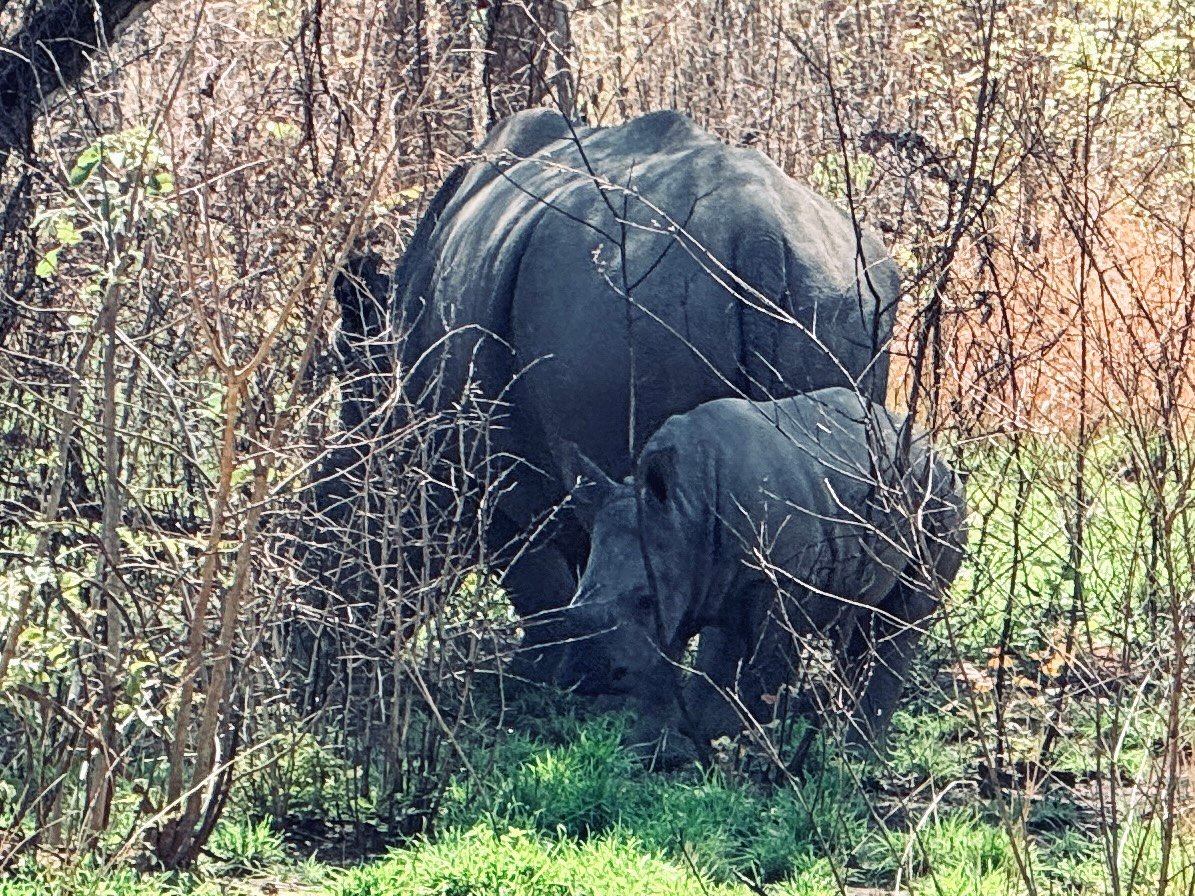
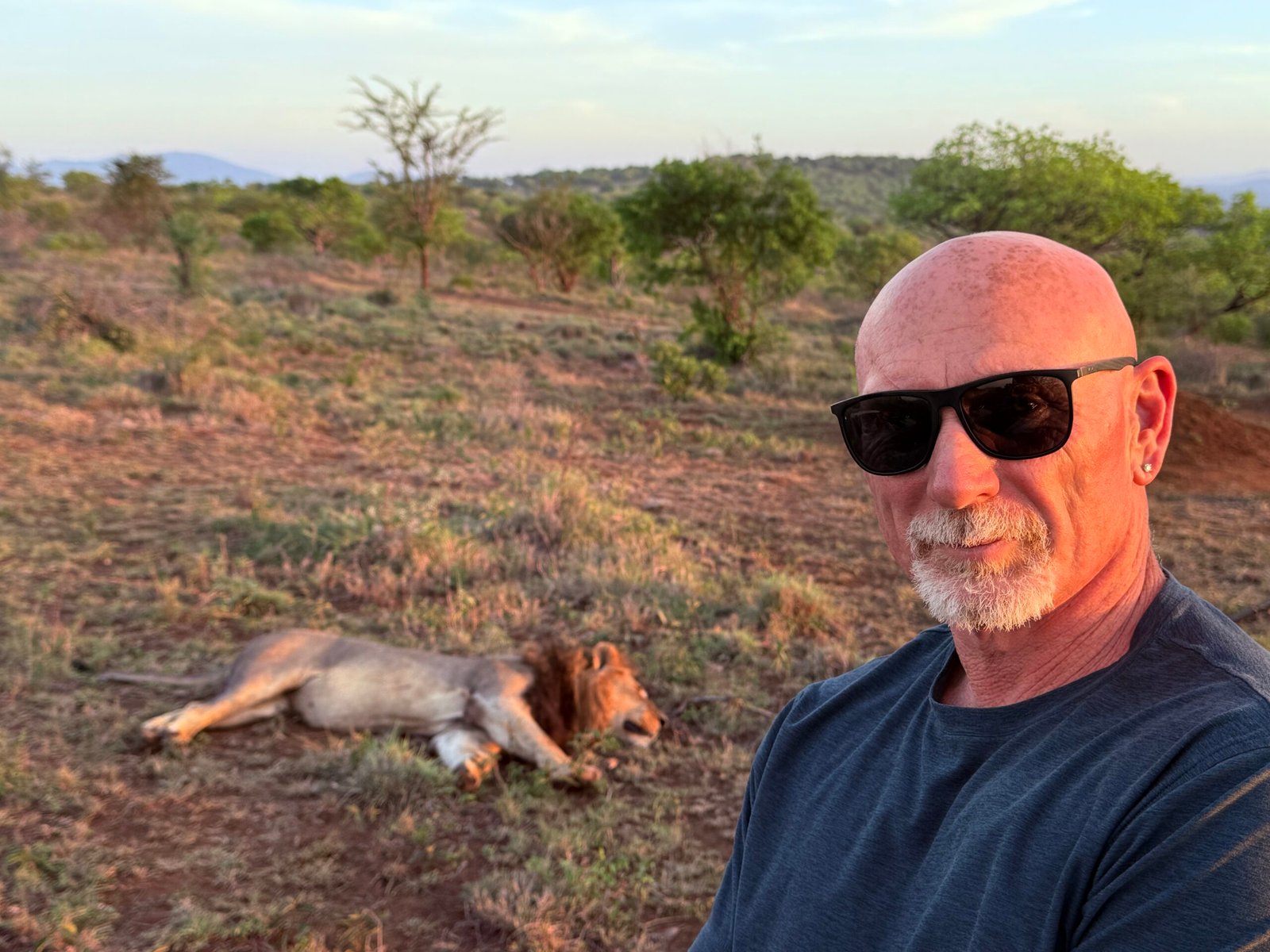
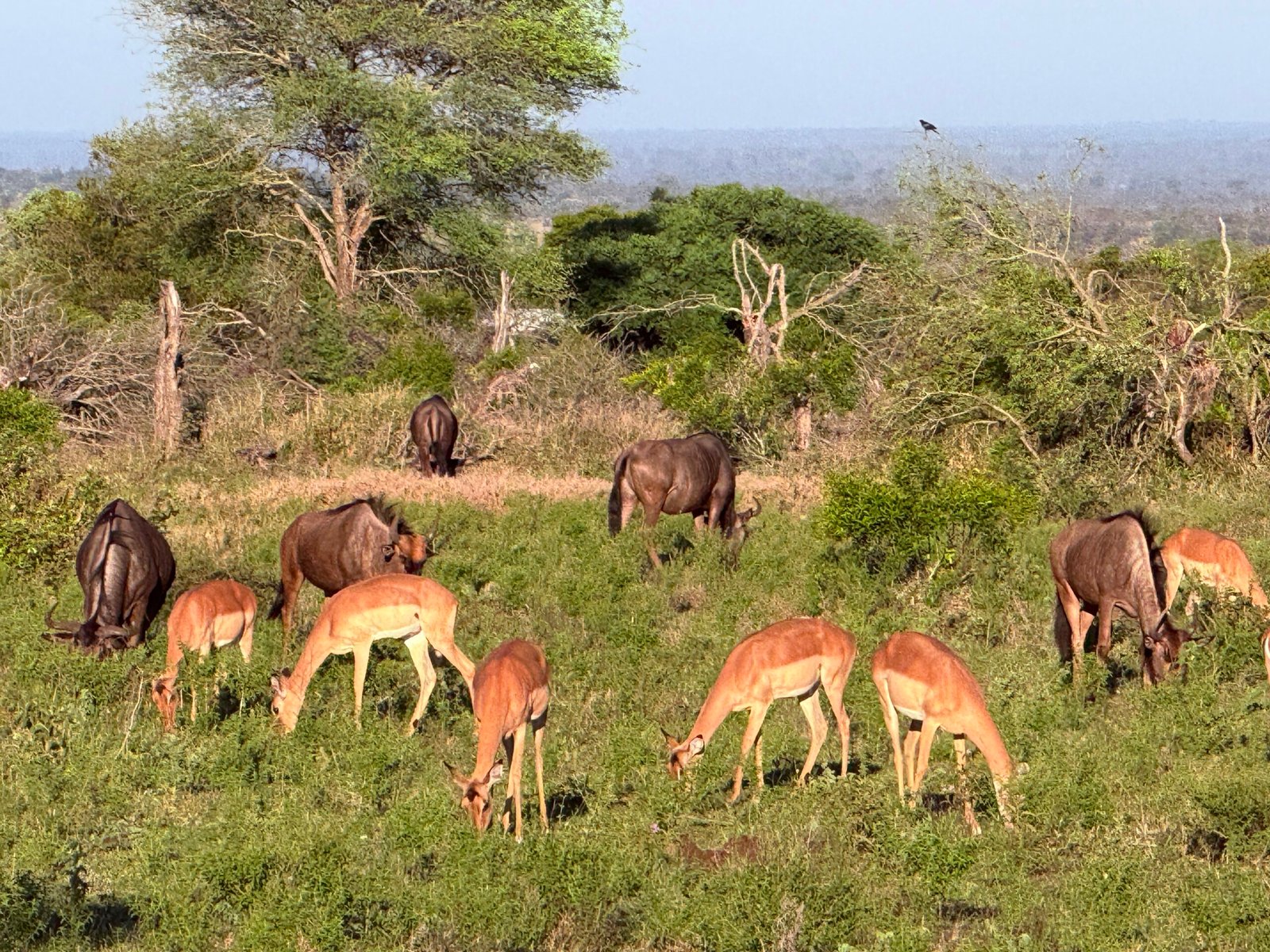
The wildlife and landscapes were the reason we came.
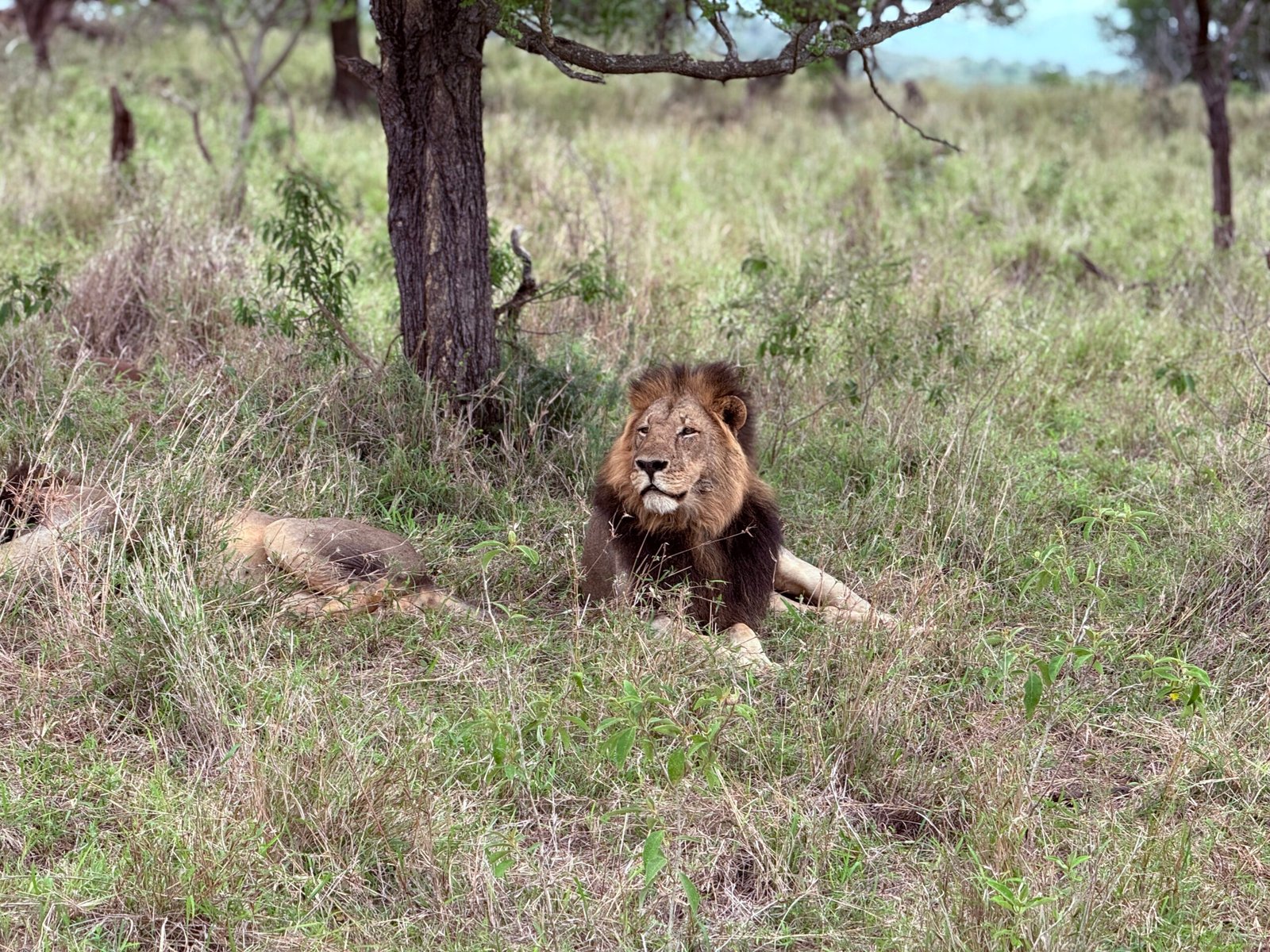
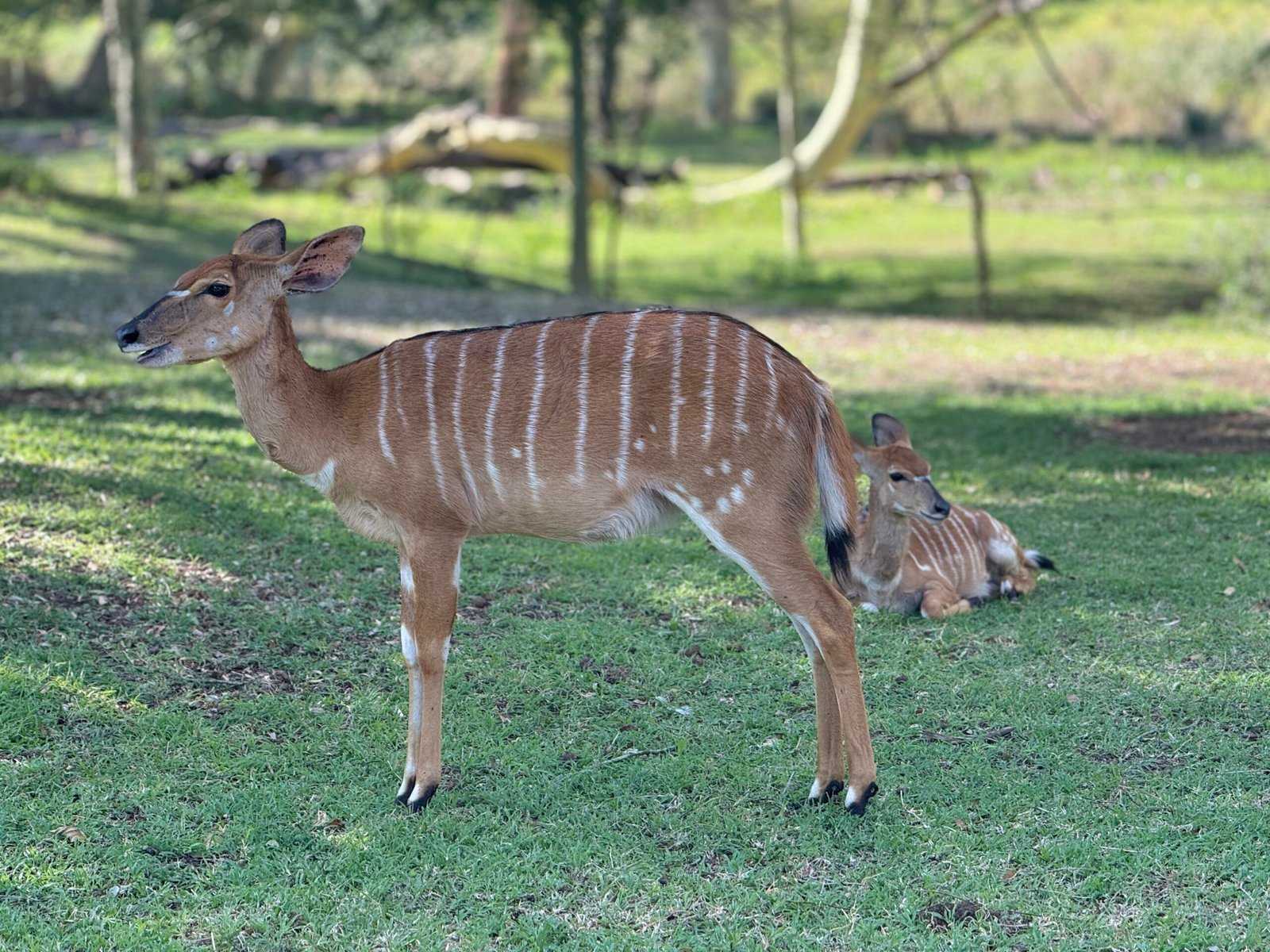
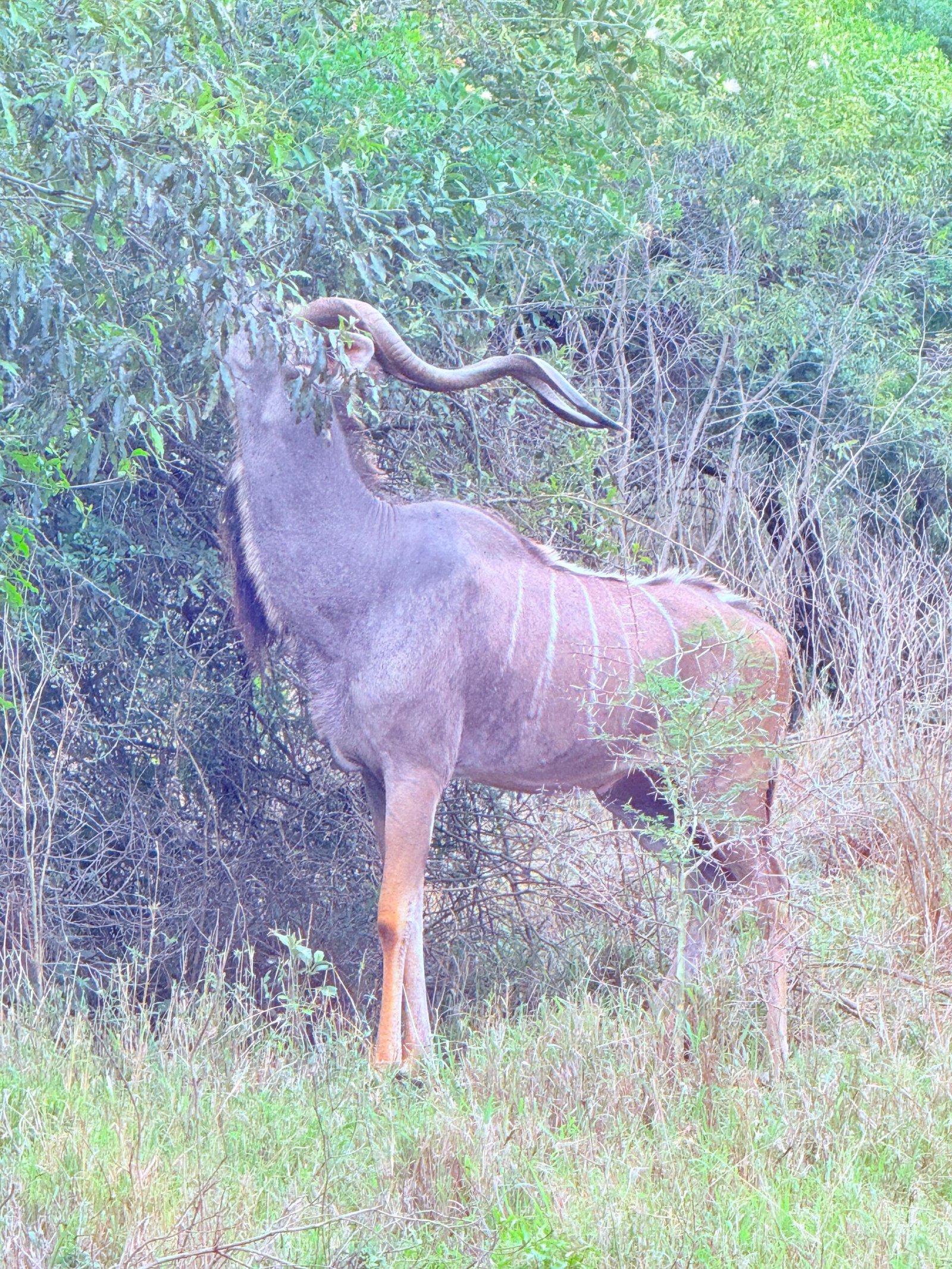
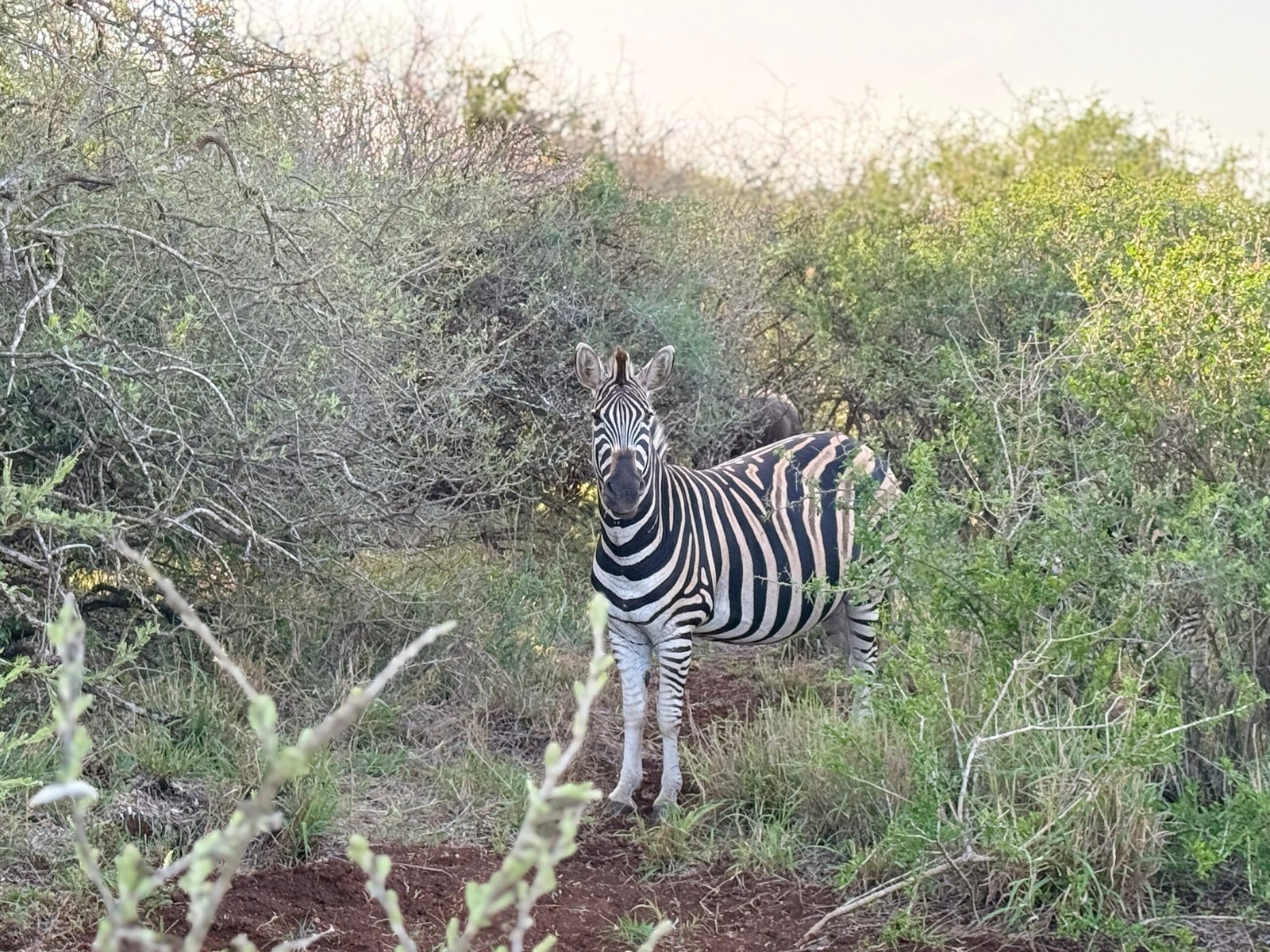
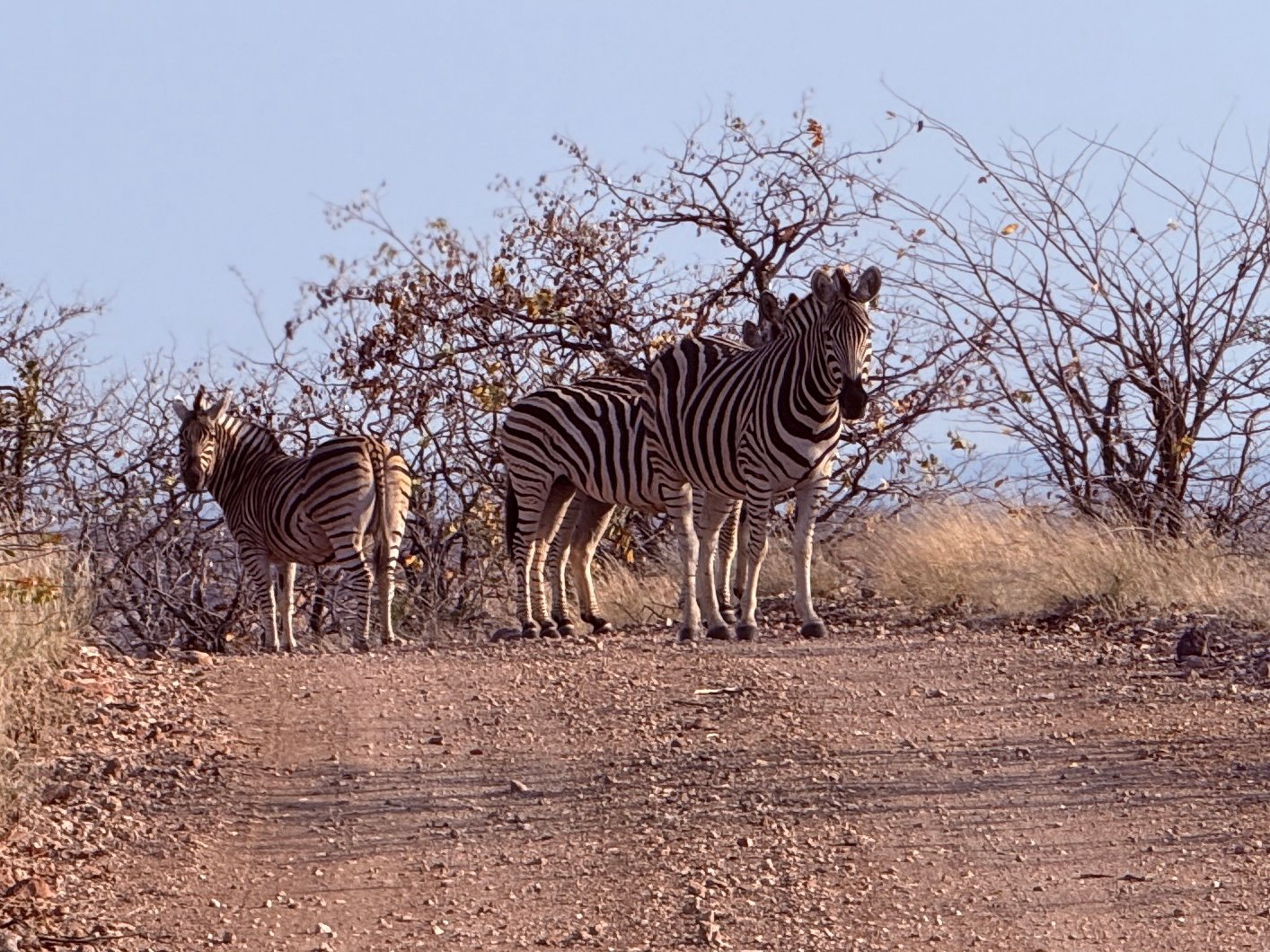
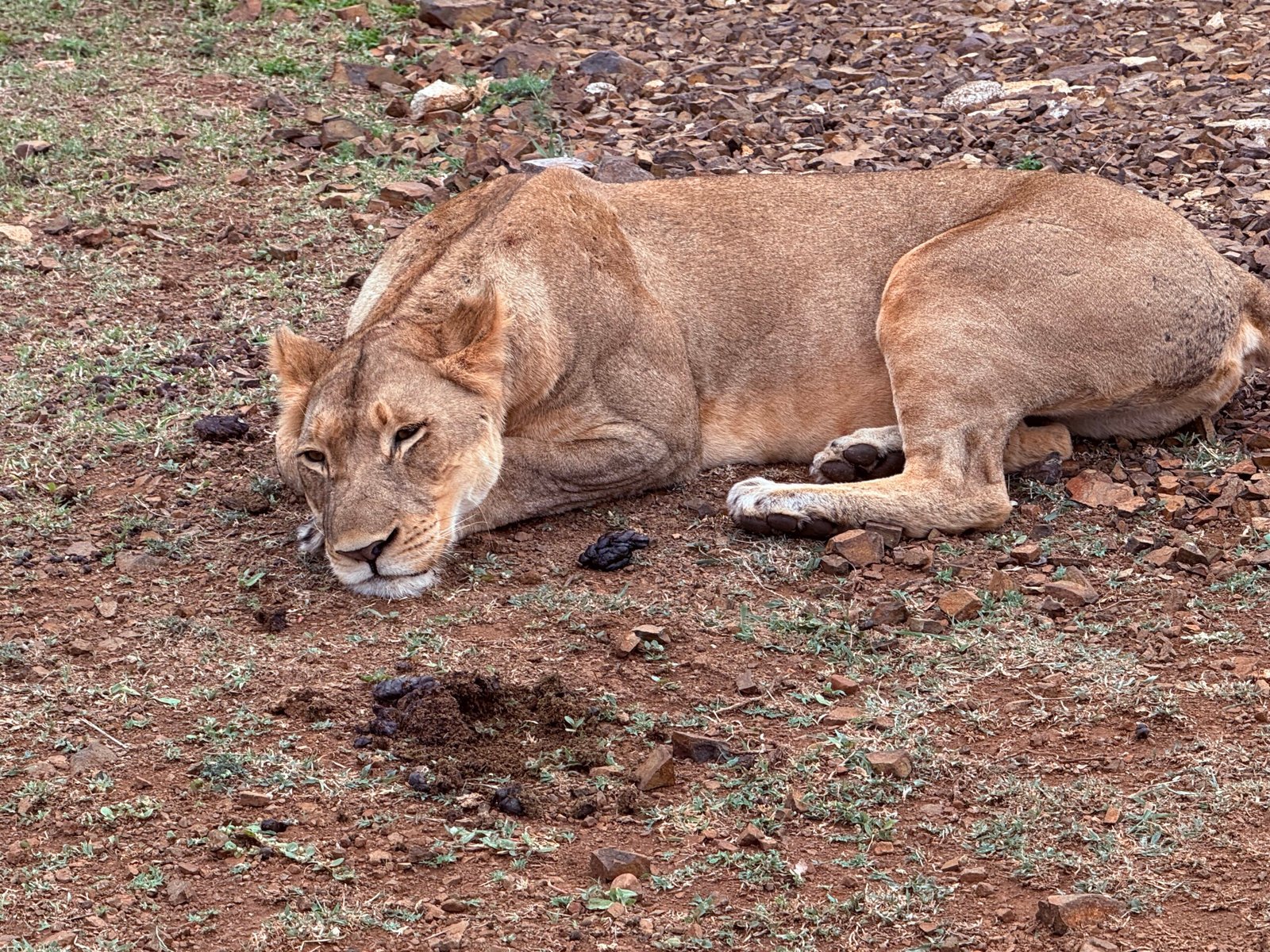
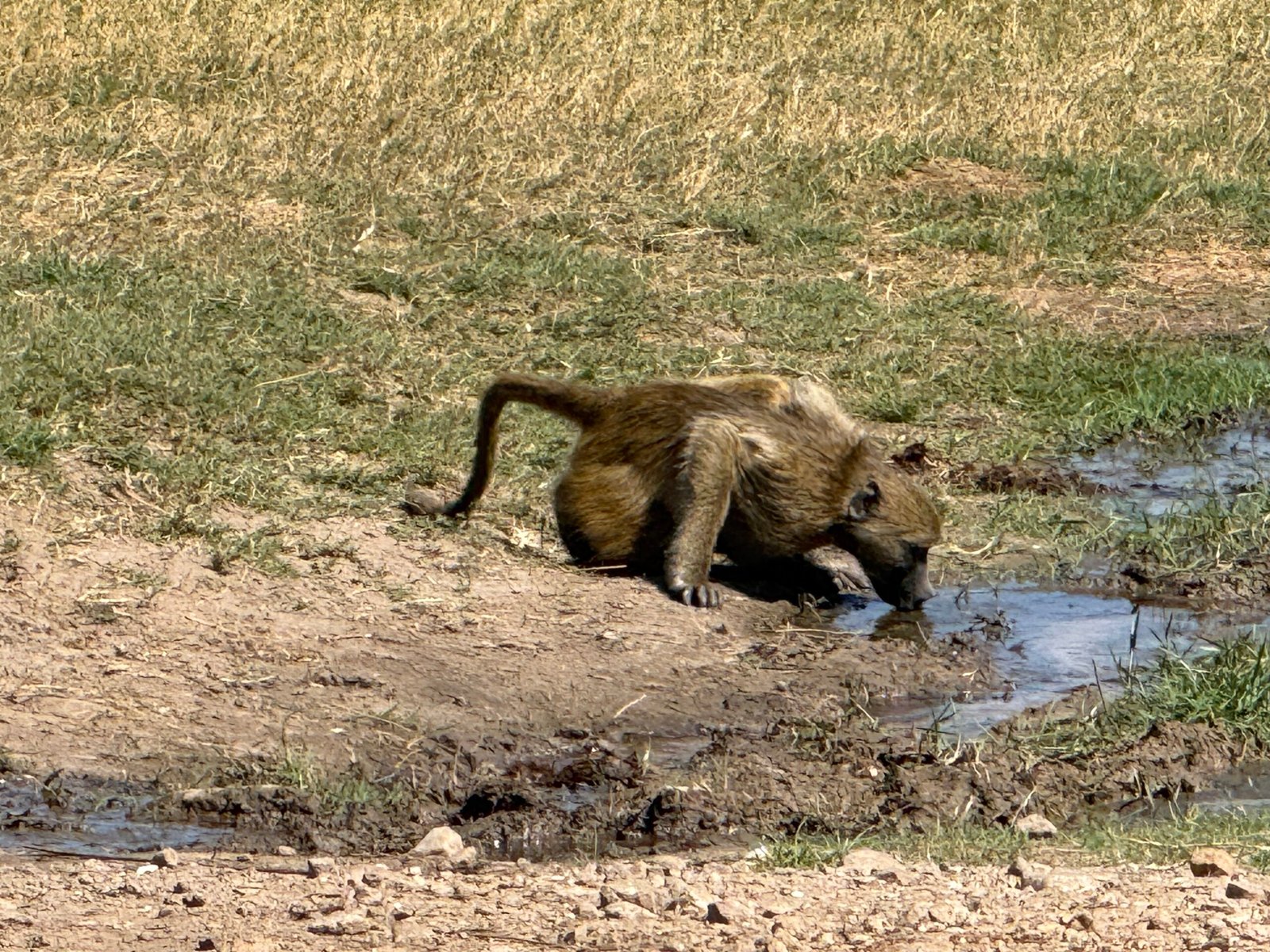
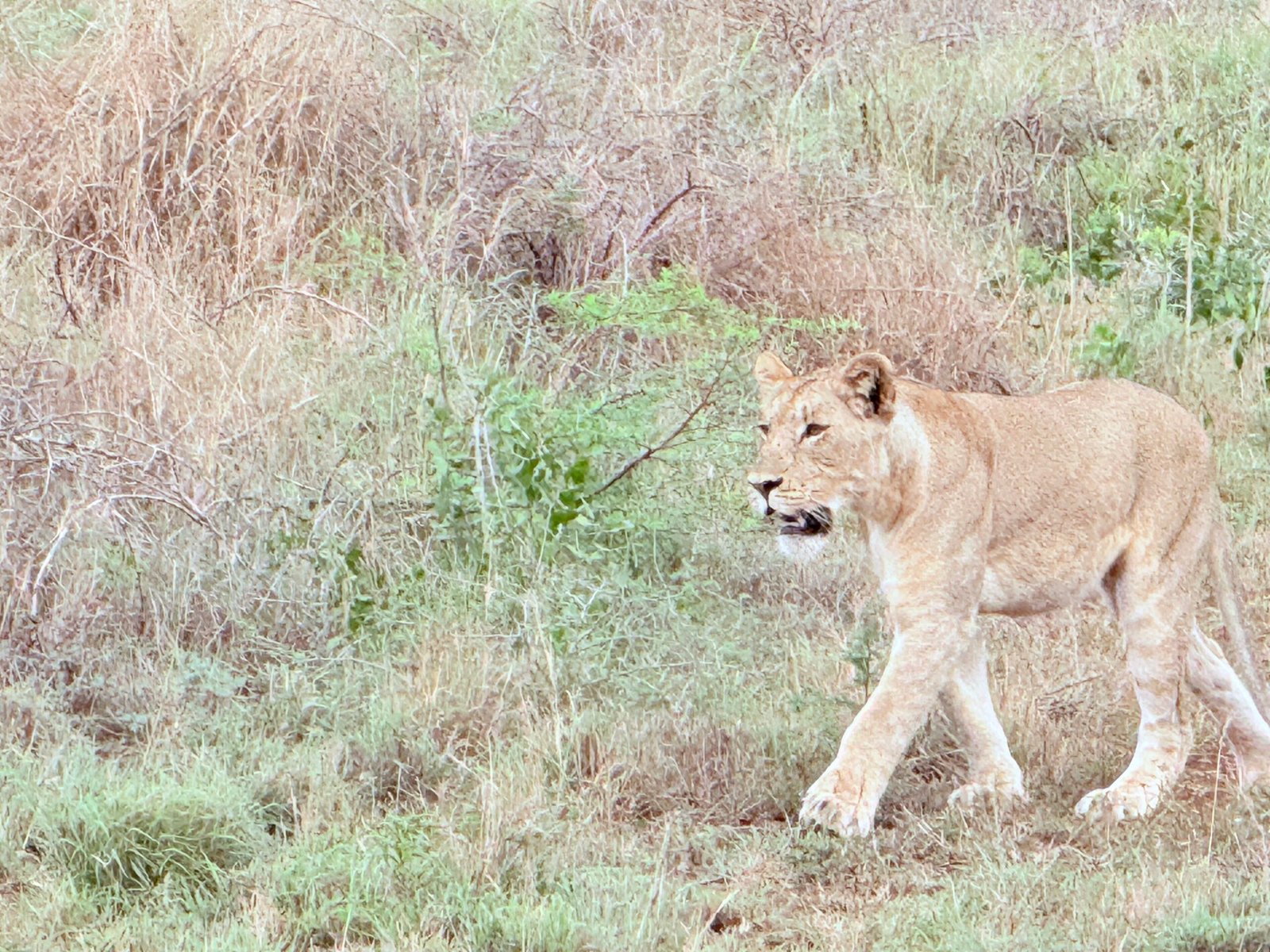
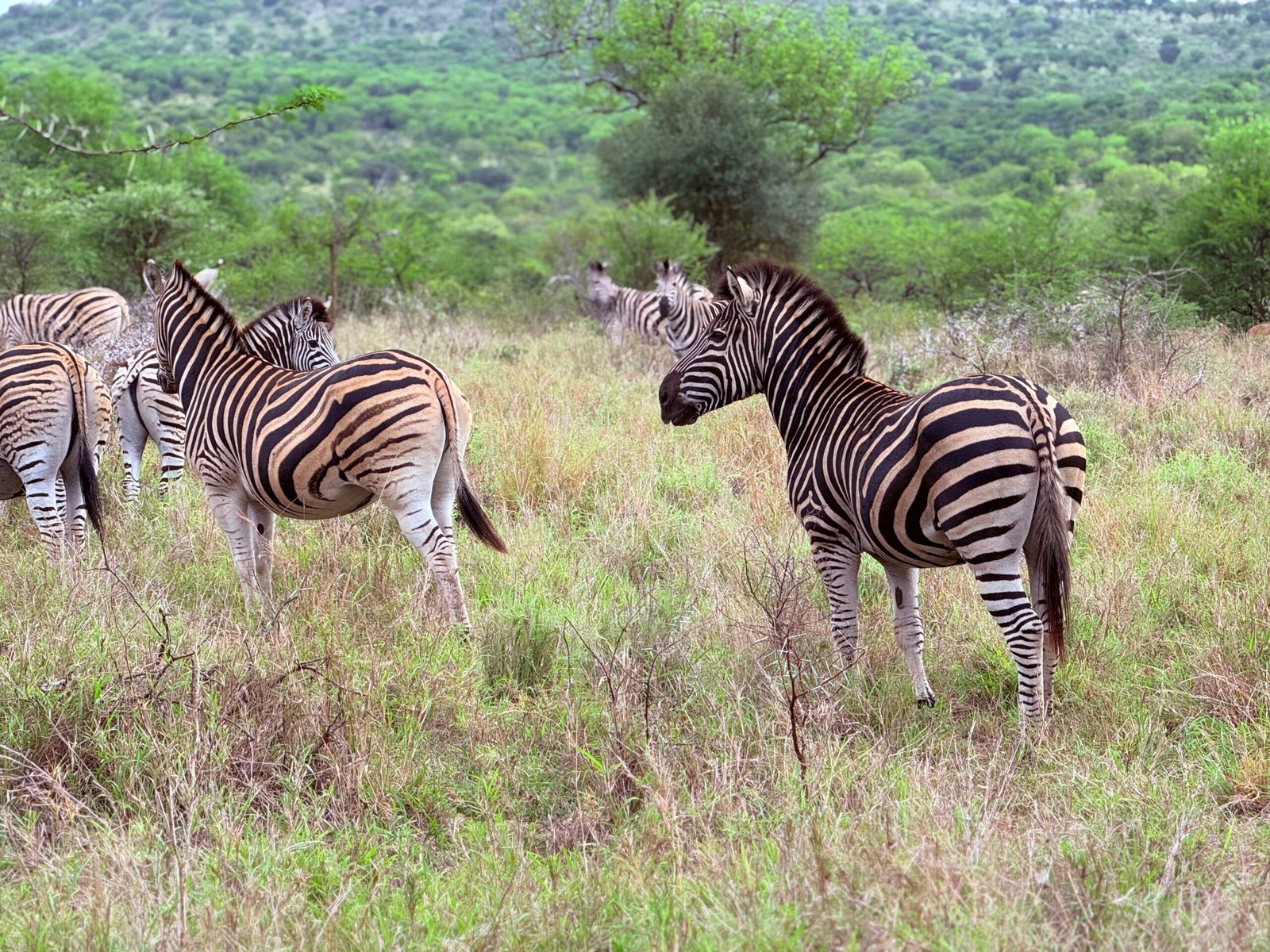
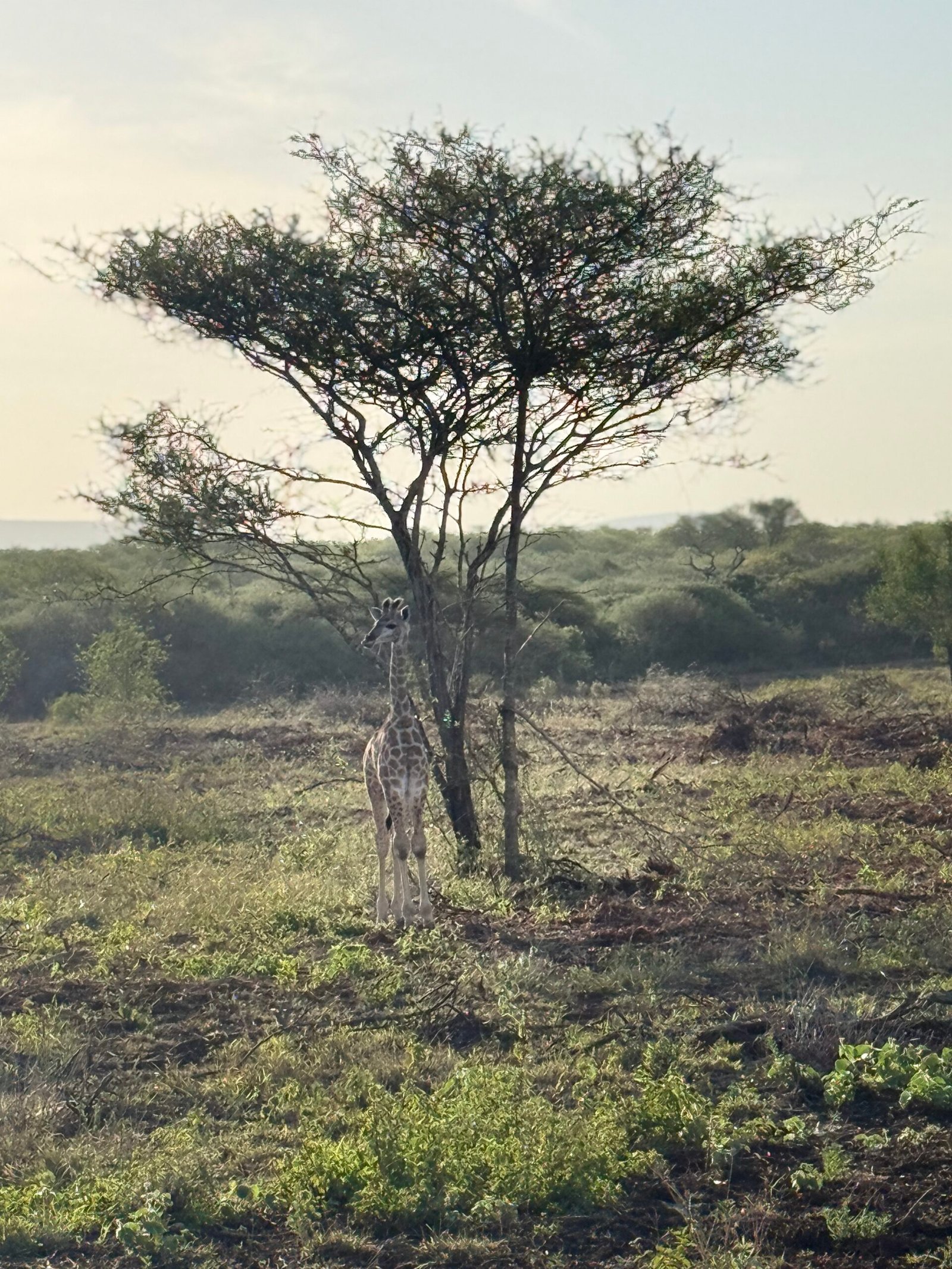
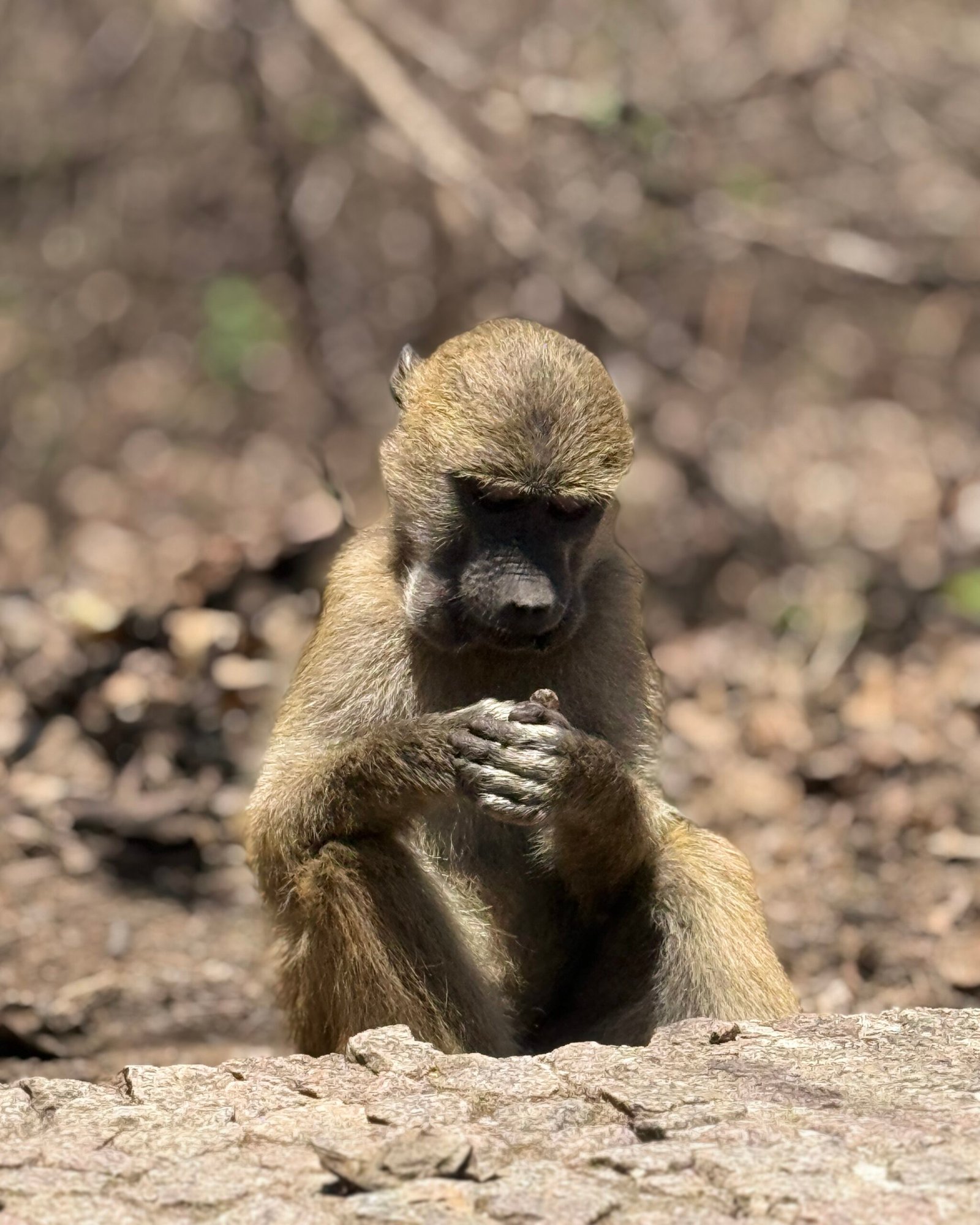
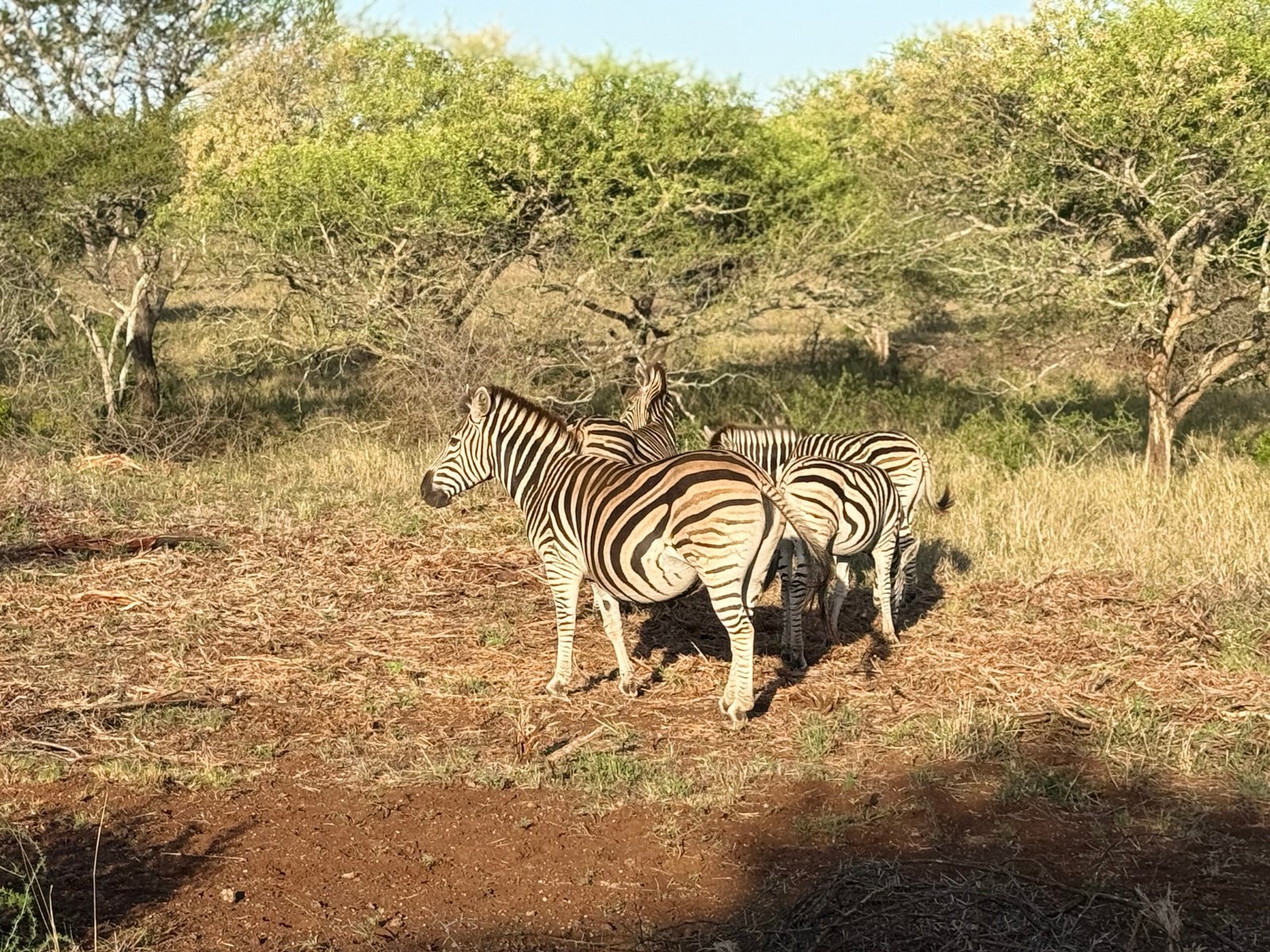
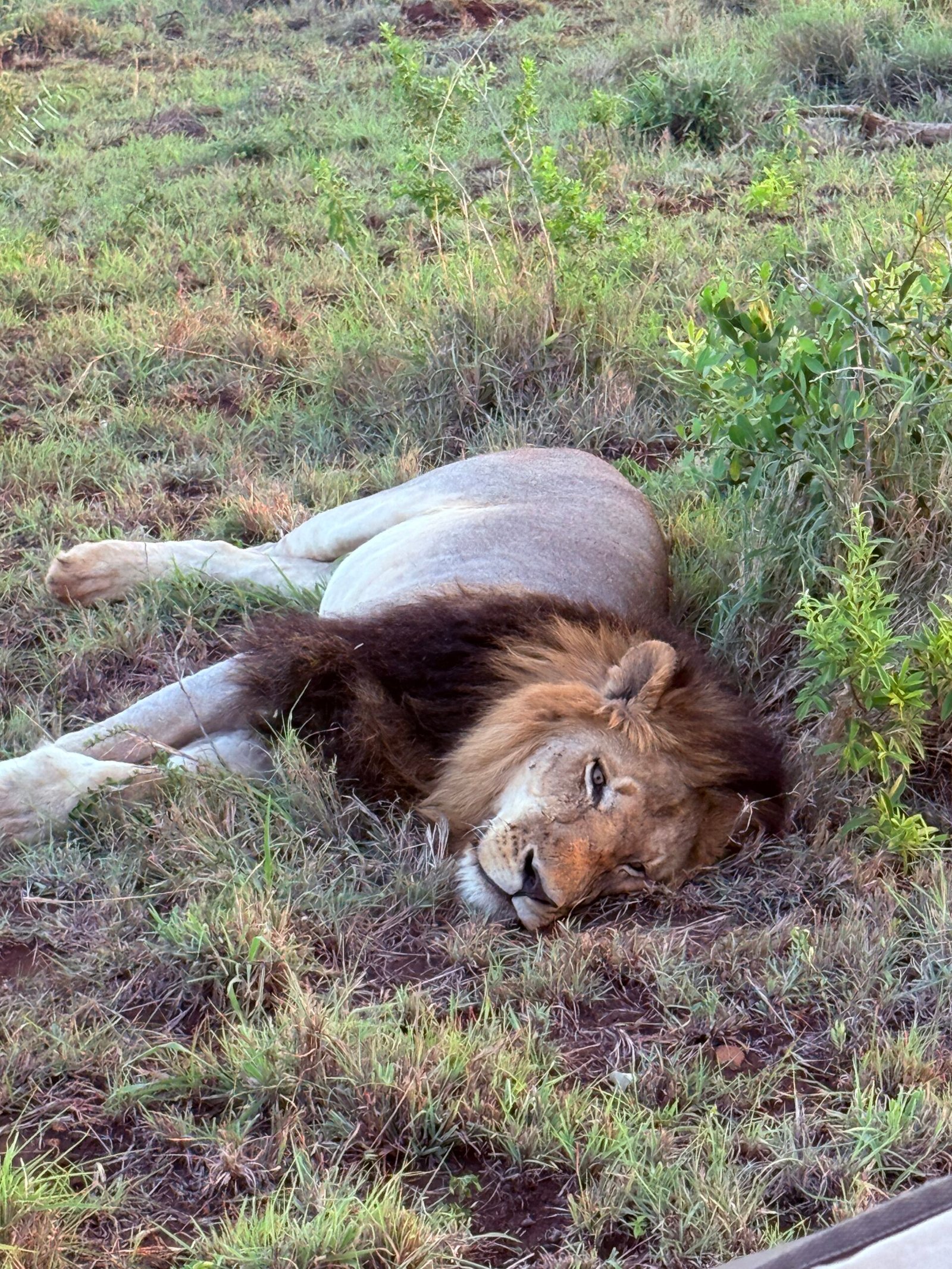
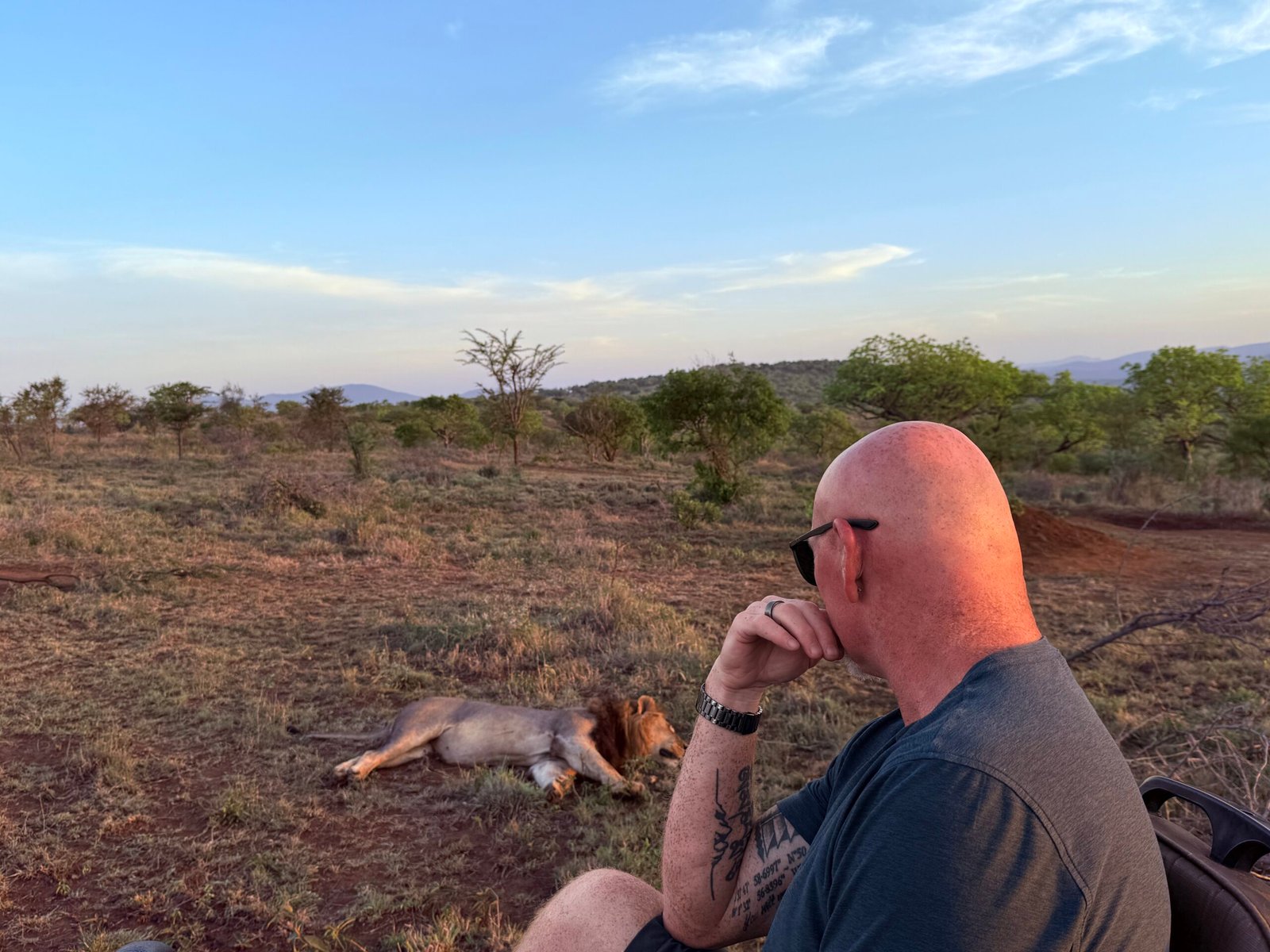
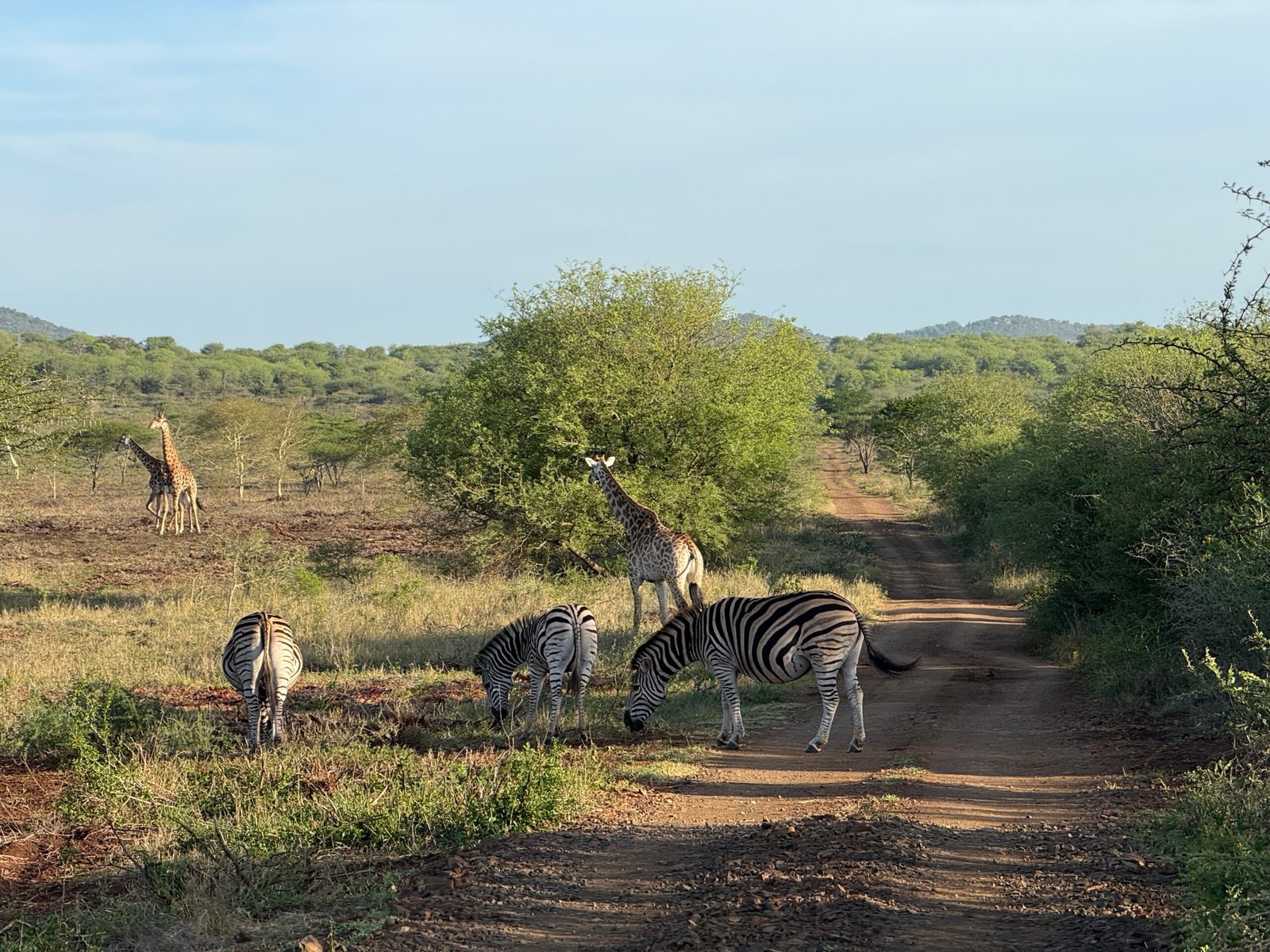
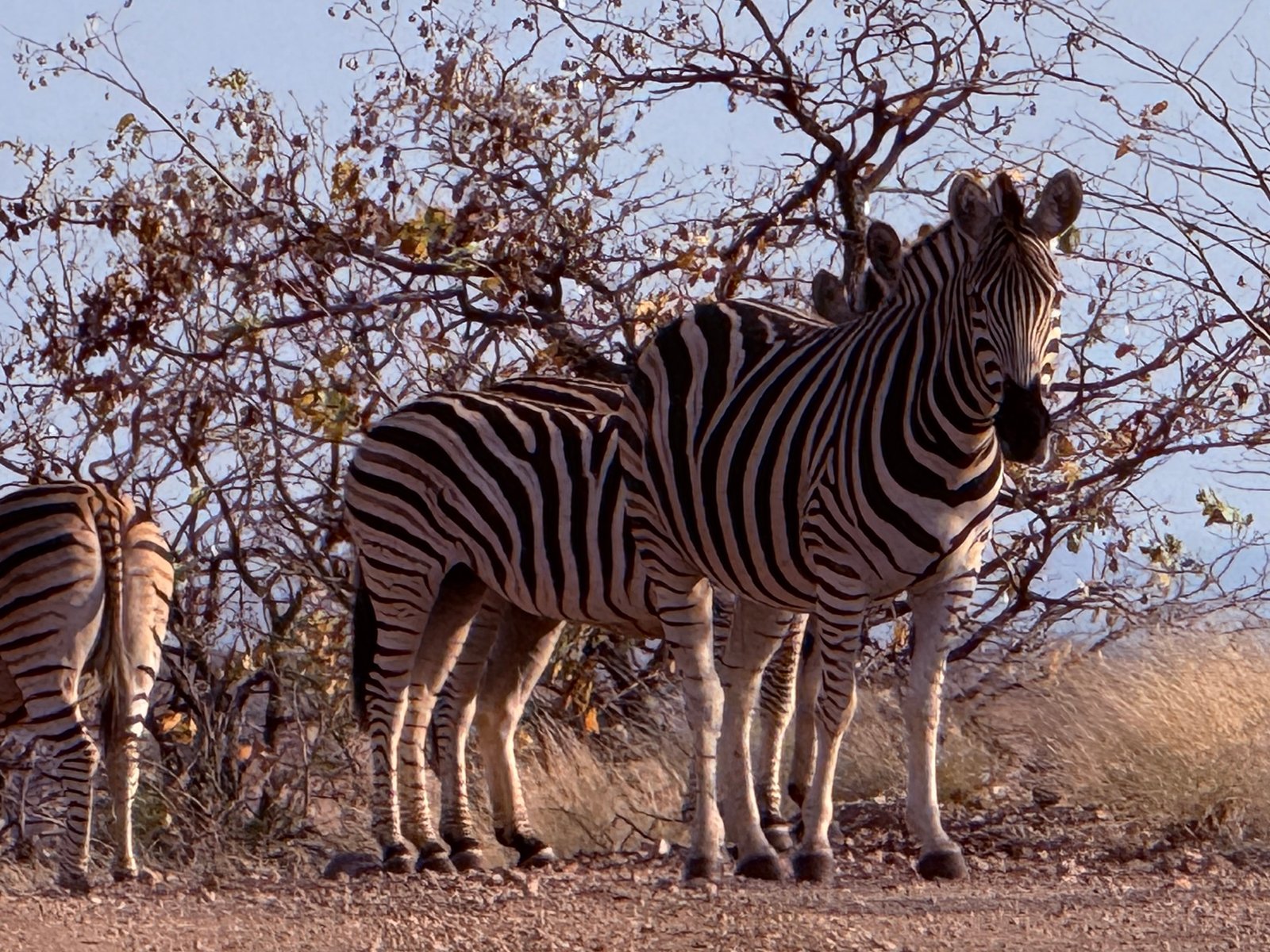
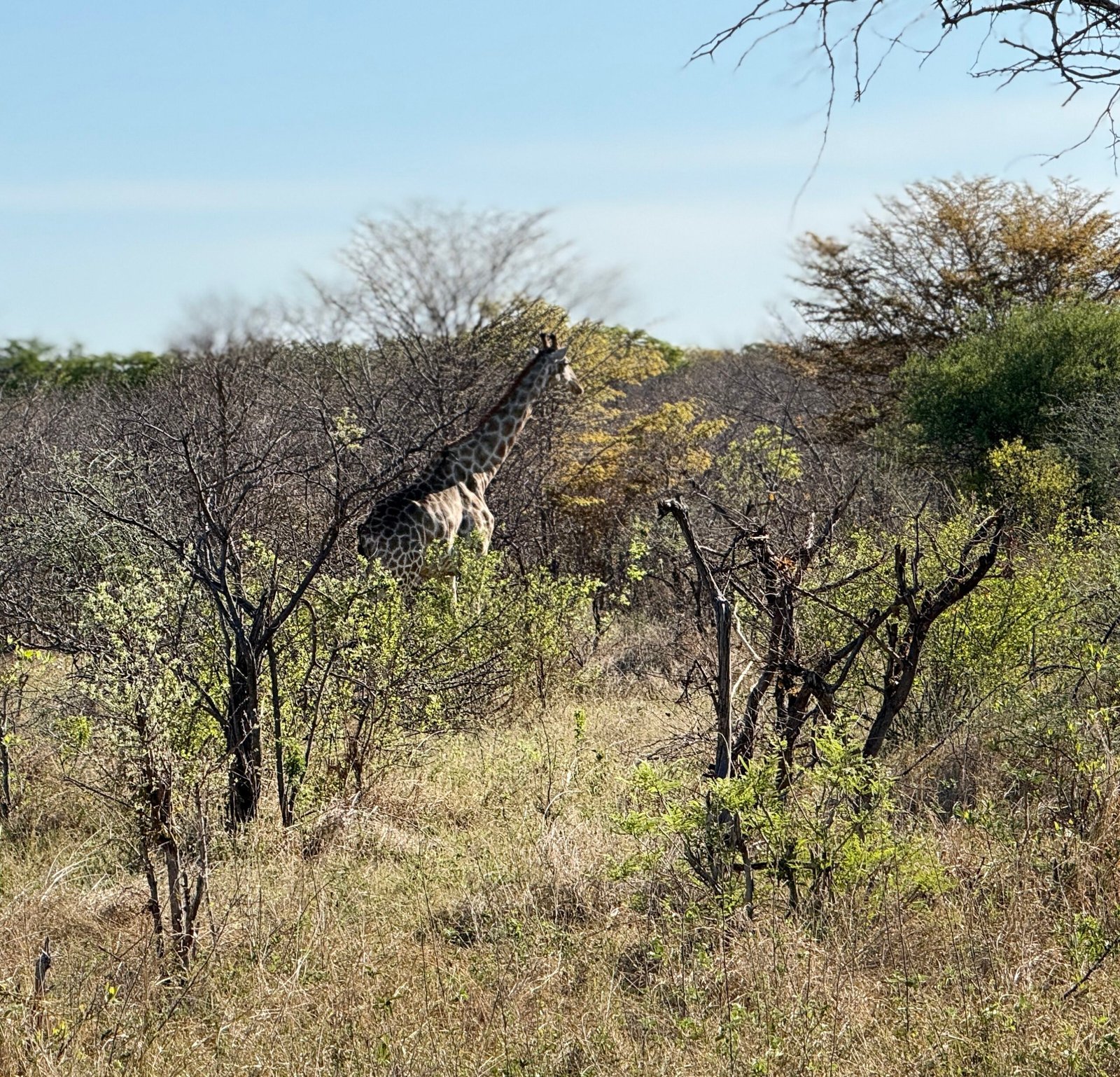
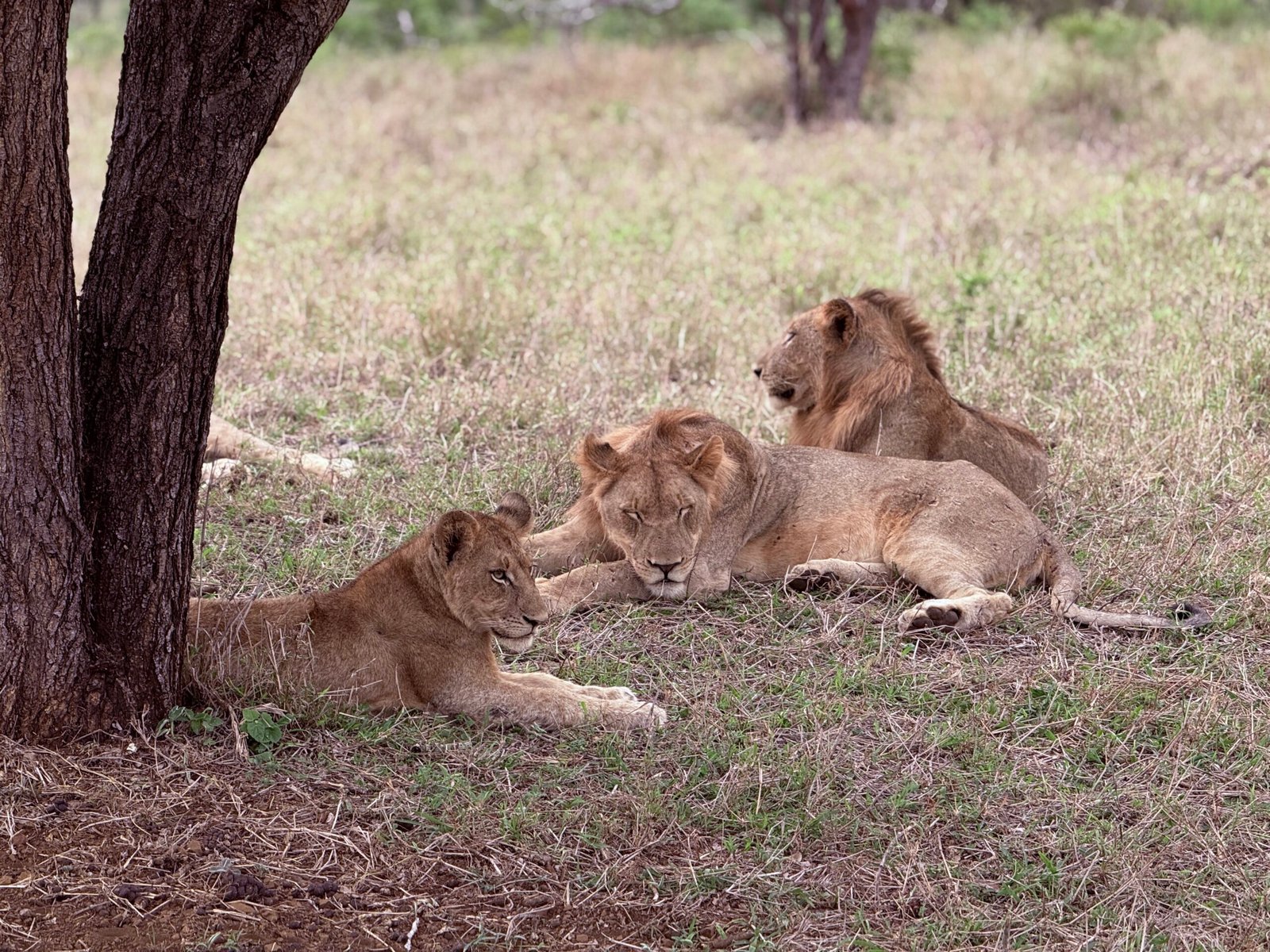
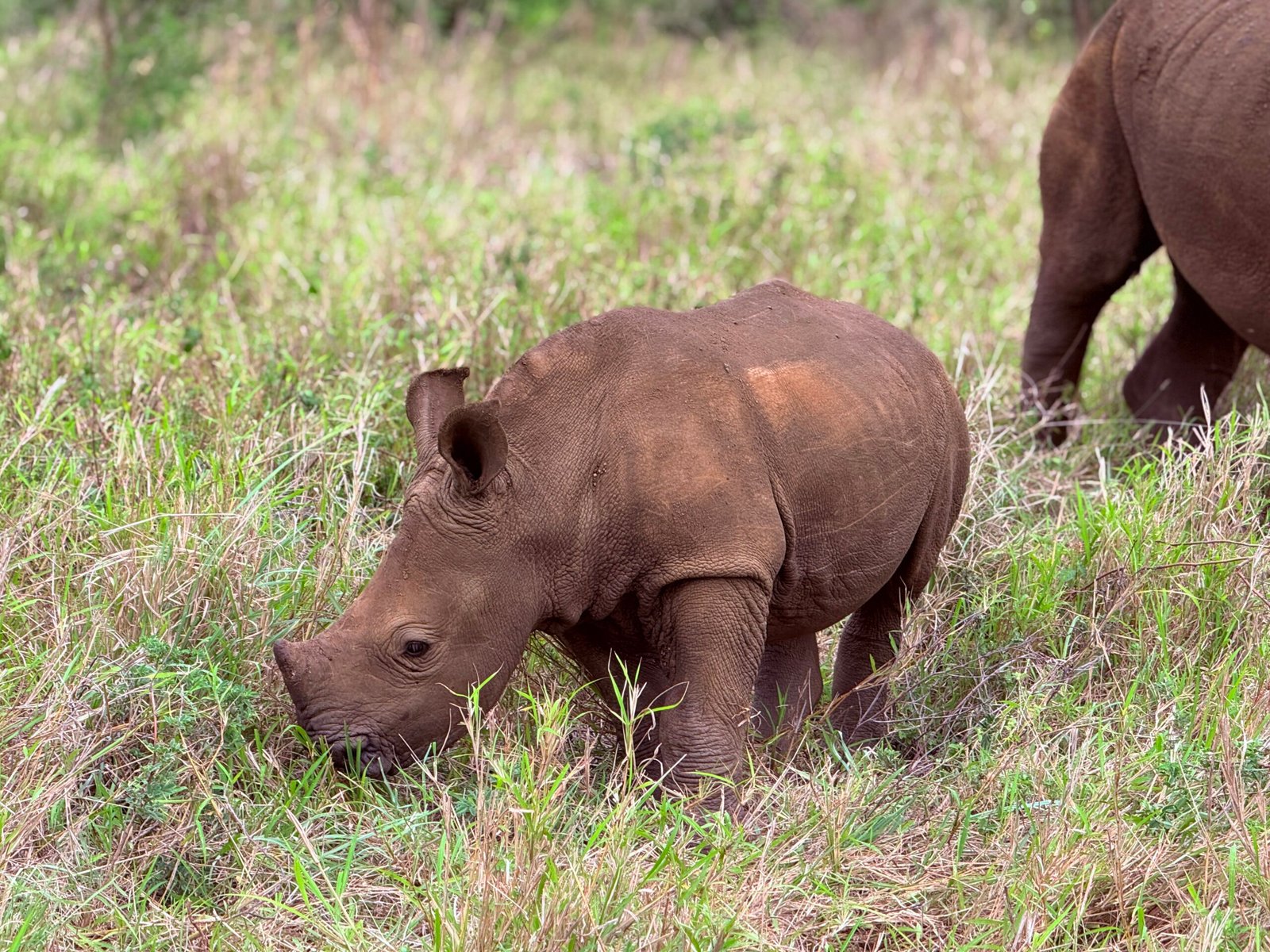
Seeing animals in their natural environment is fundamentally different from seeing them anywhere else. There are no guarantees, no schedules, and no expectation that wildlife will appear simply because you’ve arrived.
That unpredictability is part of the experience.
But this portion of the journey also delivered some important lessons.
The distances were significant. Some days meant ten hours on the road, and drive times only tell part of the story. Real road conditions make hours feel like days.
Too often, we arrived somewhere with just enough time to get ready to leave it. The pace worked against the very experience we had traveled so far to enjoy.
There is a difference between traveling through a landscape and having enough time to appreciate it.
We were grateful for the opportunities the safari provided, but we came away with a much clearer understanding of how we would approach a similar journey again.
Fewer destinations. Three nights in each place instead of one or two. More time inside the reserves and less time getting between them.
You experience more in fewer locations. That was the lesson.
It reinforced something Marnus had told us repeatedly during the planning process.
Don’t try to conquer the map.
He was right.
KwaZulu-Natal | A Different Side of South Africa
After Johannesburg, we flew to Durban and began exploring the KwaZulu-Natal coast.
This portion of the trip felt entirely different.
We traded the structured safari itinerary for the freedom of having our own vehicle and making decisions as we went.
Driving ourselves changed how the distances felt. We decided when to stop, how far to go, and when a day on the road was long enough.
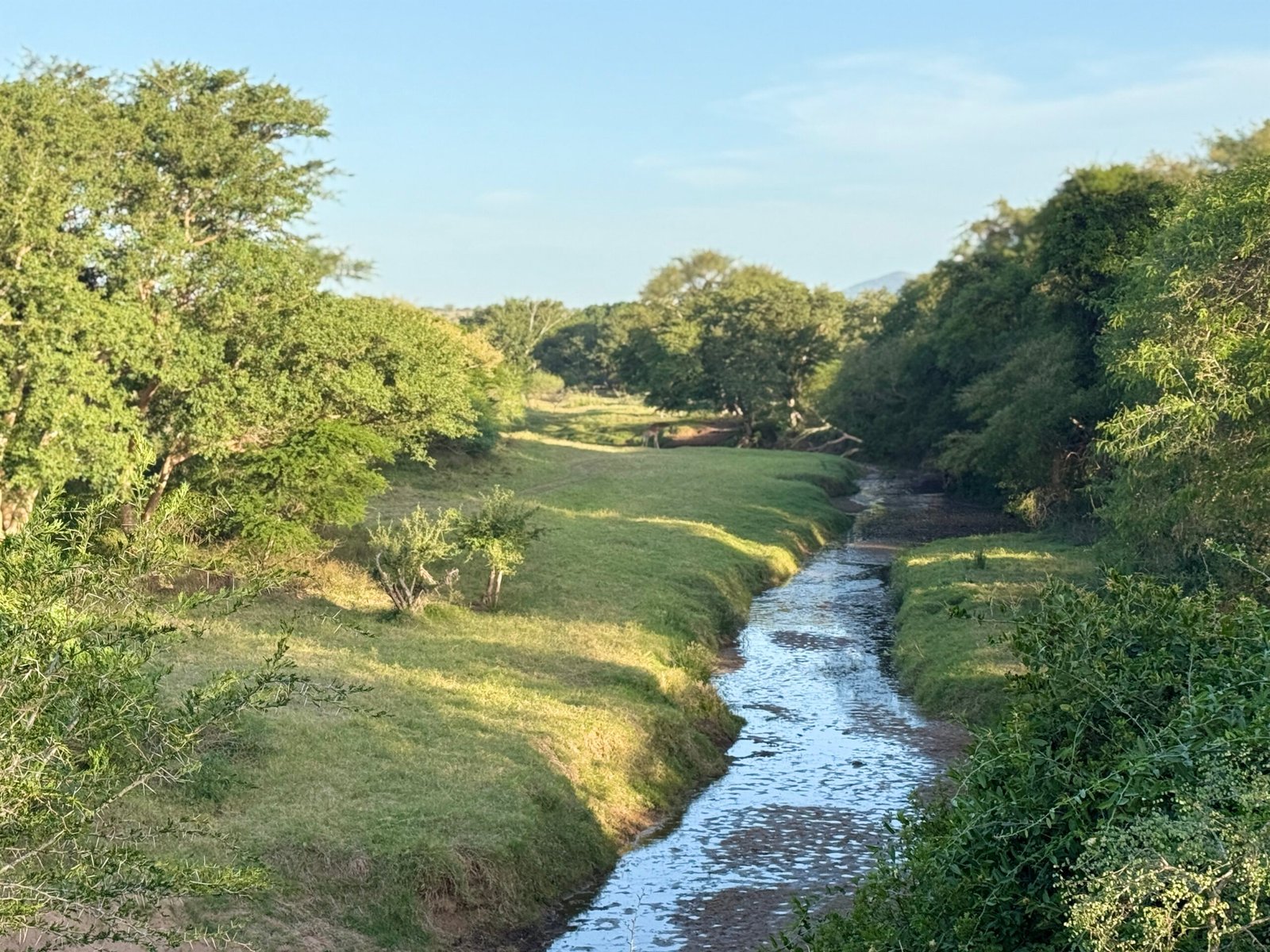
Our base near Scottburgh gave us access to coastal towns, beaches, nature reserves, and smaller communities along the Indian Ocean.
We explored south toward Port Edward, visited the region’s natural landscapes, and spent time discovering places that receive far less international attention than Cape Town or Kruger.
The coastline was beautiful, but what made this portion memorable was its character.
It felt lived in.
We weren’t moving between famous landmarks. We were traveling through communities, stopping when something caught our attention, and experiencing everyday life alongside the extraordinary natural setting.
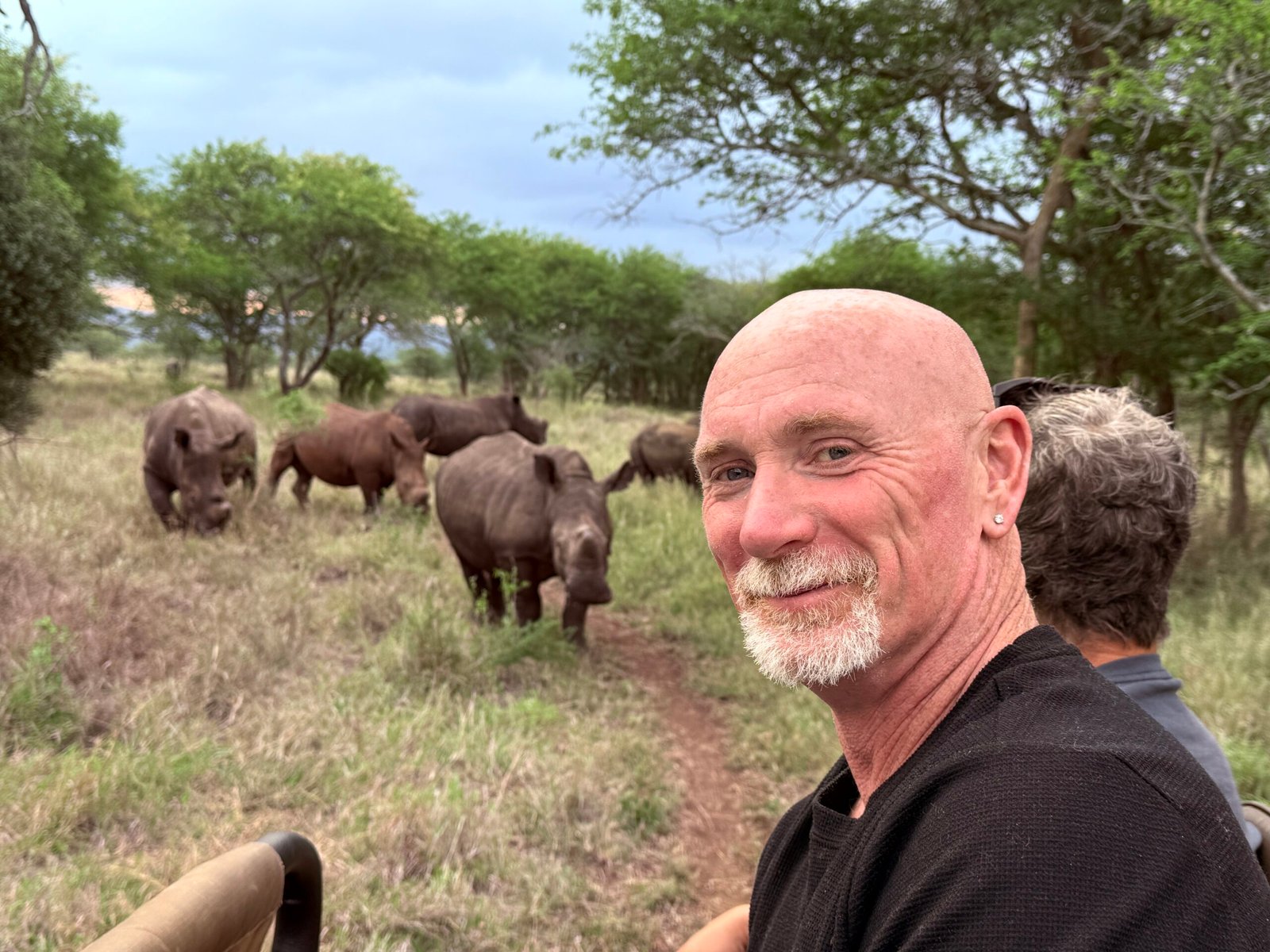
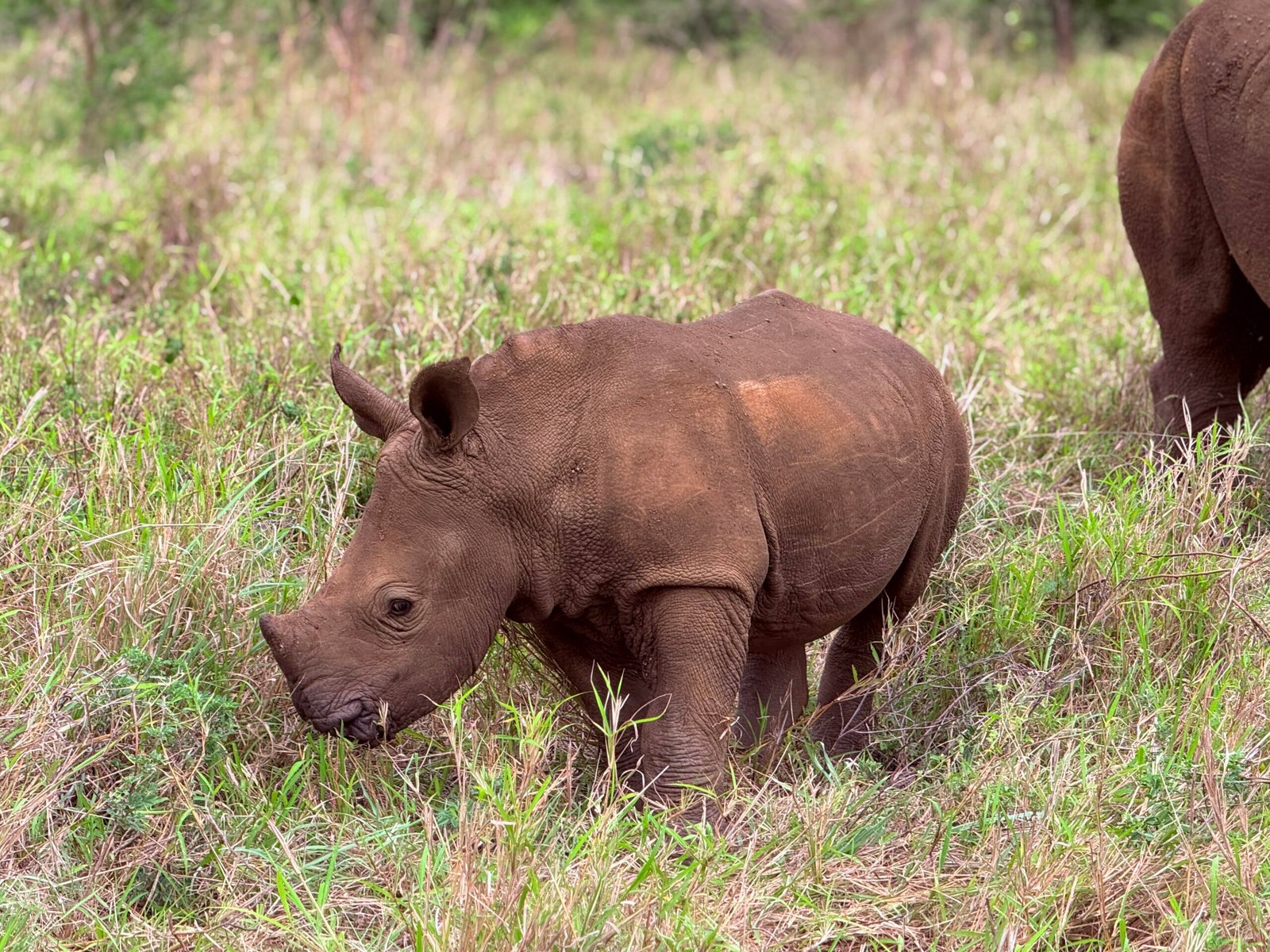
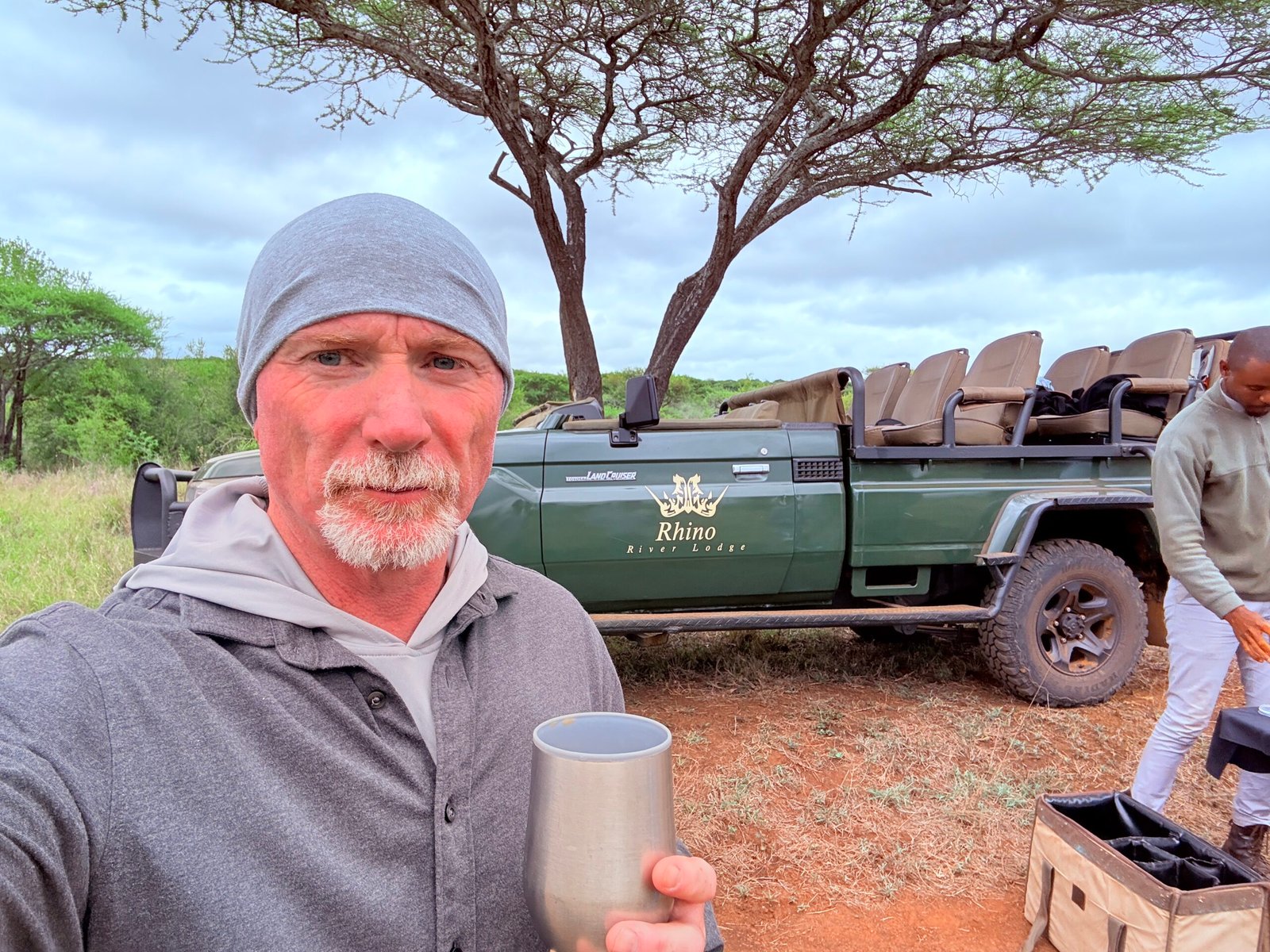
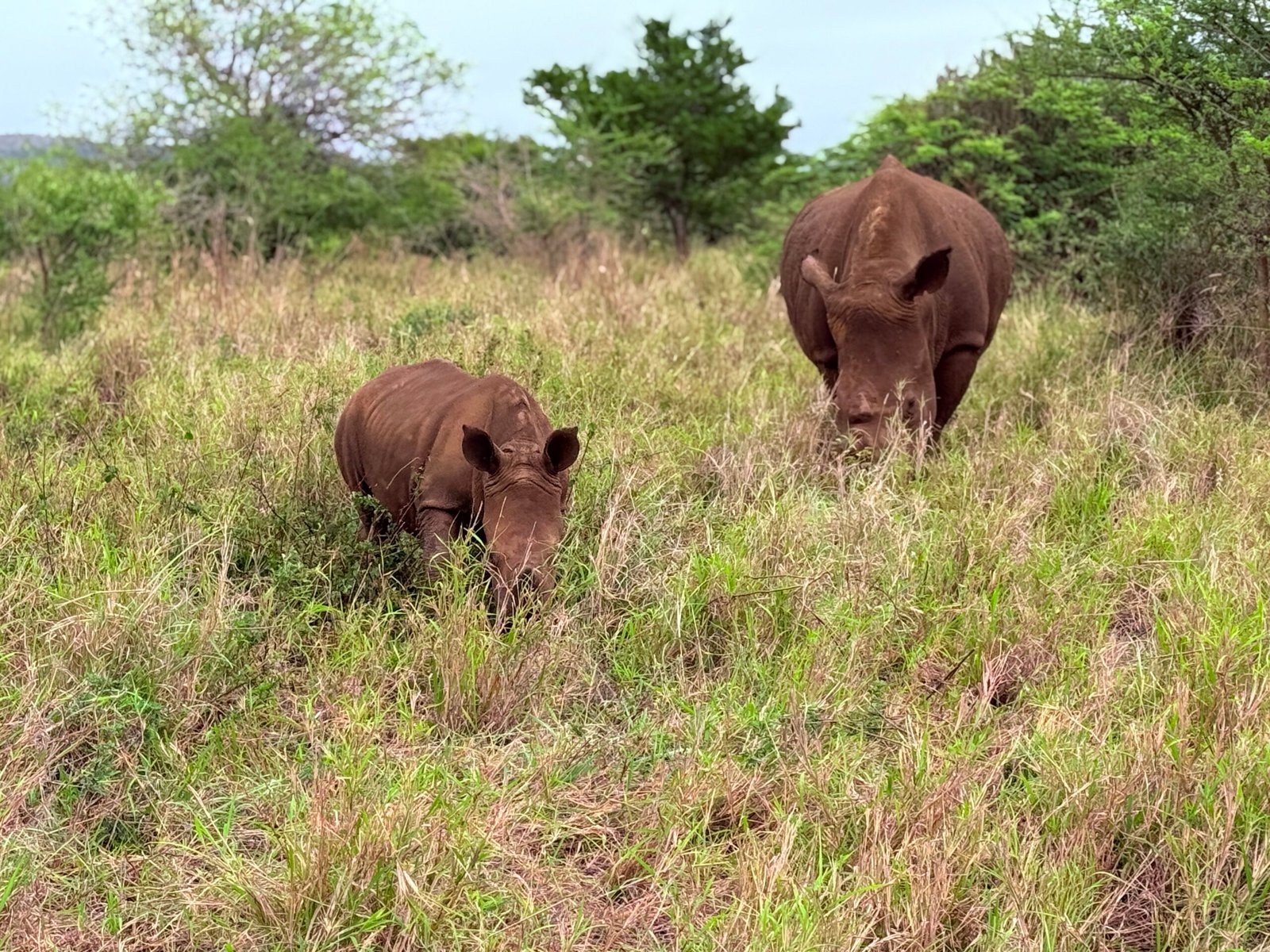
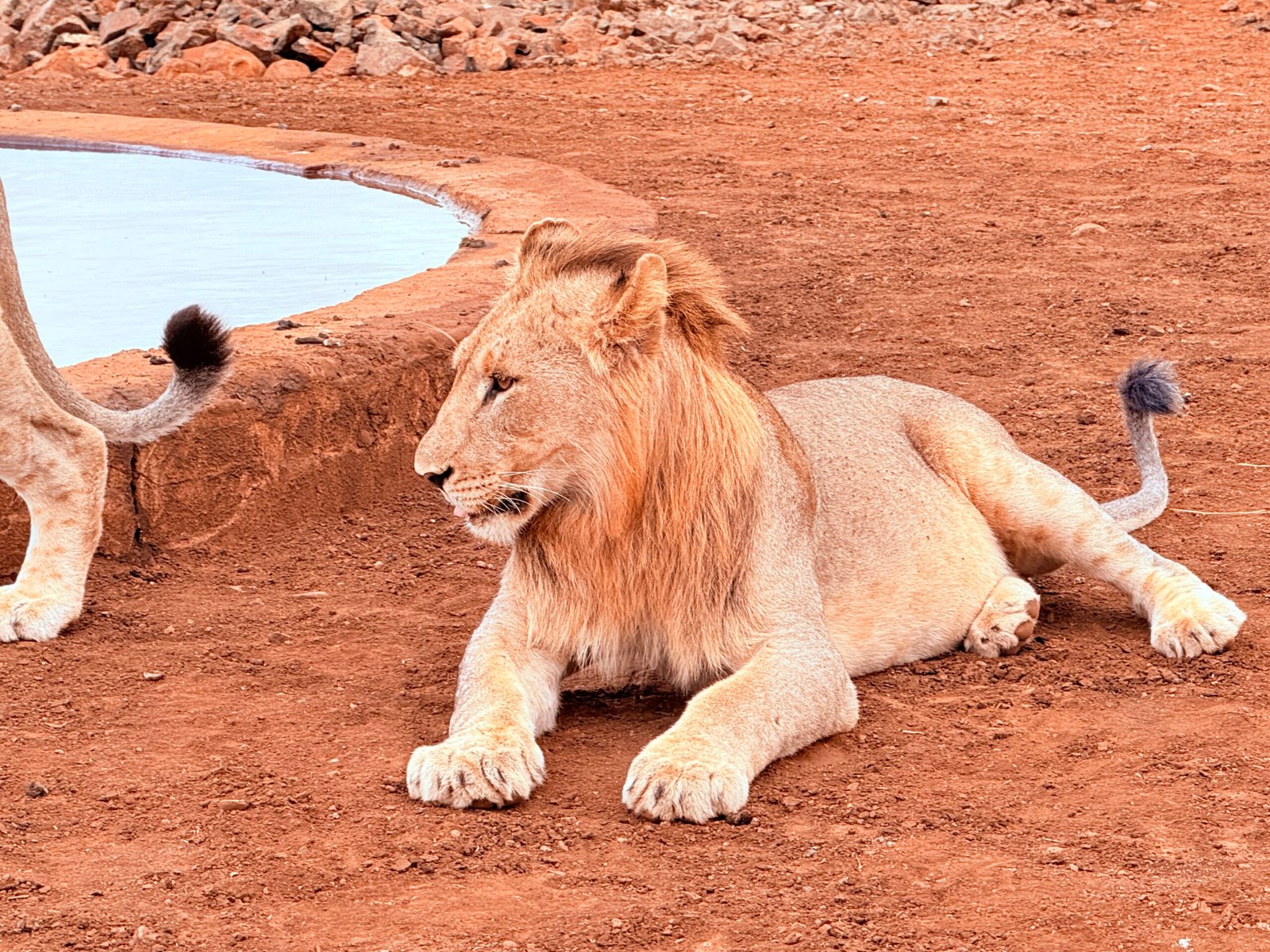
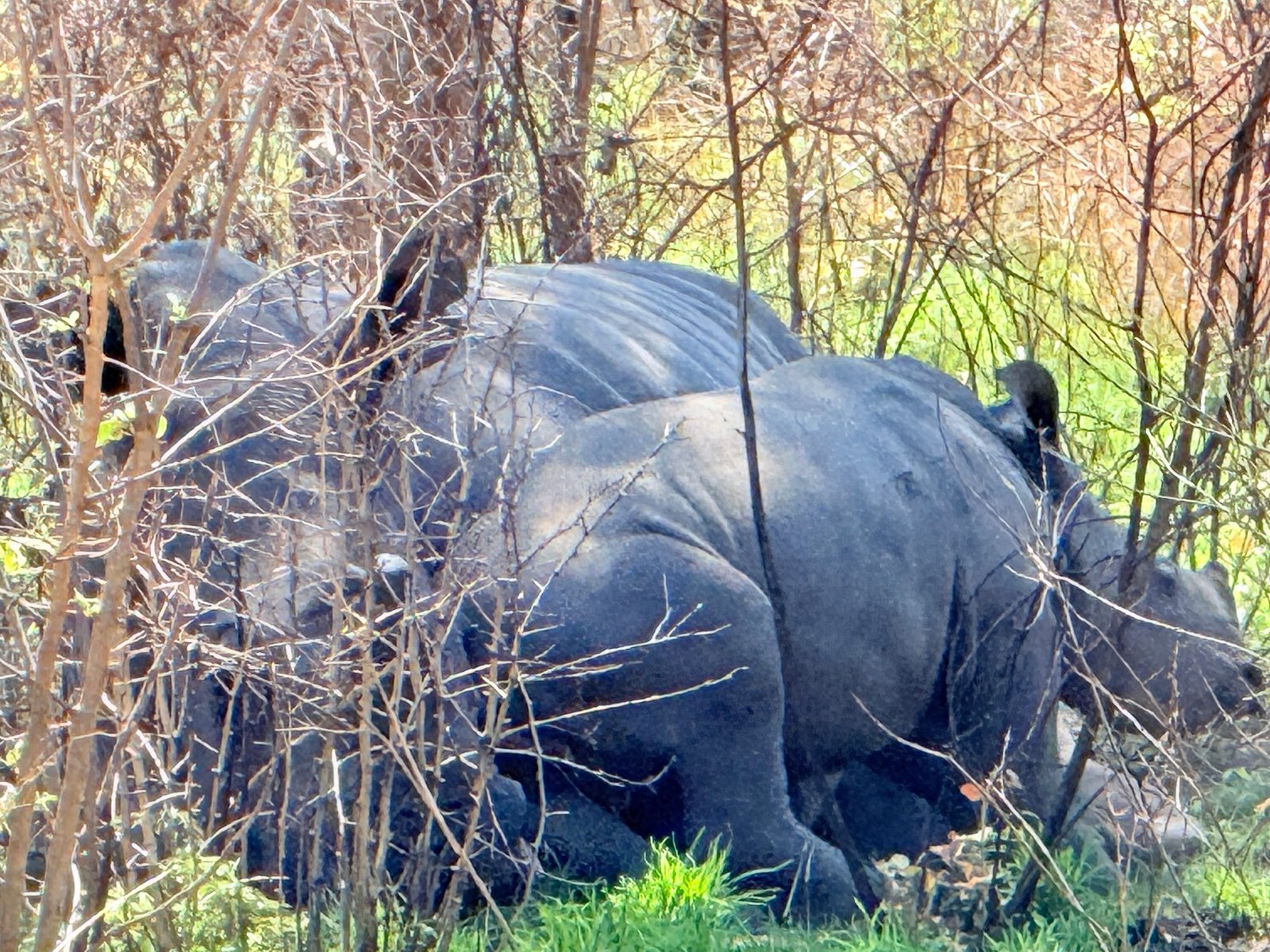
Our stay at Rhino River Lodge added another wildlife experience to the journey, with a different atmosphere from the larger overland safari.
Further north, near Sodwana Bay, we got a taste of the Blue Trail with Thonga Trails, walking that coastline and free diving in it.
Dolphins. Loggerhead turtles. And a coastline every bit as beautiful below the surface as it is from the shore.
It was one of those experiences that changes how you see a place. The Indian Ocean stopped being a view and became somewhere we had actually been.
We also explored the natural beauty of the region, including Vernon Crookes Nature Reserve and Oribi Gorge.
By this point, we had started to appreciate just how geographically diverse South Africa really is.
Every region seemed to reveal another version of the country.
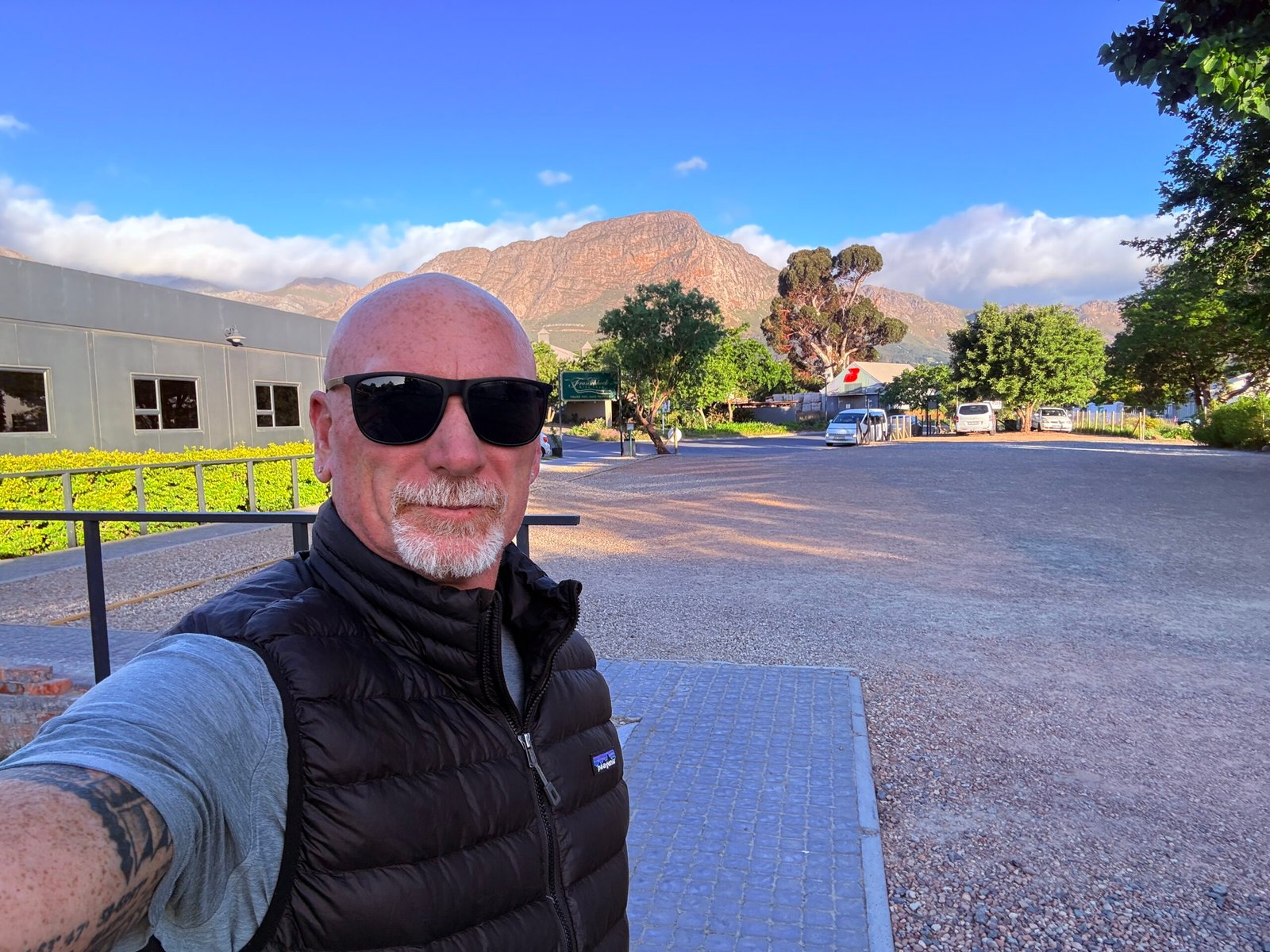
Franschhoek & Stellenbosch | A Different Pace
Our final days brought us back to the Western Cape.
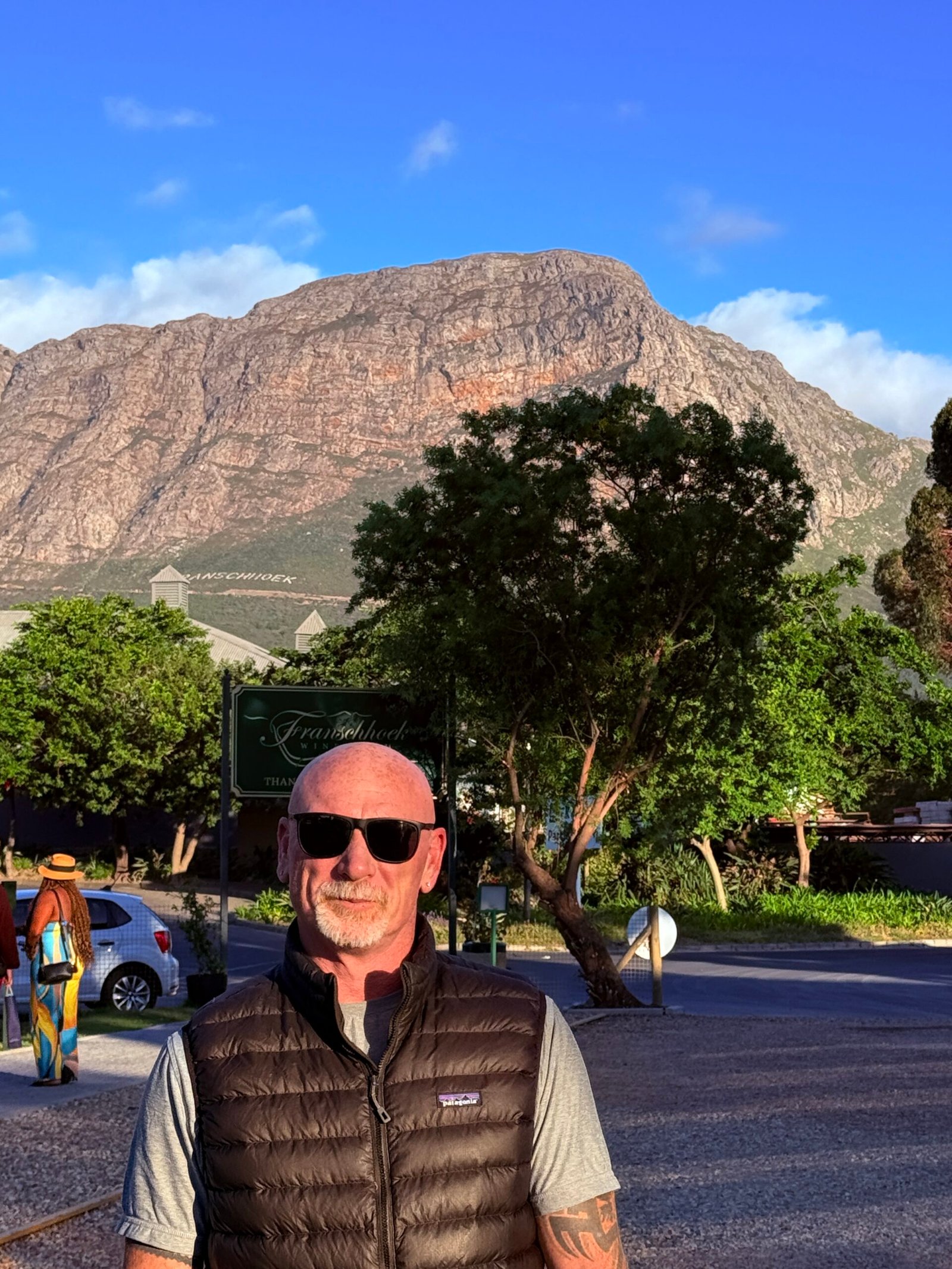
After weeks of airports, wildlife drives, long roads, and constantly changing accommodations, Franschhoek was exactly what we needed.
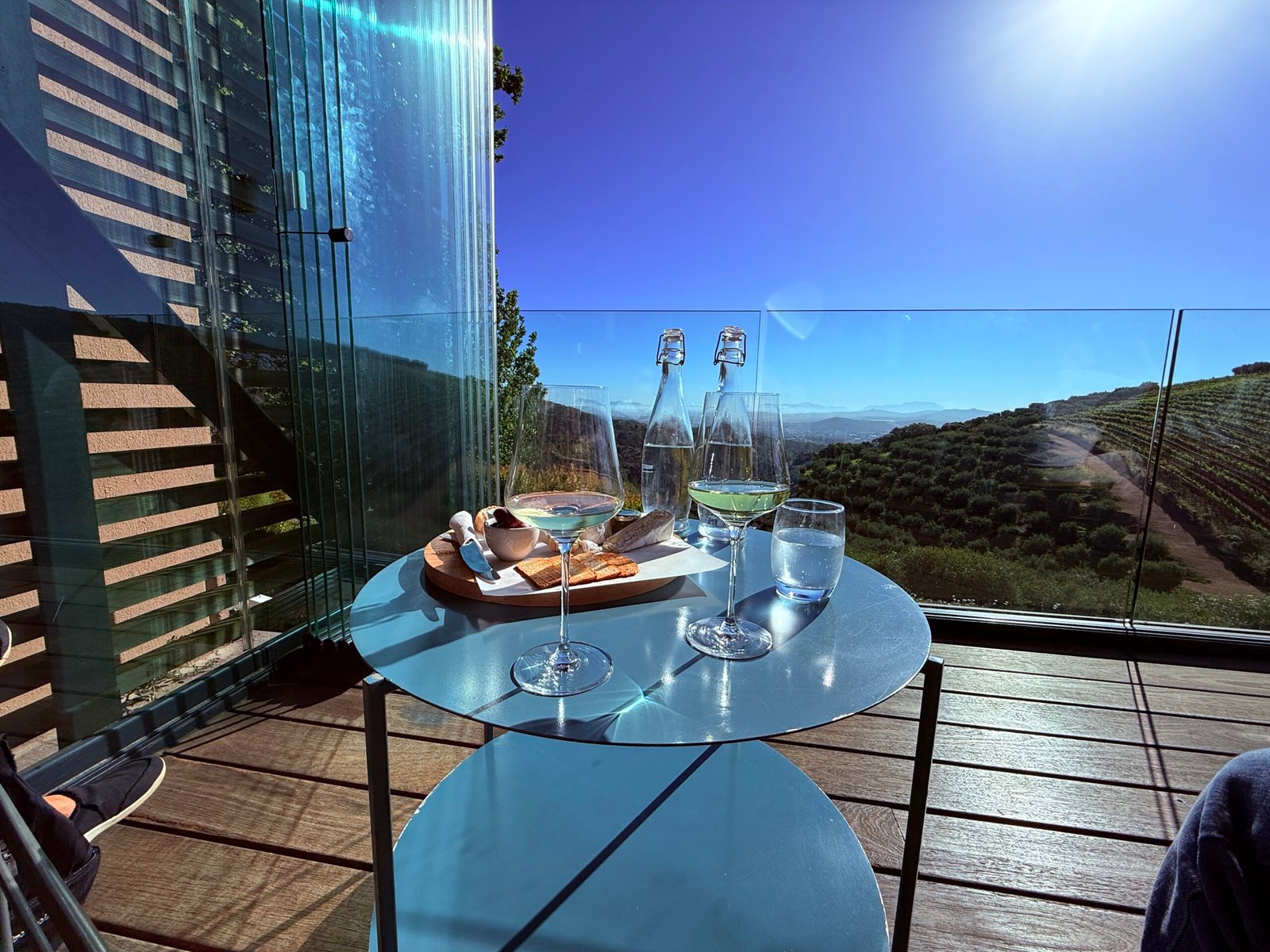
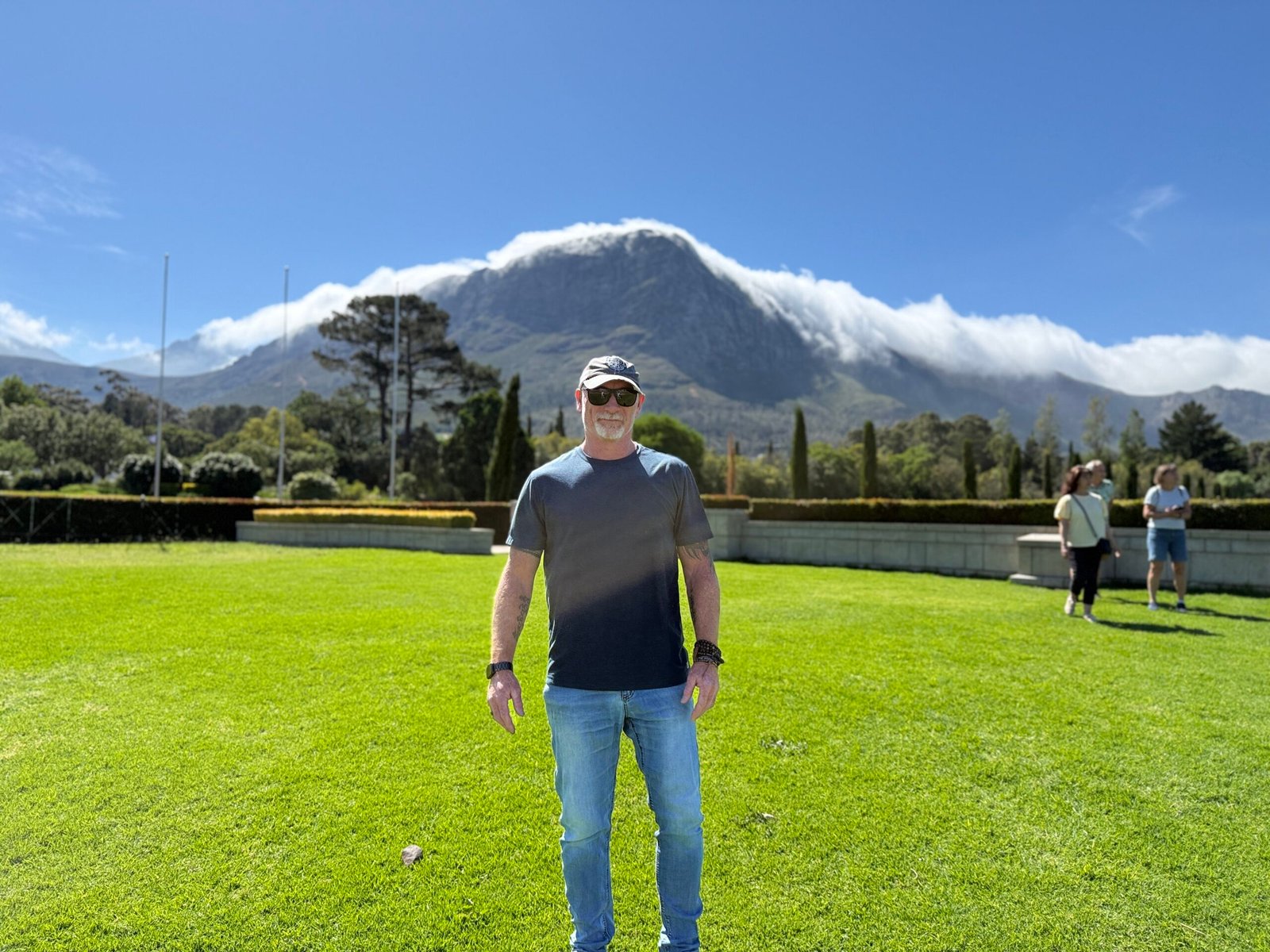
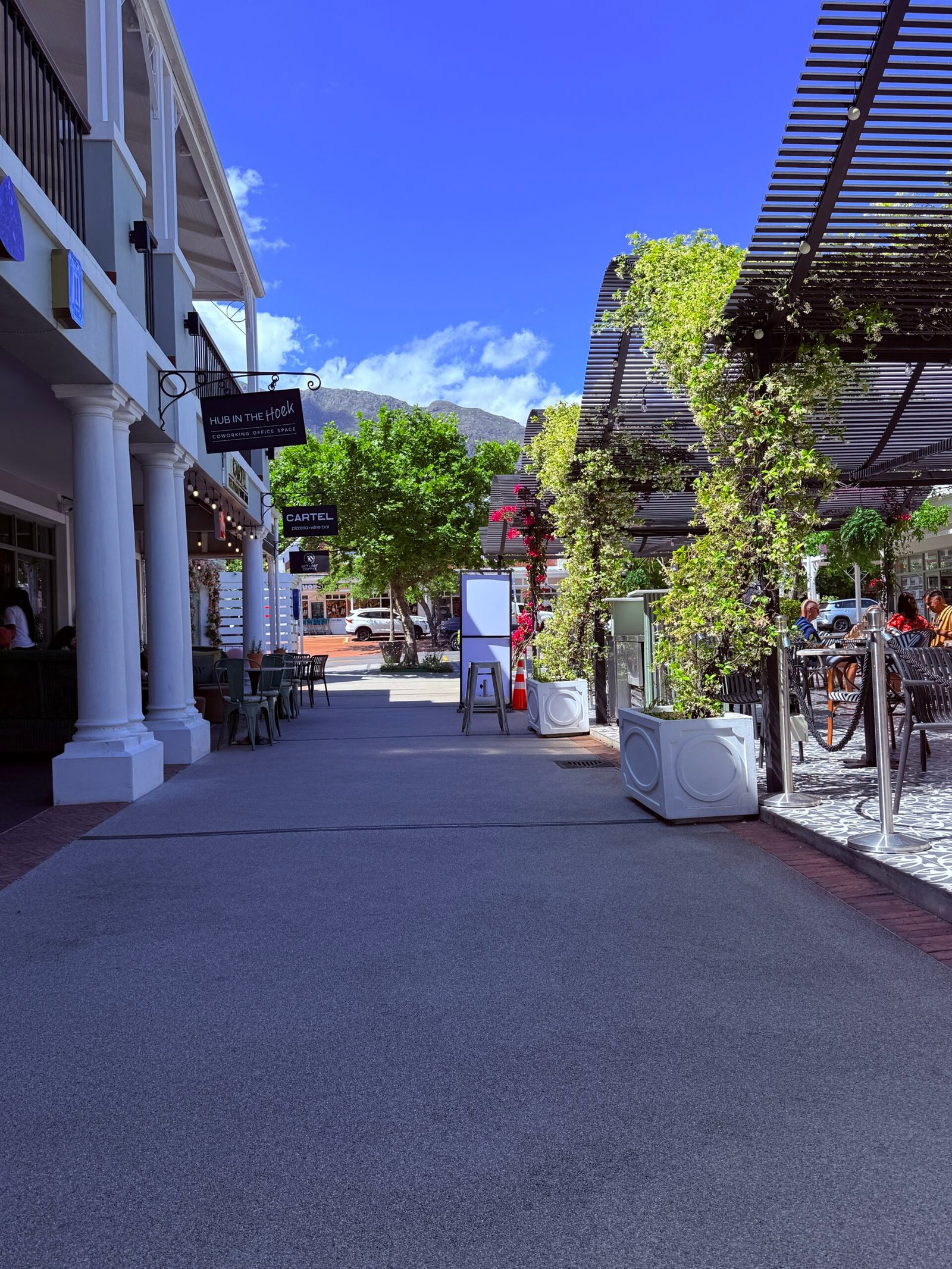
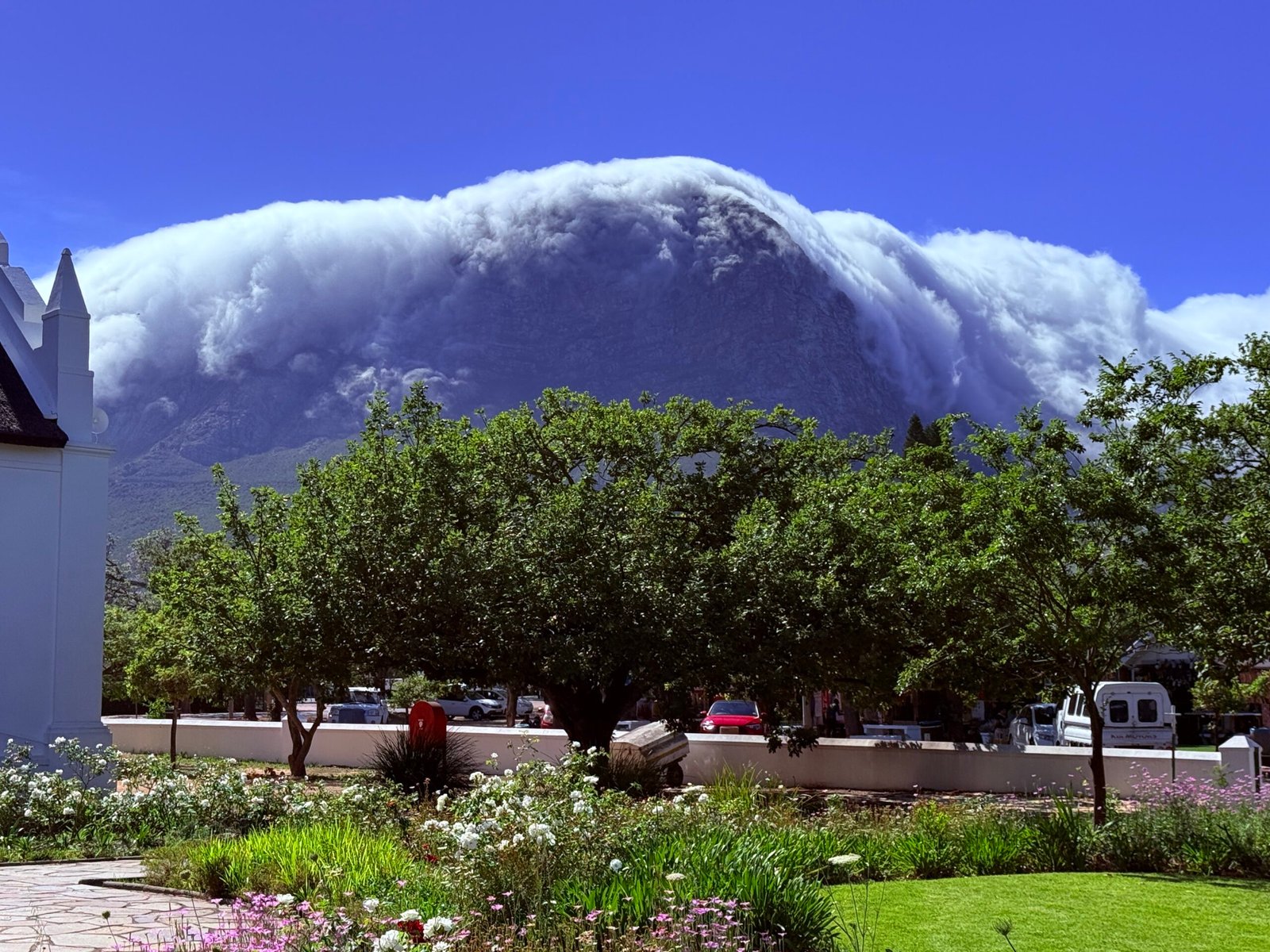
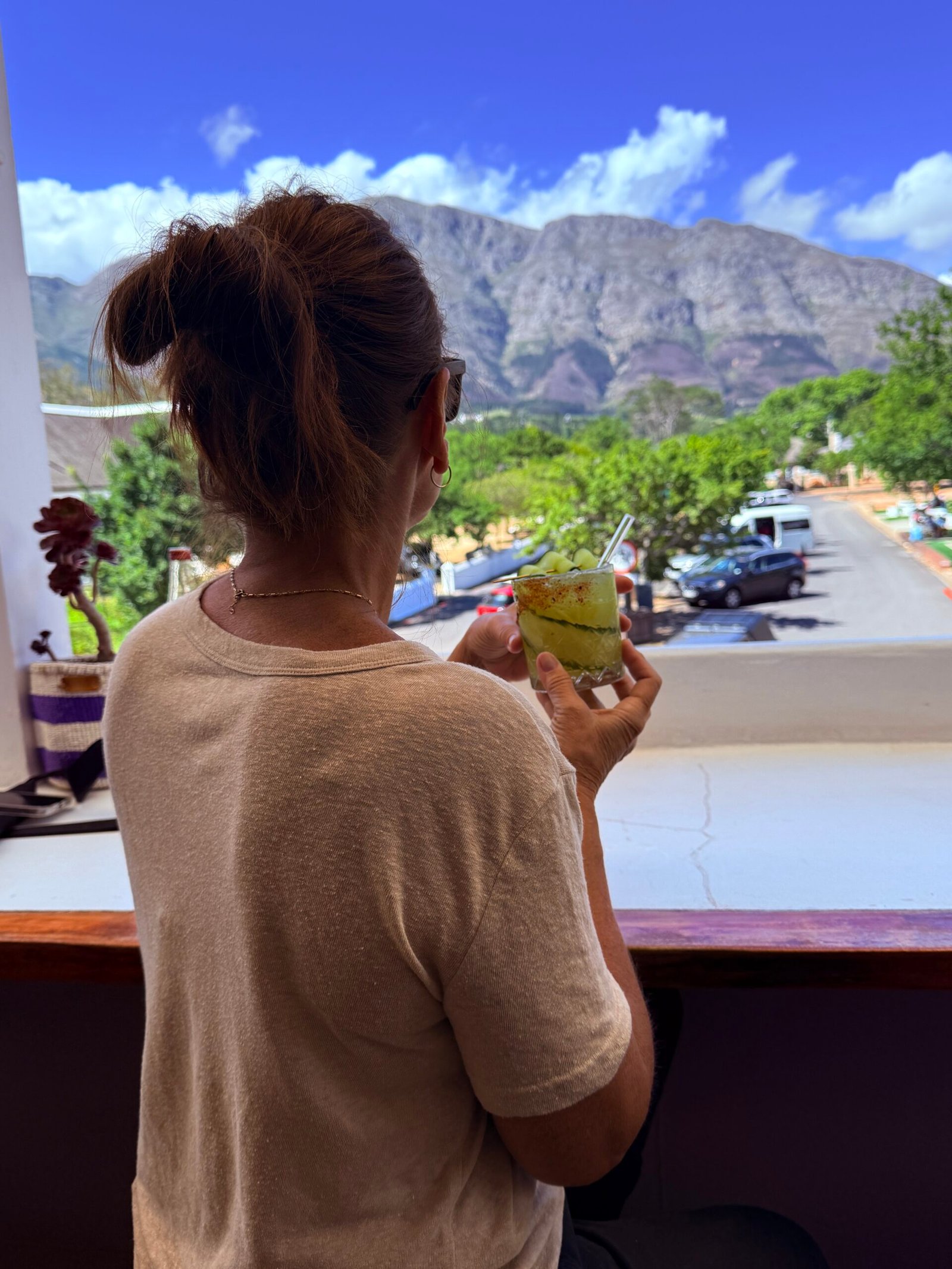
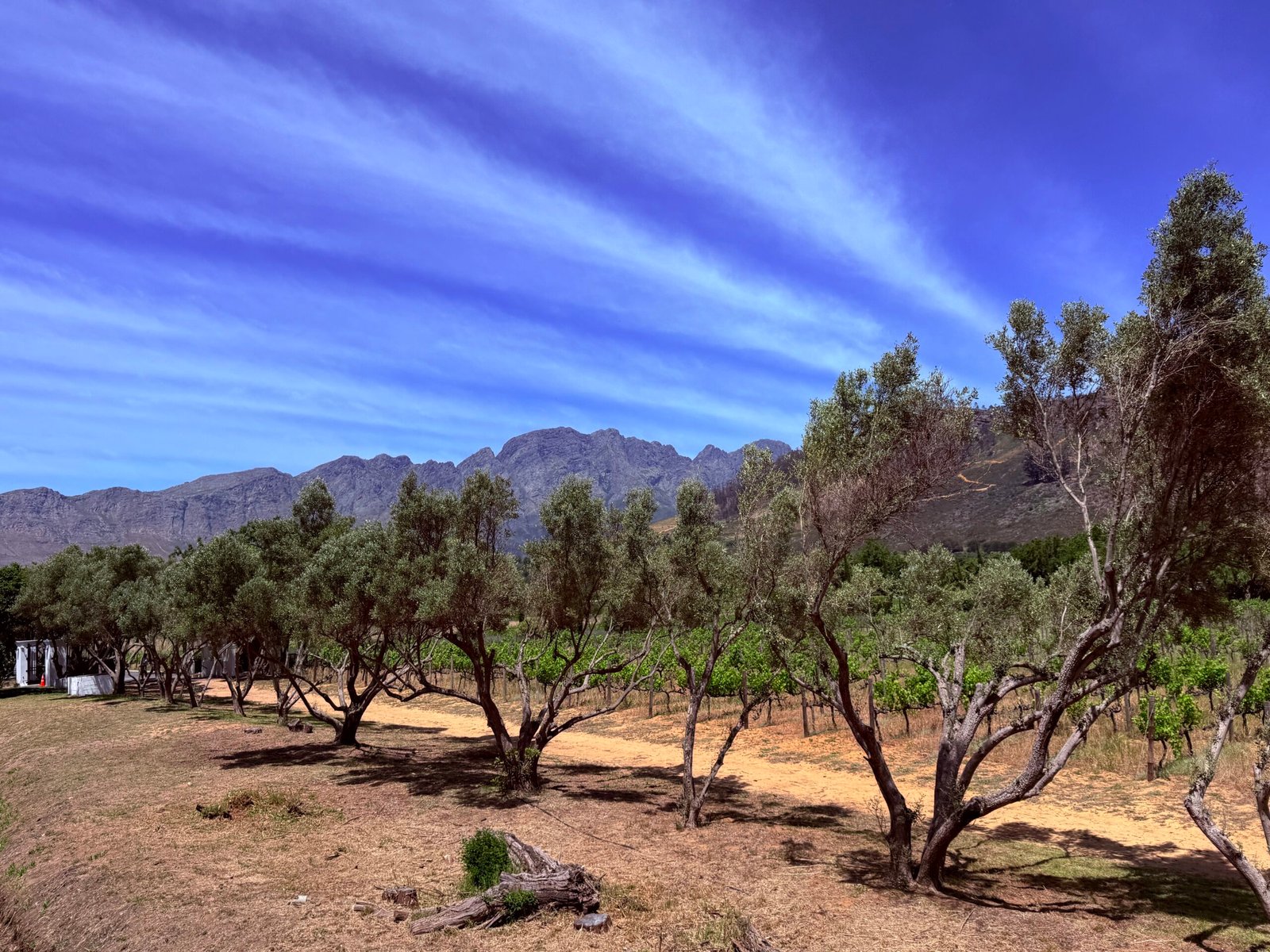
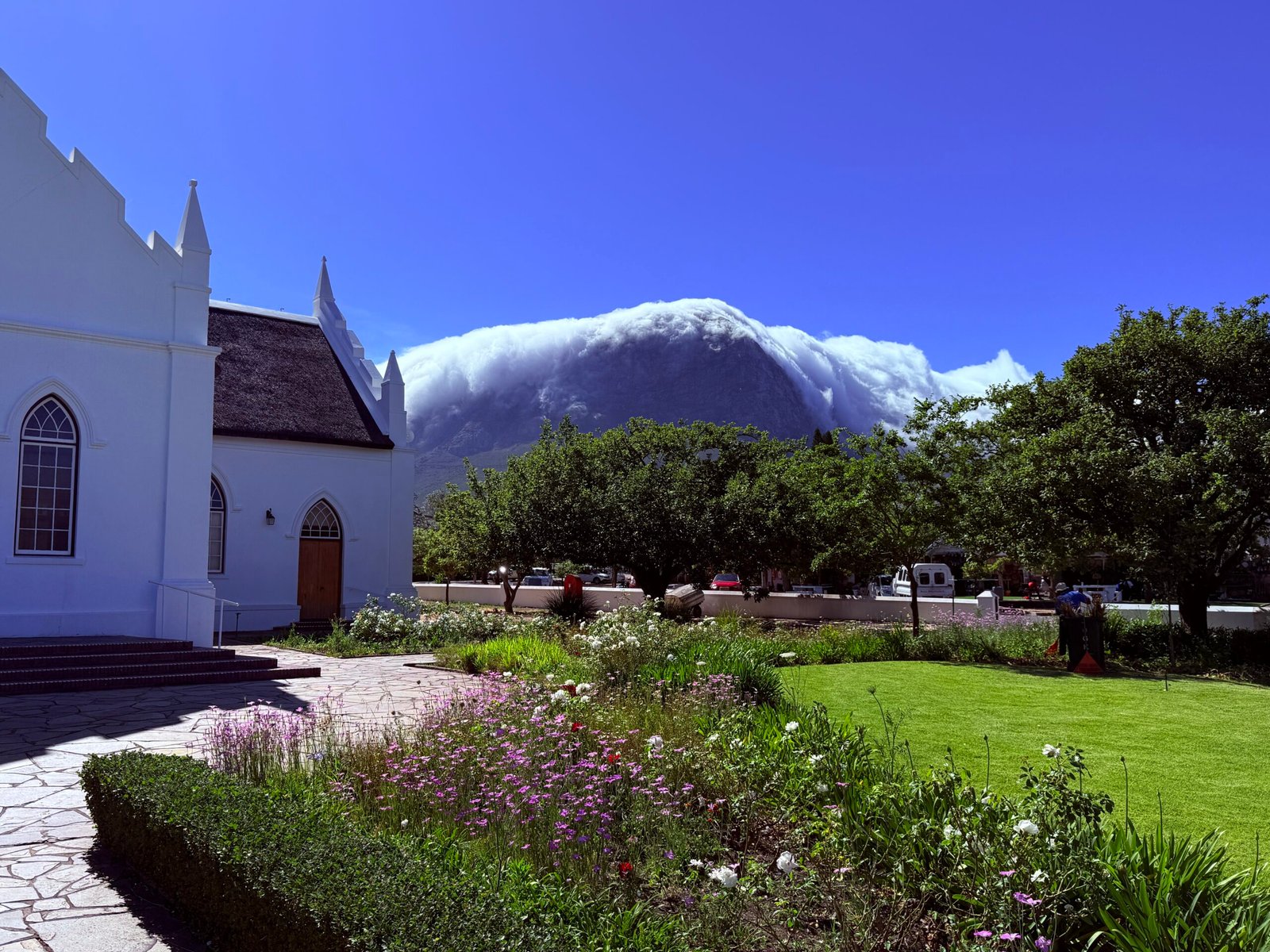
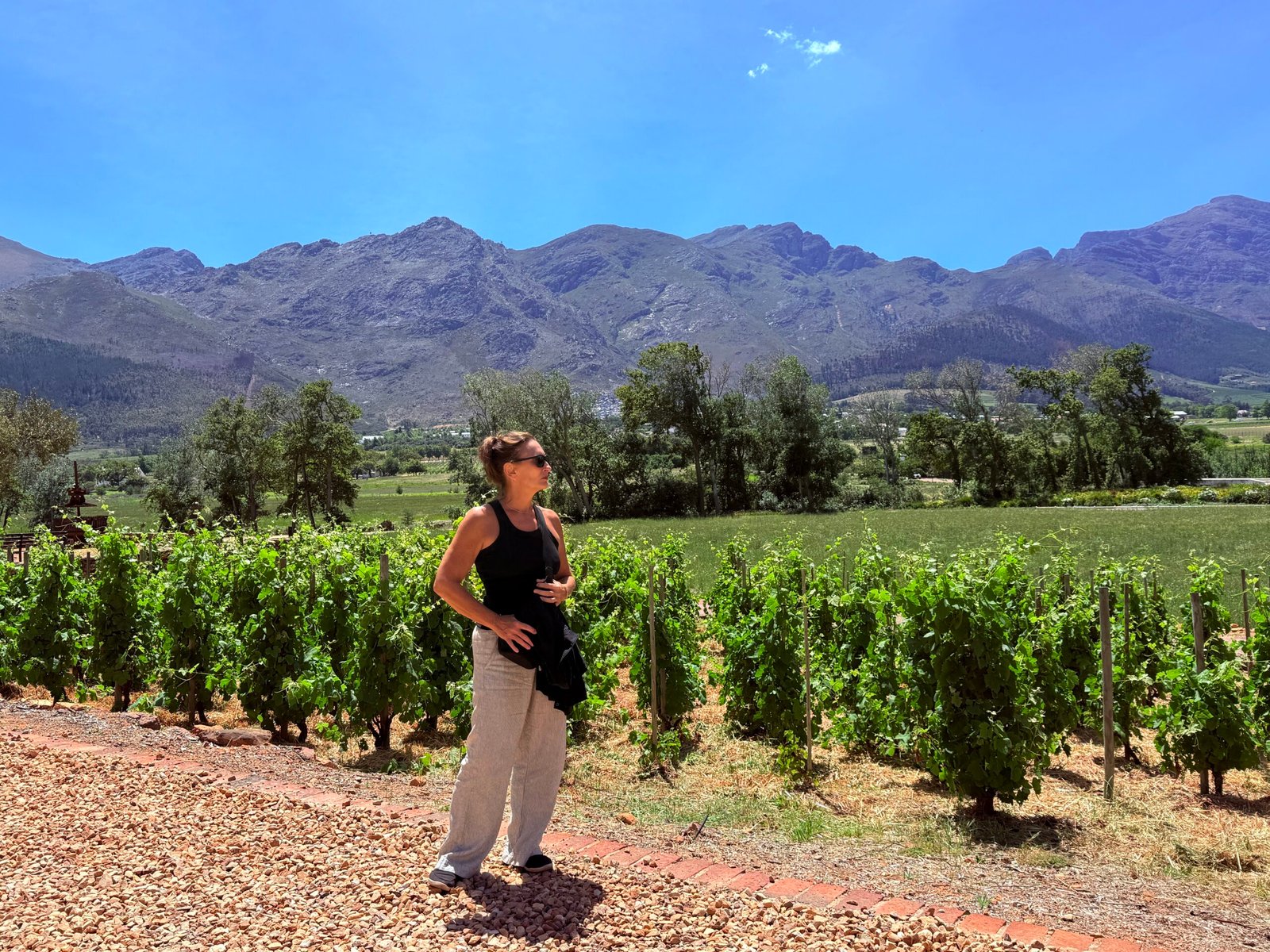
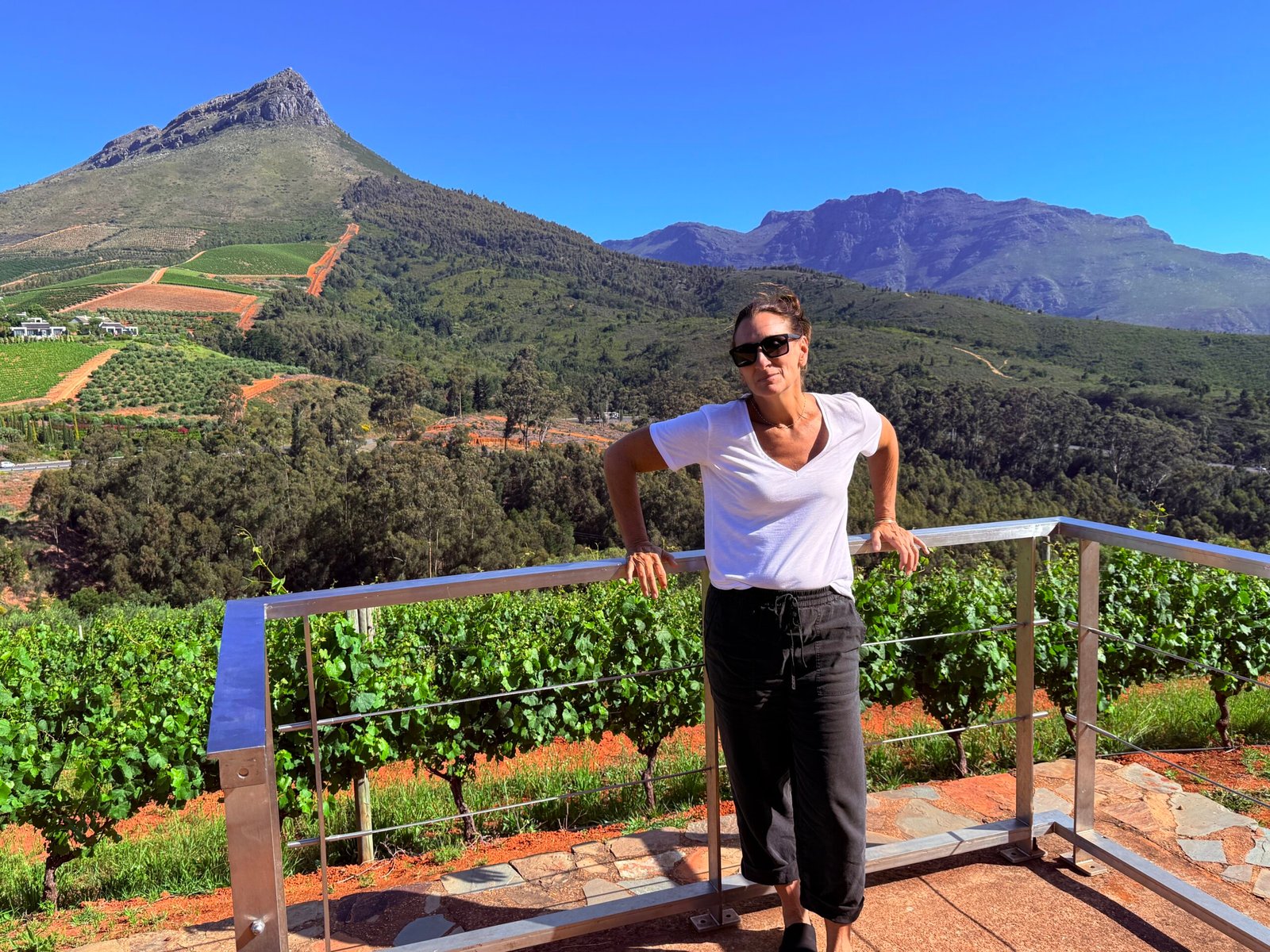
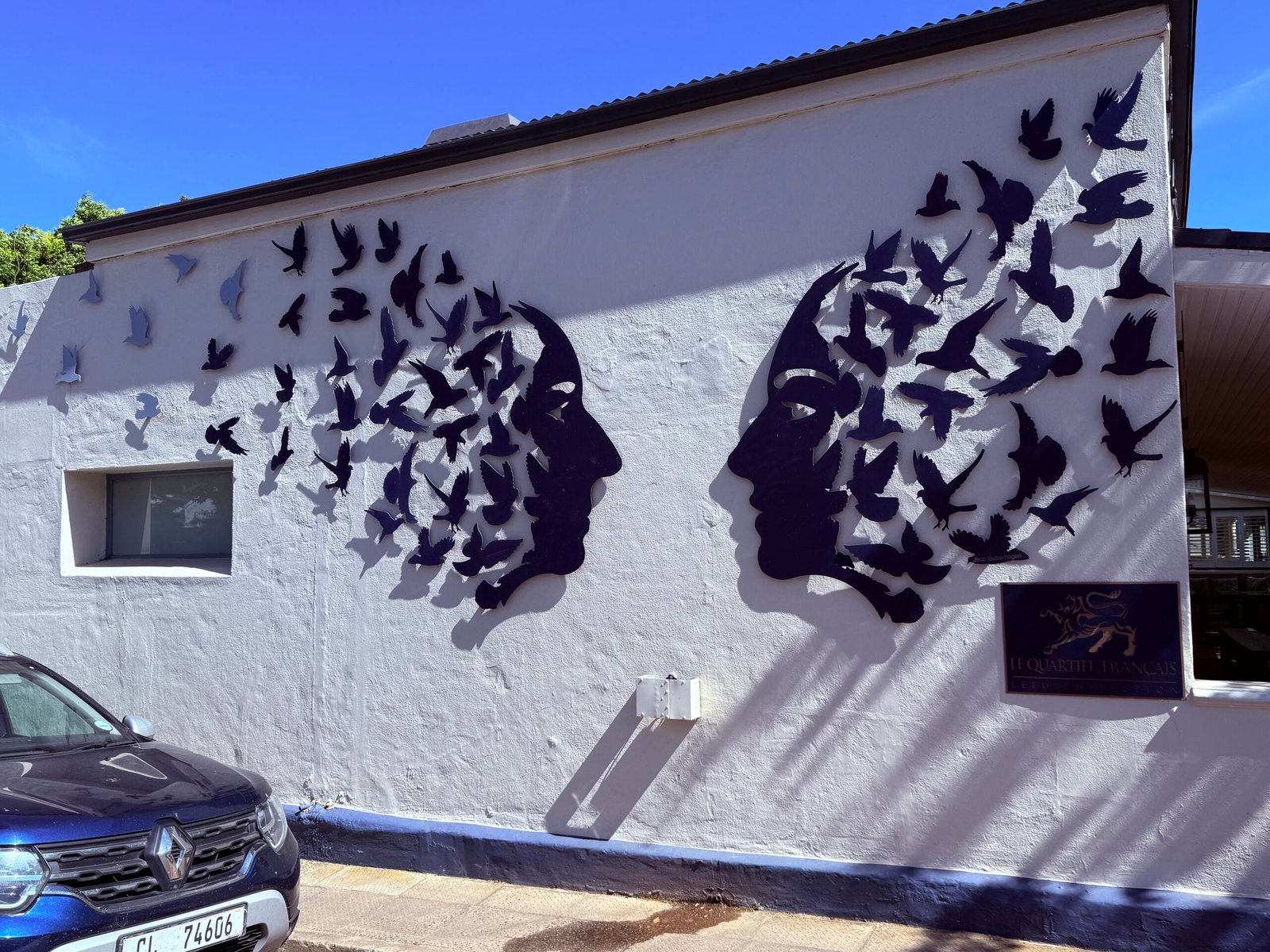
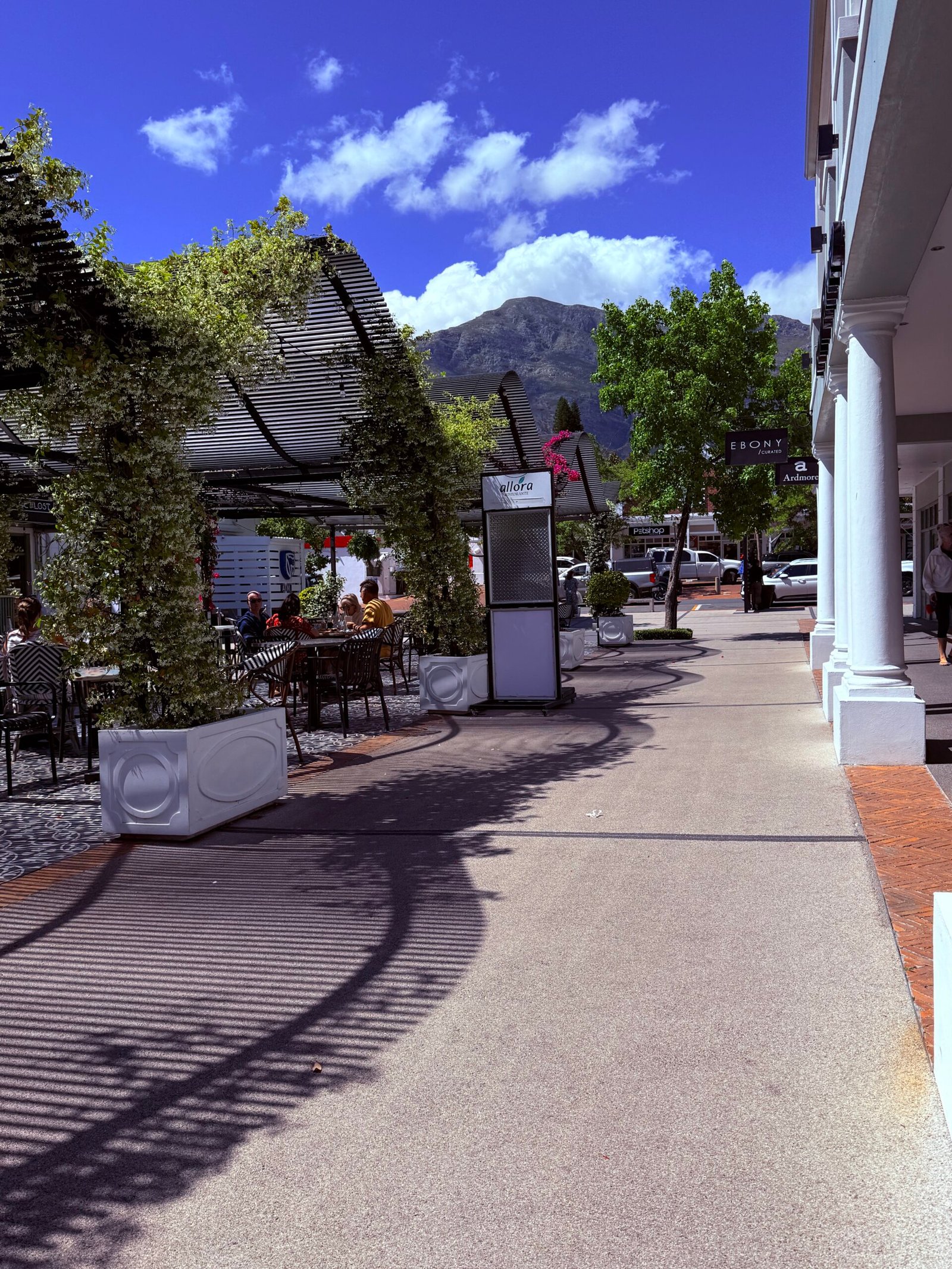
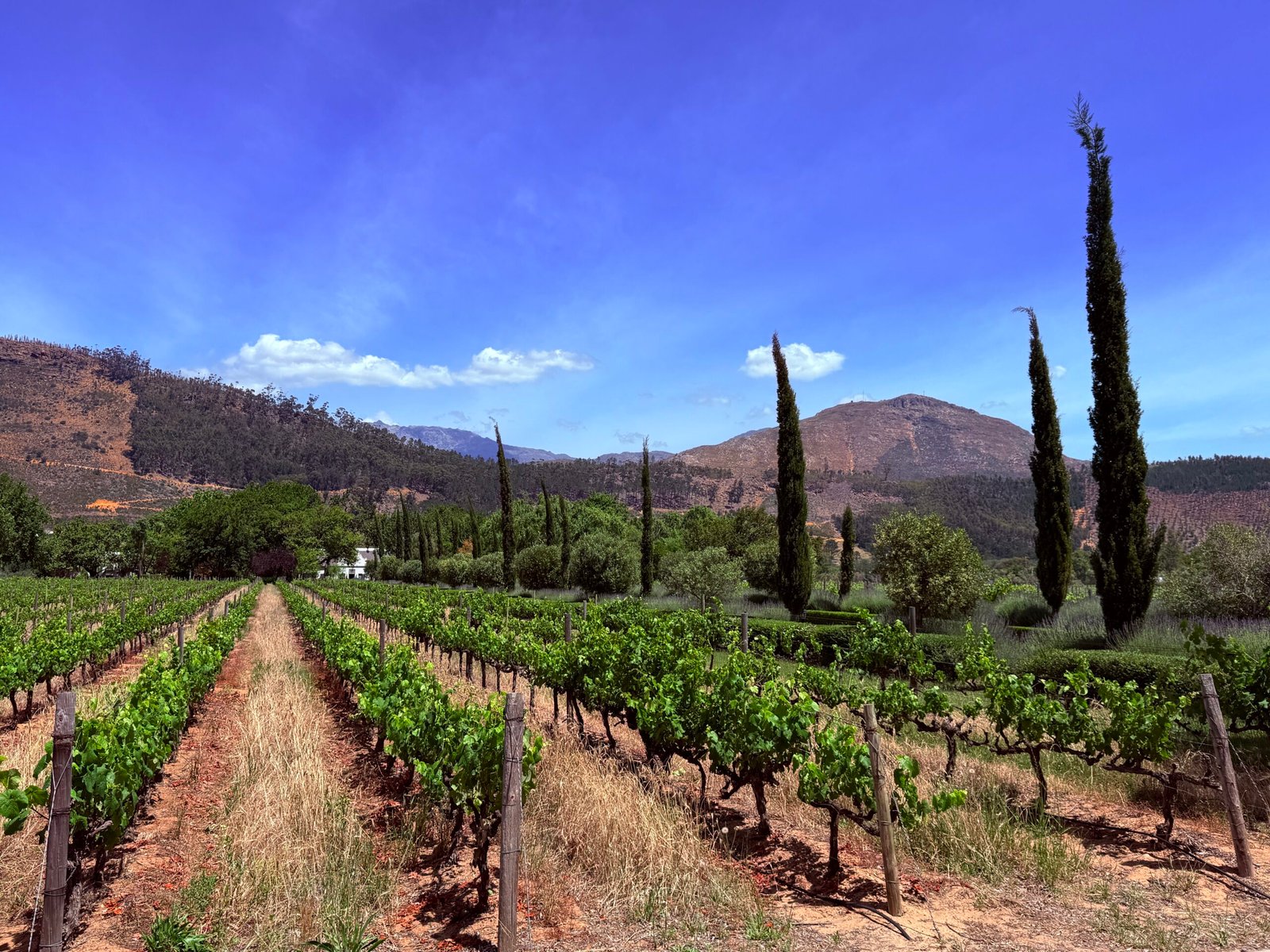
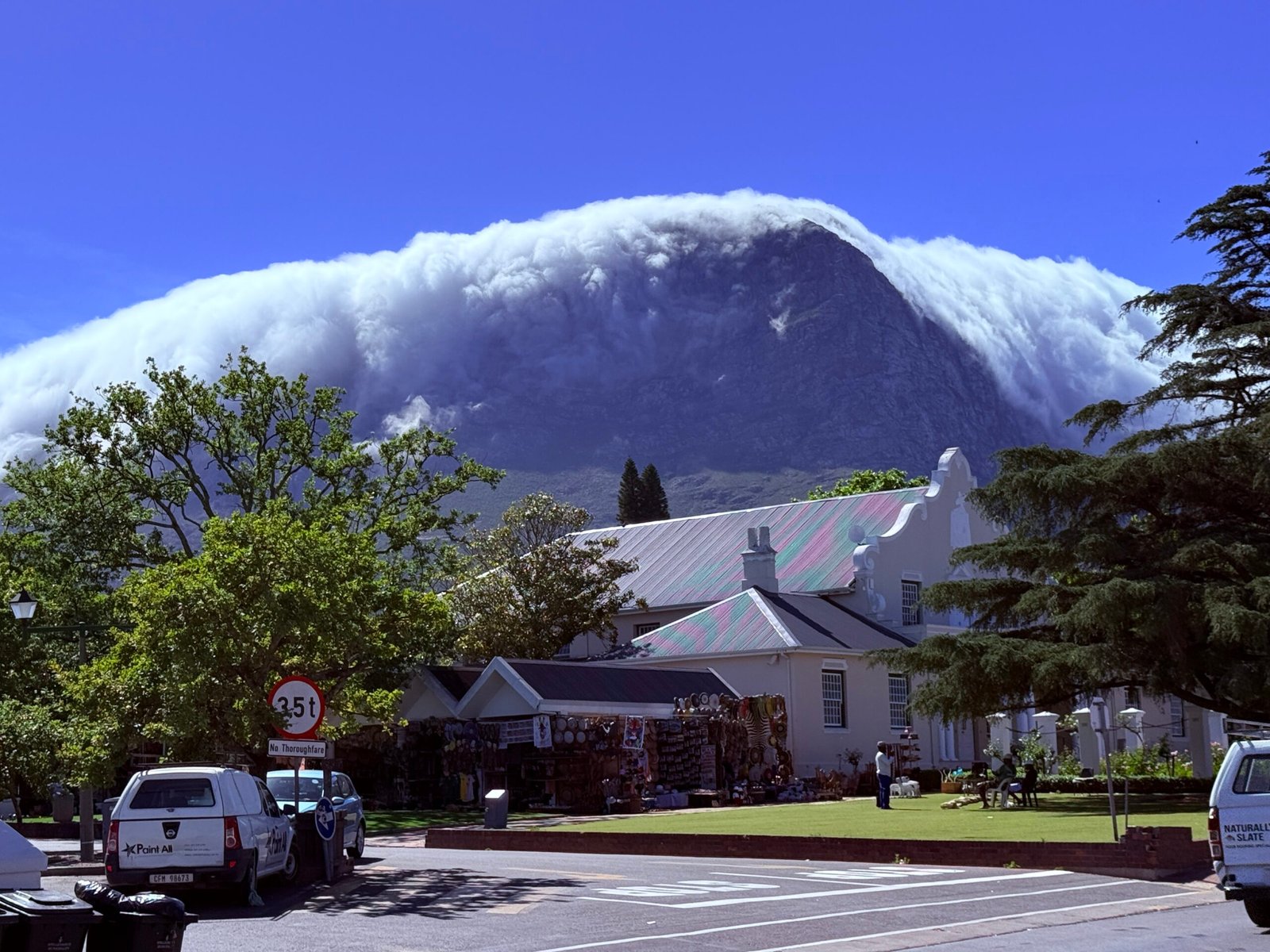
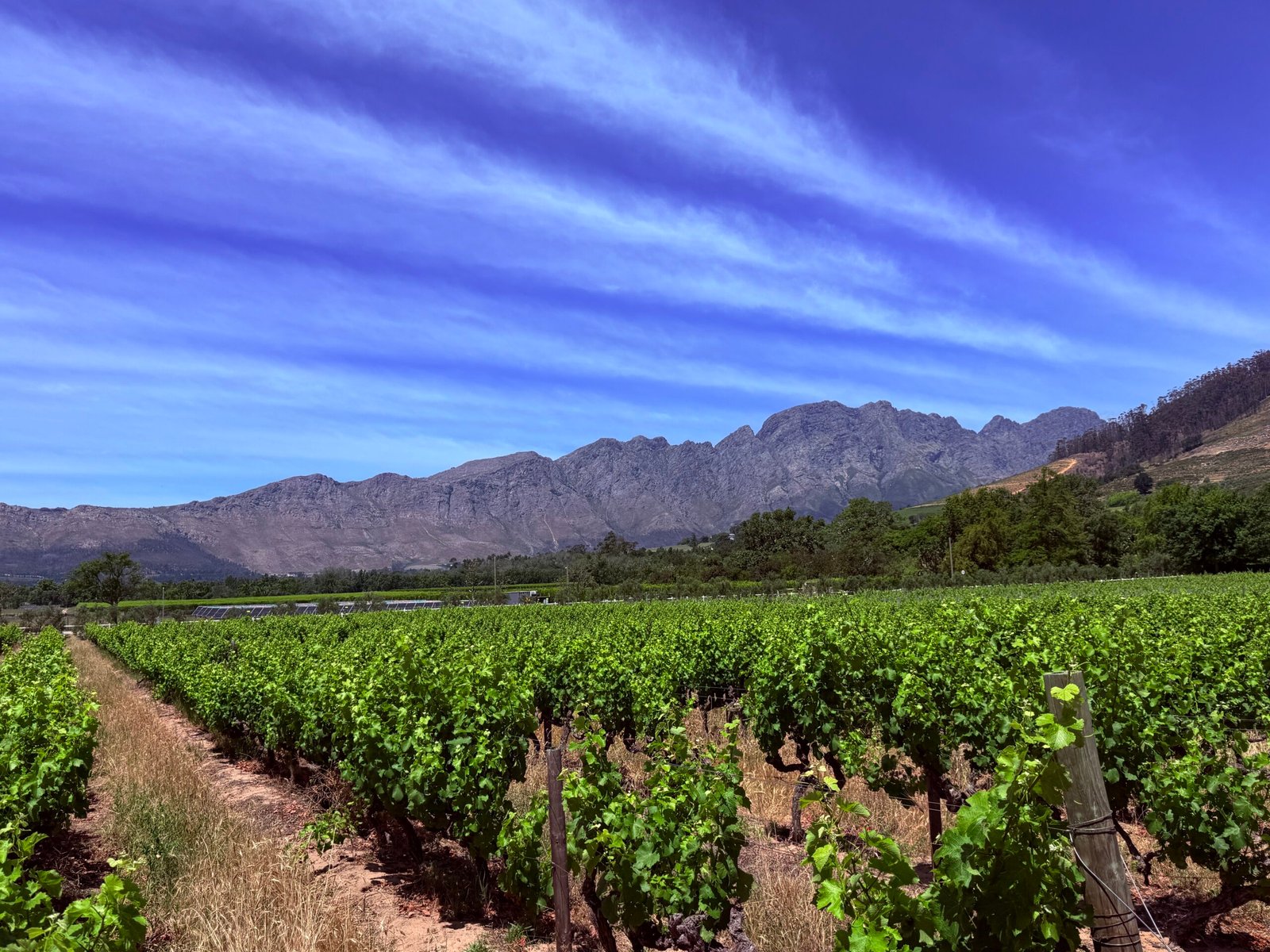
Mountains surrounded the valley. Vineyards stretched across the countryside. Historic buildings lined streets filled with galleries, restaurants, and small shops.
There was no need to rush anywhere.
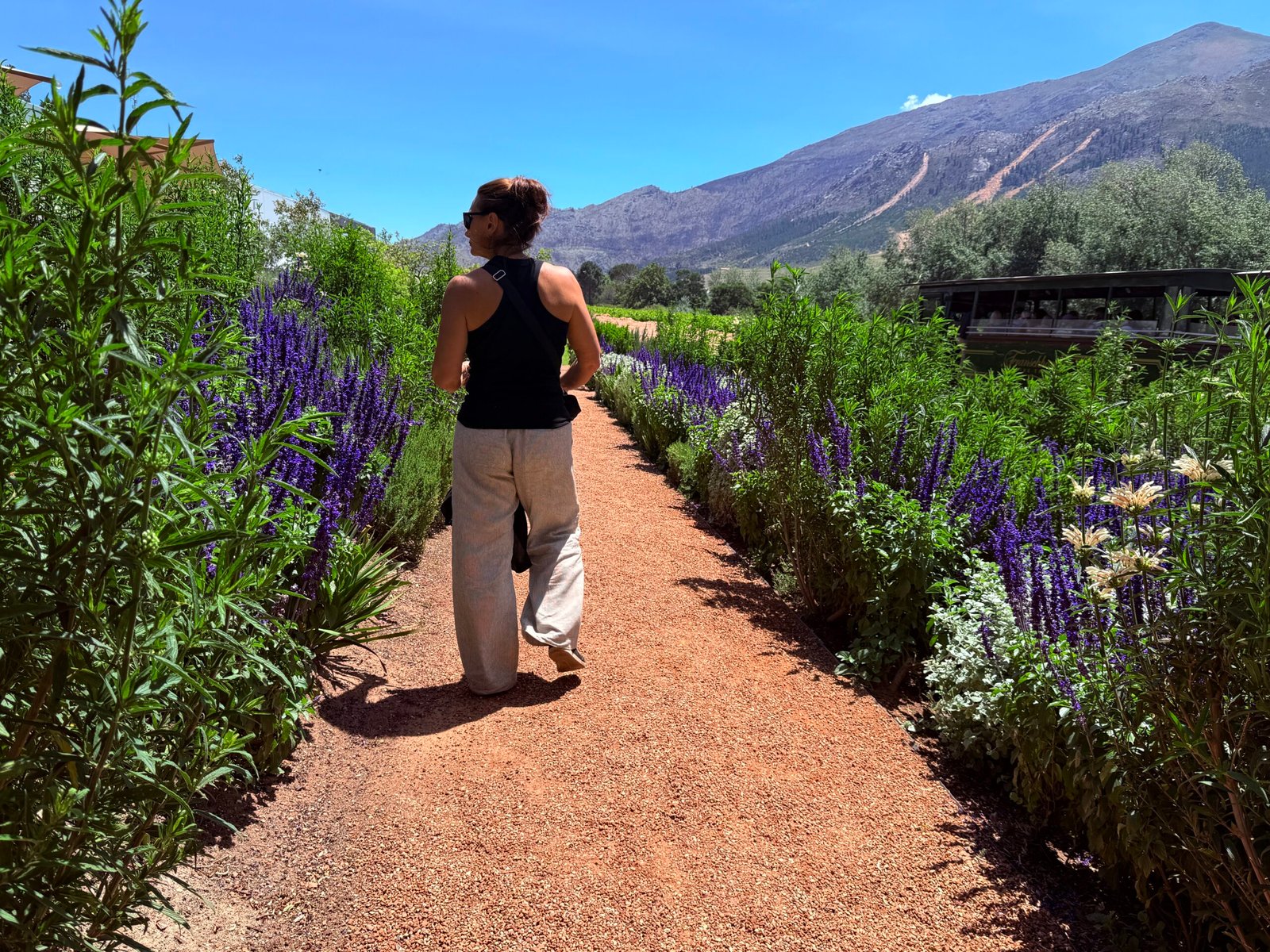
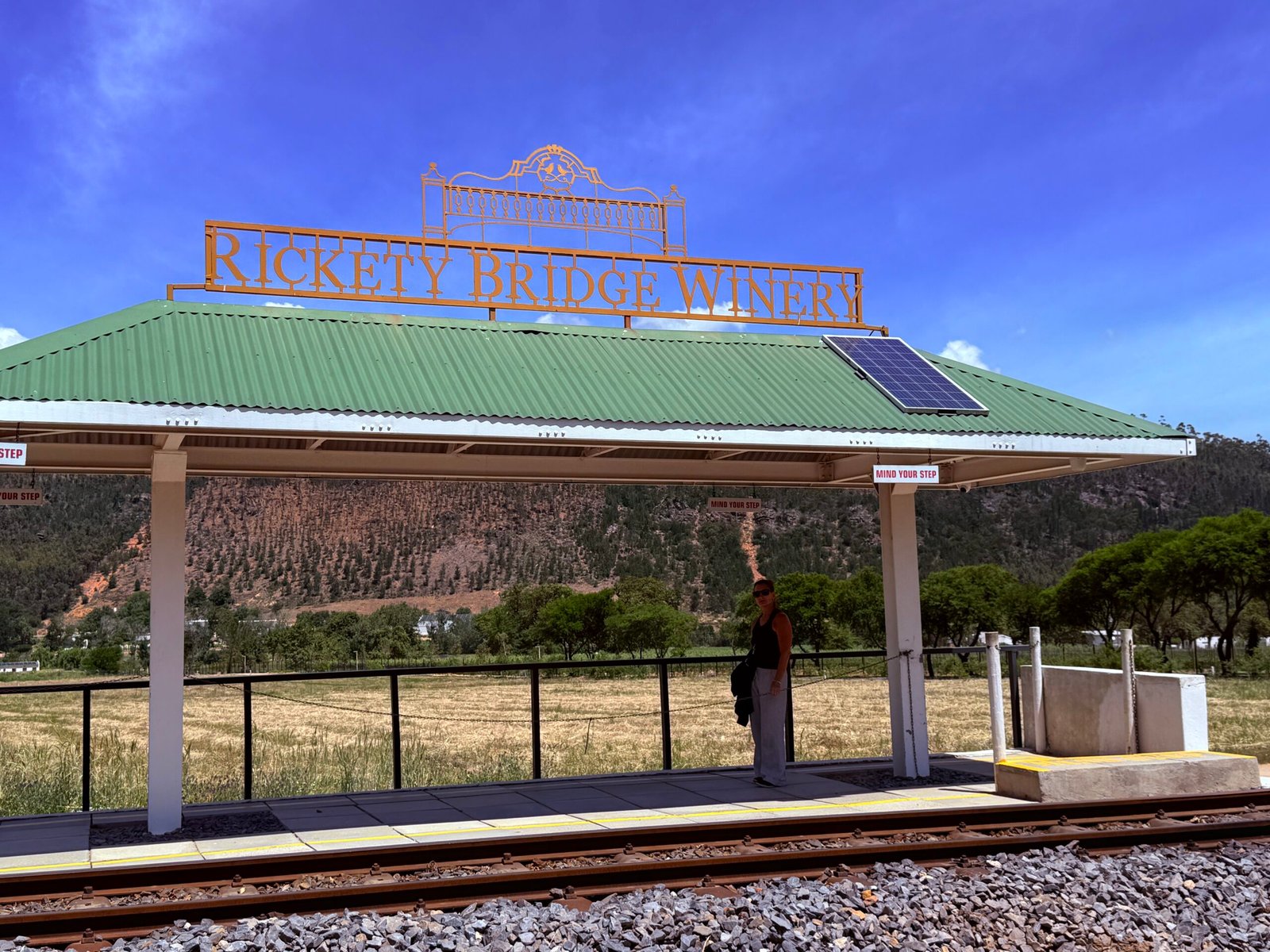
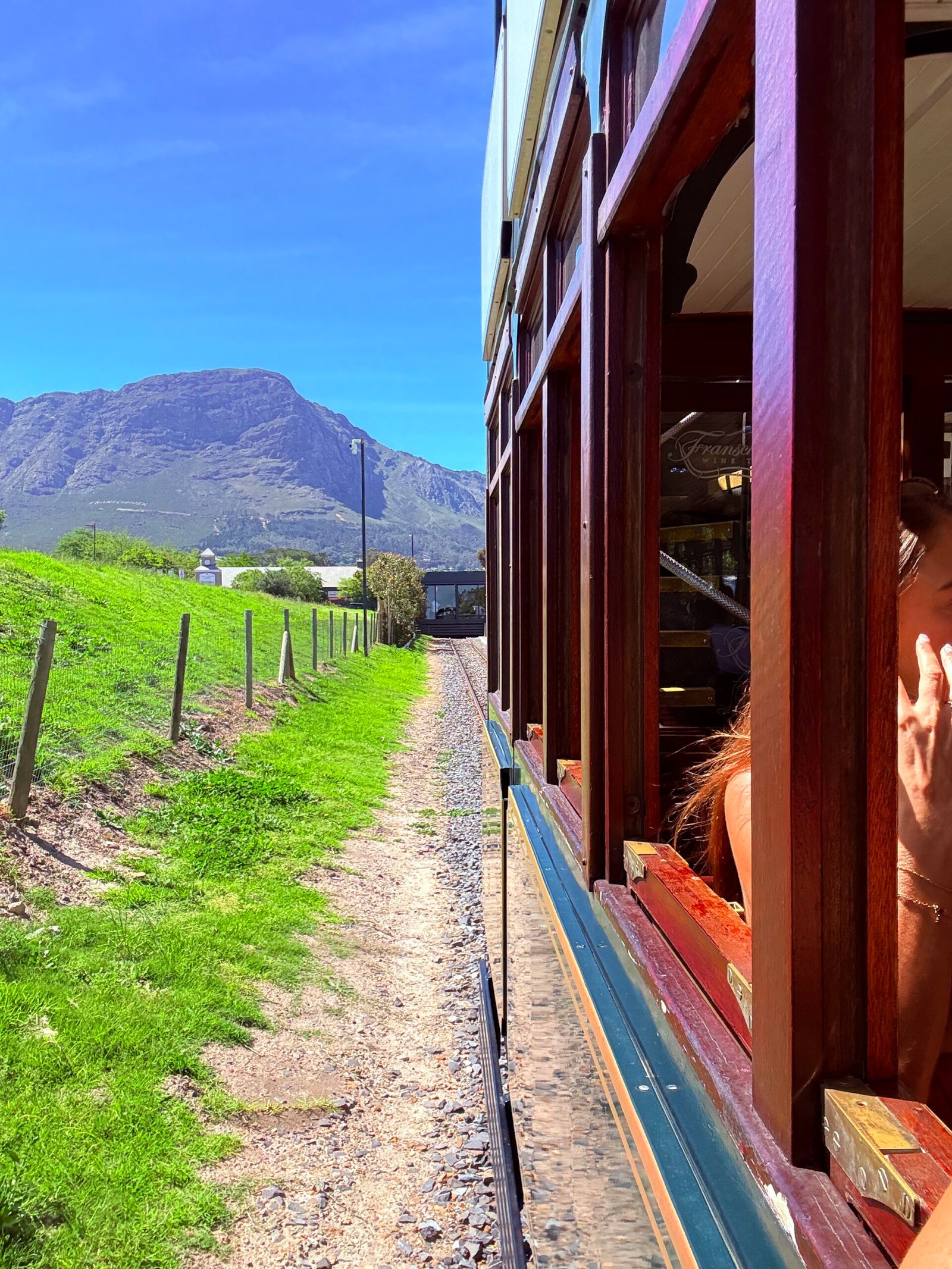
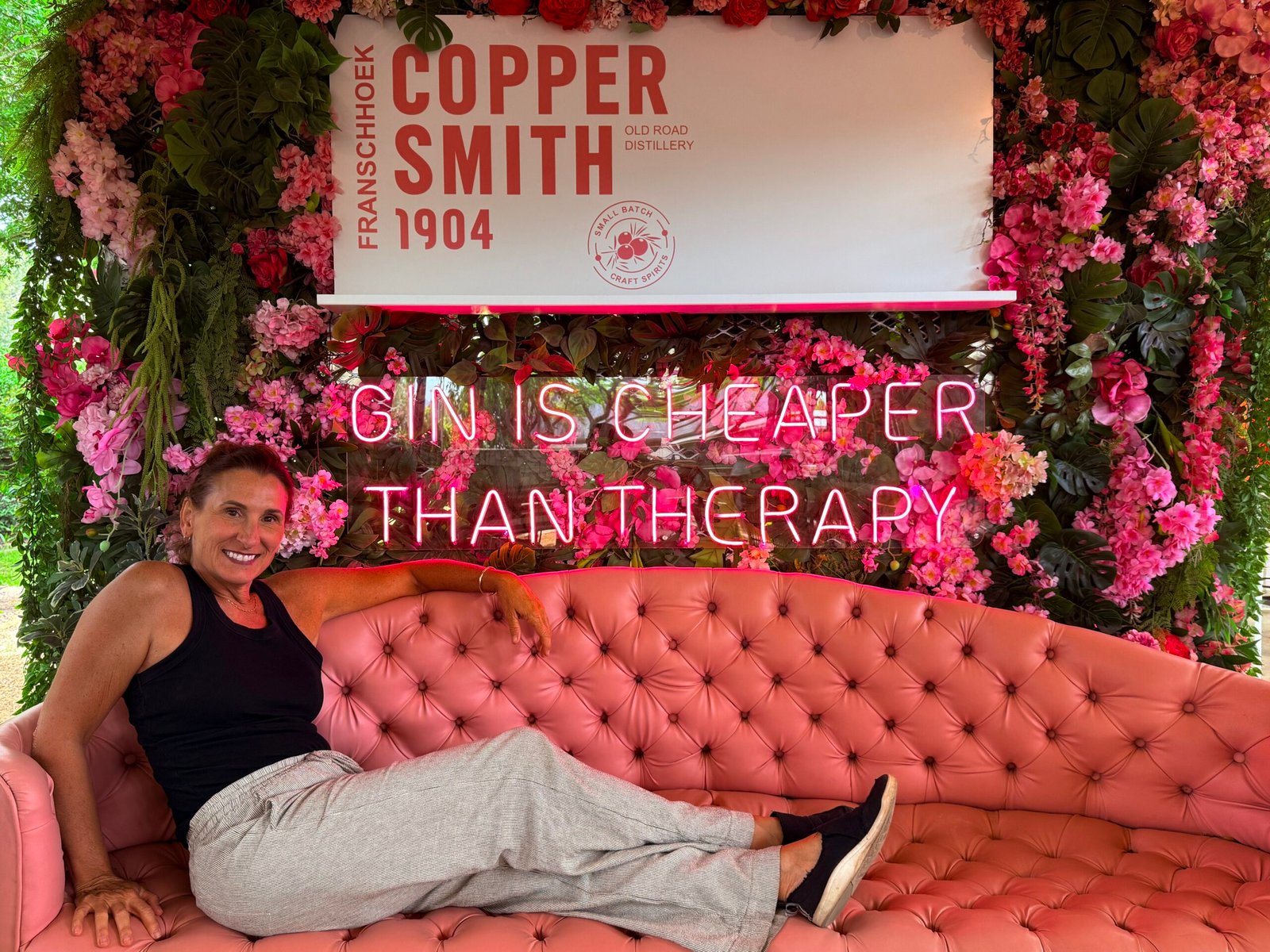
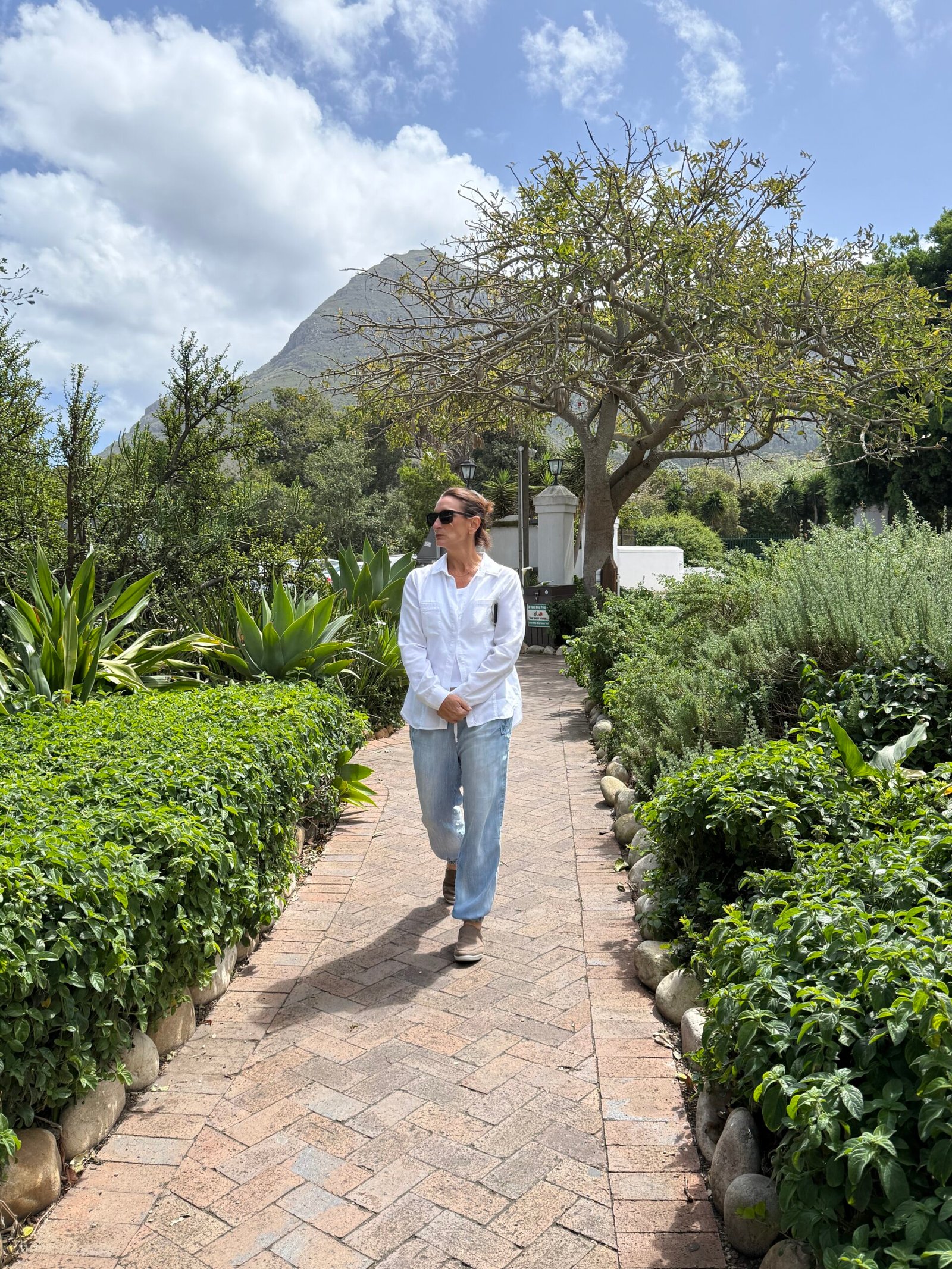
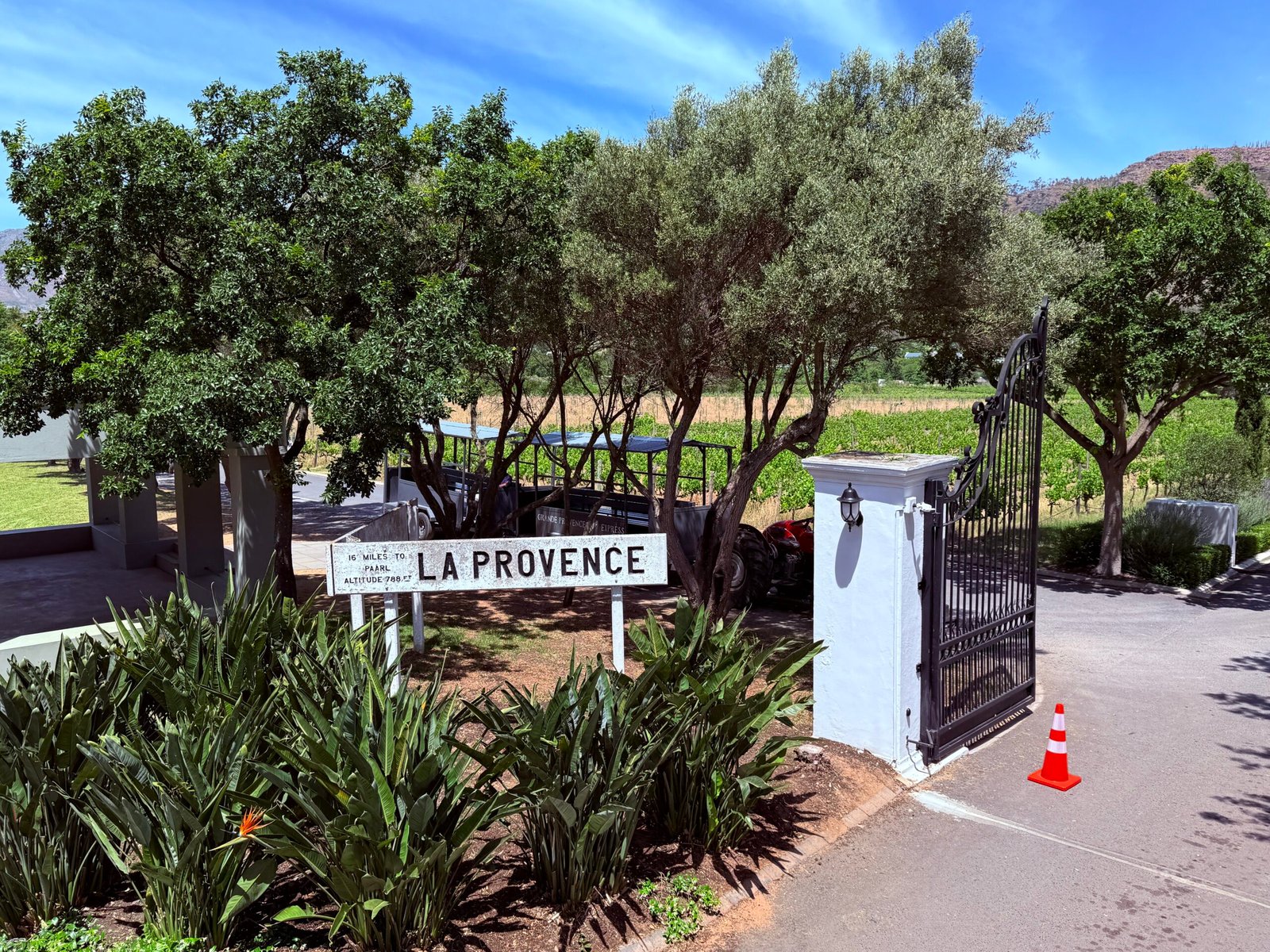
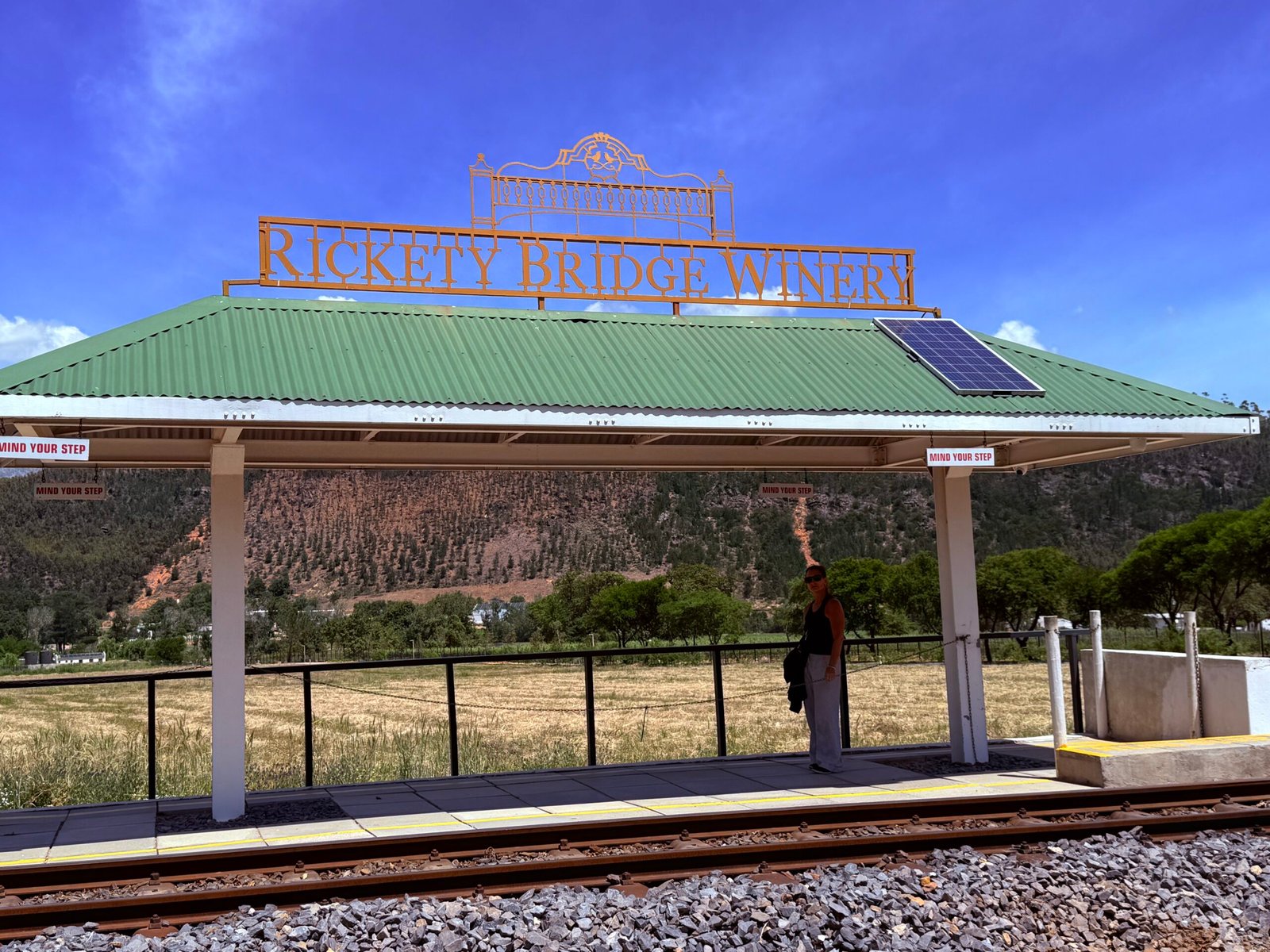
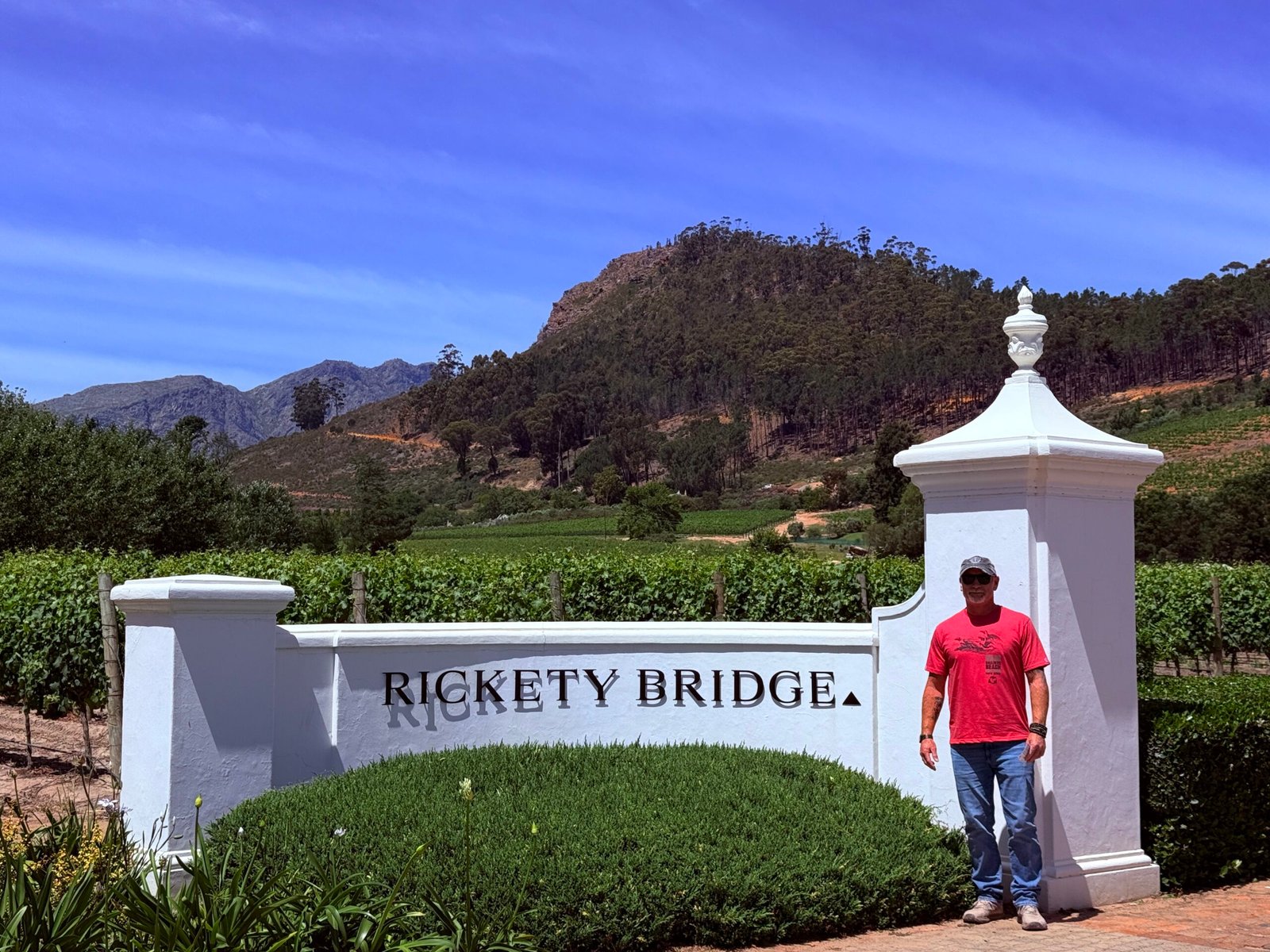
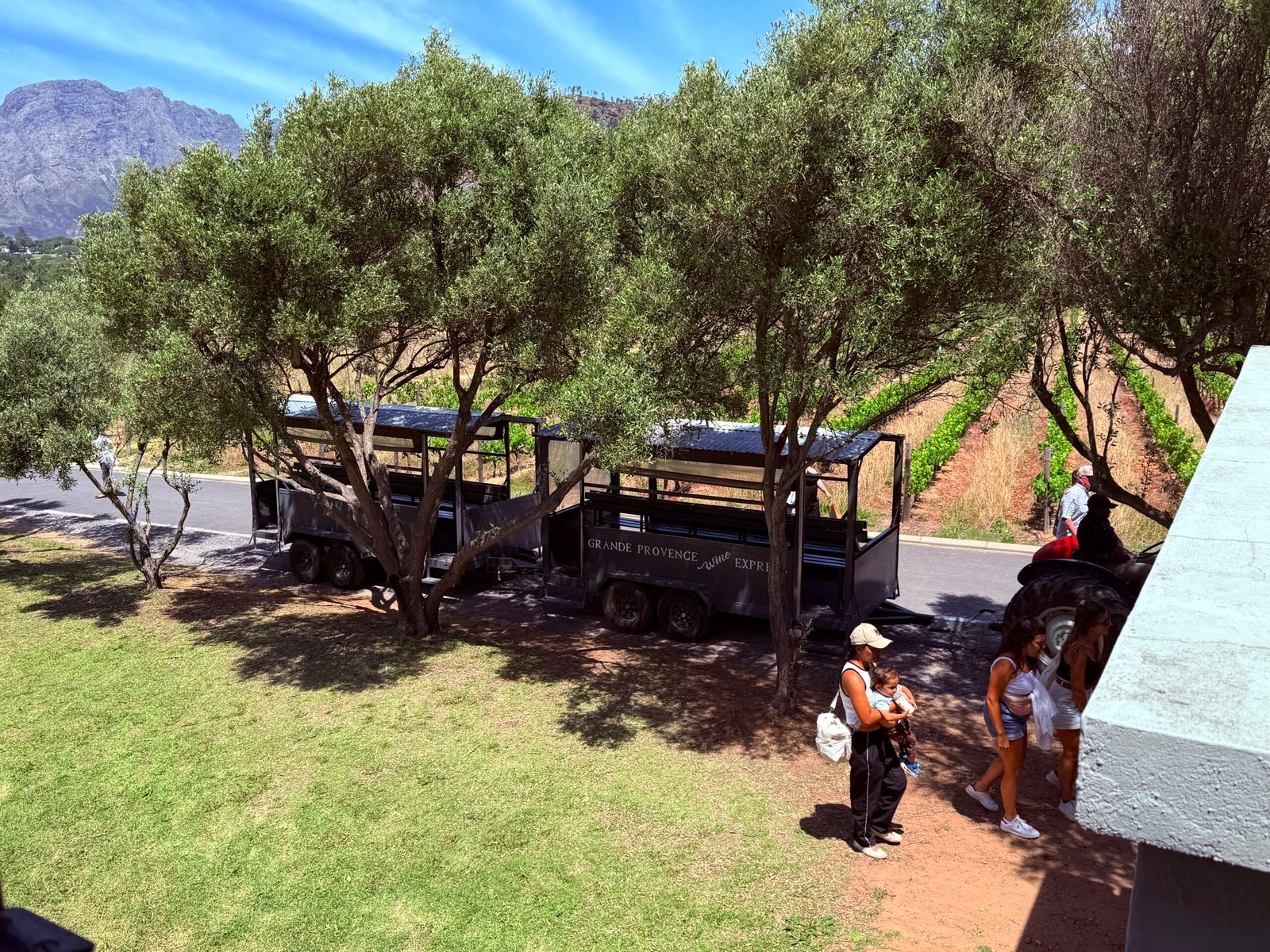
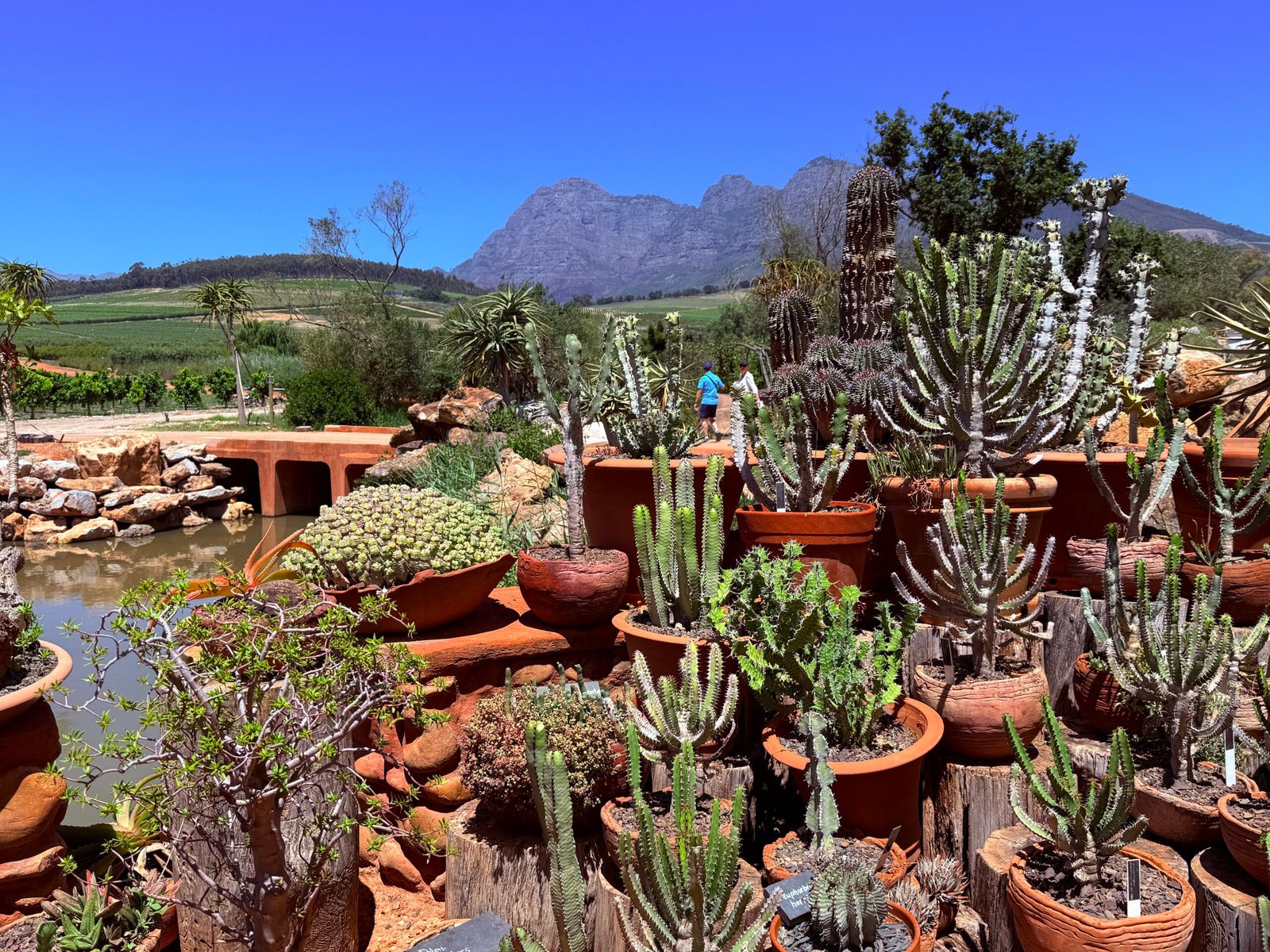
We spent our last days between Franschhoek and Stellenbosch, driving through Pniel and over Helshoogte Pass, with vineyards, valleys, and small communities appearing around every bend. We visited La Motte, and Babylonstoren became one of our favorite stops of the entire trip.
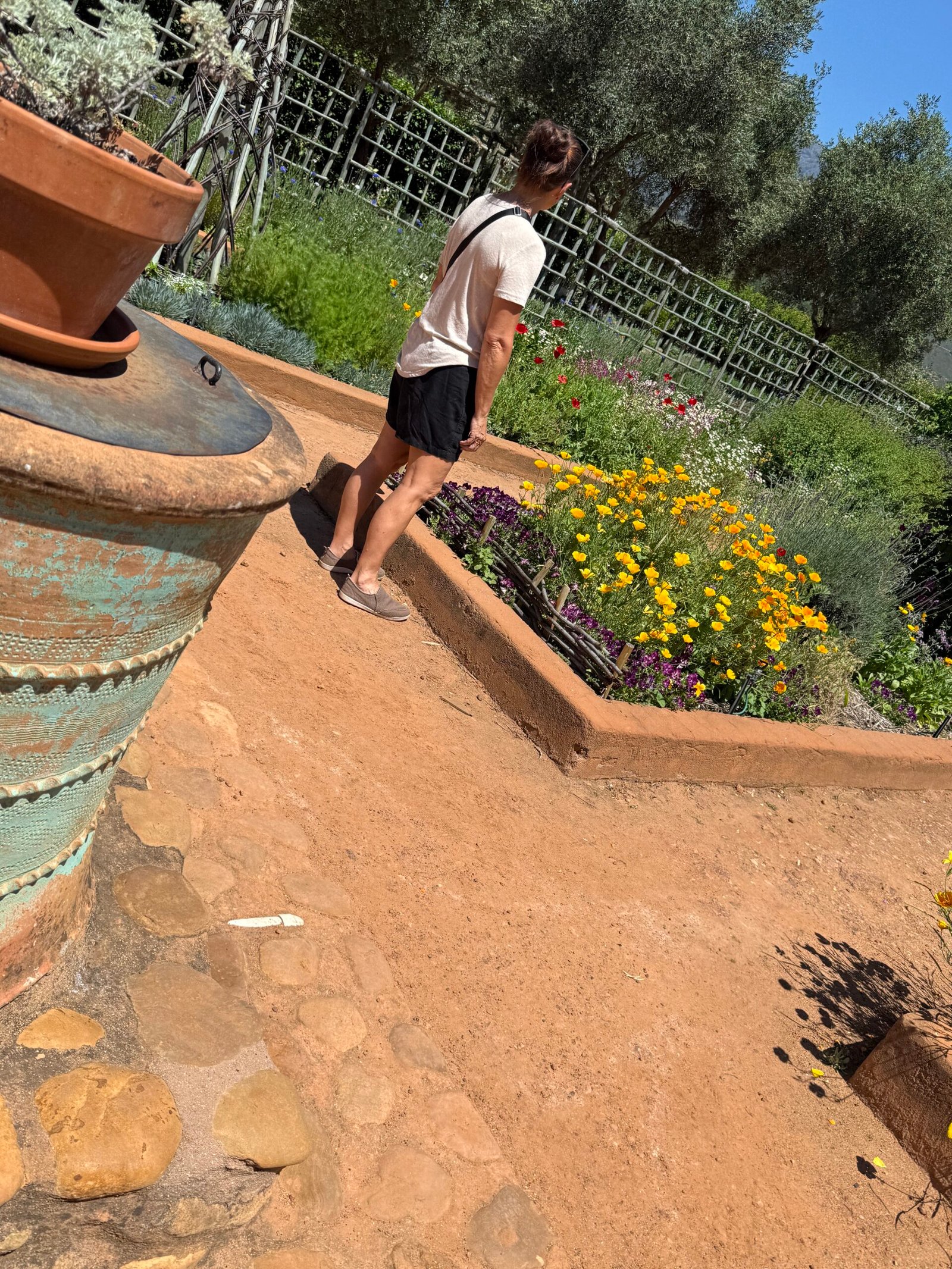
A garden tour there showed us a property where agriculture, architecture, landscape, and food have been brought together with real care. We could easily have spent much longer wandering the grounds.
Franschhoek also gave us something the busier parts of the trip had sometimes lacked.
The chance to simply be somewhere.
A long meal. A gallery. An afternoon looking at the mountains without checking the time.
It was the right way to finish.
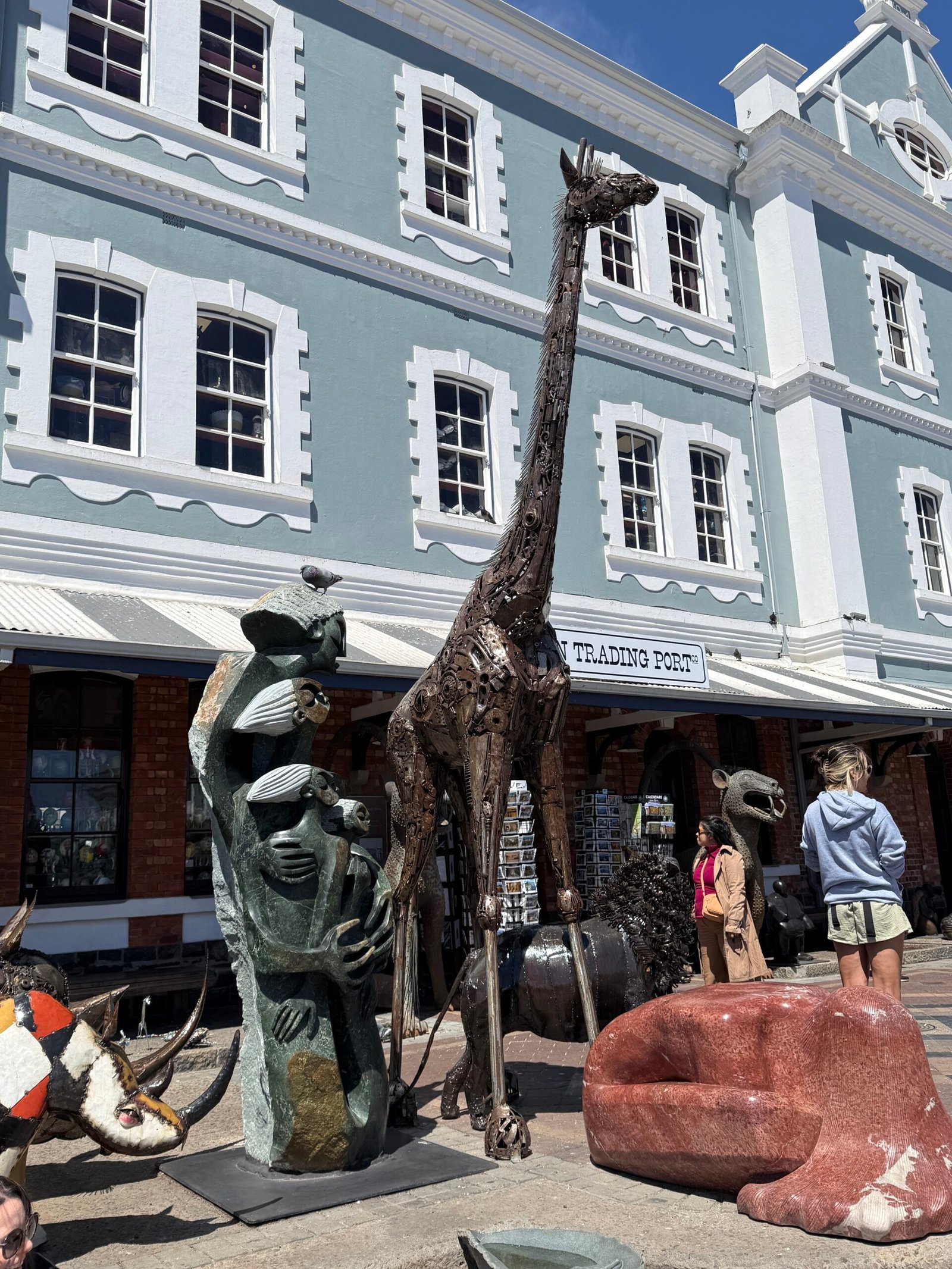
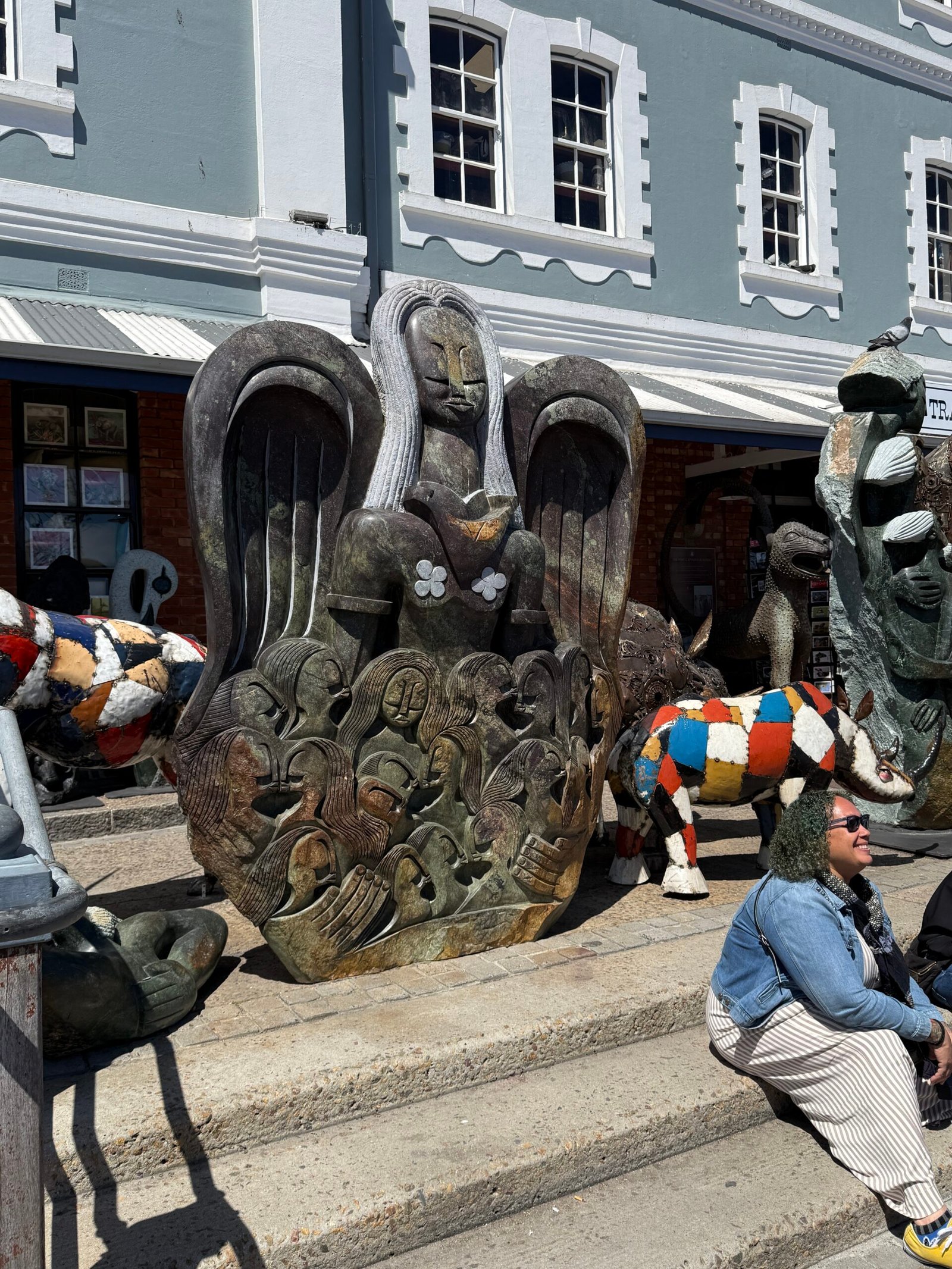
On our final day, we returned to Cape Town and walked the V&A Waterfront before beginning the long trip home. Back in the city where it all started, it was hard to believe how much had happened in the weeks between.
And just as hard to believe how much was still left to see.
What Surprised Me
How different every region felt. I knew South Africa was geographically diverse. I didn’t appreciate how completely the landscapes, communities, and atmosphere would change from one region to the next. Cape Town felt nothing like the KwaZulu-Natal coast. The reserves were another world entirely. Franschhoek moved at its own unhurried pace. Same journey. Completely different places.
How naturally wildlife became part of everyday life. I expected great encounters on safari. I didn’t expect to be watching for elephants on the drive from the airport, or to be warned not to walk outside our resort after dark. Watching elephants swim across the Zambezi is something I’ll never forget. Moments like that remind you that you’re the visitor. The wildlife was here long before you arrived, and it will be here long after you leave.
How much the people added. The landscapes and wildlife drew us there. The people gave the trip its meaning. Conversations with locals, hospitality in places we’d never heard of, meals shared with strangers. Having a friend who calls South Africa home made that connection even deeper.
How much pace matters. We planned an ambitious trip, and for much of it, that ambition paid off. The safari showed us how easily a schedule can start to overshadow the experience itself. Covering ground and truly experiencing a place are two different things. I came home with a new respect for slowing down.
How quickly we started planning a return. Nearly four weeks in, the list of places we still wanted to see had only gotten longer. The Drakensberg. More time on the Wild Coast. More days in the reserves.
Some destinations feel complete when you leave.
Southern Africa wasn’t one of them.
“I’d rather spend an afternoon getting to know one place than rush through five just to say I’ve been there.”
— Dante Taylor
Do’s & Don’ts
A few things we’d do again — and a few we’d do differently.
- Do spend real time in Cape Town. The city deserves more than a quick stop before a safari. Explore its neighborhoods, coastal roads, history, and gardens.
- Do experience Victoria Falls from more than one angle. Walk the trails, take in the gorge, and save an evening for the Zambezi River.
- Do prioritize time in the reserves. Wildlife doesn’t run on your schedule. Give yourself enough days to settle in instead of always preparing to leave.
- Do explore beyond the famous names. KwaZulu-Natal showed us a different side of South Africa, from the South Coast to free diving with Thonga Trails near Sodwana Bay.
- Do include the Winelands. Even if wine isn’t your thing, the scenery, gardens, food, and history make it worth the days.
- Do make room for local experiences. Conversations, small towns, and unplanned stops often teach more than the headline attractions.
- Don’t underestimate driving distances. Southern Africa is enormous, and drive times are only part of it. Real road conditions make hours feel like days.
- Don’t try to see everything in one trip. You won’t, and trying takes away from the places you’re actually in.
- Don’t assume every safari is the same. Check driving times, hours inside the reserves, lodging, and the balance between transport and game viewing before you book.
- Don’t change lodging too often. Give each stop three nights. That’s about when you stop arriving and start being there.
- Don’t expect wildlife on demand. You’re entering a natural environment. The animals aren’t there to perform.
- Don’t skip the downtime. Some of our best moments happened when we weren’t rushing to the next thing.
Regrets & Lessons
Looking back on nearly four weeks in Southern Africa, I find myself thinking less about the places we visited and more about the time we spent in them. Or, in some cases, the time we didn’t have.
Before we left, my longtime friend Marnus offered some simple advice: don’t try to conquer the map. He knew the distances, understood the roads, and knew how easily the excitement of seeing everything could turn into spending much of a trip getting somewhere else. We listened, but perhaps not closely enough.
There were days when we covered enormous distances, watching incredible landscapes pass outside the windows while wishing we could stop and explore. Our organized safari brought us through parts of Africa we might never have experienced otherwise, and for that I’m grateful. But there were moments when the schedule seemed to take priority over the very things we’d traveled so far to see. Another early departure, another long drive, another destination reached just in time to prepare for the next day.
I don’t think there’s anything wrong with wanting to see as much of the world as possible. That’s certainly something I’ve been guilty of for years. But this trip reminded me that there’s a difference between seeing a place and spending enough time there to feel connected to it.
Experience now tells me you get far more from three nights in one place than from one night in three. Fewer locations, more time in each, and you end up experiencing more, not less.
Some of our favorite moments happened when we had nowhere else we needed to be. Sitting quietly on the Zambezi River watching elephants swim across. Wandering through the gardens at Babylonstoren. Taking an unexpected turn along a coastal road simply because we wanted to know where it led. Those moments weren’t necessarily the biggest attractions on our itinerary, but they’re the ones I keep returning to.
I also wish we’d given Cape Town more time. We loved our first few days there, but we left knowing there was so much more to discover. The same was true of KwaZulu-Natal, where the coastline, smaller communities, and natural beauty deserved far more attention than we could give them.
Still, I wouldn’t trade the journey for a more perfectly planned version. Even the difficult days taught us something about how we want to travel. We learned to appreciate the freedom of having our own vehicle, the value of local knowledge, and the importance of occasionally putting the itinerary aside.
Perhaps the greatest lesson was realizing that we don’t have to experience everything a destination offers to have a meaningful experience there.
Sometimes it’s enough to find a place that stays with you long after you’ve left.
And Southern Africa gave us plenty of those.
Final Thoughts
It’s difficult to explain what nearly a month in Southern Africa meant to us without simply beginning to tell the stories all over again.
There was so much beauty, certainly. Landscapes that seemed almost impossible in their scale, wildlife encounters that left us speechless, and places we’d dreamed about visiting for years suddenly becoming part of our everyday lives.
But when I think about the journey now, it’s often the smaller moments that come back first.
The excitement of arriving in Cape Town and realizing we were finally there. The laughter when we were told not to leave our resort after dark because elephants and other wildlife wandered nearby. The quiet of the Zambezi River as the sun began to disappear, with no one else on the boat but us. The conversations with people whose lives and experiences were so different from our own, yet who made us feel welcome in places thousands of miles from home.
And then there were the ordinary moments that somehow became just as meaningful. Finding a wonderful little restaurant, stopping to admire a view we’d never heard of, or simply sitting together at the end of a long day trying to take in everything we’d experienced.
Travel has a way of reminding me how much of the world I still don’t understand. We can read about a place, study its history, and look at thousands of photographs, but none of that quite prepares you for being there. For meeting the people, hearing their stories, sharing their food, and seeing how life unfolds beyond the places designed for visitors.
Southern Africa was also a journey of contrasts. We experienced extraordinary natural beauty alongside the realities of complicated histories and communities facing challenges very different from those at home. There were moments of wonder, moments of discomfort, and times when I found myself thinking about things long after we’d moved on.
That’s something I value about travel. Not every experience has to be easy or beautiful to be worthwhile. Sometimes the things that challenge our expectations leave the deepest impressions.
I also came home grateful. Grateful that Lisa and I were able to share this adventure, grateful for a friendship that began more than twenty years ago and helped bring us here, and grateful for the people who welcomed us along the way.
There are places we hope to return to, and entire regions we still want to explore. The Wild Coast in particular feels like a story we haven’t had the opportunity to tell yet.
But for now, I’m content to look back on the journey we had, rather than the one we might have planned differently.
The memories are still settling in. Every time we look through another collection of photographs, we remember something we’d almost forgotten. A conversation. A roadside encounter. A view that made us stop talking for a moment.
I suspect that will continue for a long time.
We went to Southern Africa hoping to experience its wildlife, landscapes, history, and cultures. We found all of that, and so much more than we expected.
And perhaps that’s the wonderful thing about traveling somewhere for the first time. You arrive with an idea of what you hope to discover, but you leave carrying things you never knew to look for.
Nearly four weeks later, we came home knowing one thing for certain.
Southern Africa wasn’t somewhere we’d finished exploring. It was somewhere we’d only just begun to understand.
Southern Africa: Frequently Asked Questions
How long do you need for a Southern Africa trip?
We spent nearly four weeks covering Cape Town, Victoria Falls, Kruger, the KwaZulu-Natal coast and the Winelands, and still barely scratched the surface. Plan fewer stops than you think, and give each one about three nights. That’s when you stop arriving and start being there.
Is it better to self-drive or join a safari?
We did both. We traveled independently in Cape Town, KwaZulu-Natal and the Winelands, and joined a small-group overland safari from Victoria Falls through Hwange, Matobo, Mapungubwe and Kruger to Johannesburg. Before booking any safari, check the daily driving times, hours inside the reserves, lodging, and the balance between transport and game viewing.
How long are the drives in Southern Africa?
Longer than the map suggests. Some of our safari days had ten hours on the road. Distances are huge, and real road conditions make hours feel like days, so build in buffer time and don’t stack long drives back to back.
What should you add beyond Cape Town and Kruger?
Victoria Falls, with an evening sunset cruise on the Zambezi. KwaZulu-Natal, from the South Coast to free diving with Thonga Trails near Sodwana Bay. And the Winelands around Franschhoek and Stellenbosch, which are worth the days even if wine isn’t your thing.
Can you help me plan a Southern Africa trip?
Yes. I plan custom trips through Curated Travel Planning, and for guided Wild Coast slackpacking and Zululand ocean safaris, see WildForge Expeditions.