
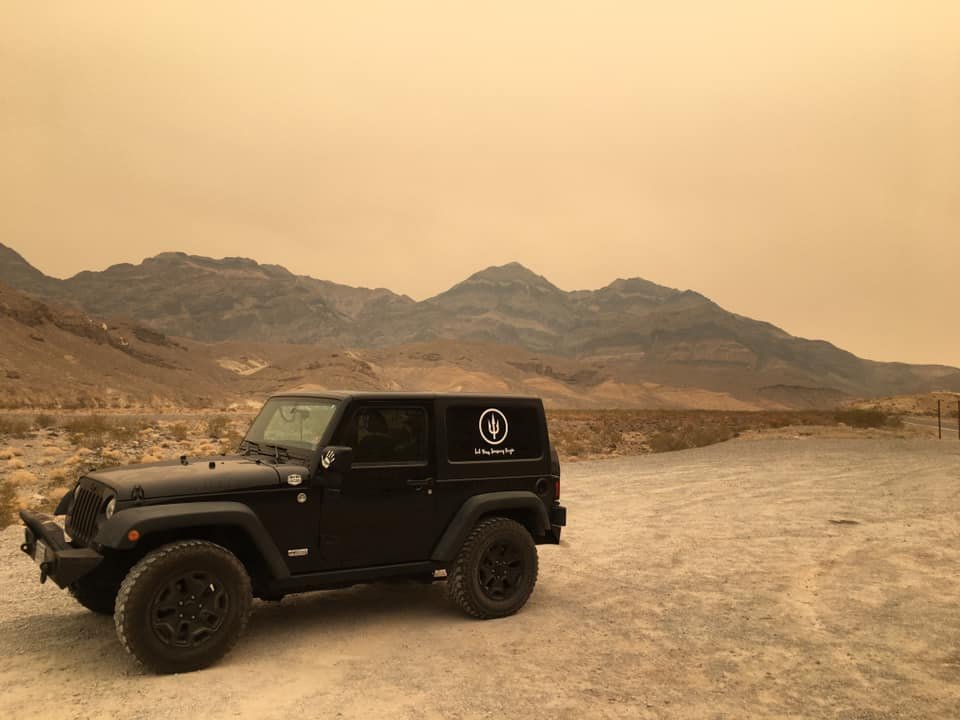
Road Trips: Choosing the Long Way Through
Road trips ask something of you before they give anything back.
There is no illusion of effortlessness on the road. You feel every mile. You make every decision. When you travel by car, progress is earned minute by minute—through attention, patience, wrong turns, fatigue, weather, and the quiet discipline of staying present even when the scenery blurs.
Unlike cruising, nothing moves unless you do.
That’s the gift and the burden of it.
Road trips slow time in a different way. Not by removing responsibility, but by grounding you in it. You notice fuel gauges, roadside diners, the way landscapes transition without ceremony. One town dissolves into another. Mountains flatten into plains. Forests give way to long, empty stretches where thought has nowhere to hide.
You become acutely aware of distance—not just geographically, but emotionally. How far you’ve come. How far you still have to go. There’s no buffer between you and the experience. When you’re tired, you feel it. When you’re restless, there’s no lounge deck to absorb it. You sit with yourself mile after mile, learning what surfaces when distraction runs out.
The beauty of road travel lives in its accidents.
A turn taken too late. A town you never meant to stop in. A conversation at a gas station that lingers longer than a planned highlight. These moments don’t appear on itineraries because they can’t be scheduled. They require openness, patience, and just enough looseness in the plan to allow life to interrupt it.
But road trips are not romantic all the time.
They are long. They are uncomfortable. They demand presence when you’d rather check out. Weather shifts without warning. Plans collapse quietly. The road exposes impatience, tension, and the limits of your optimism. There are stretches where nothing happens at all—and you’re forced to confront how badly you want something to happen.
And yet, that friction is what anchors memory.
Road trips leave marks because they ask you to participate fully. To navigate. To adapt. To decide when to push forward and when to stop. They remind you that movement is not neutral—it shapes you based on how consciously you engage with it.
Where cruises teach surrender, road trips teach agency.
They remind you that some experiences only reveal themselves when you stay alert, when you accept inconvenience, when you choose the long way through instead of the efficient one. The road doesn’t carry you—it meets you halfway, demanding that you show up for every mile.
And long after the trip ends, it’s often not the destination you remember most clearly, but the space between places—the stretches of quiet thought, the shared silences, the feeling of moving through the world under your own momentum.