France
Where the road matters more than the arrival.
First Impressions
France didn’t announce itself. It unfolded—quietly, deliberately, without urgency. The farther we moved from landmarks and fixed schedules, the more the country revealed its true texture. What mattered wasn’t where we arrived, but how we moved between places. Rhythm replaced itinerary. Presence replaced pace. It became clear early on that this journey wouldn’t be defined by milestones checked off a list, but by the spaces in between—by roads taken slowly, moments allowed to linger, and the wisdom of letting the day lead rather than the clock.
Snapshot
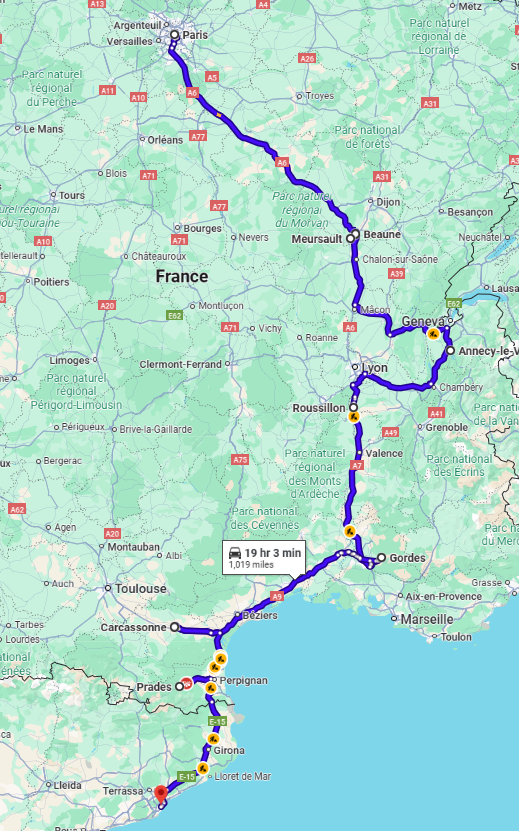
Route: Paris → Burgundy (Meursault & Beaune) → Annecy → Provence (Bonnieux & Luberon villages) → Prades → Barcelona
Travel Style: Slow road trip. Convertible down. Regional immersion over city hopping.
Pace: Intentionally unhurried—with a few lessons learned about staying longer when a place asks you to.
Why Luberon region: Because Provence doesn’t perform on a schedule. The Luberon rewards stillness—ochre cliffs, perched villages, changing light, and days that unfold instead of being planned.
The Experience
France revealed itself mile by mile, not landmark by landmark. This wasn’t a checklist trip—it was a road trip. Windows down. Routes flexible. Days allowed to stretch without explanation.
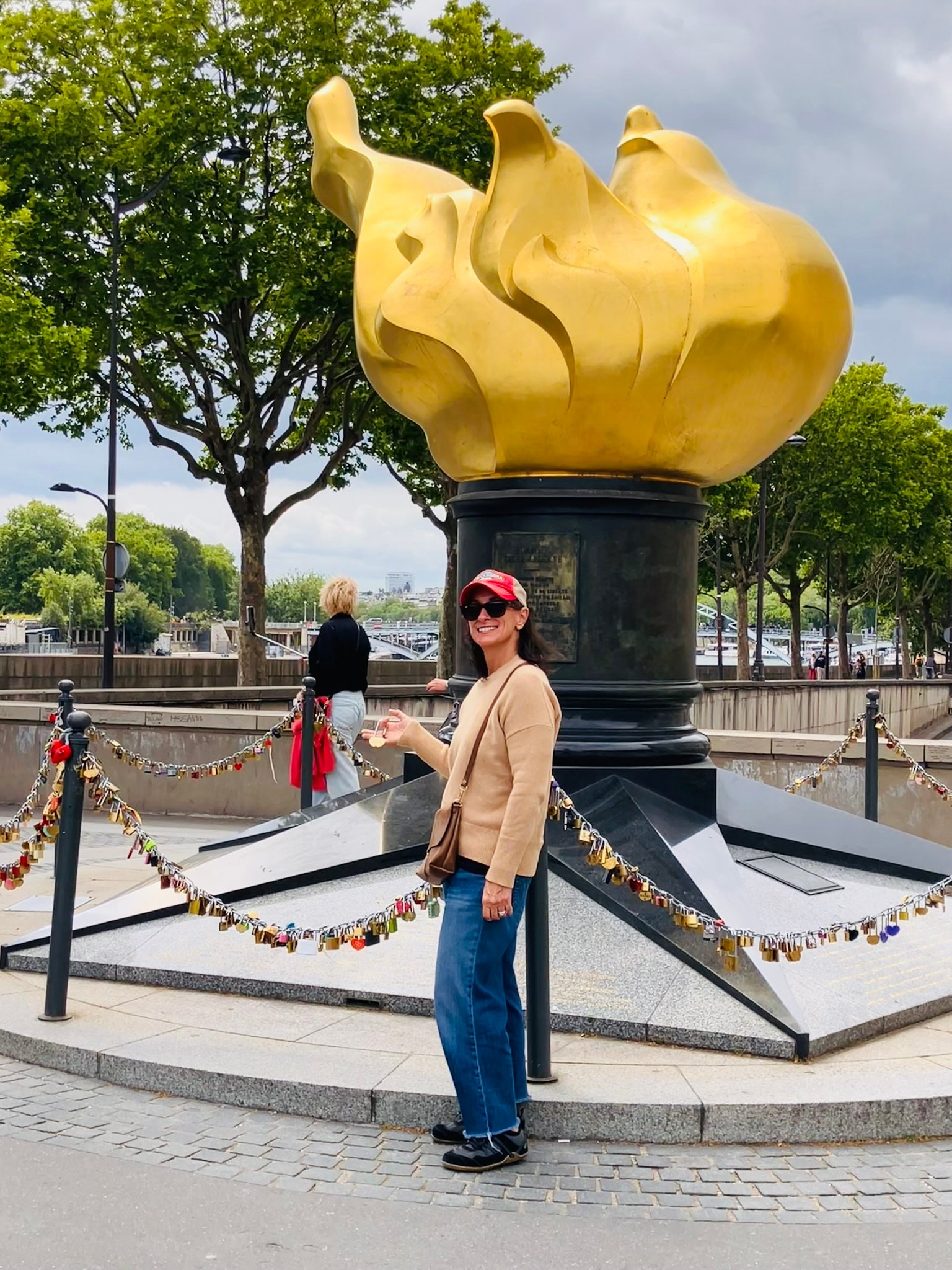
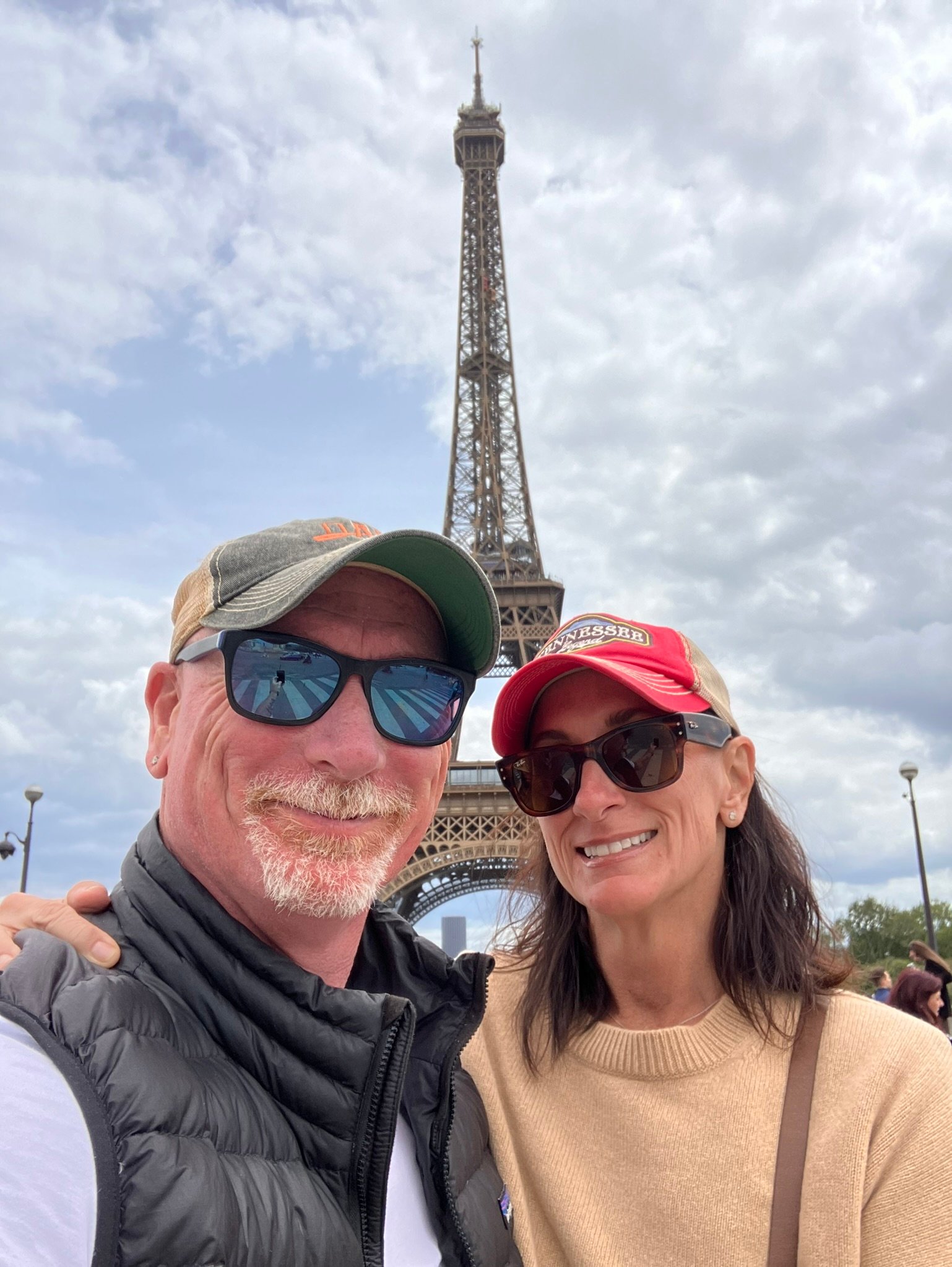
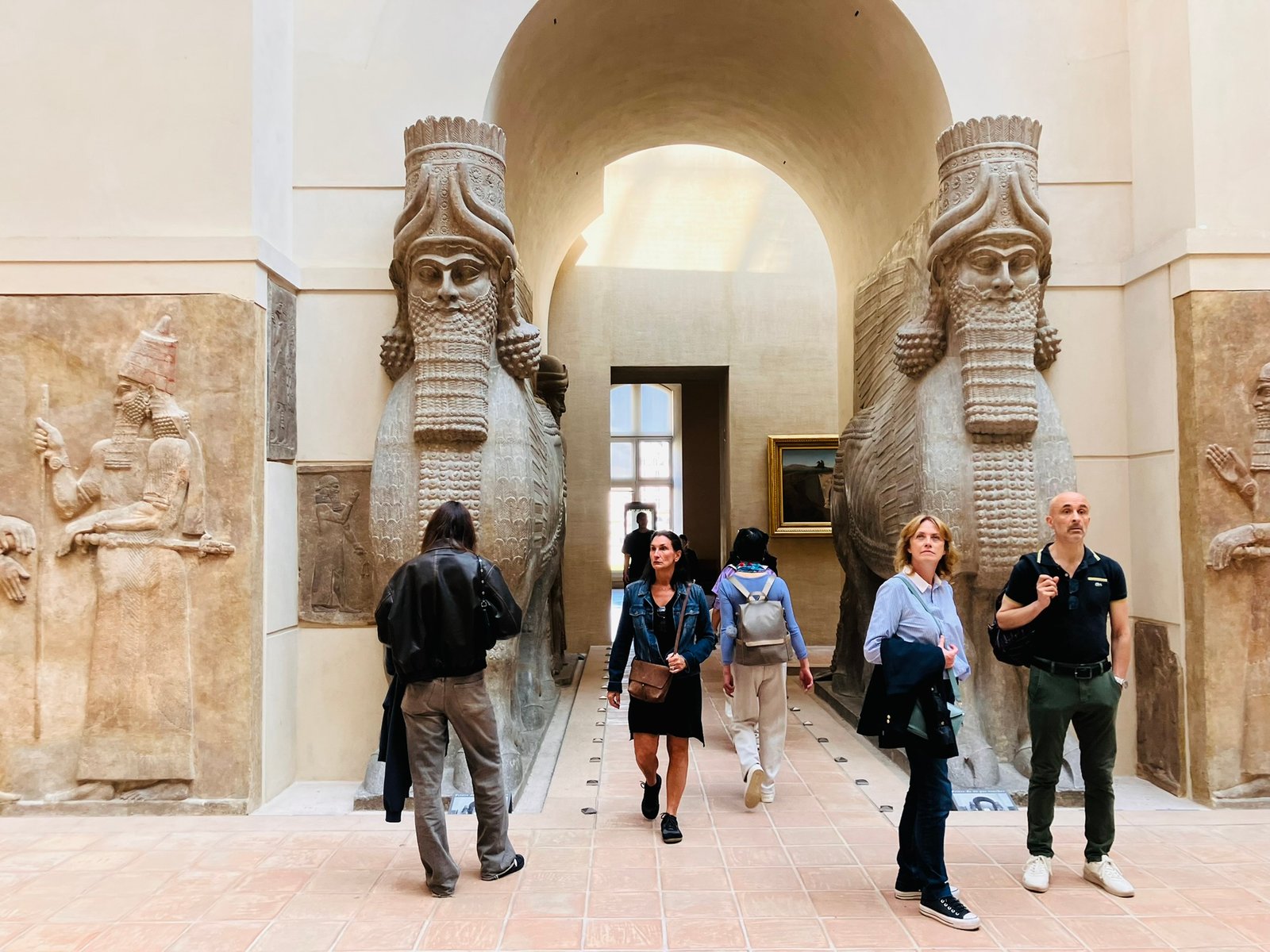
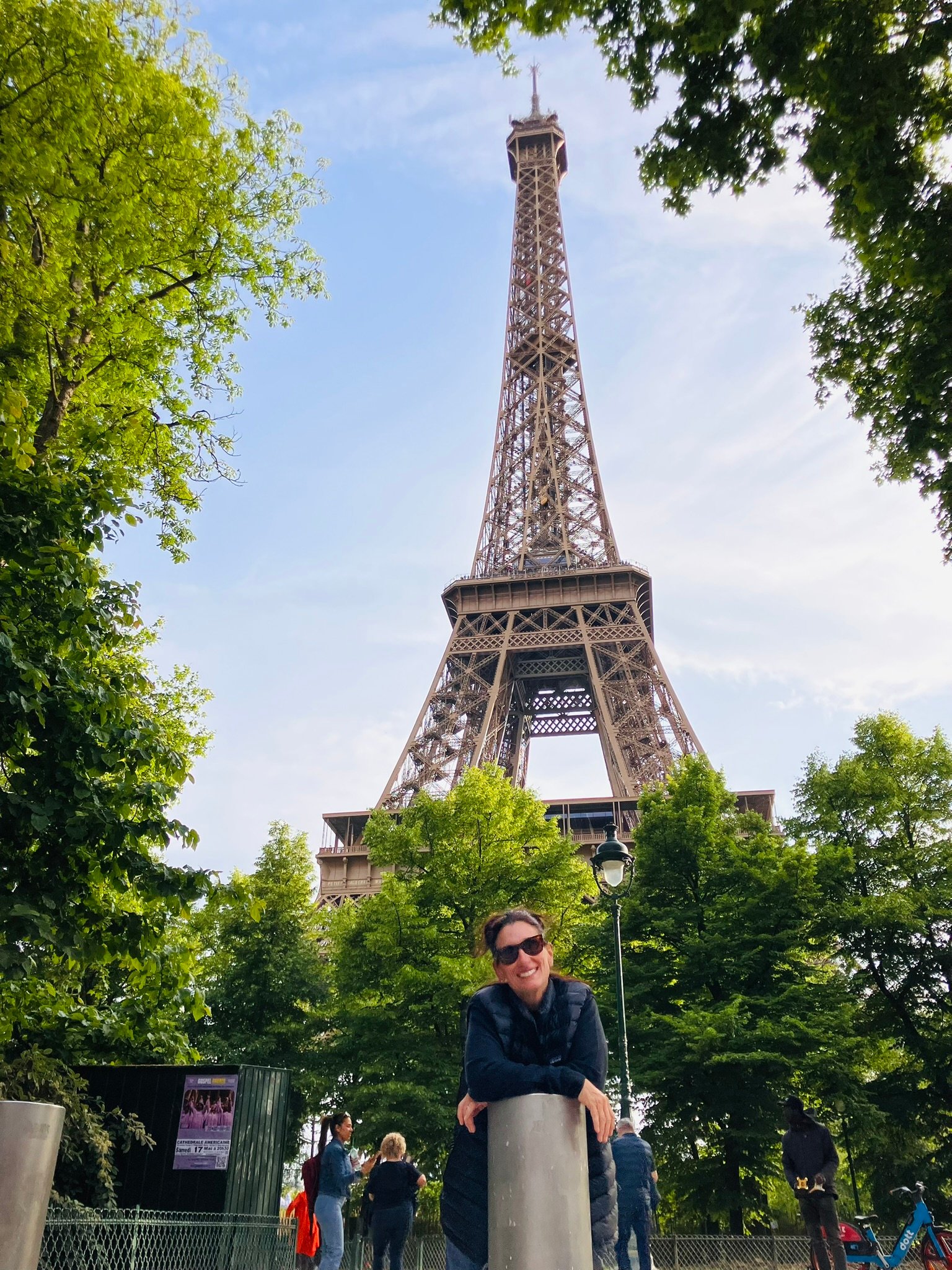
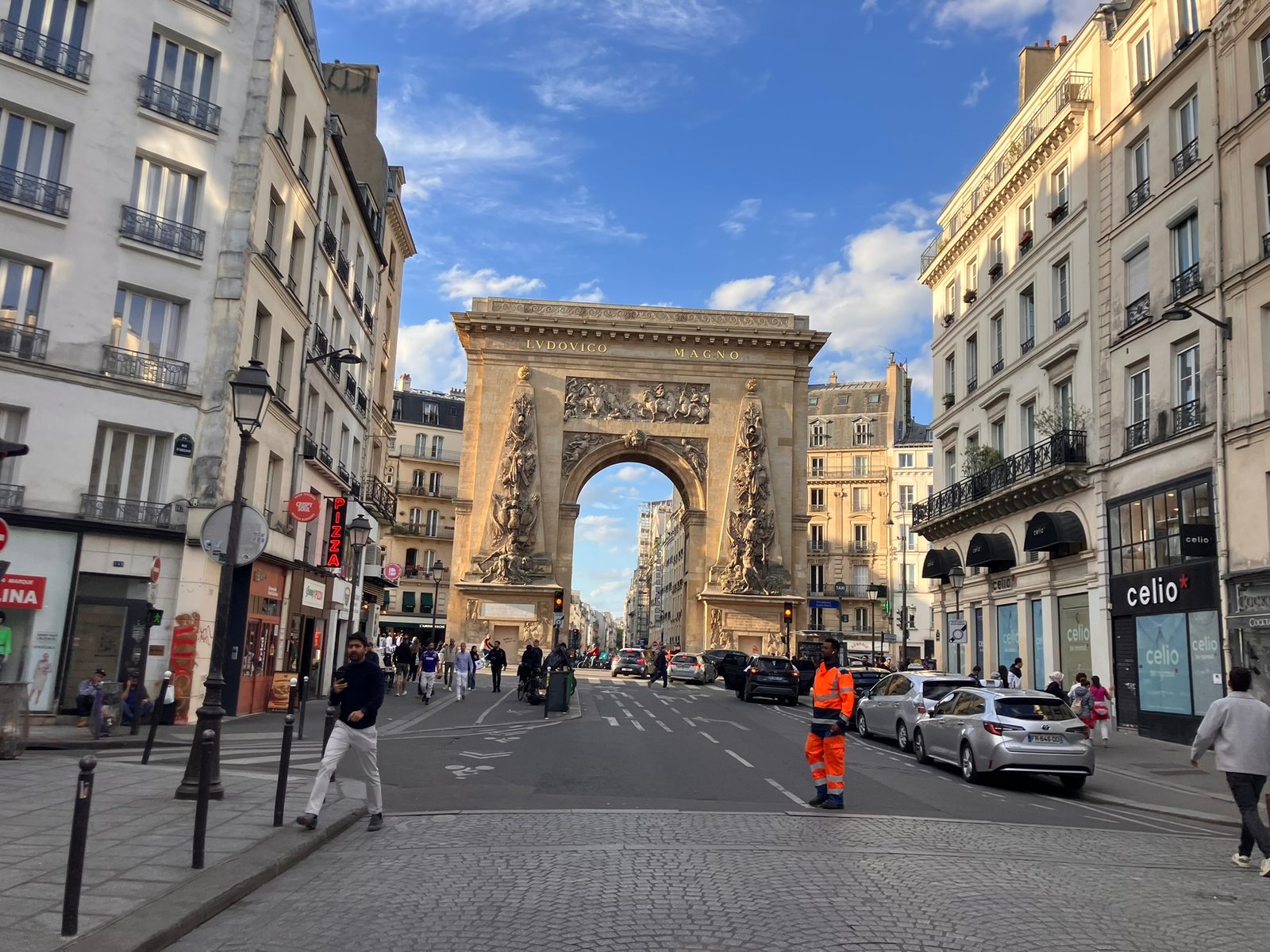
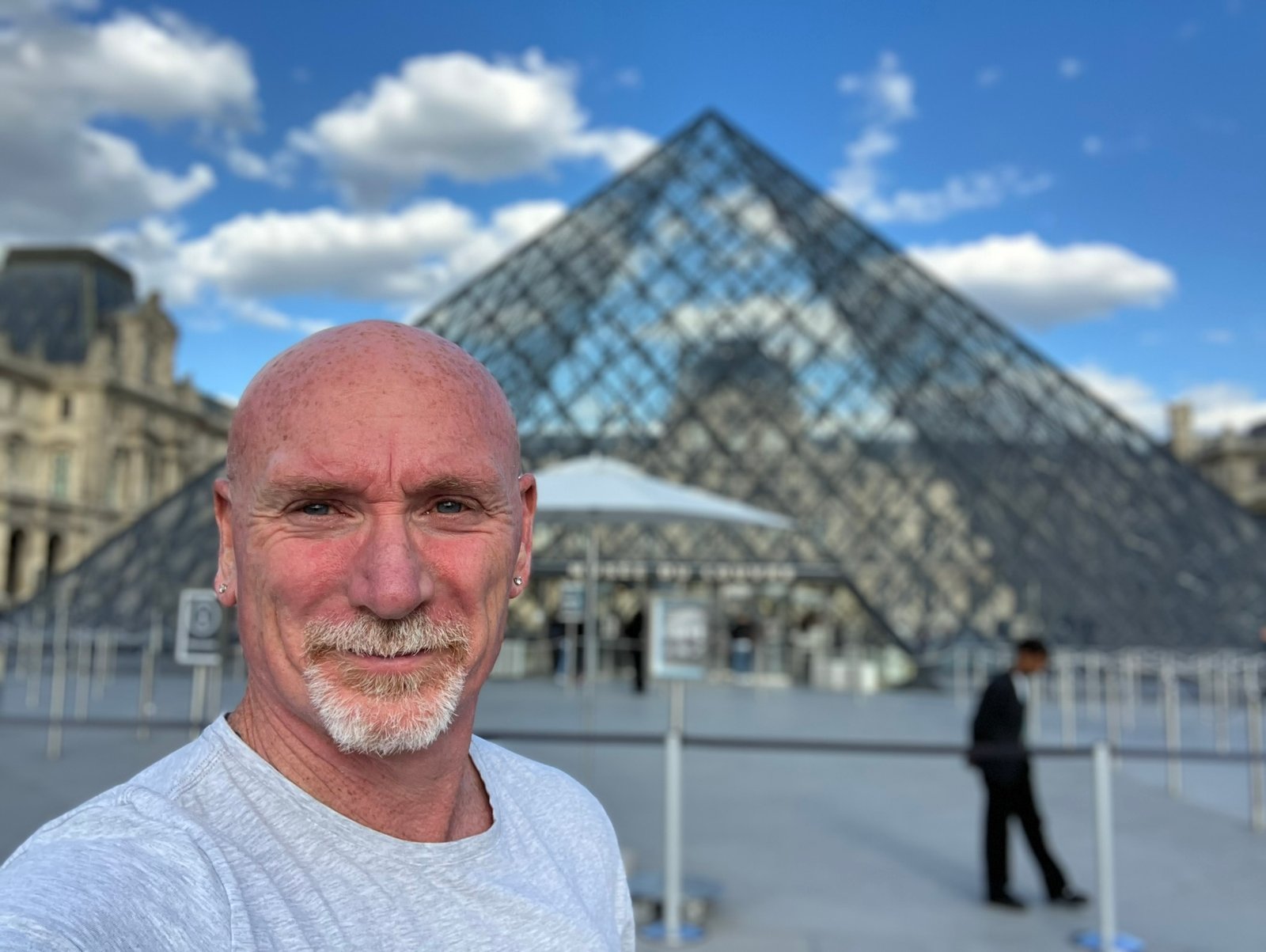
We began in Paris, tucked into the Marais, where mornings felt slow and deliberate and nights carried a quiet electricity. The Moulin Rouge wasn’t about spectacle so much as contrast—layers of history colliding with the present. A private picnic beneath the Eiffel Tower felt almost unreal, the kind of moment that doesn’t ask for photos to stay with you.
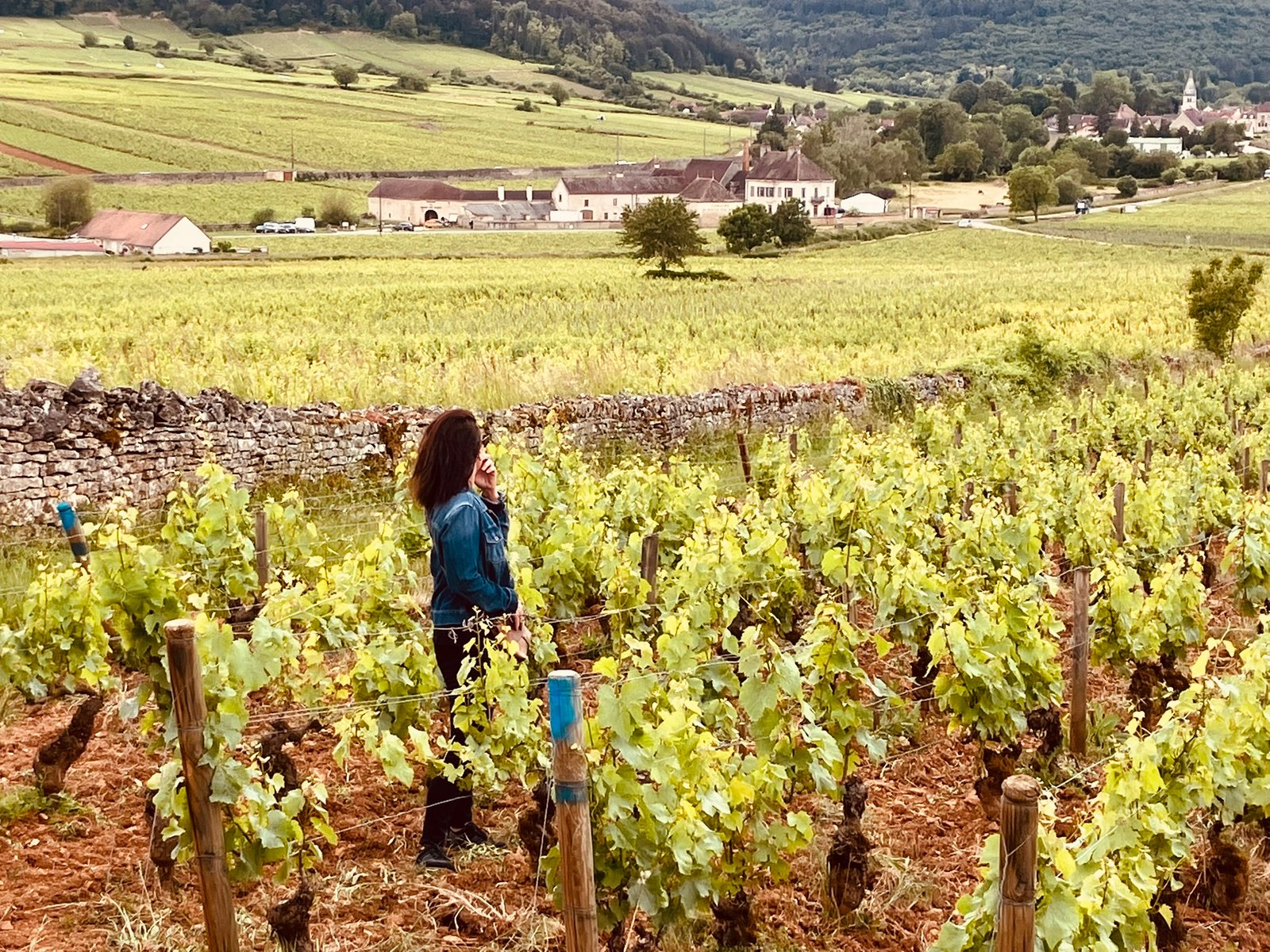
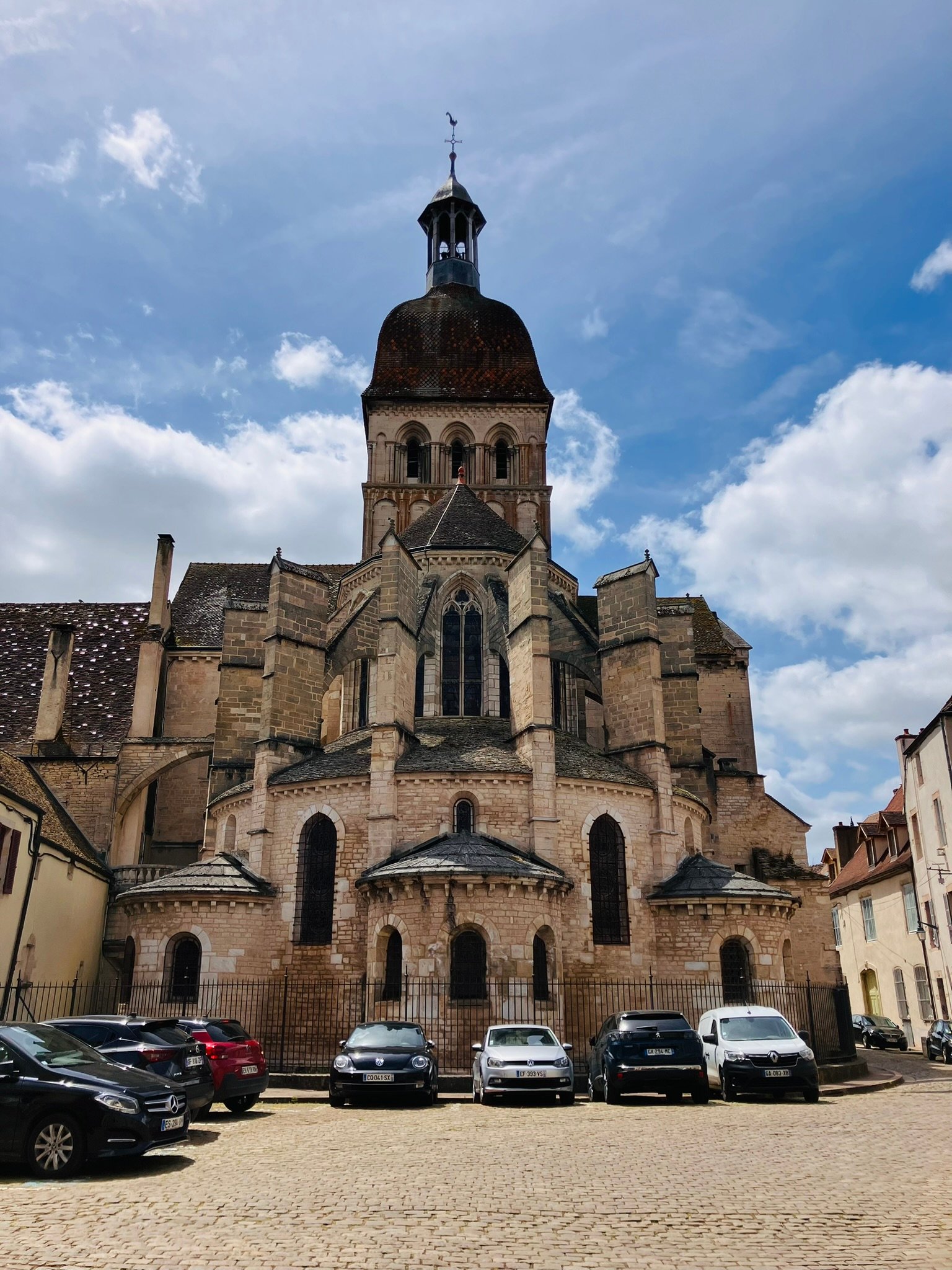
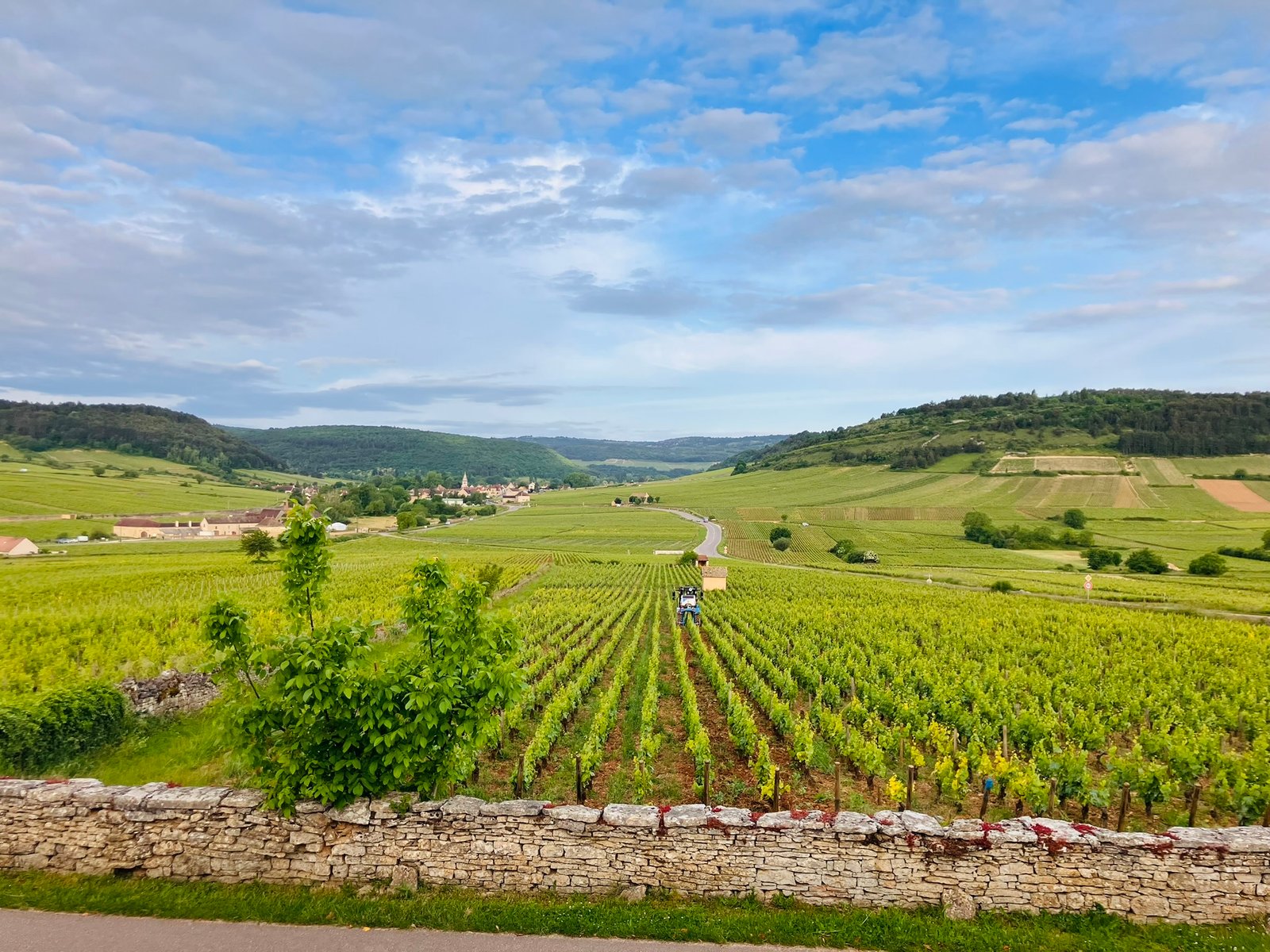
From there, we headed south into Burgundy, staying in Meursault as our days unfolded around wine villages like Beaune and Monthelie. Vineyards rolled endlessly past the windshield. Lunches lingered. Precision softened into pleasure. Burgundy teaches patience—nothing is rushed because nothing needs to be.
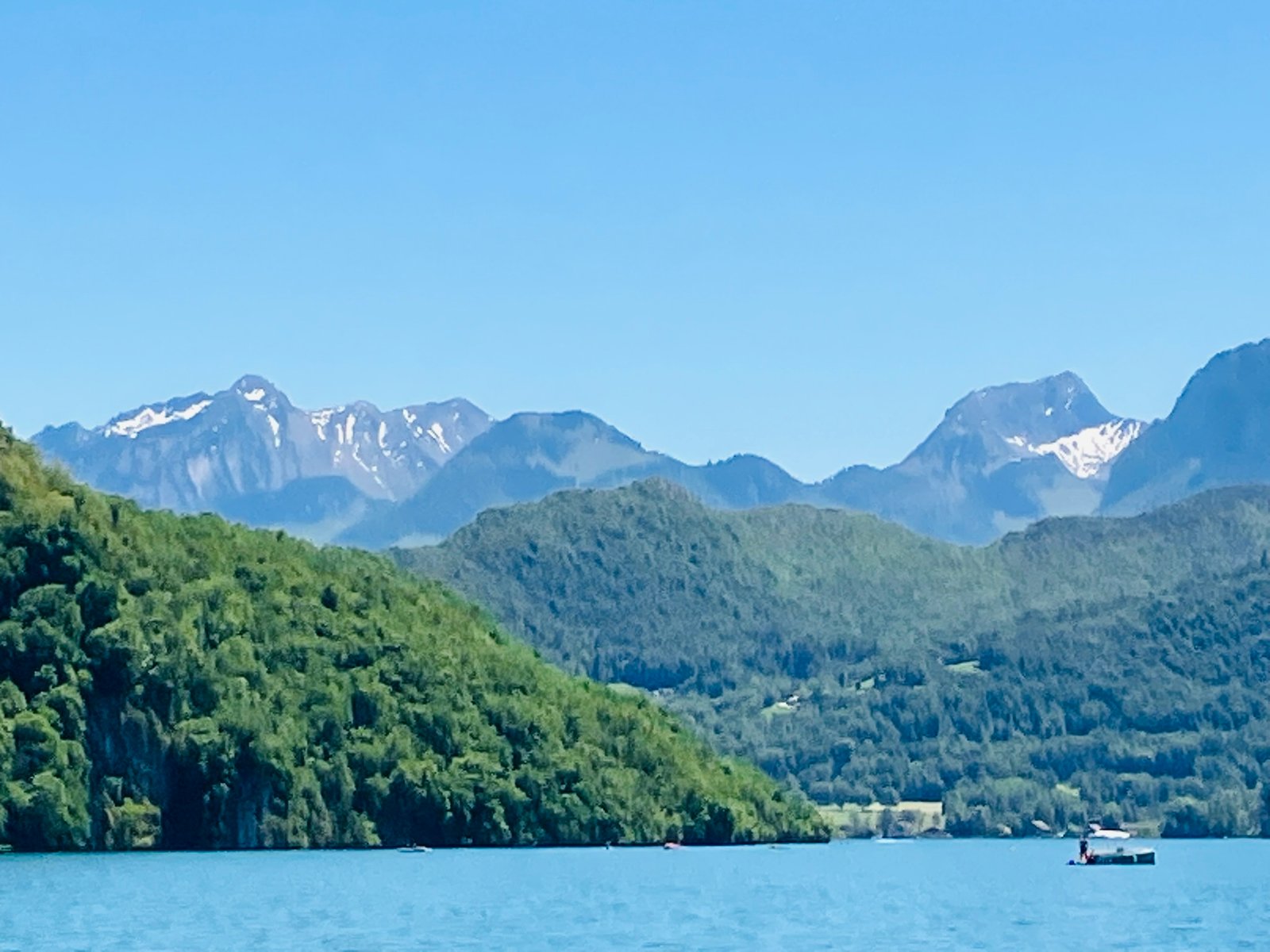
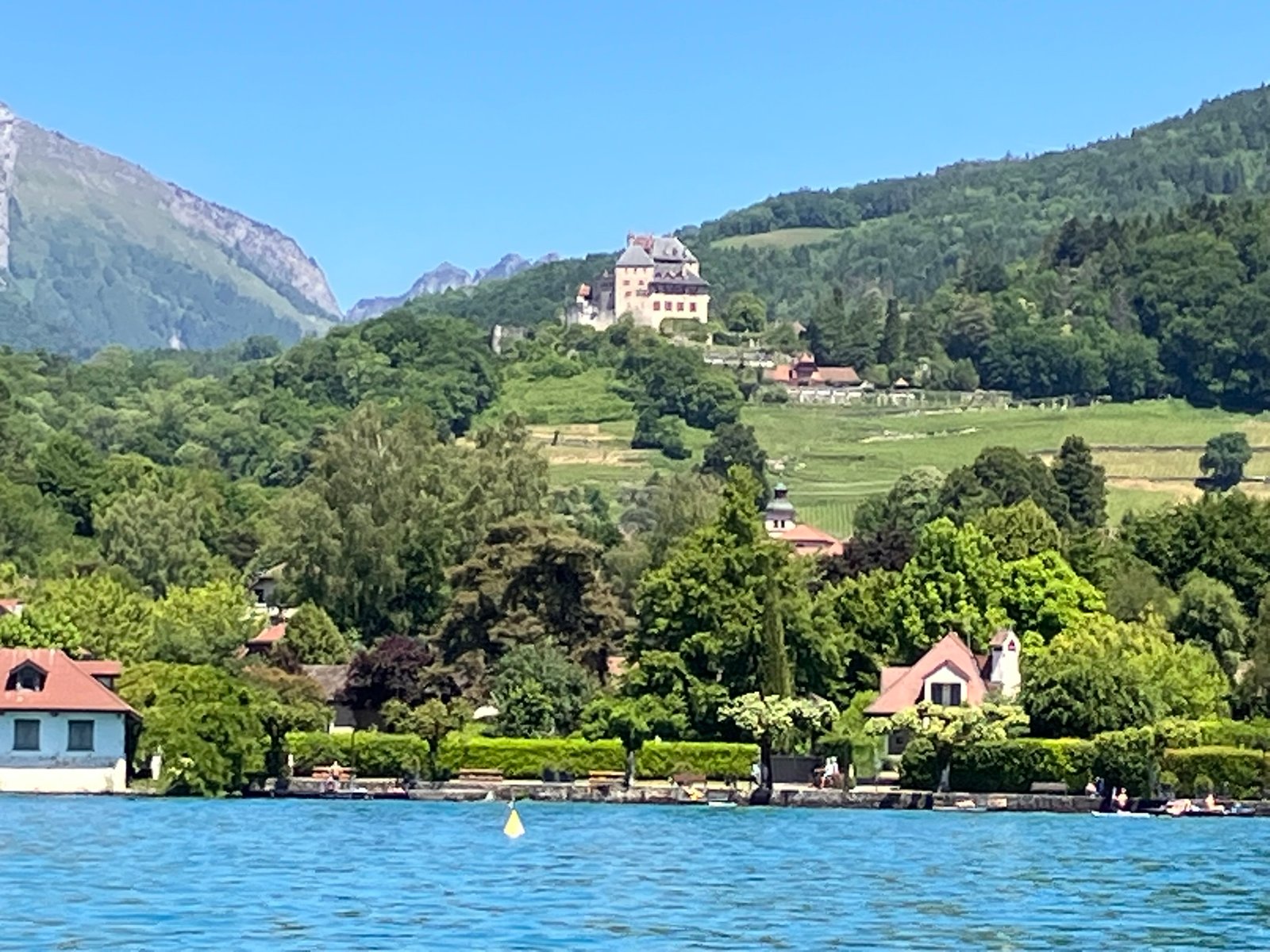
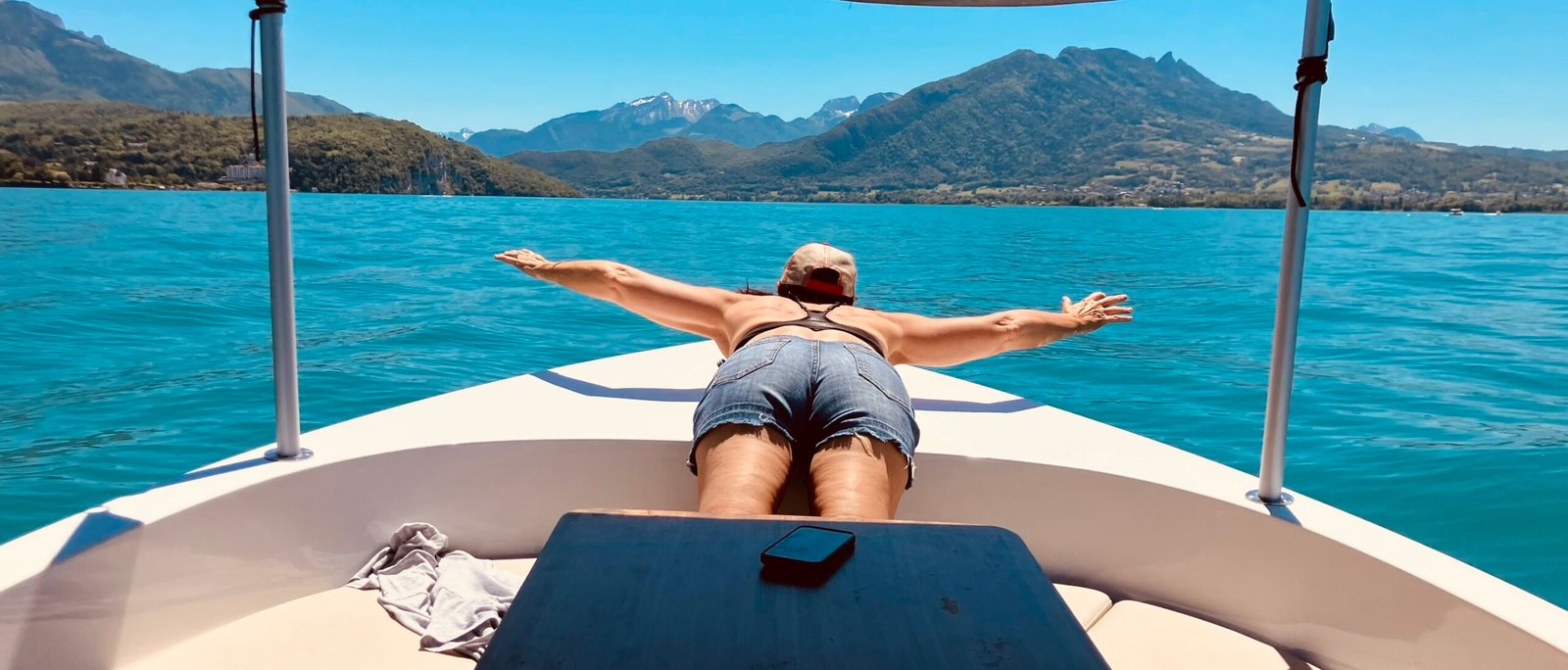
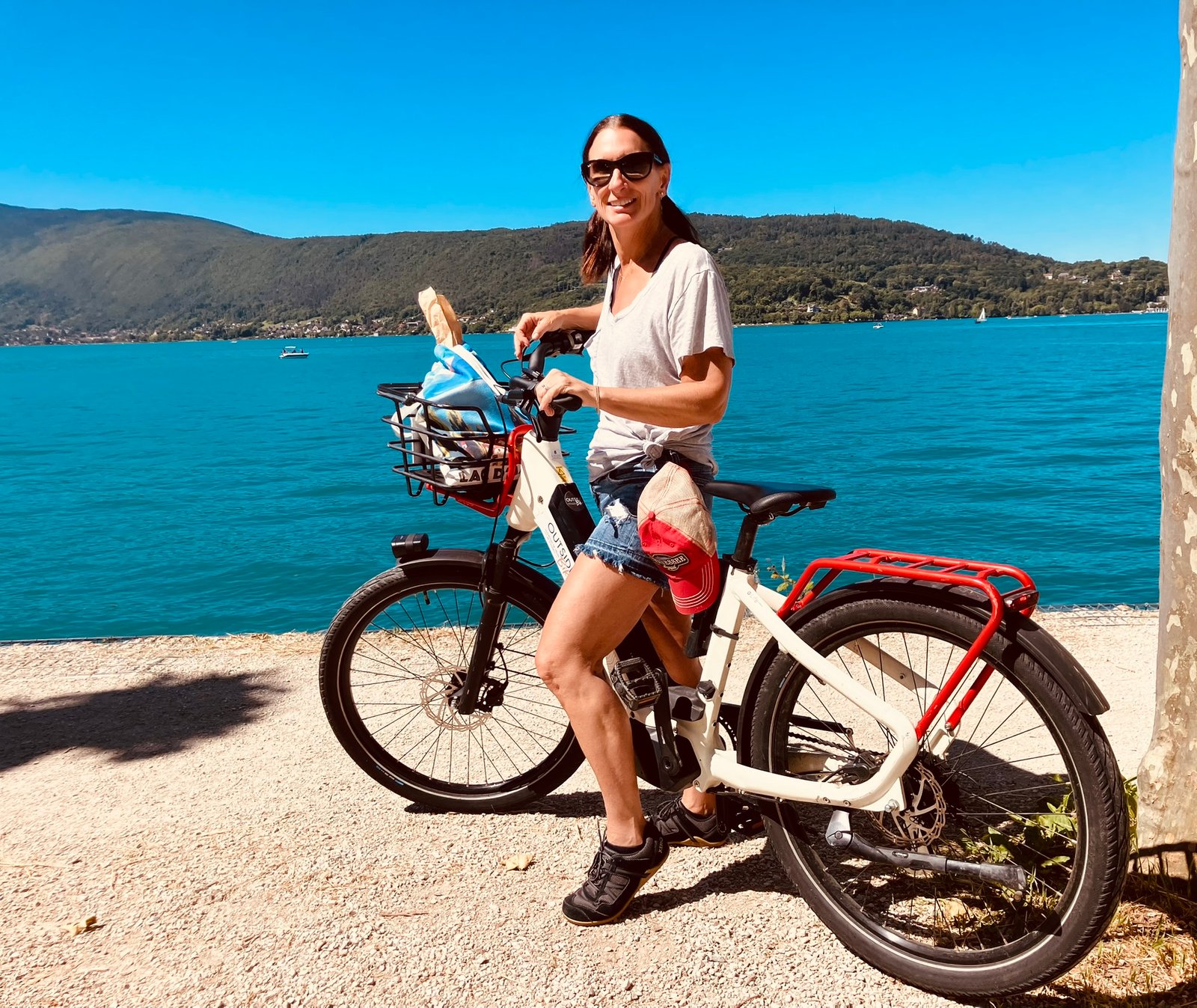
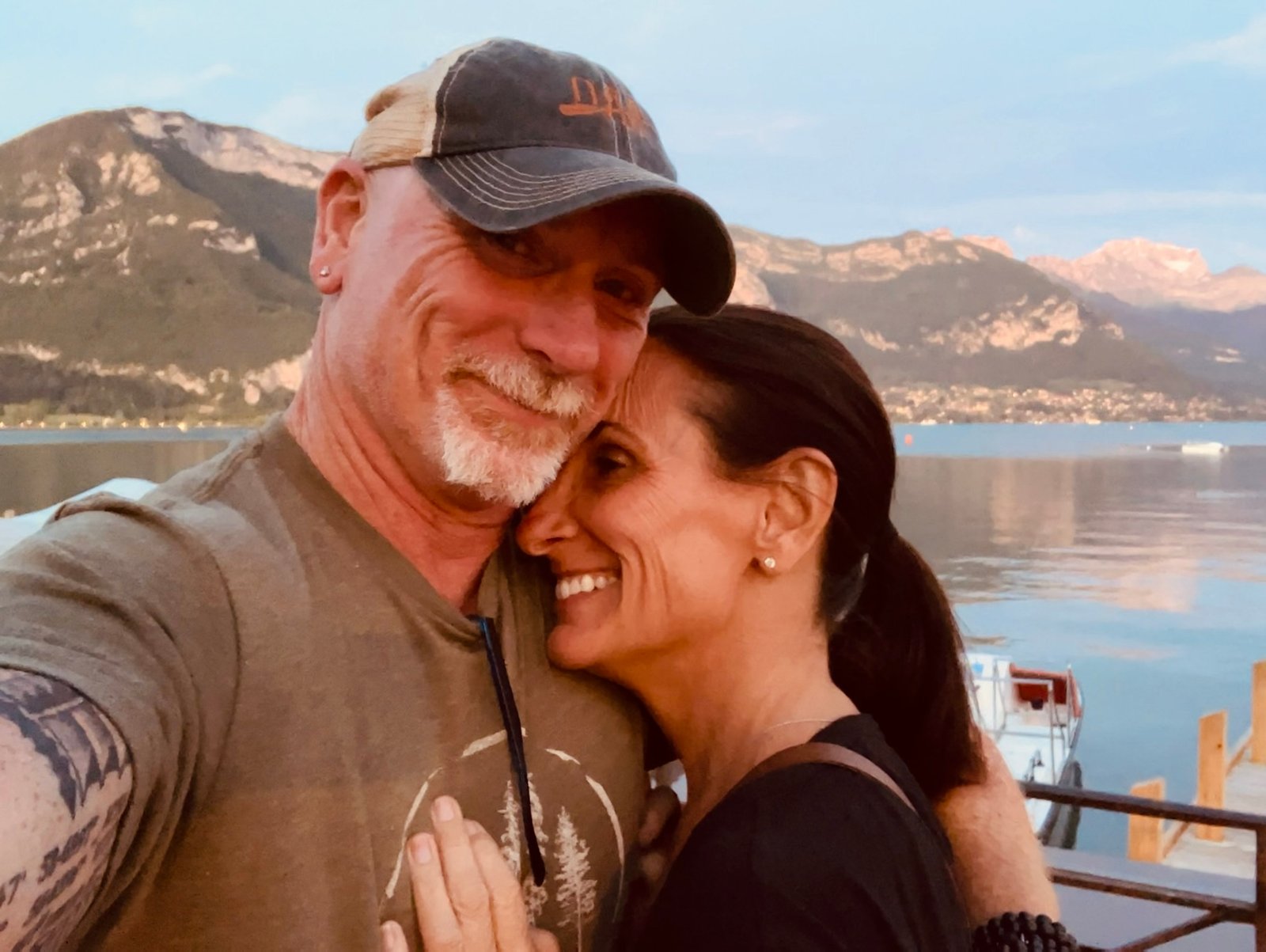
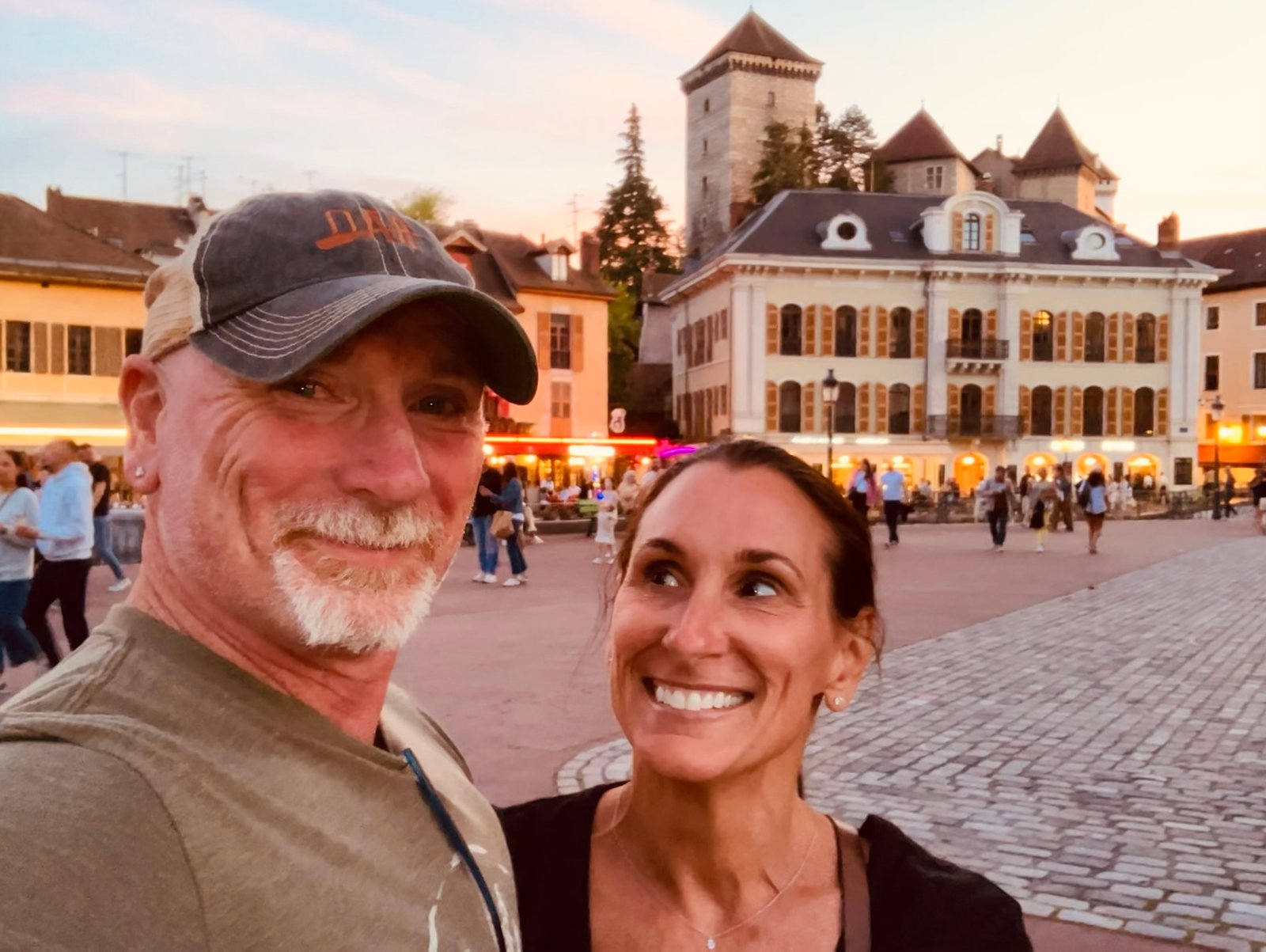
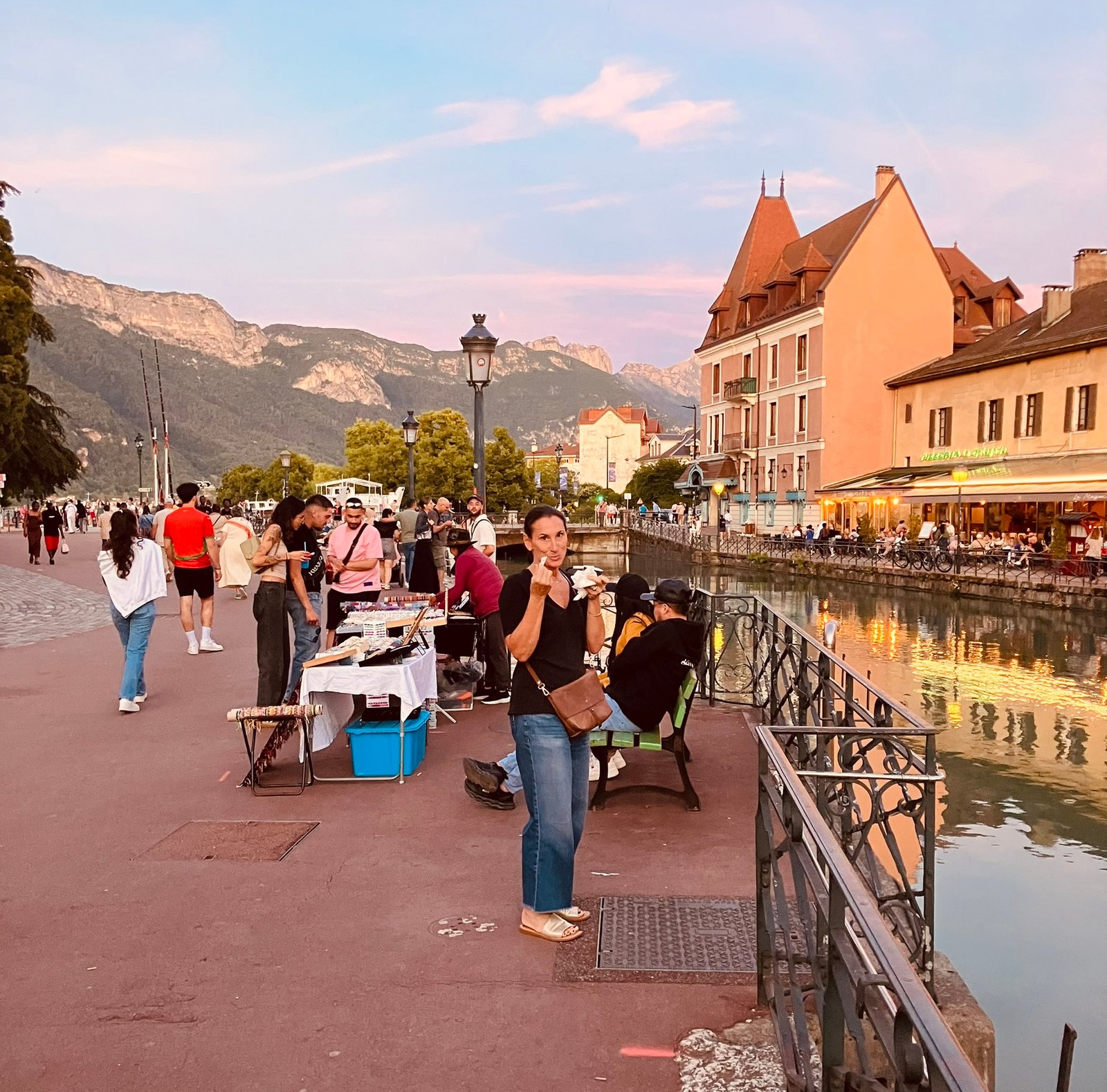
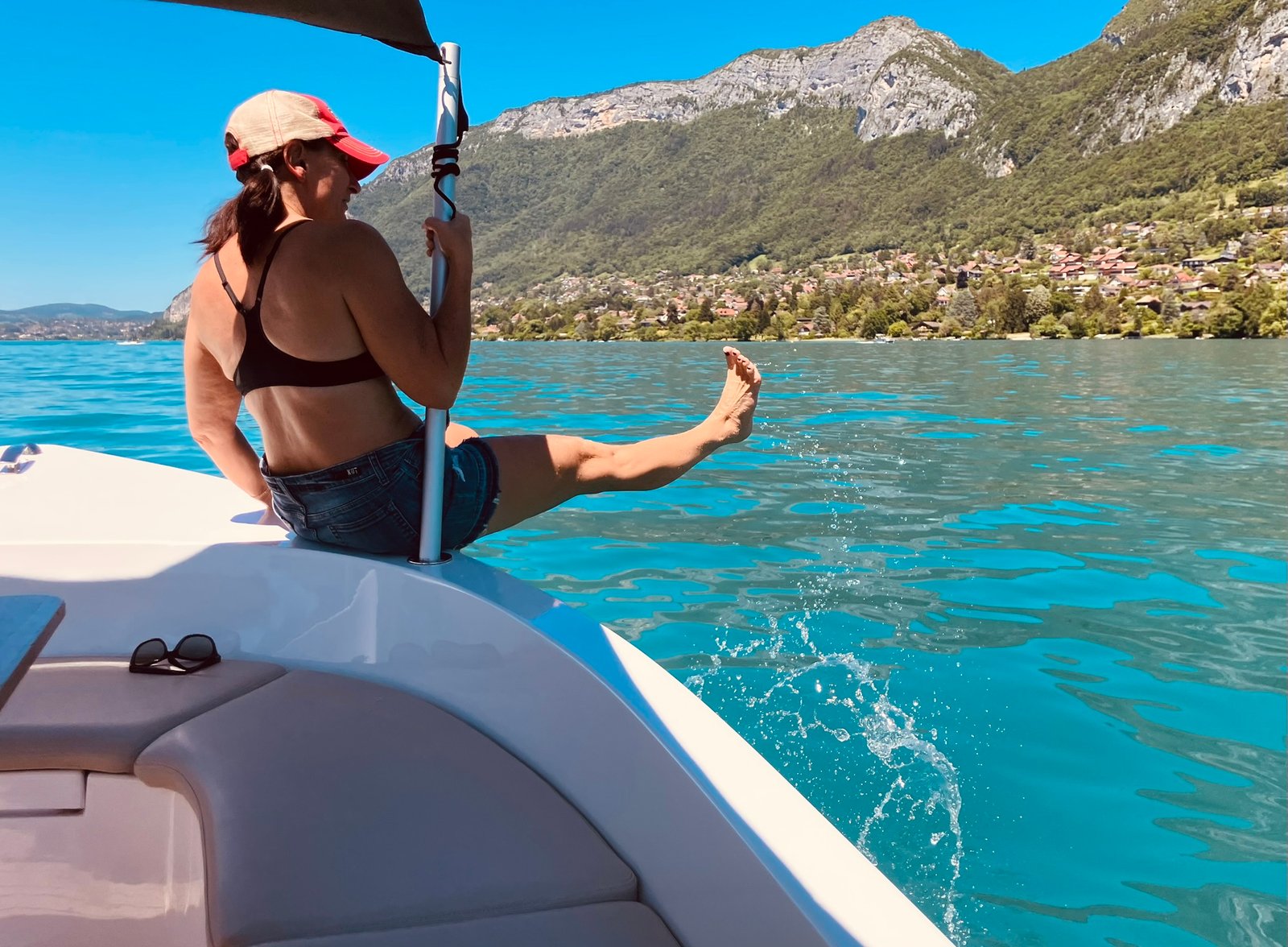
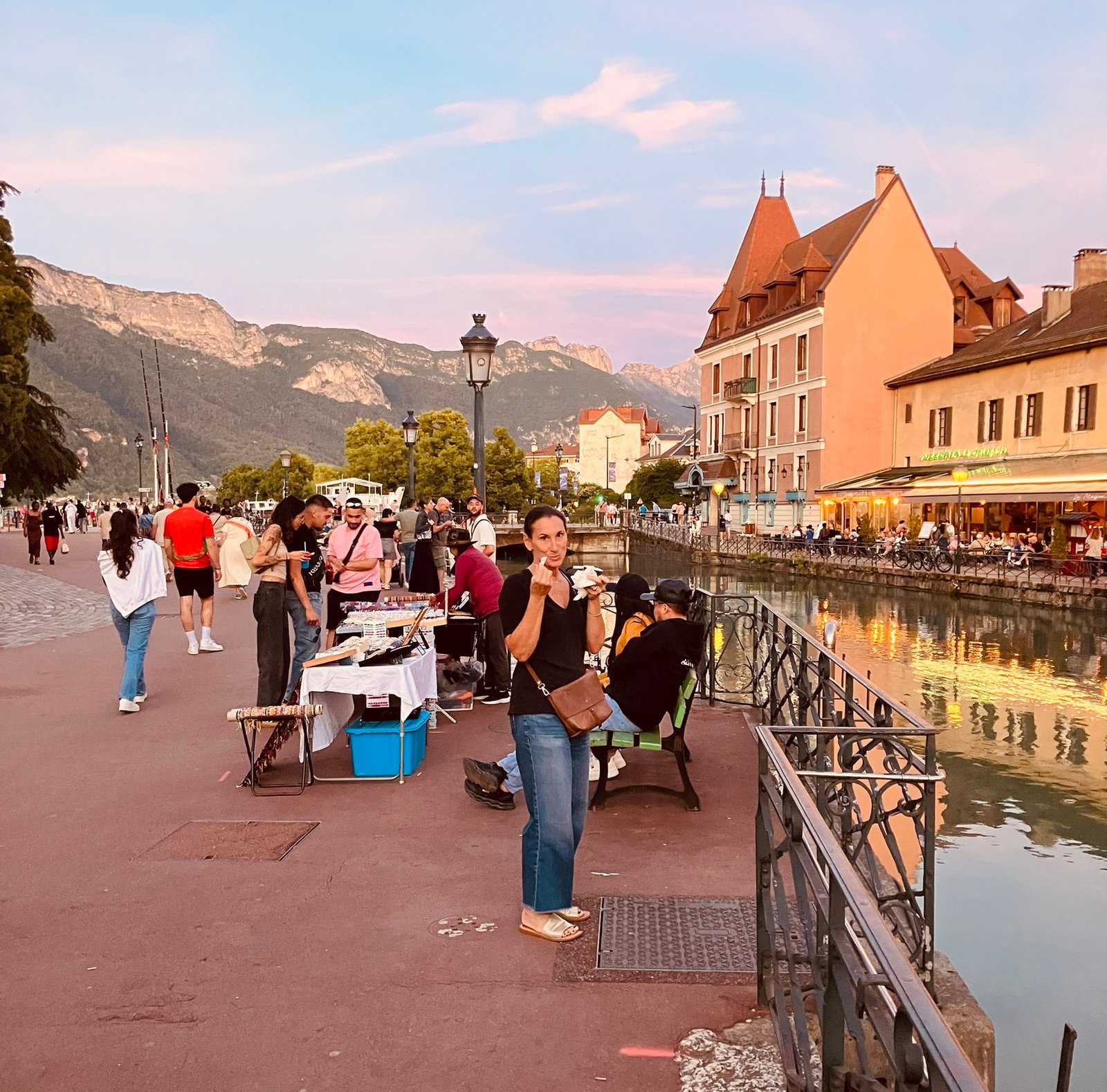
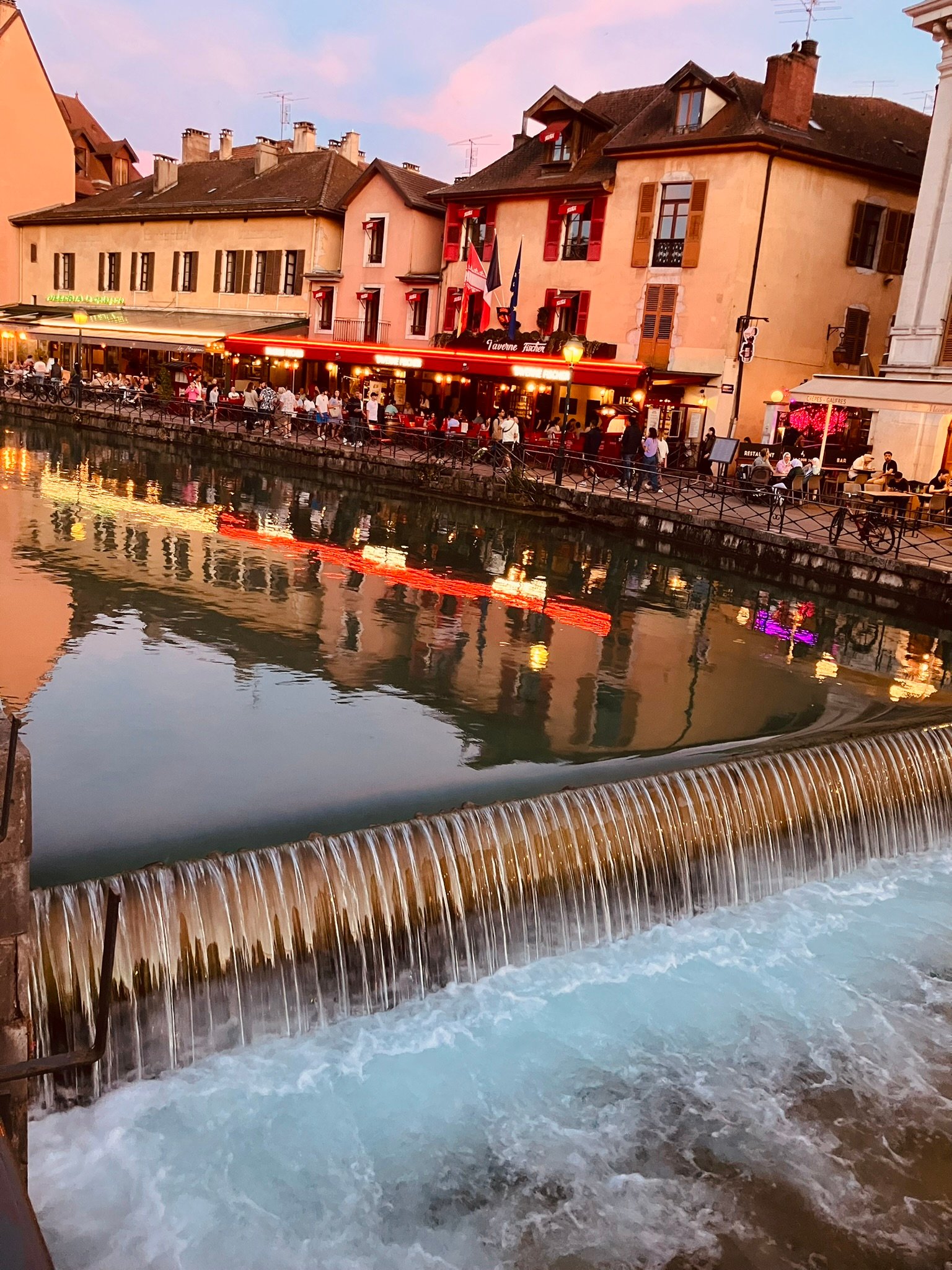
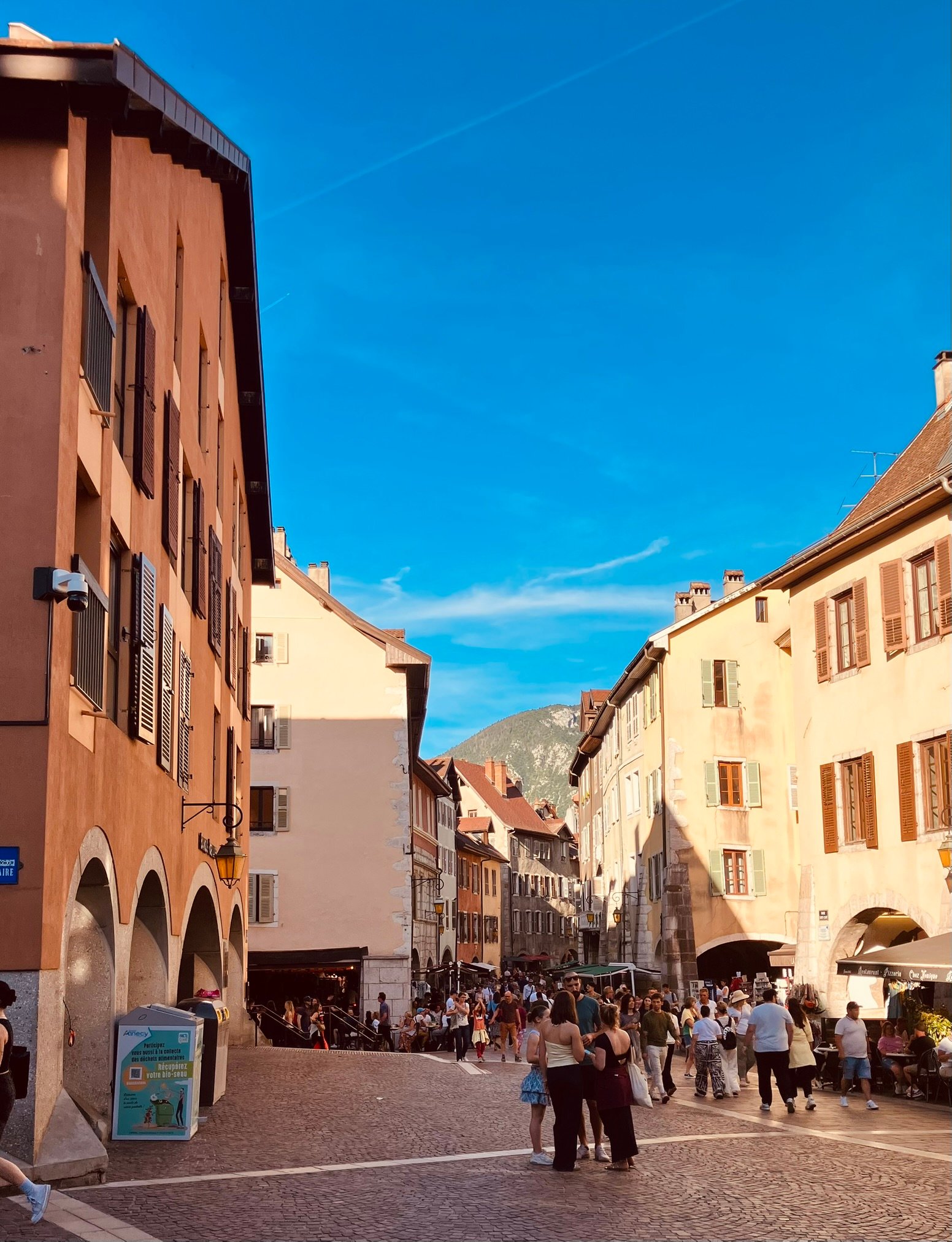
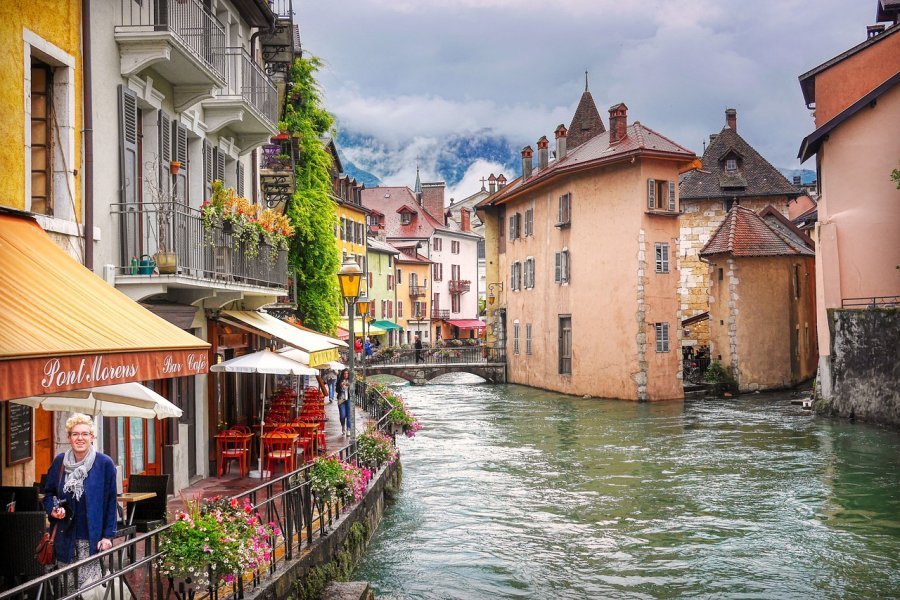
Annecy reintroduced movement. Bikes tracing the lake’s edge. A rented boat drifting without agenda. Water so clear it barely seemed possible. The Alps stayed quietly present in the distance, a reminder of where you are without demanding attention. Annecy doesn’t perform—it reveals itself slowly.
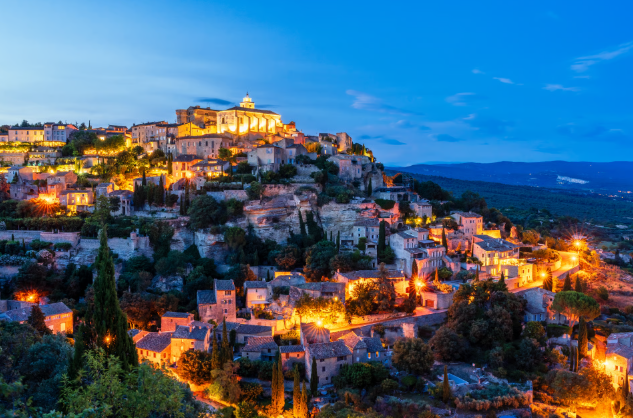
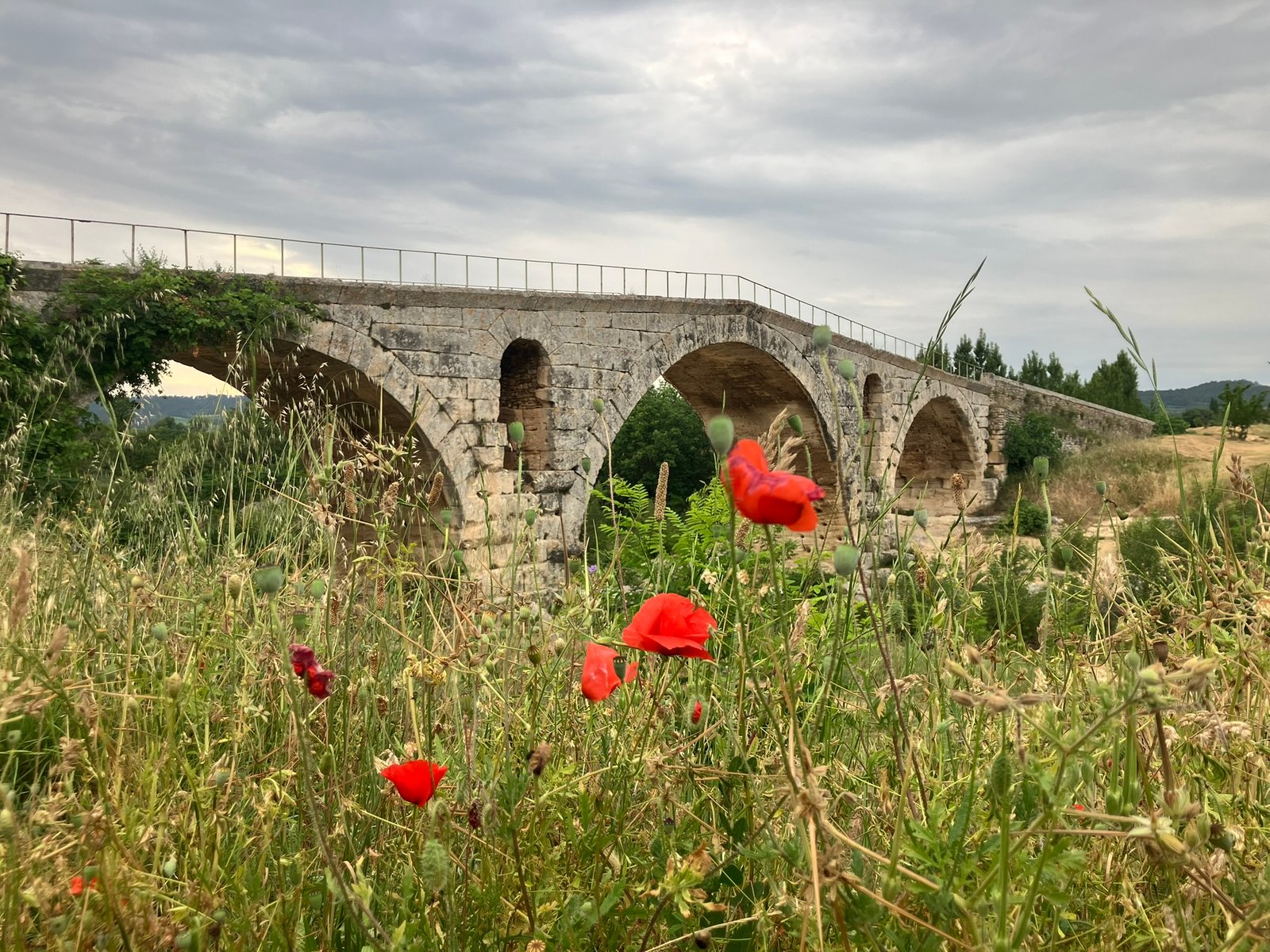
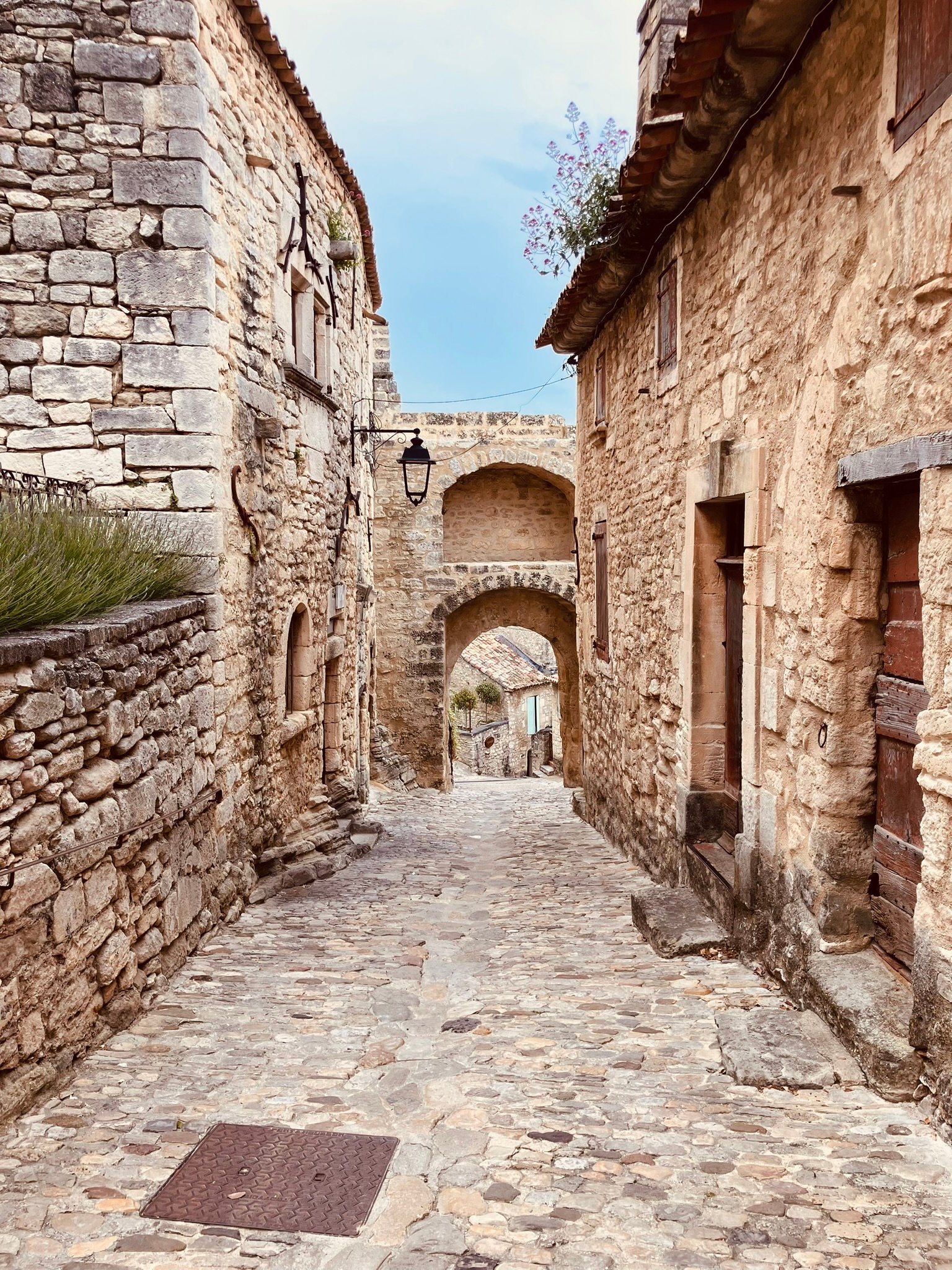
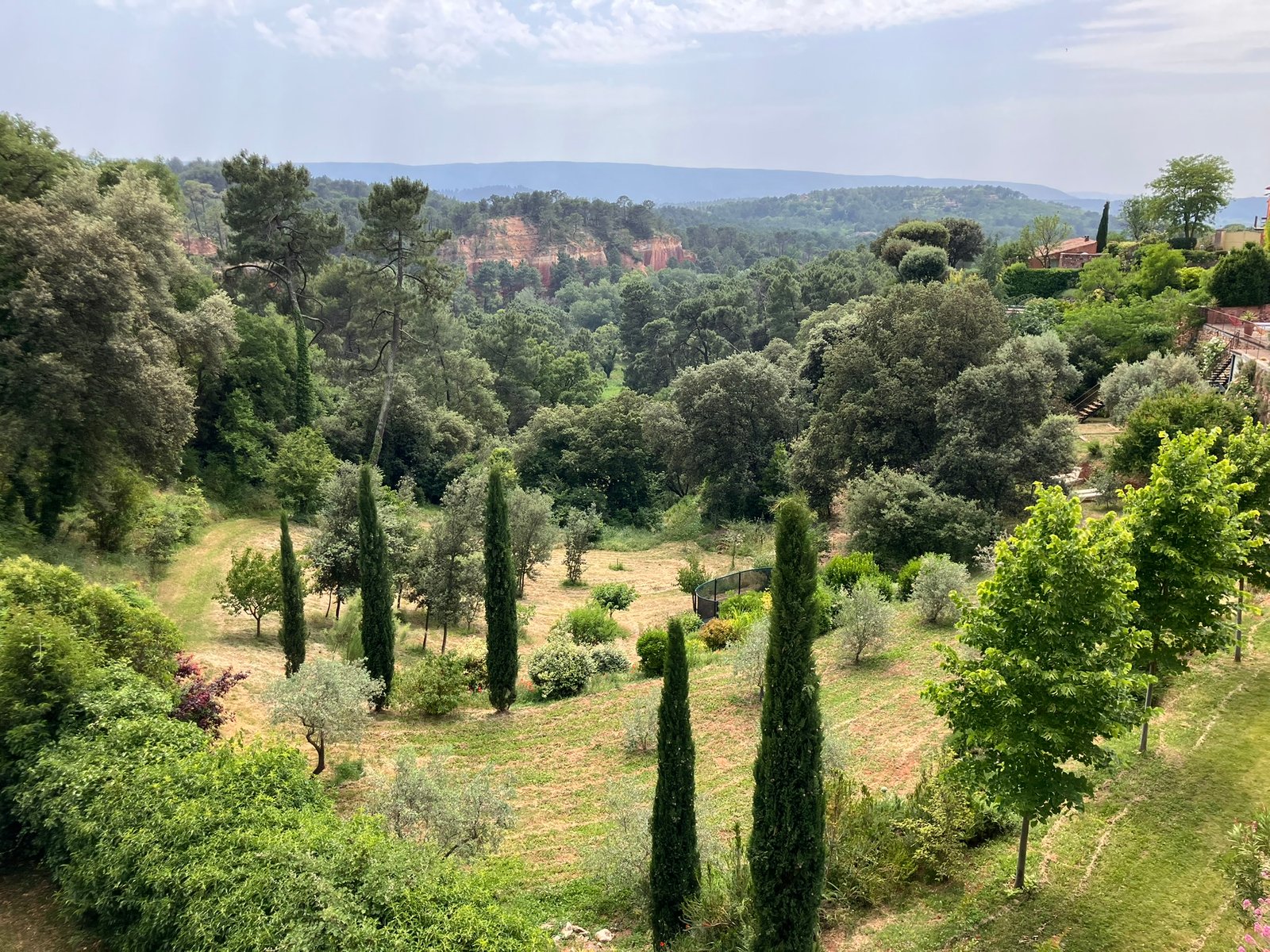
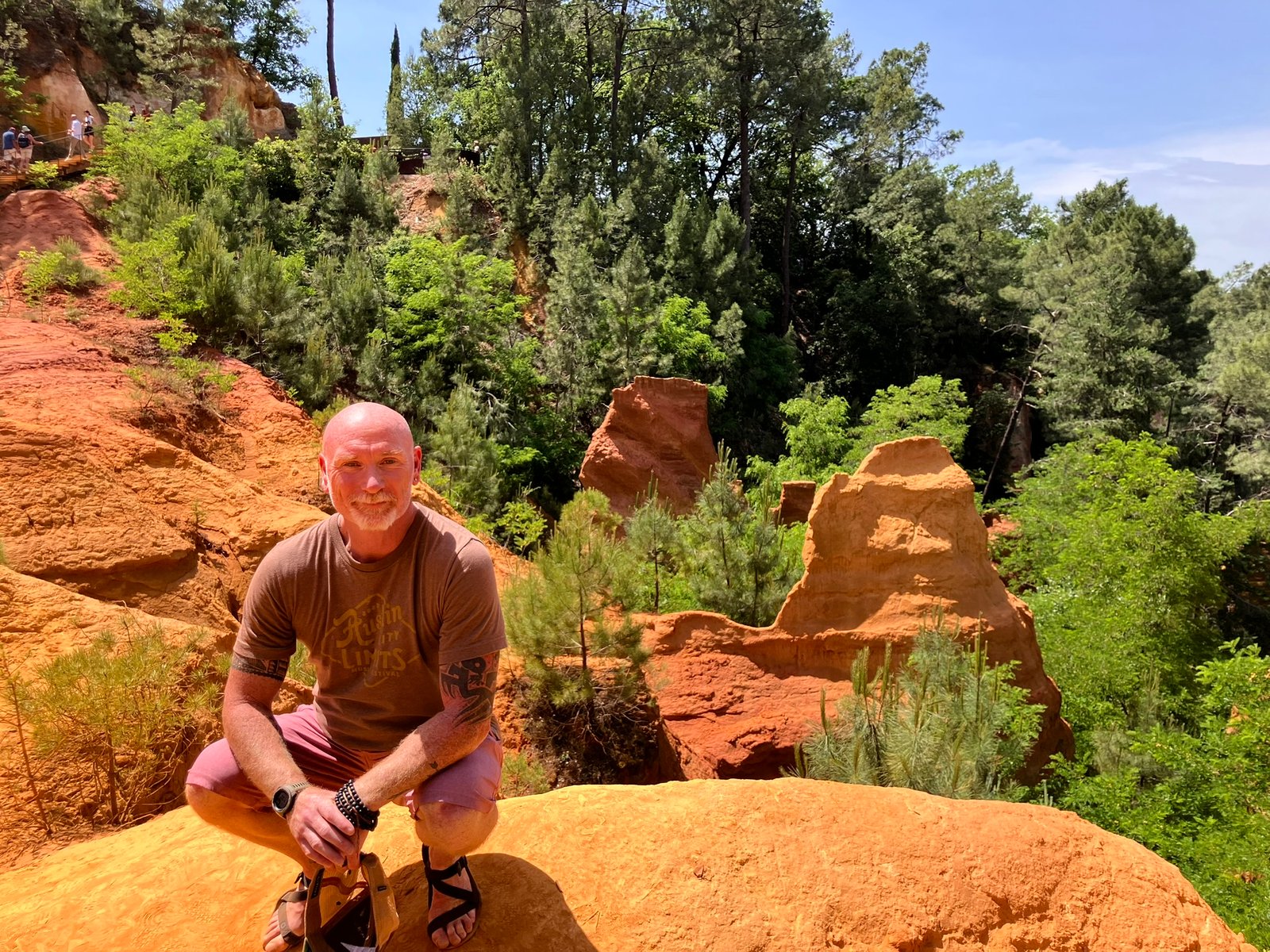
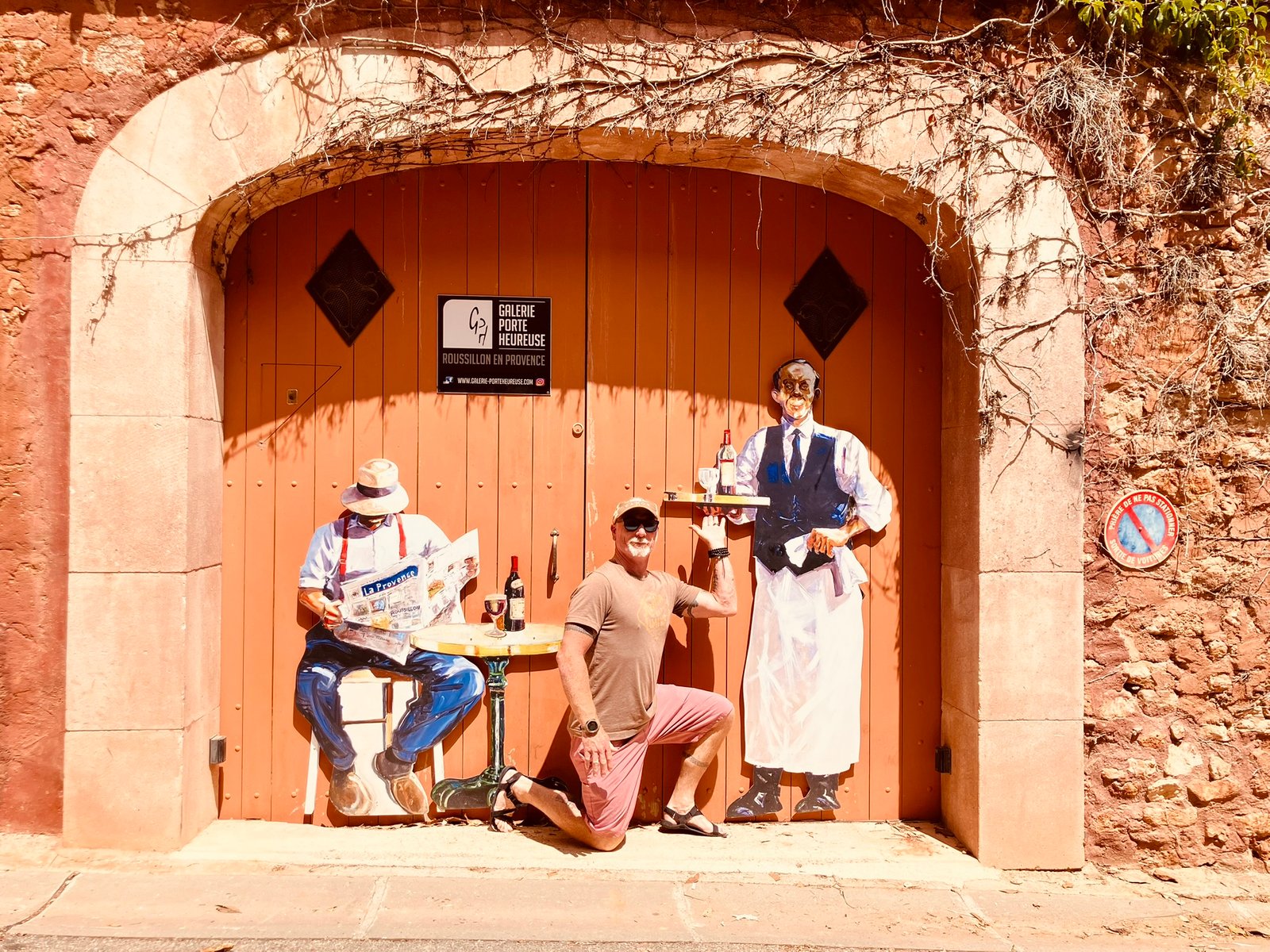
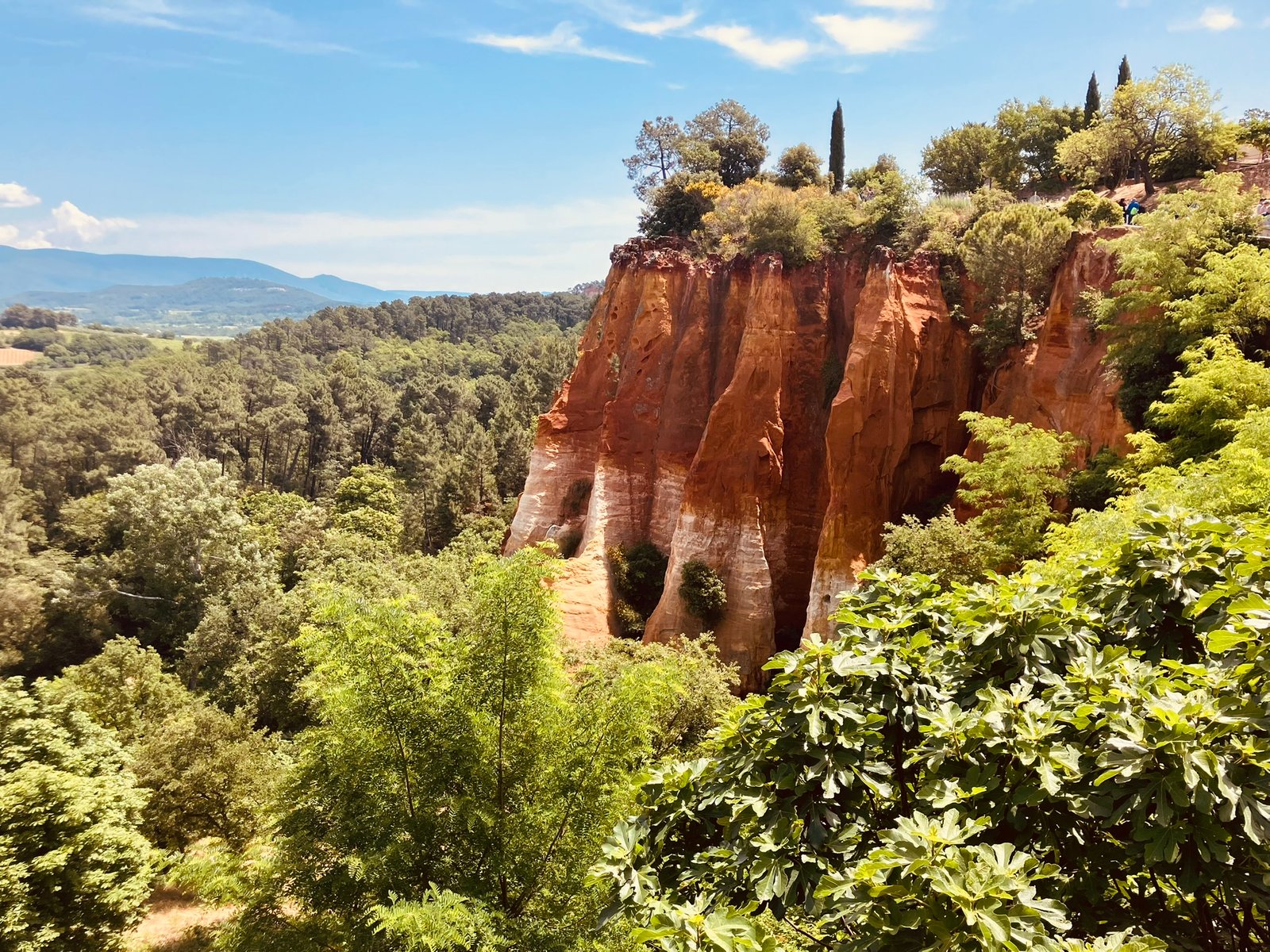
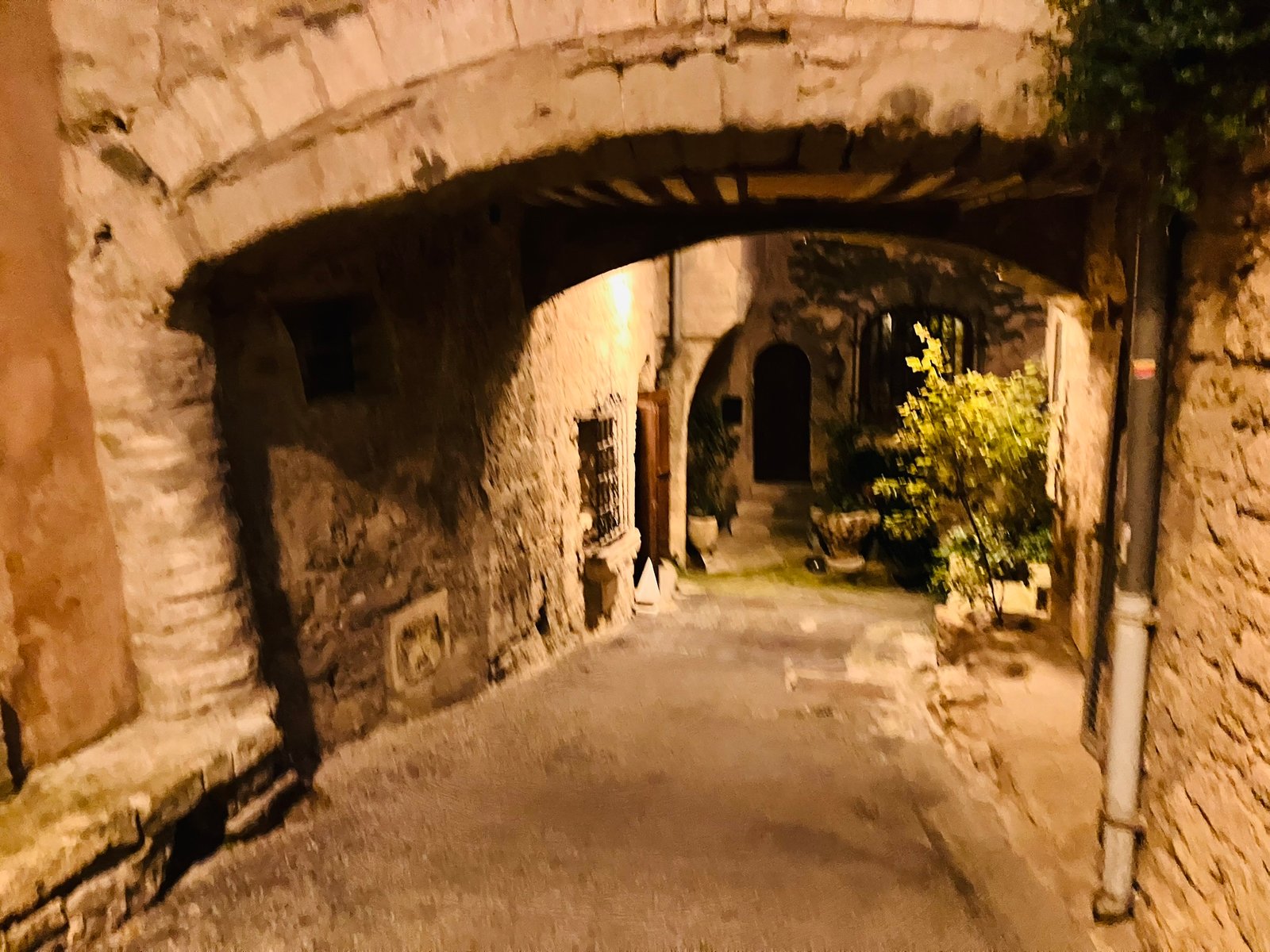
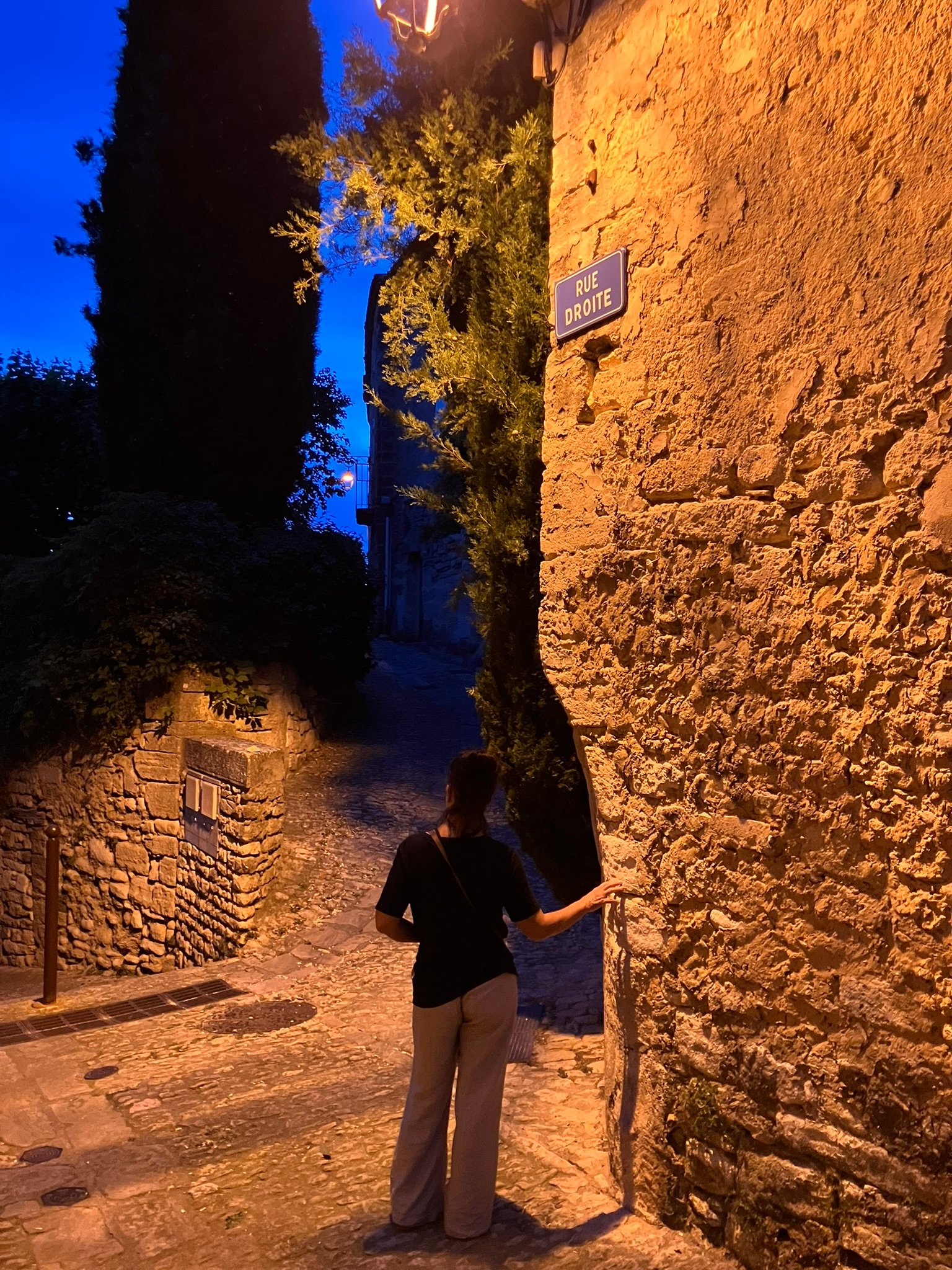
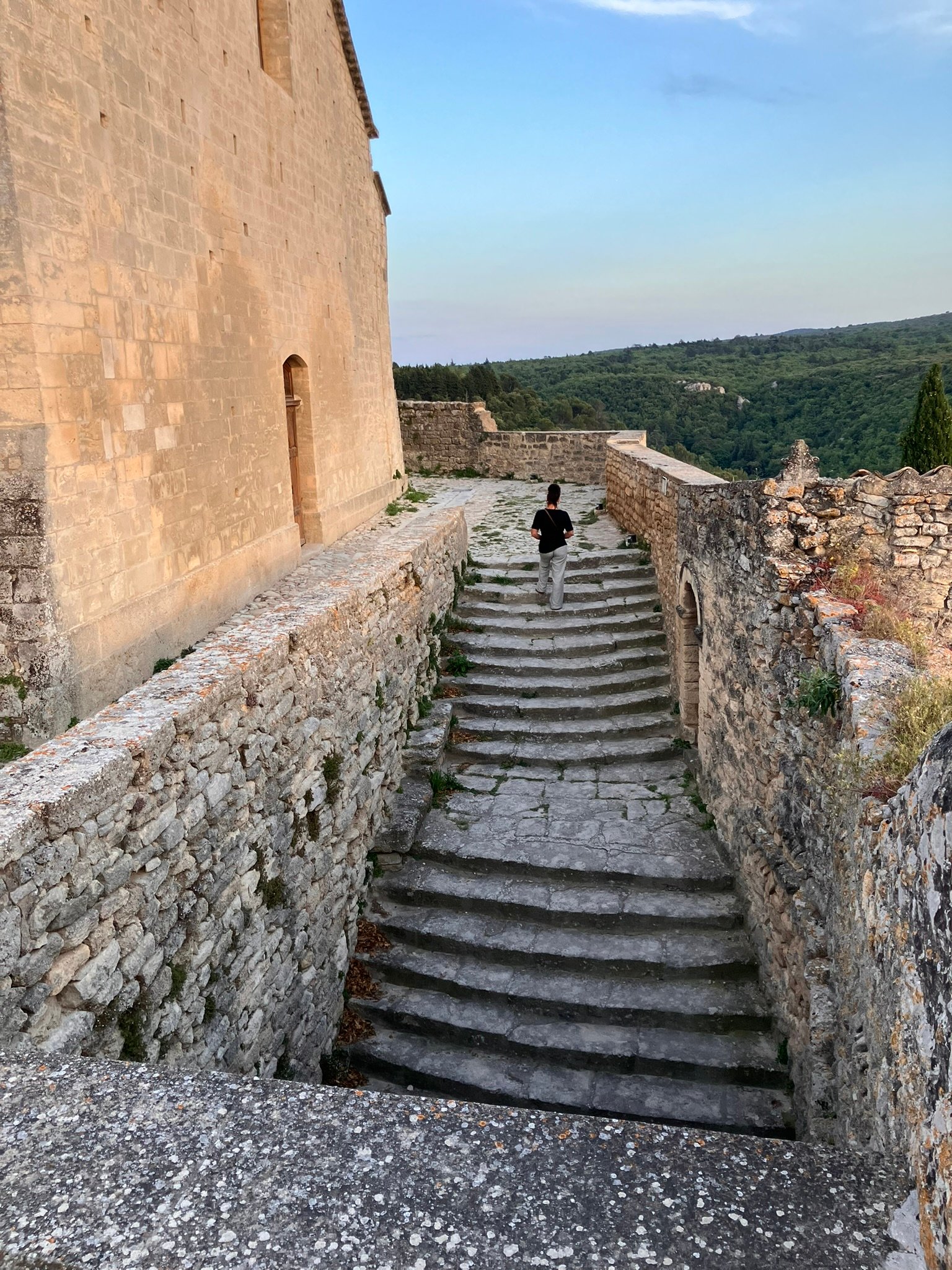
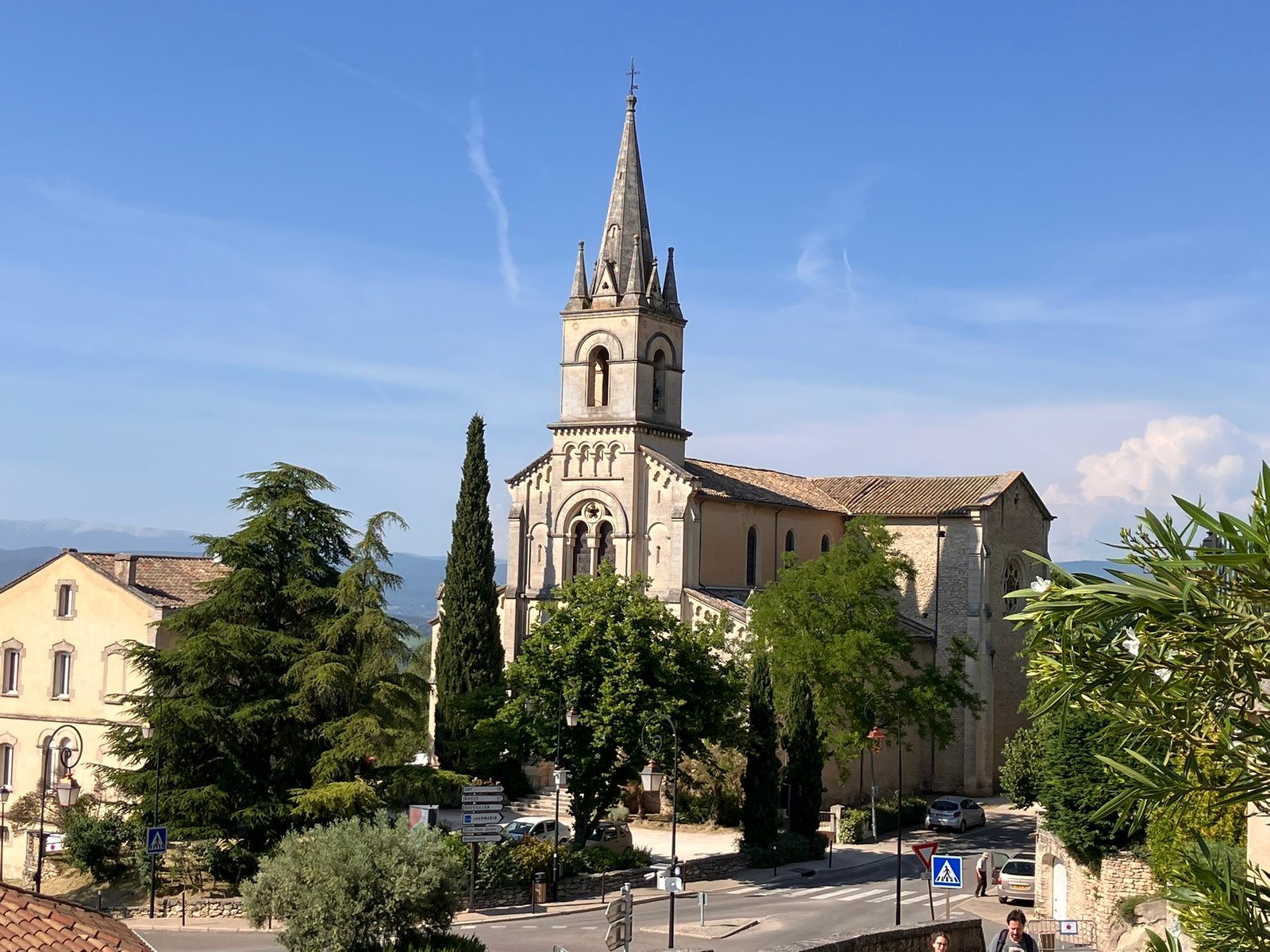
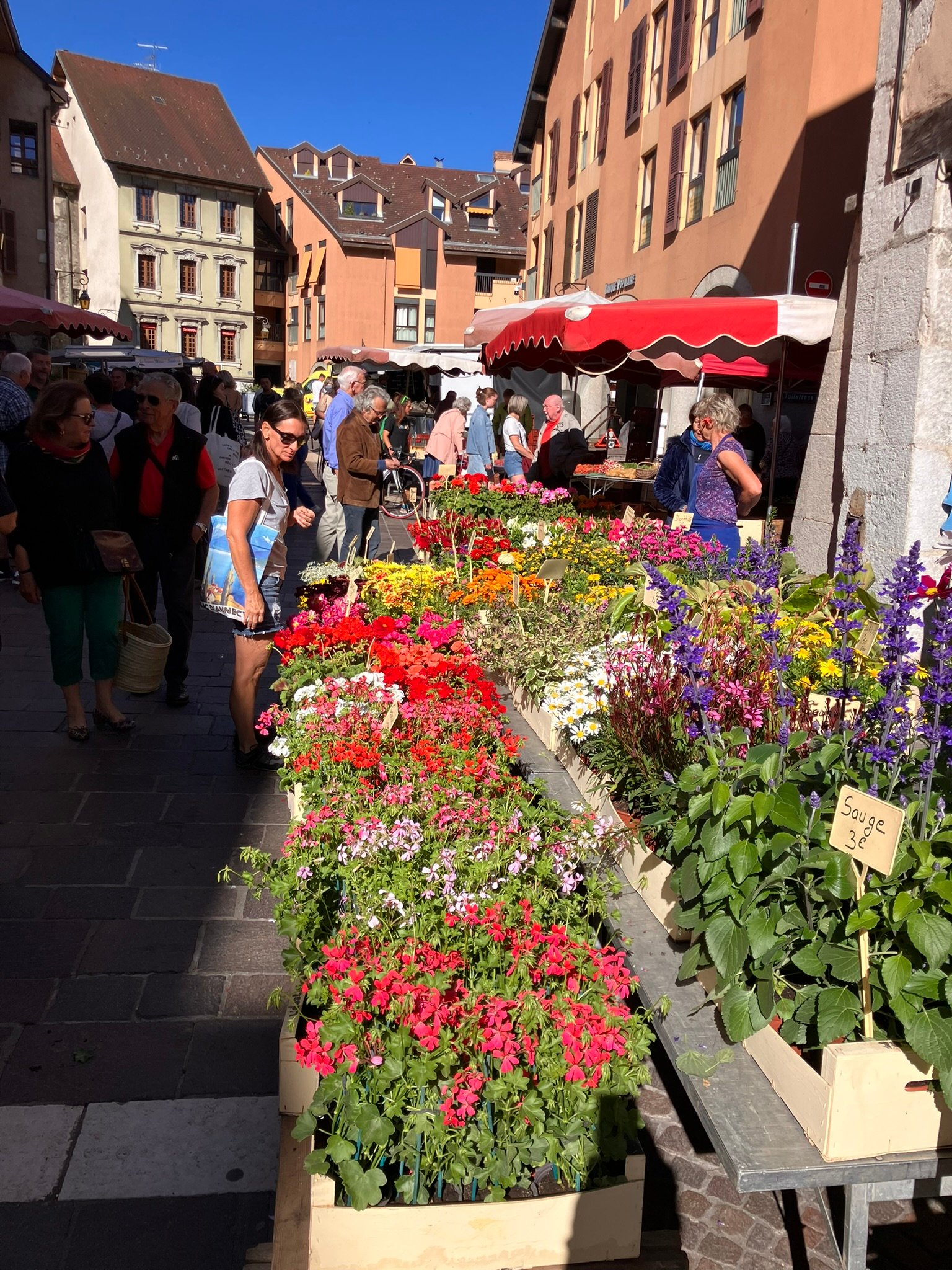
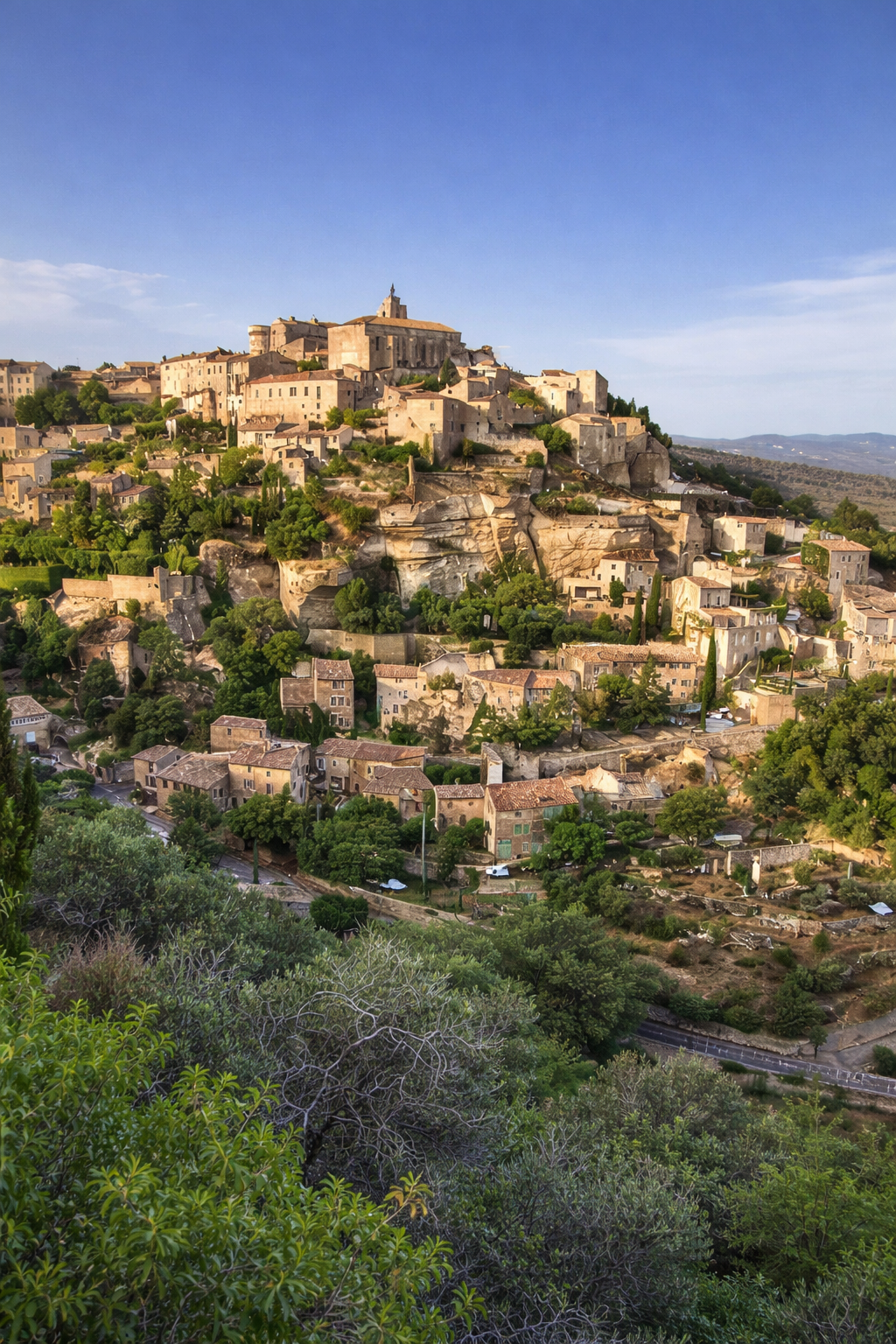
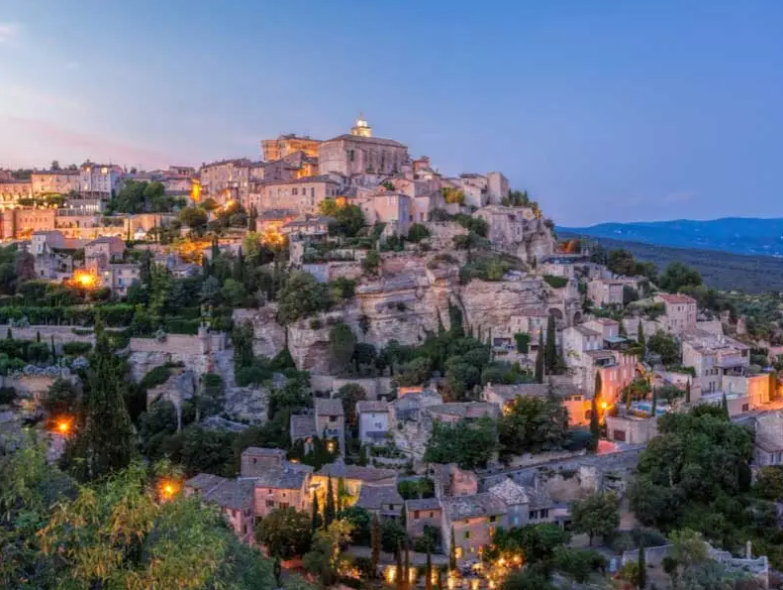
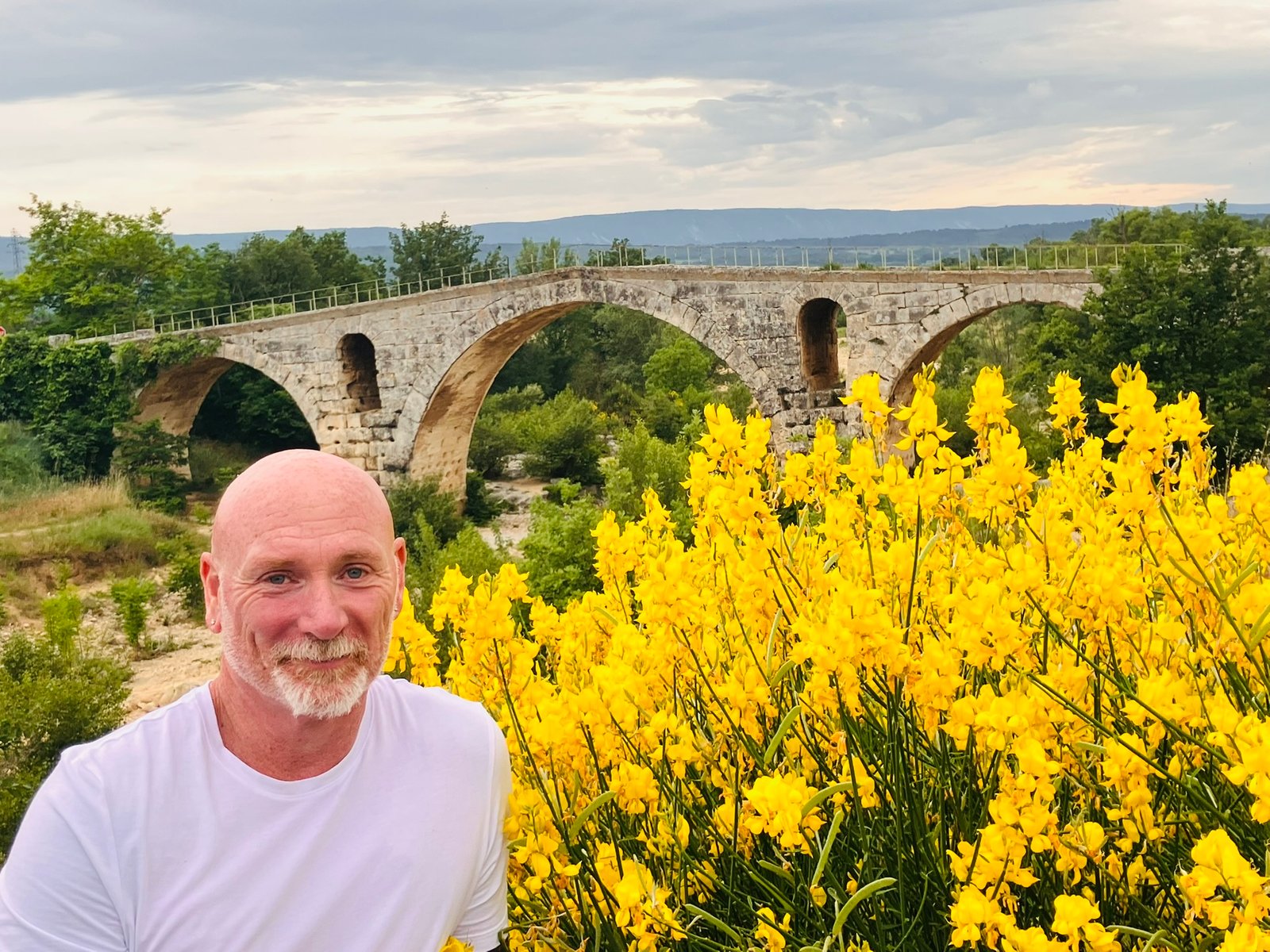
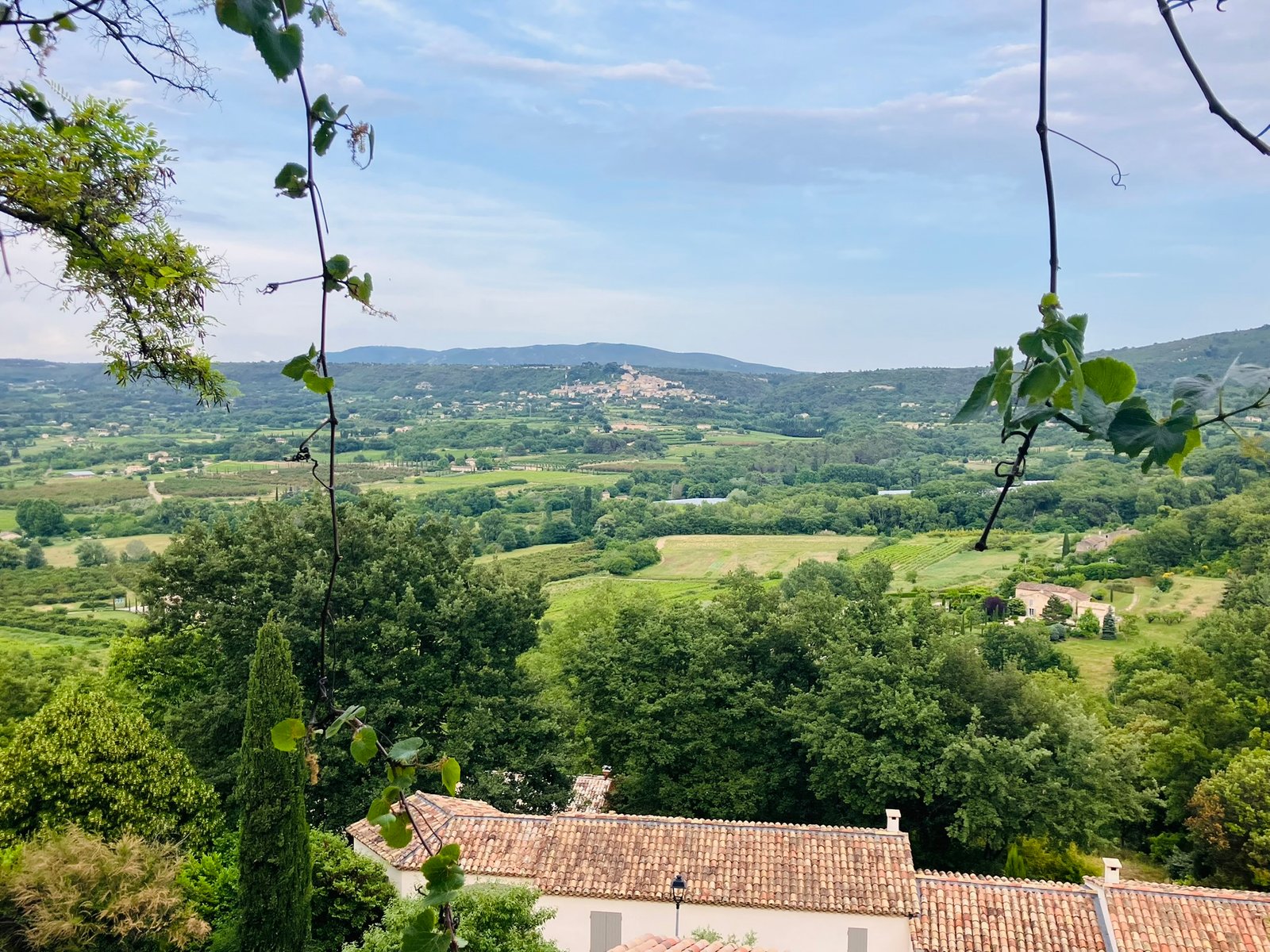
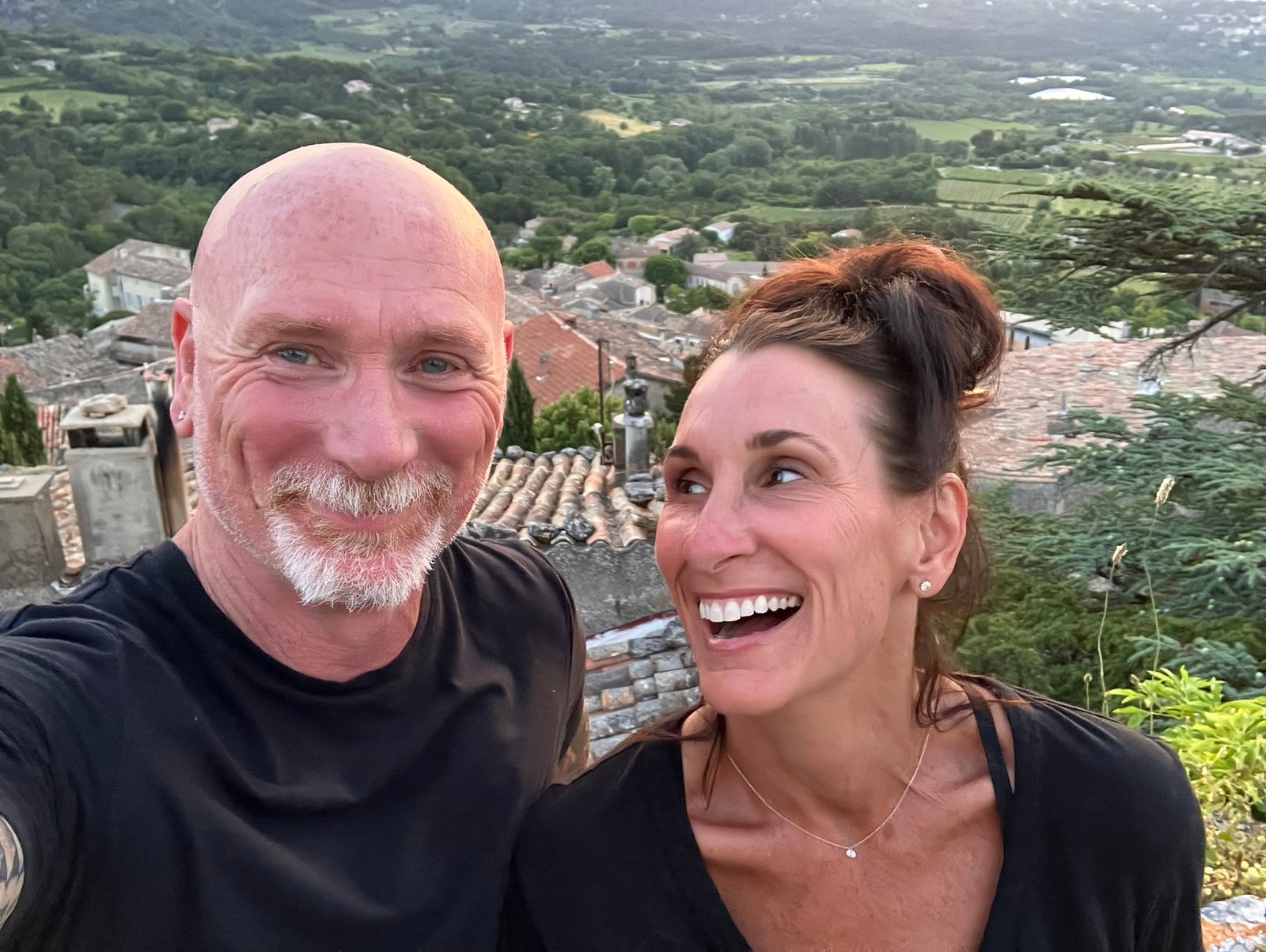
Then came Provence. Bonnieux as a base. Ochre cliffs glowing in Roussillon. Stone villages like Gordes perched impossibly above the land. The light here is different—warmer, gentler, more forgiving. Time loosens its grip in Provence, whether you ask it to or not.
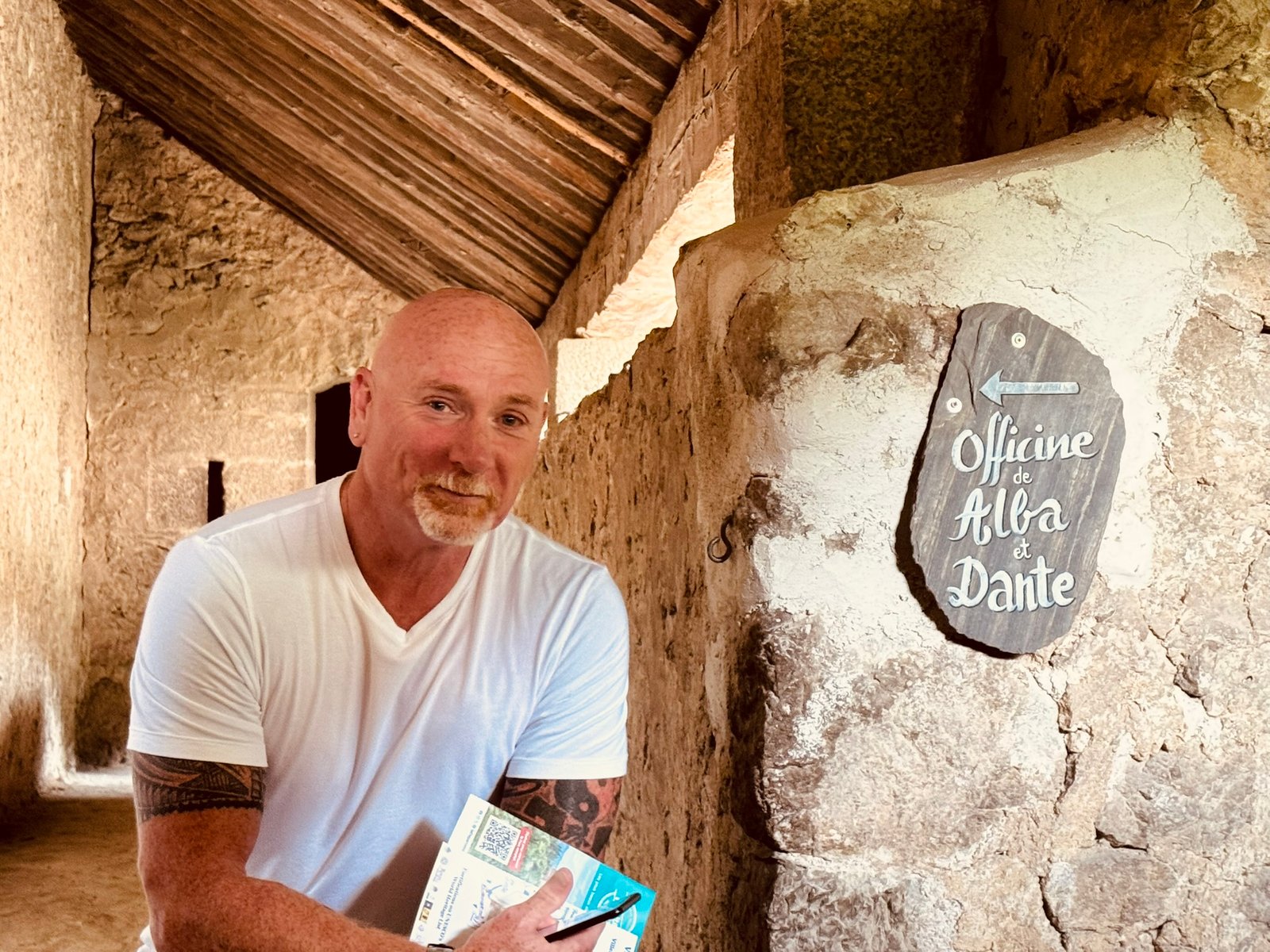
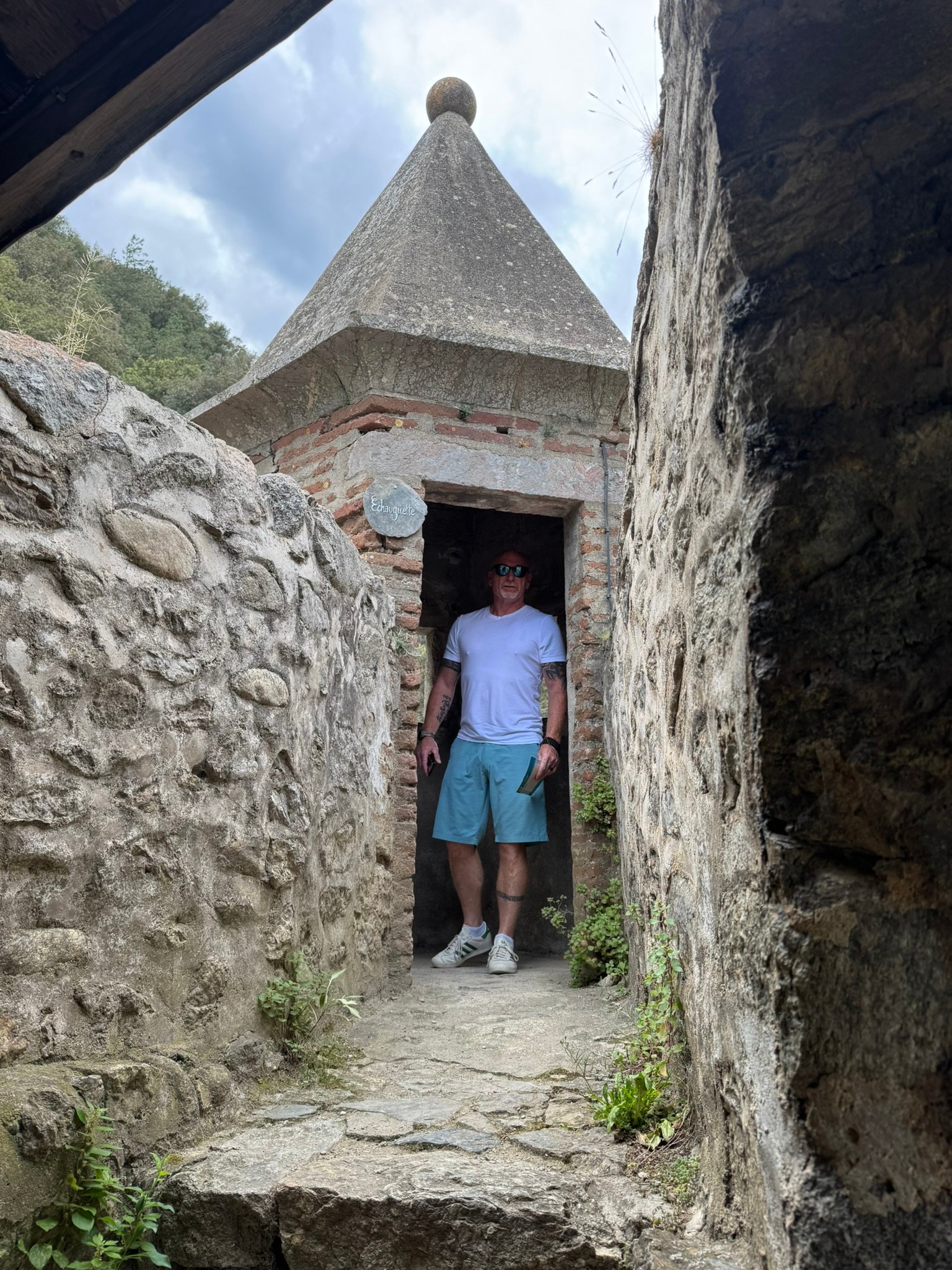
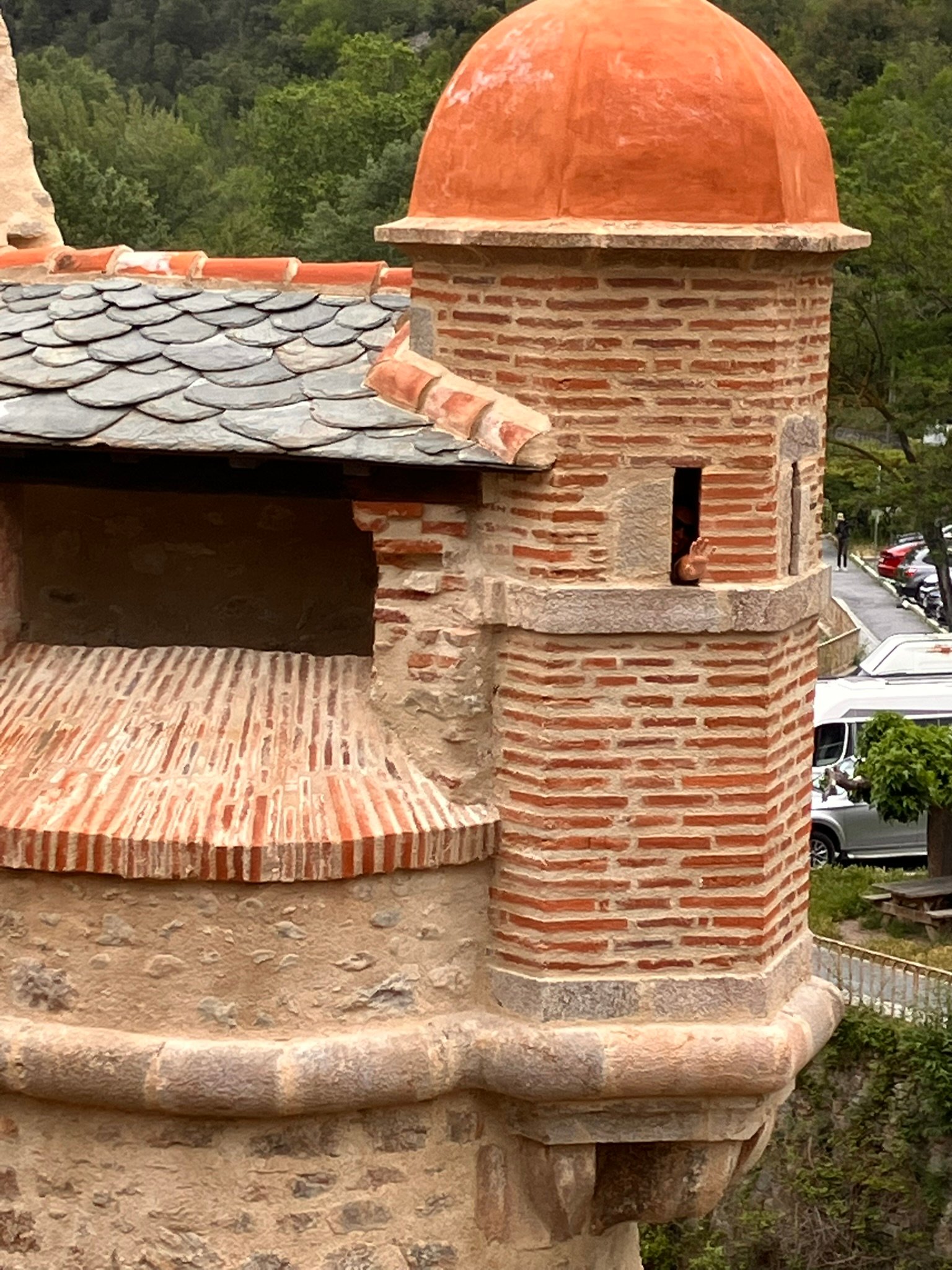
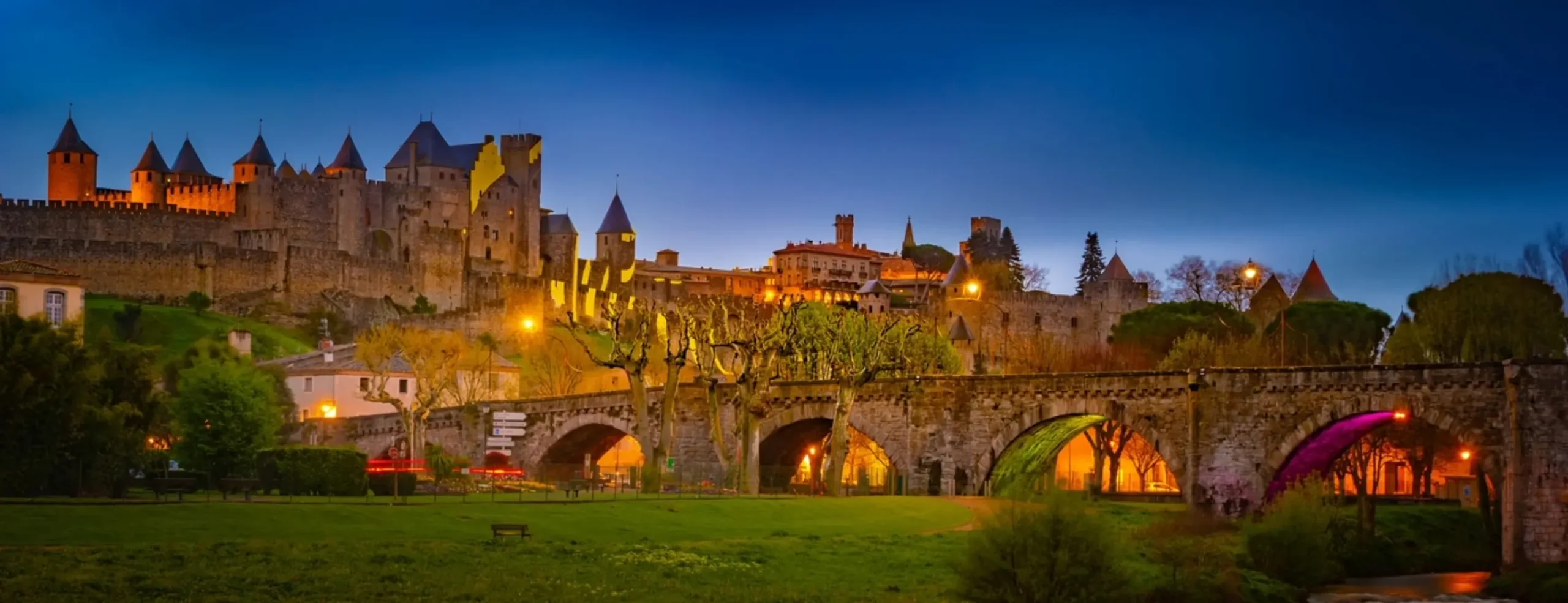
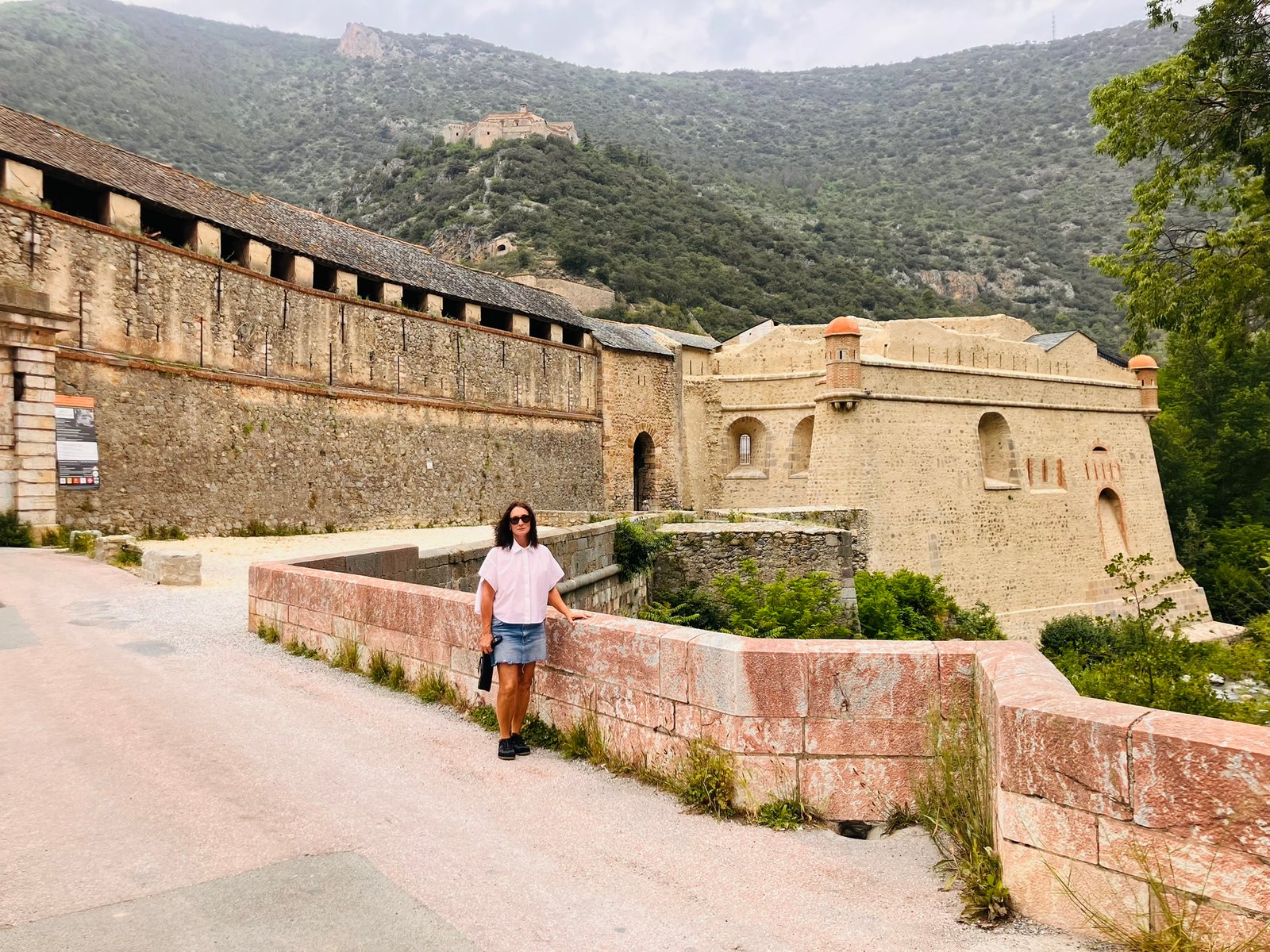
Further south, history became layered into stone. Villefranche-de-Conflent, its ramparts still standing proud. Carcassonne, dramatic and cinematic, reminding you that France doesn’t hide its past—it preserves it boldly.
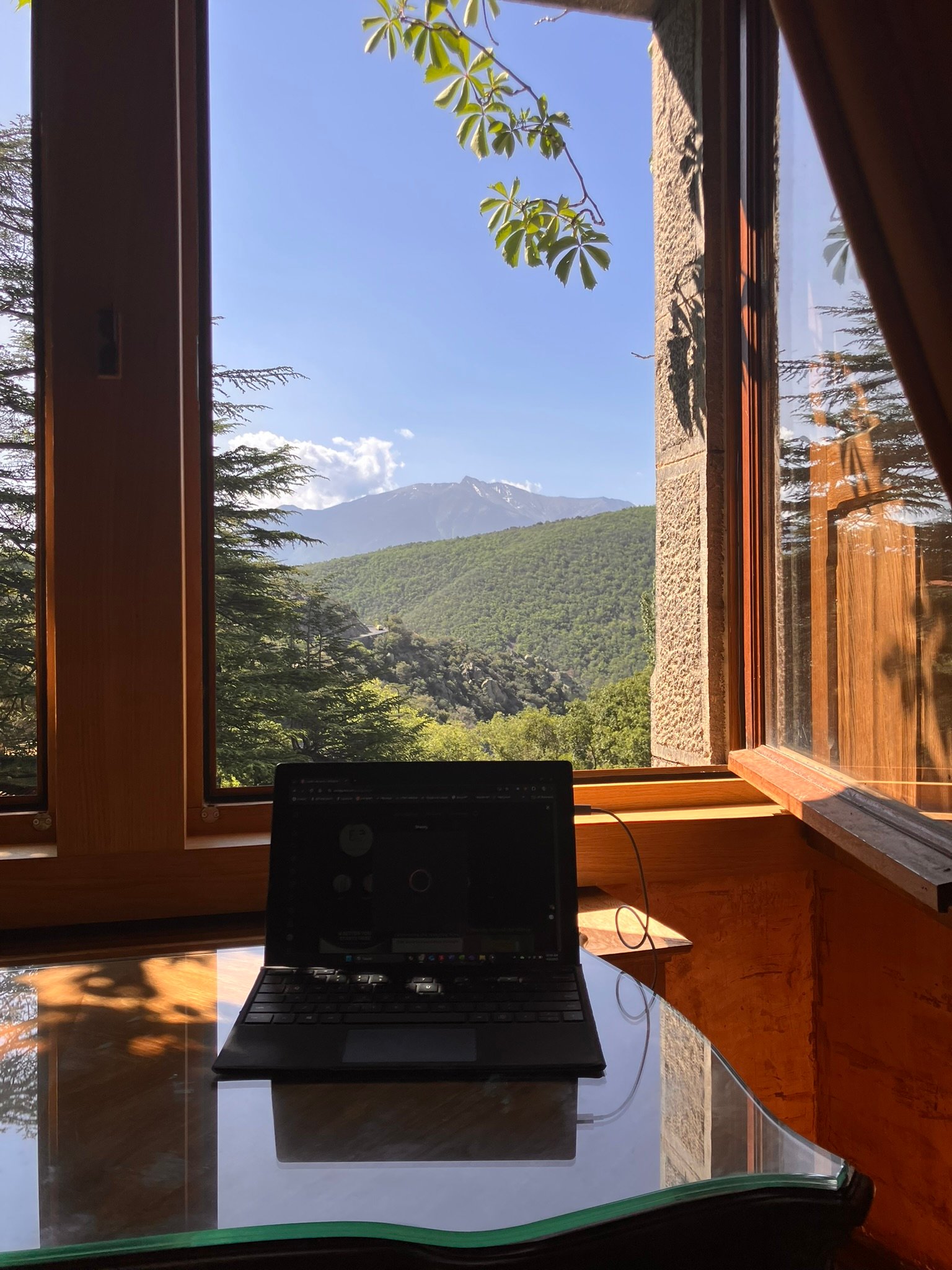
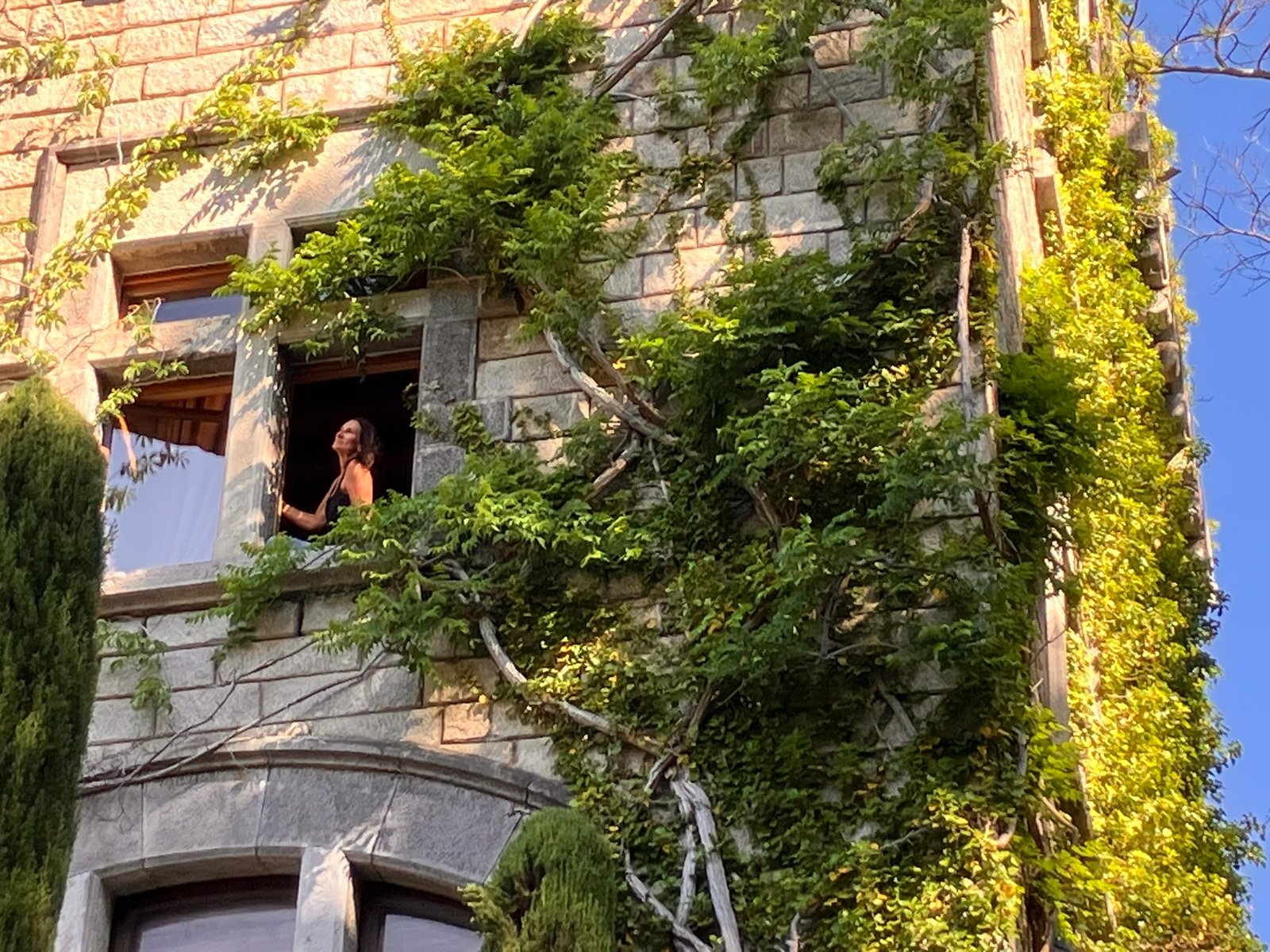
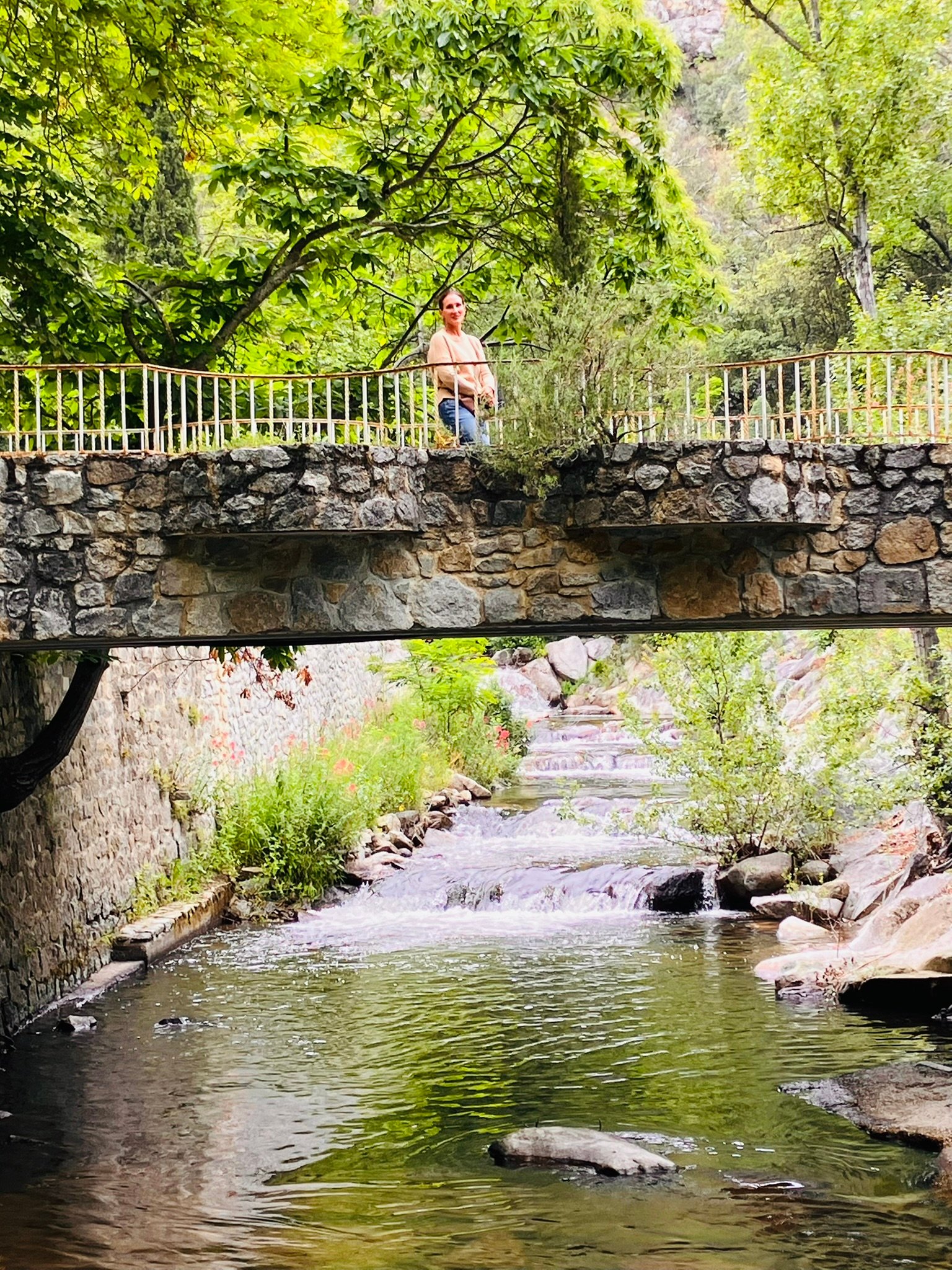
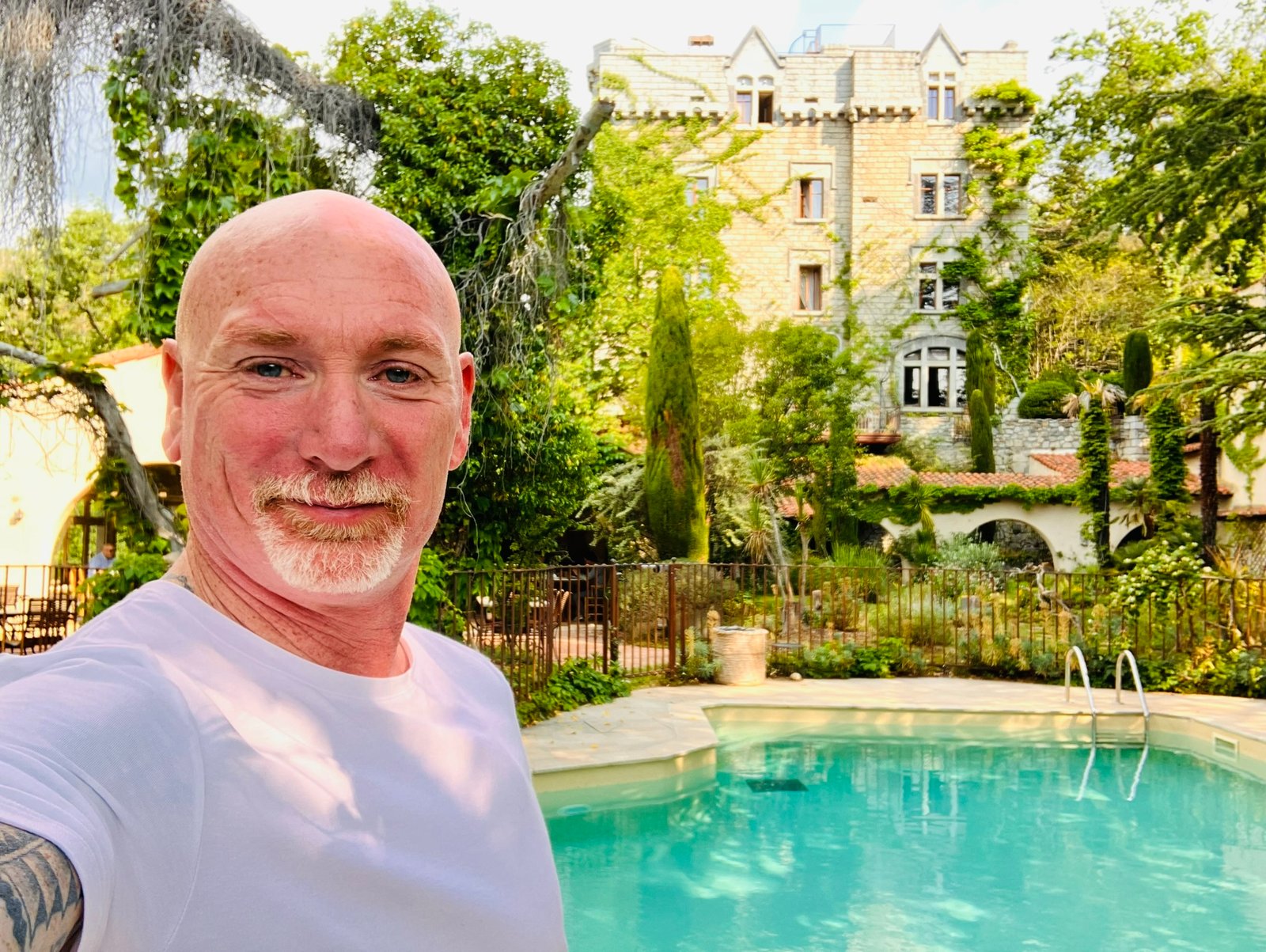
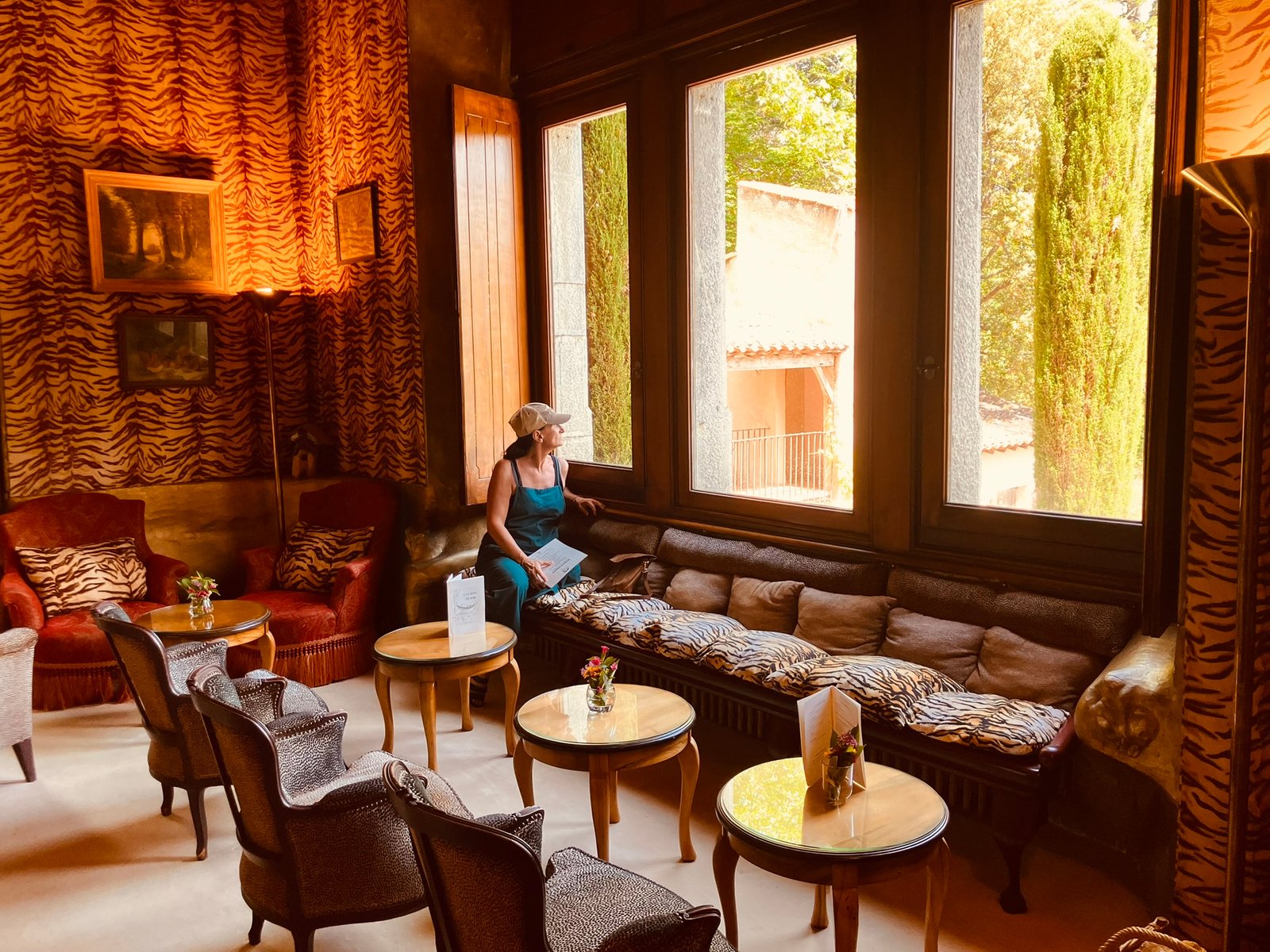
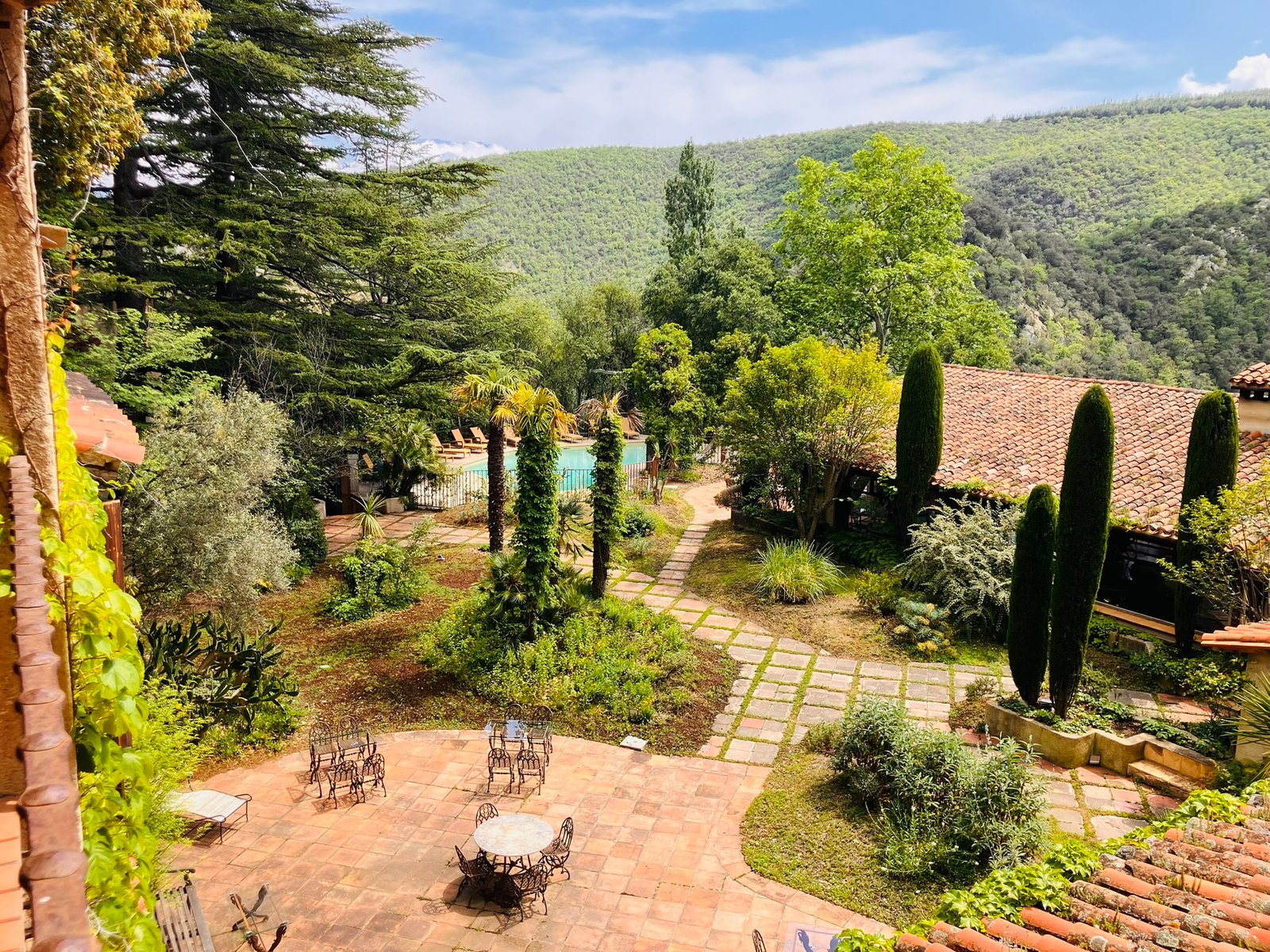
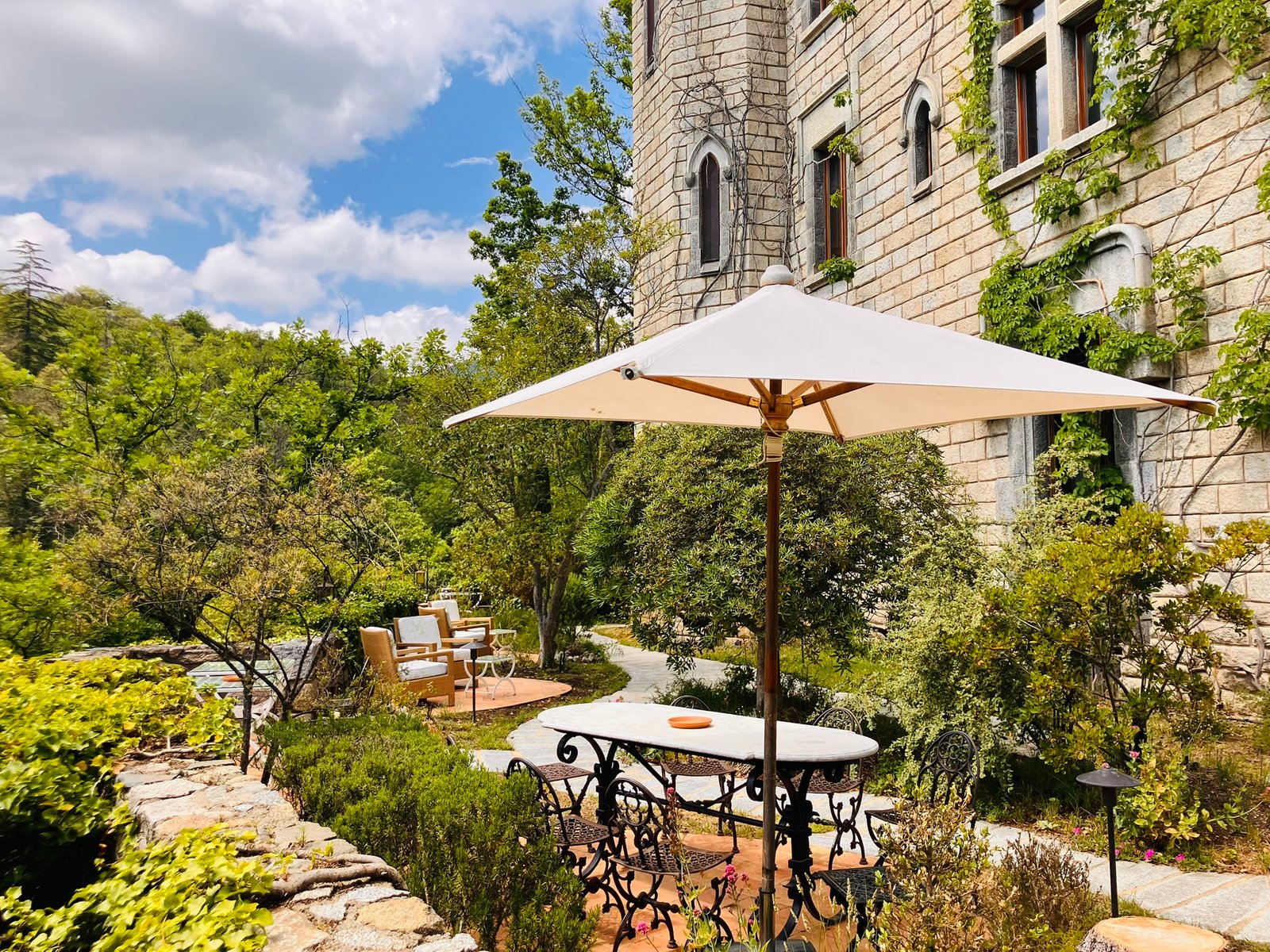
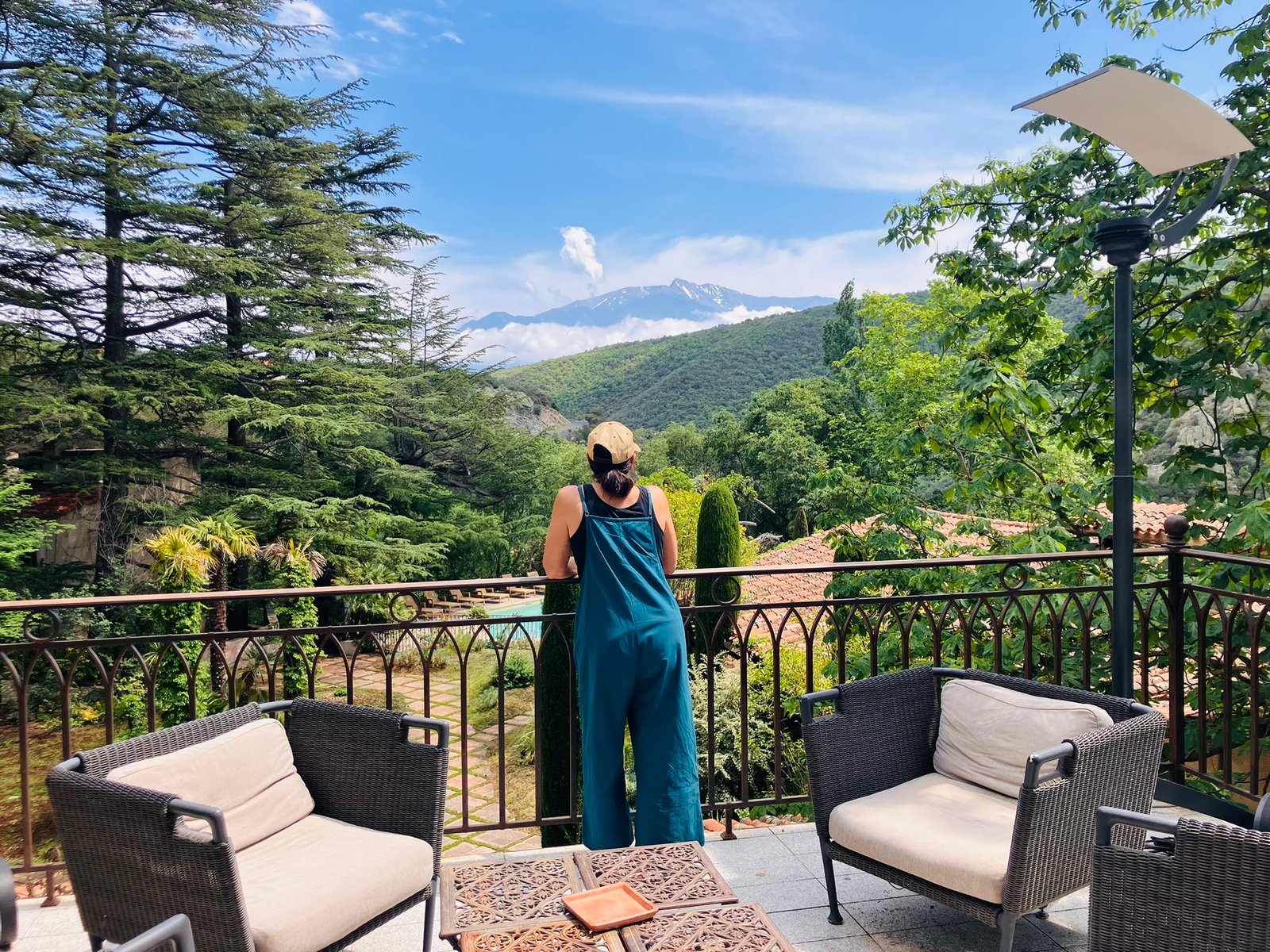
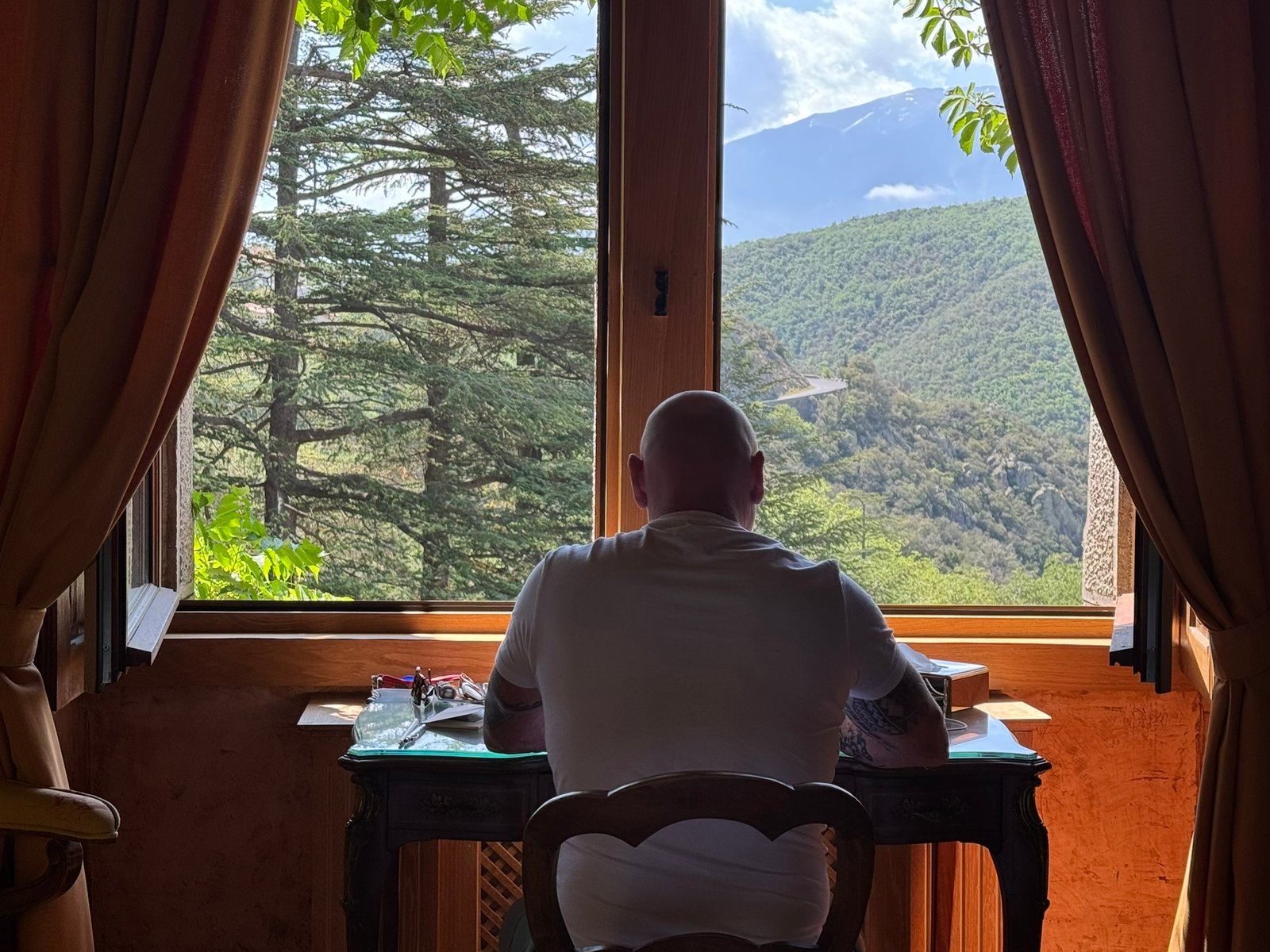
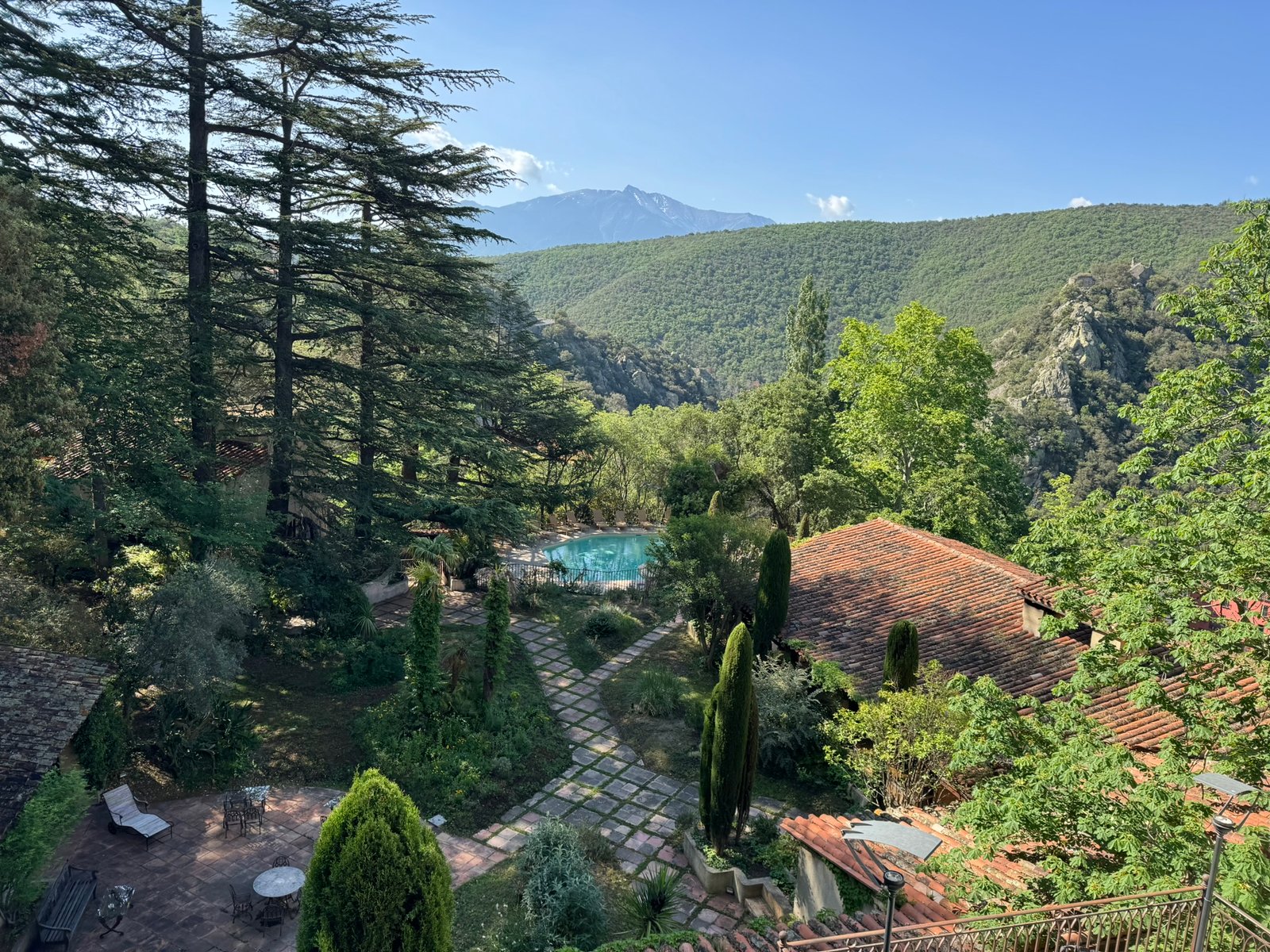
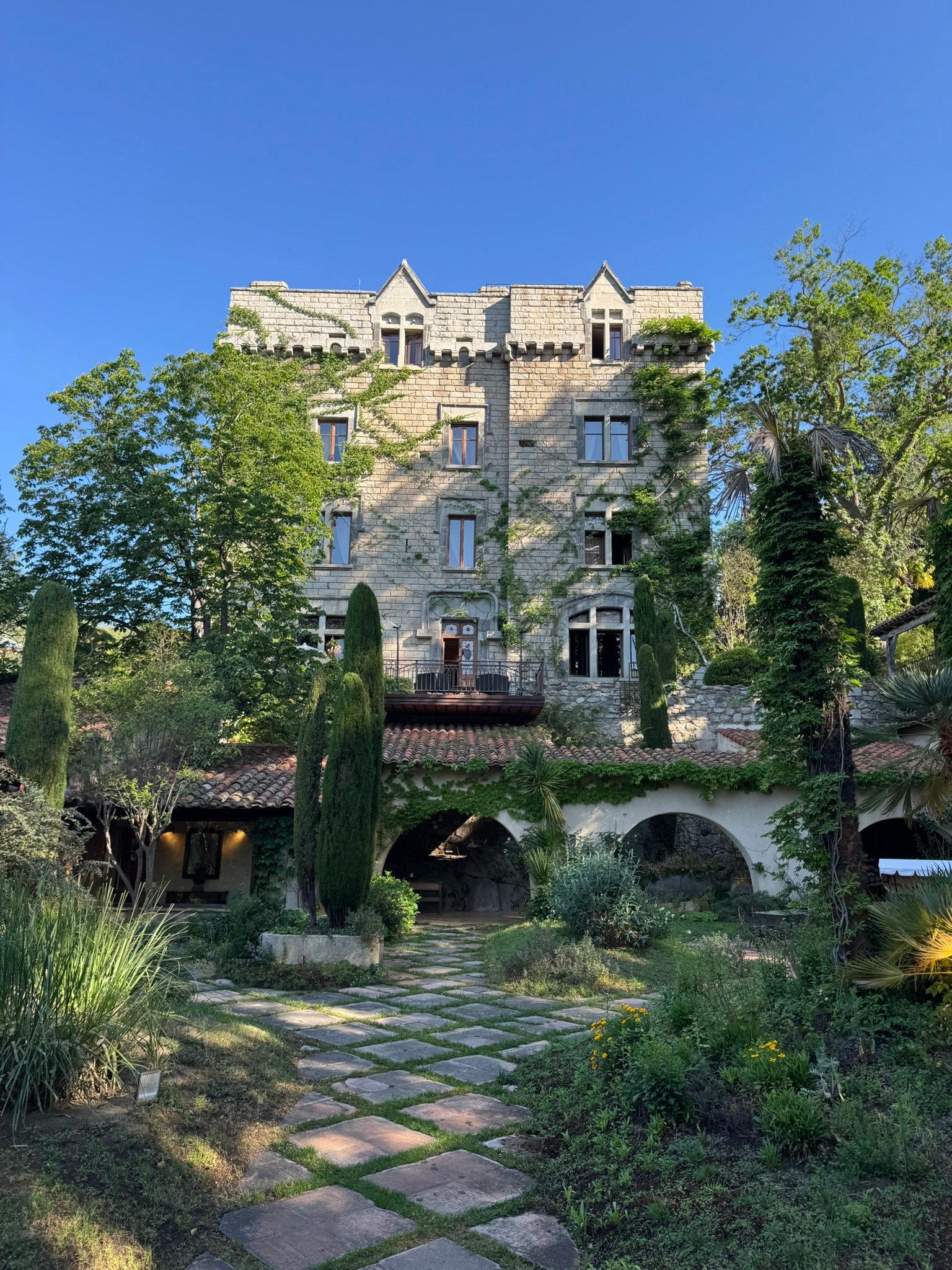
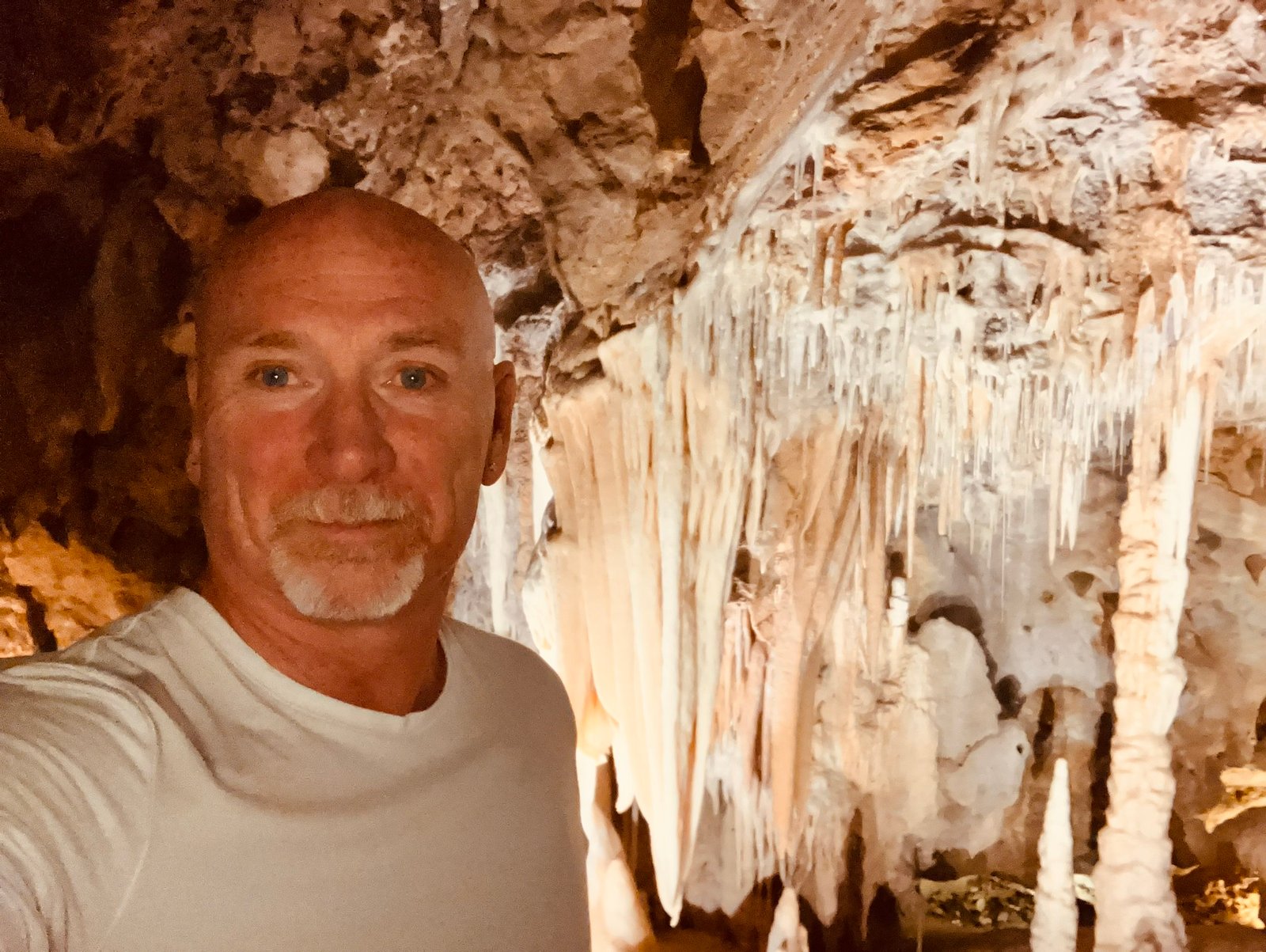
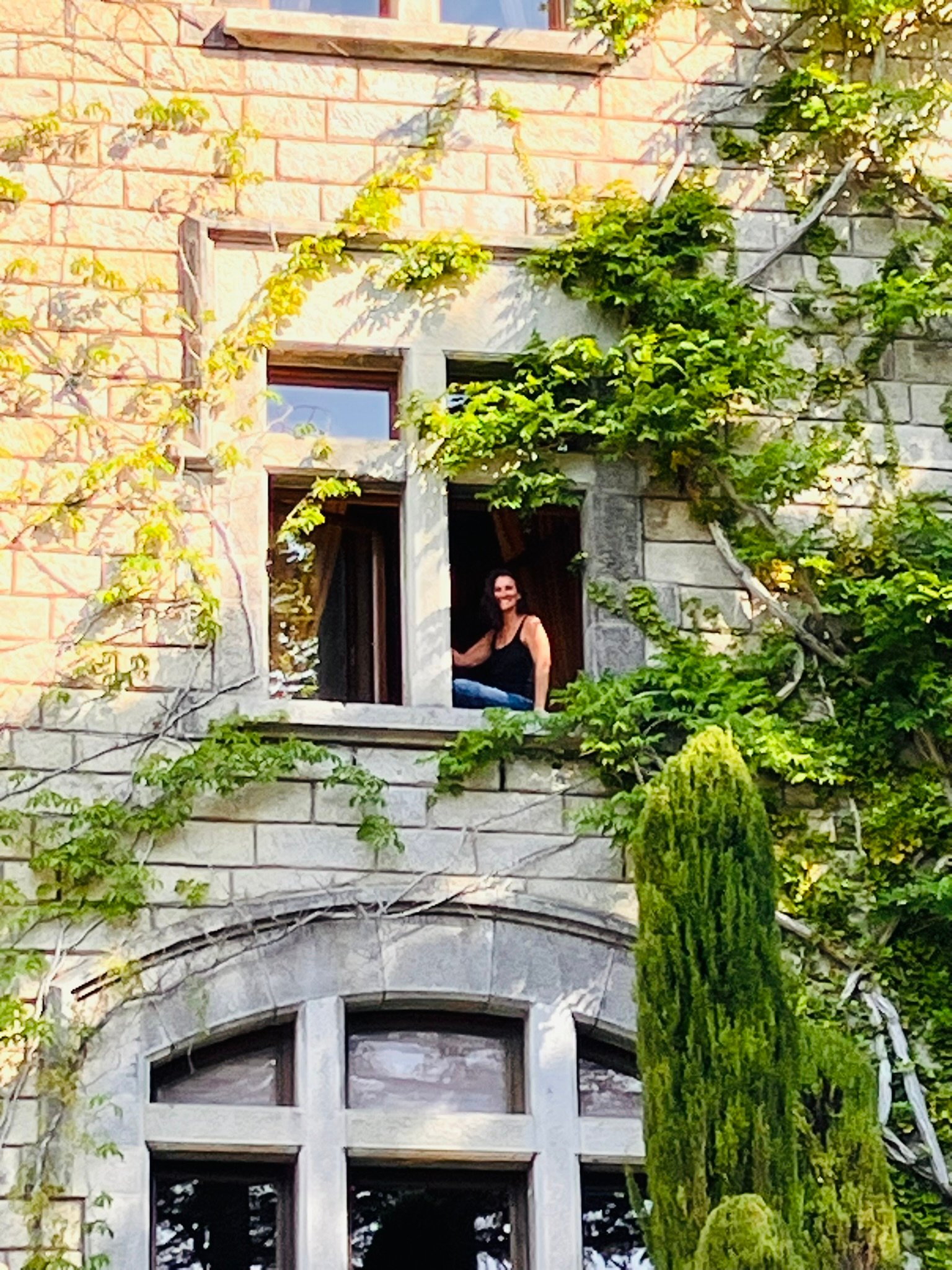
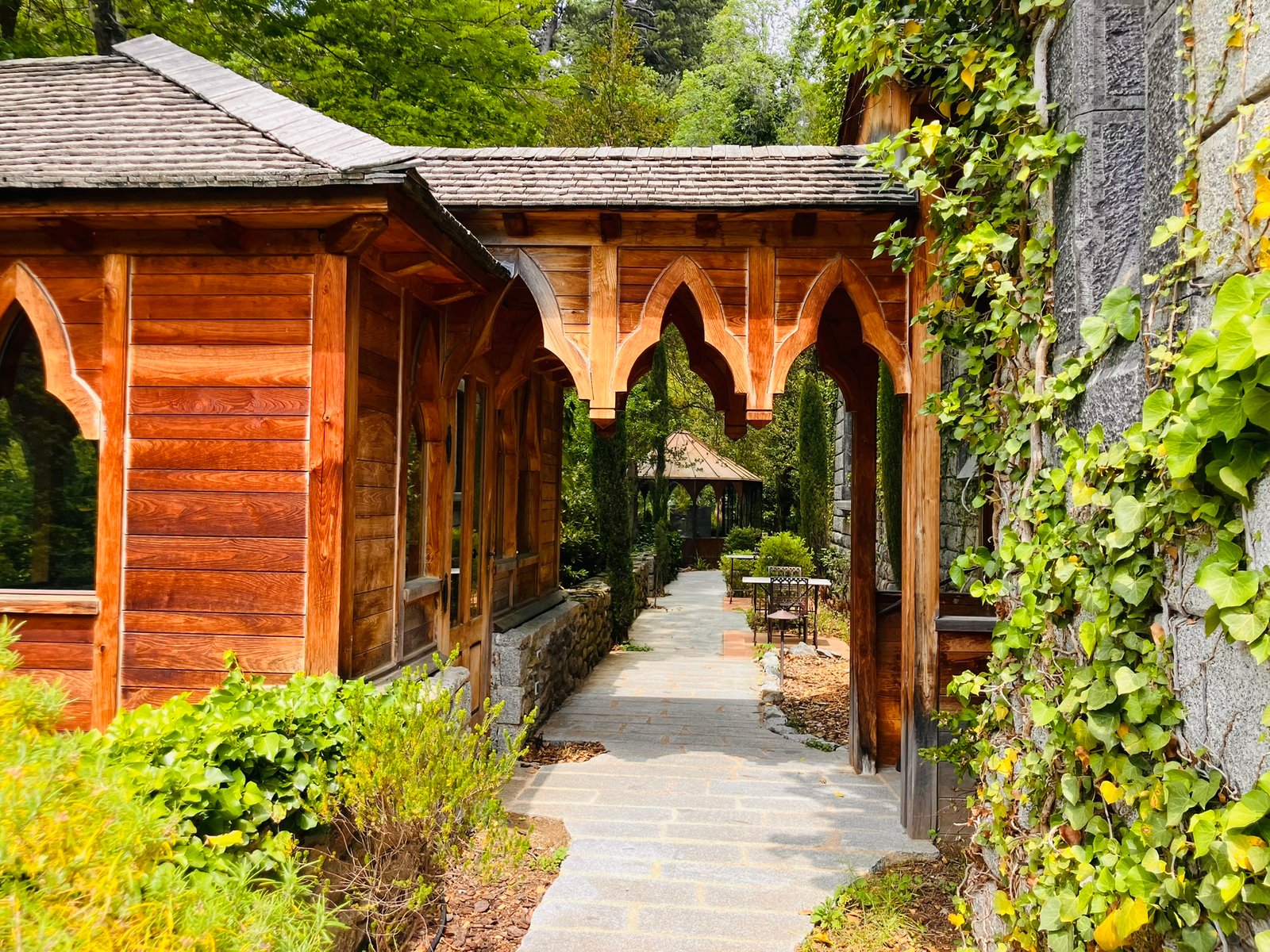
We stayed in a château in Prades, where evenings felt timeless and quiet arrived naturally. Nearby, the Grotte des Grandes Canalettes pulled us underground, a reminder that some of the most impressive places aren’t built at all—they’re revealed.
France didn’t end with a conclusion. It carried on with us into Barcelona, not as a finale, but as a continuation—bringing along everything we’d learned about pace, presence, and leaving space for the road to lead.
What Surprised Me
How effortless France felt from behind the wheel.
Driving connected everything—cities, villages, vineyards, mountains—into one continuous story.
How different each region felt without ever feeling disconnected.
Paris, Burgundy, the Alps, Provence—distinct rhythms, same soul.
How food stopped being a highlight and became a baseline.
Great bread wasn’t special. Good wine wasn’t celebrated. It was simply expected.
How weather can shape memory.
Not a single day of rain. Every drive felt cinematic. Every stop felt intentional.
And how France doesn’t ask you to rush.
It asks you to stay present.
Do’s & Don’ts
A few things I’d do again — and a few I wouldn’t.
- Rent the convertible. Not for speed — for air, light, and the feeling of arrival.
- Plan by regions, not cities. France reveals itself between destinations.
- Leave space between stops. Wandering is part of the itinerary.
- Picnic whenever the moment presents itself — especially in Paris.
- Stay somewhere historic at least once. Some places speak after dark.
- Overbook dinners. Some of the best meals happen accidentally.
- Rush Provence. It asks for stillness, not efficiency.
- Assume small towns equal small experiences. Some of the biggest moments happened quietly.
- Drive tired. Pull over. Sit longer. Let the road catch up to you.
- Treat this like a checklist. France doesn’t reward completion — it rewards attention.
Regrets & Lessons
Looking back, the biggest lesson France offered wasn’t about where we went, but how long we stayed. Some places asked us to slow down, to linger, to let the days blur together—and we didn’t always listen. Burgundy, especially, revealed itself just as we were leaving. The vineyards, the quiet dinners, the sense that time moved differently there… we left feeling like we’d only just arrived. Provence was the same. It didn’t need to be “done.” It needed space. More mornings with nowhere to be. More afternoons where the plan was simply light, air, and stillness.
Other stops, while beautiful, made it clear more quickly when it was time to move on. That was part of the learning too—understanding that not every place needs equal time, and that it’s okay to leave early when a place has given you what it has to give.
We also learned the value of flexibility. Not everything is open when you expect it to be, and France doesn’t rush to accommodate urgency. That friction wasn’t a flaw—it was an invitation to let go of control. To wander instead of check a list. To accept that missing something often leads to finding something better.
And language matters. Even a little more French would have deepened the experience. Locals noticed when we tried, and when we didn’t, something small but meaningful stayed just out of reach. Effort is currency here, and it’s always rewarded.
France taught us to travel with feel instead of precision—to arrive open, stay curious, and leave when it feels right, not when the calendar says so.
Final Thoughts
France doesn’t ask to be conquered or completed. It asks to be listened to.
The moments that stayed weren’t always the ones we planned for. They were the afternoons that ran long, the drives that took the scenic way by accident, the places we thought we’d pass through but wished we’d stayed longer—and the ones we loved but knew it was time to leave.
France rewards flexibility. It teaches you when to linger and when to move on. It reminds you that travel isn’t about covering distance—it’s about paying attention.
If there’s one lesson France leaves you with, it’s this:
Slow down. Let the road decide sometimes. Trust that what you don’t plan often becomes what you remember most.