Finland (& Copenhagen)
Silence, Light, and the Space Between
First Impressions
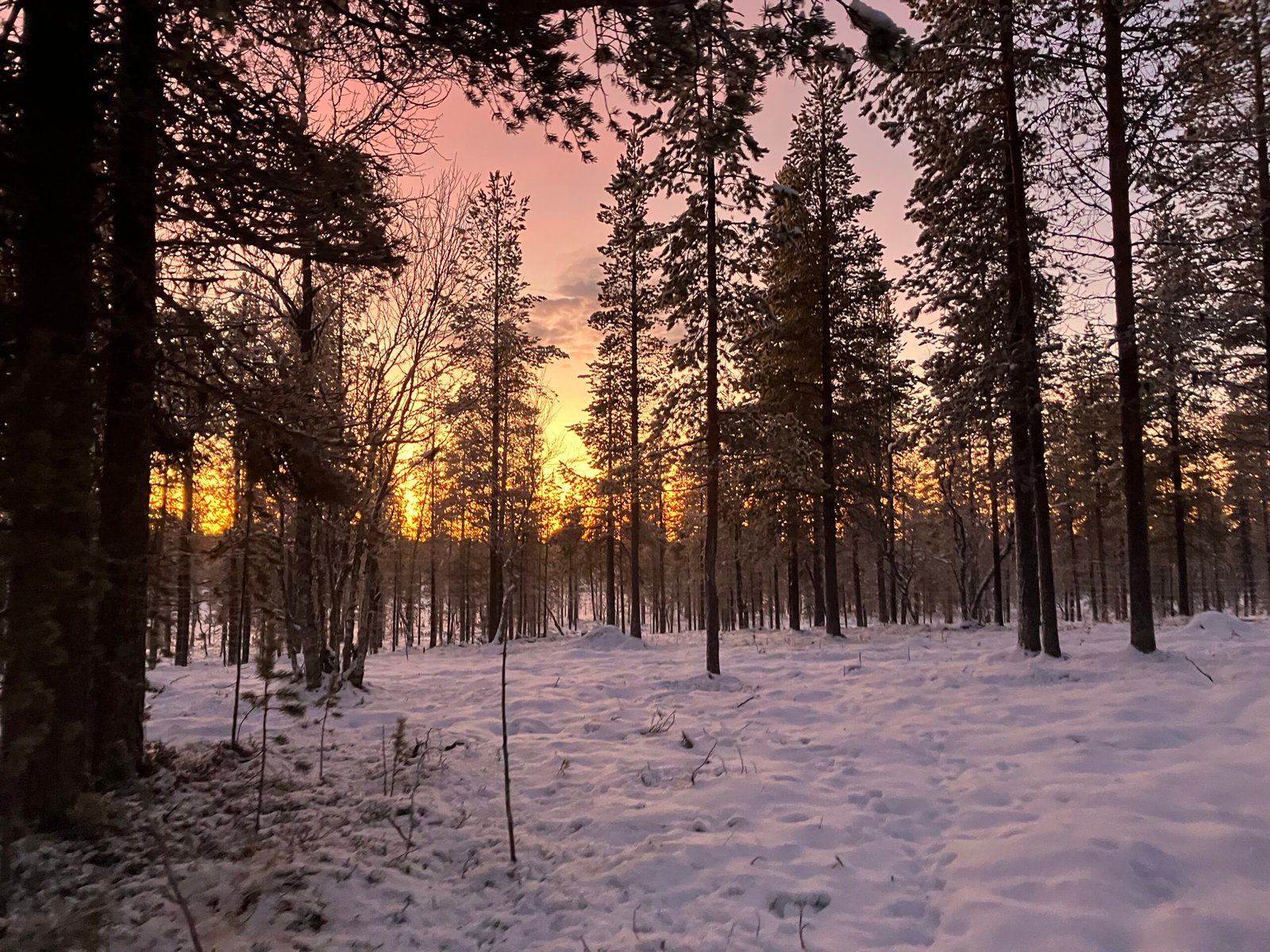
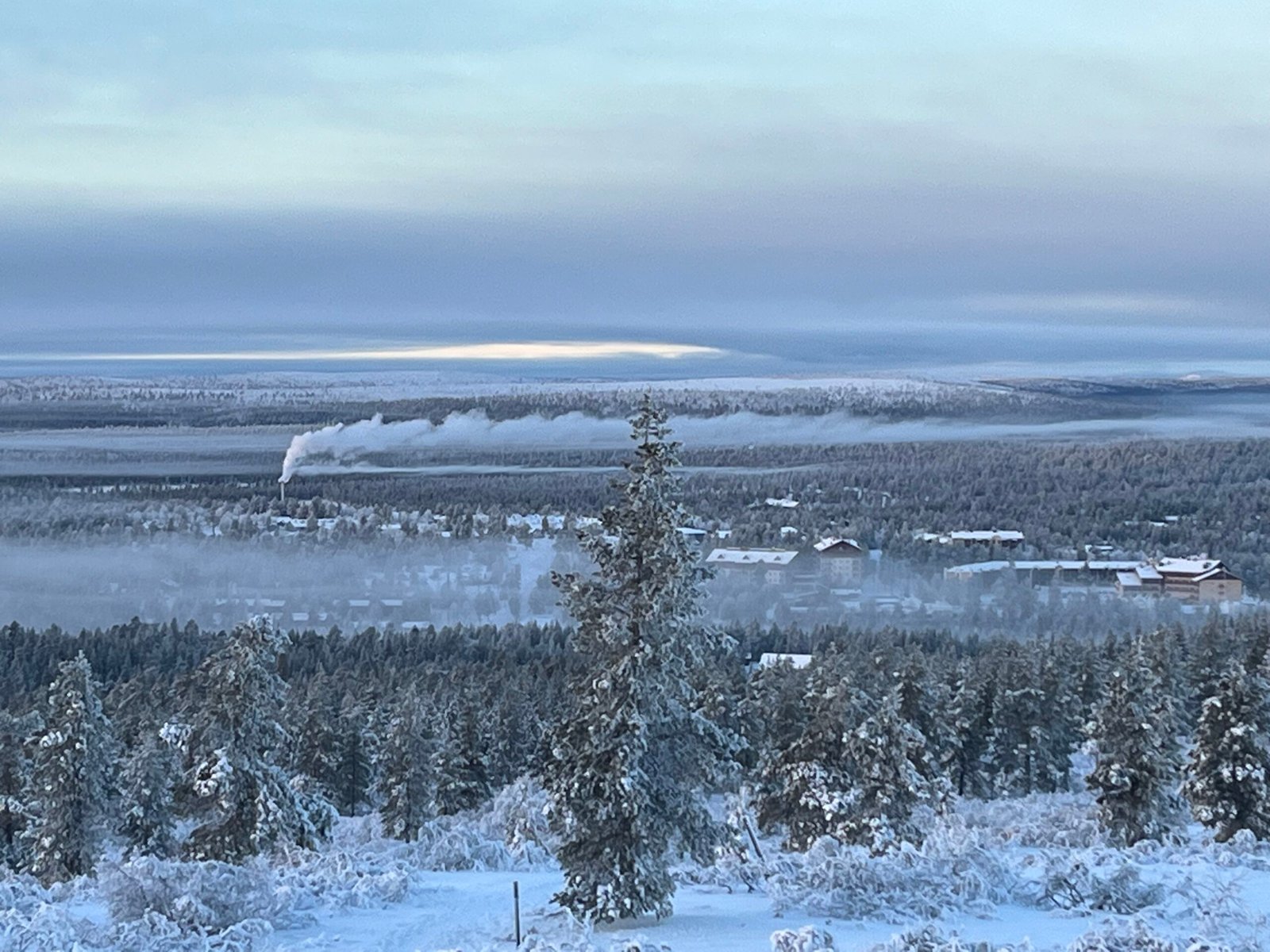
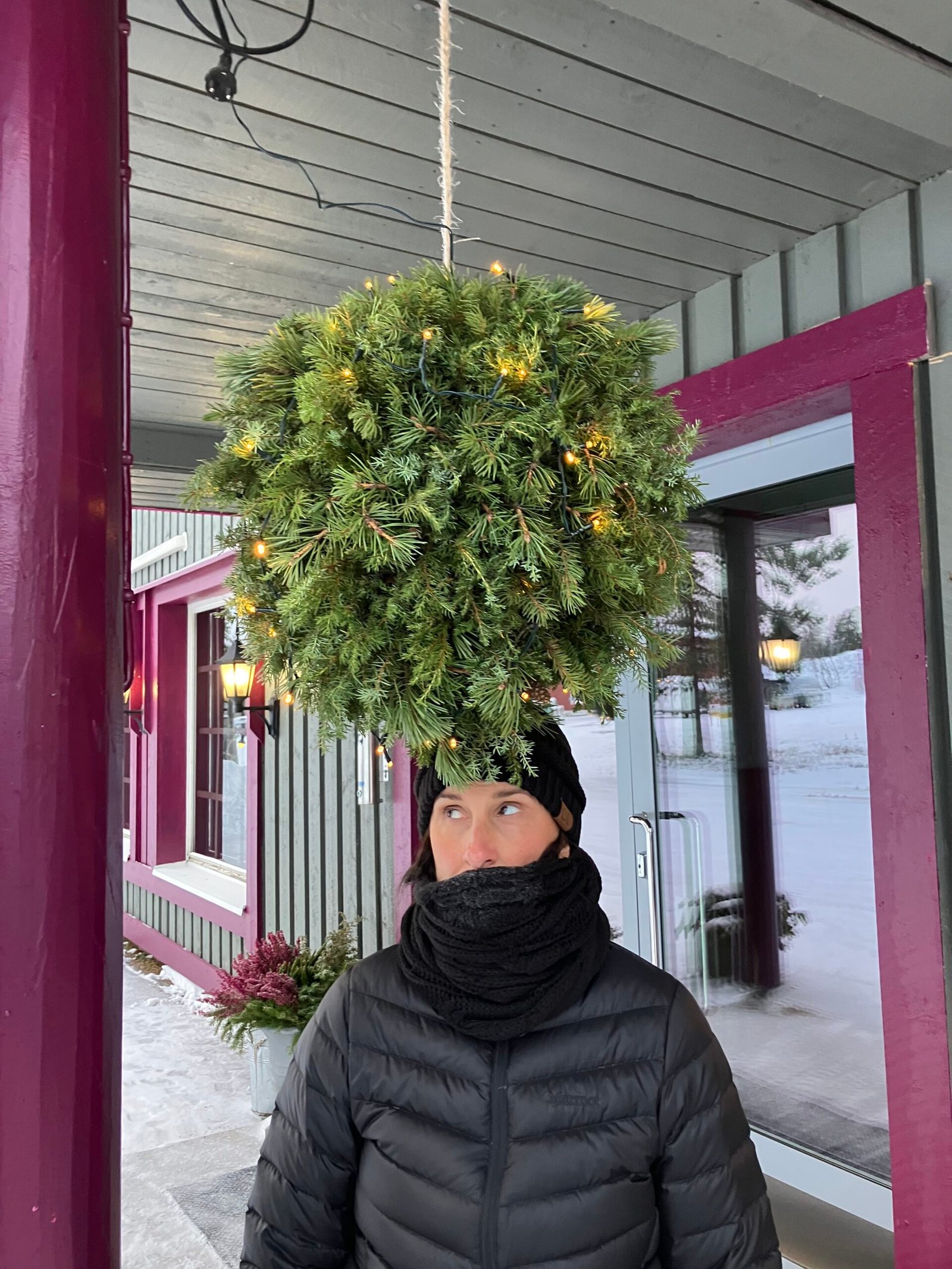
Finland in November doesn’t ease you in. It meets you fully—or not at all. Darkness arrives early. Snow absorbs sound. The cold is honest. And almost immediately, something shifts. The background noise fades. The pace recalibrates. You stop measuring the day by hours and start listening instead.
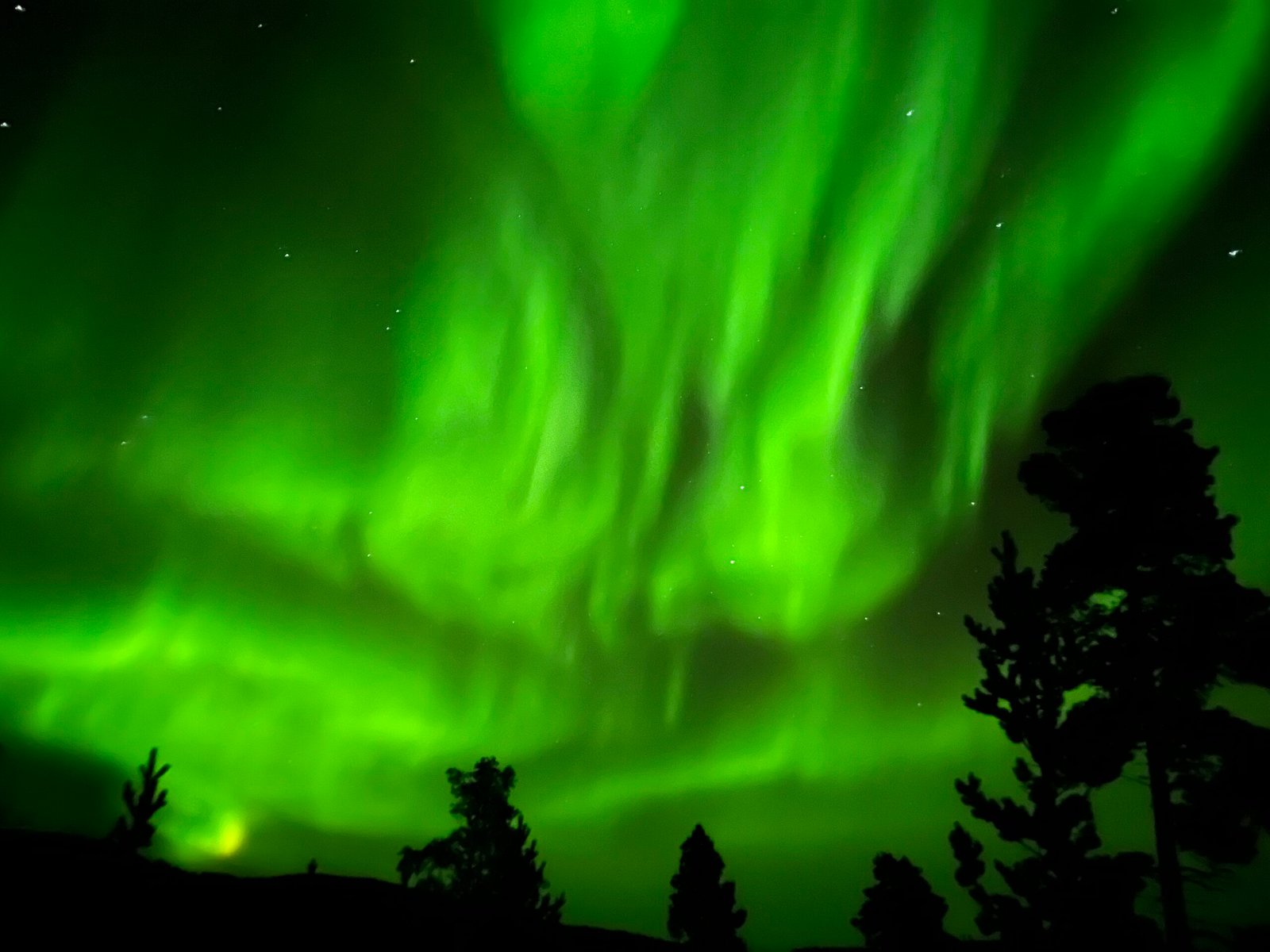
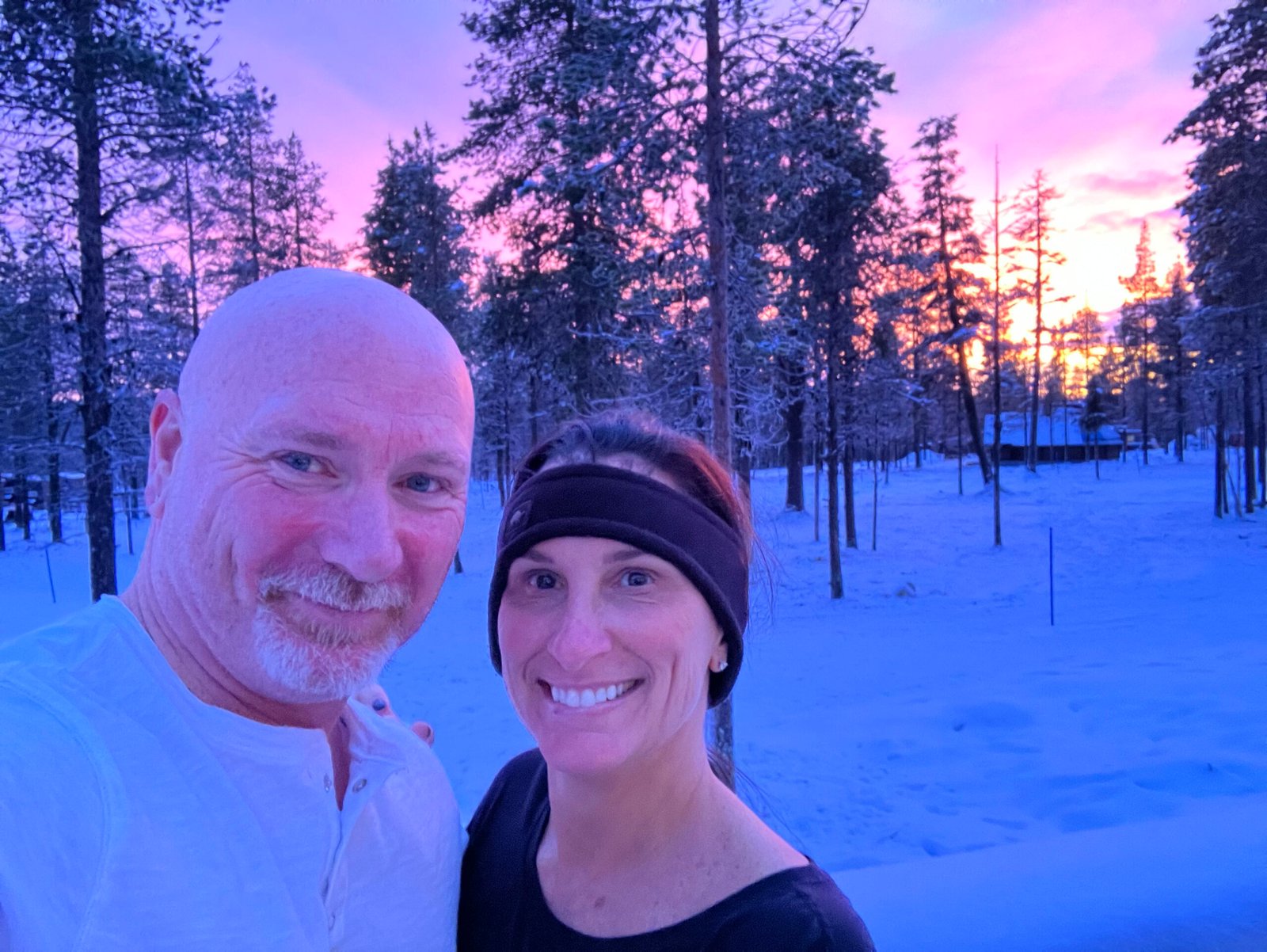
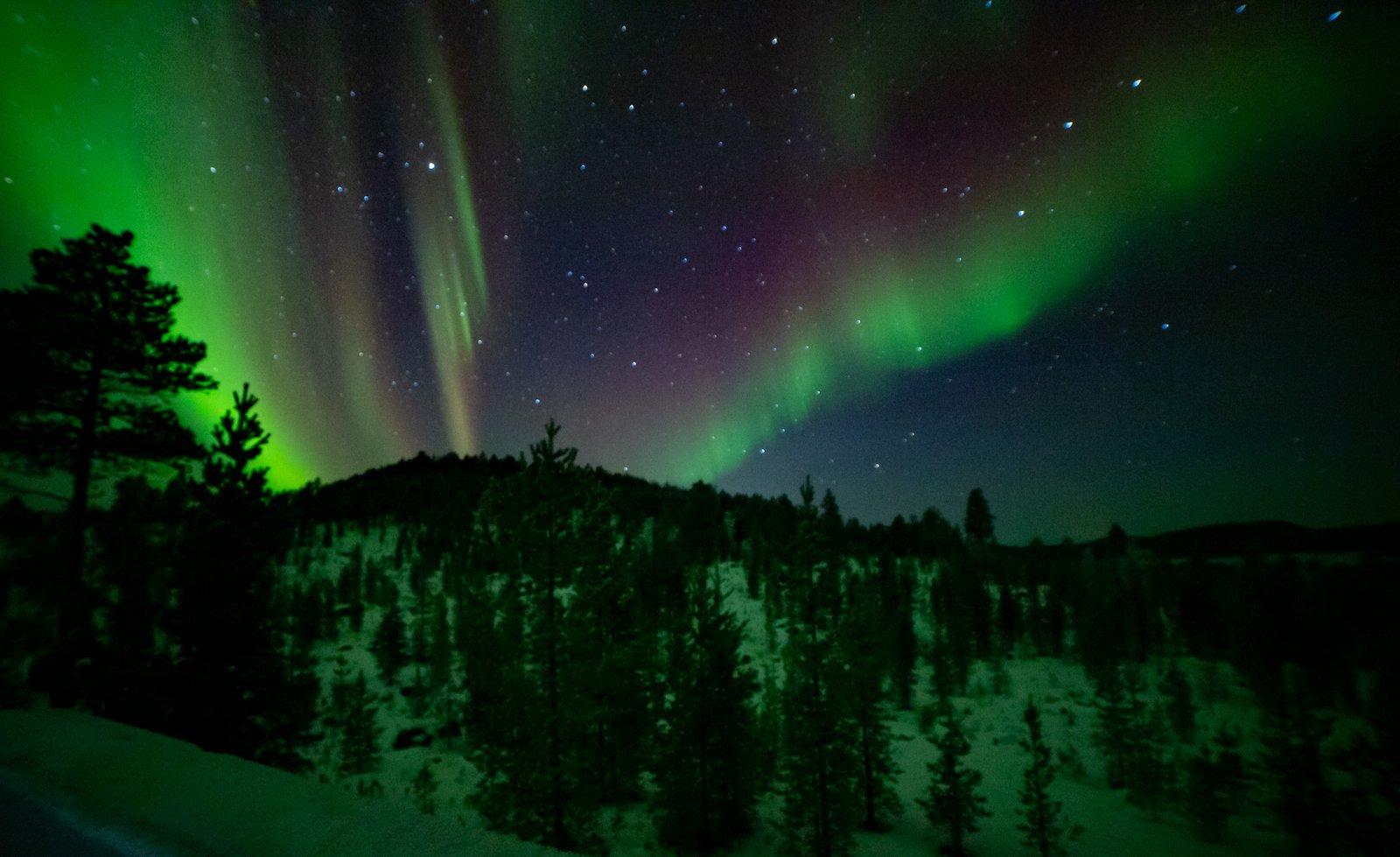
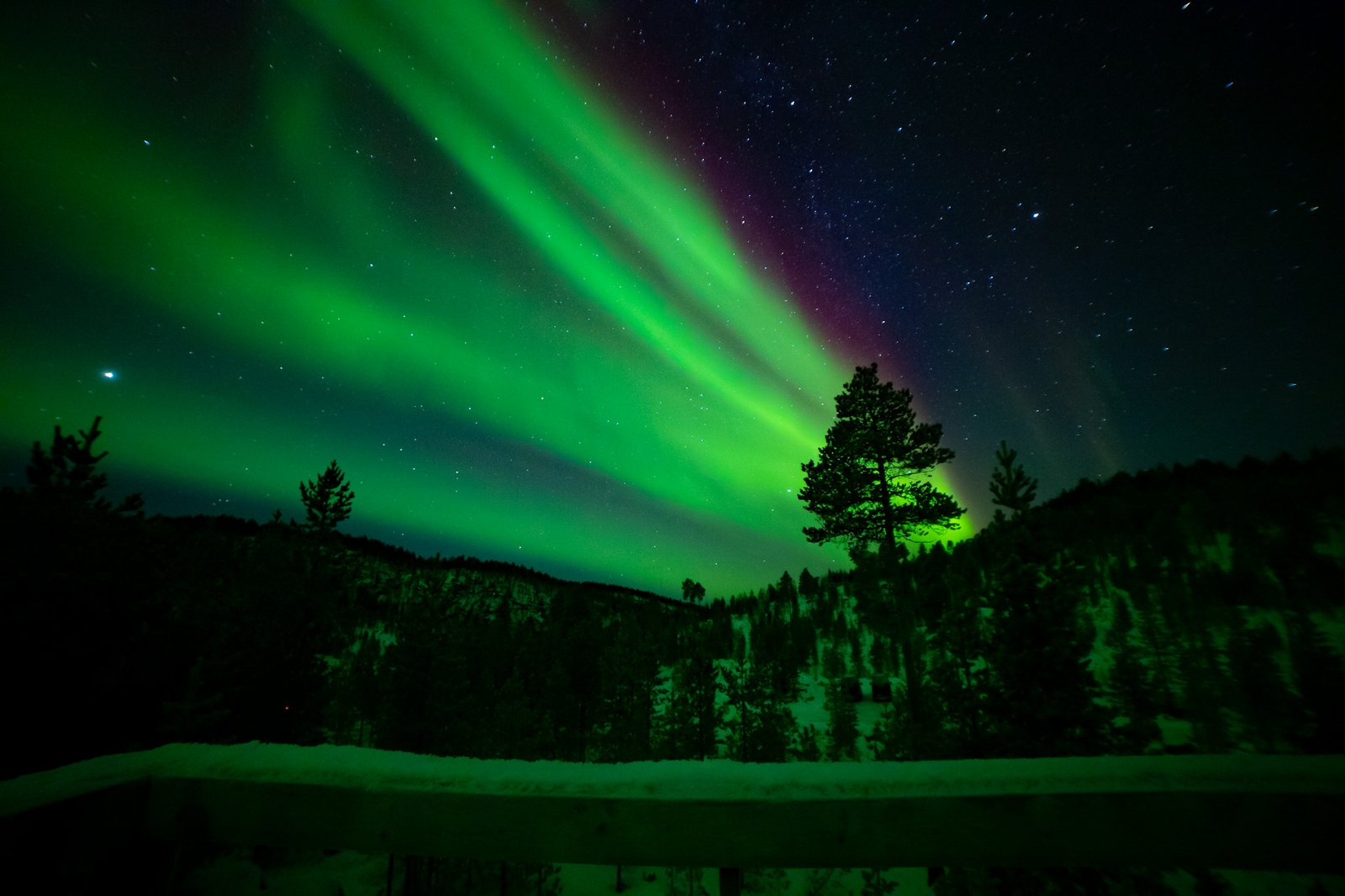
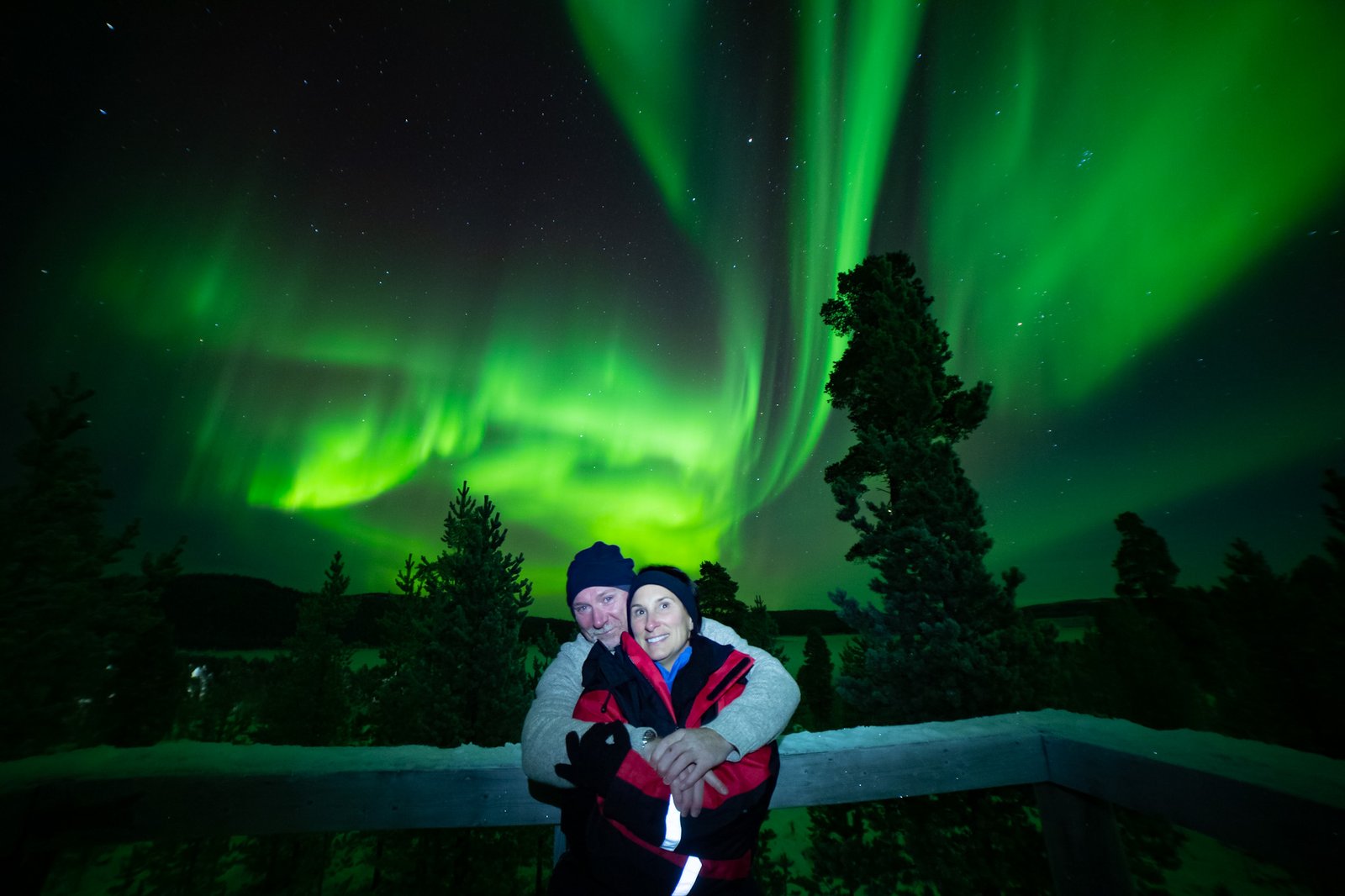
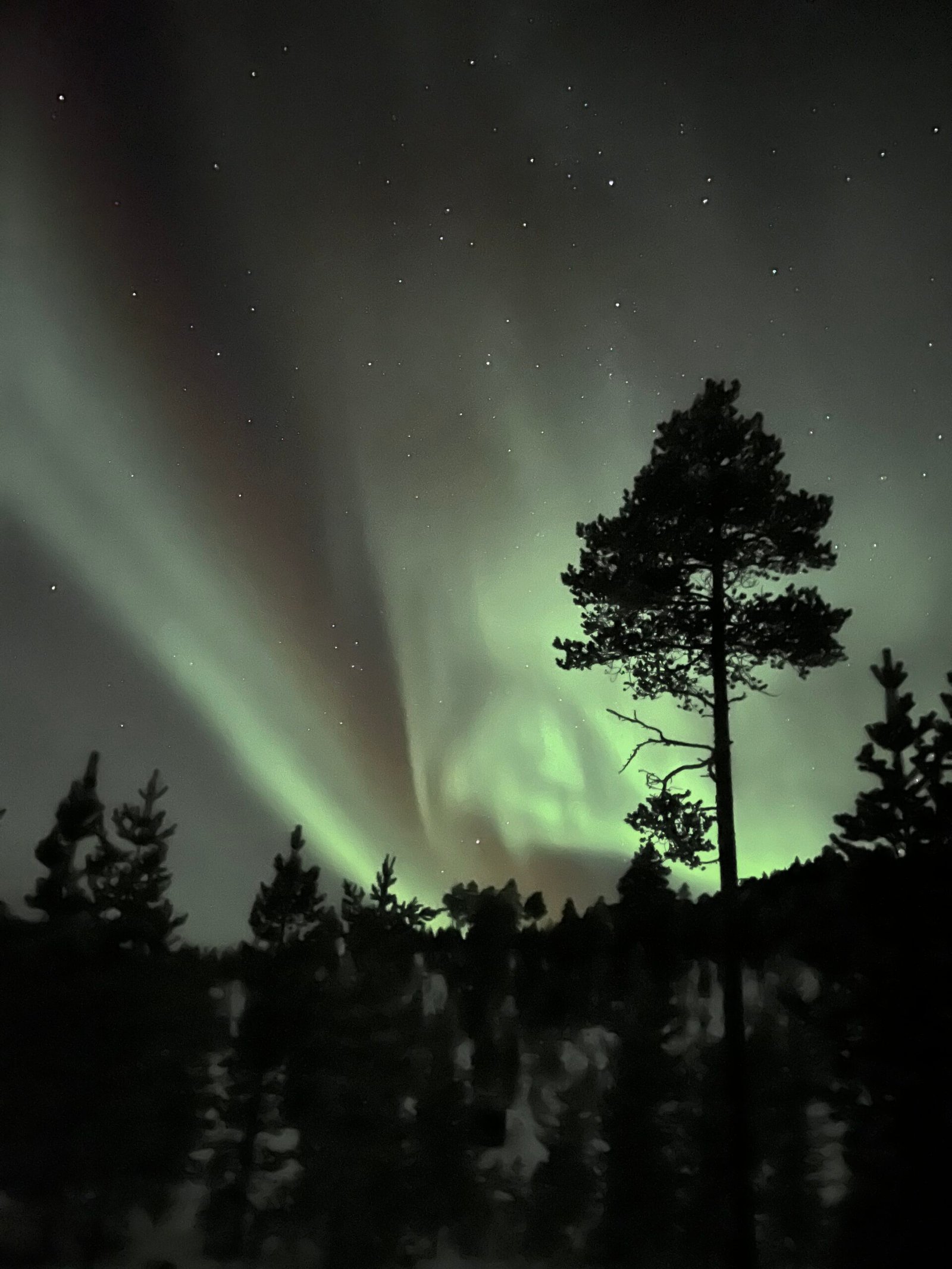
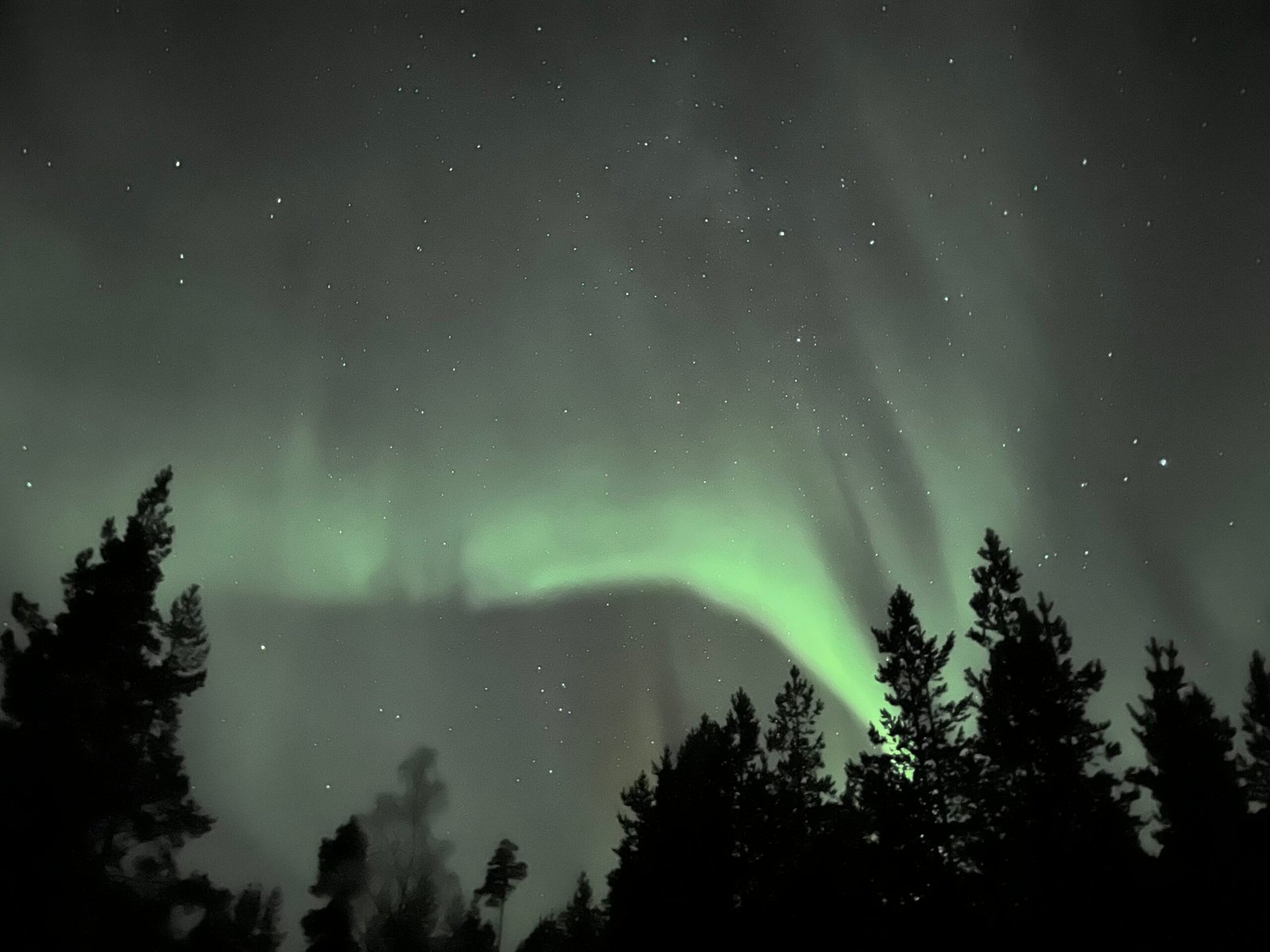
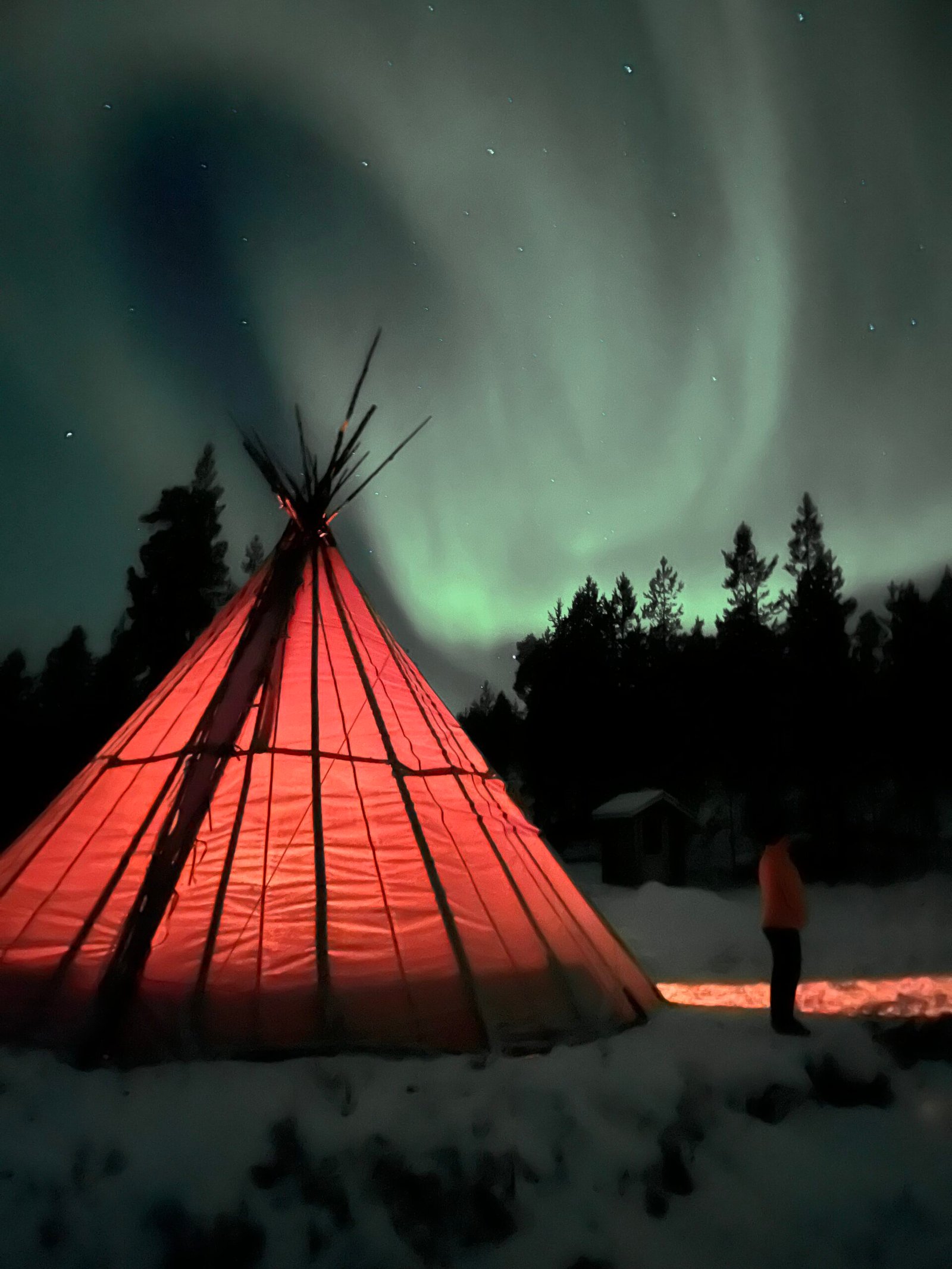
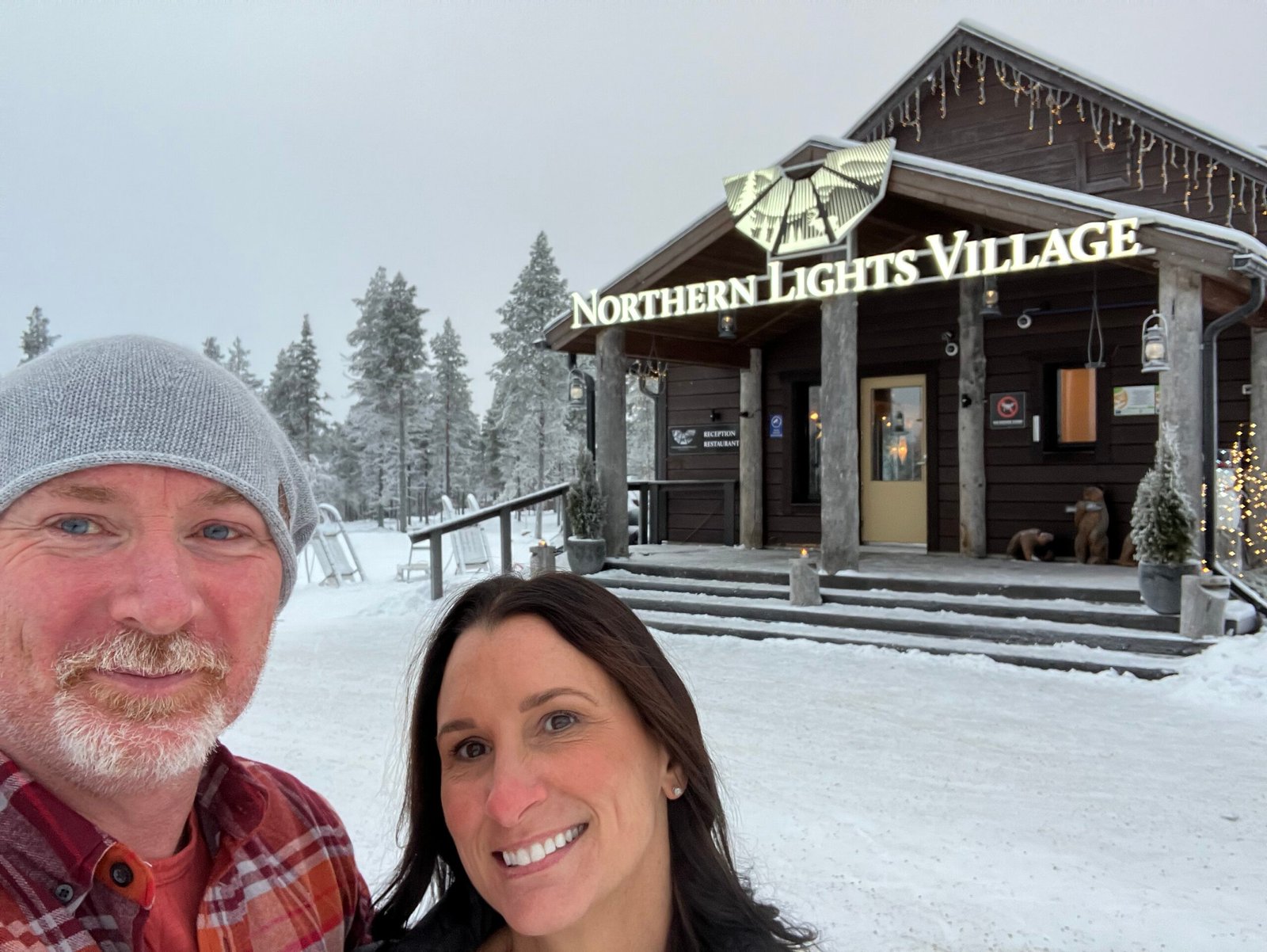
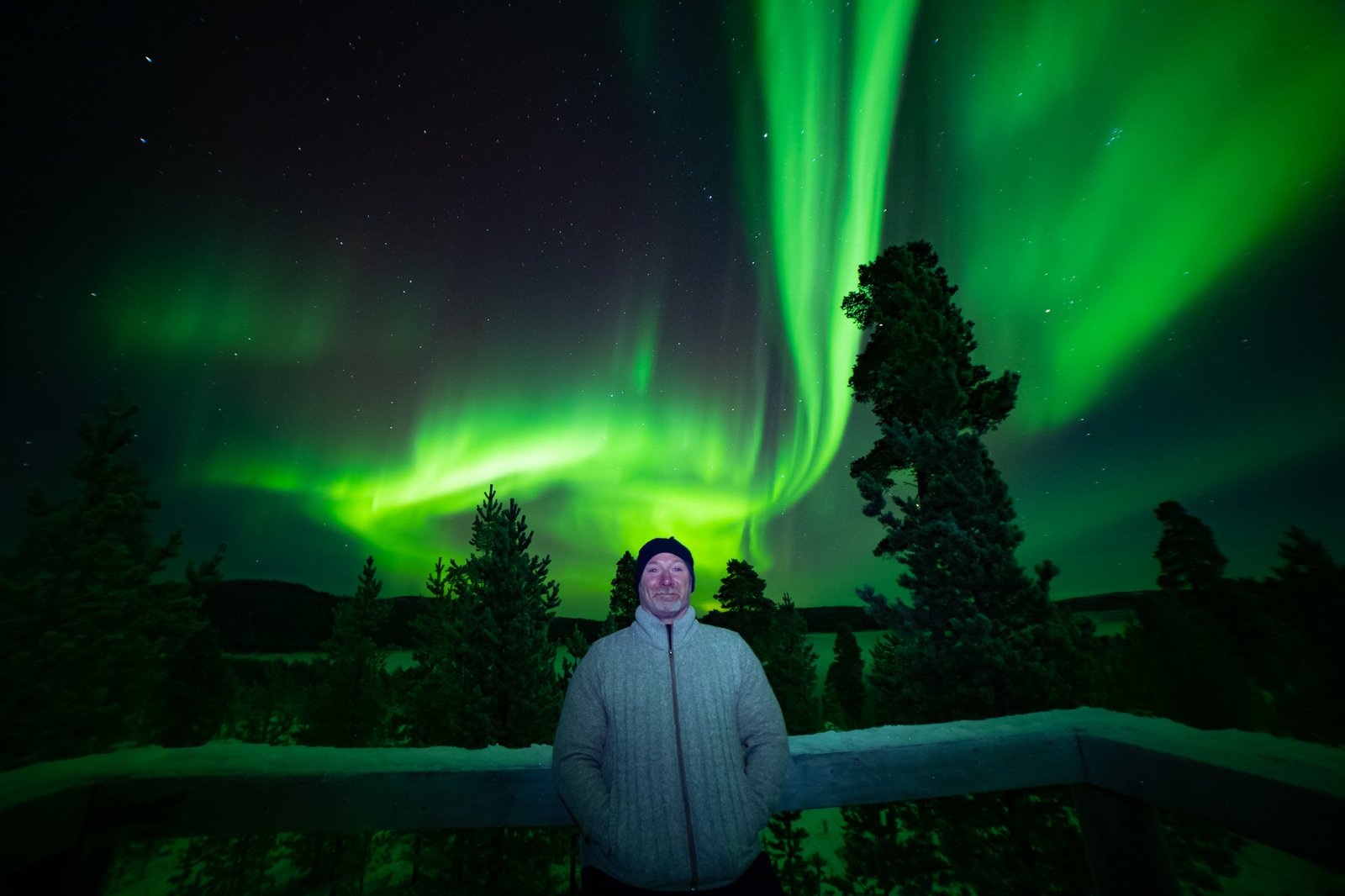
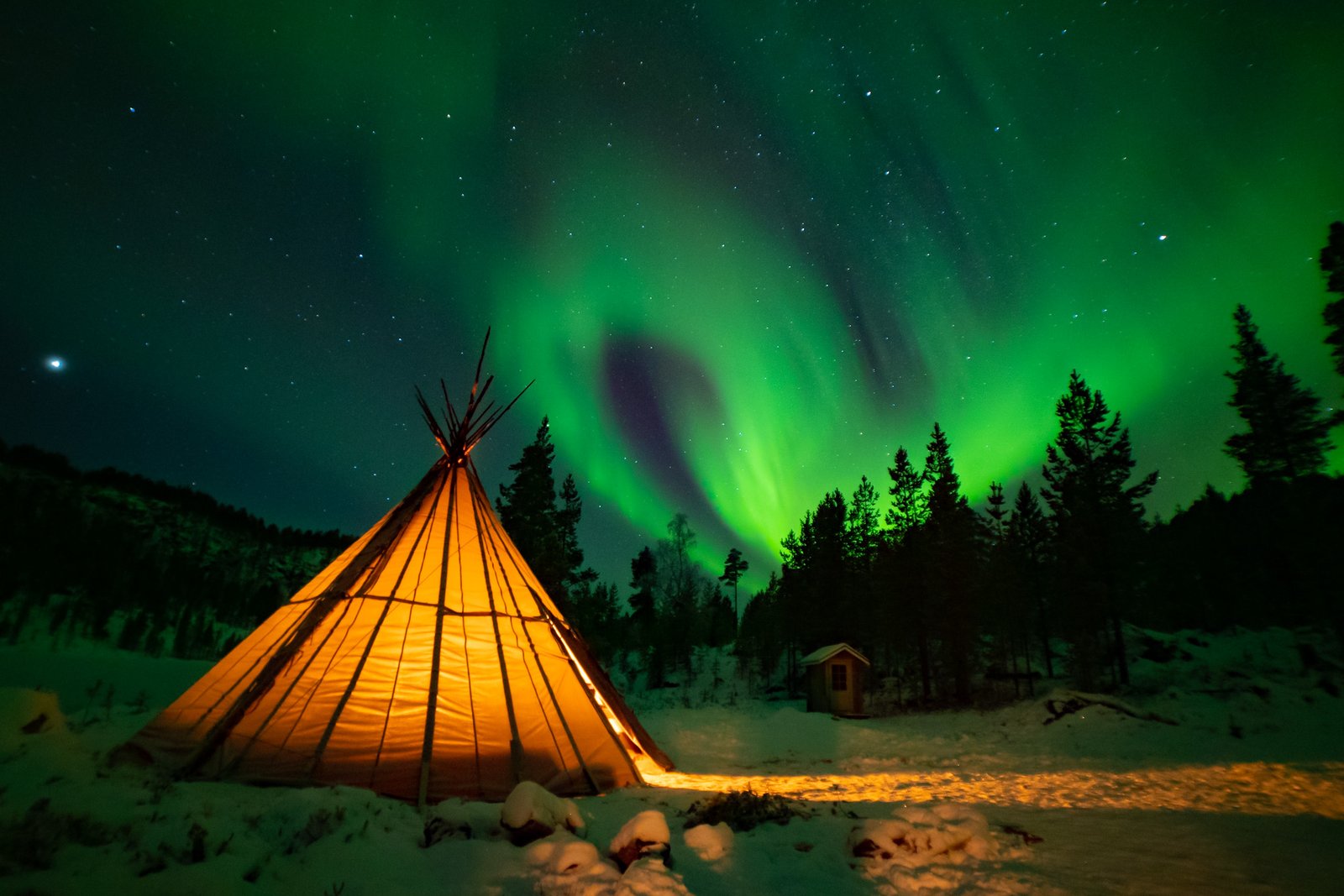
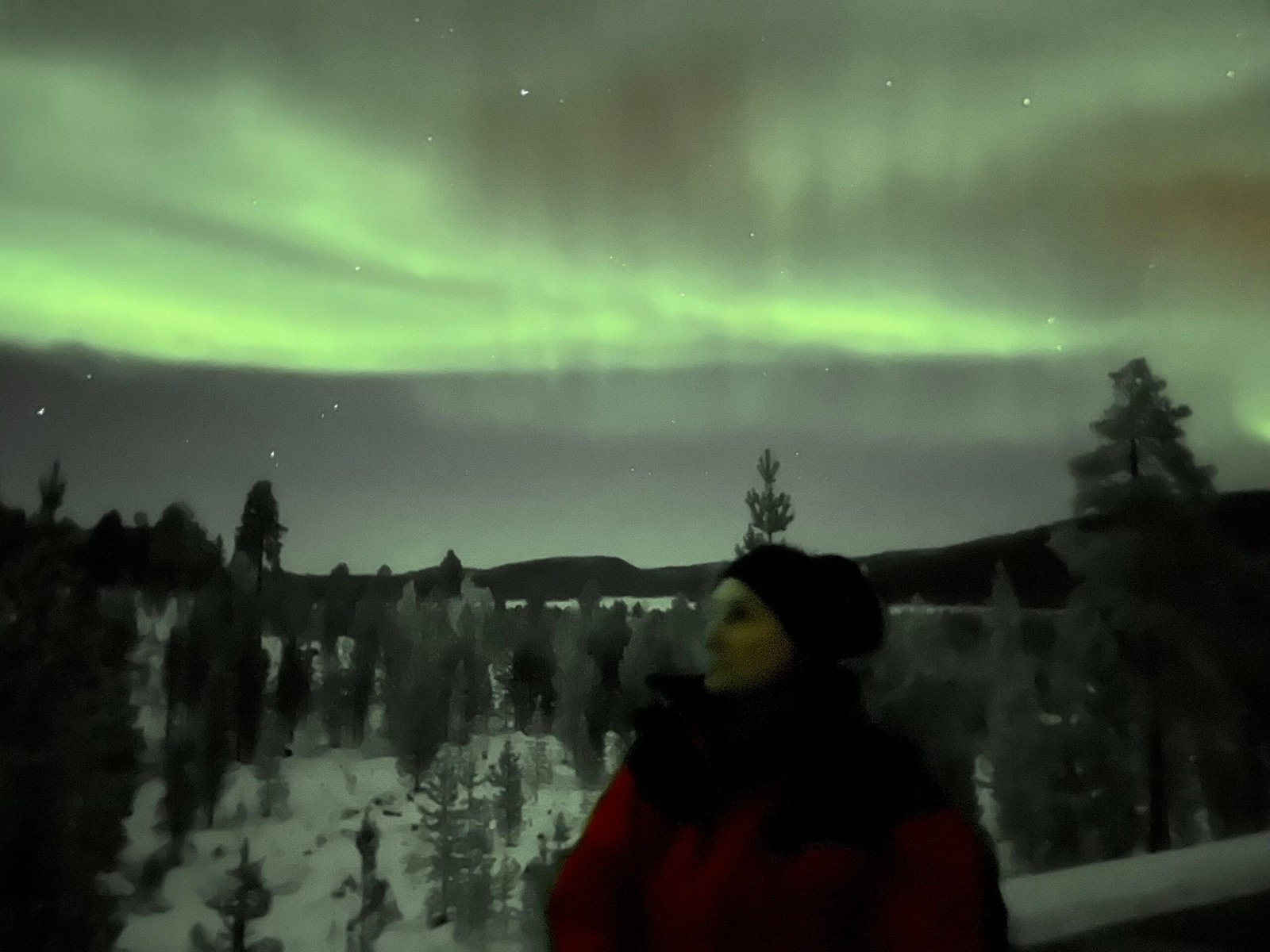
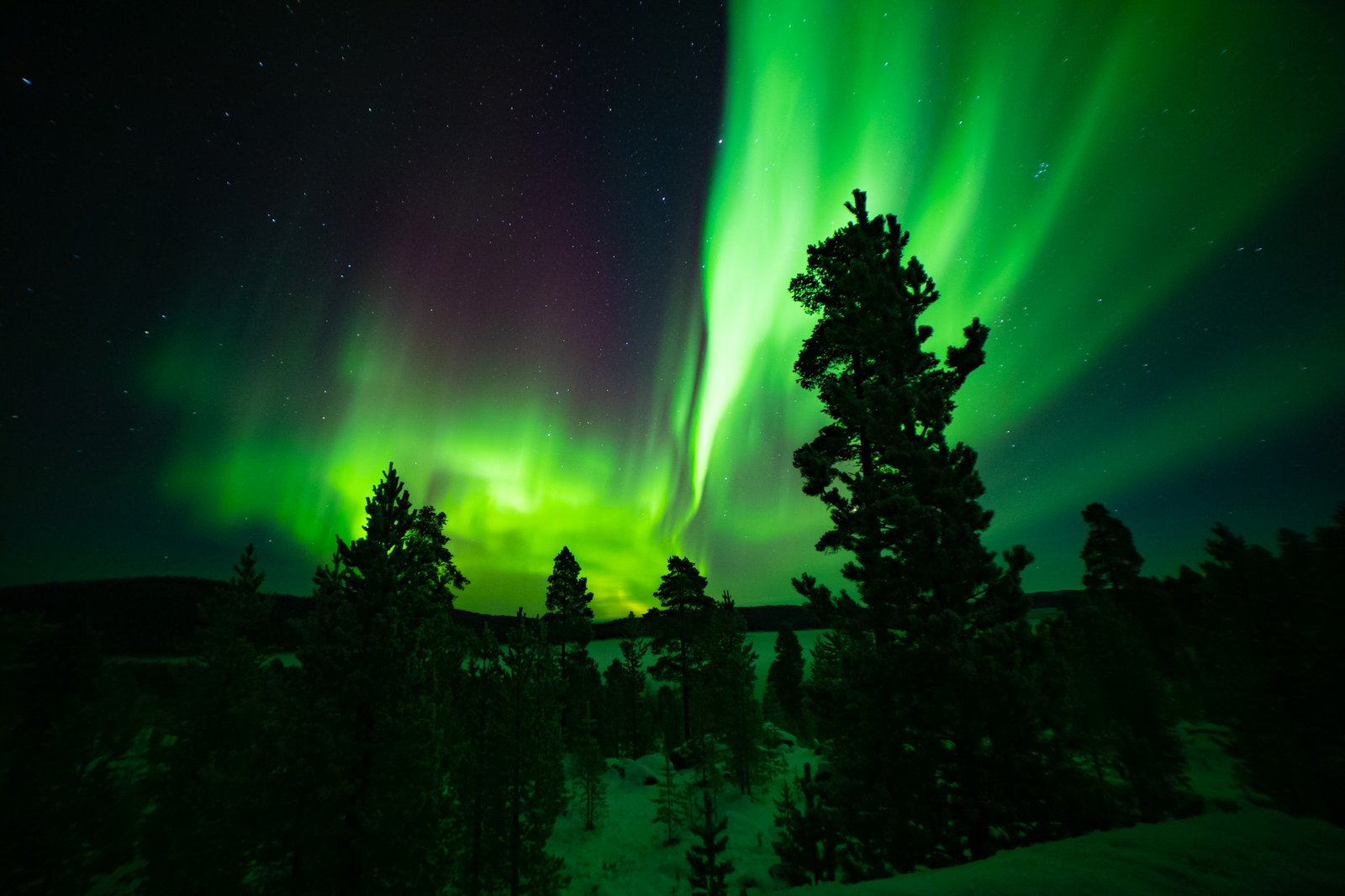
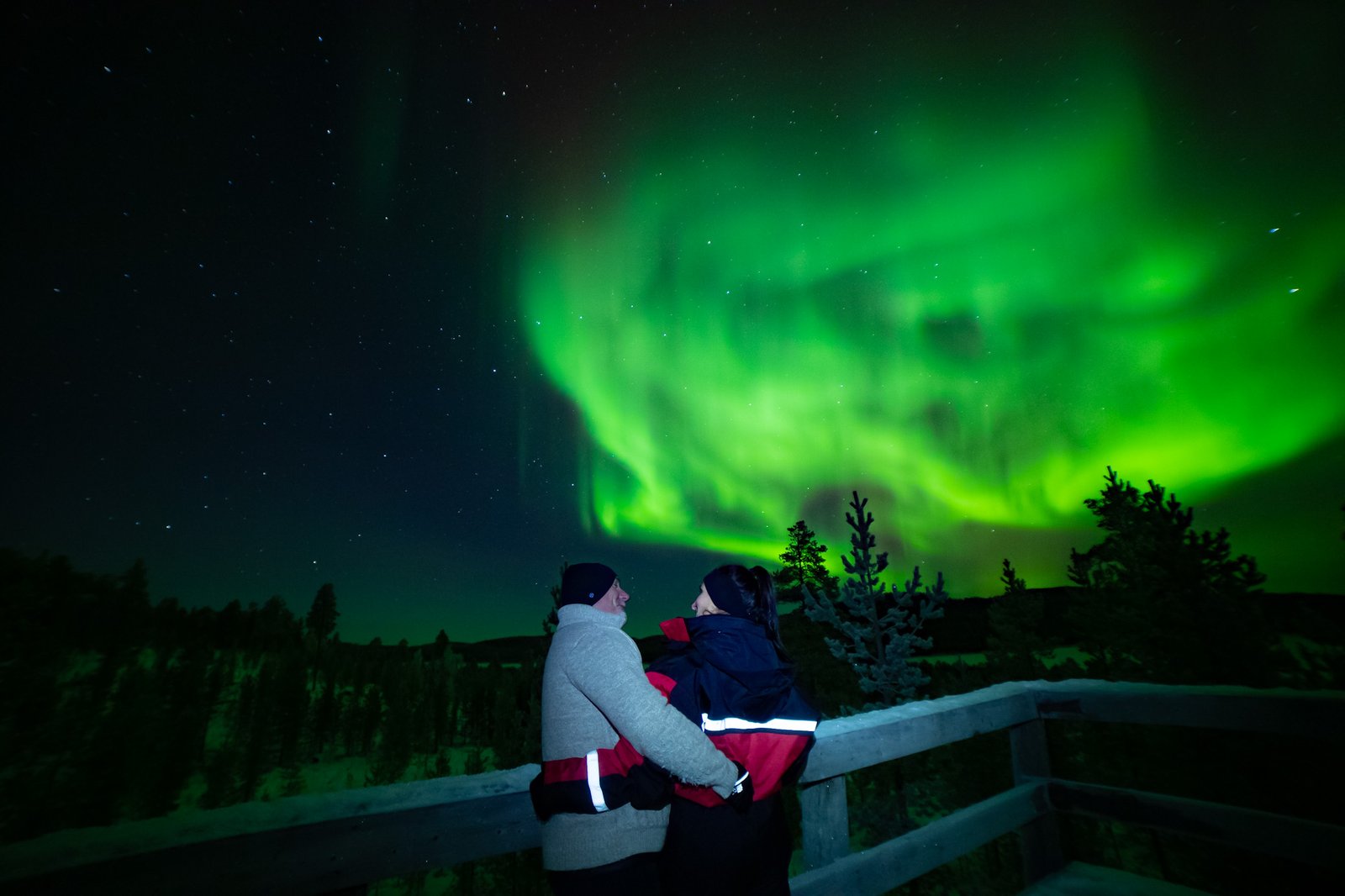
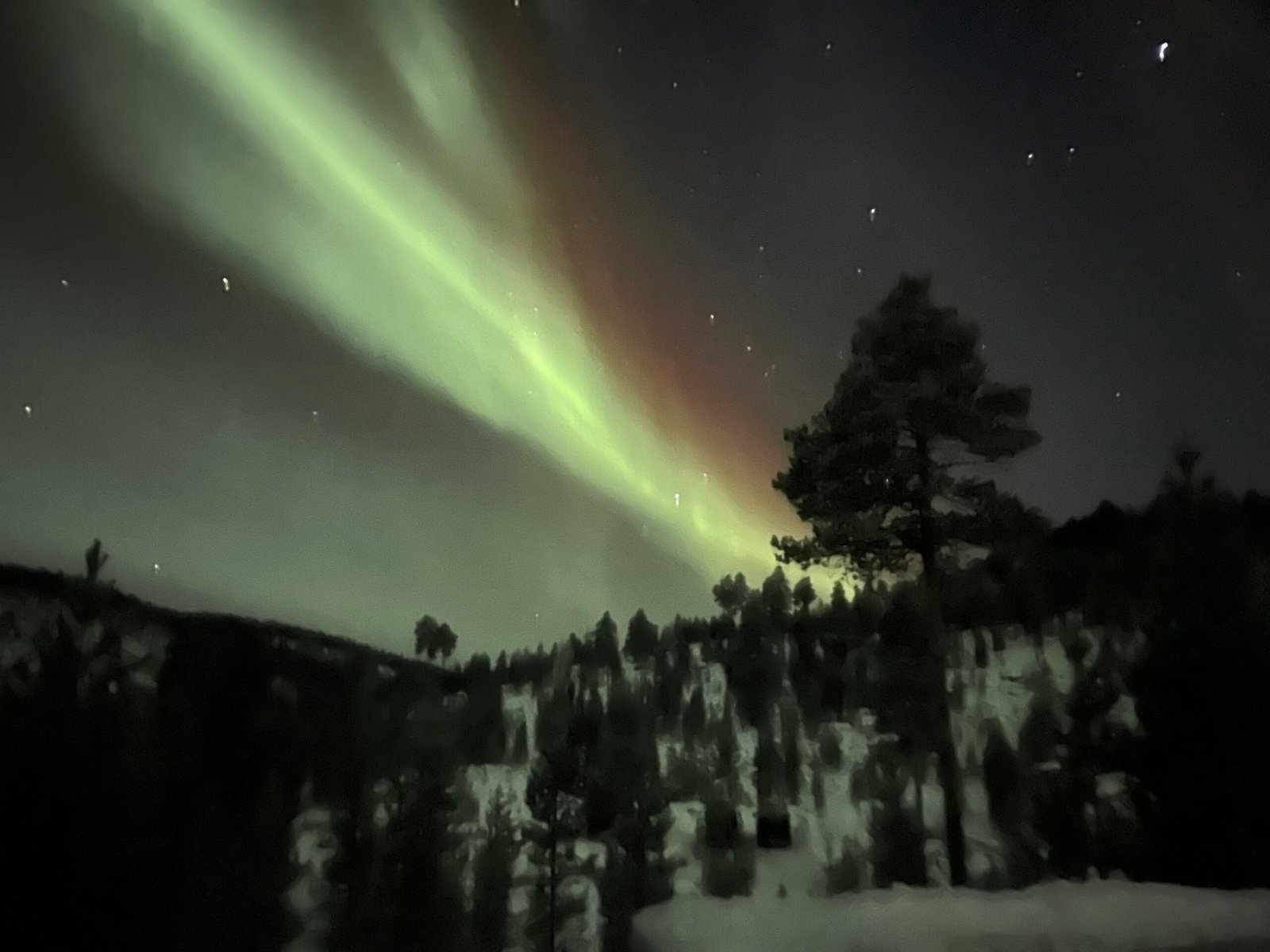
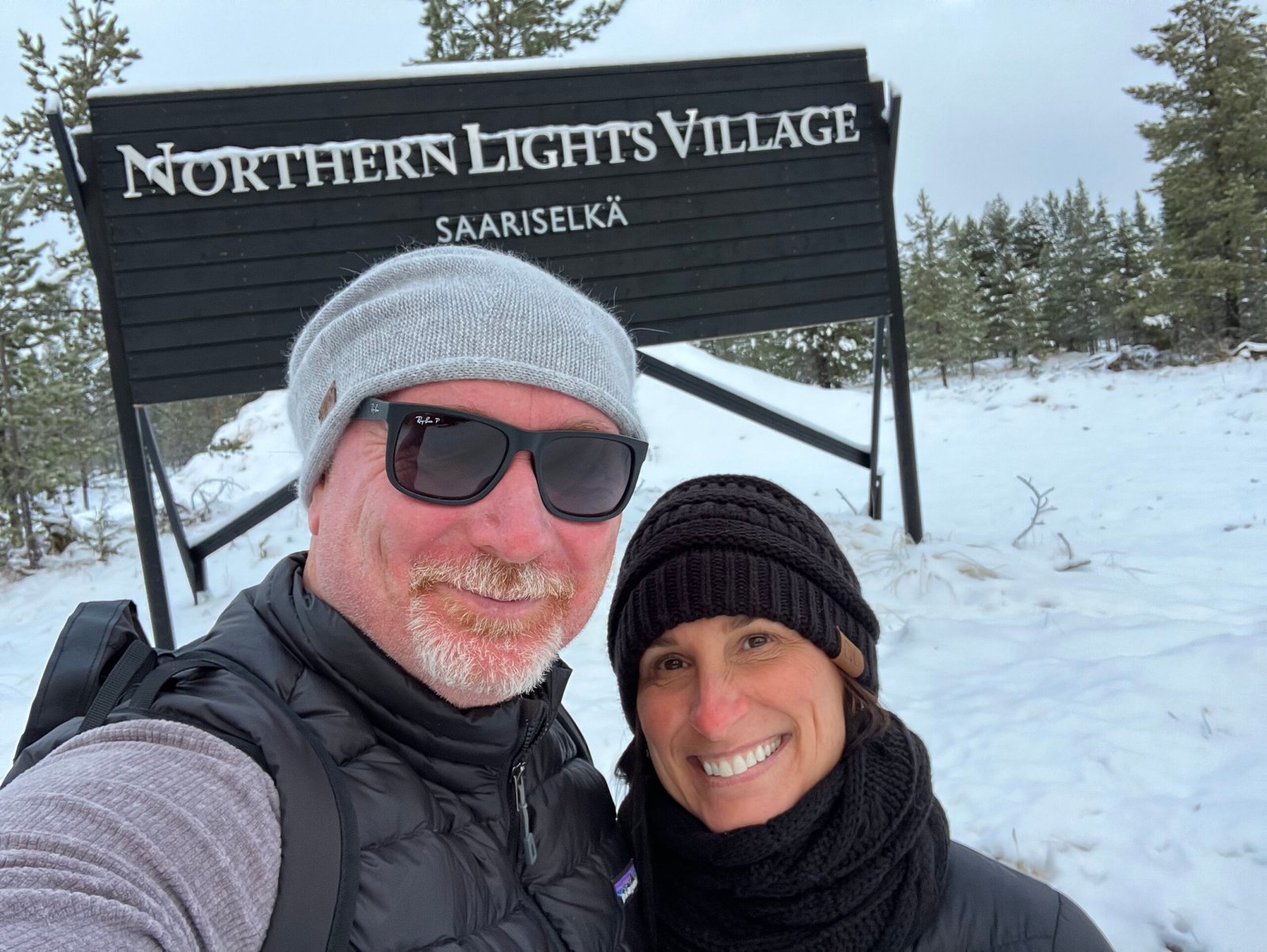
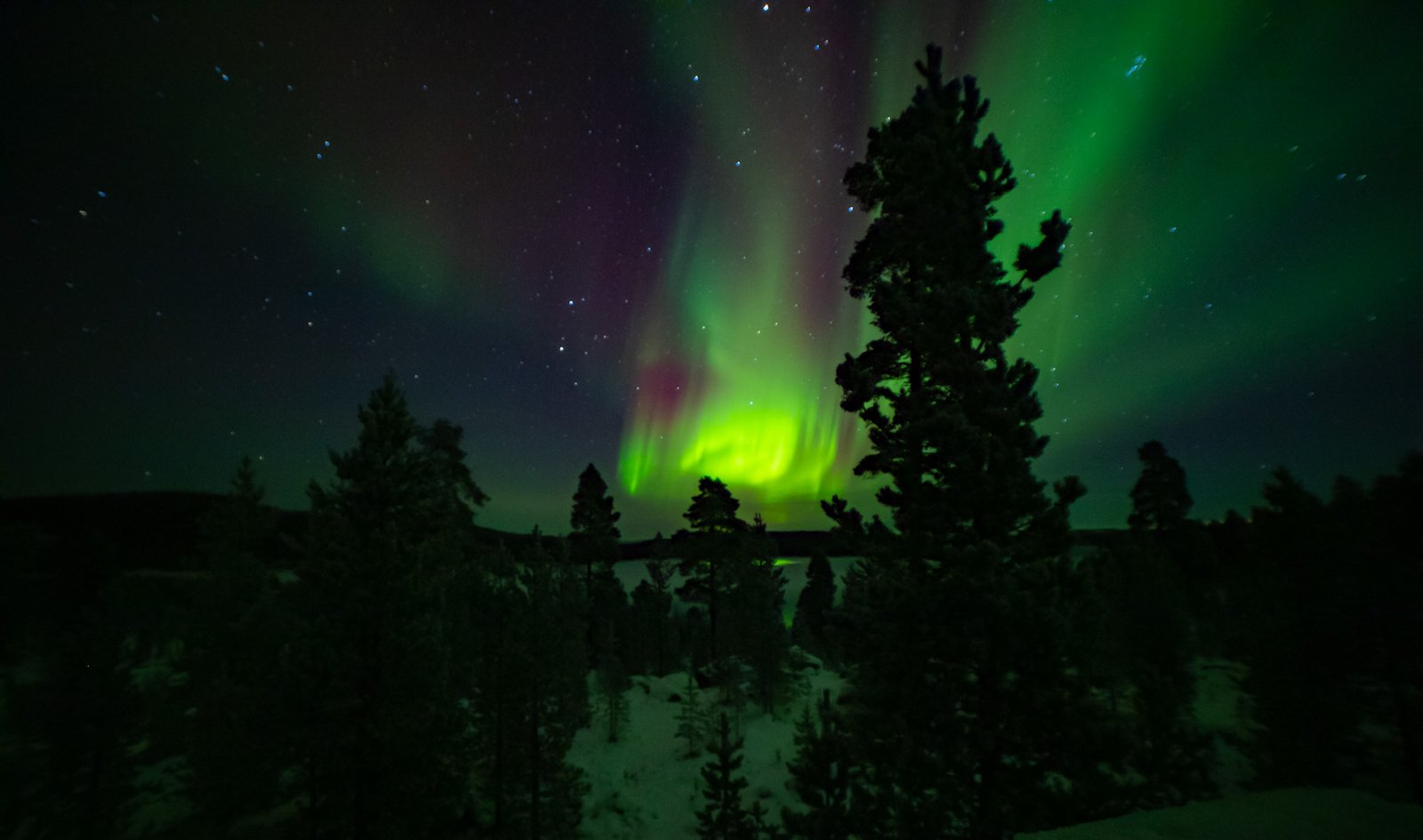
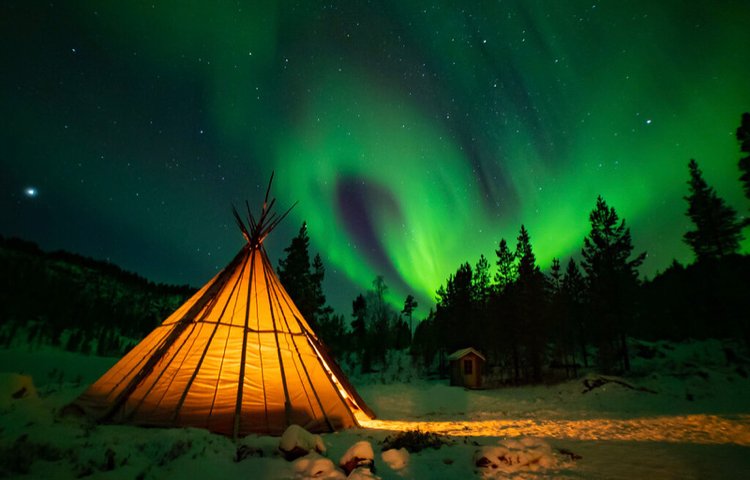
We stayed in Saariselkä, inside a glass-domed cabin at a Northern Lights resort, where the boundary between shelter and sky nearly disappeared. At night, you lay still and watched the world move overhead—green light folding and unfolding like breath. There was nothing to chase, nothing to schedule. If the aurora came, it came. Waiting wasn’t passive here; it was the point. That quiet acceptance felt distinctly Finnish.
Only later did light return in a different form—but by then, the stillness had already done its work.
Snapshot
Route: Saariselkä, Finnish Lapland → Copenhagen, Denmark
Travel Style: Immersive · Seasonal · Reflective
Pace: Slow mornings · Early nights · Intentional movement. Slow in the north, social in the south.
Why Finland: To experience stillness as something active — to let darkness, cold, and silence do their work, and to remember how little is actually required to feel present.
The Experience
Finland in November strips life down to essentials.
We arrived in Saariselkä as daylight shortened and silence widened. The glass-domed cabin didn’t feel like a novelty — it felt like permission. Permission to stop performing, stop planning, stop filling space. At night, we lay still as the northern lights moved above us, slow and deliberate, like the sky remembering something ancient.
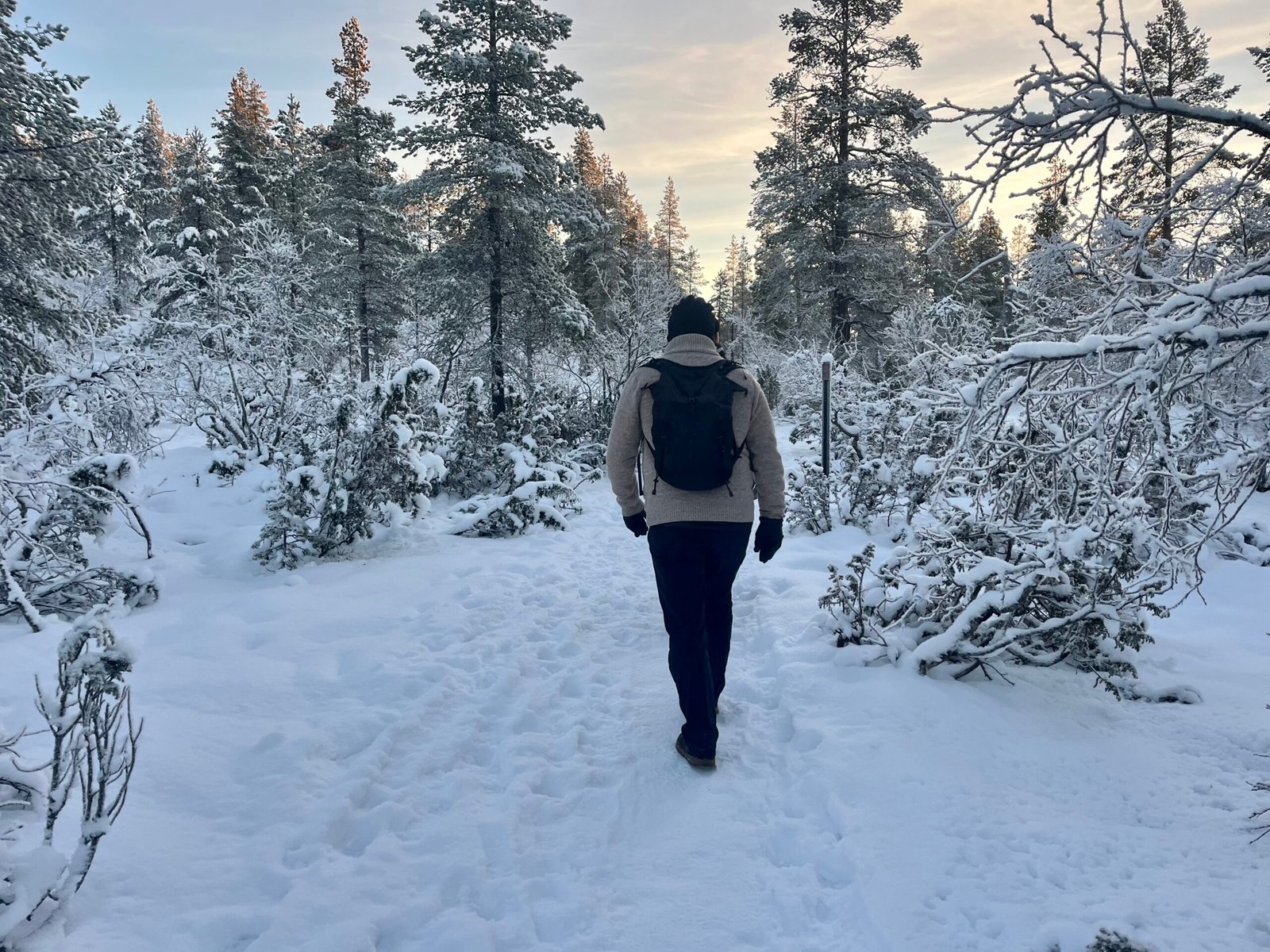
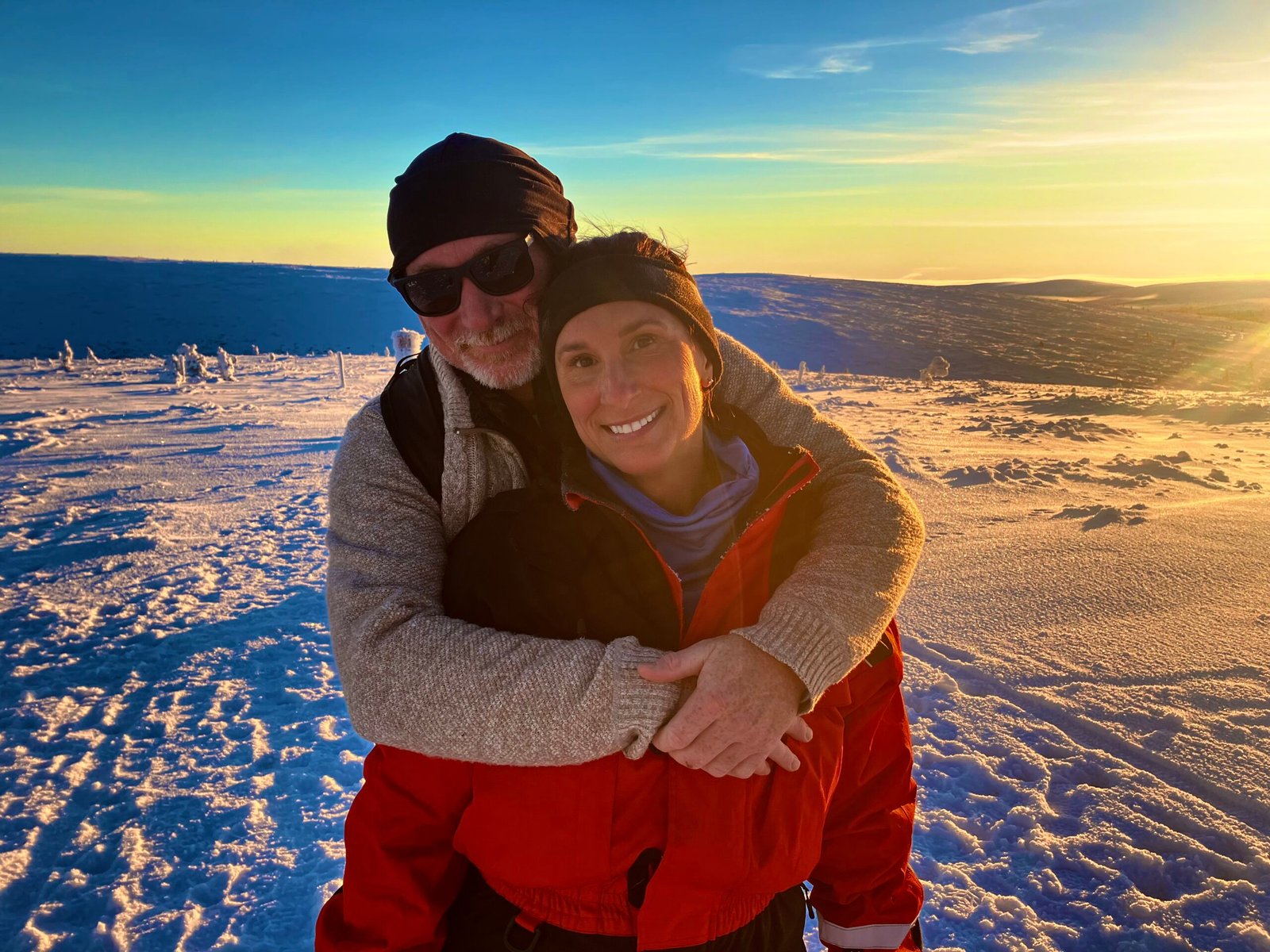
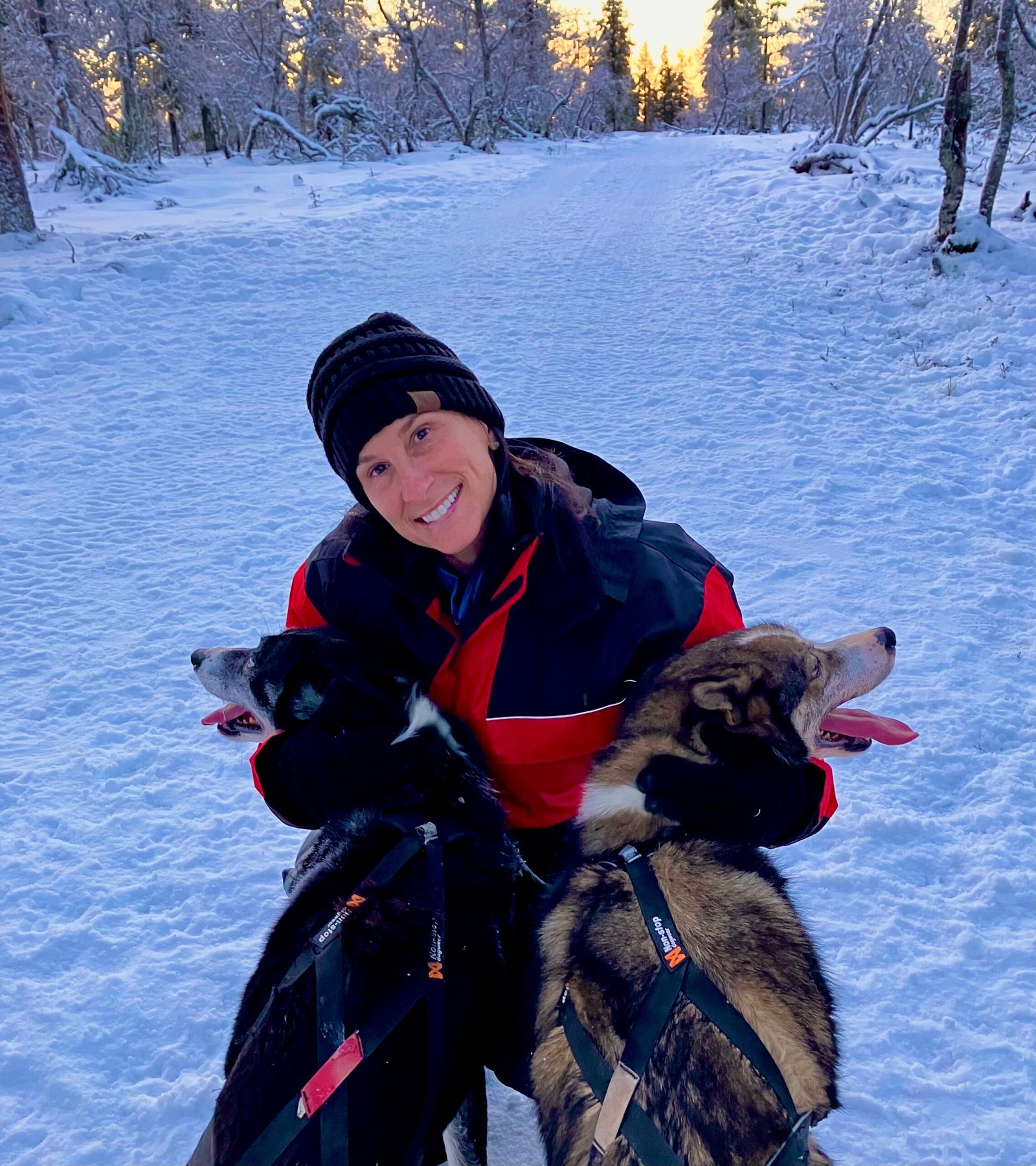
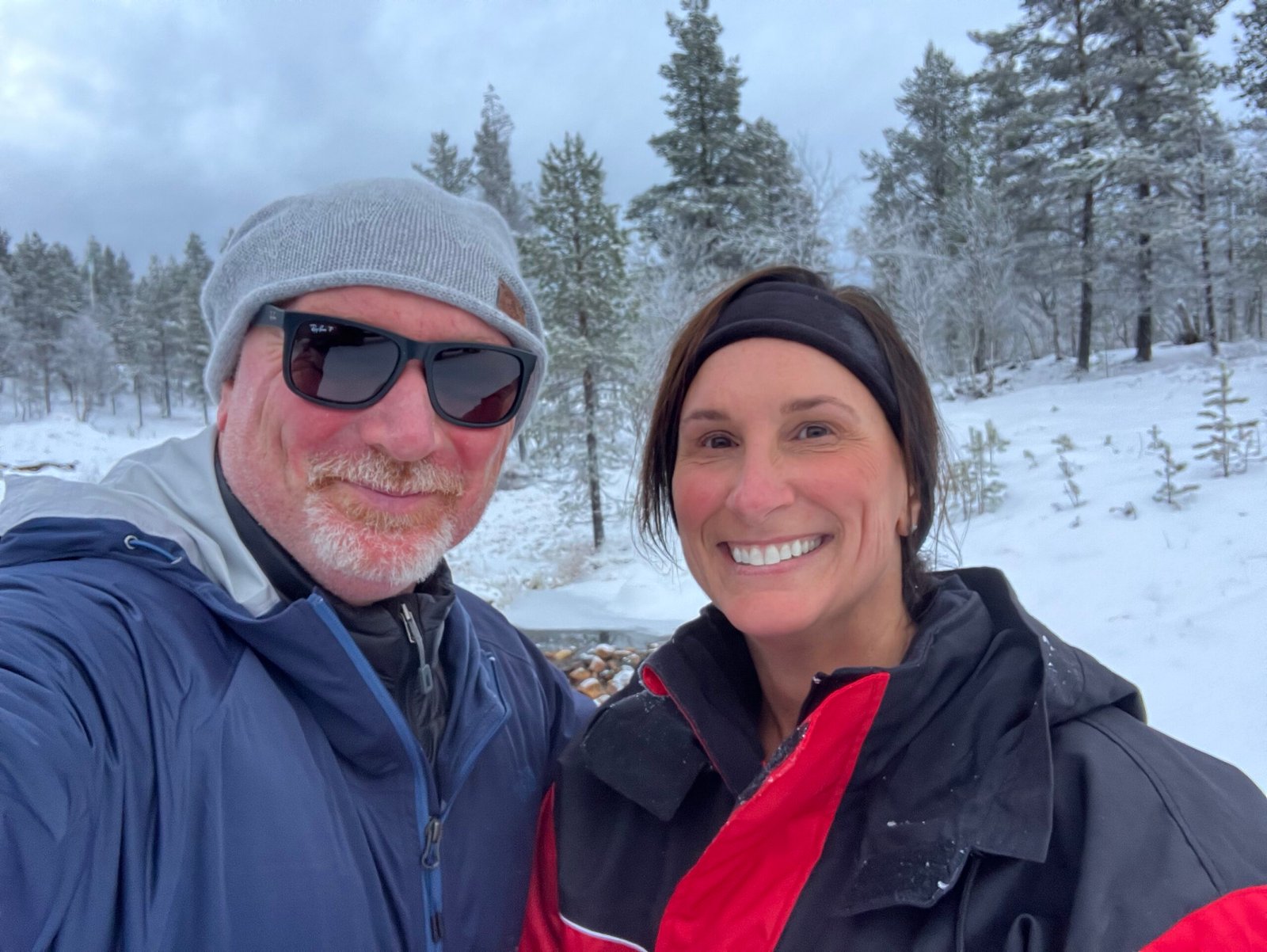
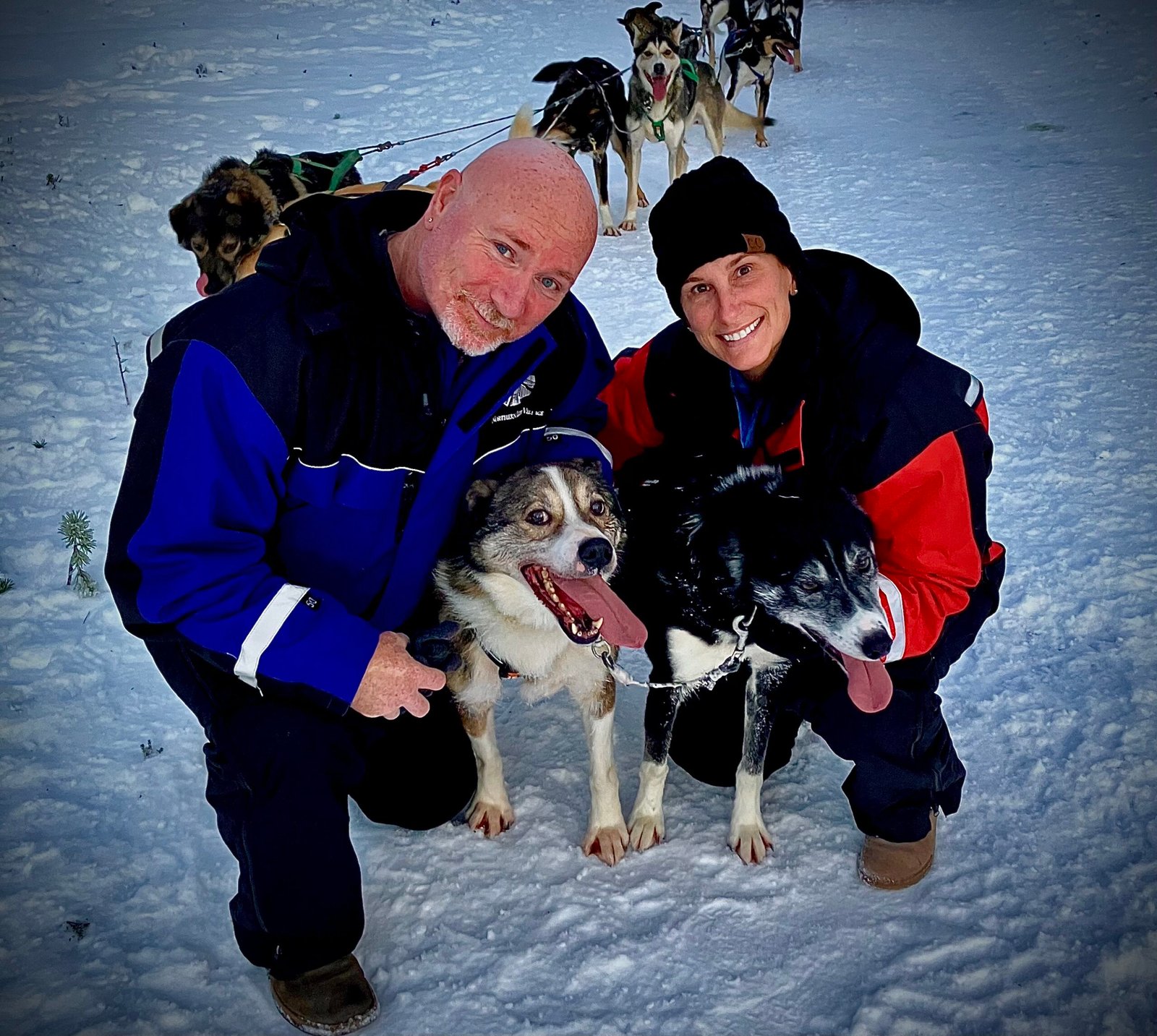
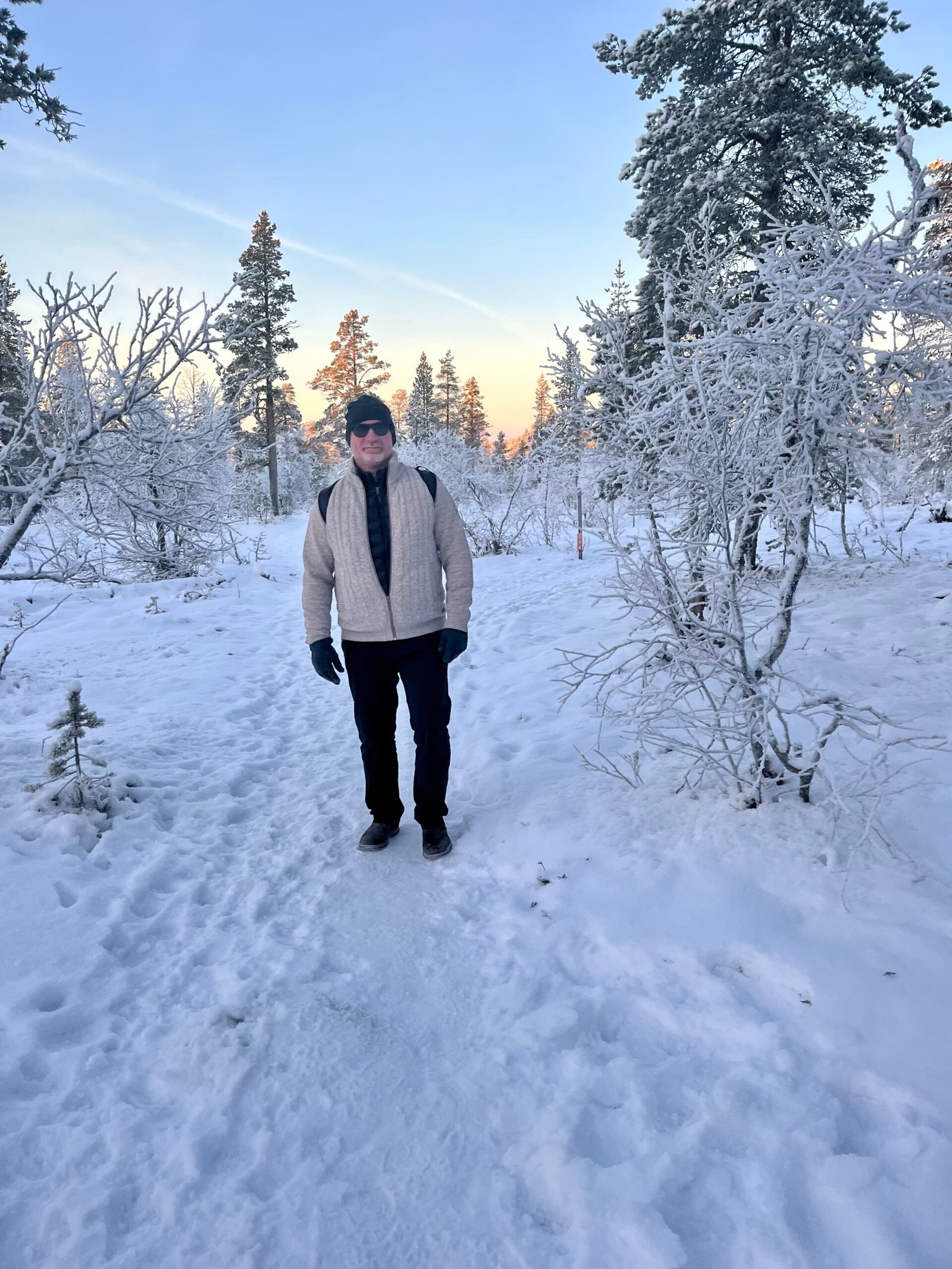
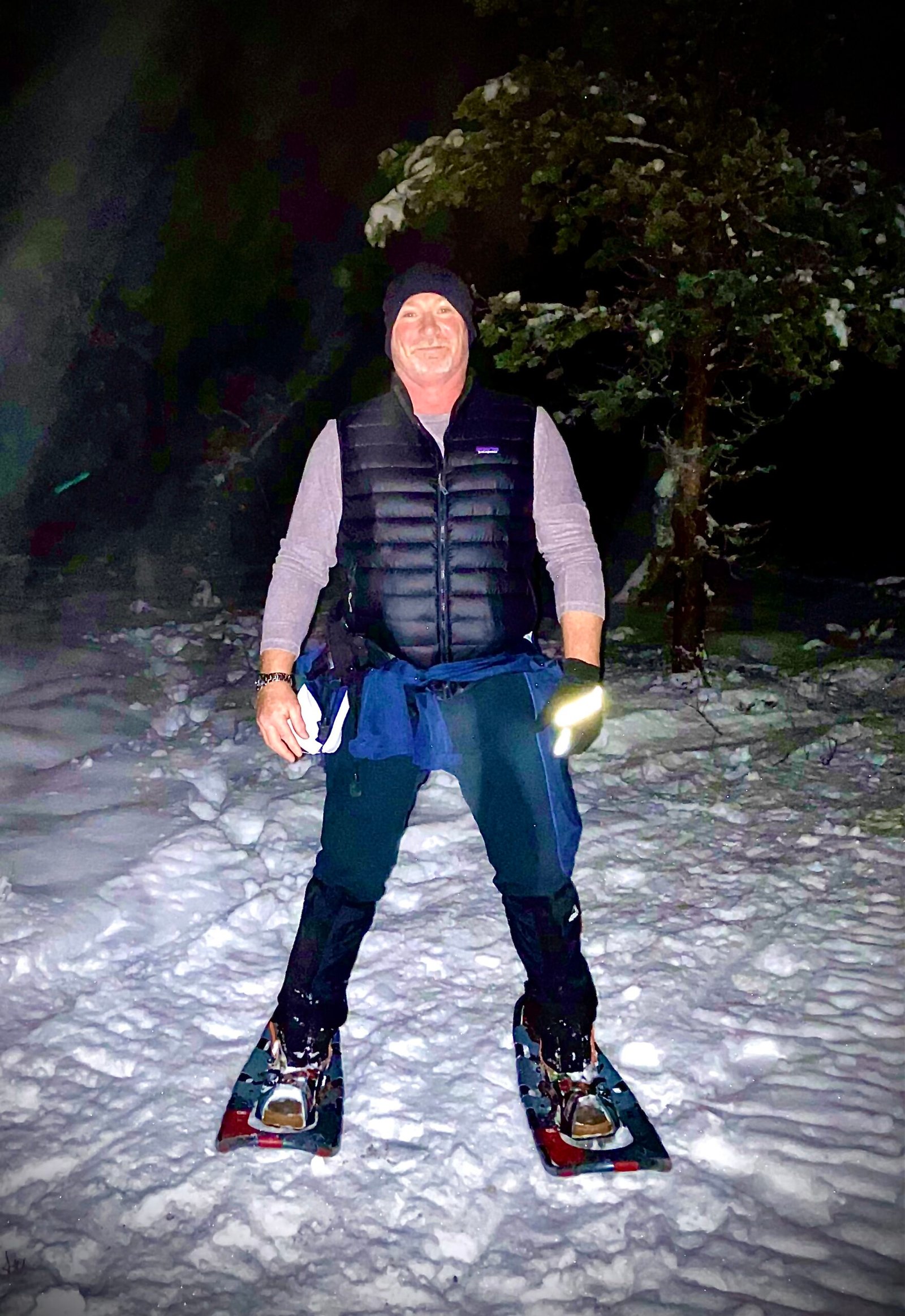
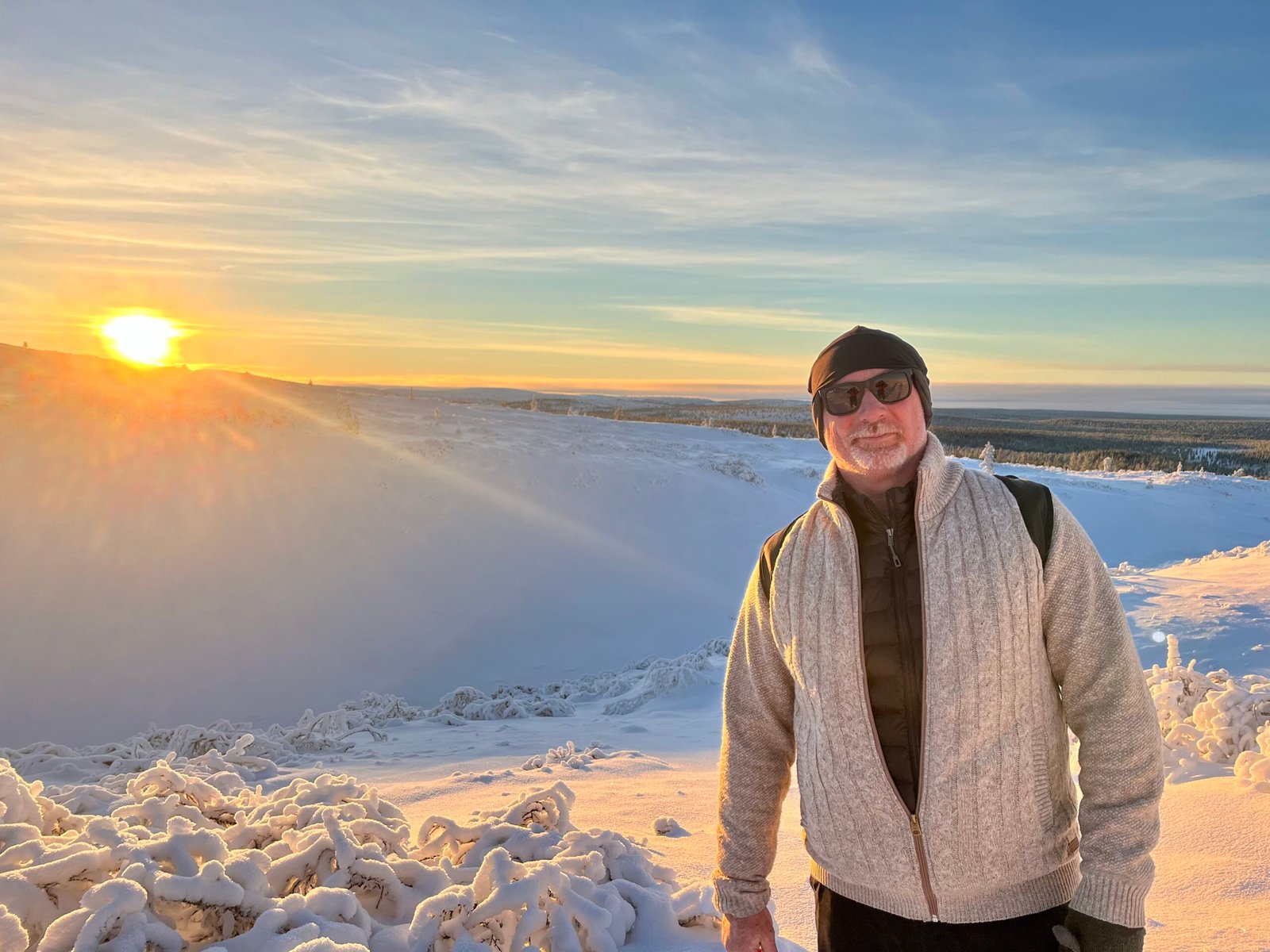
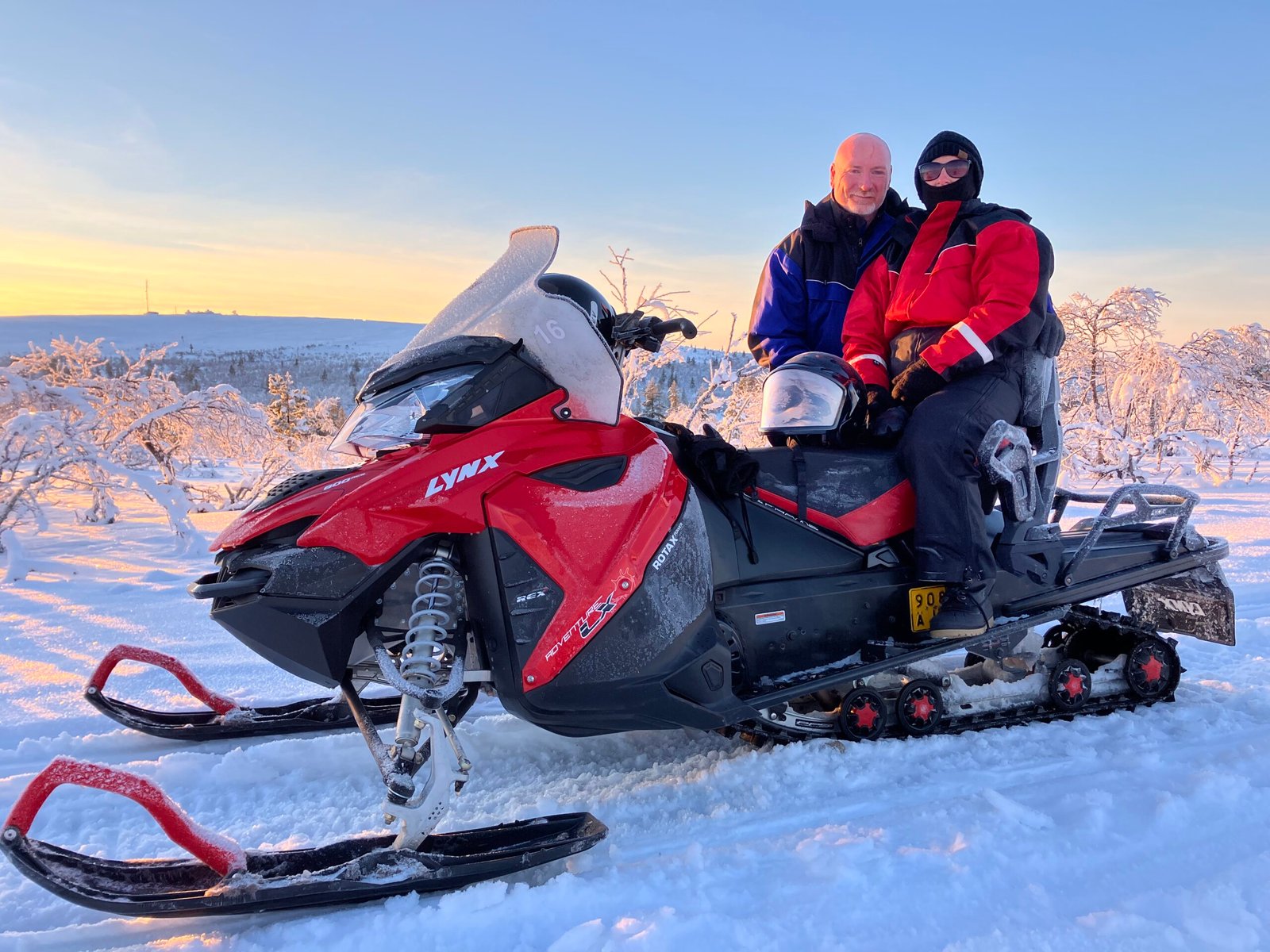
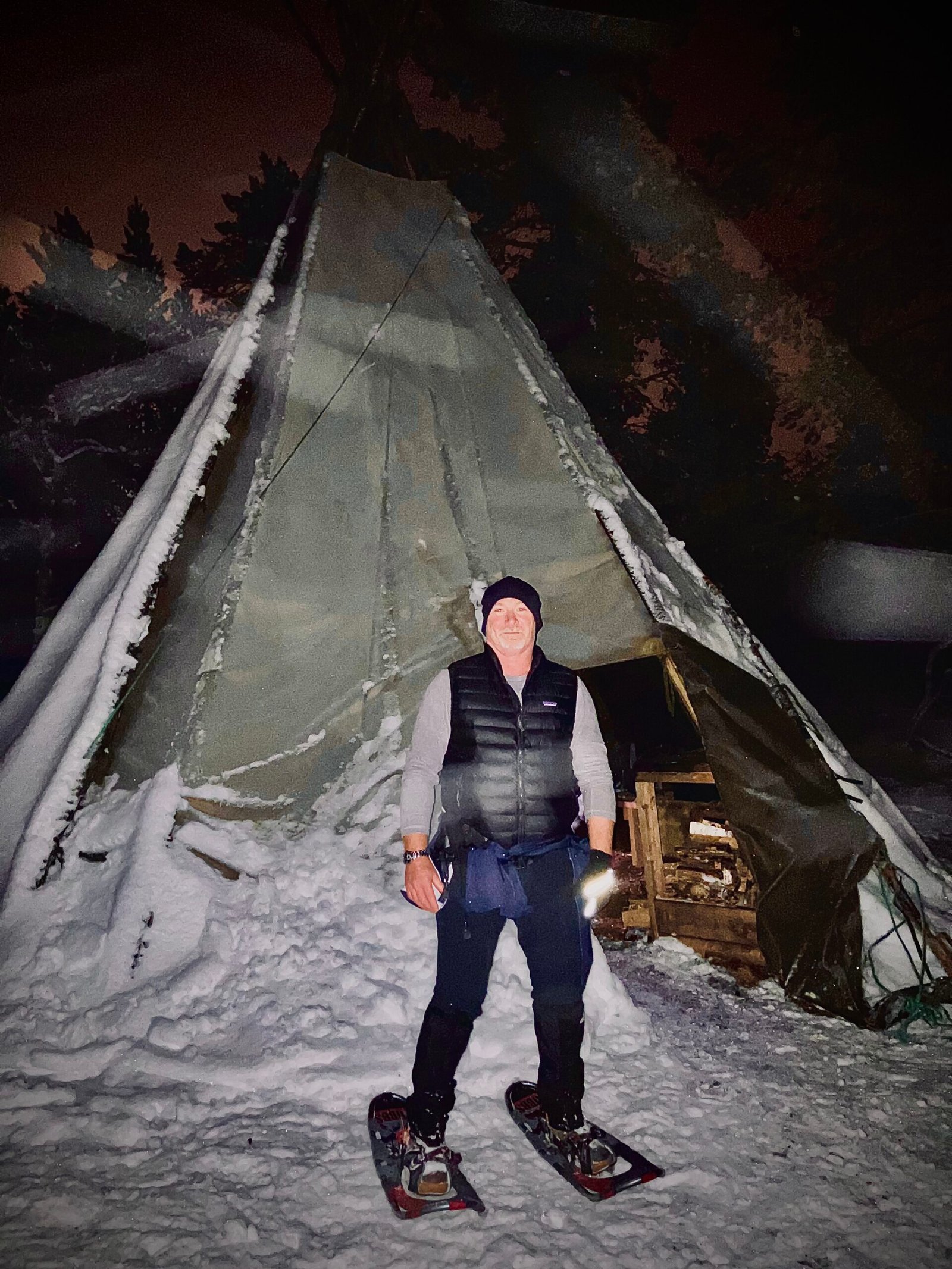
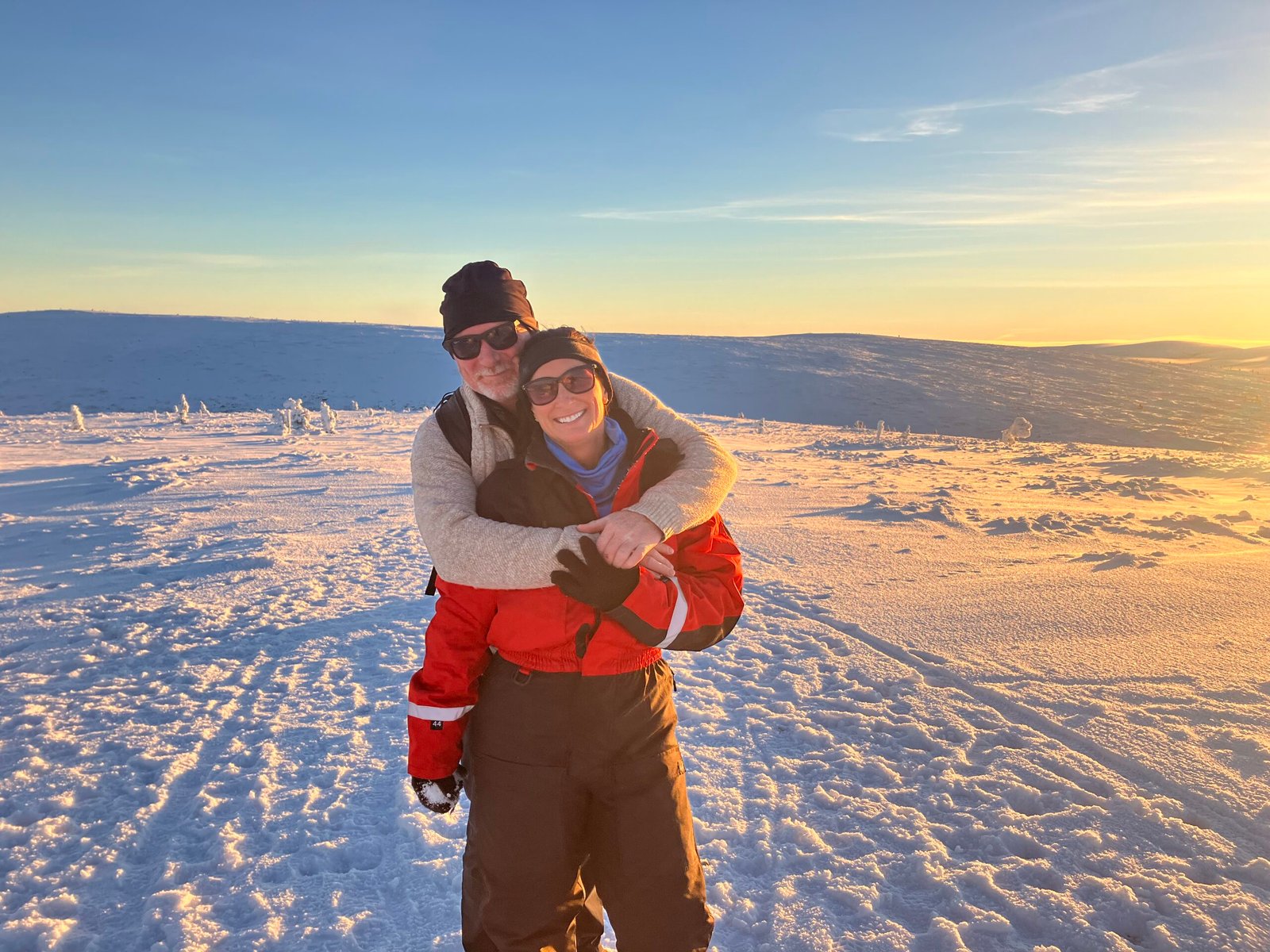
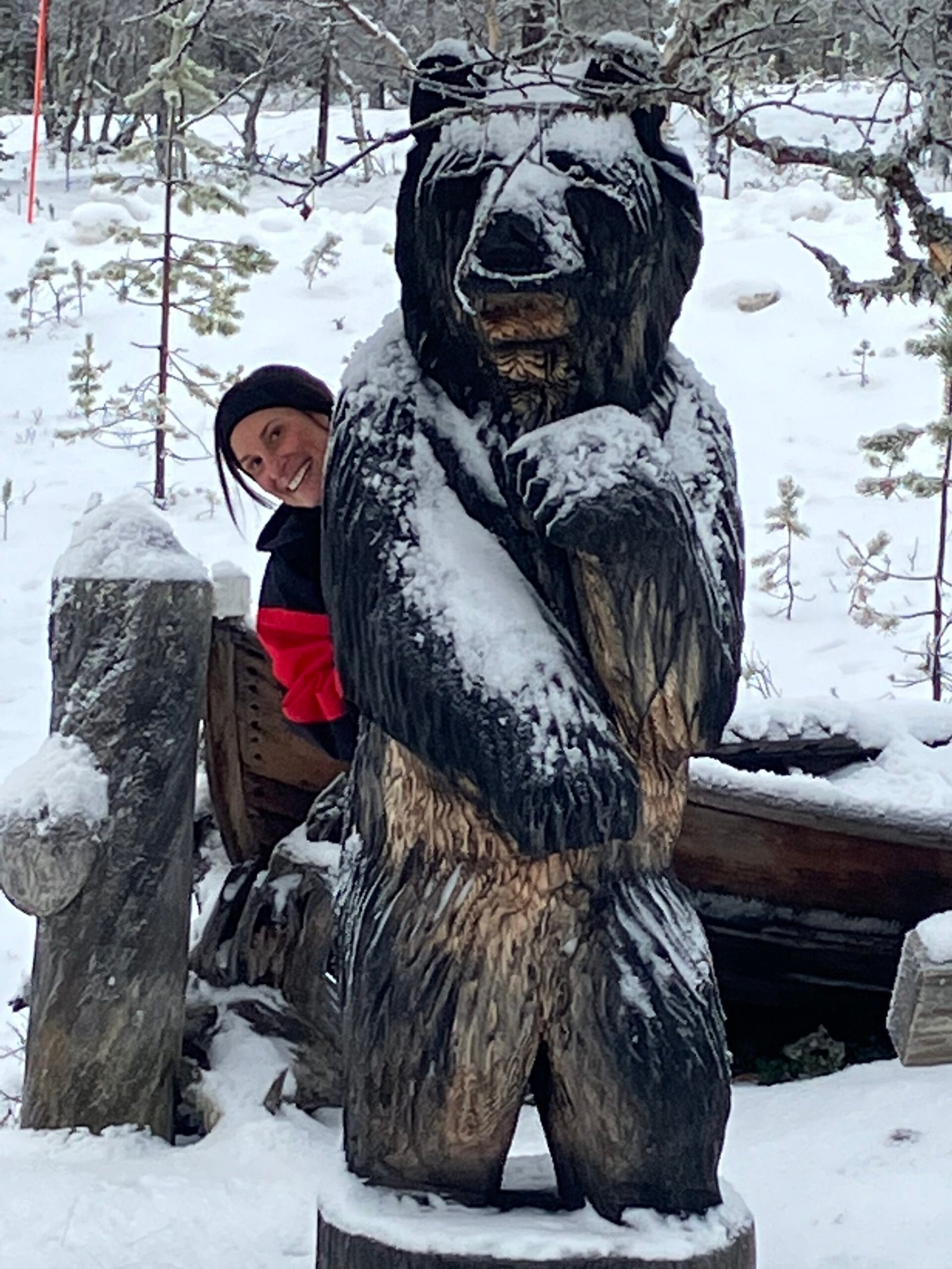
The cold here is honest. It doesn’t shock; it clarifies. Snowmobiling across open tundra, skiing through quiet forests, hiking the national park — every movement had purpose. Snowshoes pressed rhythm into the land. Breath became something you noticed. Time softened. You stop checking the clock and start listening instead.
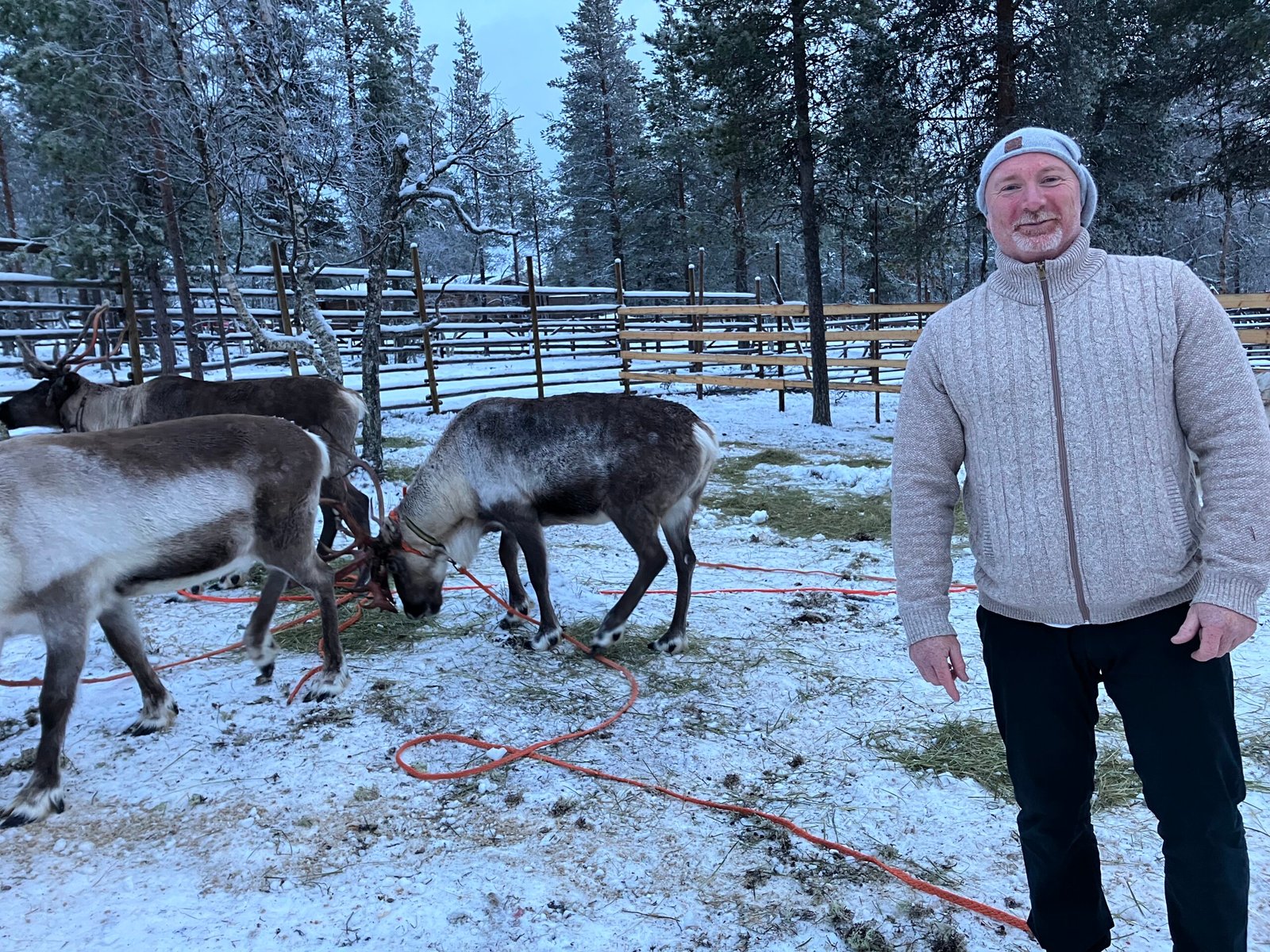
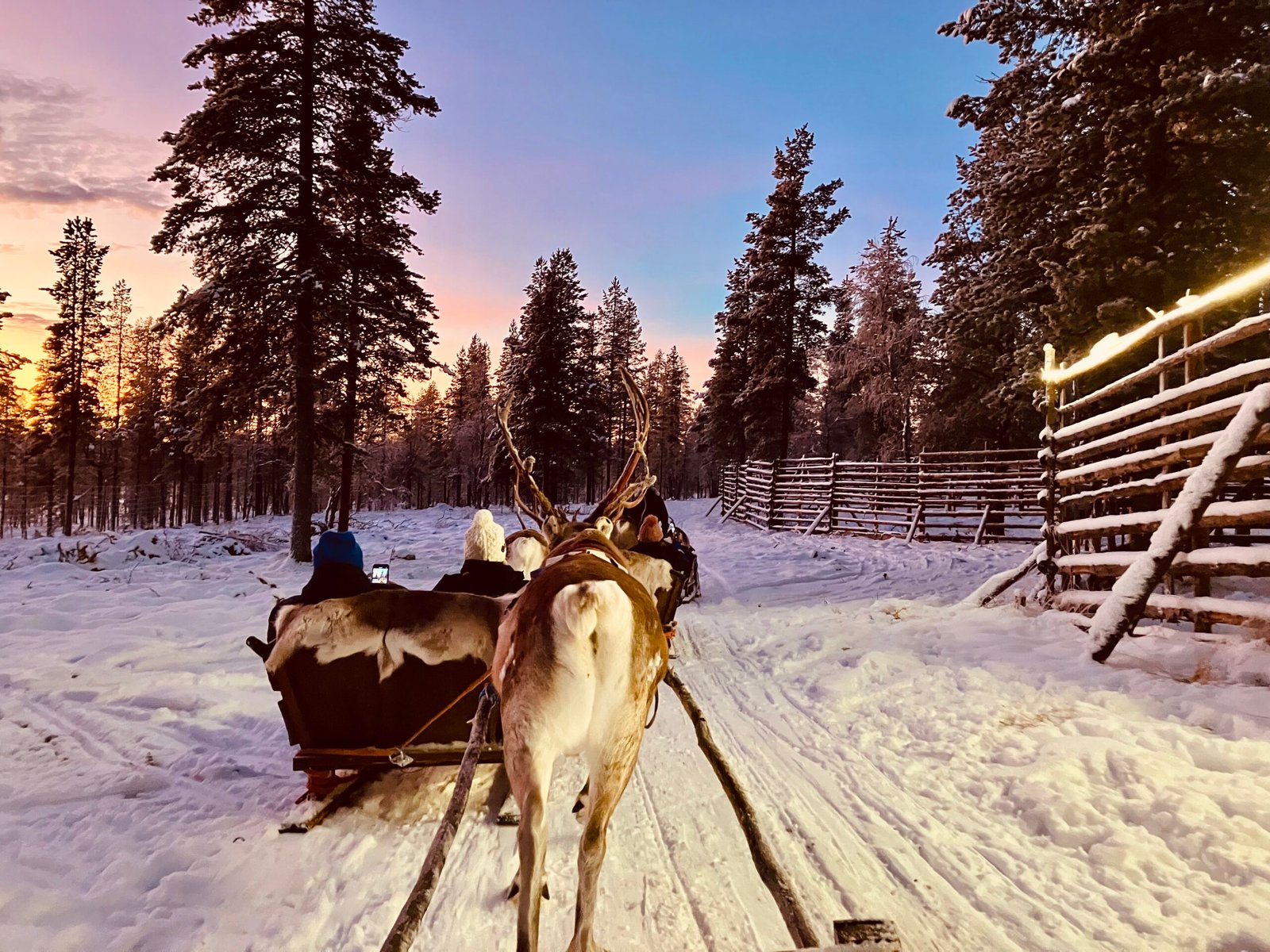
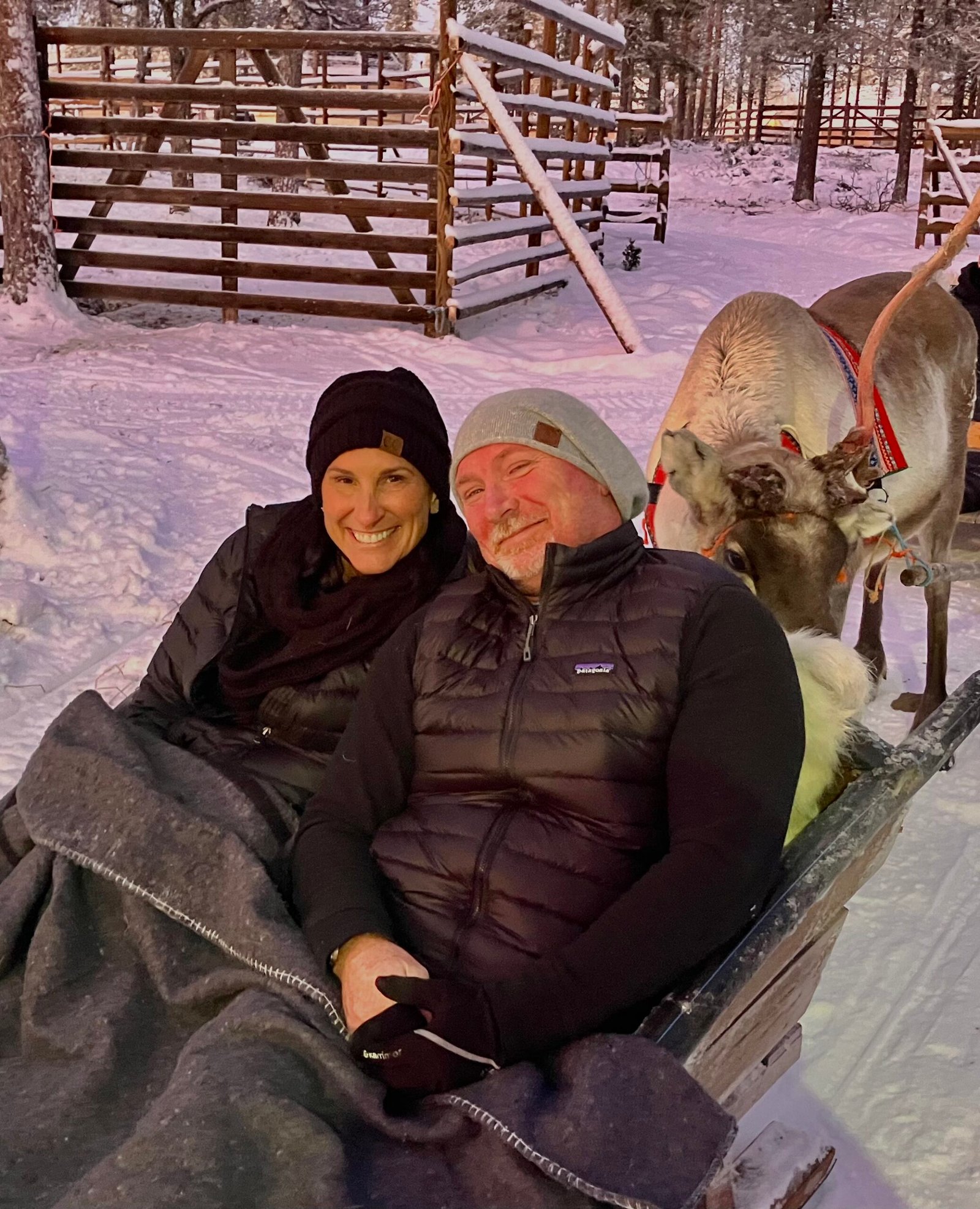
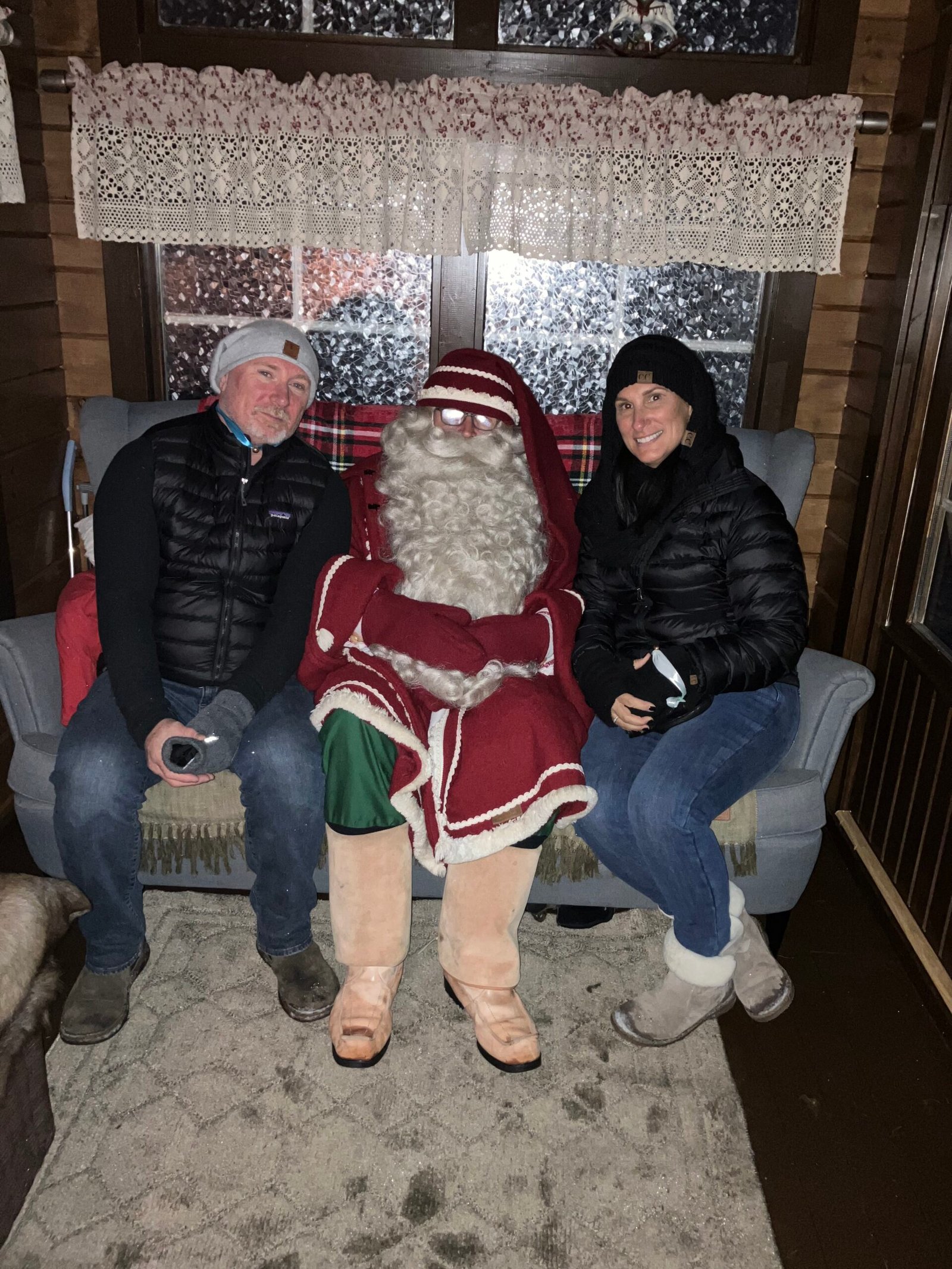
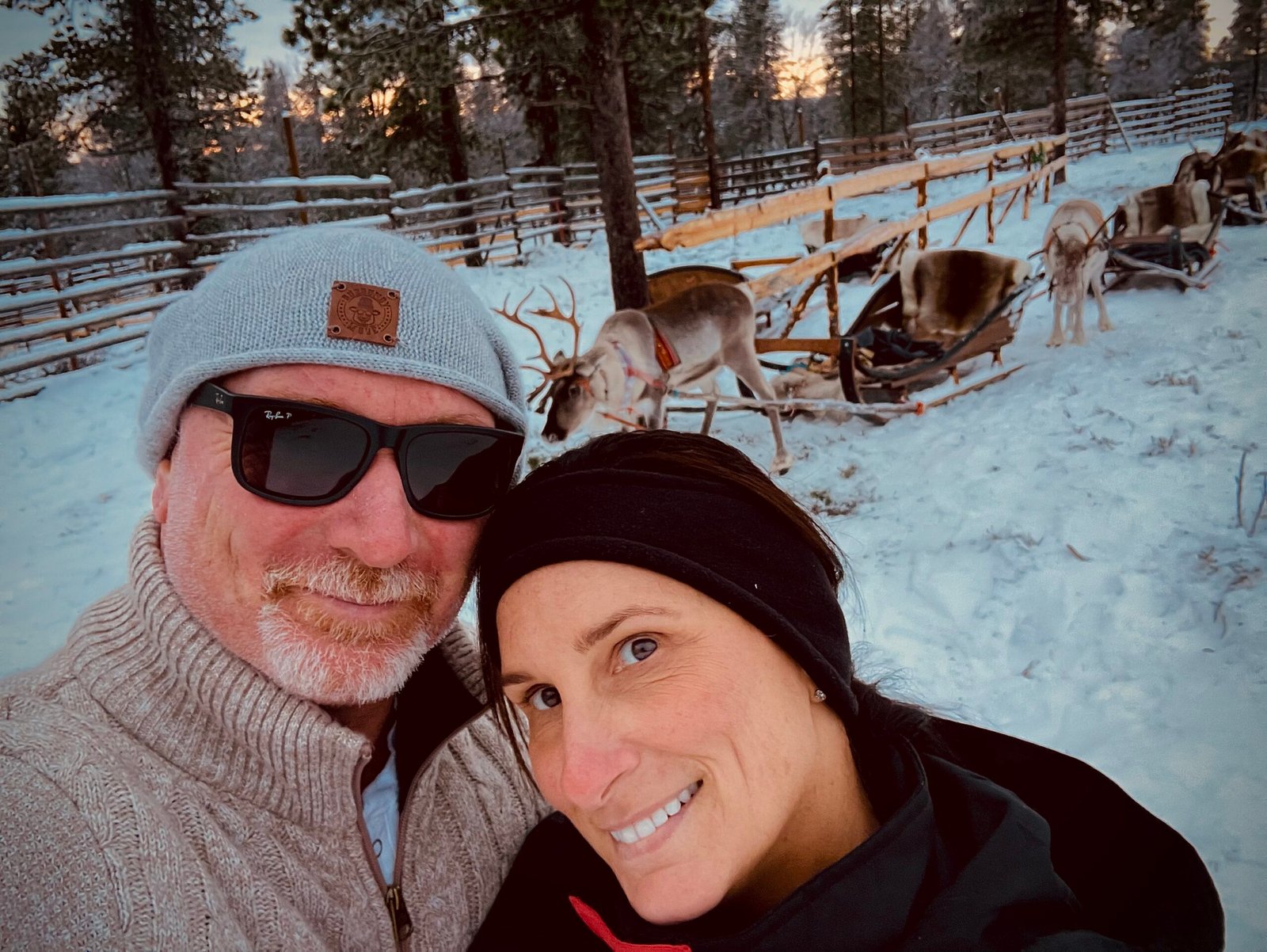
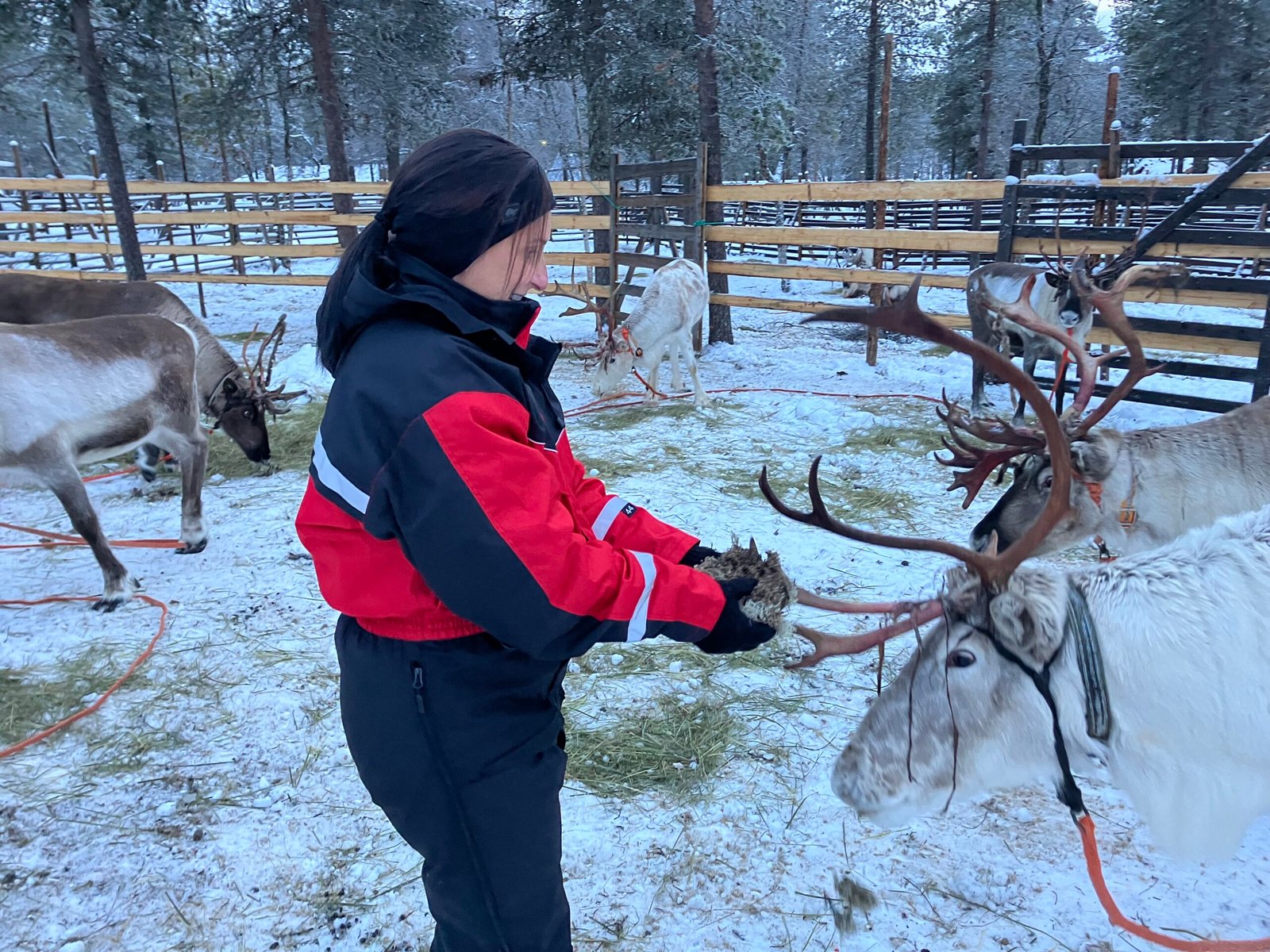
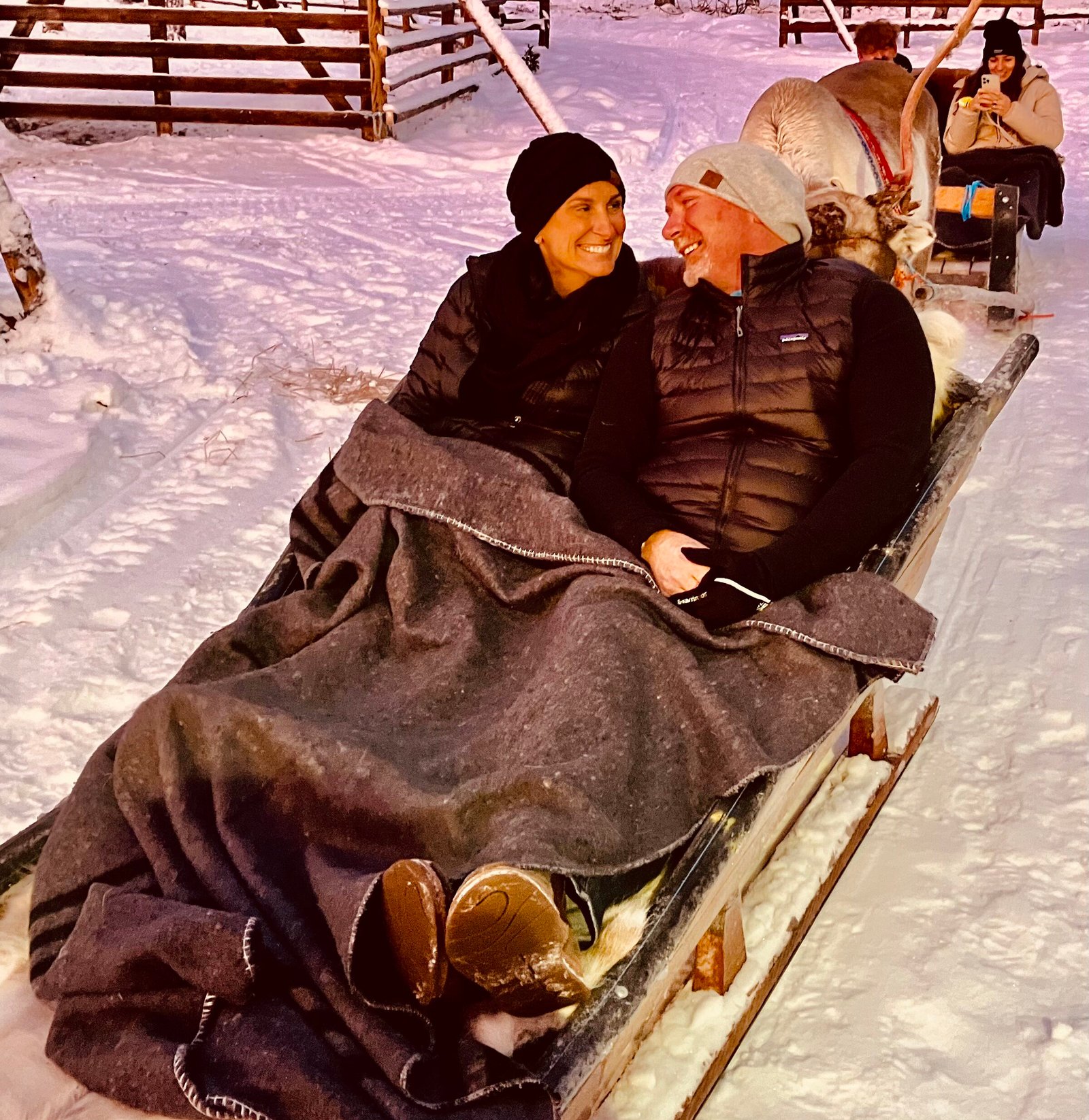
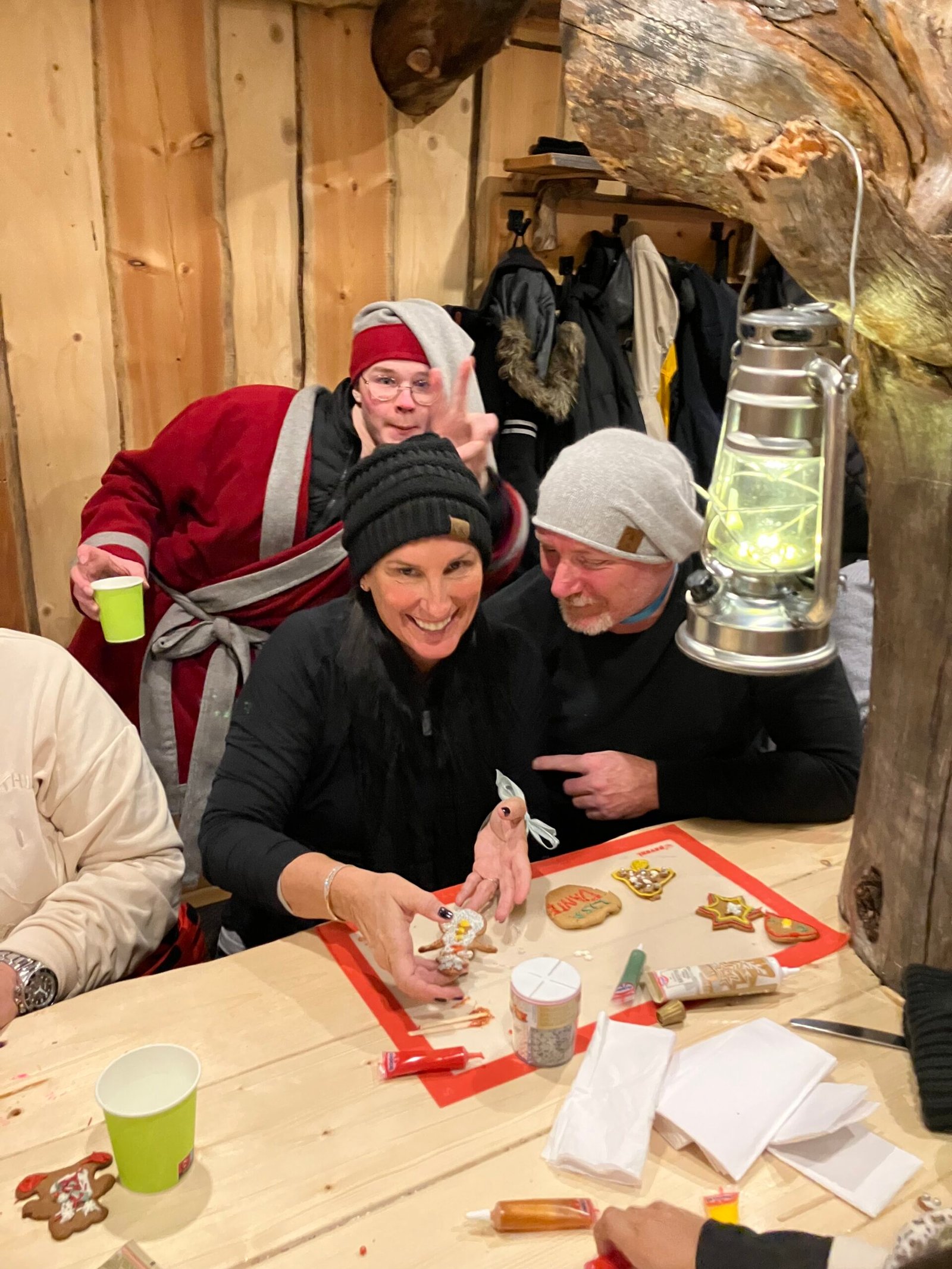
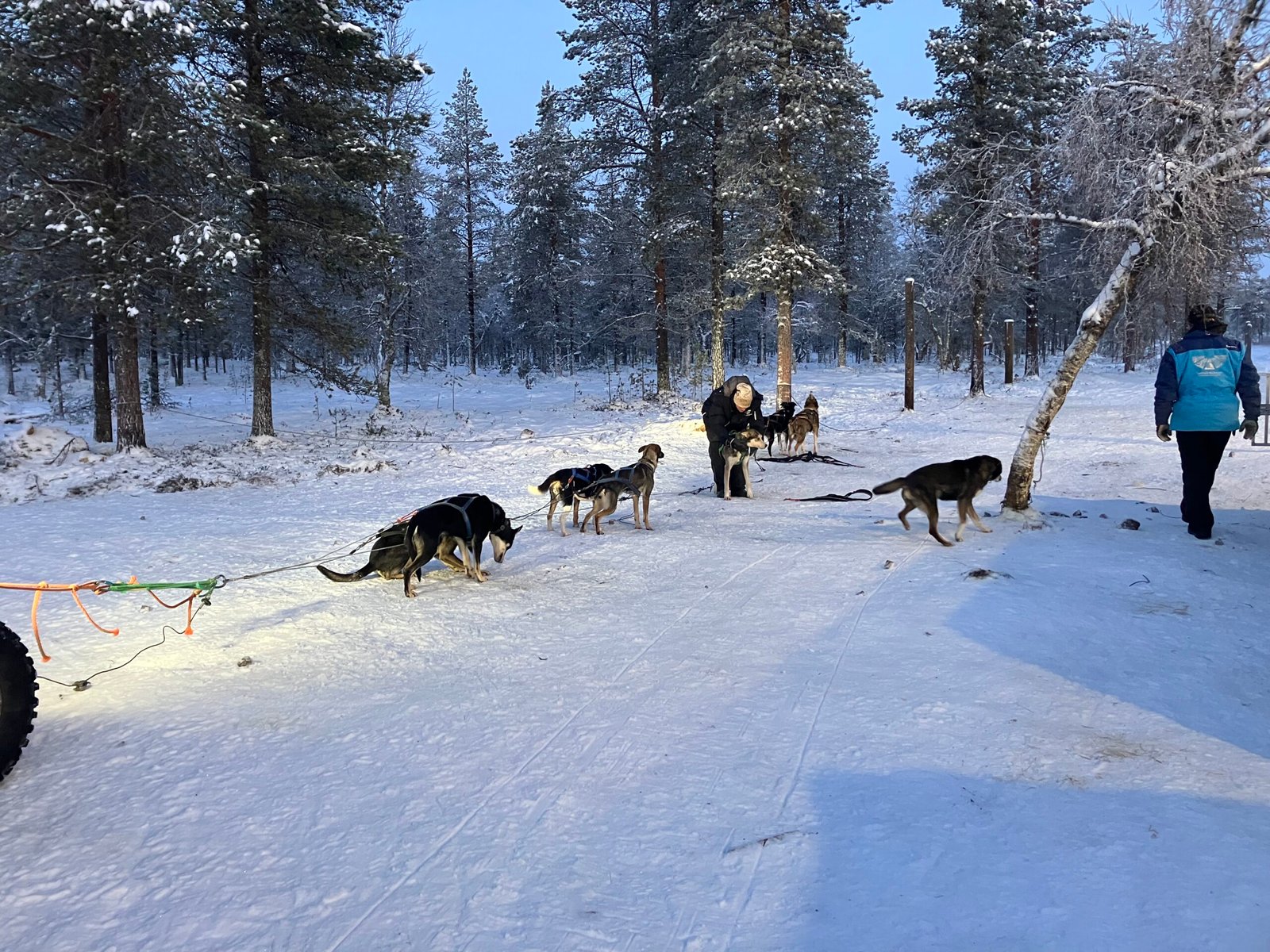
There was playfulness too. Making cookies with elves, laughter warming small rooms, reindeer sleigh rides gliding across snow that absorbed sound. Even joy felt quieter here — less about spectacle, more about presence. Hot tubs steaming under open skies, polar plunges that reset the nervous system completely. The body learns quickly what matters.
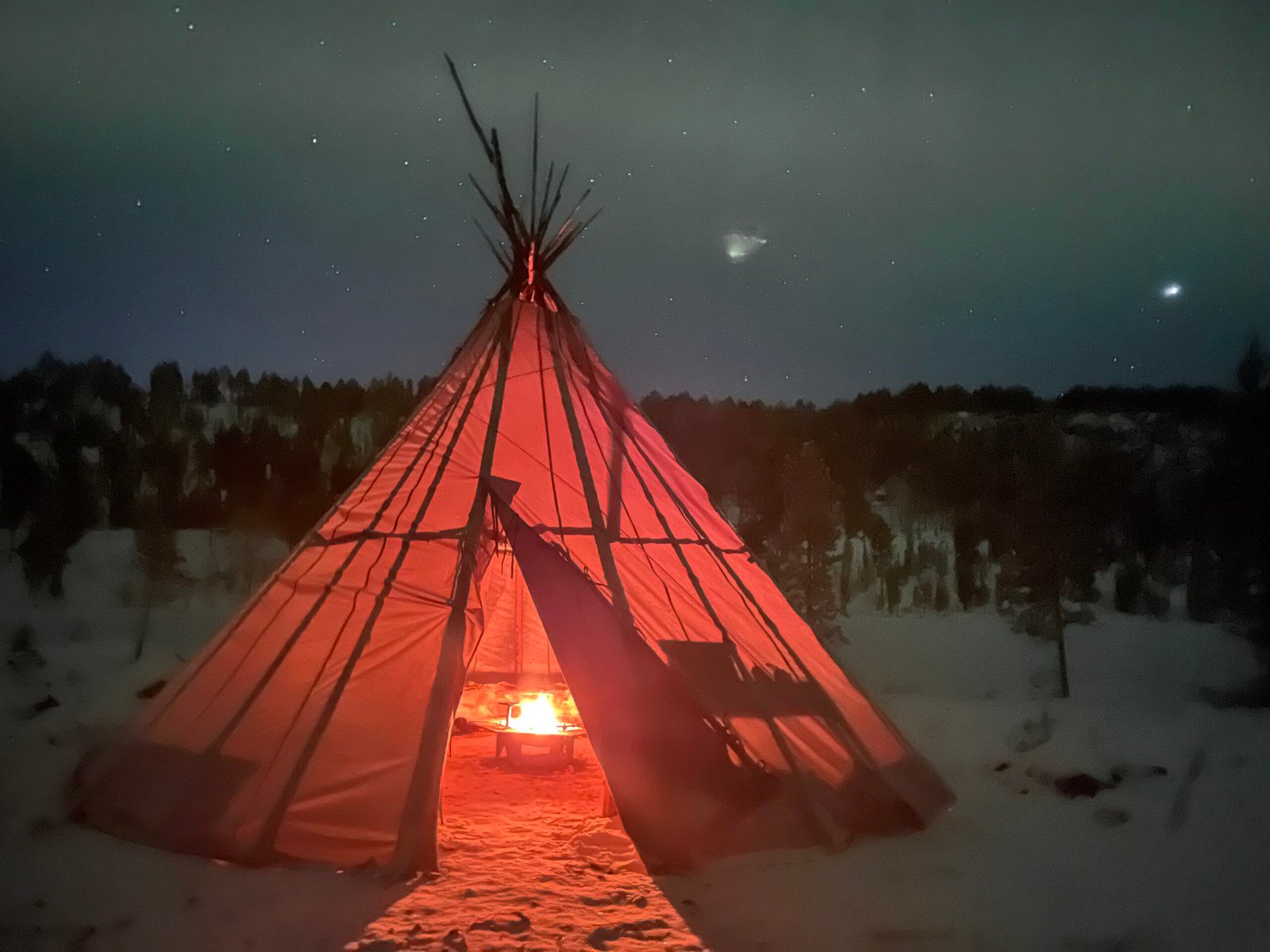
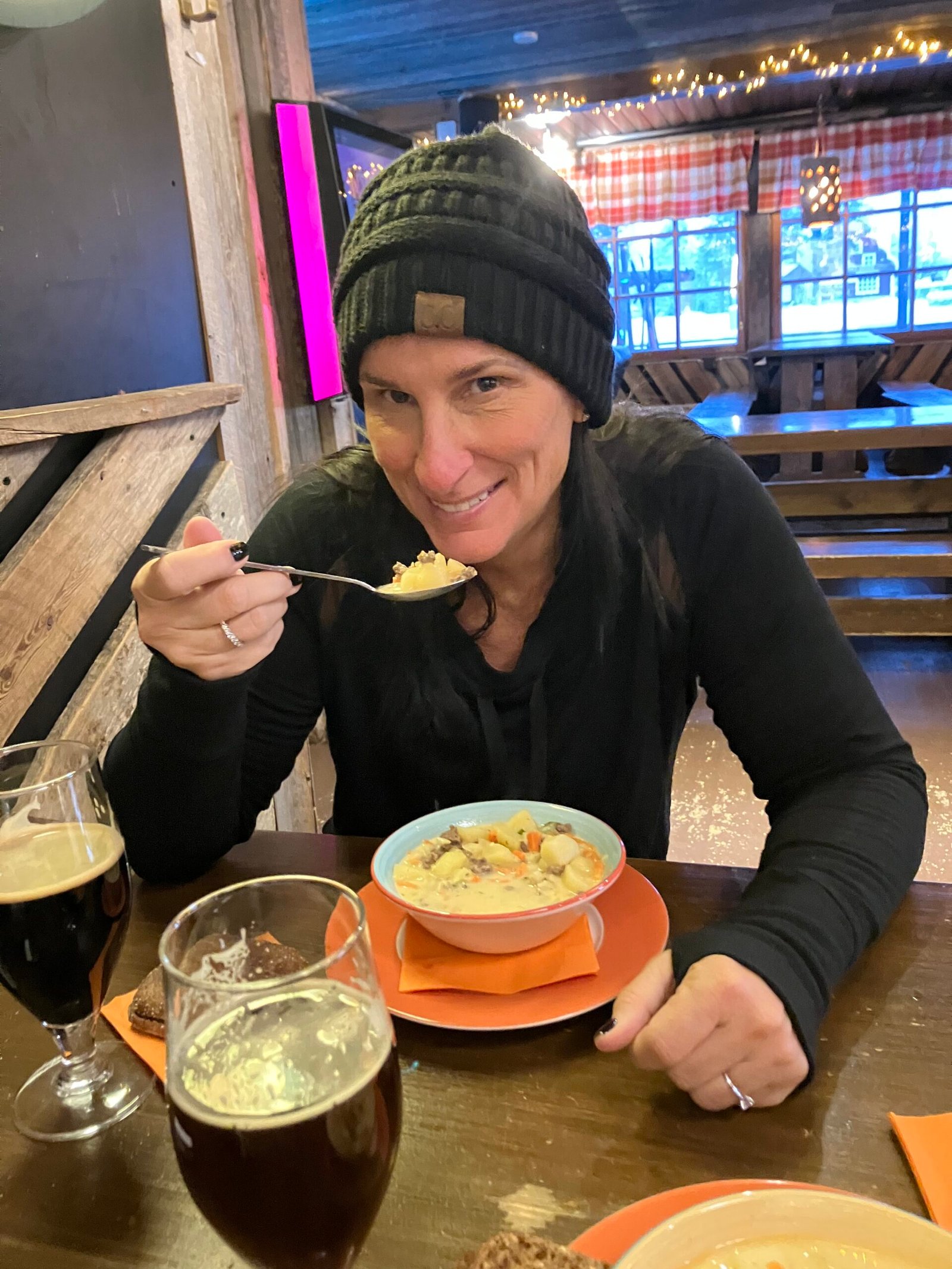
Food followed the same logic. Cafeteria-style meals that didn’t pretend to be anything else. Reindeer soup that was rich, grounding, necessary. Eating wasn’t a highlight — it was fuel, shared, unhurried. Nights ended by firelight in a teepee, northern lights overhead, conversation sparse and meaningful. Silence was never awkward. It was generous.
What surprised me most was how little I needed. The darkness didn’t feel heavy — it felt protective. The stillness didn’t ask for reflection — it created it. Somewhere between the cold air and the long nights, something unclenched. I didn’t come looking for answers. I left with space.
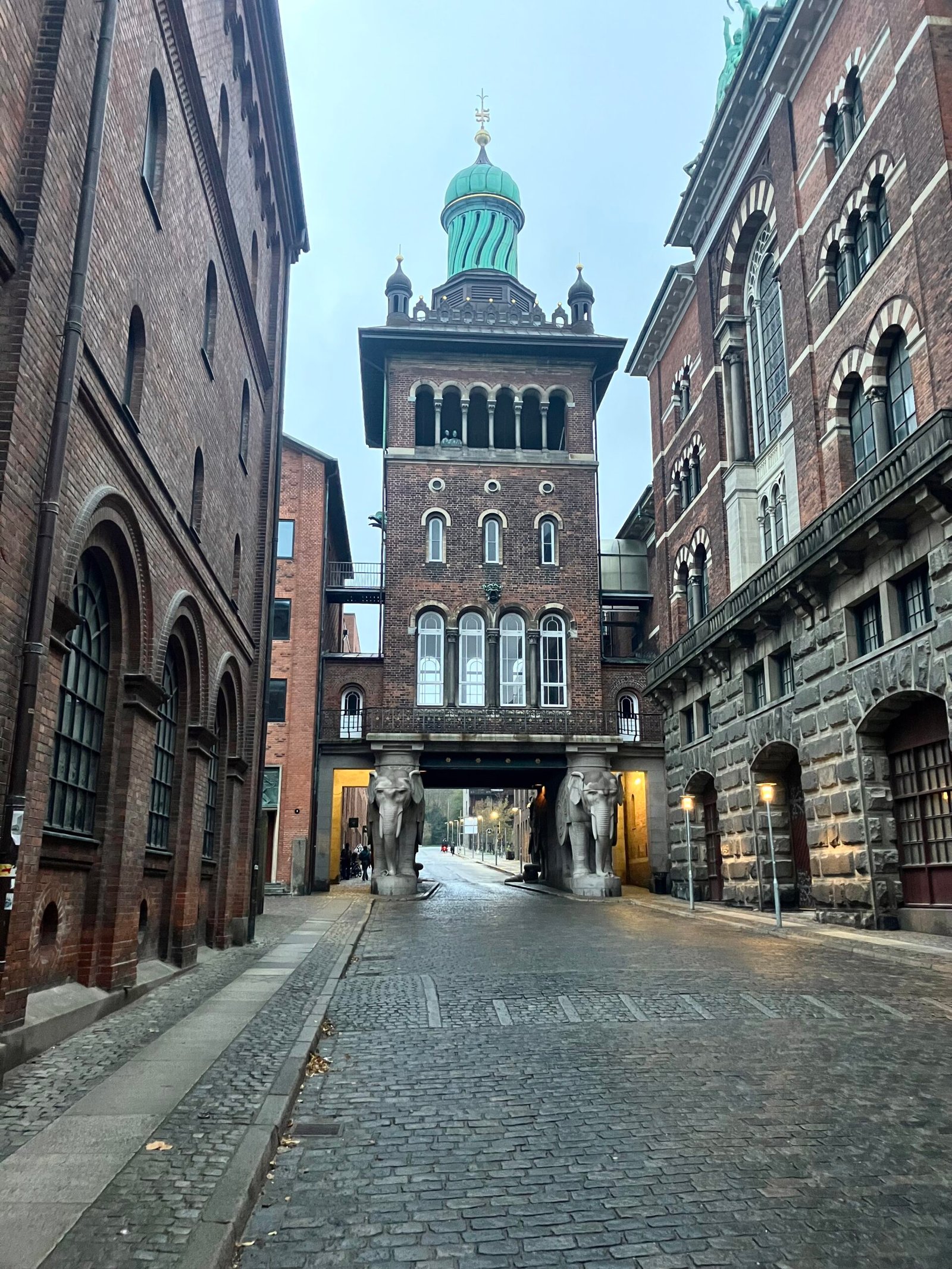
From Finland, we moved south into Denmark, and Copenhagen welcomed us differently — warmly, socially, alive with light.
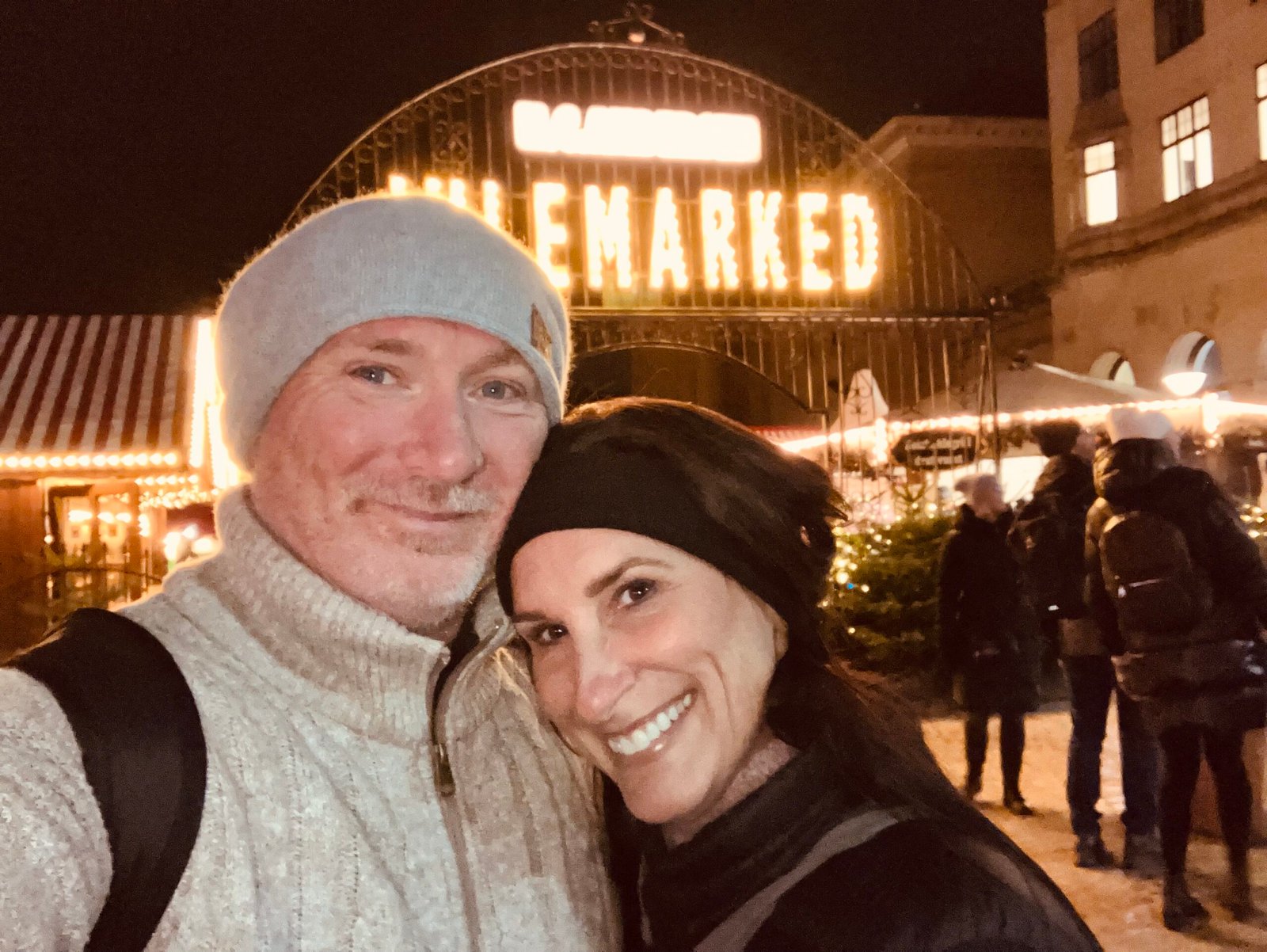
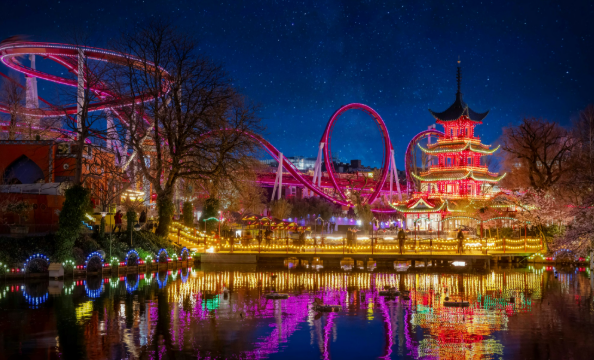
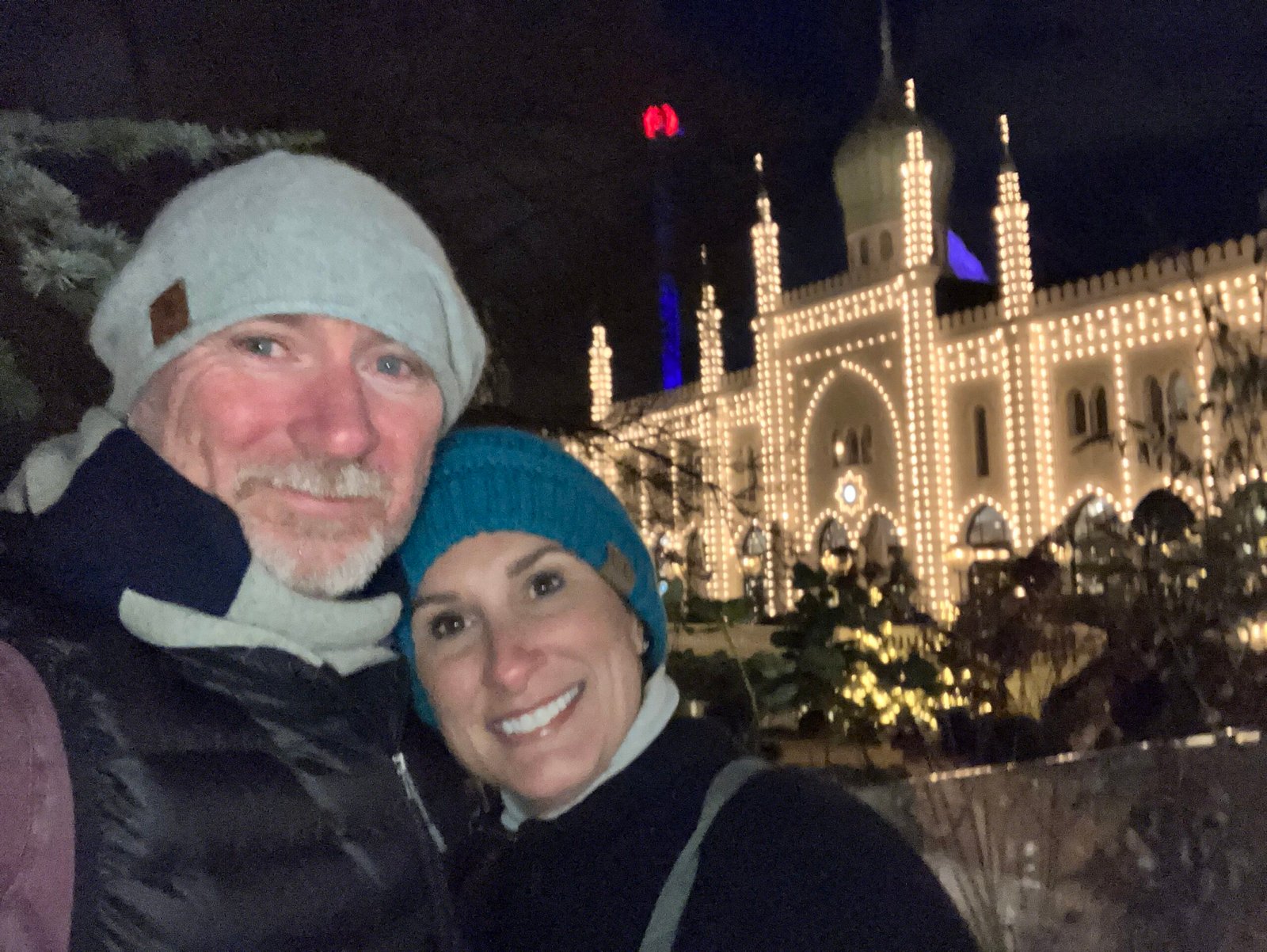
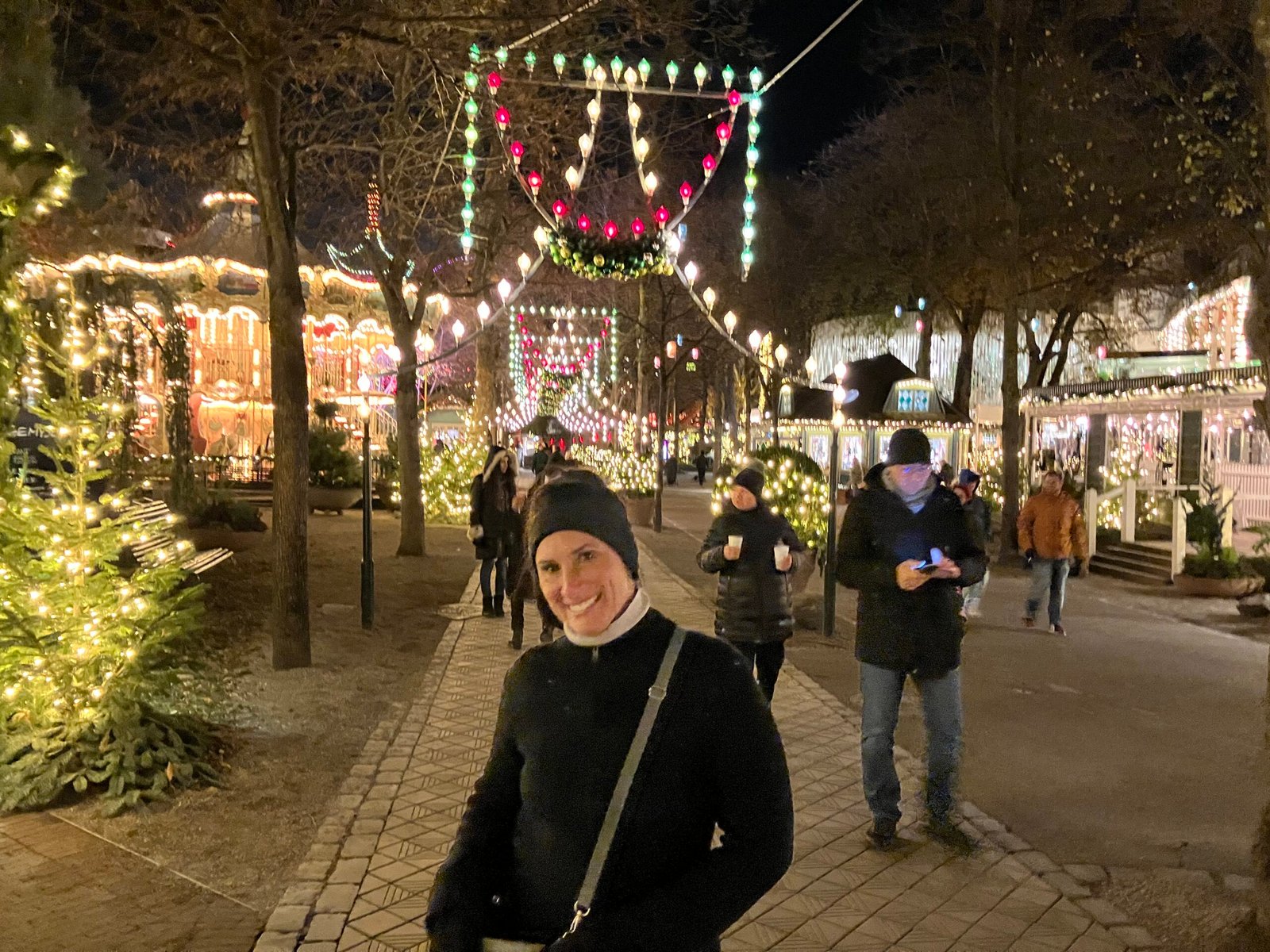
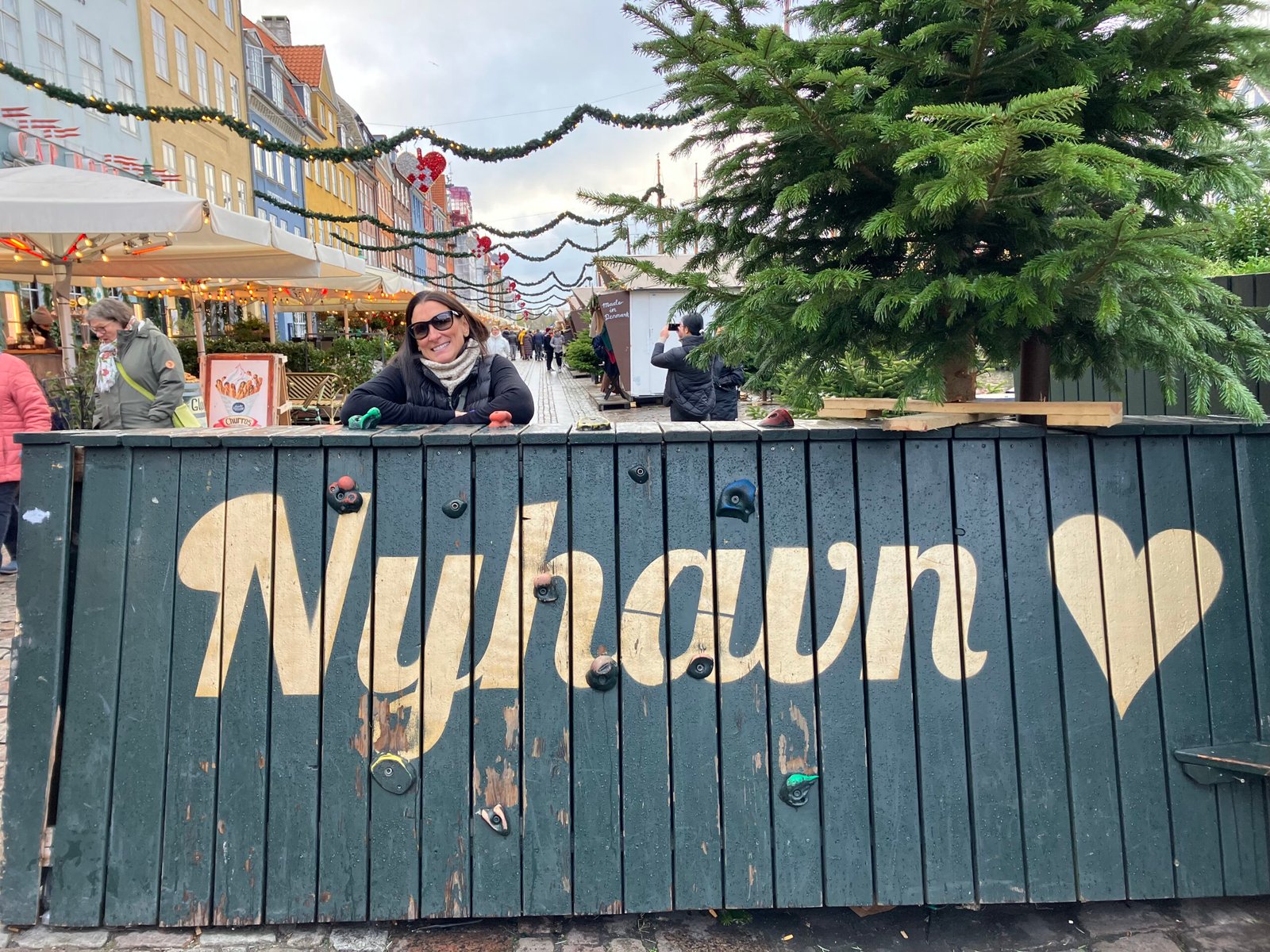
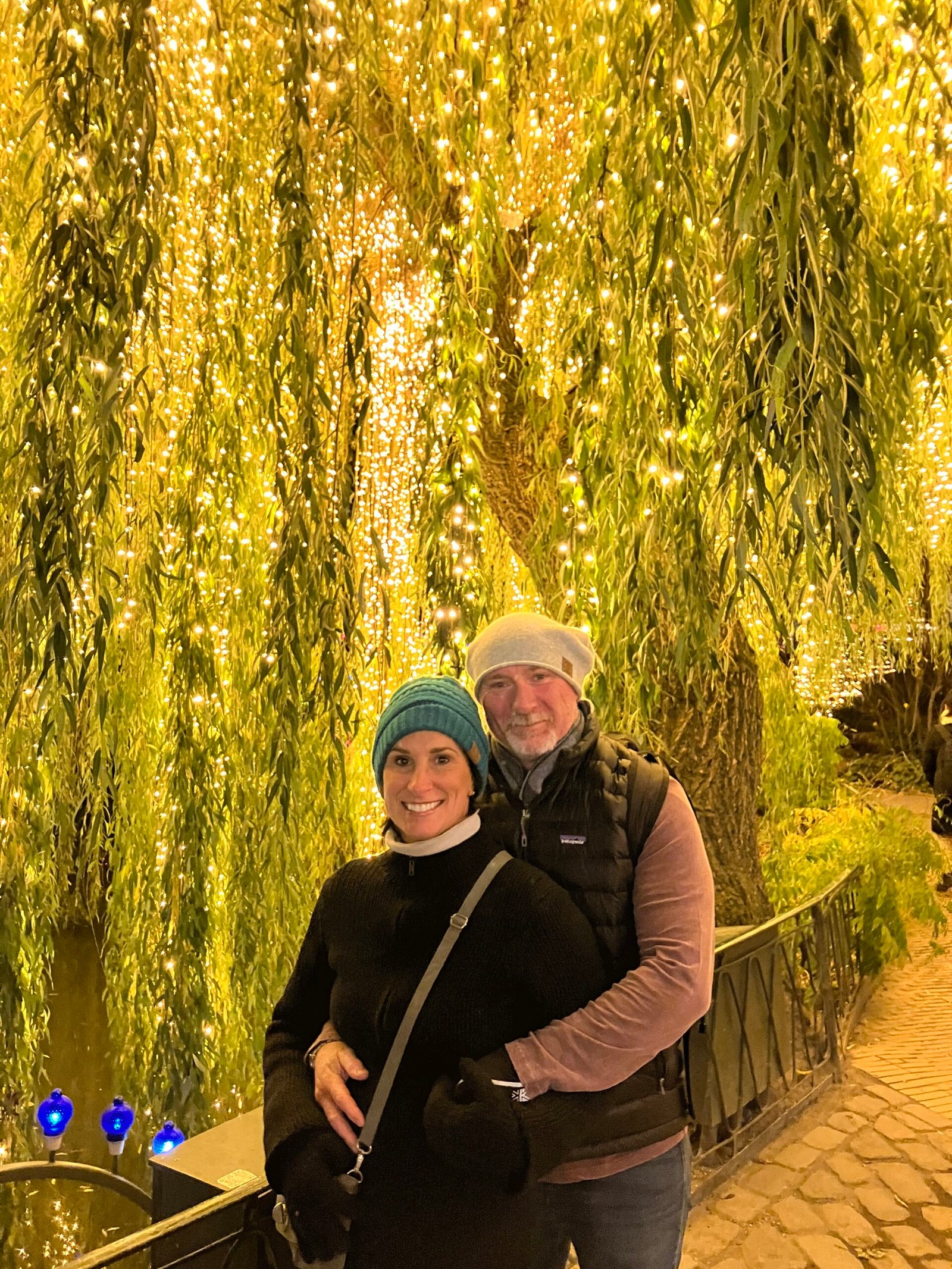
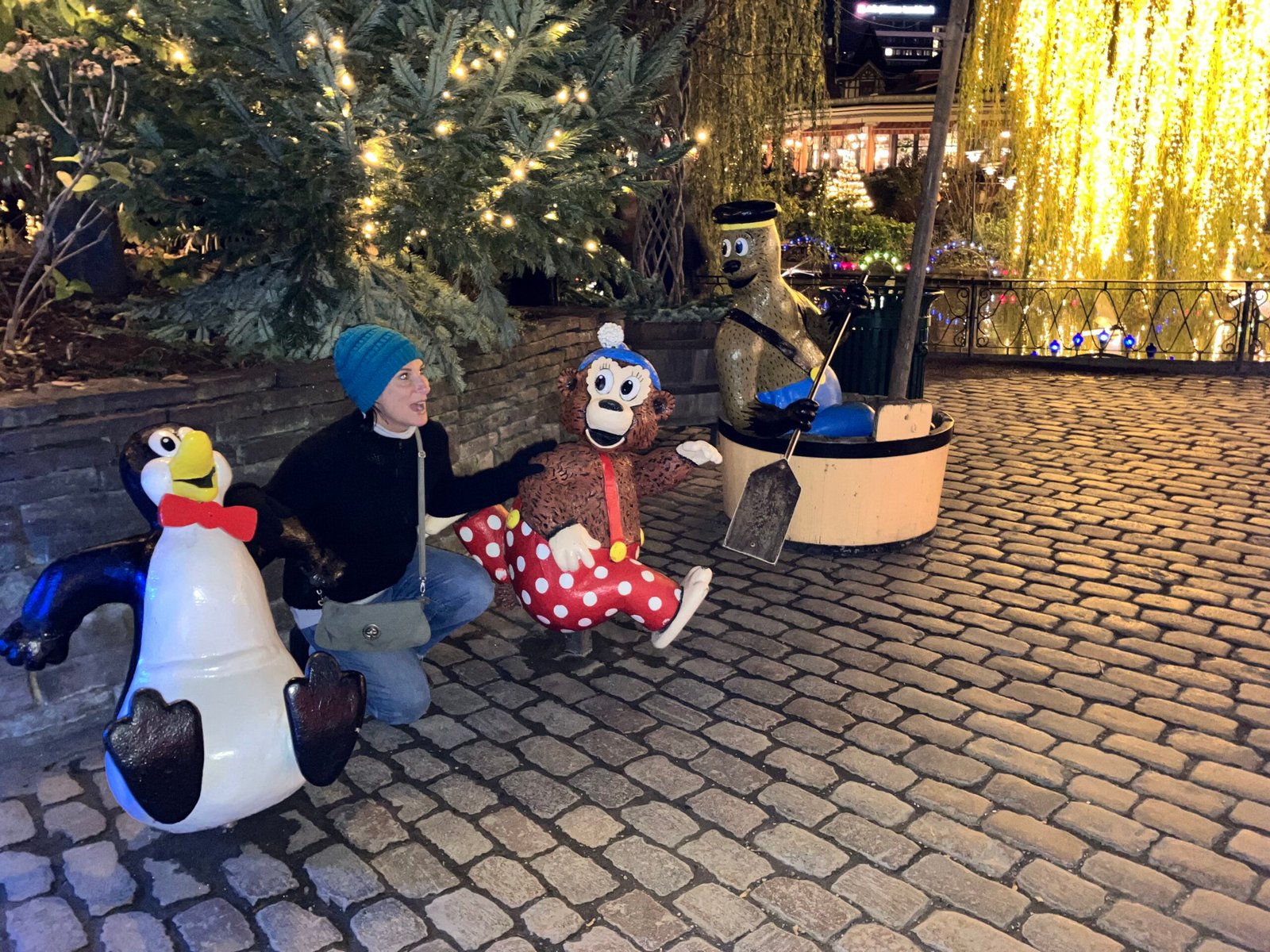
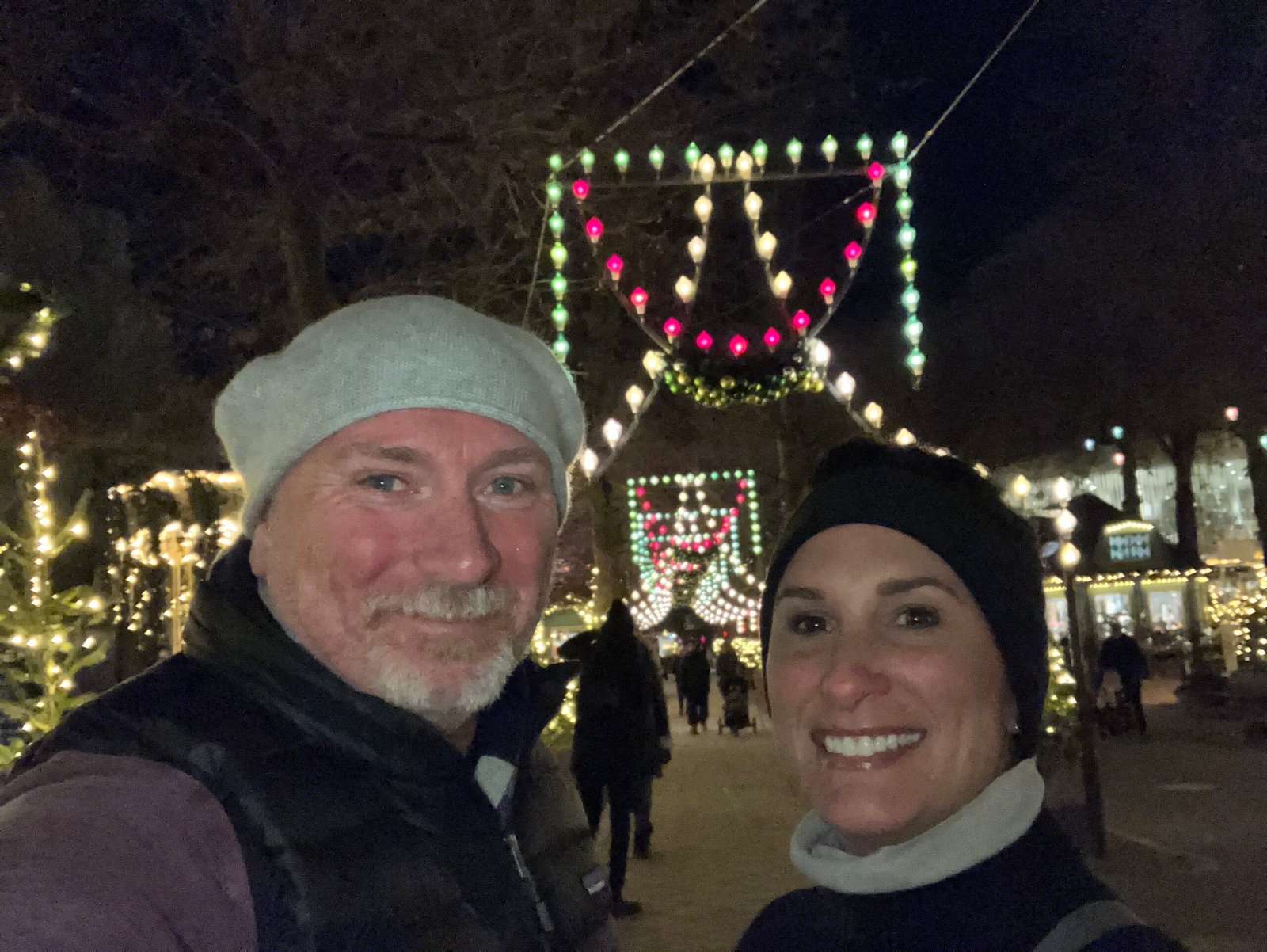
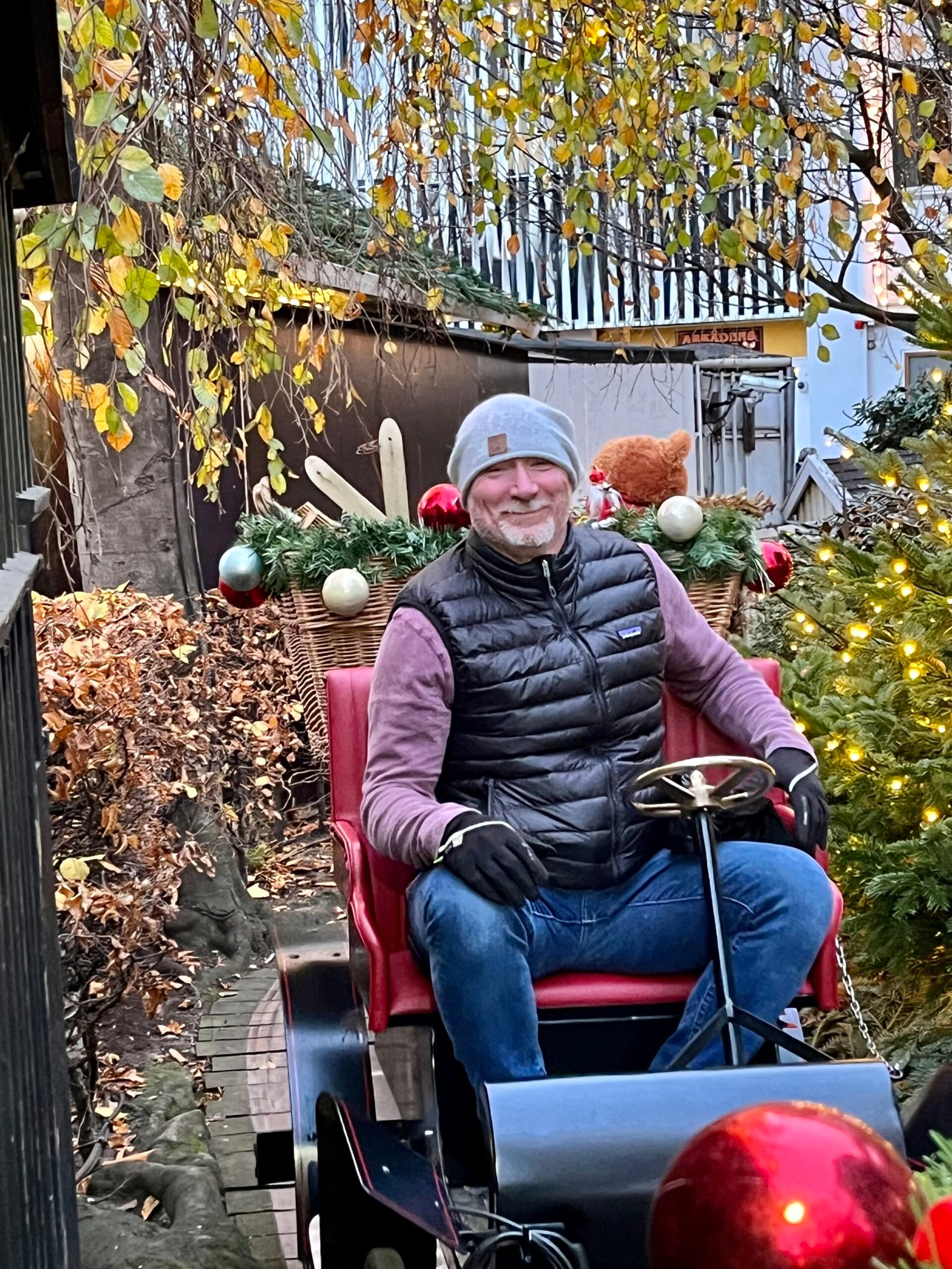
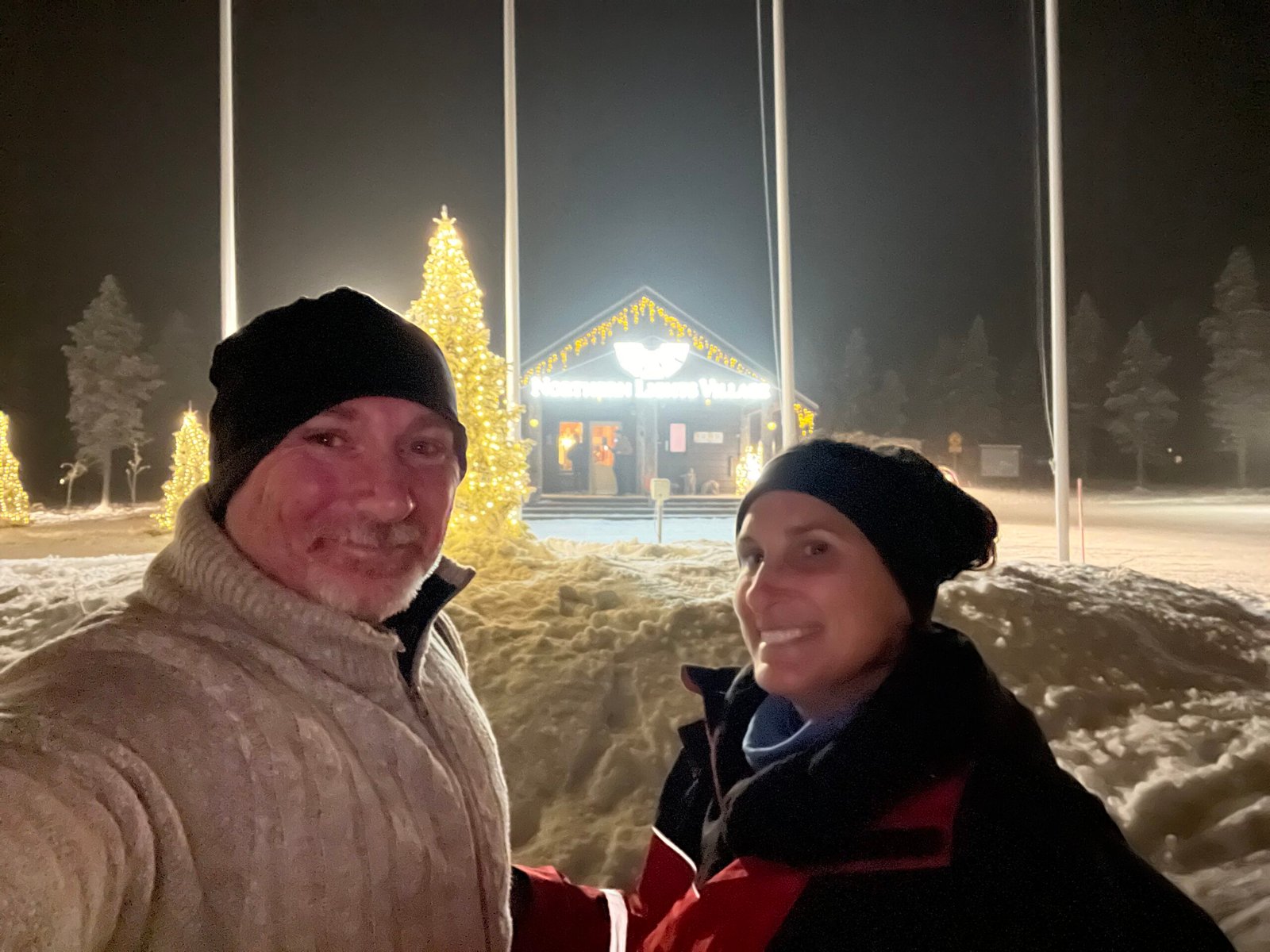
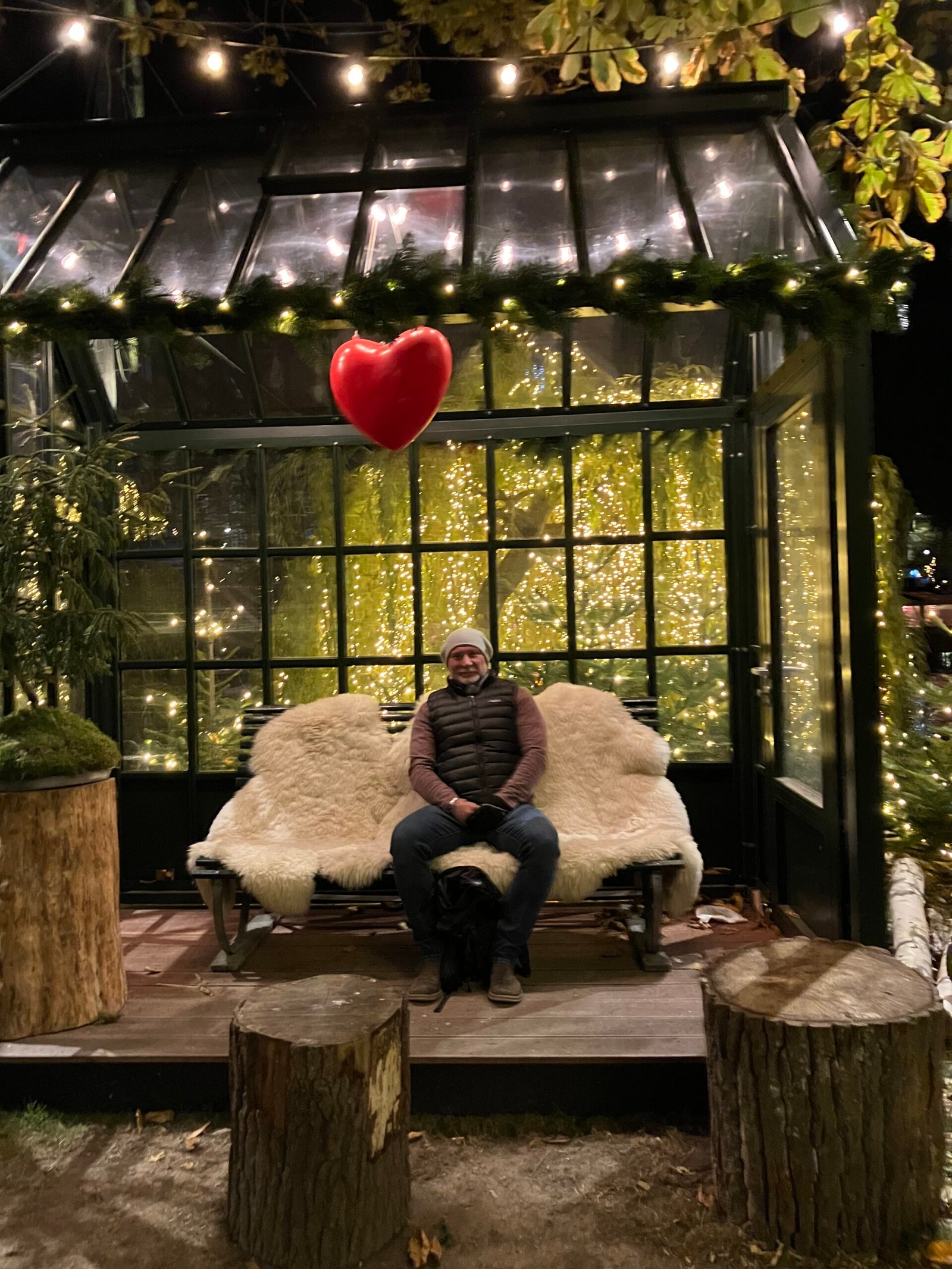
Christmas markets spilled light into the streets. Tivoli Gardens felt like stepping inside a storybook—one of those rare places that lives up to its reputation and then quietly exceeds it. Laughter, music, lights reflecting off cold air. It wasn’t spectacle—it was atmosphere, done perfectly.
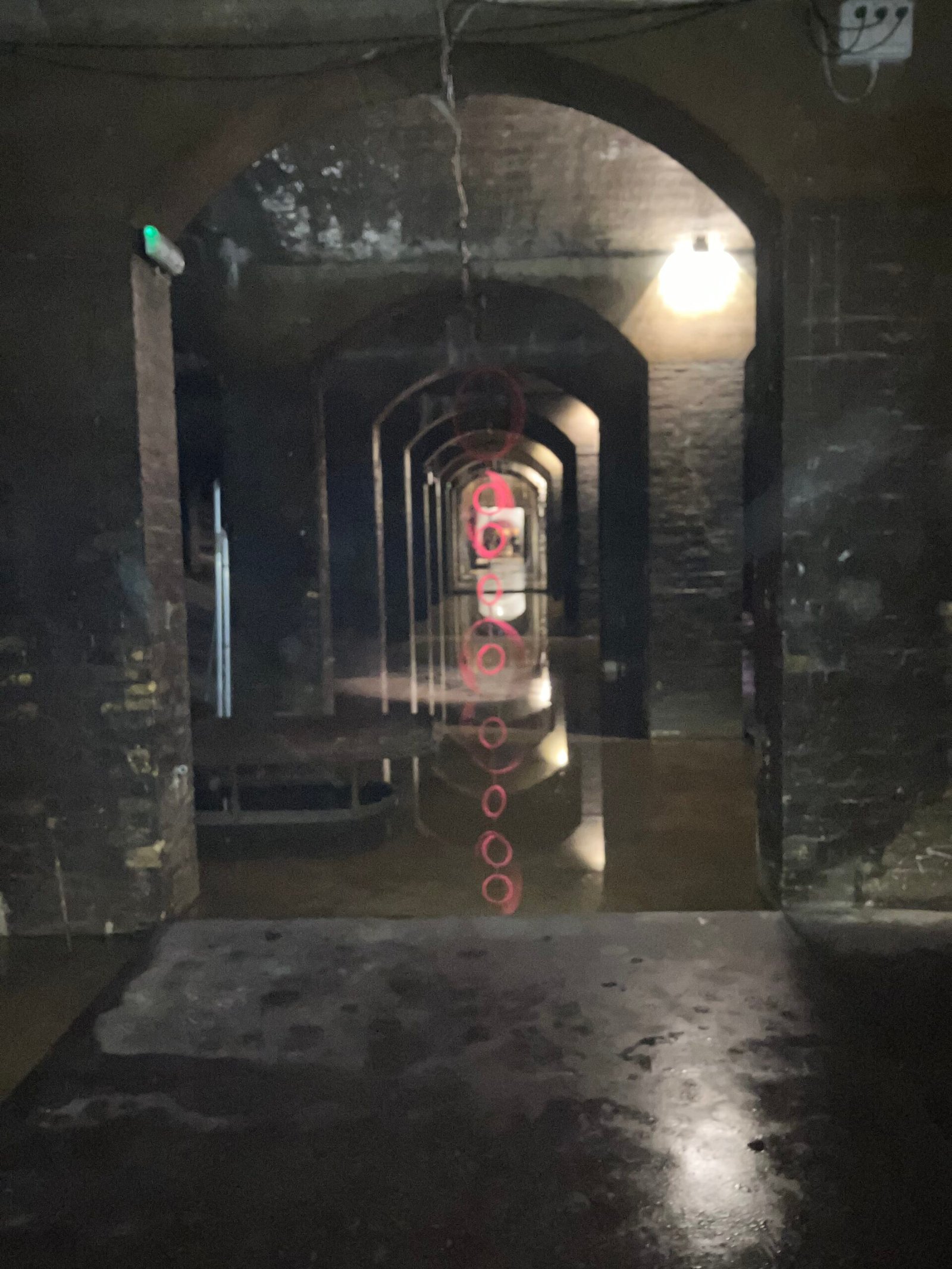
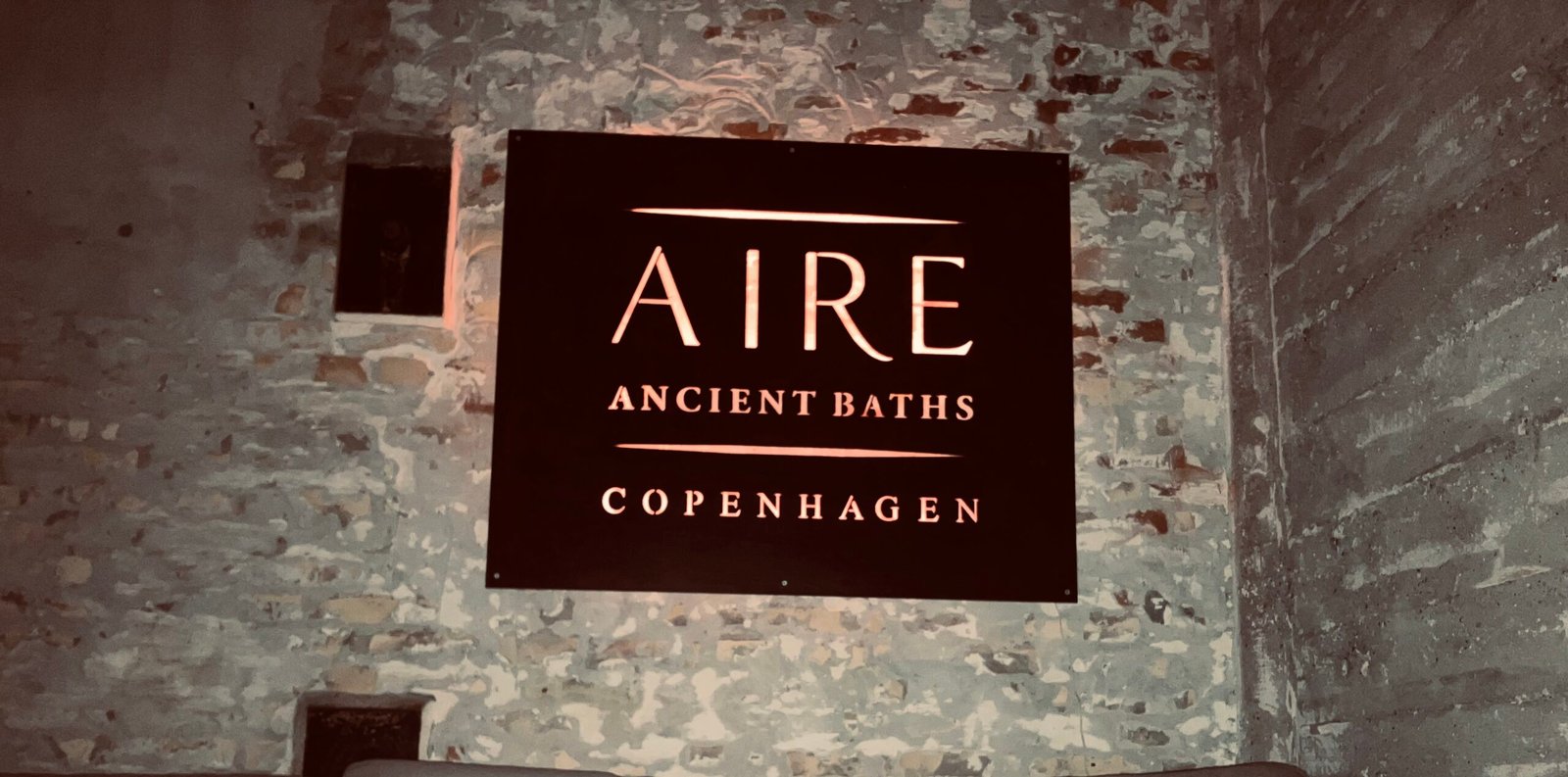
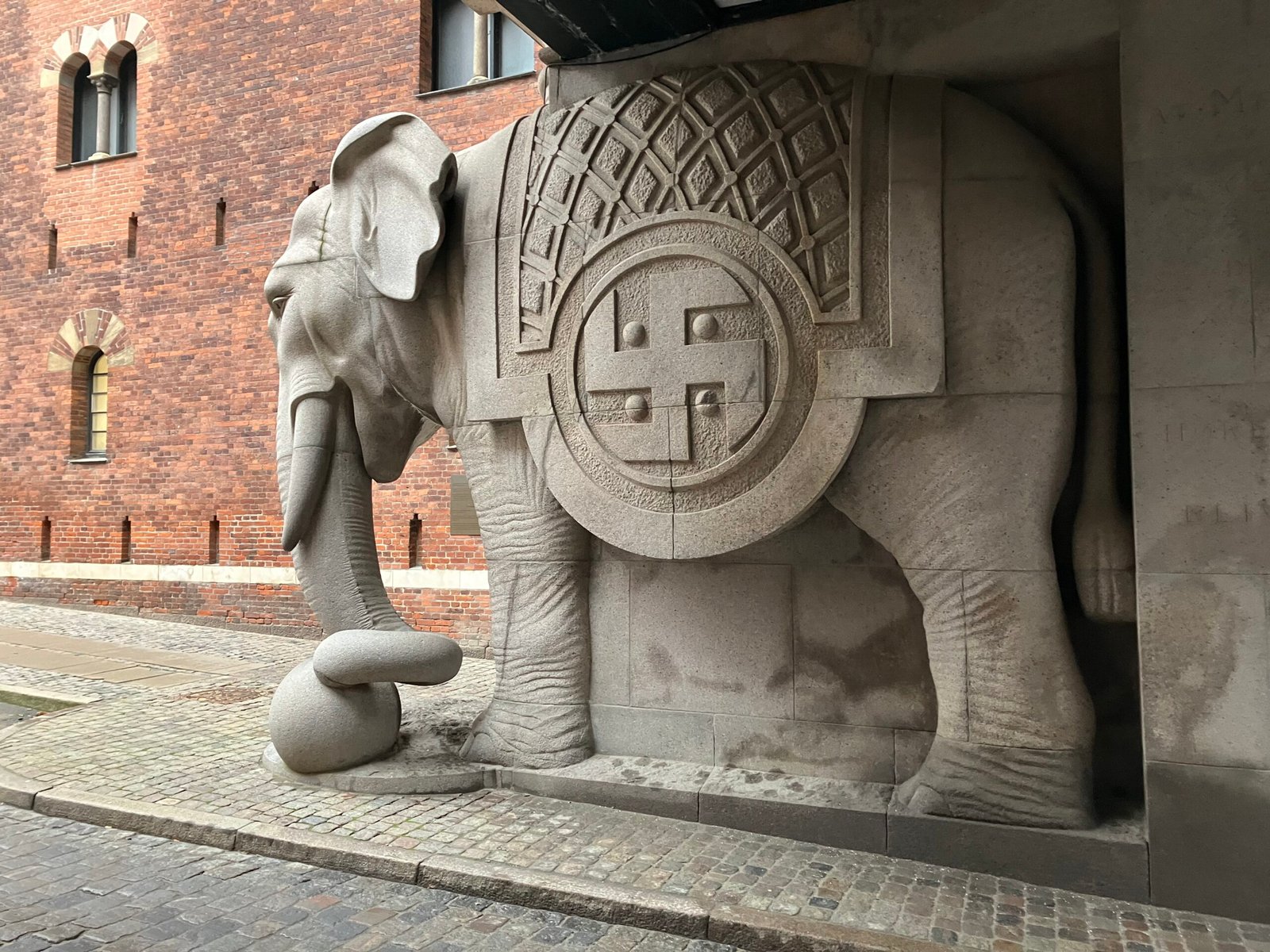
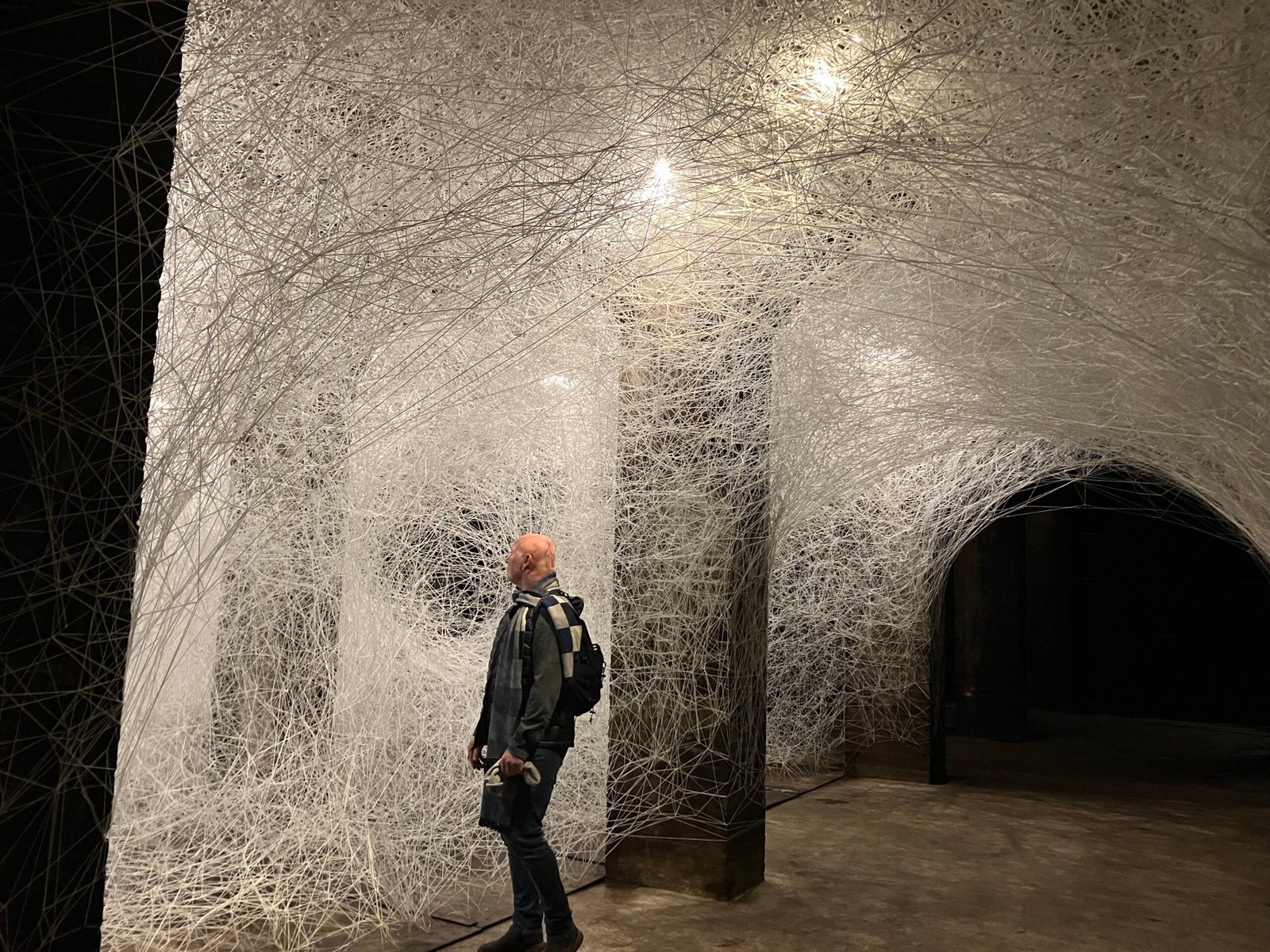
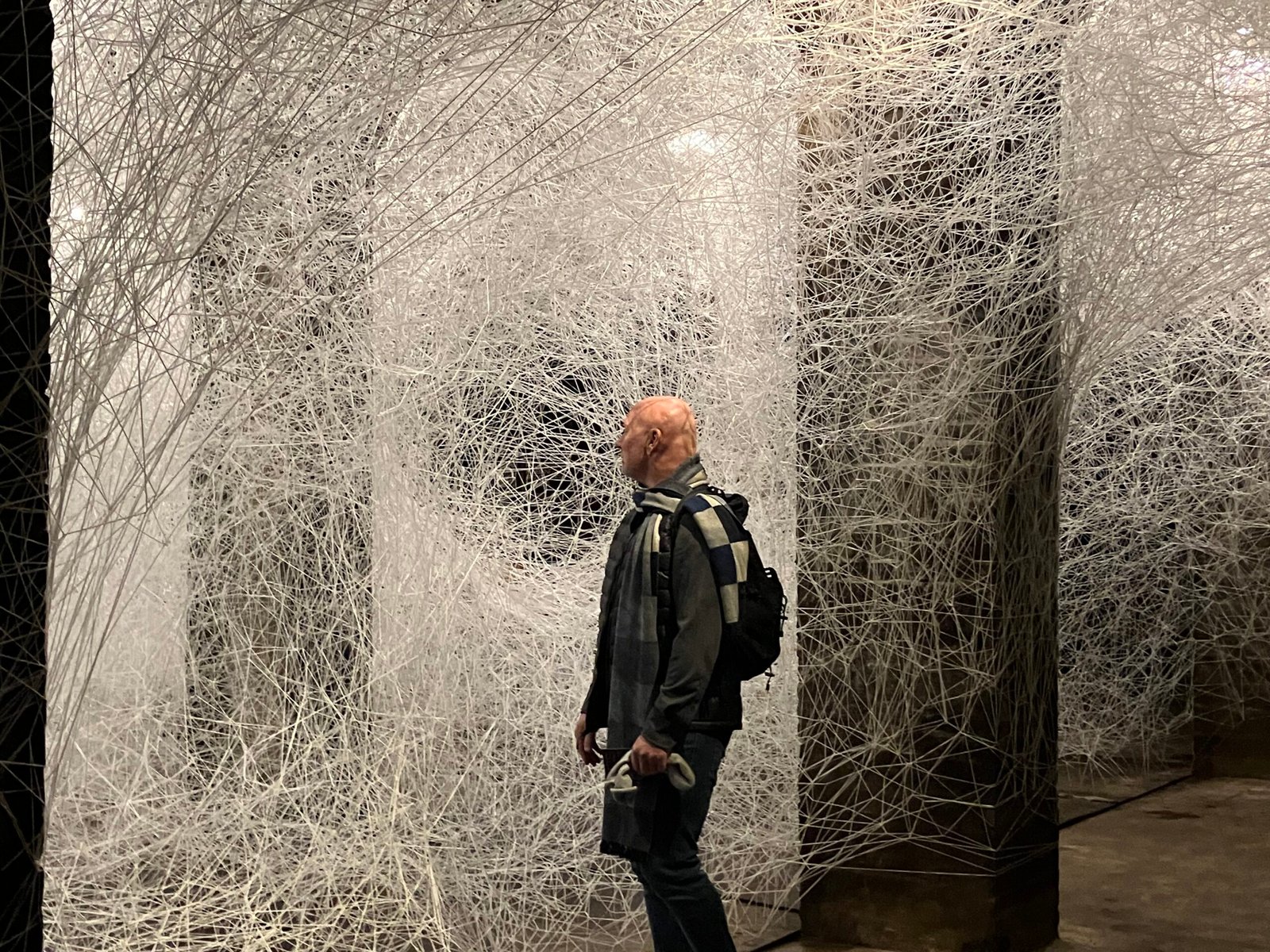
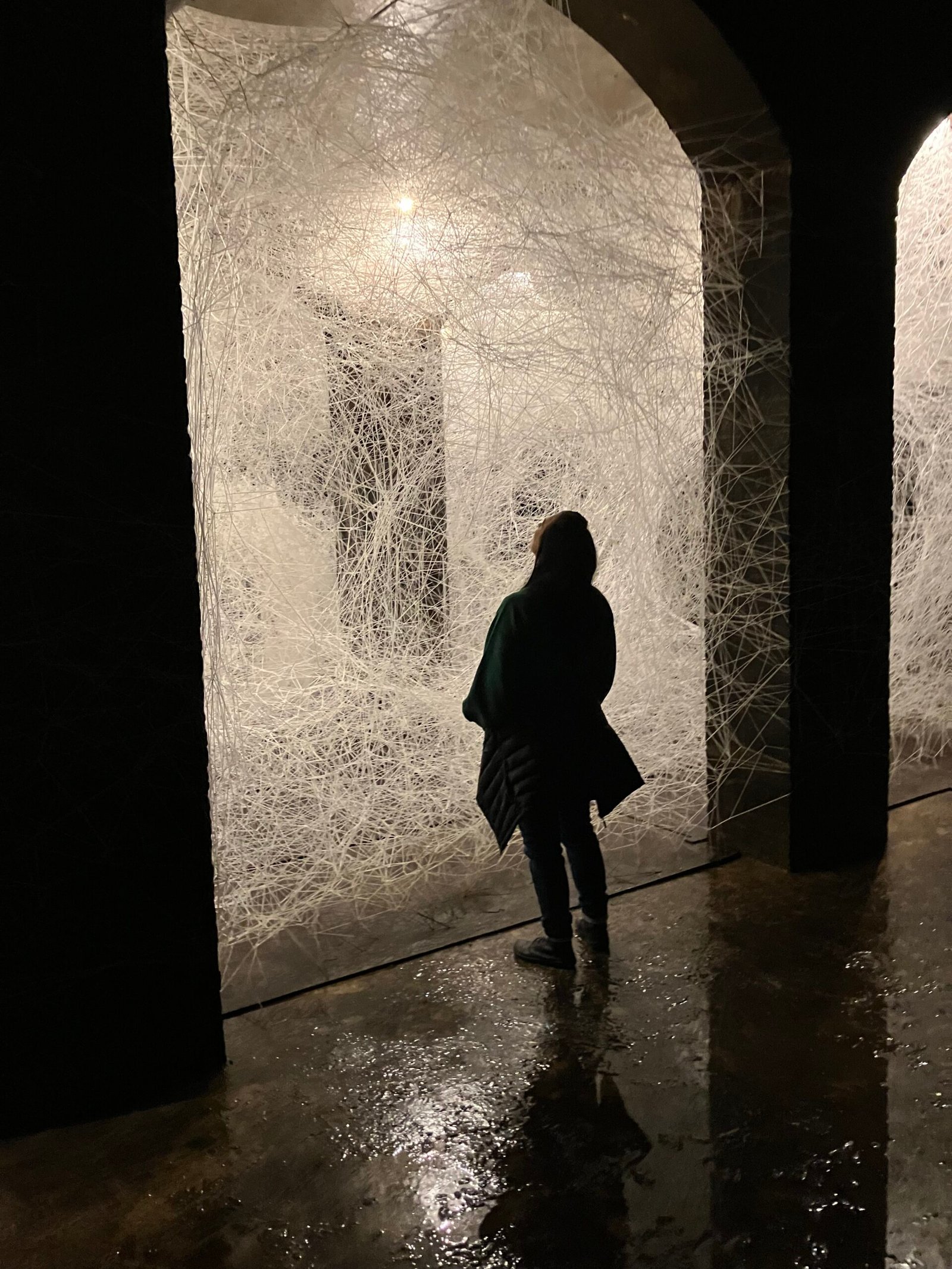
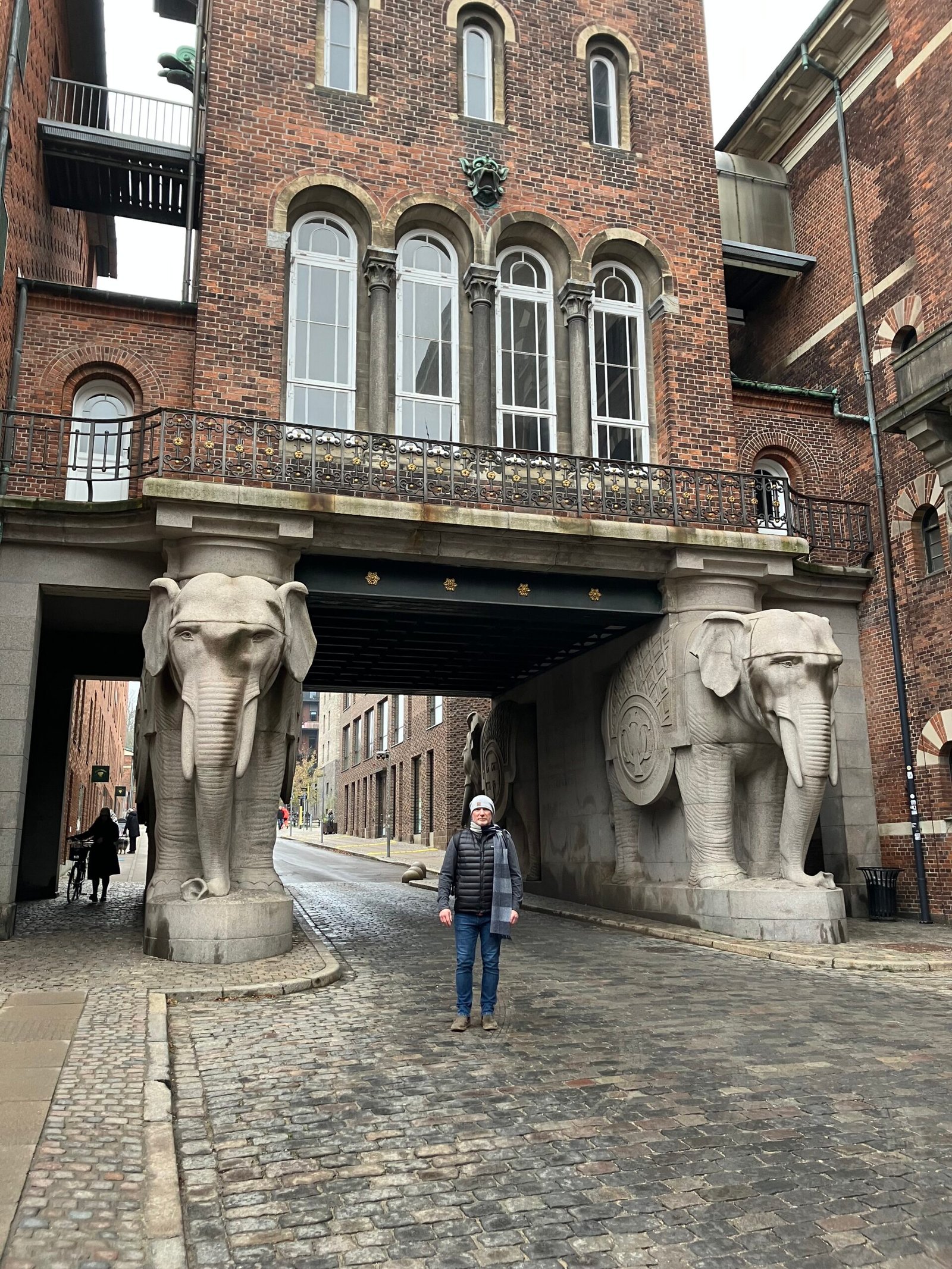
Some of the most powerful moments were hidden below ground. Ancient baths beneath the Carlsberg arches at AIRE, where silence and water erased the outside world. The Cisternerne—an underground art space carved into old reservoirs—was haunting, beautiful, and deeply reflective. You don’t pass through it quickly. You experience it. It’s a must, not a suggestion.
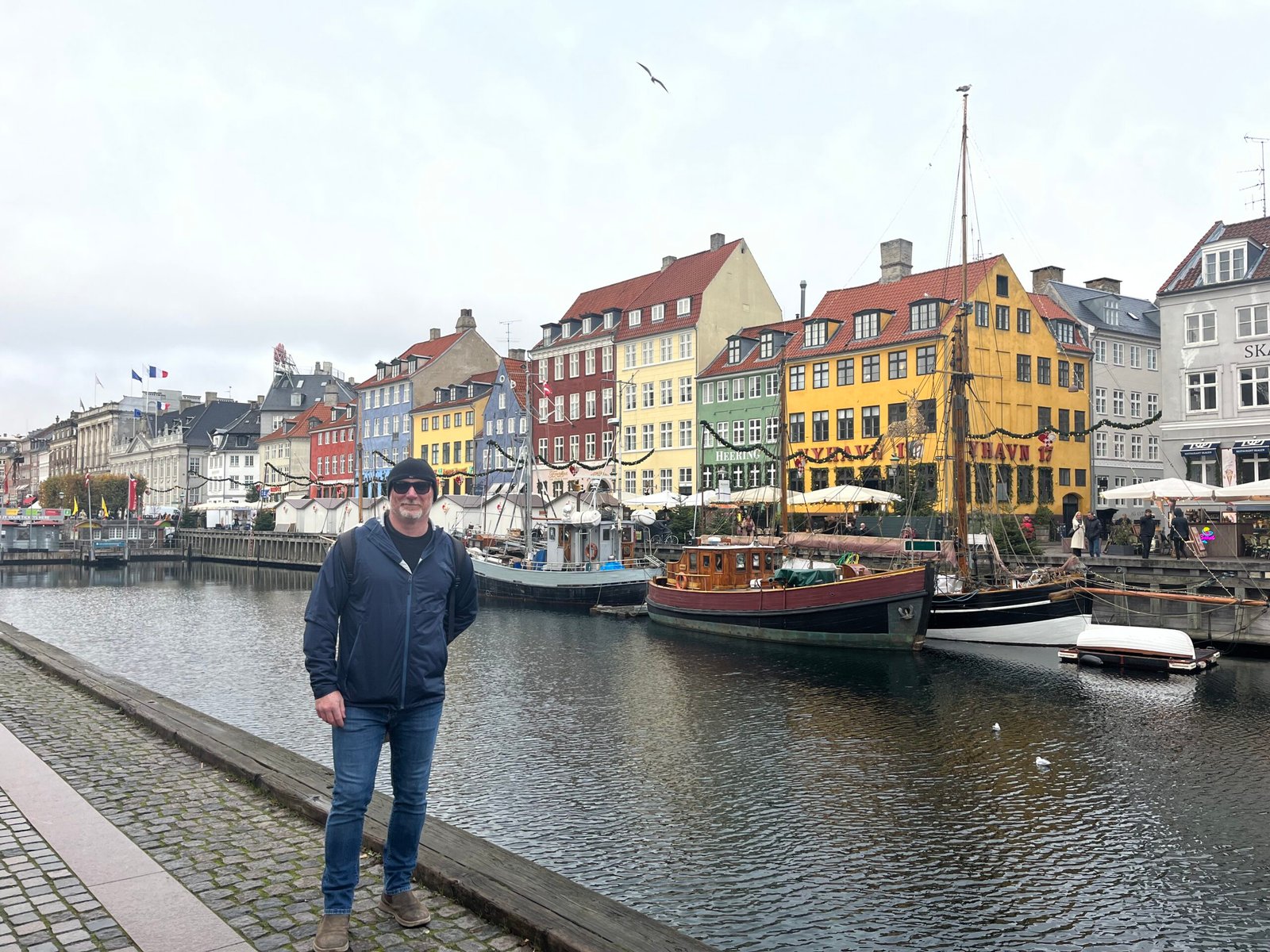
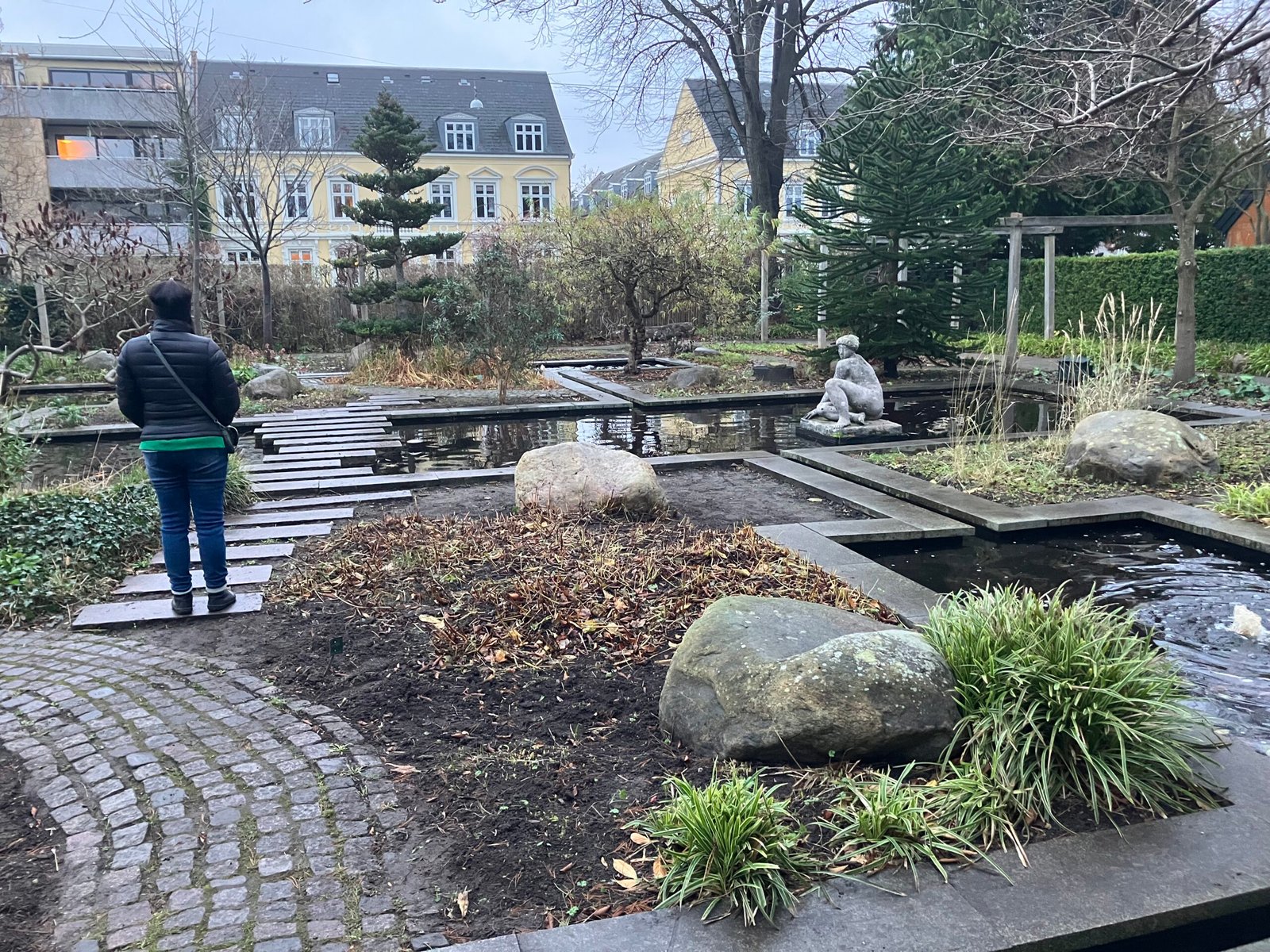
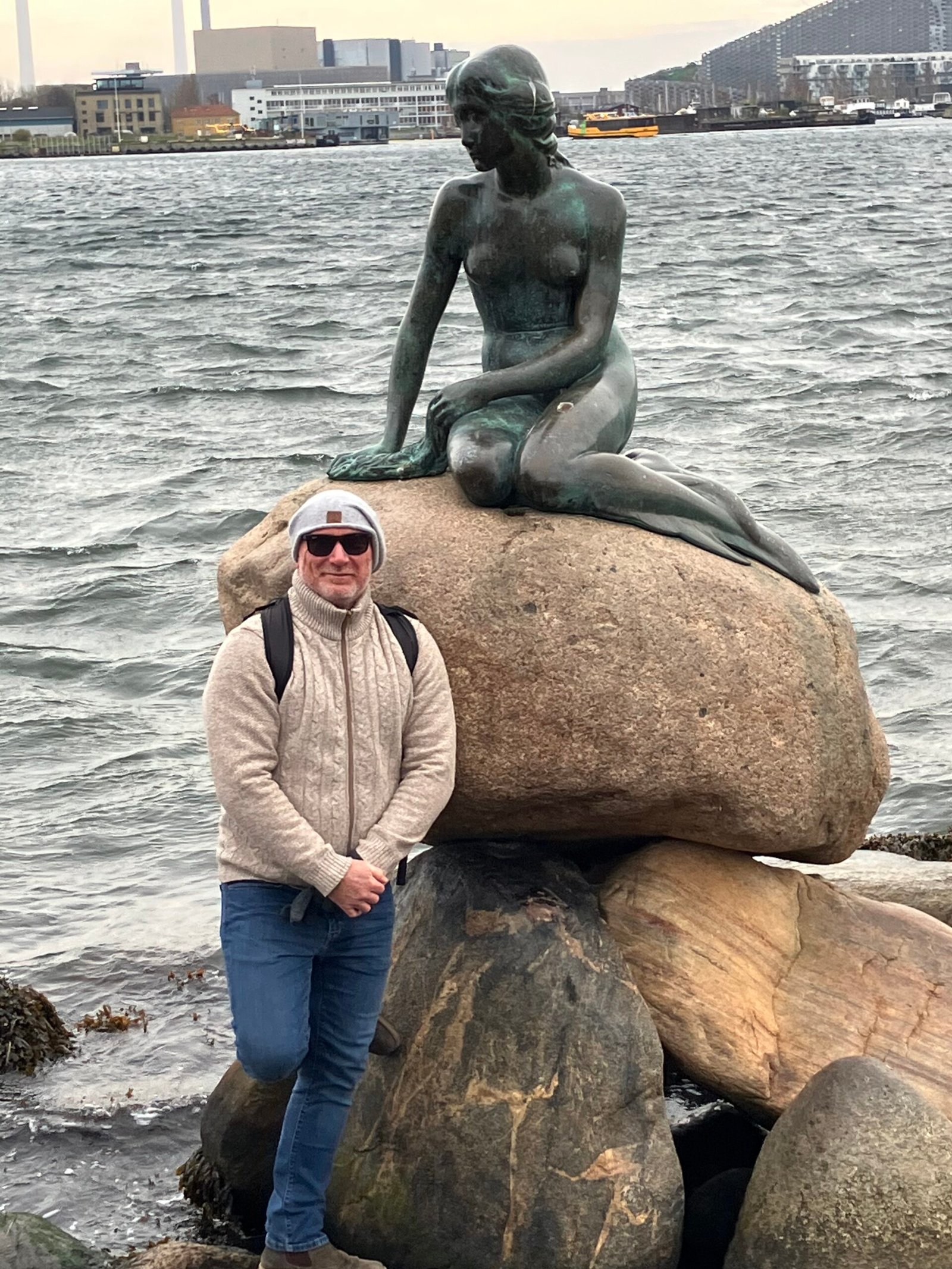
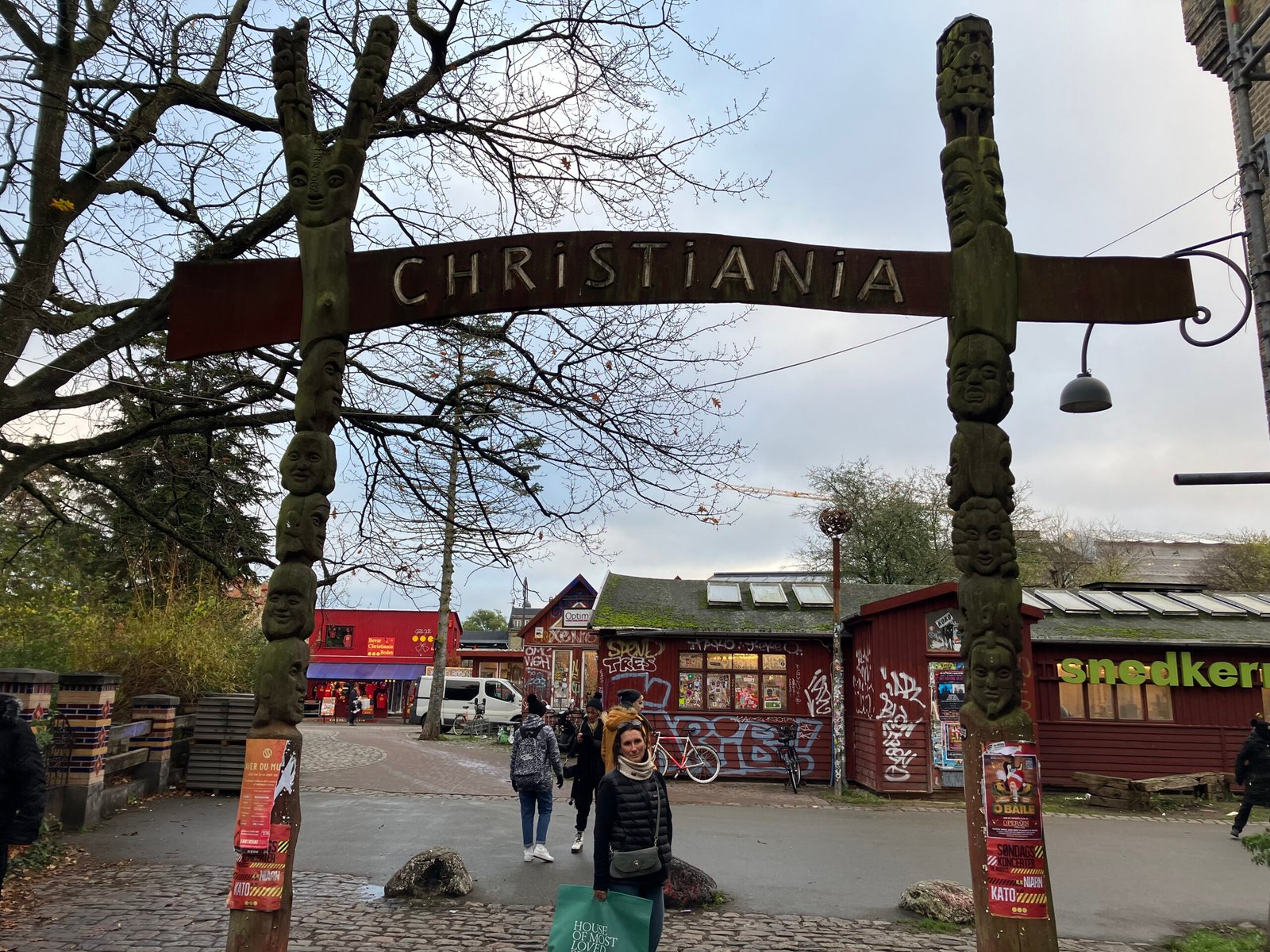
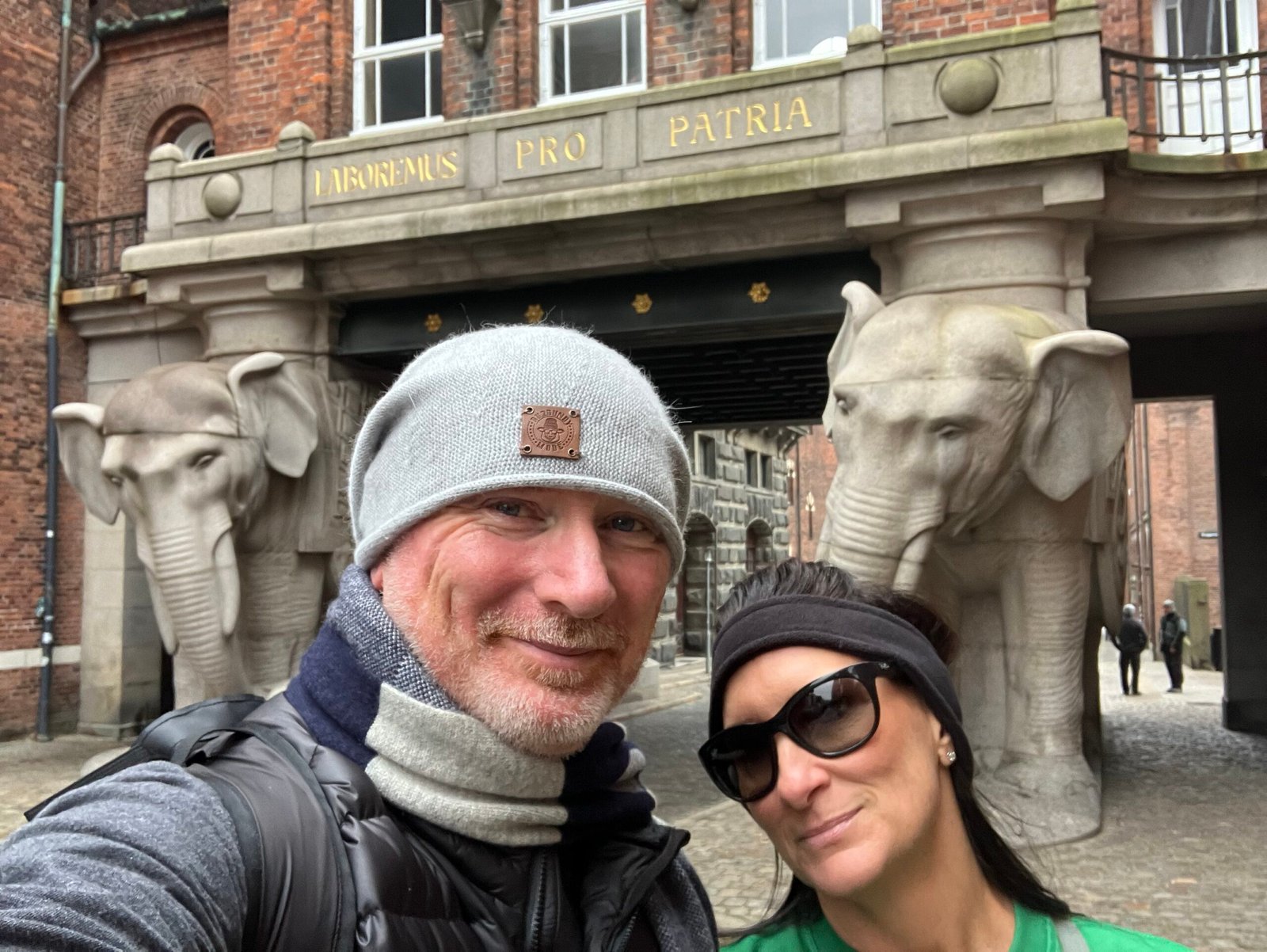
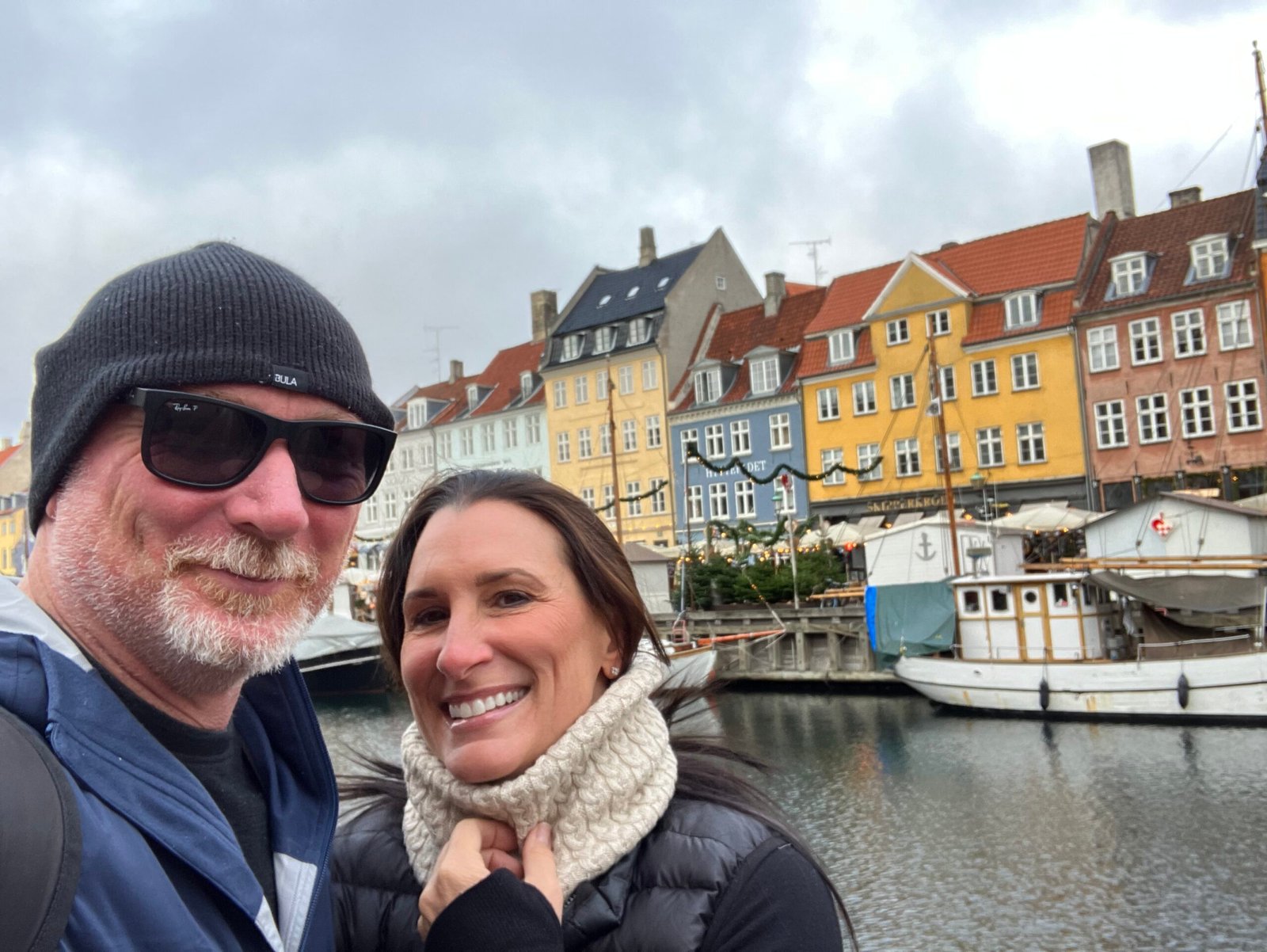
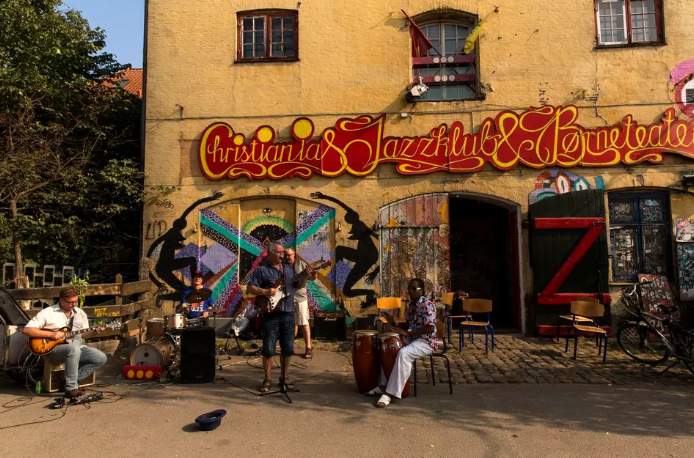
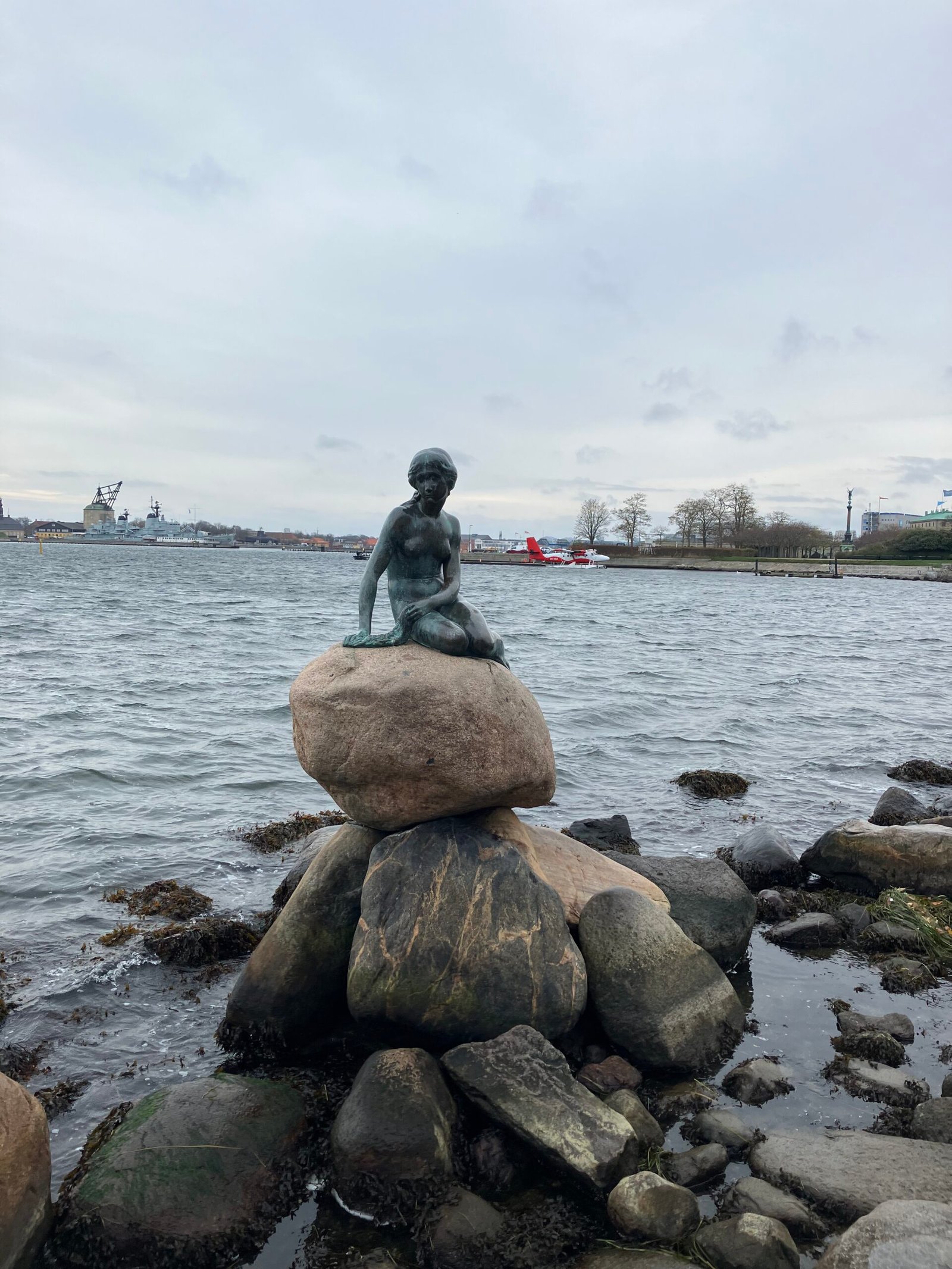
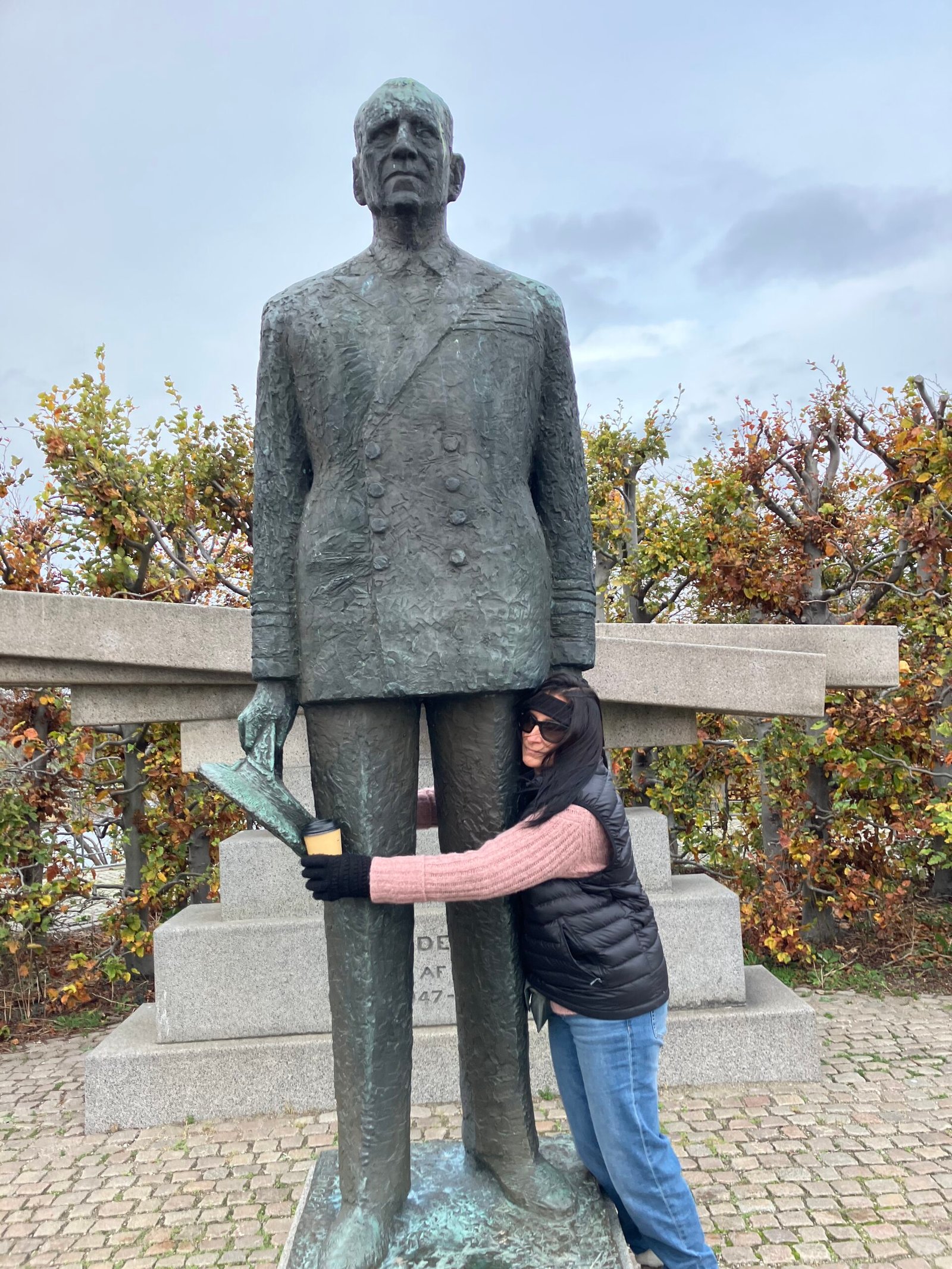
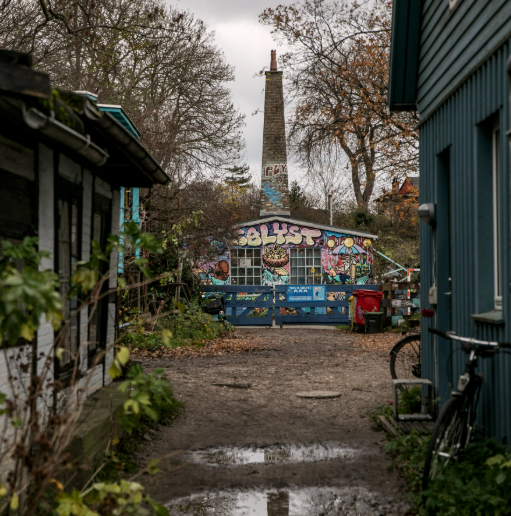
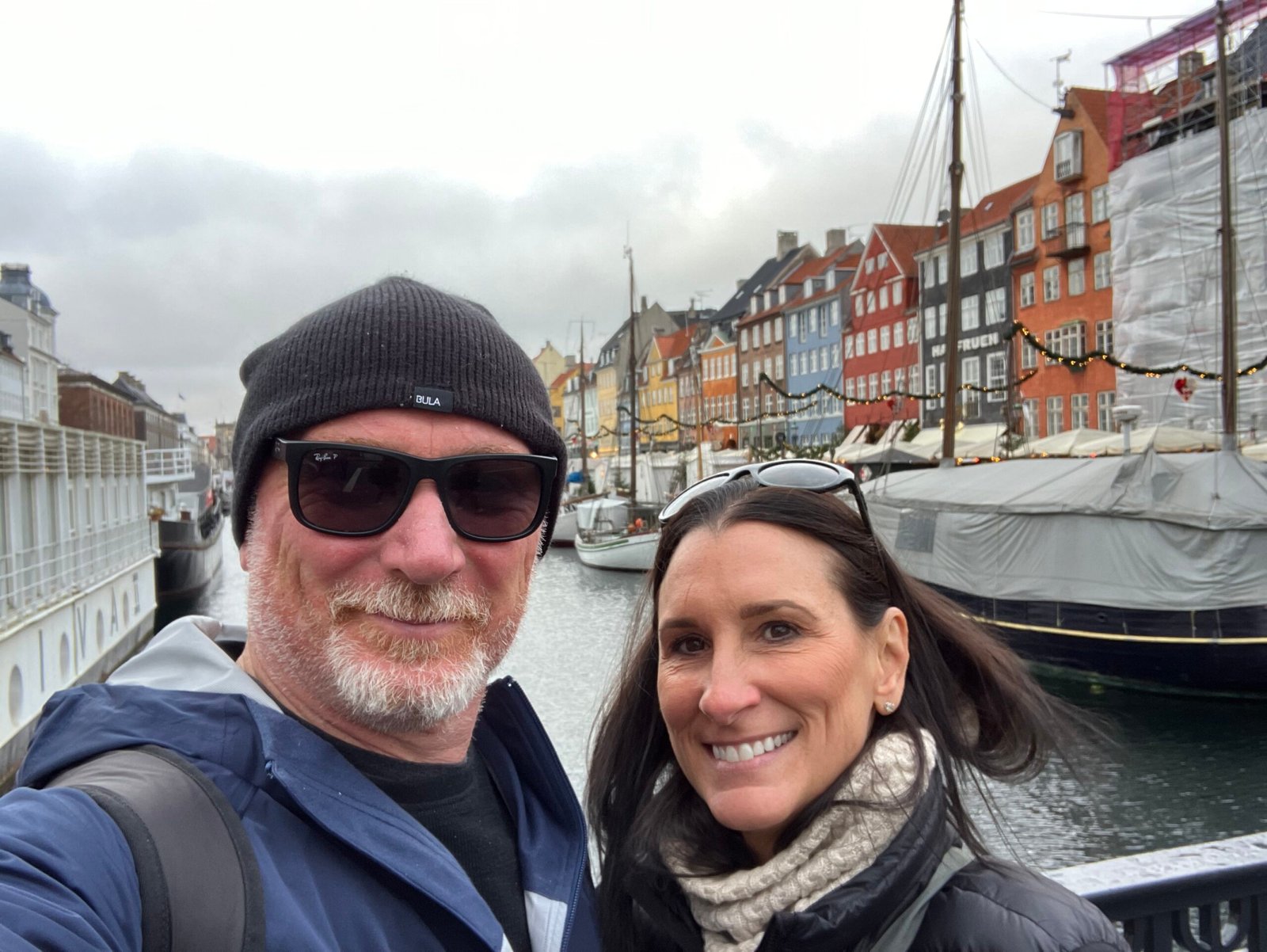
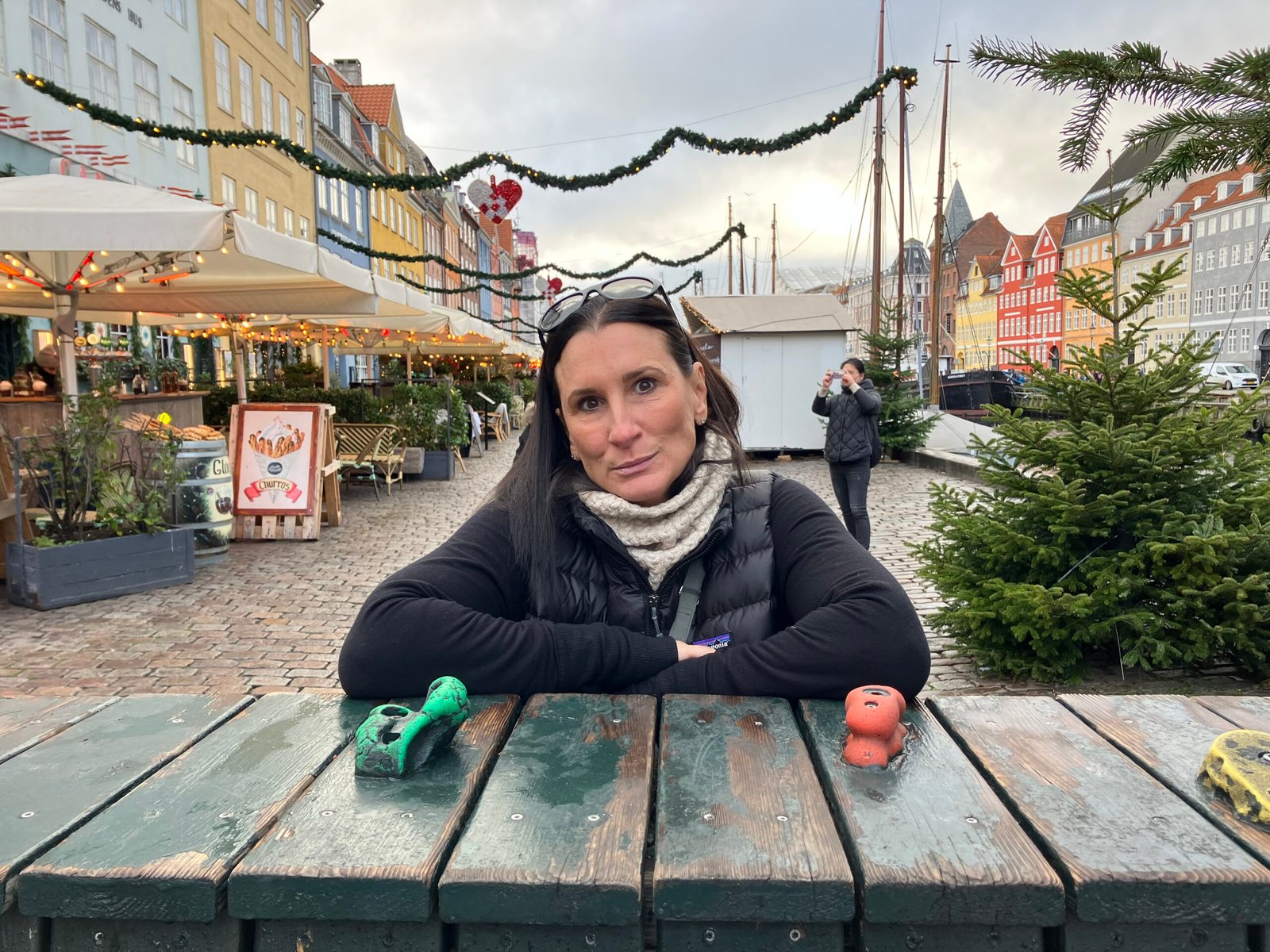
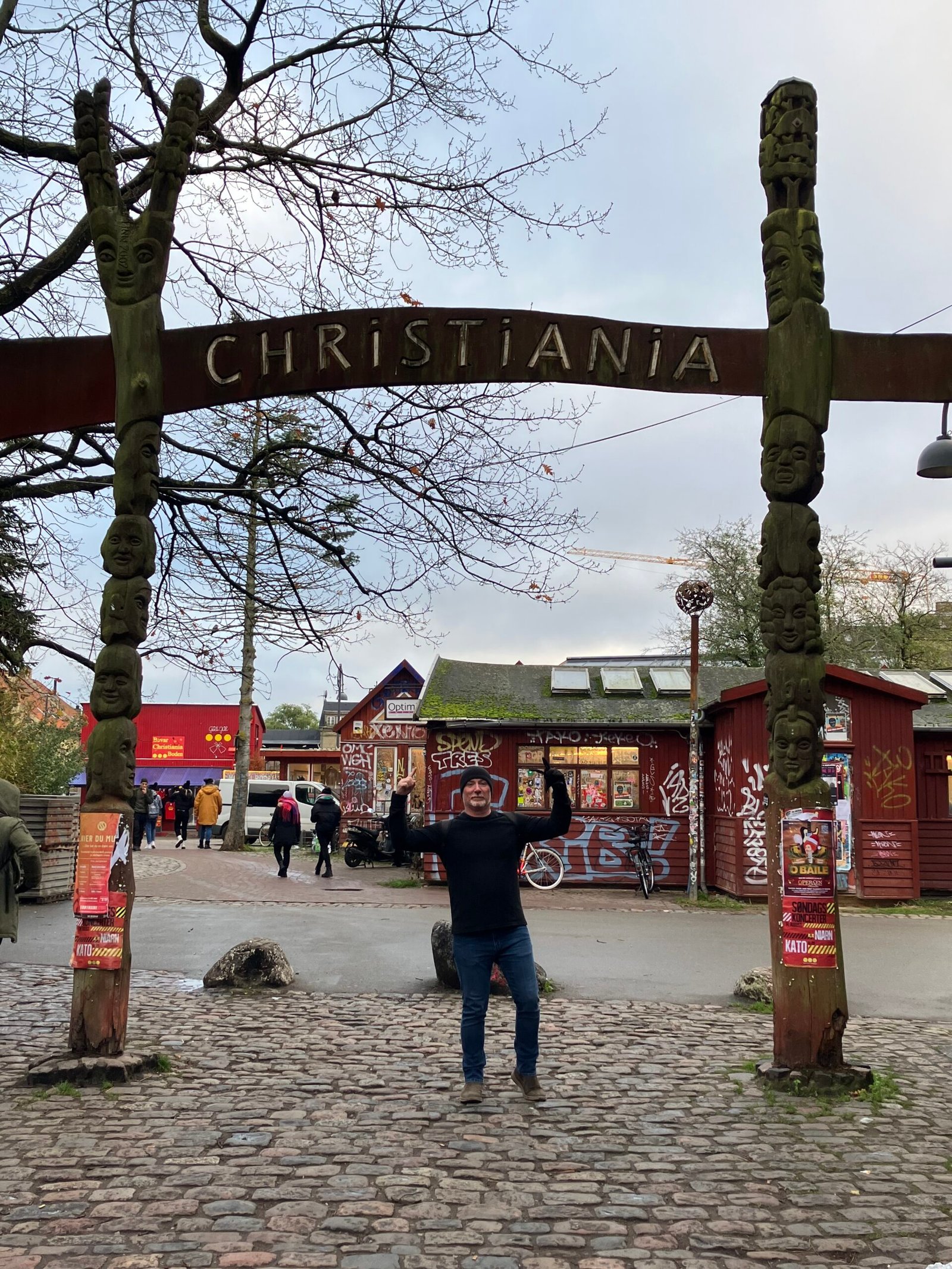
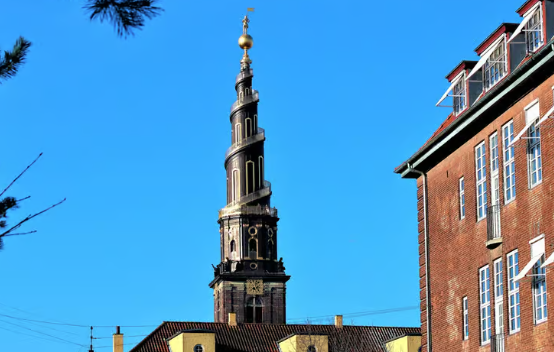
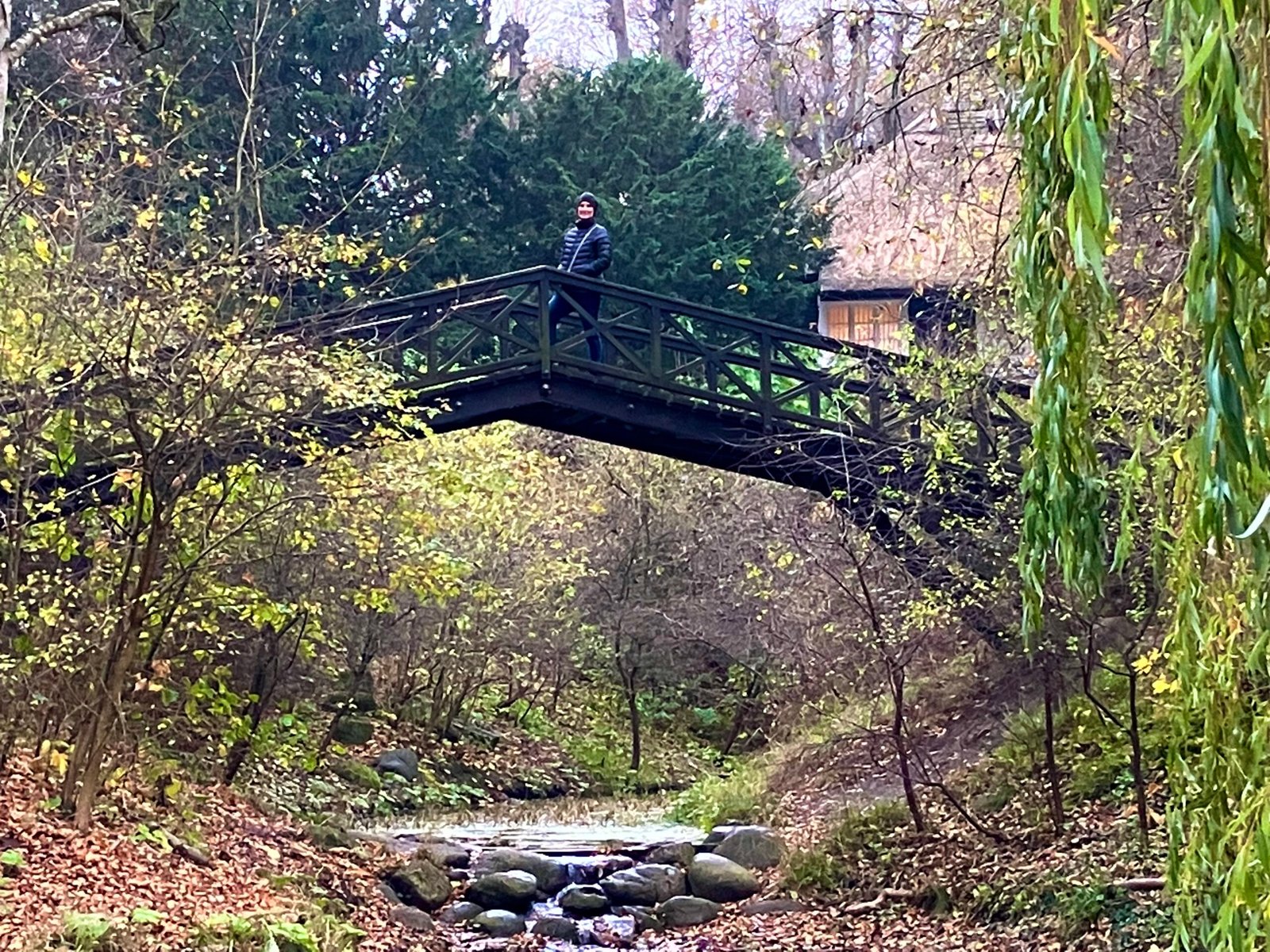
We wandered Nyhavn with food in hand, cookies and laughter in Freetown Christiania, history standing tall at Rosenborg Castle. We climbed the spiral spire at the Church of Our Saviour, each step tightening perspective until the city opened below us. Even the Little Mermaid felt less like a monument and more like a pause.
The trip taught me that stillness isn’t emptiness — it’s alignment. And when you return to movement afterward, you carry that quiet with you.
What Surprised Me
How quickly silence became comfortable.
I expected the cold to feel harsh, the darkness heavy. Instead, both felt clarifying. The absence of noise didn’t create emptiness—it created space. Space to notice breath, movement, and the way time loosens when nothing is demanding your attention.
How little was required to feel complete.
A warm cabin. Firelight. Simple meals. Shared laughter. Watching the sky move slowly overhead. The northern lights weren’t something to chase—they arrived on their own terms, and that patience seeped into everything else.
How joy didn’t need to be loud.
Making cookies with elves. Gliding behind reindeer across snow that absorbed sound. Laughing quietly in hot tubs under open sky. Even the polar plunge wasn’t about adrenaline—it was about presence. The body resets quickly when the environment is honest.
How darkness can feel protective rather than isolating.
Long nights didn’t close in—they held space. Reflection wasn’t forced; it surfaced naturally. Somewhere between the cold air and the extended quiet, something unclenched.
And how contrast deepens appreciation.
Moving from Finland’s stillness into Copenhagen’s warmth and glow didn’t erase the quiet—it carried it forward. Lights felt brighter. Conversations felt fuller. Even movement felt more intentional.
The biggest surprise wasn’t what Finland showed me—it was what it gently removed. Distraction. Urgency. Excess. What remained felt aligned, steady, and enough.
Do’s & Don’ts
A few things I’d do again — and a few I wouldn’t.
- Choose the Aurora Cabin (glass dome). It’s not a gimmick—it’s an invitation to be still.
- Let the darkness lead. Early nights and slow mornings aren’t limitations here; they’re features.
- Move with purpose. Snowshoeing, skiing, hiking—every step matters more when conditions are real.
- Embrace shared meals. Simple food, eaten together, creates connection without effort.
- Say yes to silence. Around campfires, in teepees, under the lights—silence is part of the experience.
- Overprogram your days. Finland rewards space, not schedules.
- Let the darkness lead. Early nights and slow mornings aren’t limitations here; they’re features.
- Move with purpose. Snowshoeing, skiing, hiking—every step matters more when conditions are real.
- Embrace shared meals. Simple food, eaten together, creates connection without effort.
- Say yes to silence. Around campfires, in teepees, under the lights—silence is part of the experience.
Regrets & Lessons
Finland teaches quietly, which means the lessons don’t arrive all at once.
I regret underestimating how much the darkness would change my rhythm. Not negatively—but profoundly. I planned days the way I always do, before realizing the environment was already setting the schedule. Finland works better when you follow it, not when you bring your own tempo.
I wish I had protected more unstructured evenings. The nights were where the real work happened—lying still beneath the glass dome, sitting by firelight without conversation, letting the mind slow down on its own terms. Those moments deserved more space.
I also regret not learning a bit more of the language beforehand. Even small efforts were met with warmth and appreciation. Finland doesn’t require fluency—just intention.
The biggest lesson was this: stillness isn’t passive. It’s participatory. You don’t “do” Finland—you allow it. And when you stop trying to extract meaning, meaning shows up on its own.
Final Thoughts
Finland didn’t give me answers. It gave me room.
In a world that rewards speed, explanation, and constant motion, Lapland offered something rarer: permission to slow without apology. The cold sharpened attention. The darkness softened expectation. And the silence—real, unbroken silence—created space where reflection didn’t need to be forced. Stillness wasn’t empty here. It was active. Clarifying.
Copenhagen received that quiet and carried it differently.
Where Finland stripped life down, Copenhagen layered it back in—with warmth, design, laughter, and light. Markets glowed against the cold. Tivoli felt joyful without being loud. History lived openly in castles, spires, and streets meant to be walked. Even underground, in ancient baths and hidden art spaces, the city invited reflection rather than distraction.
Together, they formed a complete sentence.
Finland taught me how to listen. Copenhagen reminded me how to engage—without losing the quiet I’d earned. I didn’t leave inspired in the urgent, performative way we often confuse with meaning. I left steadier. More present. Carrying a calm that traveled with me.
Some places impress you.
Others change how you move through the world afterward.
Finland and Copenhagen did both—each in their own language.