Switzerland
Scale · Precision · Perspective
First Impressions
Switzerland didn’t arrive loudly. It arrived precisely.
From the moment we stepped onto the platform in Zurich, everything felt composed — trains gliding in on time, streets quiet under winter light, snow softening the city’s sharp lines. Even movement here felt intentional. Nothing rushed. Nothing improvised. Switzerland doesn’t overwhelm you; it calibrates you.
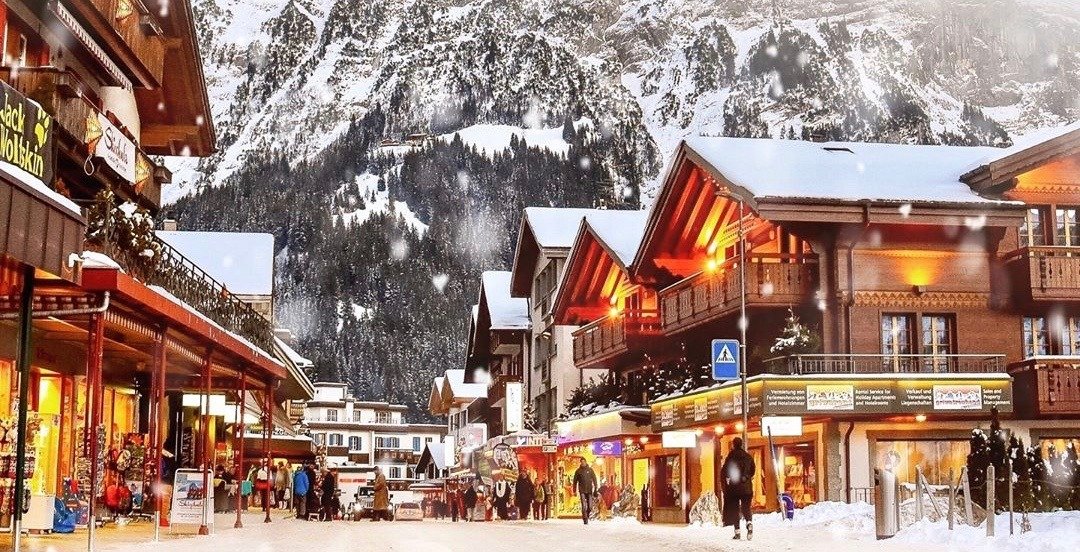
Winter stripped the landscape to essentials. Peaks stood exposed. Lakes darkened and still. Towns glowed inward rather than outward. The country felt less like a destination and more like a system — one built on trust, timing, and restraint.
Very quickly, it became clear: this was not a place to conquer or consume. It was a place to enter respectfully, follow its rules, and let it reveal itself slowly.
Snapshot
Route:
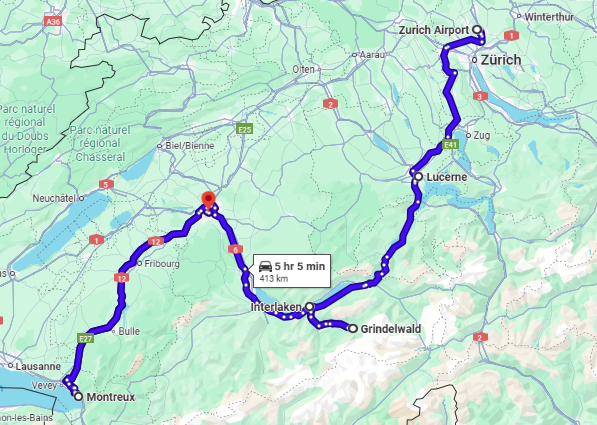
Zurich → Lucerne → Interlaken → Grindelwald → Verbier → Montreux → Zurich
Travel Style:
Train-based winter journey, immersive and exploratory
Pace:
Full, layered, and occasionally too ambitious — Switzerland rewards more time than you think
Why Switzerland:
For scale that humbles, precision that calms, and landscapes that teach patience, perspective, and presence
The Experience
Switzerland arrived in winter, muted and precise, as if the country itself had been holding its breath.
Zurich was our beginning and our return — orderly, efficient, quietly confident. Snow softened the edges of the city, and even in motion, it felt composed. Trains arrived exactly when they promised. Platforms stayed calm. Nothing demanded urgency. Switzerland doesn’t rush you — it waits for you to match its rhythm.
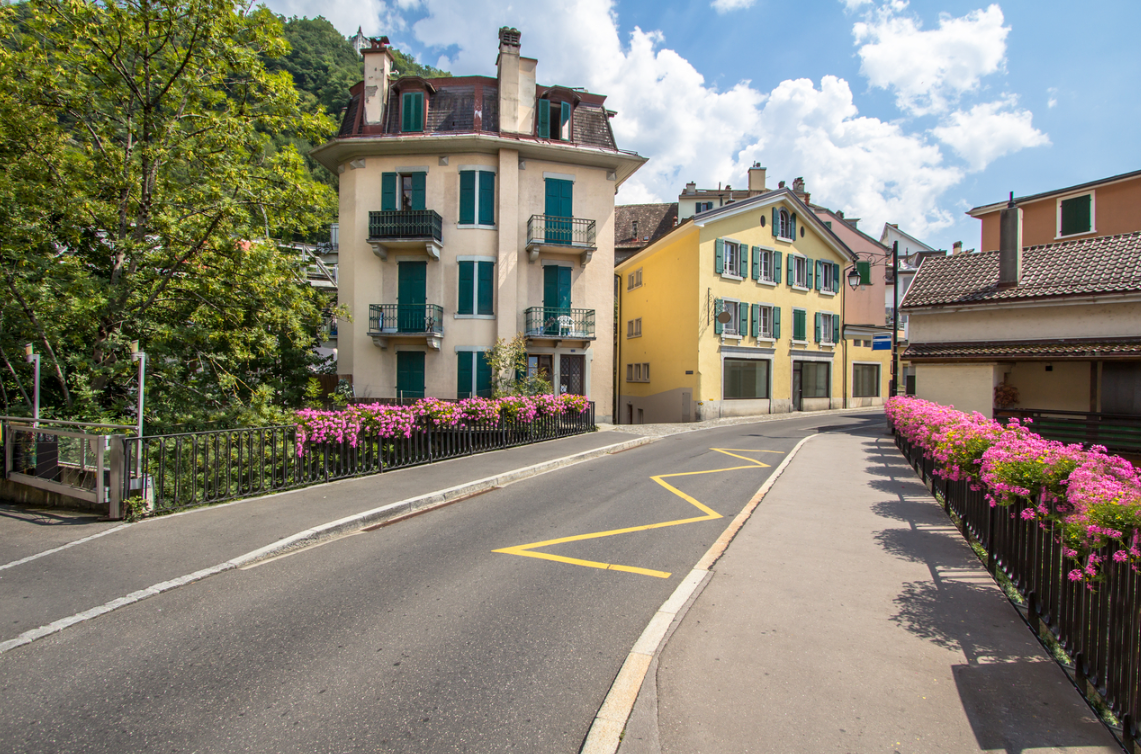
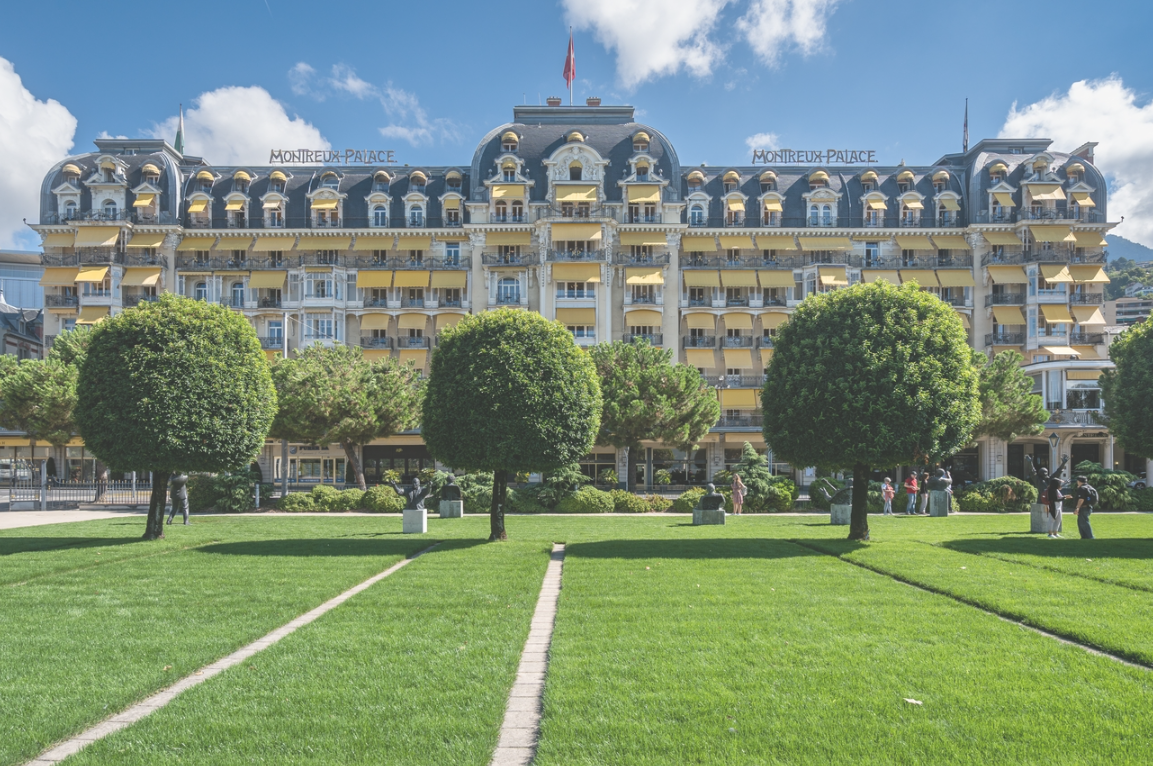
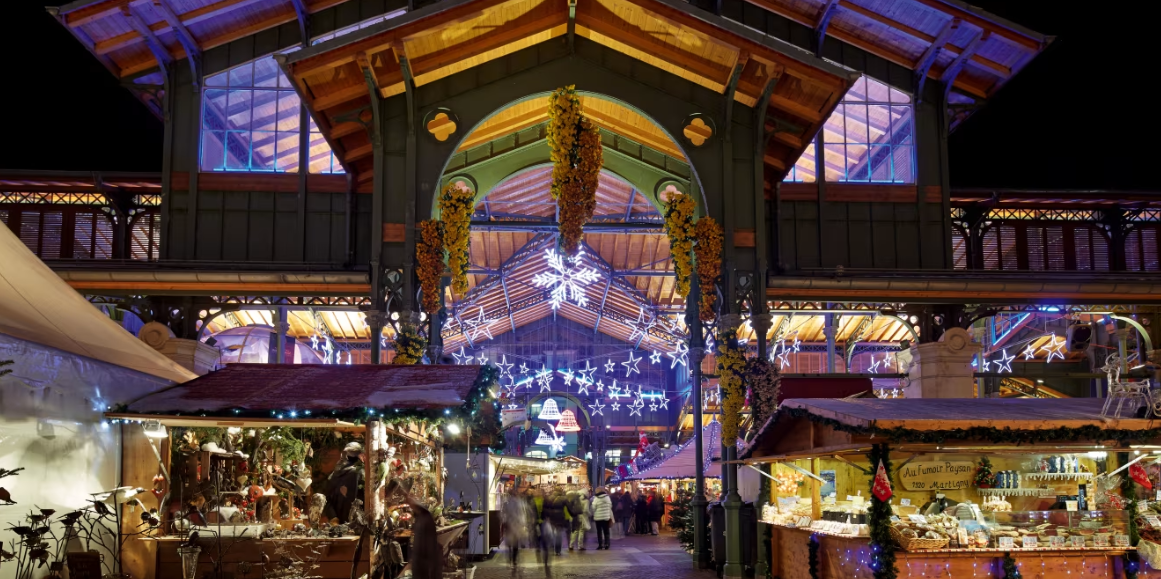
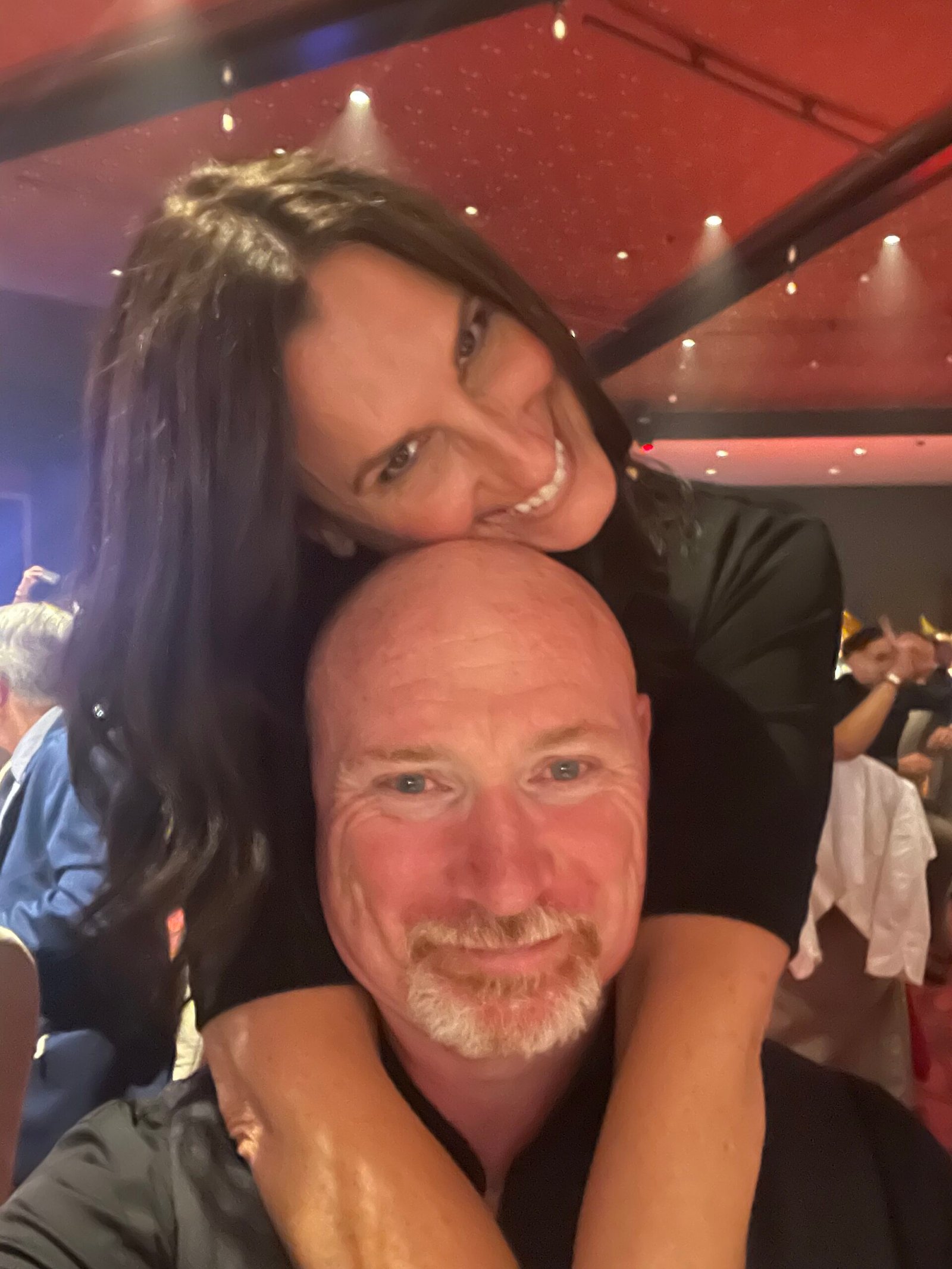
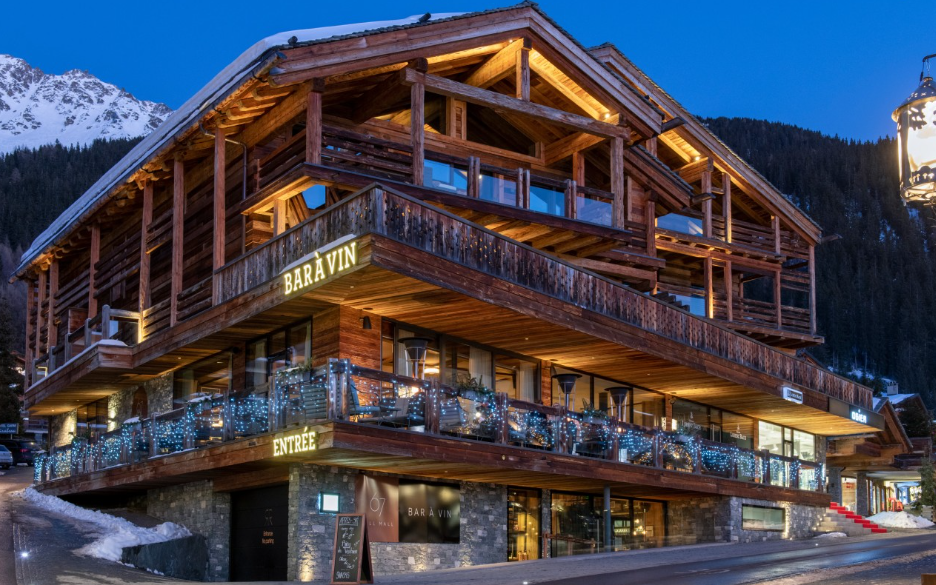
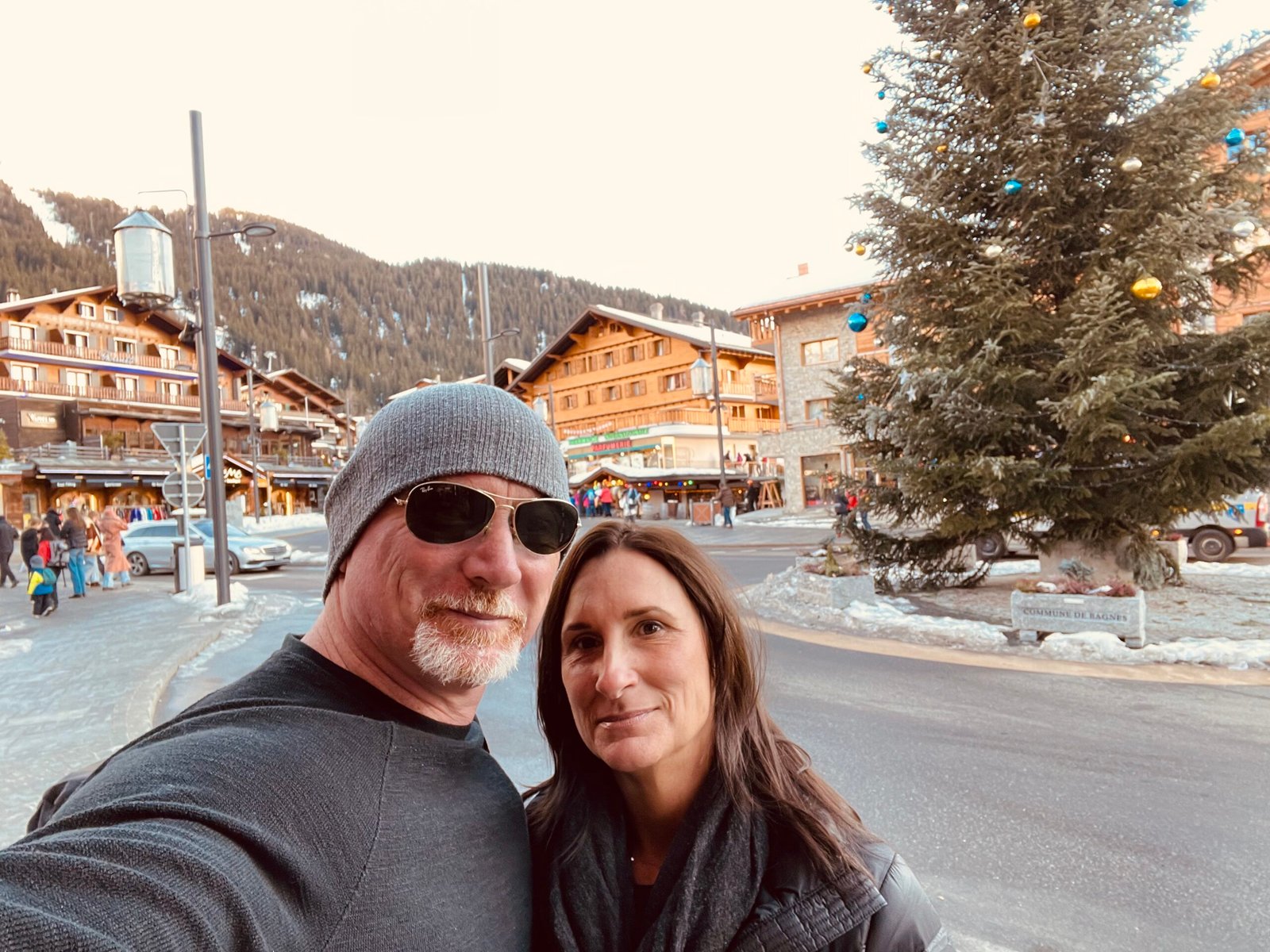
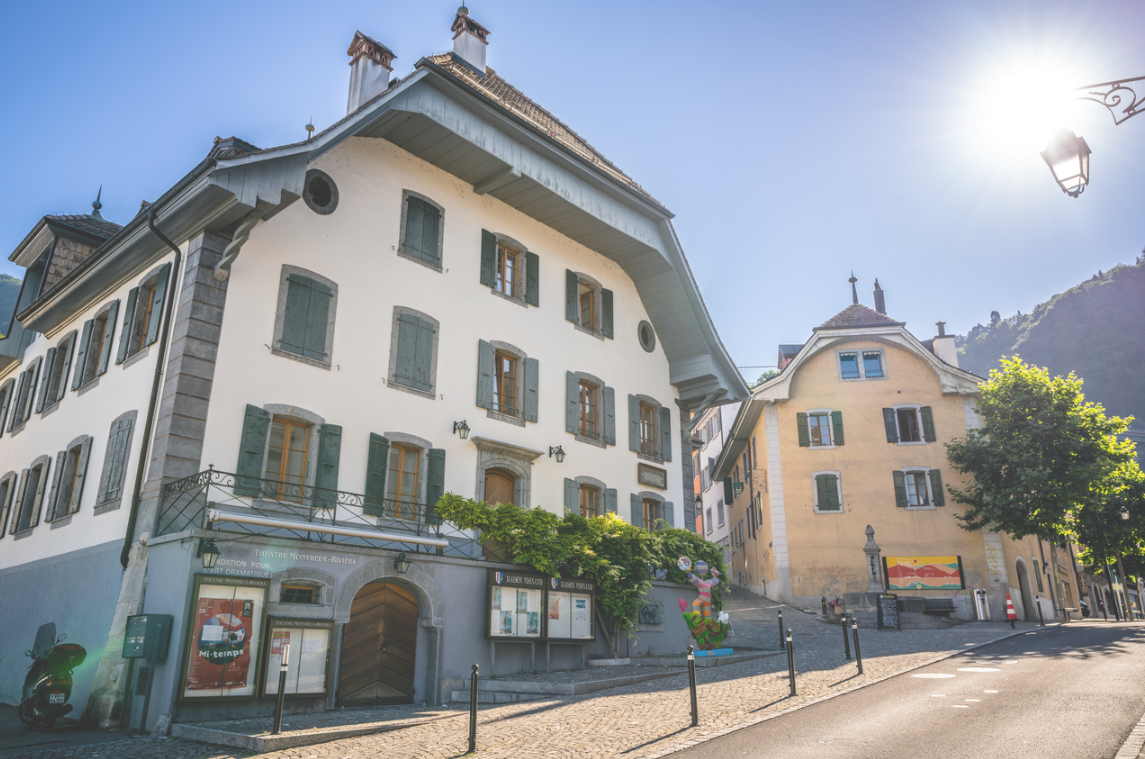
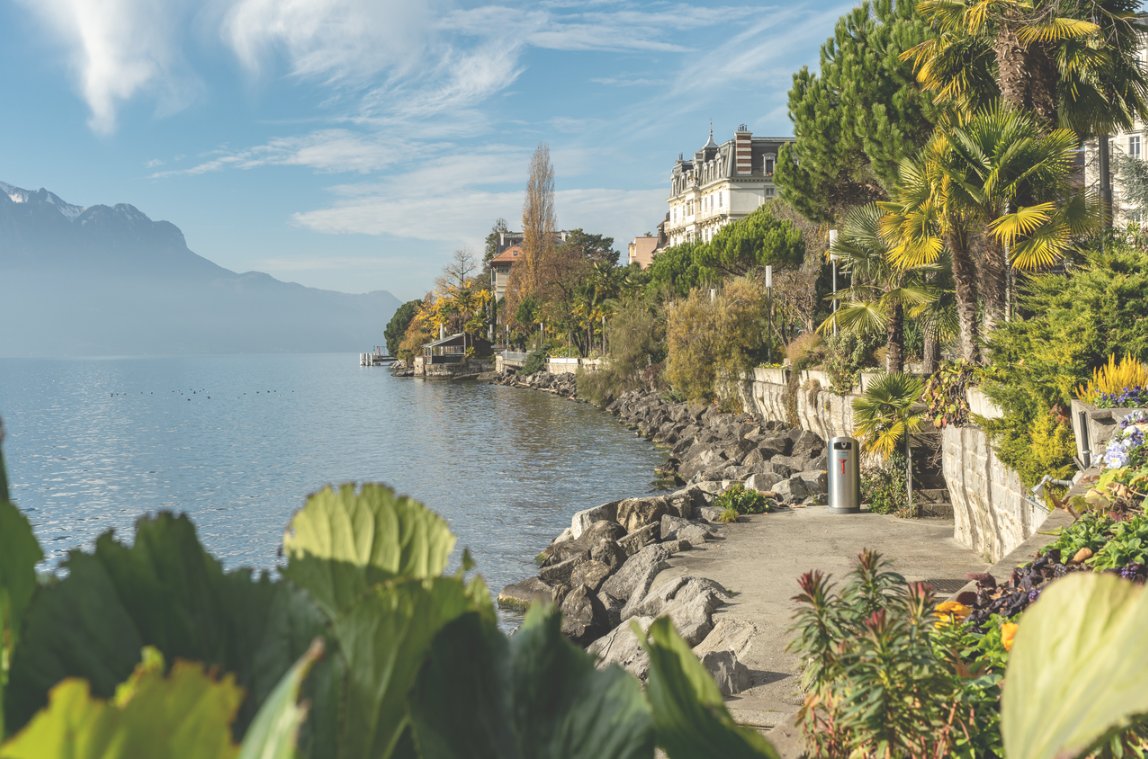
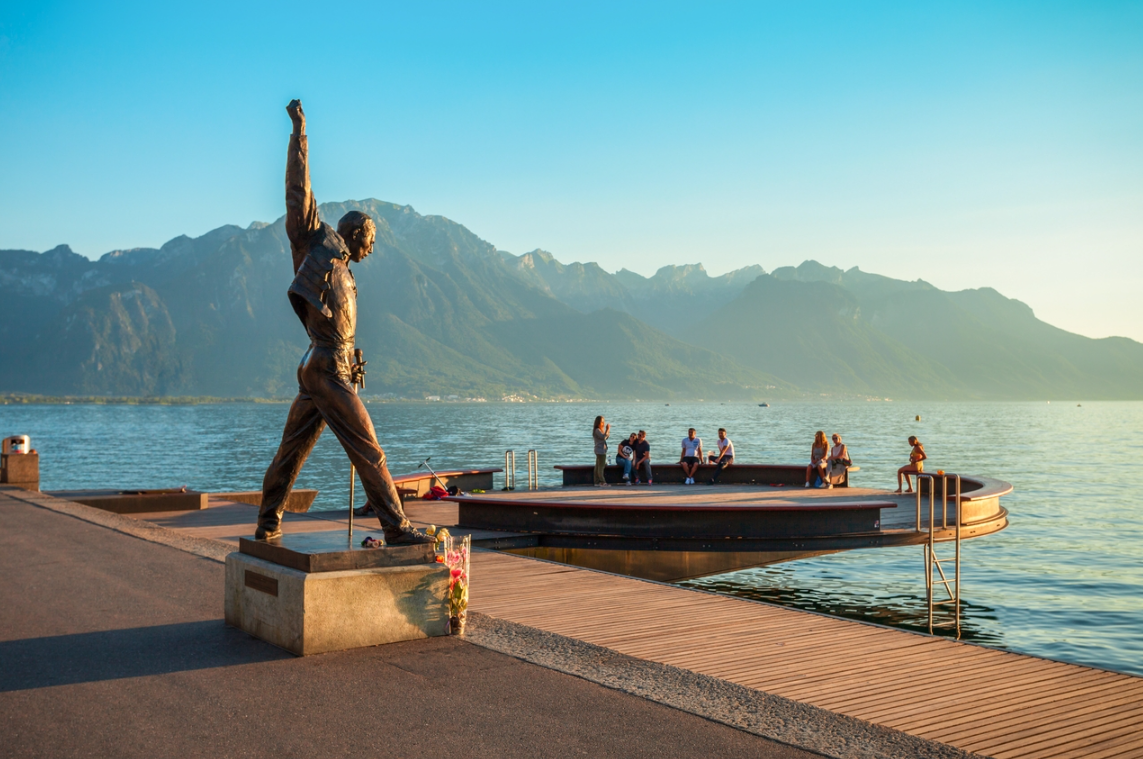
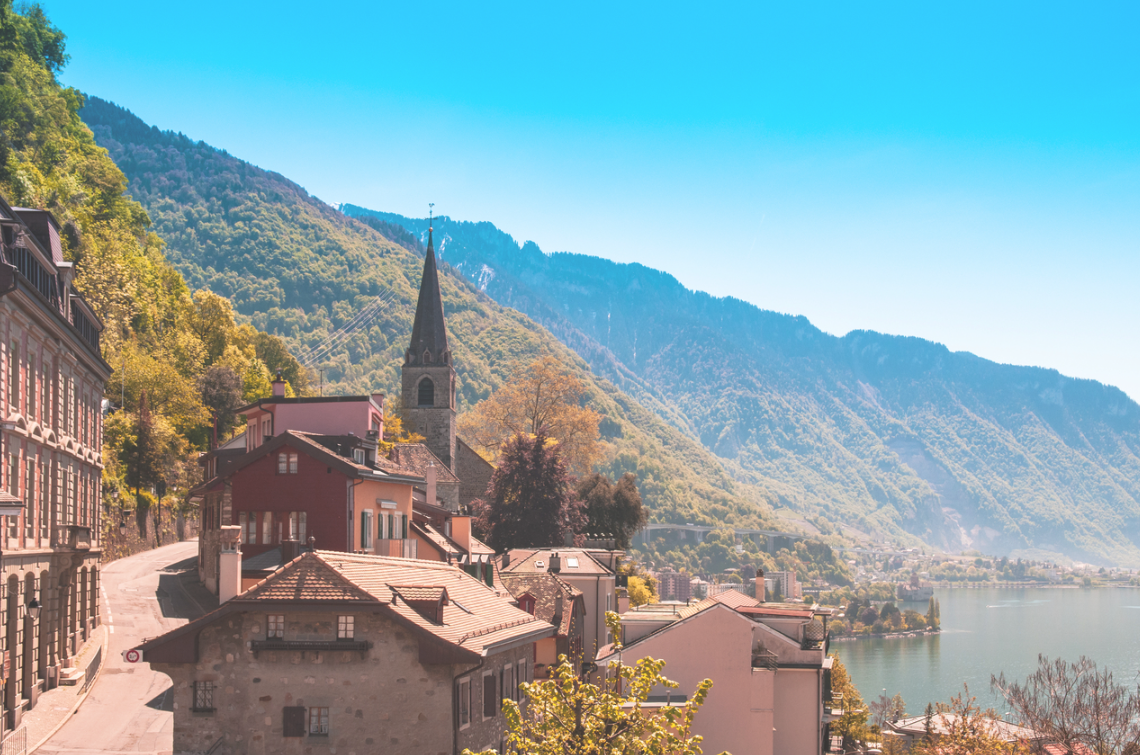
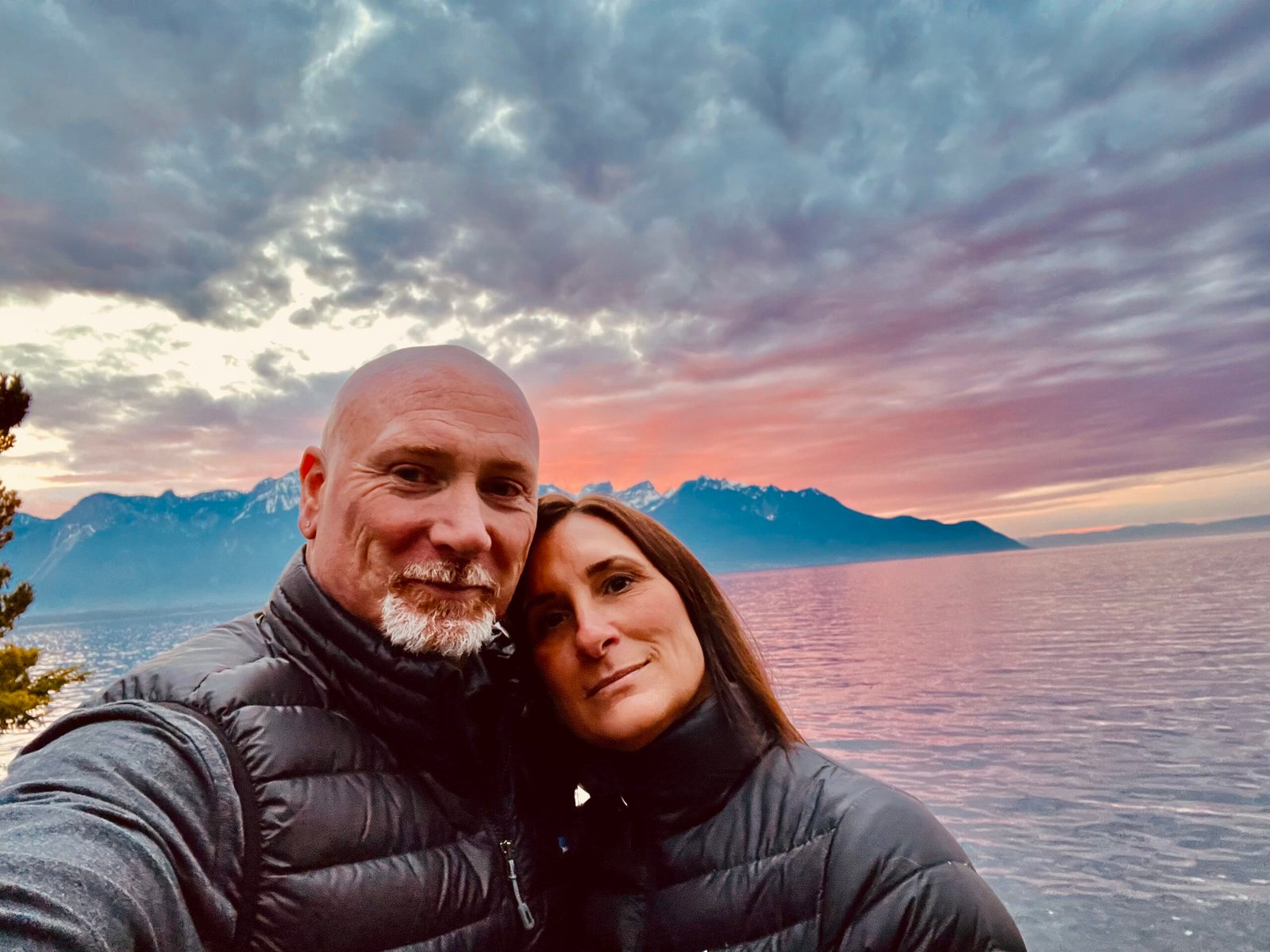
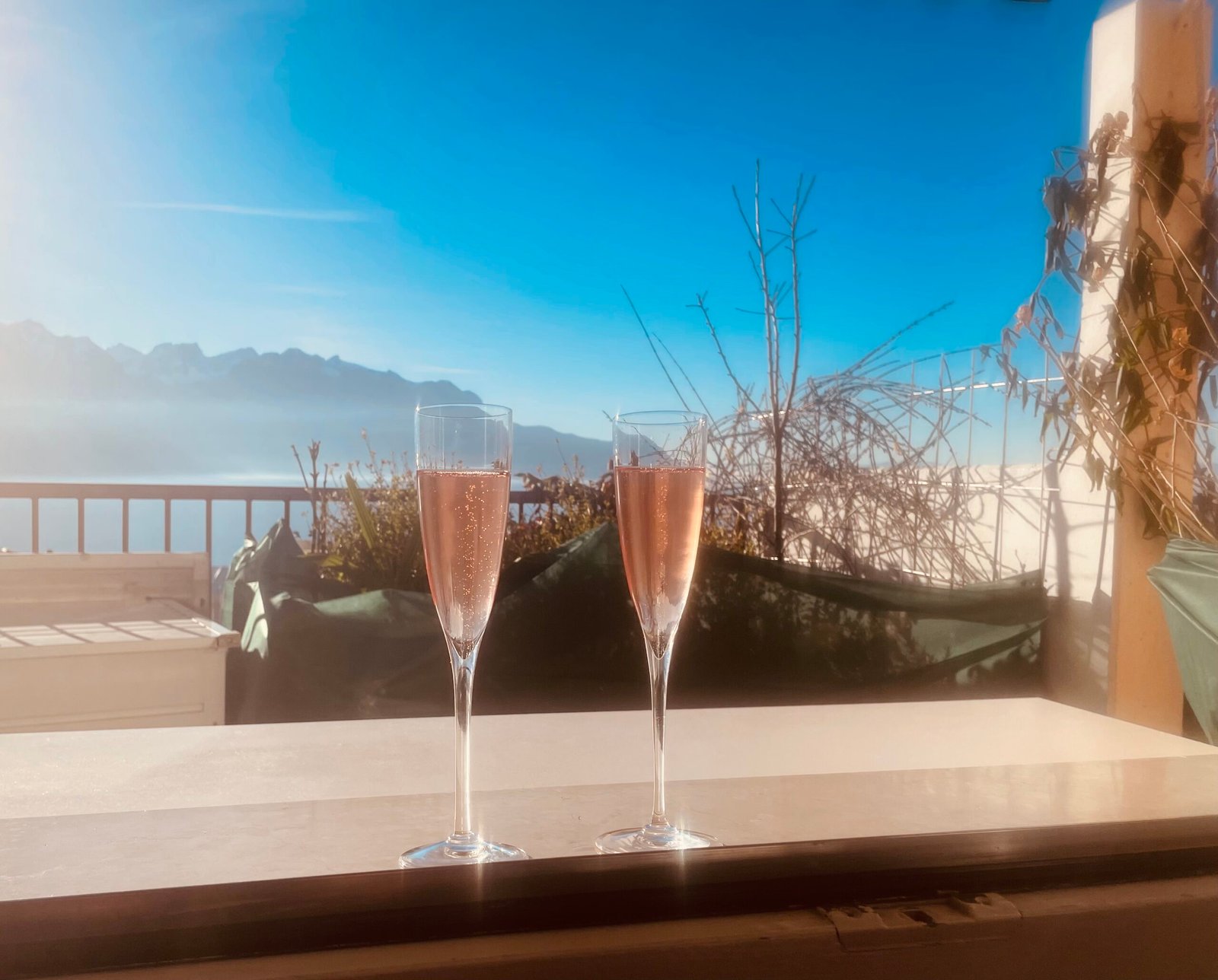
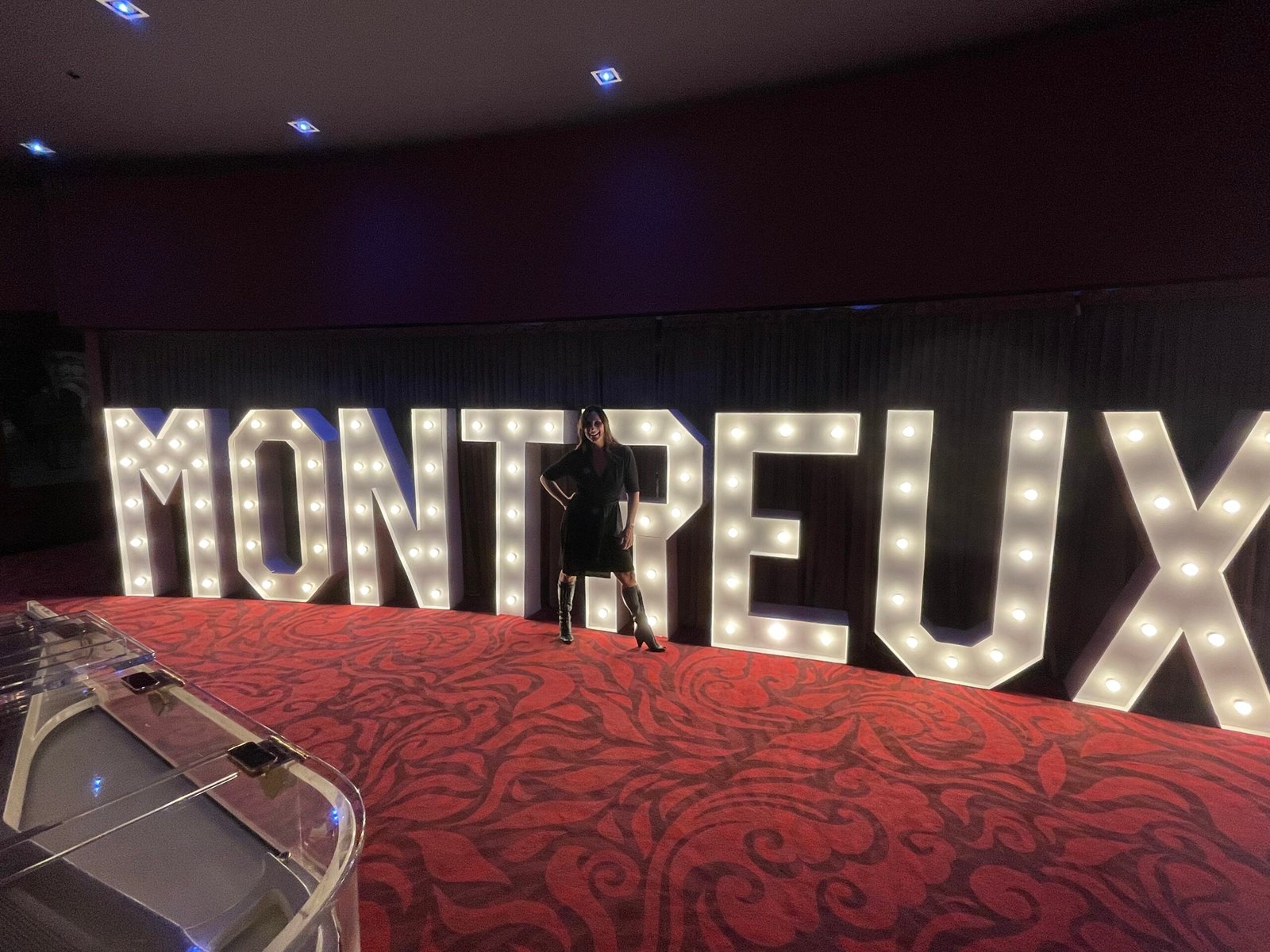
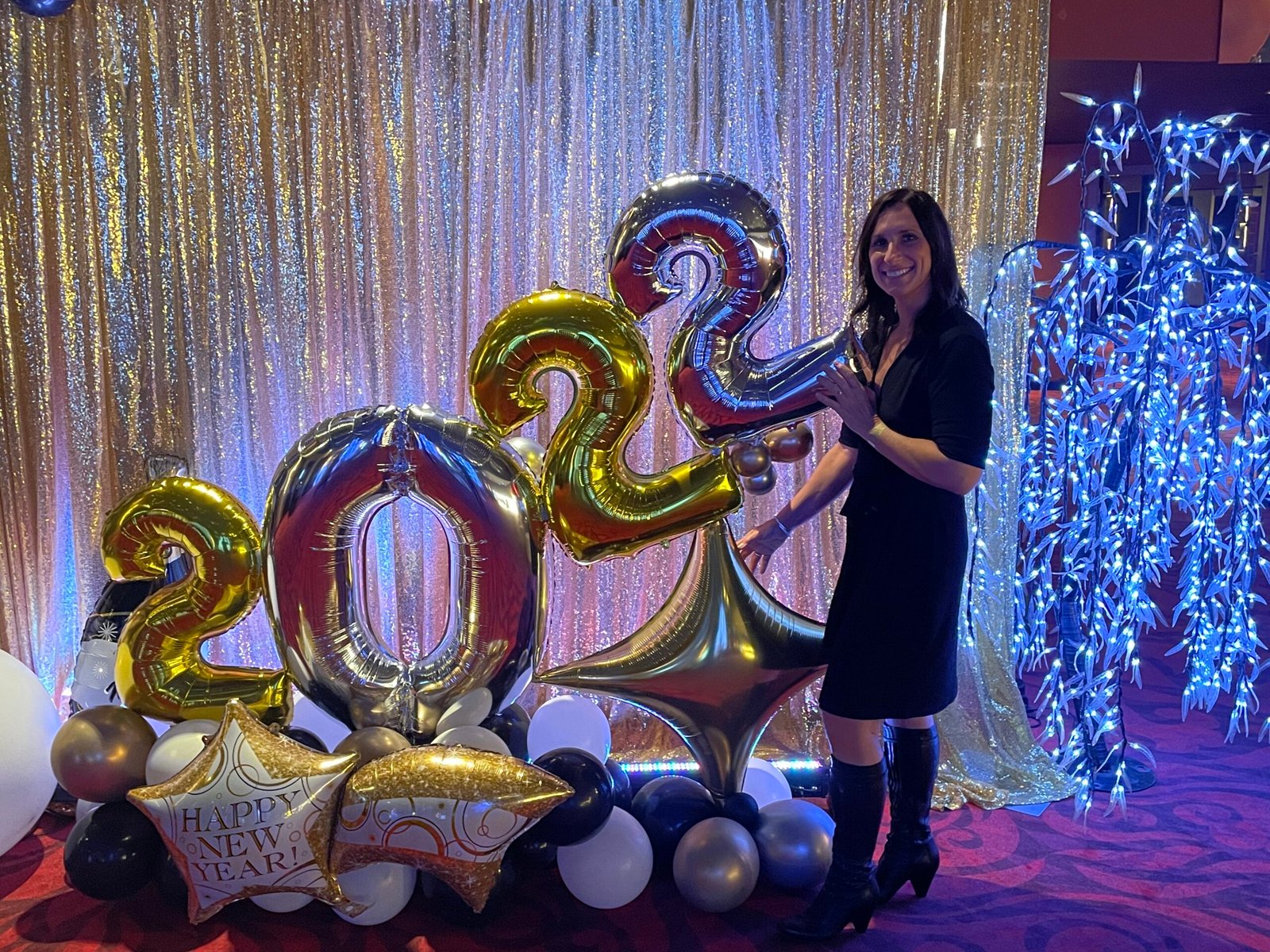
From Zurich, the landscape began to change almost immediately. Lake Geneva opened up as we moved toward Montreux, where mountains lean close to the water and elegance feels inherited rather than curated. Montreux in winter is cinematic. The lake reflects lights at night like a stage set, and the town hums softly with music history. New Year’s Eve unfolded in formal halls overlooking the water — black tie, chandeliers, quiet confidence — followed by late-night jazz clubs where warmth came not from crowds, but from sound. Music felt woven into the place, not performed for it.
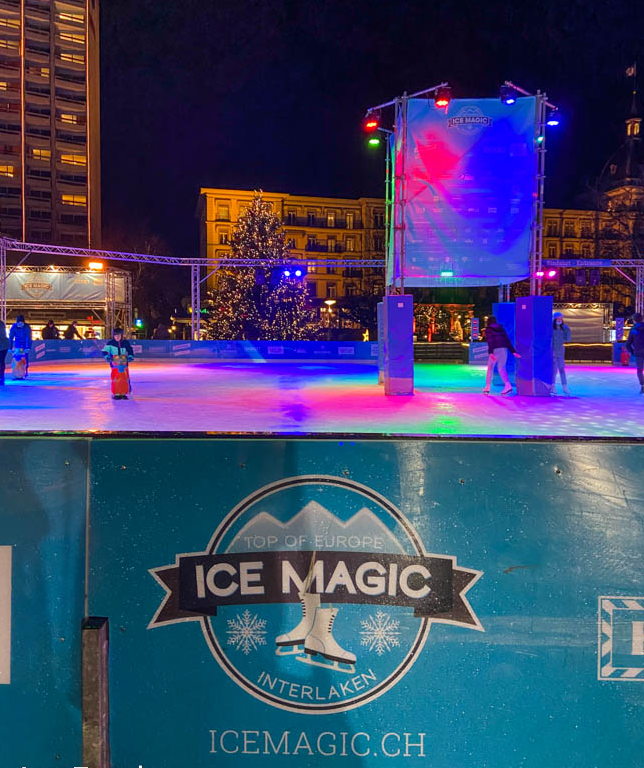
Interlaken sat cradled between lakes and peaks, dramatic even in bad weather. Rain fell steadily, clouds hanging low enough to hide the mountains we knew were there. Instead of fighting it, we went inward. A spa became refuge — warm stone, steam, silence — proof that Switzerland offers shelter as generously as it offers spectacle. Later, soaked and laughing, we darted through streets to find small Italian kitchens tucked away from view. Food here didn’t announce itself. It revealed itself when you were willing to look past the obvious.
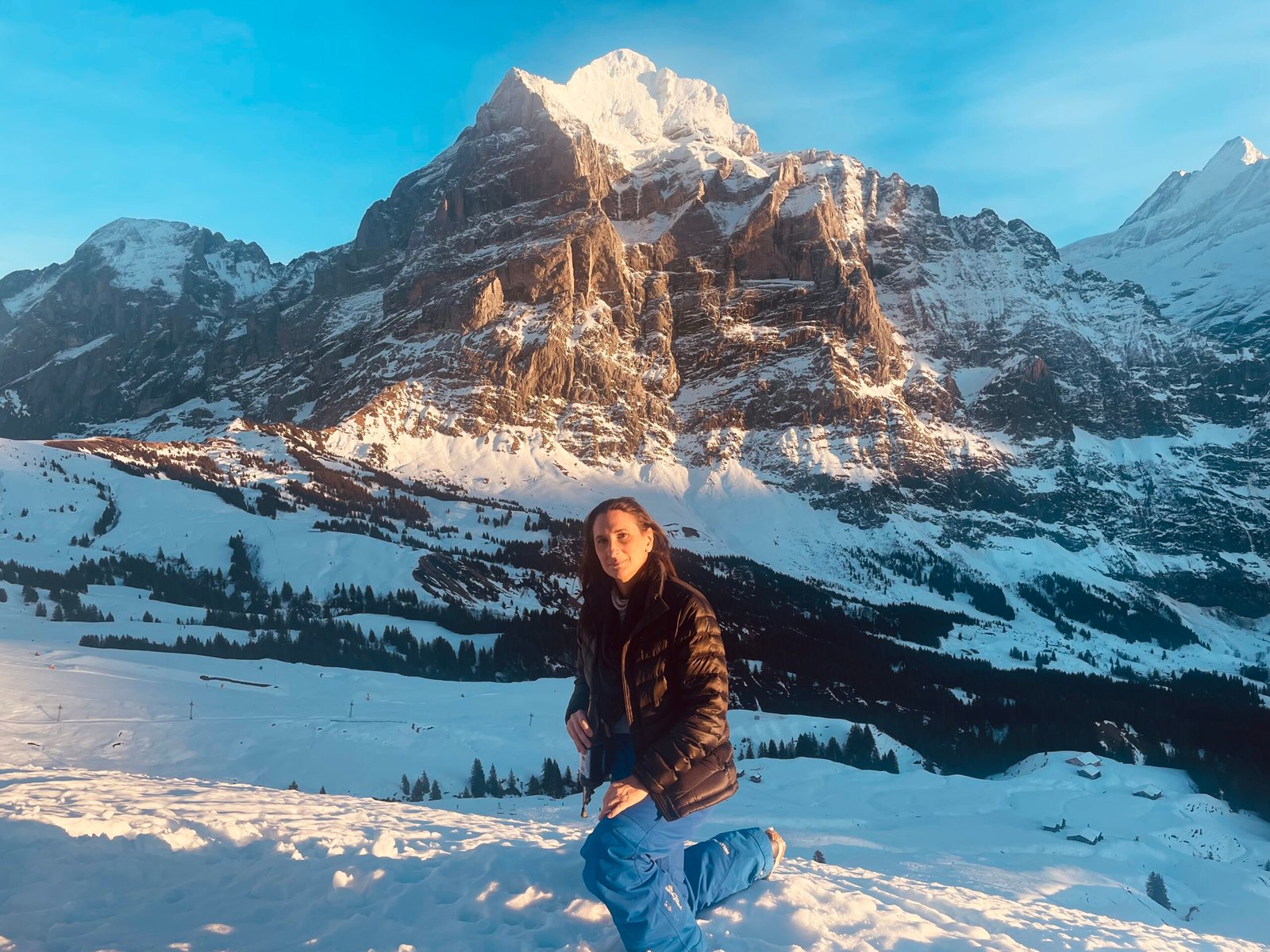
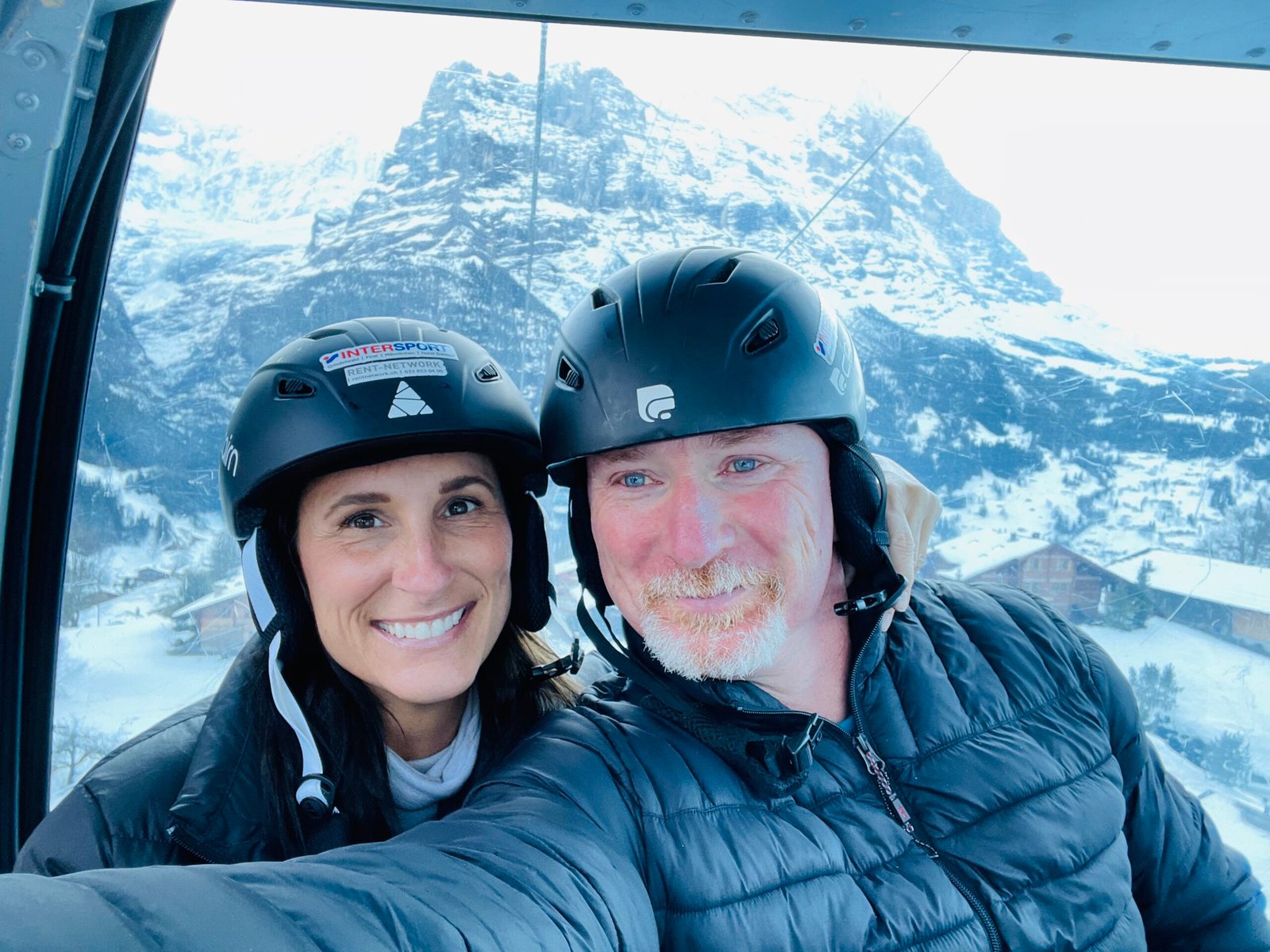
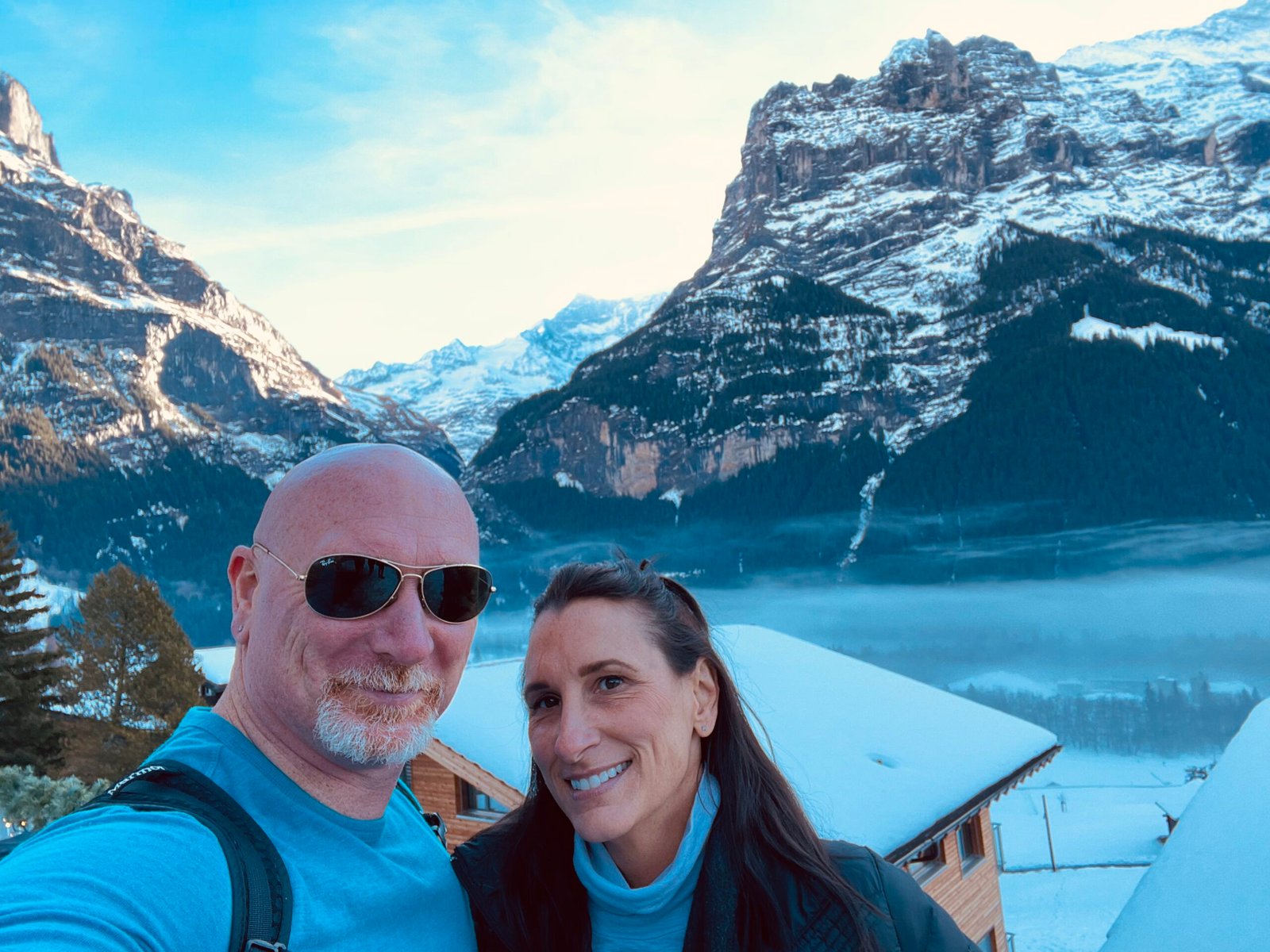
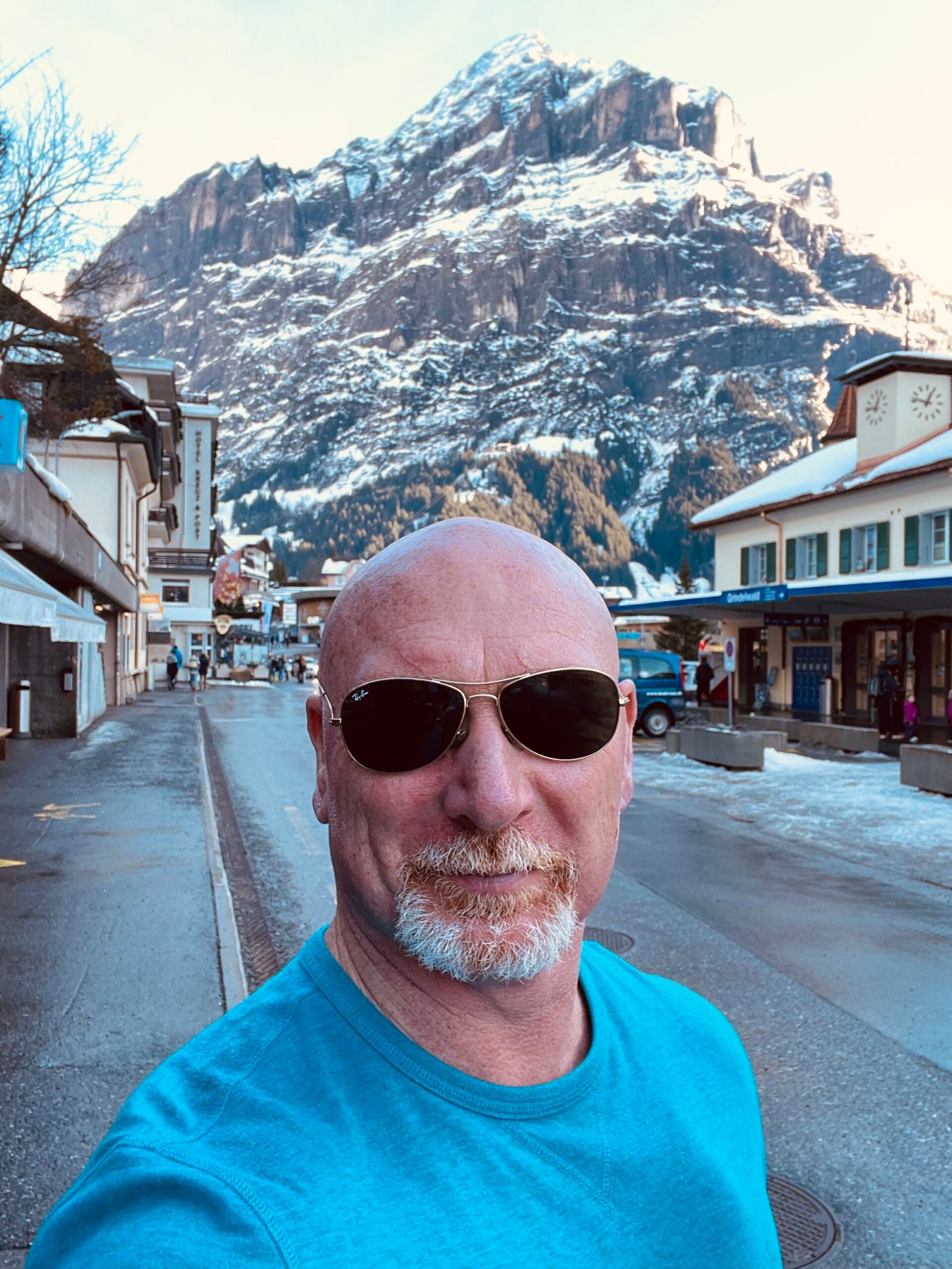
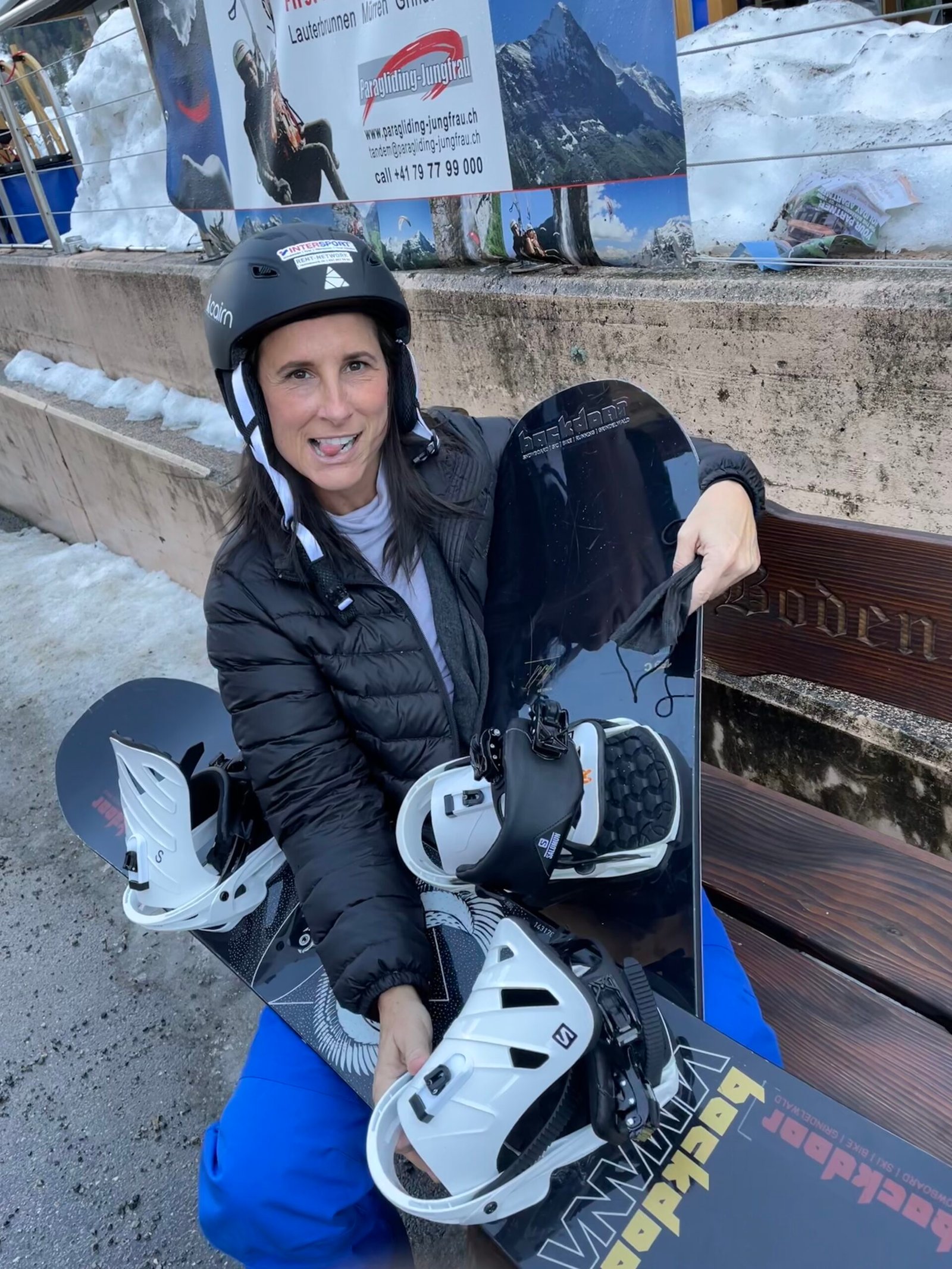
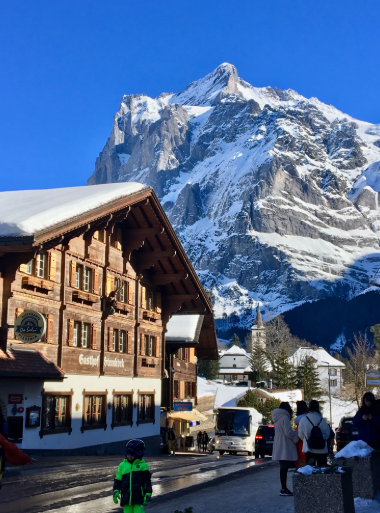
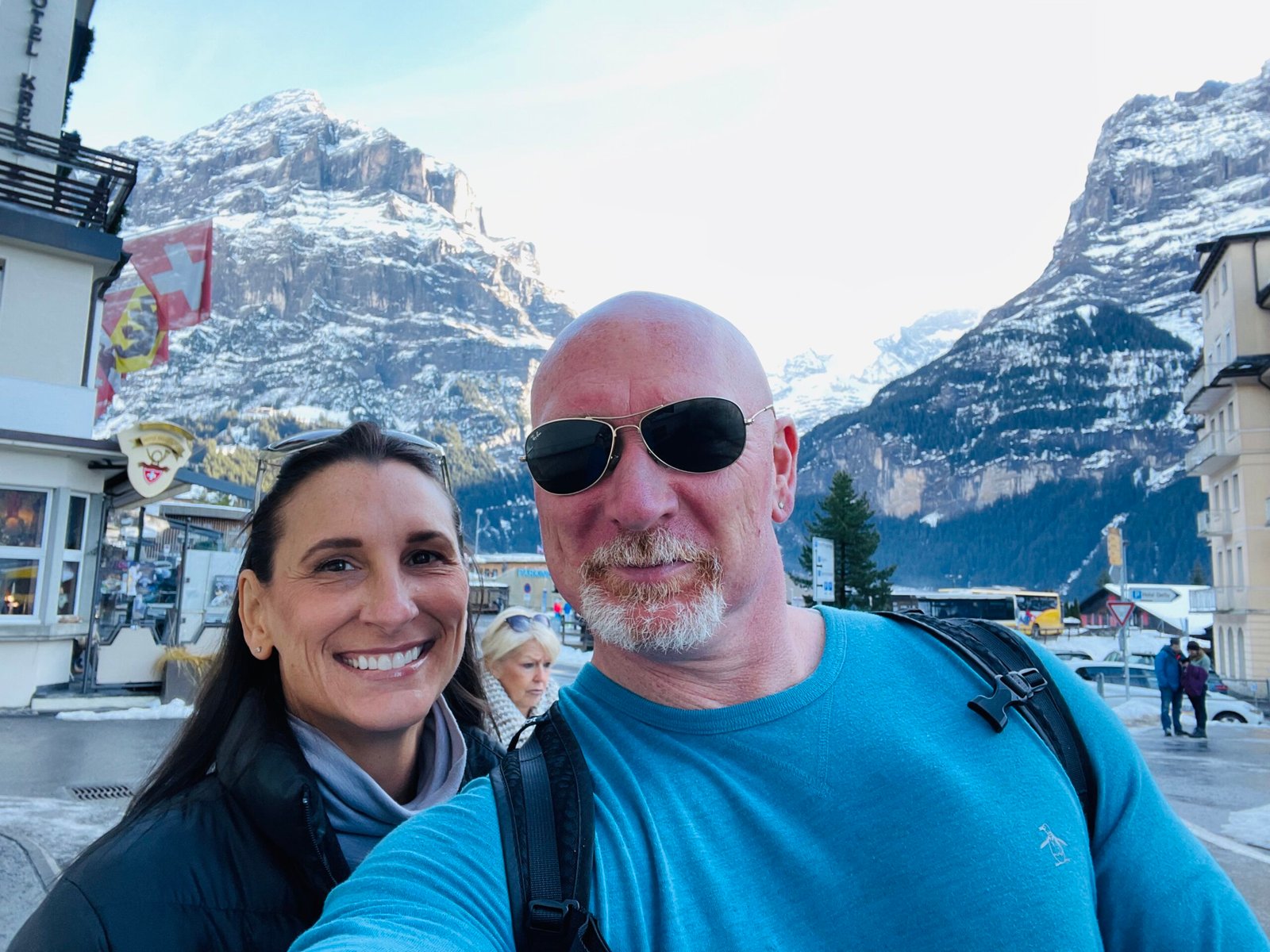
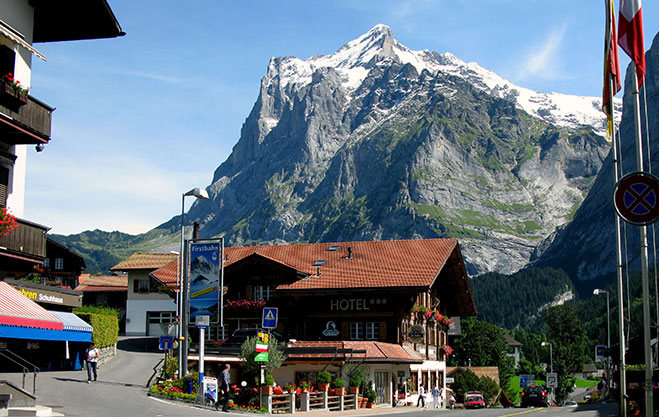
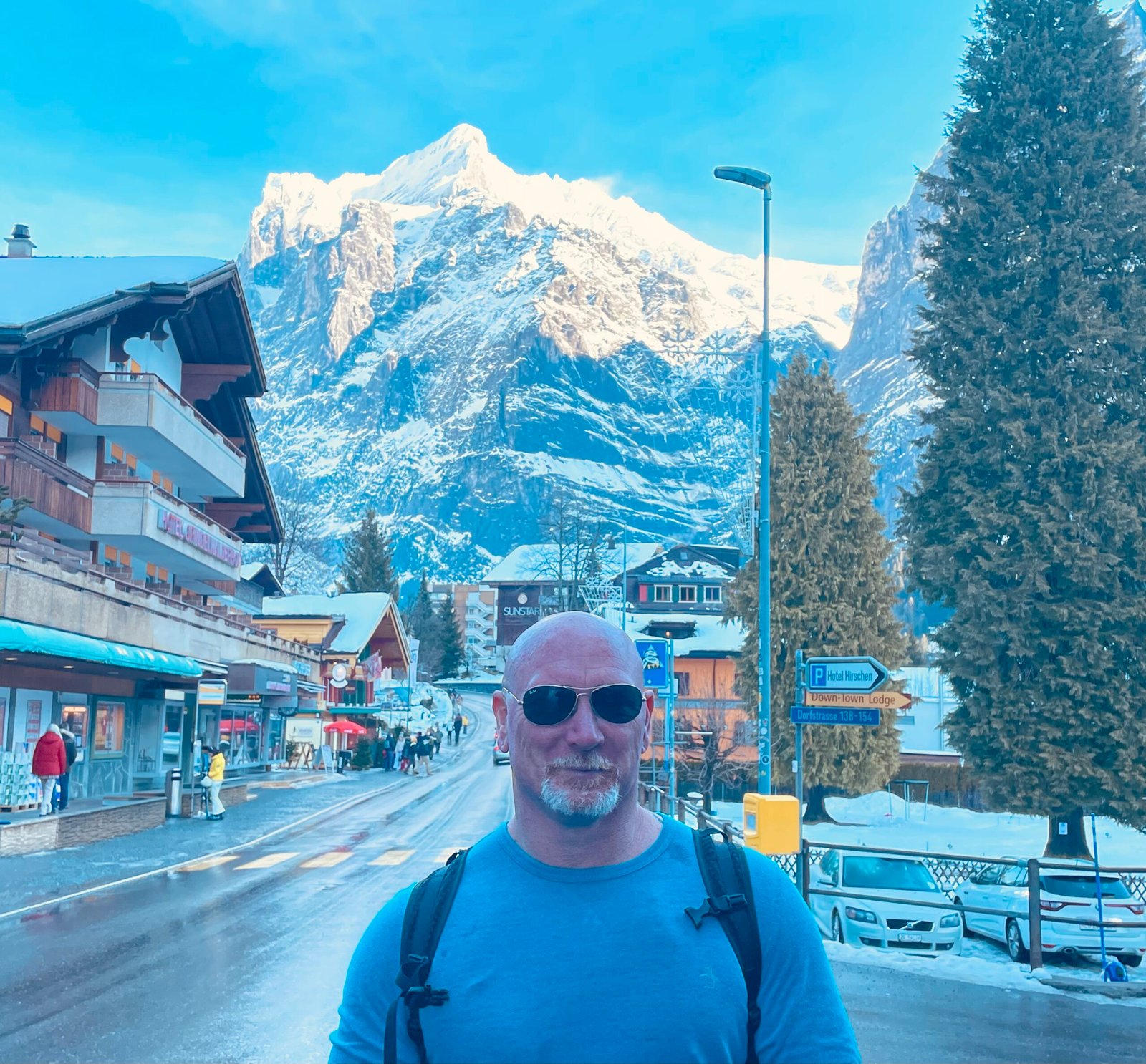
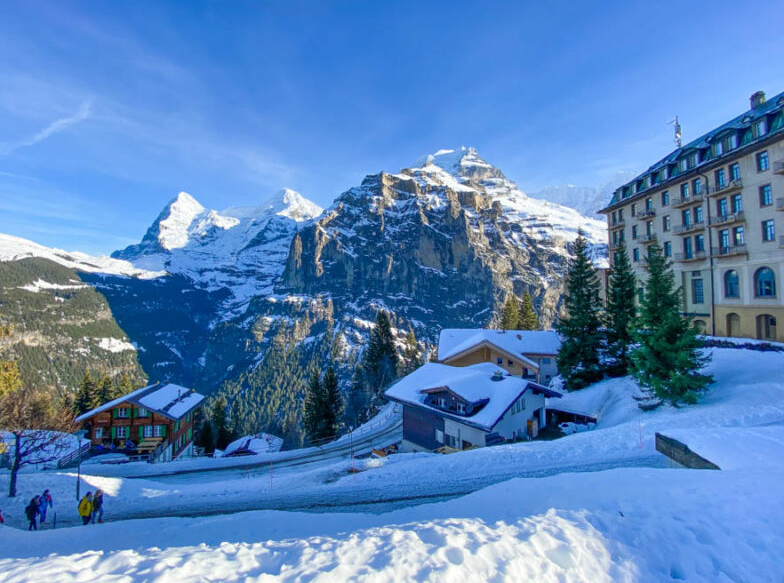
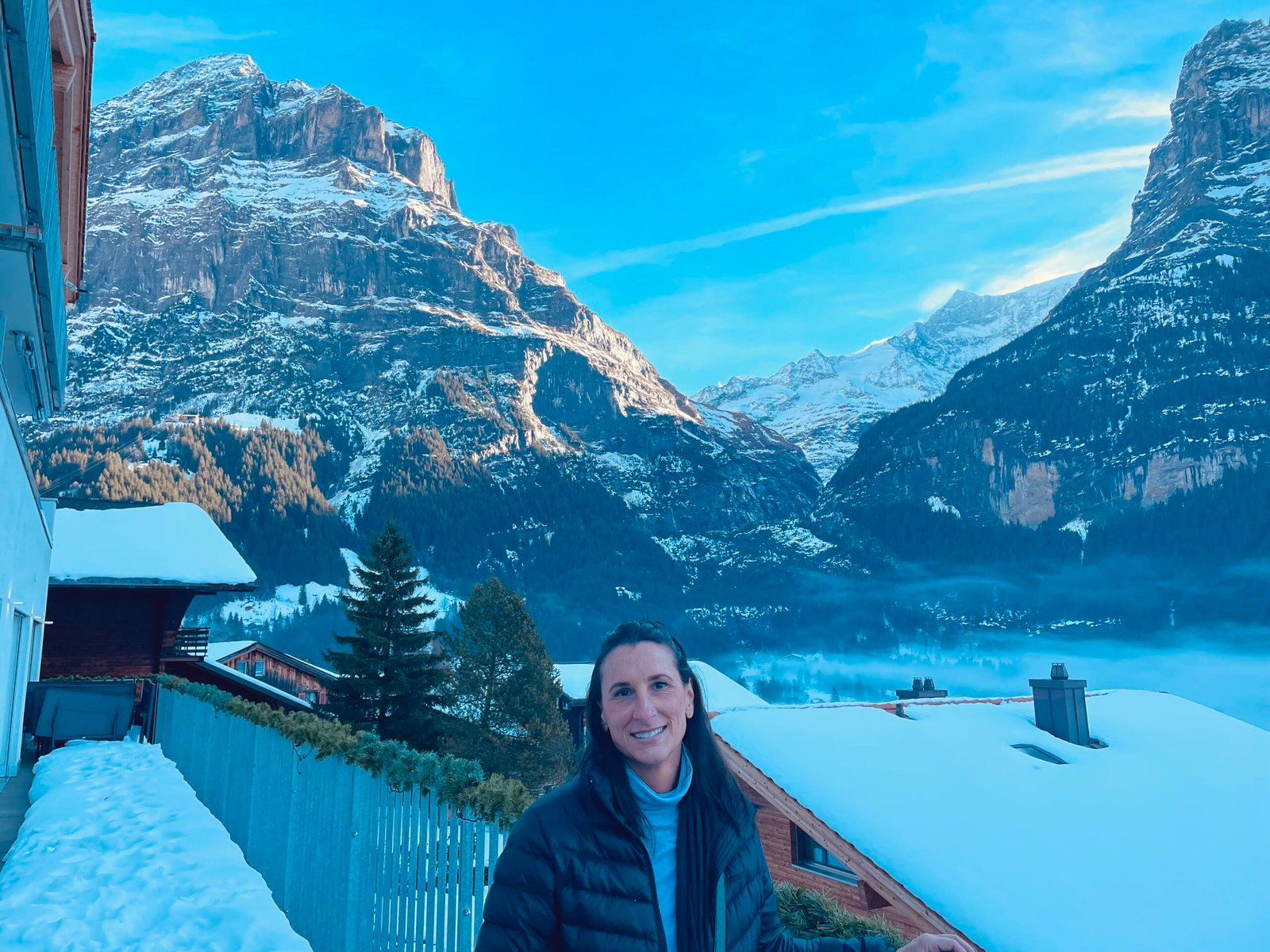
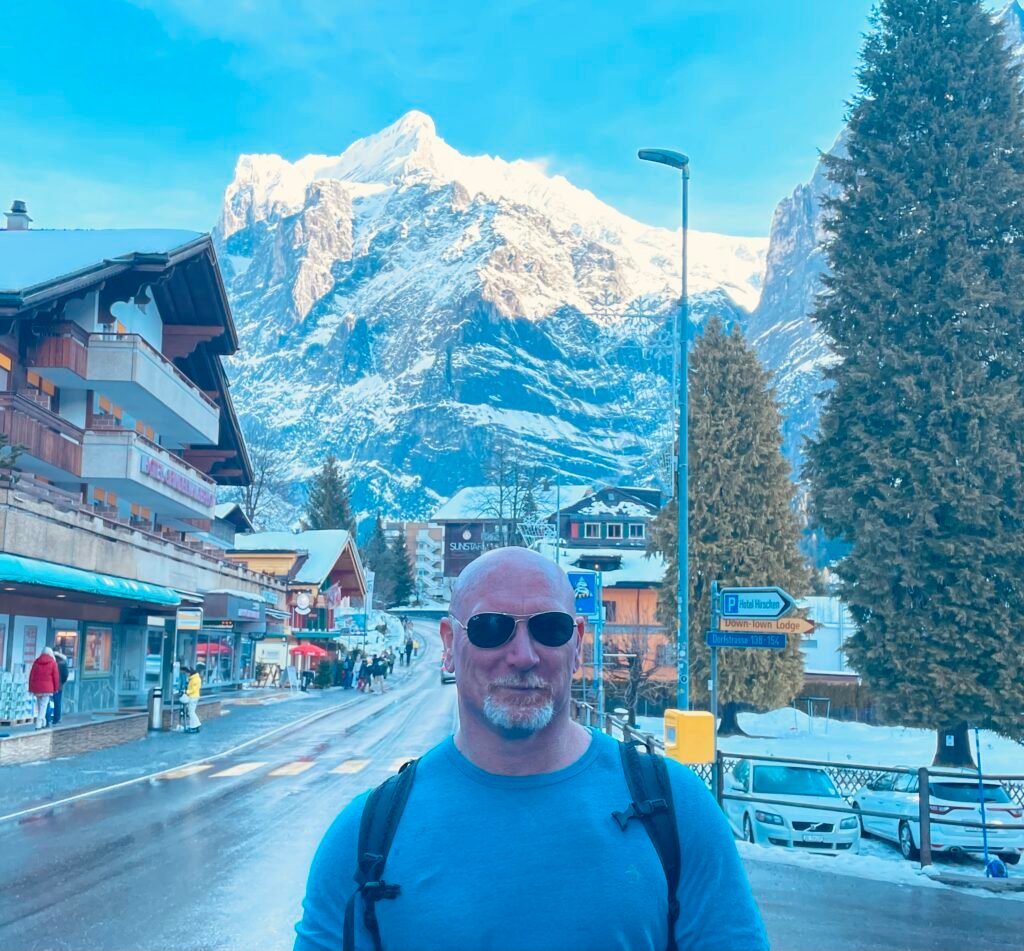
Grindelwald was all altitude and awe. Snowboarding there felt less like recreation and more like surrender. The Alps rise sharply, unapologetic in scale, reminding you how temporary everything else is. Wind cut clean through layers. The slopes disappeared into cloud. It wasn’t flashy — it was humbling. The kind of beauty that doesn’t try to impress because it knows it doesn’t need to.
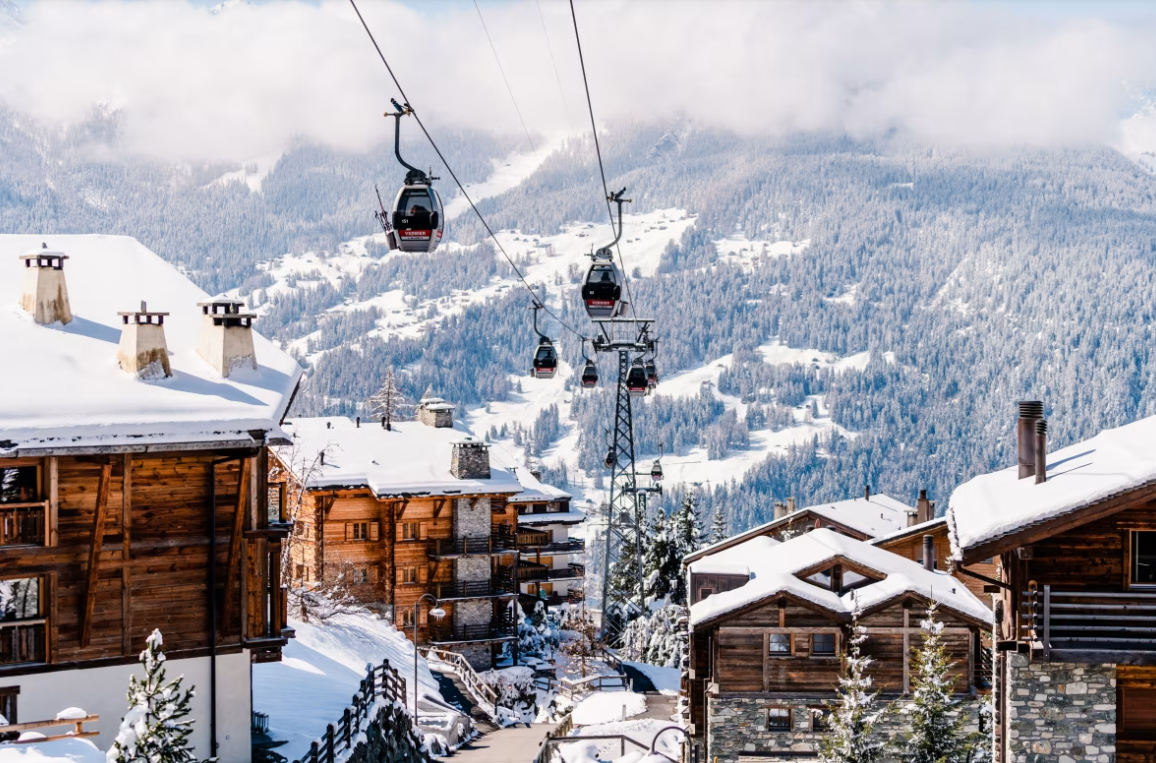
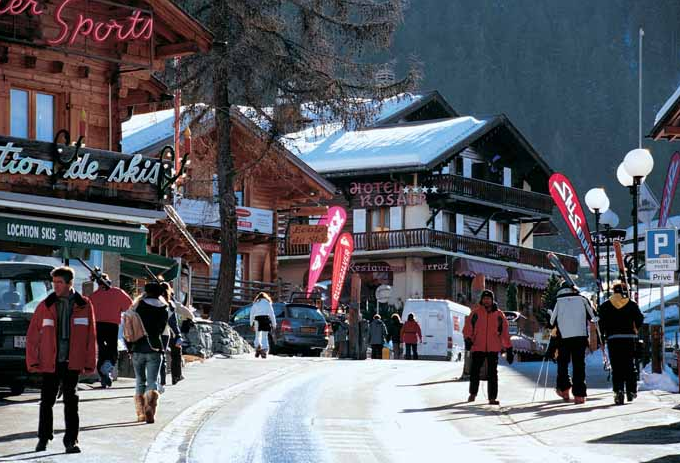
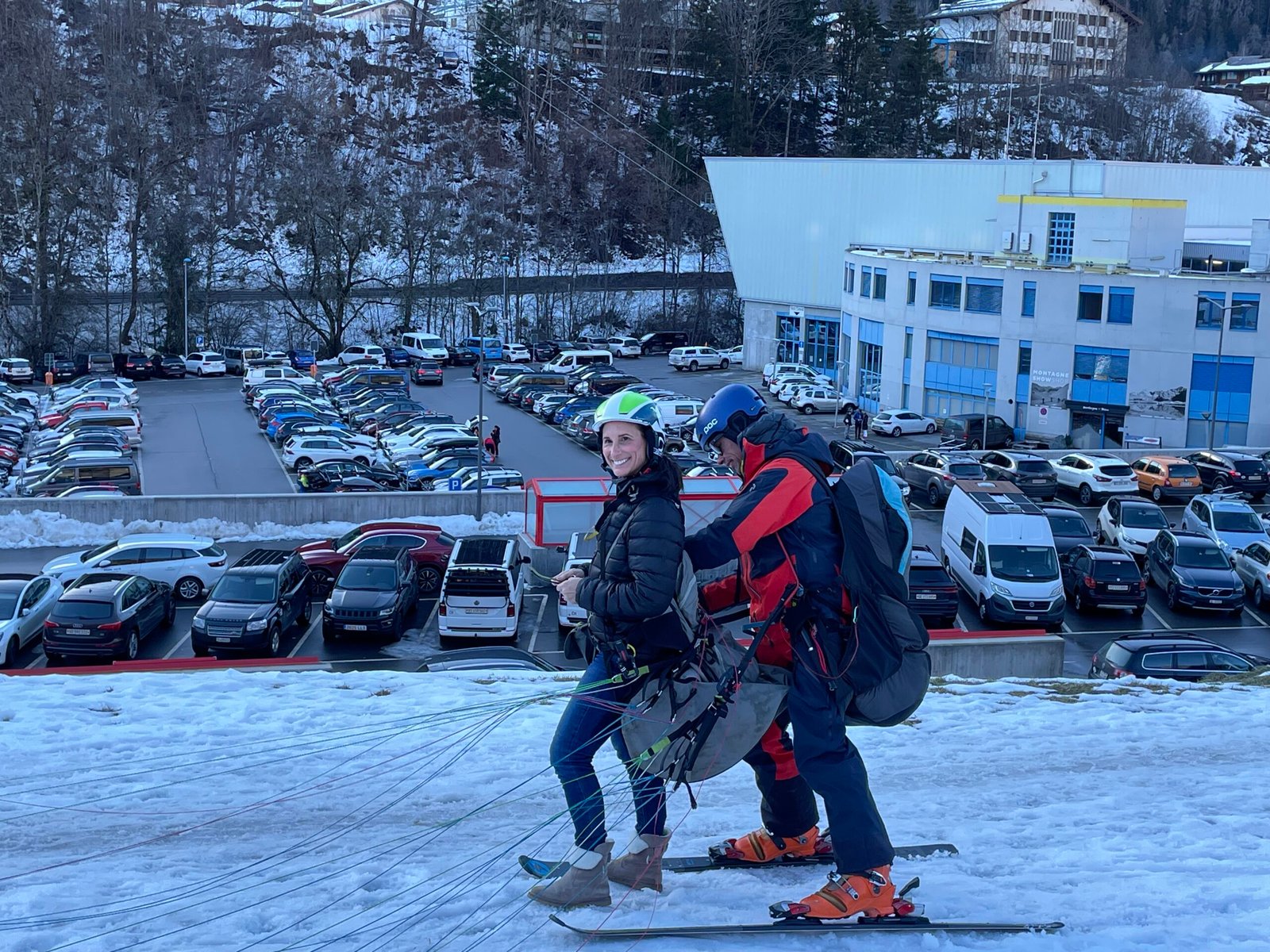
Verbier lifted us off the ground. Paragliding over the Alps stripped away any remaining sense of control. Floating above snow-covered ridgelines, the valleys unfolding beneath us, fear and trust existed in equal measure. It was quiet in a way only height can create. Perspective shifted instantly — problems shrinking, breath slowing, presence sharpening.
Between destinations, the trains stitched everything together. Long rides through valleys, tunnels carved through mountains, villages flashing briefly past windows. For someone riding a train for the first time, it was an education in trust. For me, it was a reminder of how movement itself can be grounding. The journey became part of the destination.
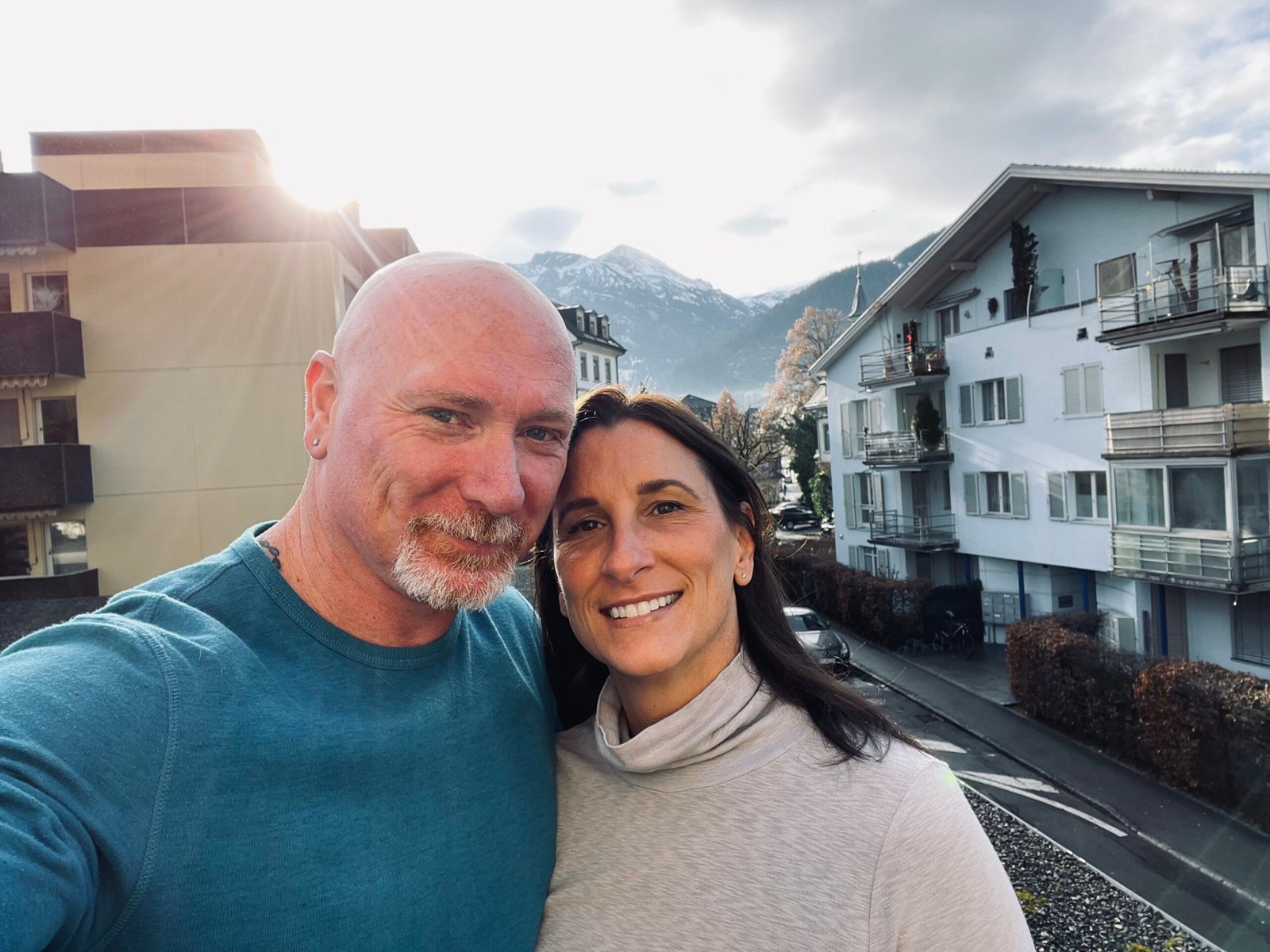
And underneath it all was another layer of discovery — two people learning how to travel together for the first time. One driven by spontaneity, the other by preparation. Switzerland exposed that tension gently but honestly. Plans met weather. Structure met surprise. And somewhere between long train rides and shared discoveries, patience grew.
Ten days wasn’t enough. Not for Grindelwald’s slopes. Not for Verbier’s altitude. Not for a country that rewards lingering and repeat visits. Switzerland isn’t meant to be consumed quickly. It’s meant to be revisited, understood slowly.
The trains were flawless. But after France, I couldn’t help wondering about the roads — the detours, the unplanned stops, the villages just out of reach. Switzerland didn’t close a chapter.
It opened one.
What Surprised Me
How emotional precision could be.
Switzerland is known for efficiency, but what surprised me was how much feeling lived inside that structure. Beauty wasn’t chaotic or dramatic — it was controlled, deliberate, almost quiet. And yet, it landed deeply.
How weather didn’t diminish the experience — it redirected it. Rain in Interlaken didn’t feel like a setback; it felt like instruction. Instead of chasing views, we found warmth, stillness, and unexpected intimacy. Some of the most memorable moments happened when the mountains stayed hidden.
How scale humbles without demanding attention. Snowboarding in Grindelwald, paragliding over Verbier — these weren’t adrenaline moments as much as perspective shifts. The Alps don’t ask you to marvel. They remind you how small you are, and somehow, how okay that is.
How movement became grounding. Long train rides weren’t filler — they were part of the experience. Watching valleys unfold, villages appear and disappear, time stretch and compress. For someone riding a train for the first time, it was a lesson in trust. For both of us, it was a lesson in shared rhythm.
How traveling together revealed more than the country itself. One of us wanted to wing it. One of us needed a plan. Switzerland gently exposed that tension — and taught patience in return. Precision met spontaneity. Structure met surrender. And neither won. They learned.
And how ten days wasn’t enough. Switzerland doesn’t reward urgency. It rewards return. The more you see, the more you realize how much remains just beyond reach.
Some places surprise you with spectacle.
Switzerland surprises you with balance.
And it stays with you — quietly, long after the trains stop moving.
Do’s & Don’ts
A few things I’d do again — and a few I wouldn’t.
- Do trust the train system. It’s not just transportation—it’s part of the experience. Watching the country unfold through windows teaches you scale without stress.
- Do say yes to weather. Rain, snow, fog—Switzerland doesn’t pause for conditions, and neither should you.
- Do leave space for discovery. Some of the best moments came from running through rain into unknown streets, or following a hunch instead of a plan.
- Do lean into the Alps physically. Snowboarding in Grindelwald, paragliding in Verbier—these weren’t optional extras, they were perspective shifts.
- Do slow down together. Travel reveals differences quickly. Patience becomes the real itinerary.
- Don’t underestimate distance. Train time is beautiful, but it’s still time. Switzerland asks you to choose depth over breadth.
- Don’t over-structure every day. Precision exists here already—your trip doesn’t need to mirror it.
- Don’t rush mountain towns. Places like Verbier and Grindelwald ask you to stay longer than planned.
- Don’t fight the weather. Rain doesn’t ruin Switzerland—it reveals it.
- Don’t assume ten days is enough. It isn’t
Regrets & Lessons
Looking back, Switzerland taught us quickly that time is the most valuable currency—and we spent it too evenly.
Some places needed more of us. Verbier deserved longer days and fewer glances at the clock. Grindelwald opened itself slowly, and just as we began to settle into its rhythm, it was time to leave. The Alps don’t reward short visits—they reward commitment.
Ten days sounded generous. It wasn’t. Switzerland isn’t a place you “cover.” It’s a place you return to, over and over, until you stop trying to understand it and simply let it exist around you.
There was also the quiet question of movement. The trains were seamless—beautiful, exact, reassuring. But after France, I found myself wondering what the roads might have offered. Pulling over when something caught the eye. Lingering where the rails don’t go. Not a mistake—just a curiosity that stayed.
This trip was also about learning how two people move differently through the world.
One of us arrived ready to improvise. The other arrived prepared, structured, cautious. Switzerland became the teacher—asking for patience, compromise, and trust. It showed us that planning and spontaneity aren’t opposites; they’re partners. Discovery feels richer when there’s a foundation beneath it.
Happy accidents mattered. Rain pushed us into spas we didn’t plan. Missed expectations led to better meals, better conversations, better understanding.
Switzerland taught us that precision doesn’t eliminate wonder—it makes room for it. And that discovery isn’t always found by wandering blindly, but by knowing when to let go of the plan and when to honor it.
Final Thoughts
Switzerland didn’t leave me inspired in the way travel often promises. It left me steadied.
There was no single moment that demanded attention, no grand conclusion to point to. Instead, the country worked slowly—through repetition, scale, and restraint. Mountains that didn’t move. Systems that didn’t bend. Weather that didn’t negotiate. Over time, that constancy began to change the way I moved within it.
Switzerland has no interest in accommodating urgency. It doesn’t rush to meet you. It waits. And in that waiting, something happens. Plans loosen. Expectations recalibrate. You begin to understand that control and surrender aren’t opposites here—they’re intertwined. Precision creates freedom. Structure makes space for wonder.
This trip was also a quiet lesson in relationship. In learning how two people with different instincts—one drawn to spontaneity, the other to preparation—can find rhythm together. Switzerland didn’t resolve those differences. It held them. Long train rides, shared decisions, missed moments, unexpected ones—all of it became part of the education.
I didn’t leave Switzerland feeling finished. I left feeling measured.
Measured against scale.
Against time.
Against patience.
Some places leave you with memories.
Switzerland leaves you with perspective—and the awareness that returning isn’t about seeing more, but about moving differently next time.