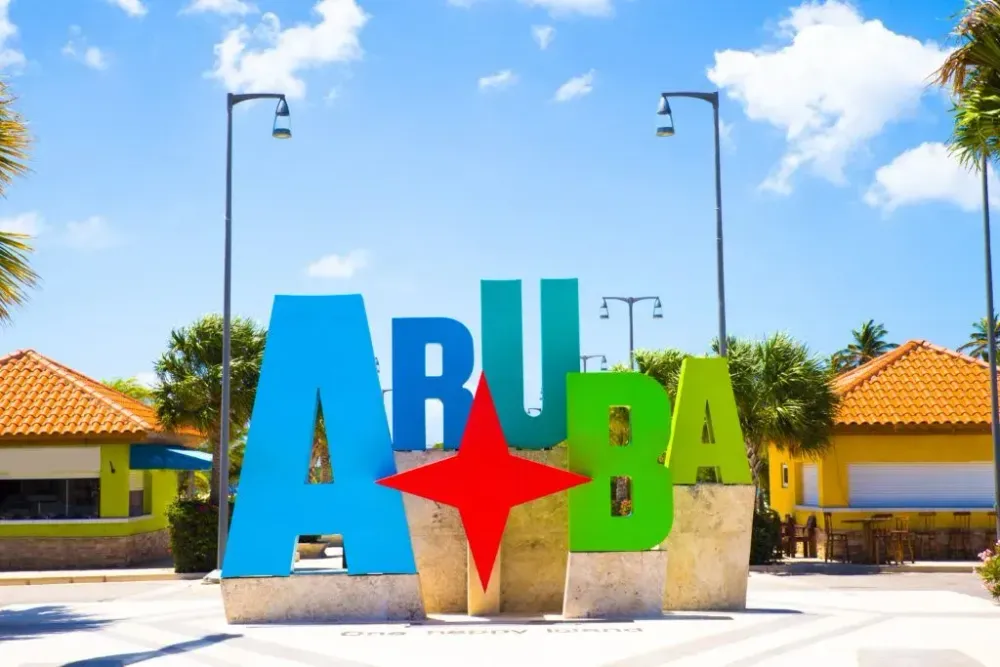
Aruba
More than a beach. A season of my life.
First Impressions
Aruba does not overwhelm you. It steadies you.
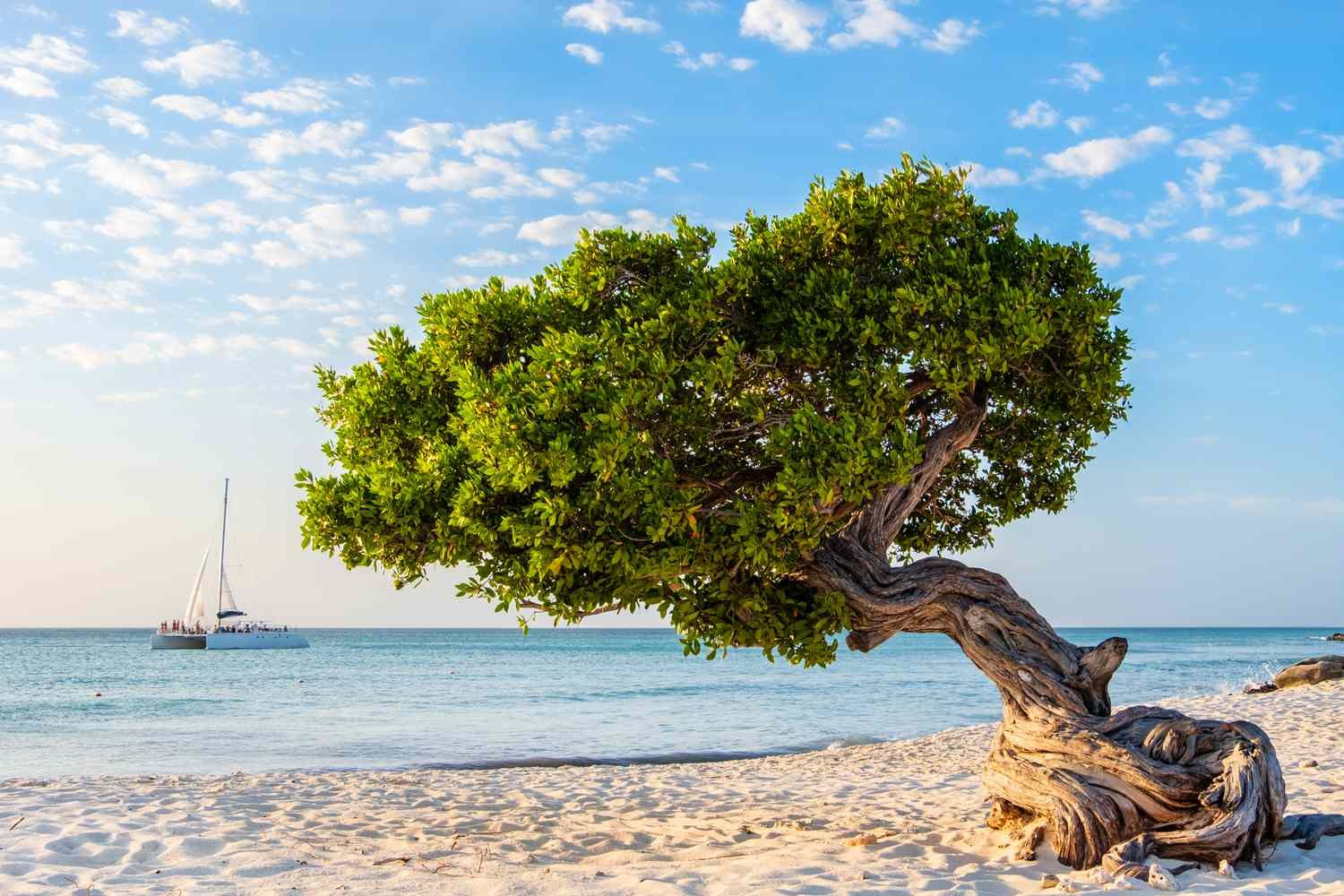
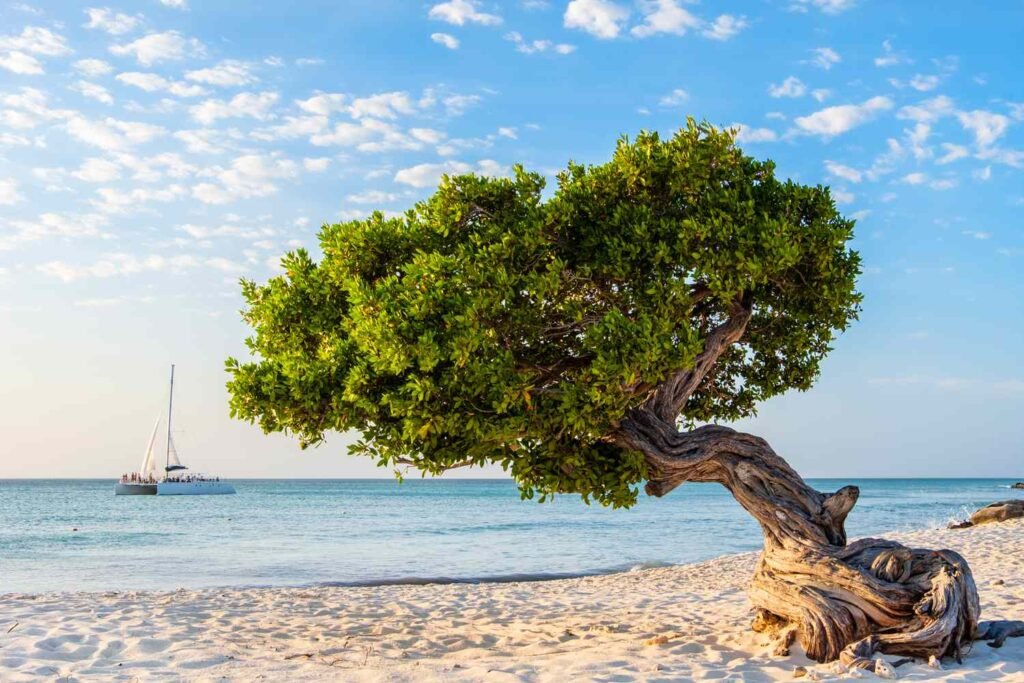
The wind is constant — not violent, not disruptive — just present. It moves through the divi-divi trees, across the white sand, through open windows at night. After a few days, you stop noticing it. After a few weeks, you depend on it.
When I first arrived, it felt like a vacation island. Clean roads. Clear water. Organized tourism. But somewhere between early grocery runs, motorcycle rides along the coast, and quiet mornings on Eagle Beach, it shifted. It stopped being a place I was staying. It became a place I was living.
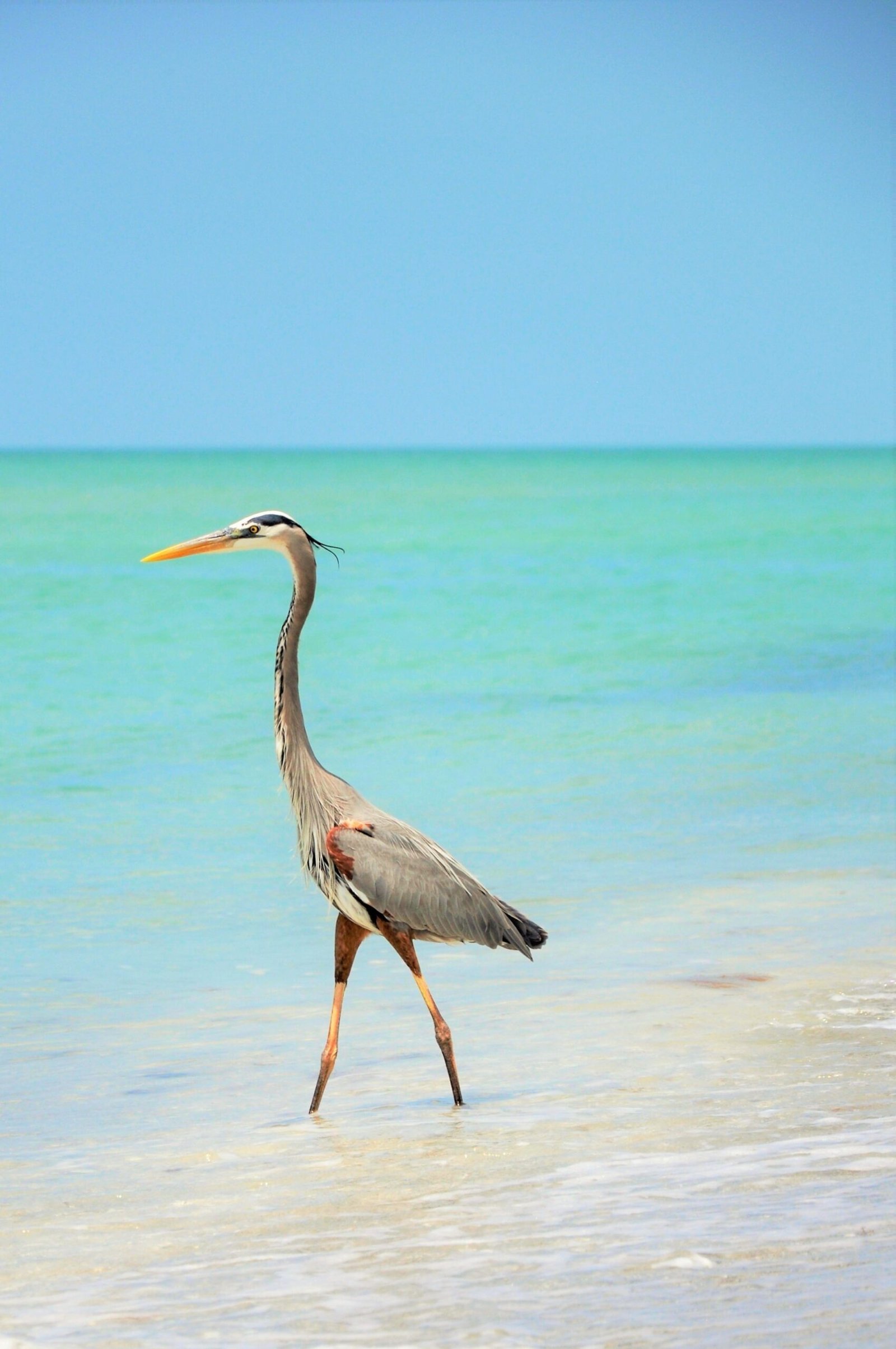
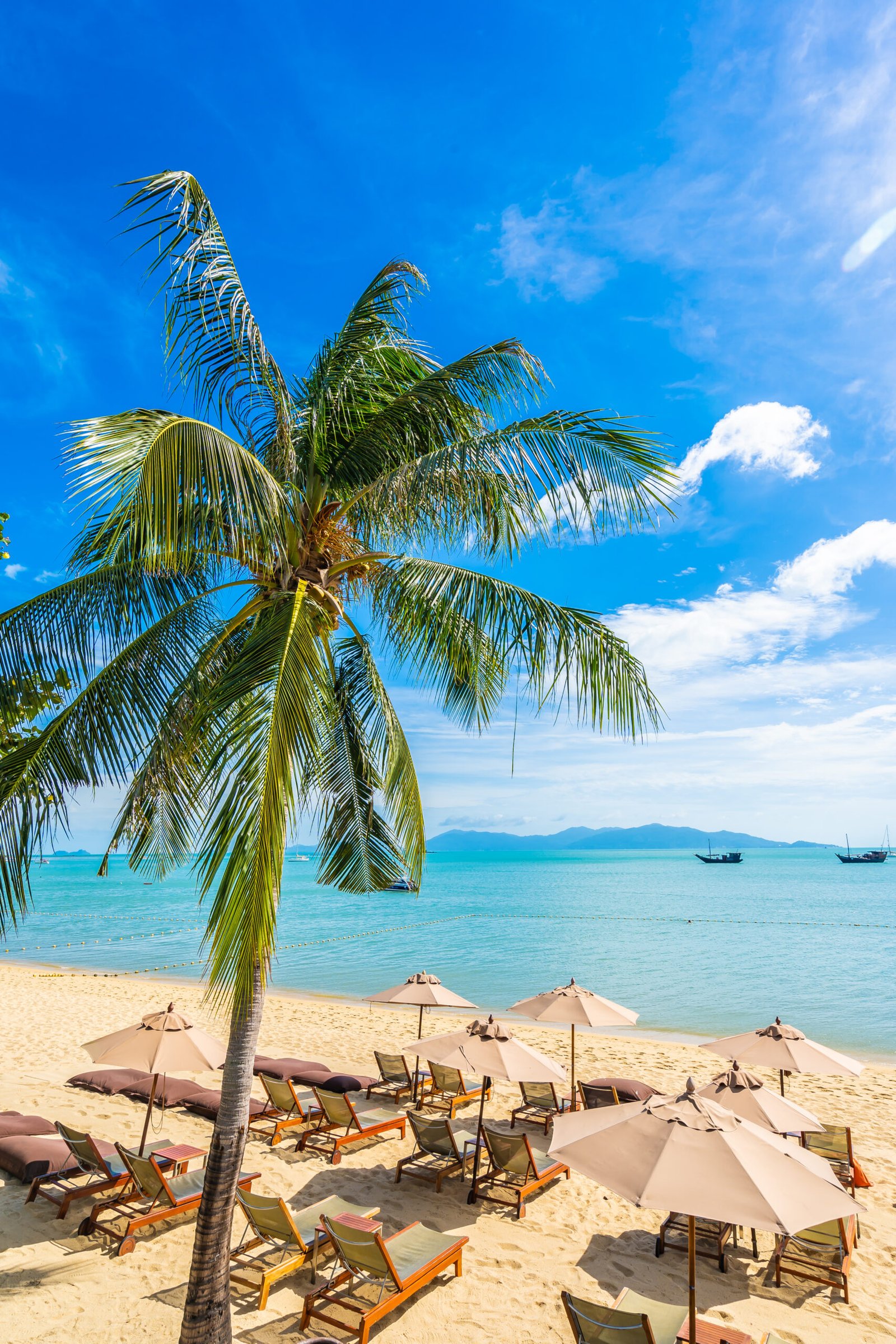
Most people remember the color first — the turquoise water, the white sand, the trees permanently leaning toward the sea. What surprised me was the structure beneath it. Aruba runs efficiently. Beaches are cared for. Roads are marked. It feels safe in a way that allows you to explore without hesitation.
It understands hospitality without losing identity. And that balance is rare.
Aruba reveals itself in layers. Most people meet it at the shoreline. The longer you stay, the more you realize the island isn’t just about where you sit — it’s about how it makes you move, pause, and return.
Snapshot
Snapshot: Aruba doesn’t try to impress you—it settles you. After a few days it feels easy. After a few weeks it feels familiar.
Best Base: Eagle Beach (wide, quiet, and open—this is where Aruba feels like home to me). Palm Beach for energy and nightlife. Baby Beach for calm, shallow water and easy floating.
Signature Day: Morning water time (Boca Catalina or Tres Trapi) → Arikok for petroglyphs + Quadirikiri Cave → sunset by the lighthouse → dinner that’s actually worth the reservation.
Don’t Miss: Book Flamingo Island before you arrive. It’s one of the few things you can’t “figure out later.”
Why Aruba: Constant trade winds, clear water, and a sense of safety that lets you exhale—paired with real adventure if you go looking for it.
The Experience
Once you leave the sand behind, Aruba changes tone — and that shift is what made it personal for me.
Most people meet Aruba in the north, where it feels orderly and composed. Palm Beach energy. Eagle Beach openness. Restaurants planned around sunset. Everything works. Everything is easy.
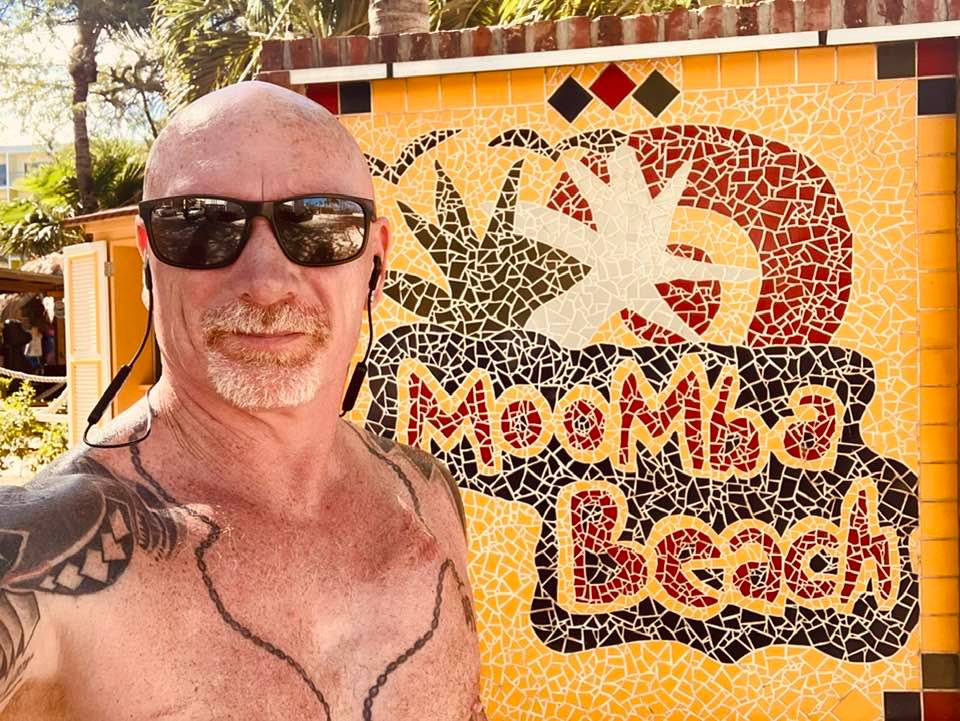
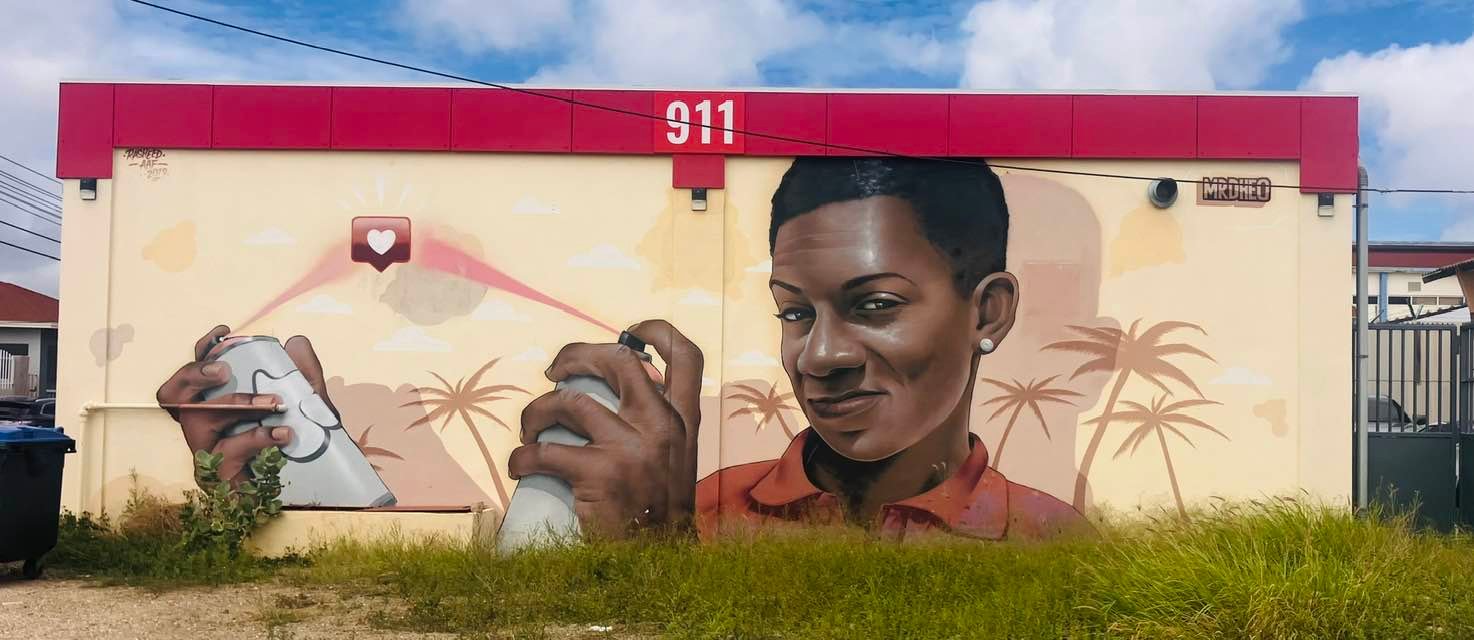
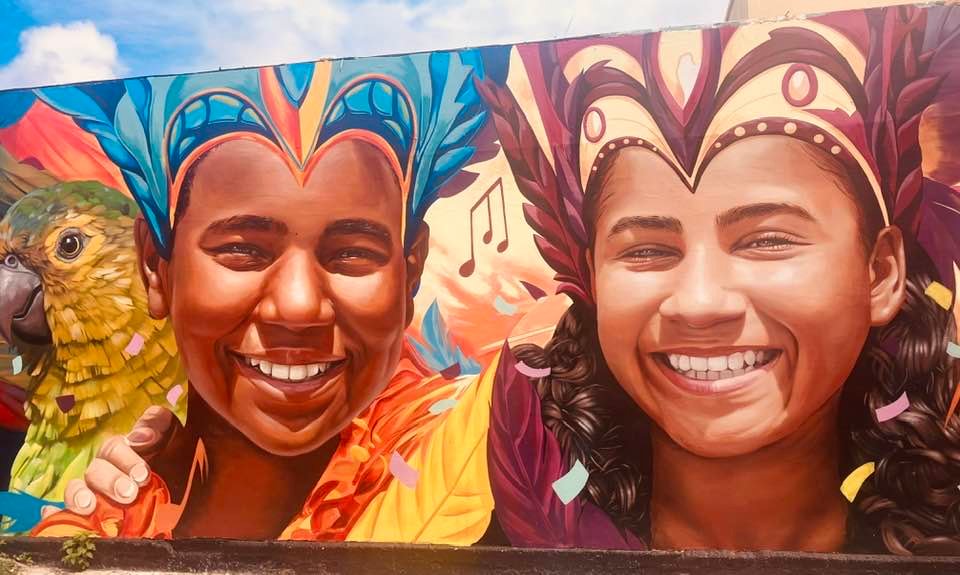
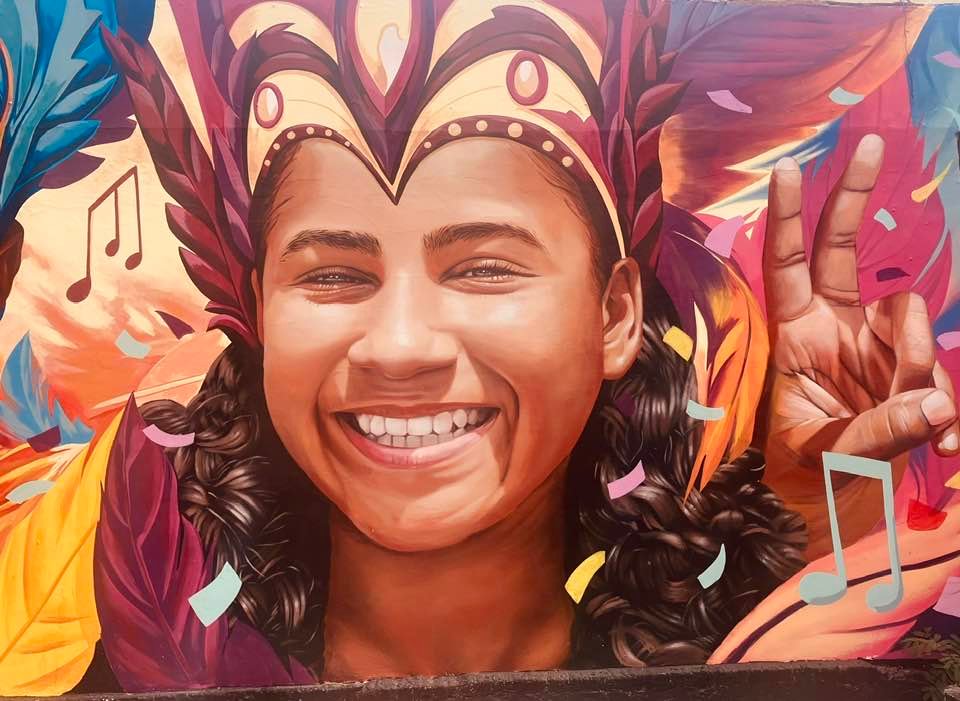
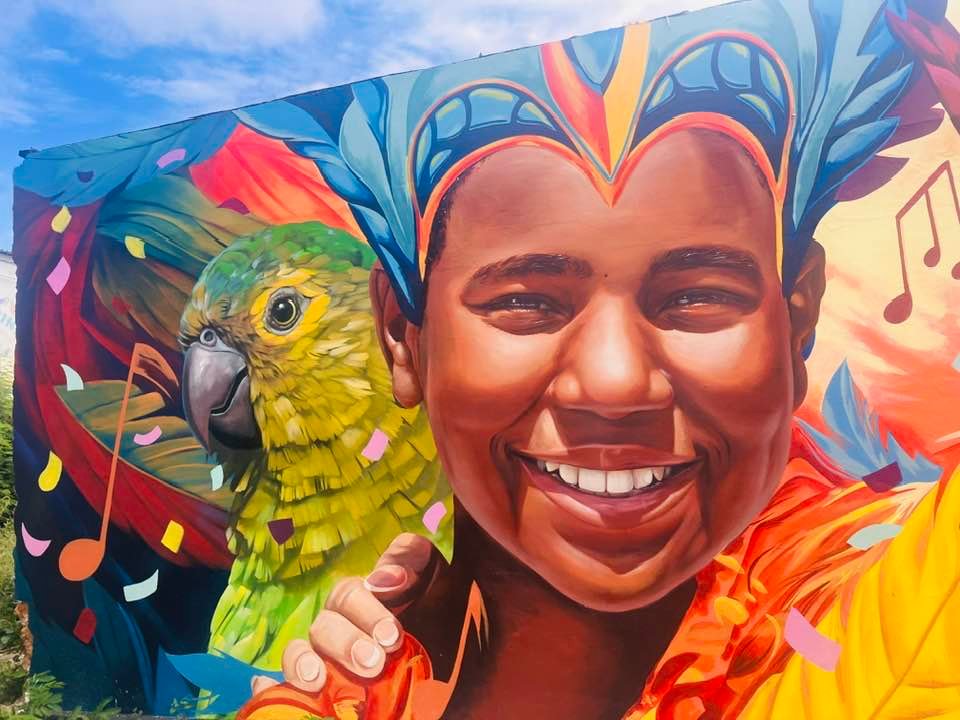
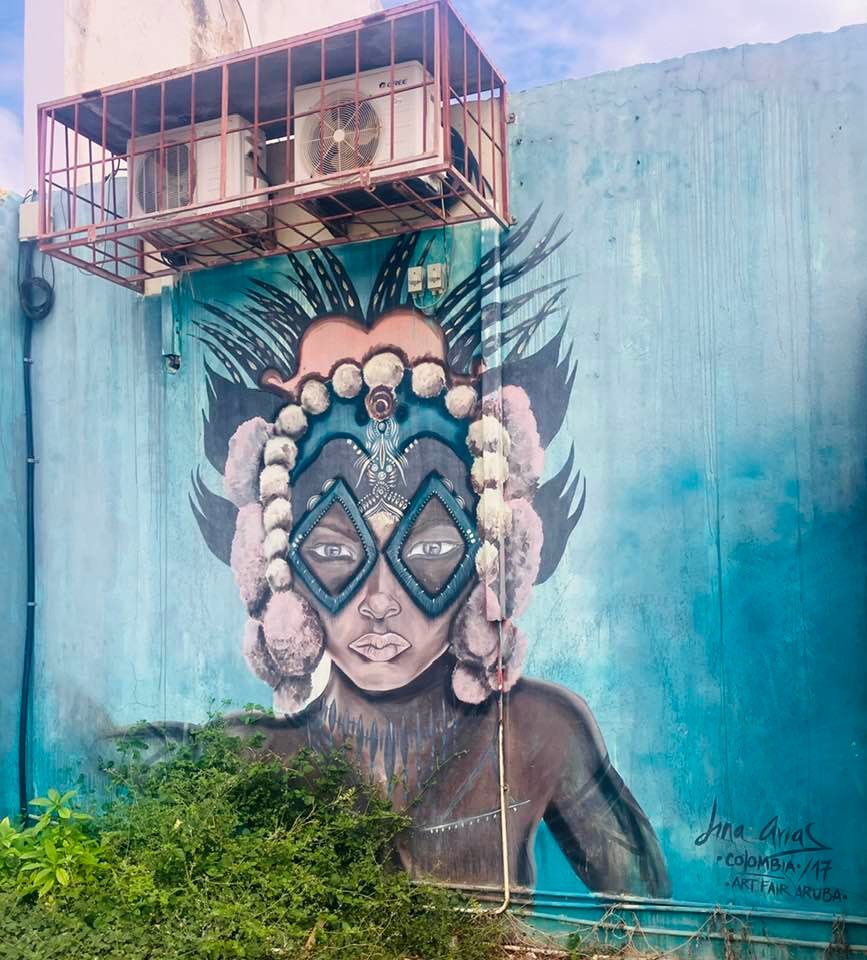
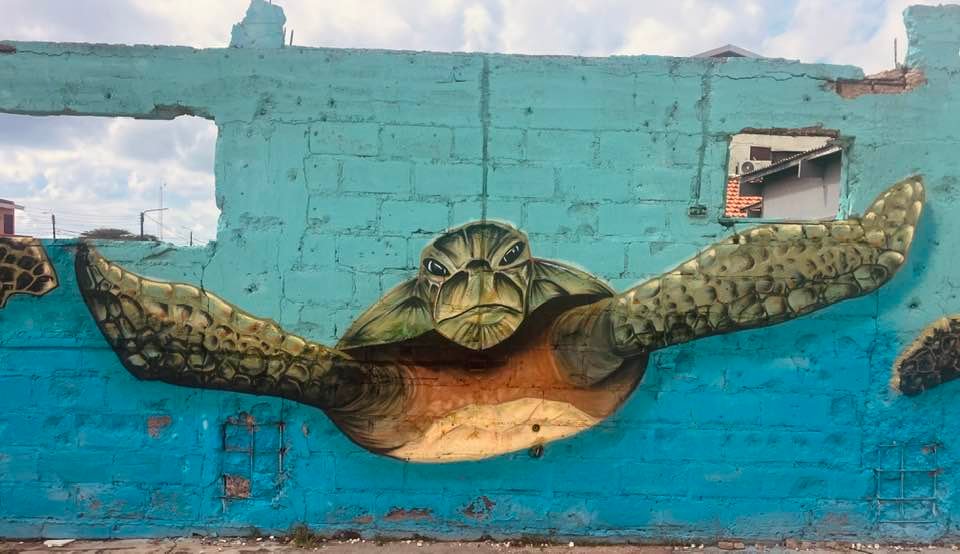
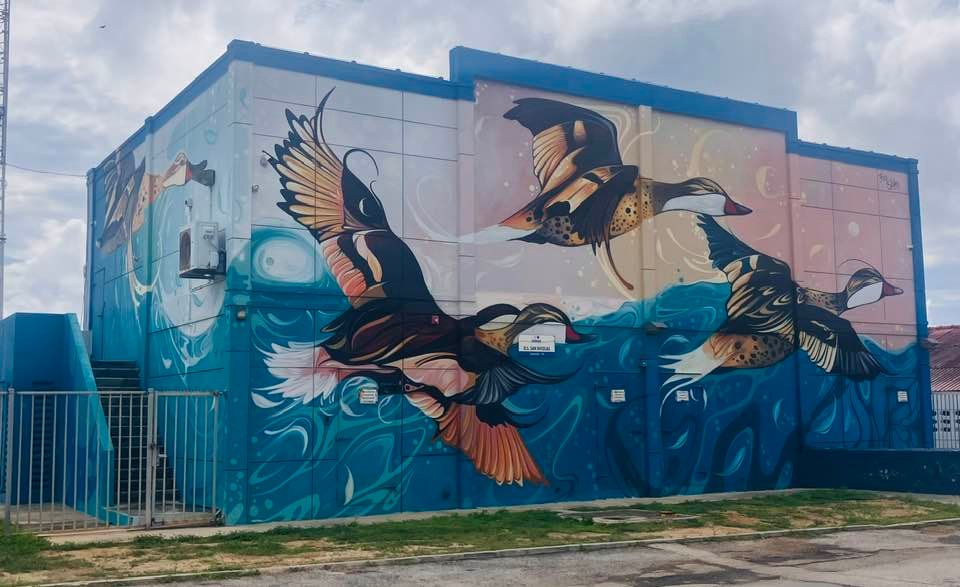
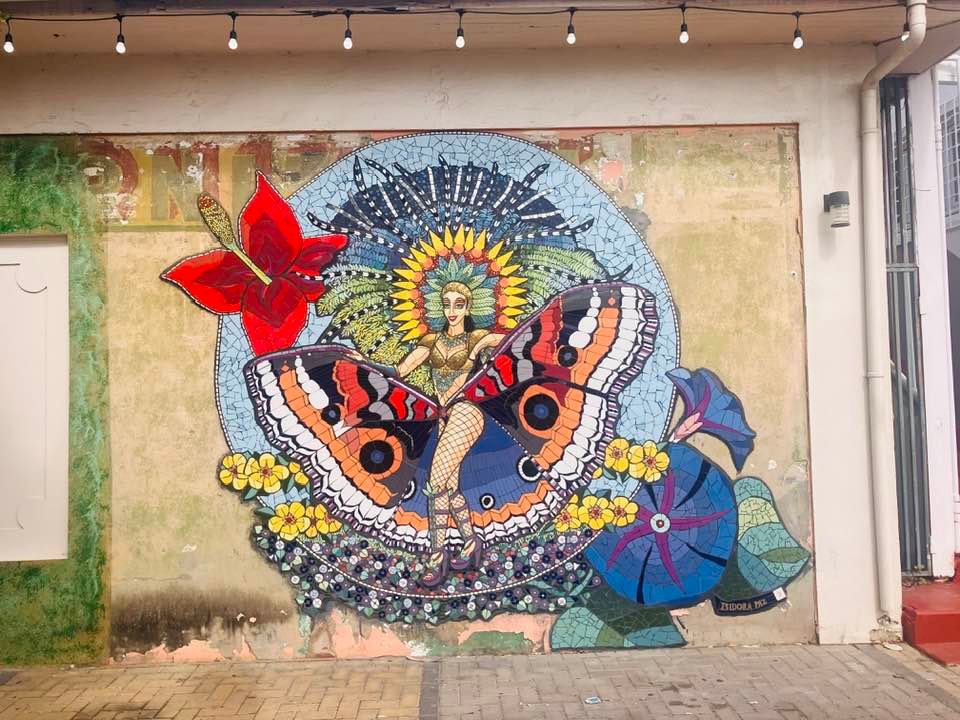
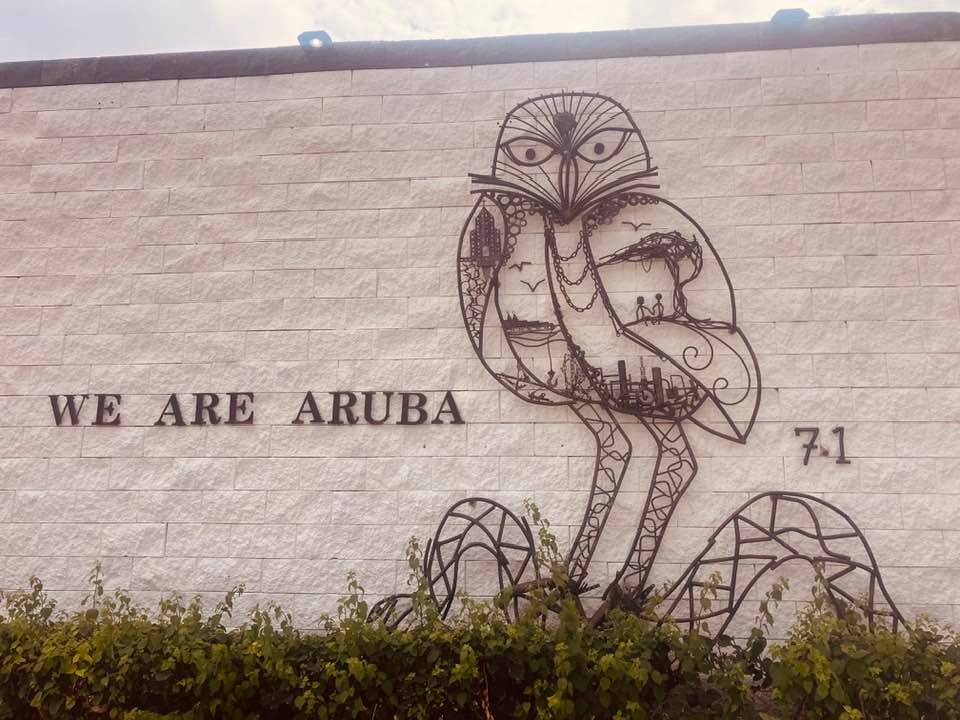
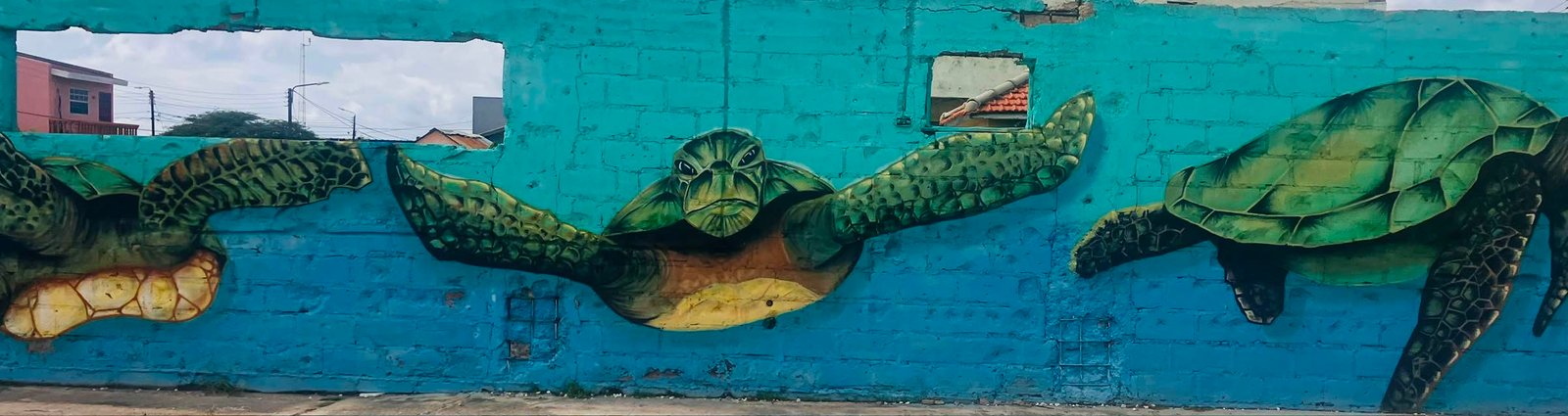
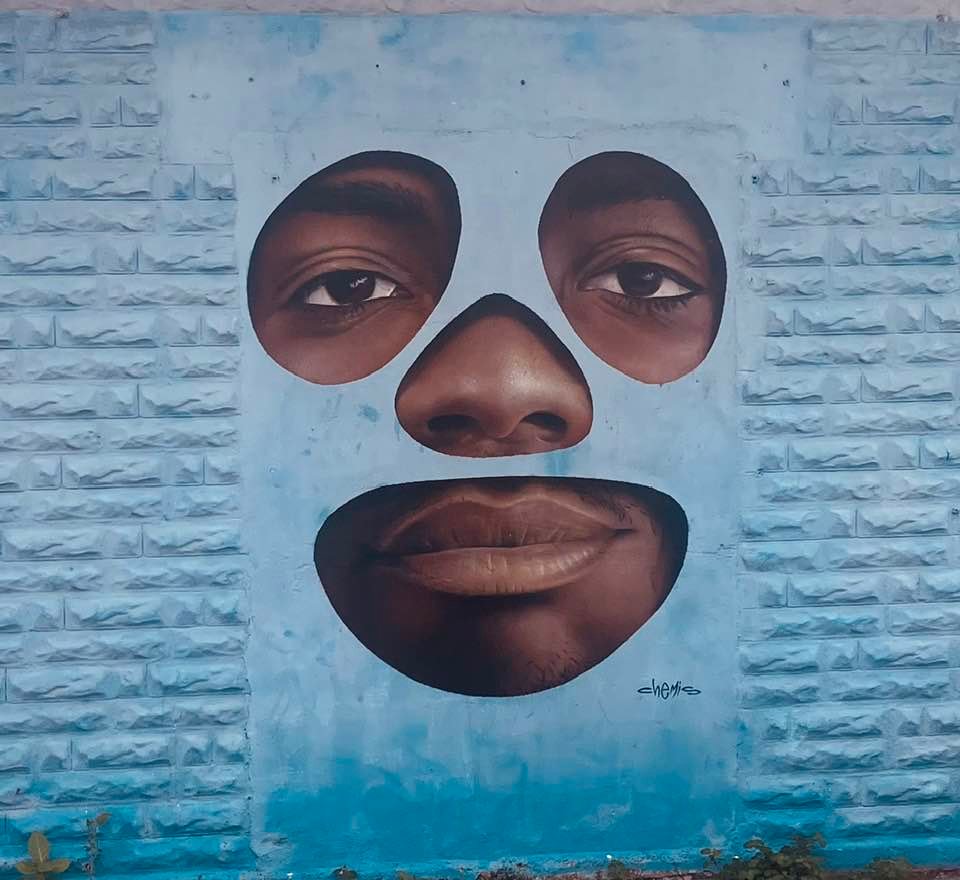
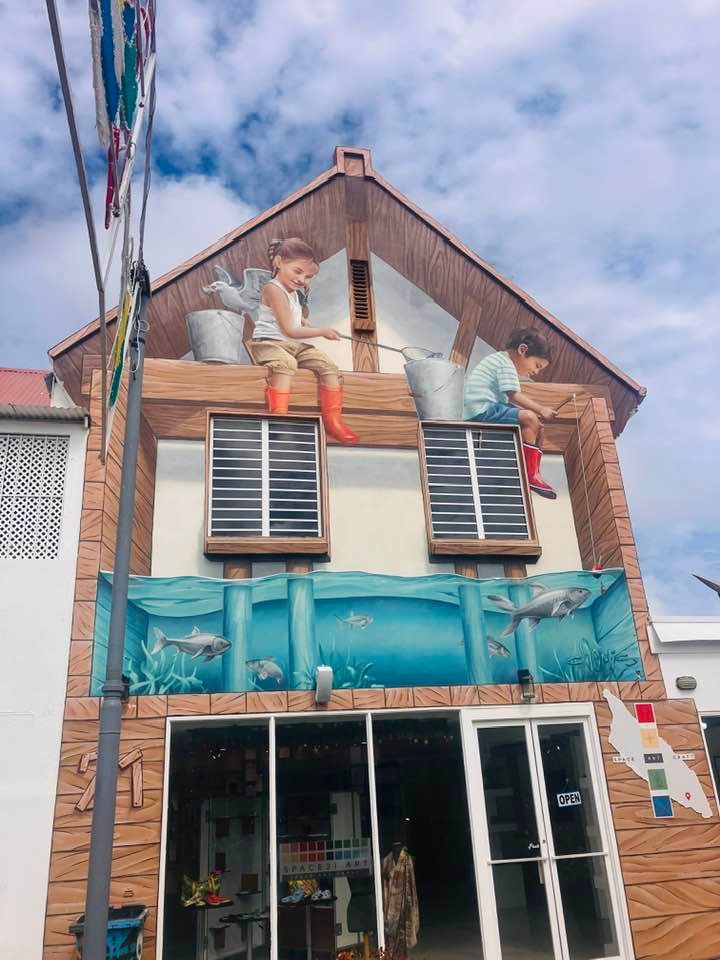
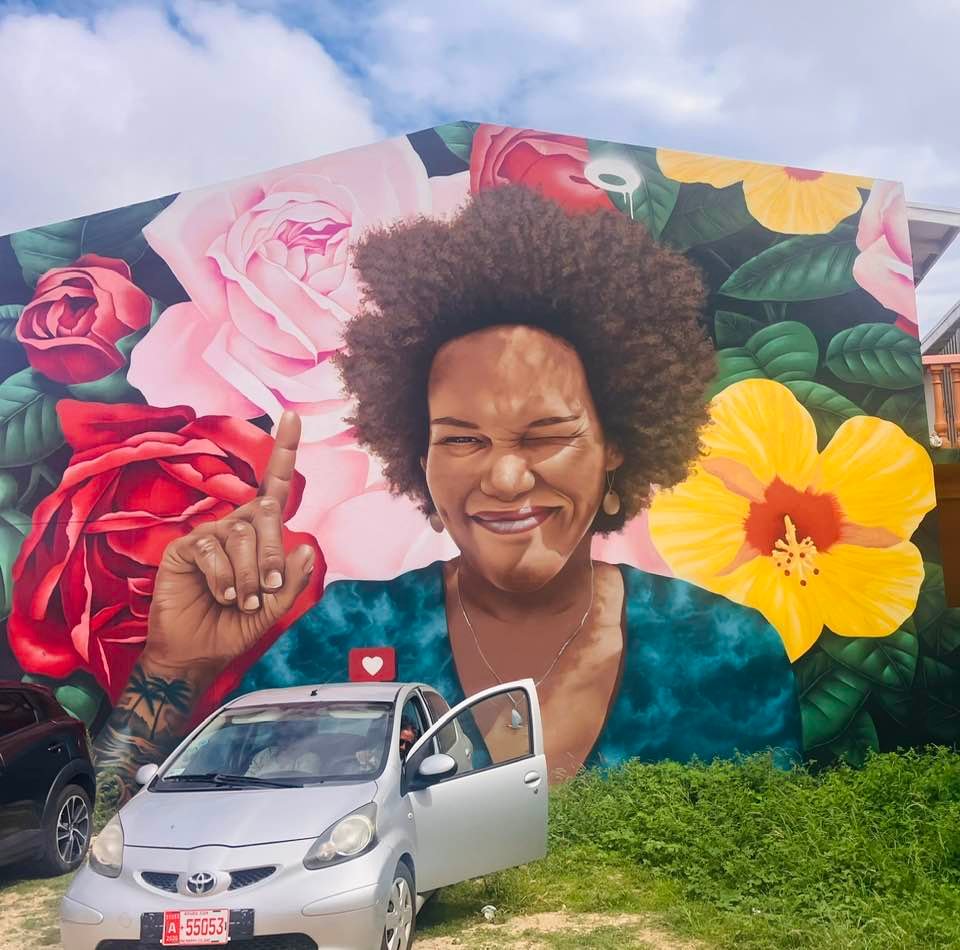
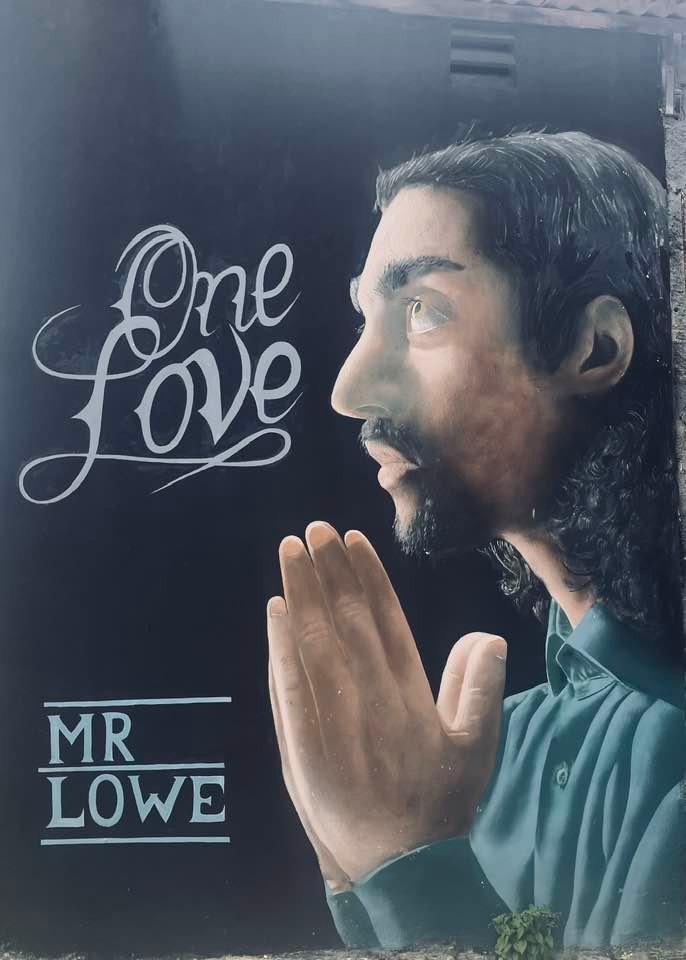
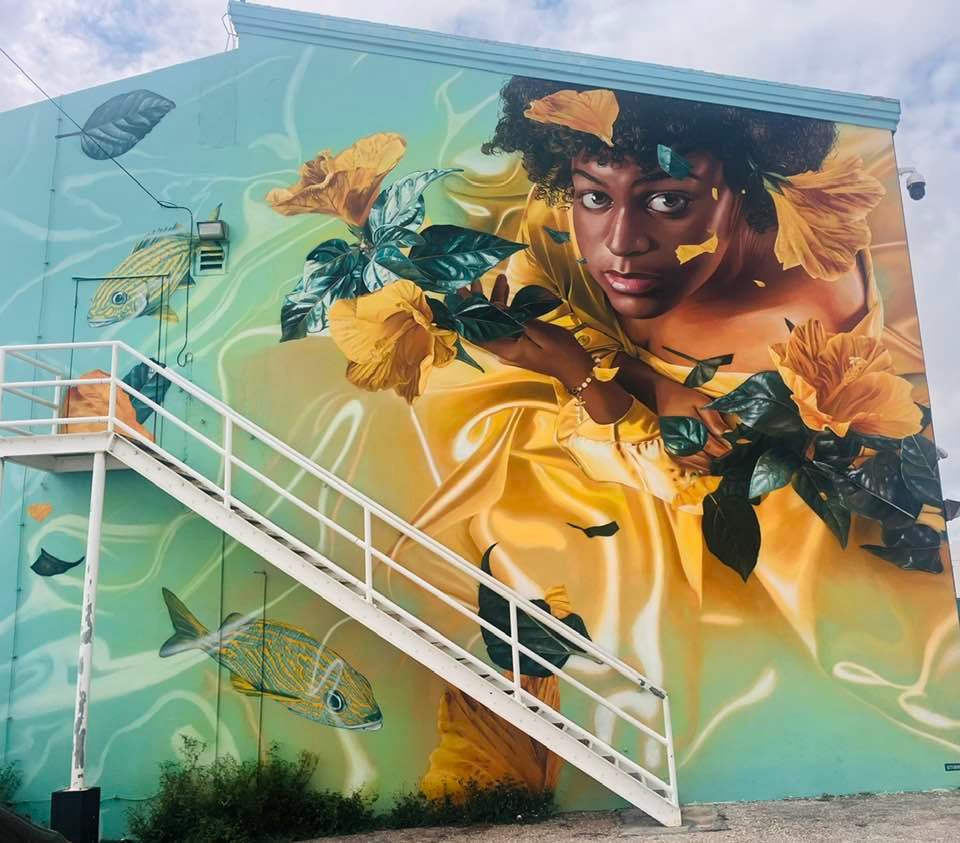
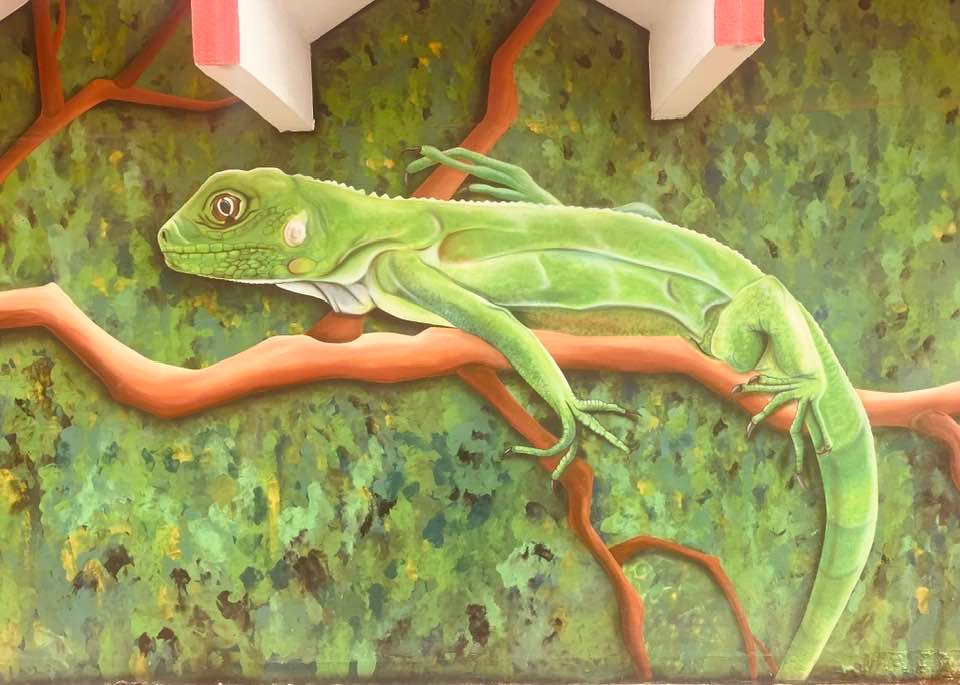
But when you head south toward San Nicolas, something softens. The murals stretch across walls in color and defiance. The streets feel less curated. The pace slows. The beaches widen and empty out. Down there, you trade Moomba-style volume for privacy and wind and space. It feels less like entertainment and more like presence.
That contrast mattered to me.
In the north, Aruba felt stable. Safe. Structured. In the south, it felt textured. Real. Imperfect in a way that felt human. The island stopped being a backdrop and started being layered.
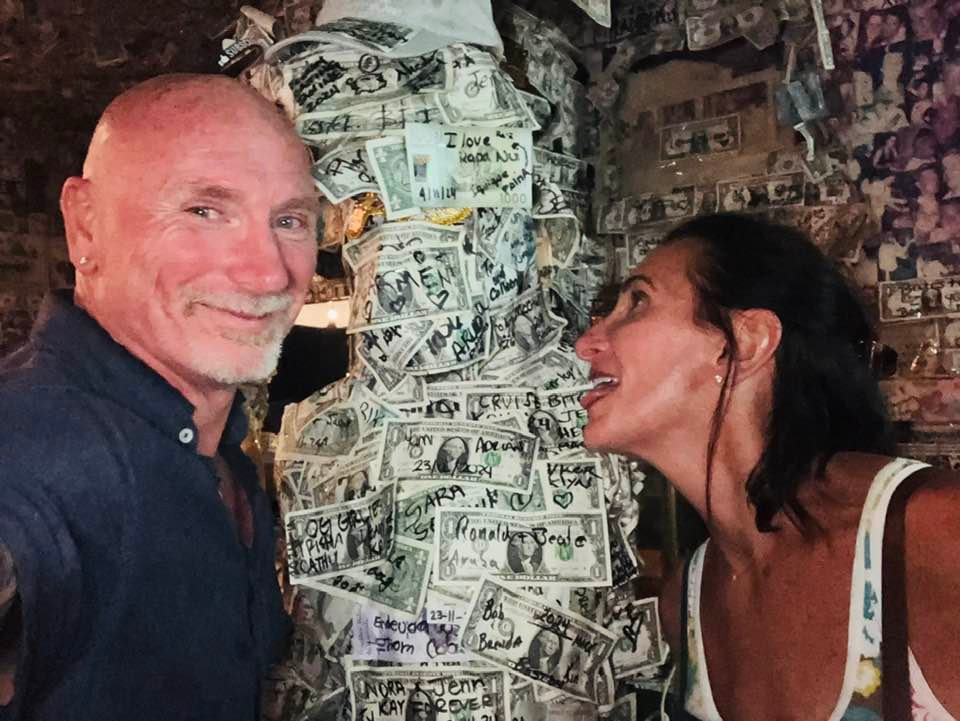
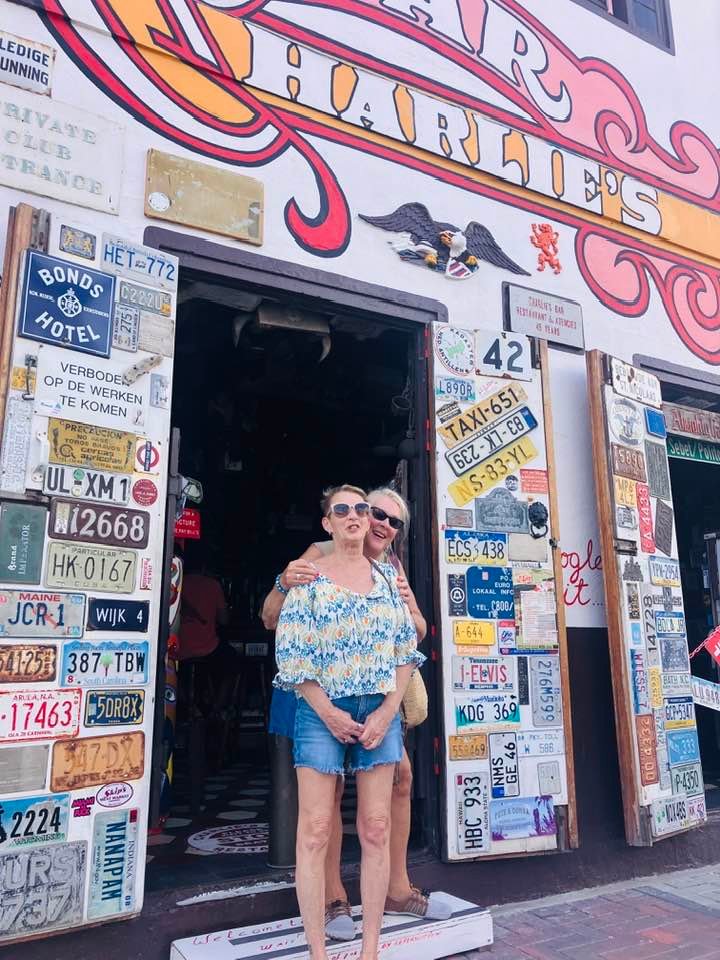
Charlie’s Bar captures that feeling perfectly. It isn’t sleek. It isn’t trying to impress. It’s filled with decades of collected stories and objects — a reminder that Aruba existed long before curated beach clubs and Instagram angles. Sitting there feels like participating in something older.
Even the terrain carries contrast. Ride a scooter or motorcycle across the island and you feel it physically. The wind pushes against you. The cactus-lined interior looks almost desert-bare — stark, dry, exposed. And then suddenly the coastline opens up into impossible turquoise water. That shift, from arid earth to brilliant sea, feels dramatic every single time.
The Donkey Sanctuary, simple and quiet, reinforces that Aruba isn’t only built for visitors. It has its own rhythm. Its own concerns. Its own care.
Arikok National Park is where that contrast becomes visceral. Standing on sun-warmed volcanic rock with trade winds pressing against your chest, looking out over a rugged coastline that refuses to be manicured — you realize how balanced the island really is. It can be polished and wild in the same afternoon.
Underwater, that duality continues. The Antilla shipwreck is massive and haunting. Boca Catalina is clear and forgiving. Tres Trapi feels raw and slightly secret. In a single day, you can move between structure and wilderness, refinement and exposure.
Living there changed how I saw it. The north gave me ease. The south gave me depth. The desert interior reminded me that beauty doesn’t need softness. The coast reminded me that stability can still feel expansive.
Aruba is small. But it isn’t simple.
That contrast is why it never felt one-dimensional to me. It gave me choices — not just of activity, but of mood. Some days I wanted the calm order of Eagle Beach. Other days I needed wind, rock, murals, and something less polished.
And Aruba allowed both.
The Beaches
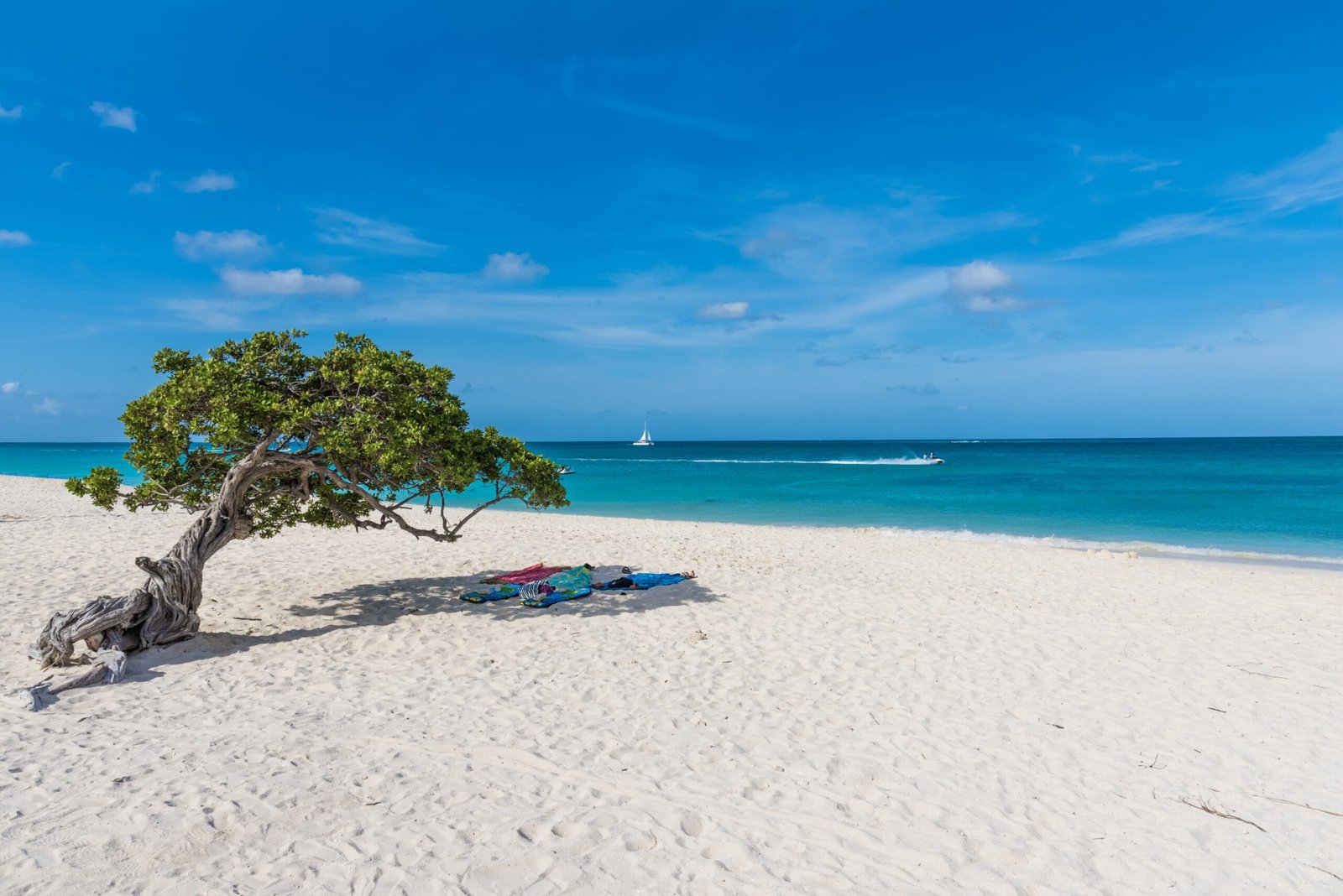
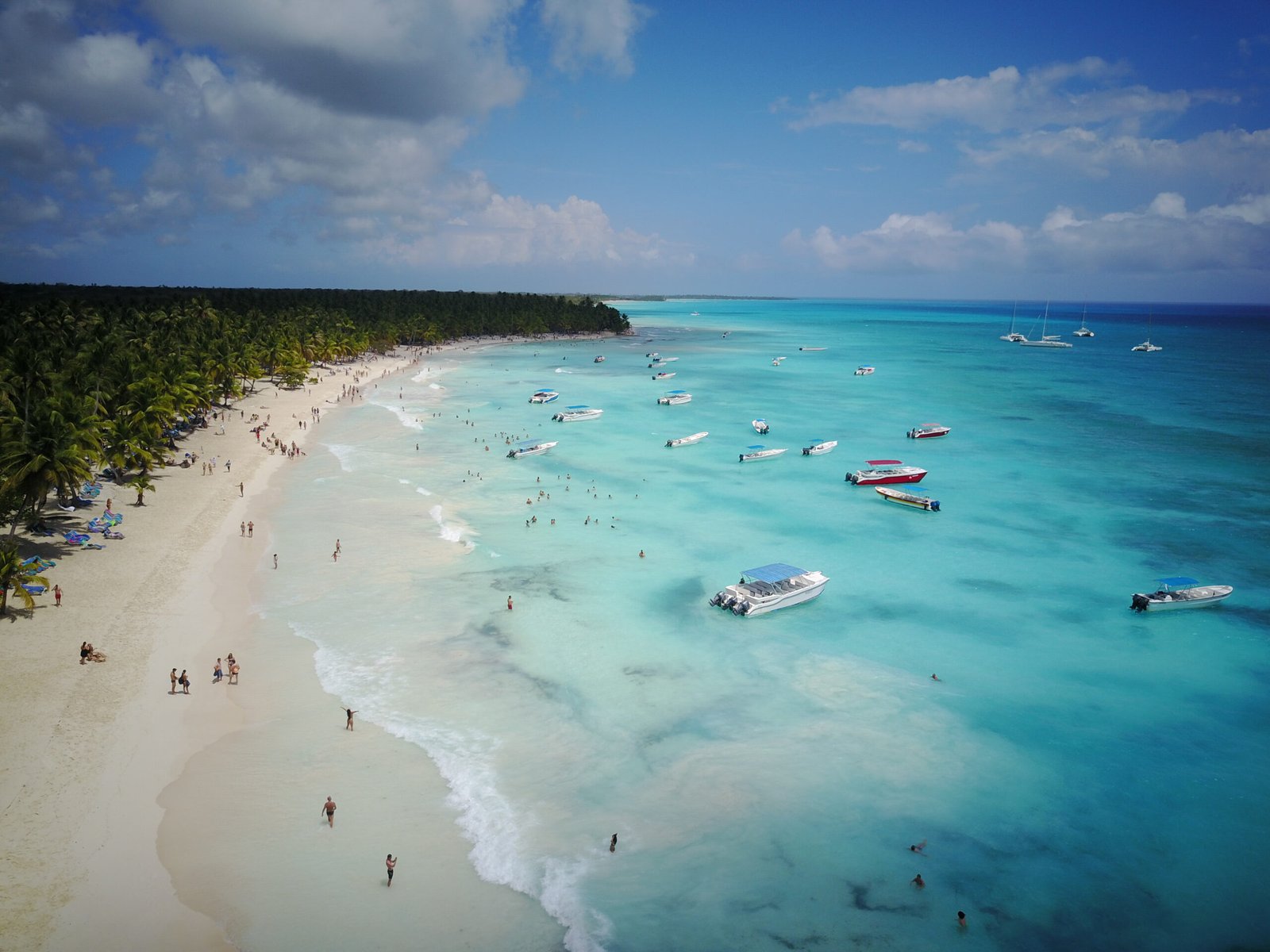
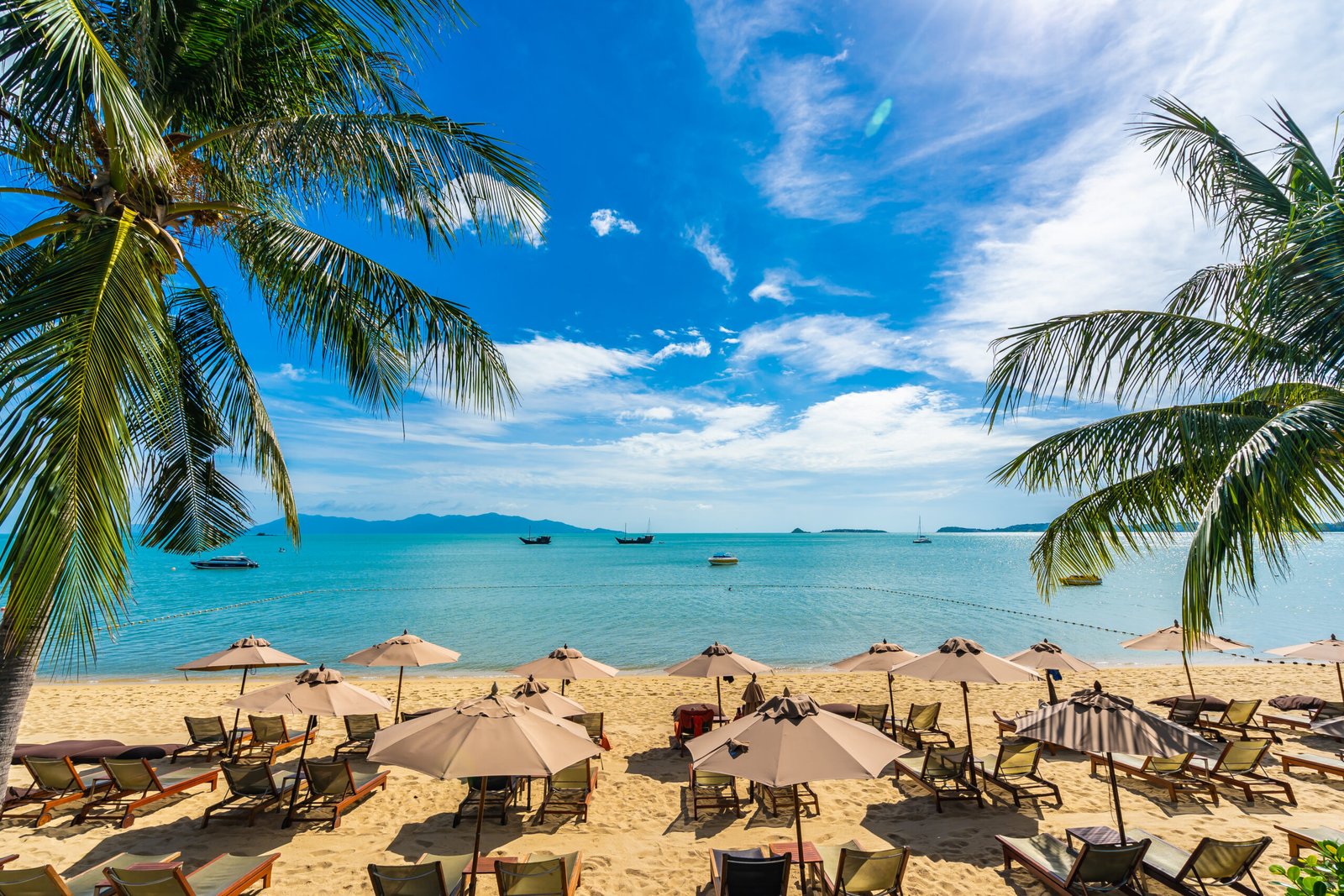
Eagle Beach is the Aruba that stayed with me. It’s wide and unhurried, with space to breathe and the divi-divi trees leaning into the trade winds like they’ve been doing it forever.
If you wake early and walk just to the right of Passions on the Beach — past the quiet bar before anyone has set the umbrellas — you’ll find a single tree near the water. Sitting there at sunrise, watching the light come up slowly over the horizon, is magnificent. The beach is nearly empty. The air is warm but not heavy. The wind moves steadily. No noise. No agenda. Just color, salt, and stillness.
When I’m on the island, I anchor near Eagle Beach — often at La Cabana — because it matches the pace I love most. You can walk, float, read, reset… and still feel like you’ve done something meaningful with your day.
Palm Beach is Aruba with the volume turned up — closer, louder, social. High-rise resorts, restaurants, water sports, nightlife. If you want energy and proximity to everything, this is your strip.
Baby Beach carries a slower rhythm — shallow, warm, unhurried. A calm lagoon at the southern tip of the island, ideal for families, easy swimming, and long afternoons where the goal is simply to stay in the water.
You can rotate through all three and feel like you visited separate destinations.
Food Matters
And then there’s the part of Aruba that happens after the sun drops.
Aruba’s food scene is deeper than most expect, and the best meals are often the least polished.
Madame Janette remains the best steak on the island. Confident. Consistent. Worth planning around.
Flying Fishbone is fine — beautiful setting, solid experience — but if you want something that feels real, go to Zeerover. It may look like a hole in the wall, but it’s boat to grill. Fish brought in dockside. Cooked perfectly. No pretension. No fuss. Just great food and great people.
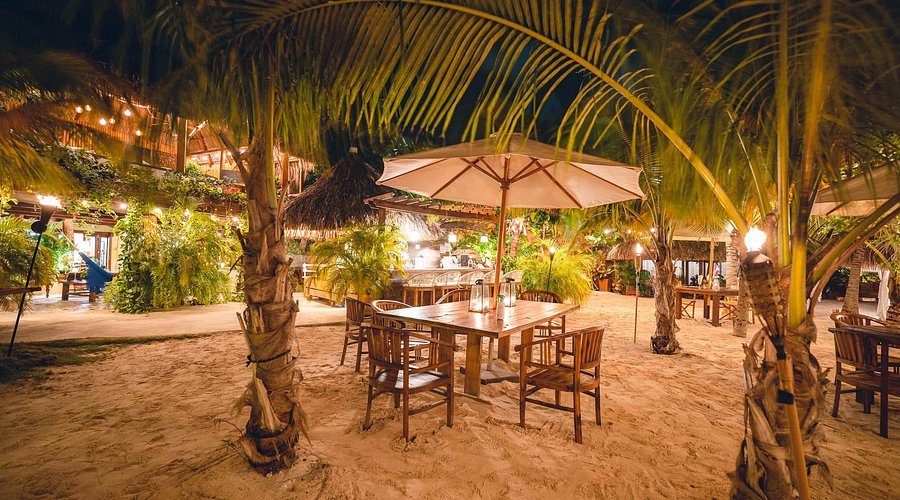
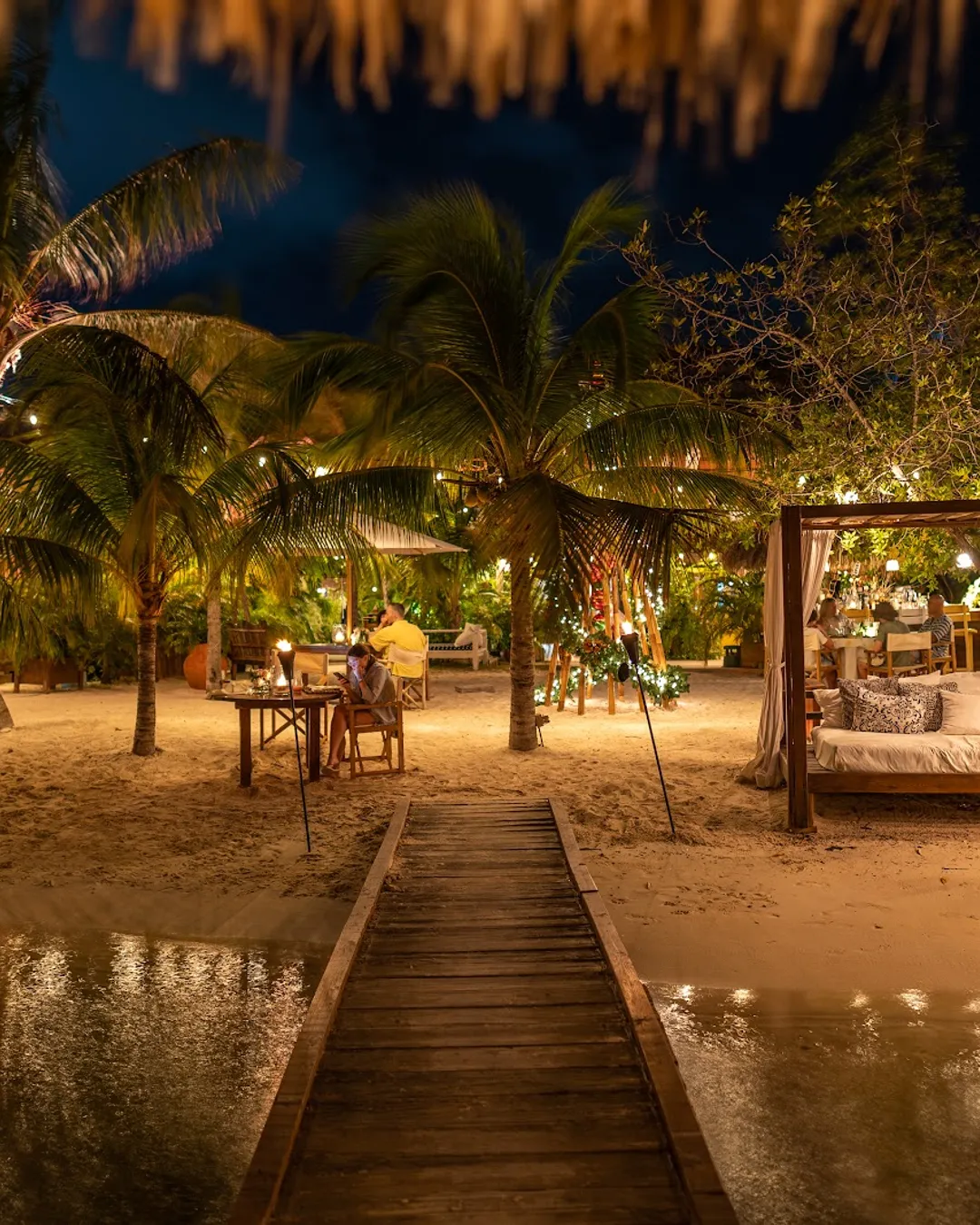
For romance, Passions on the Beach at sunset delivers — barefoot dining, horizon-level, timed perfectly with the light.
If you want a show with your meal, 2 Fools and a Bull blends food and experience in a way that actually works.
And sunset dinner at the Italian restaurant by the lighthouse is worth protecting time for. Elevated view. Long light. A table that feels suspended between sea and sky.
If budget allows, stay at Old Man and the Sea. If not, at least reserve a table and eat there once. The setting alone is worth it.
Do’s & Don’ts
A few things I’d do again — and a few I wouldn’t.
- Do plan Flamingo Island in advance.
- Do carve out a full day for Arikok.
- Do eat outside the resort corridor often.
- Do dive or snorkel if you are able.
- Do wake early at least once for sunrise on Eagle Beach — before the chairs are set and before the island is fully awake.
- Do make at least one reservation around sunset — the island changes tone when the light drops.
- Do not limit yourself to Palm Beach.
- Do not underestimate the wind; it shapes the experience.
- Do not assume every popular restaurant is the best one.
- Don’t judge a restaurant by appearance alone — some of the best meals are the simplest.
- Don’t overschedule every day. Aruba rewards open space.
- Do give yourself permission to slow down.
- Don’t mistake stillness for doing nothing.
Regrets & Lessons
The only regret most people have in Aruba is staying too centralized and not exploring enough. The island rewards curiosity. Rent the vehicle. Ride south. Drive east. Walk different stretches of sand. Aruba is small, but it is layered.
Living there taught me this: the more routine your days become, the more you appreciate its stability. Aruba doesn’t try to overwhelm you. It offers consistency. Sun. Safety. Structure. And space to choose your pace.
I didn’t expect to feel attached to Aruba. I did.
Final Thoughts
Aruba can be active or still. Dive wrecks in the morning. Ride through Arikok mid-day. Sunset dinner by the lighthouse. Or do nothing but sit at Eagle Beach and let the wind move around you.
It’s one of the few islands where adventure and comfort coexist without strain.
For me, Eagle Beach remains personal. The divi-divi trees still feel like markers of home.
If you approach Aruba intentionally — not just as a resort stop, but as an island to understand — it gives back.