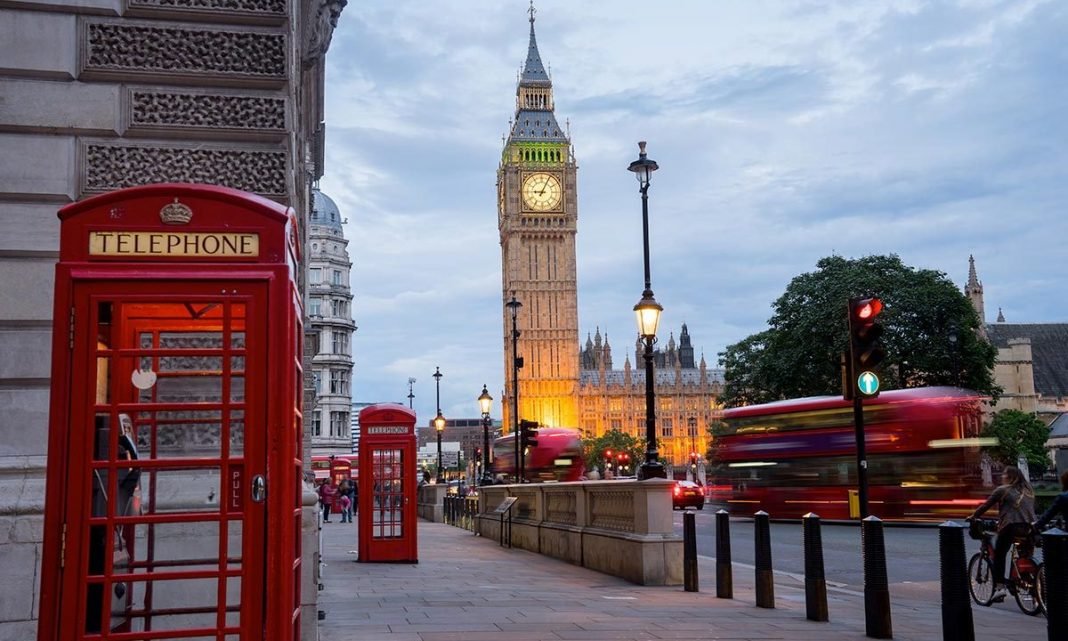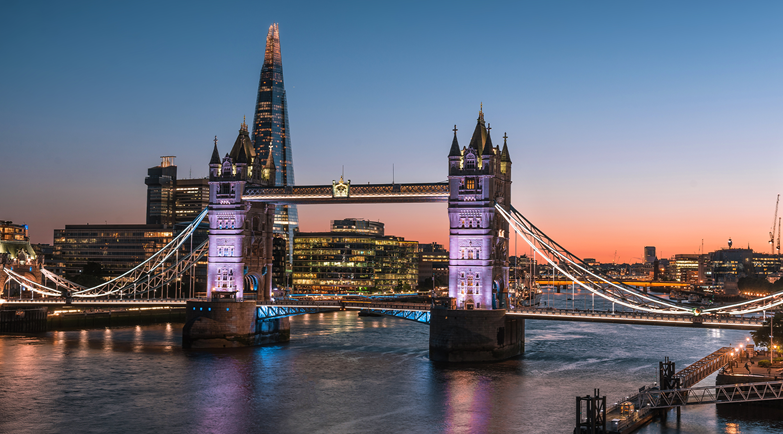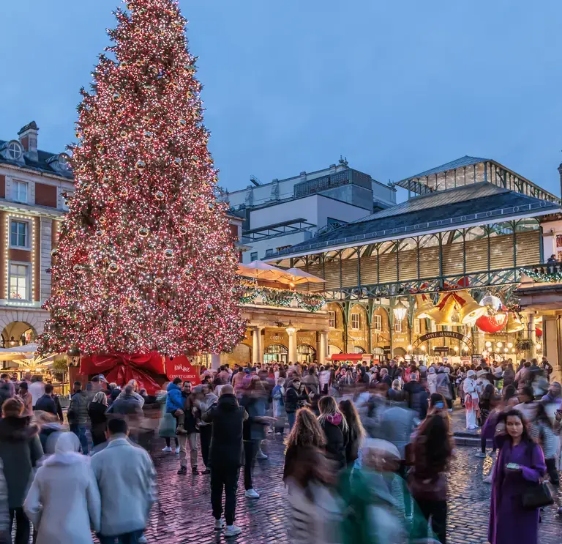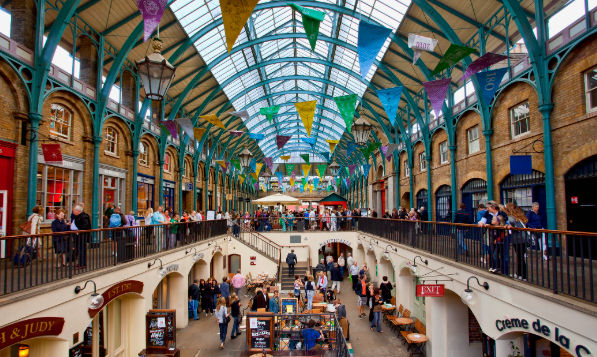
London (Childhood Home)
Where the road matters more than the arrival.
This is My London. My Home. (reach out if you want more)
This page isn’t meant to be followed. It isn’t here to tell you where to go first, what to prioritize, or how much time to give any one place. It exists to be entered slowly, the same way London itself asks to be entered.
Some passages will naturally guide you toward places worth your time — landmarks, neighborhoods, moments that carry weight. Others are here for a different reason entirely. They linger. They pause. They try to capture how the city feels when it’s lived in rather than passed through, when the days aren’t counted and the evenings aren’t rushed.
There’s no correct order to any of this. Nothing here needs to be finished or absorbed all at once. You don’t need to remember it all, or even most of it. Let certain lines stay with you. Let others drift past. What resonates now may not be the same thing that resonates later — and that’s part of the experience.
This page is less about direction and more about permission. Permission to slow down. To wander. To return. To understand that some places reveal themselves gradually, over seasons and years, not in a single visit.
London works the same way.
It doesn’t ask for urgency. It doesn’t reward completion. It waits, changes, and offers something different each time you meet it. And the more space you give it, the more generously it responds.
Let this page do what the city does. Take your time with it.
Snapshot
Route: London — lived in, returned to, never completed.
Travel Style: Seasonal, unhurried, neighborhood-driven rather than landmark-led.
Pace: Slow enough to notice what changes — and what doesn’t.
Why London: Because this city doesn’t reveal itself in highlights. It reveals itself over time — through repetition, contrast, and the quiet confidence of a place that doesn’t need to impress you all at once.
The Experience
London isn’t a place you “do.”
It’s a place you return to.
I grew up here — in Hampton Court and Teddington — technically just outside the city, but close enough that London was always the playground. Trains in. Late nights out. Long walks home along the Thames. It wasn’t a destination; it was where life happened. That perspective stays with you. It shapes how you move through cities everywhere else.
London has changed. Constantly. Dramatically. Anyone who tells you otherwise hasn’t been paying attention. But that evolution is part of the appeal. What hasn’t changed is the depth — the sense that no matter how long you stay, you’re only scratching the surface.
This is not a one-time destination.
London deserves to be experienced seasonally. Think Summers in Hyde Park on a blanket with a picnic, wine by the river Thames vs. Skating in the park and Christmas Markets.
Take Your Time
Two days in London before heading to Ireland isn’t a plan — it’s a mistake.
London rewards patience. Mornings that stretch into afternoons. Evenings that turn into something unexpected. A show booked weeks in advance, followed by a night that runs later than you planned.
Walk the city. Wander it. Let it unfold.
Spend time in the West End.
Stand in Trafalgar Square and watch the city pass through itself.
Catch street performers in Covent Garden.
Have a proper pint in a pub that looks like it hasn’t changed in a hundred years — because it probably hasn’t.
London doesn’t reward urgency.
It rewards returning.
You can visit once and be impressed.
You come back and start noticing patterns — neighborhoods instead of landmarks, seasons instead of sights, rituals instead of moments.
Evenings Matter Here
London nights are not an afterthought. They’re where the city settles into itself.
After the curtain falls, don’t call it a night. Walk. Let the crowds thin. Duck into a pub that feels older than the street it’s on. Order a pint. Listen more than you talk.
Then eat — not because it’s late, but because that’s the tradition.
Fish and chips, wrapped in paper with salt and vinegar!
A curry — London’s real comfort food, done better here than almost anywhere else.
A kebab, grabbed standing up, the unofficial punctuation mark of an English night out.
This is the feast that closes the evening.
The part no itinerary ever mentions — but everyone remembers.
Start the Day the Right Way
Mornings reset gently.
Find a neighborhood café and order a full English breakfast — and yes, say it properly. Eggs, bacon, sausage (hmm maybe not Black Pudding), beans, mushrooms, toast. No substitutions. No commentary. Just fuel for the day ahead.
Coffee in hand, you’re ready to walk again.
Step Slightly Outside the Center
London reveals itself when you drift just beyond the obvious.
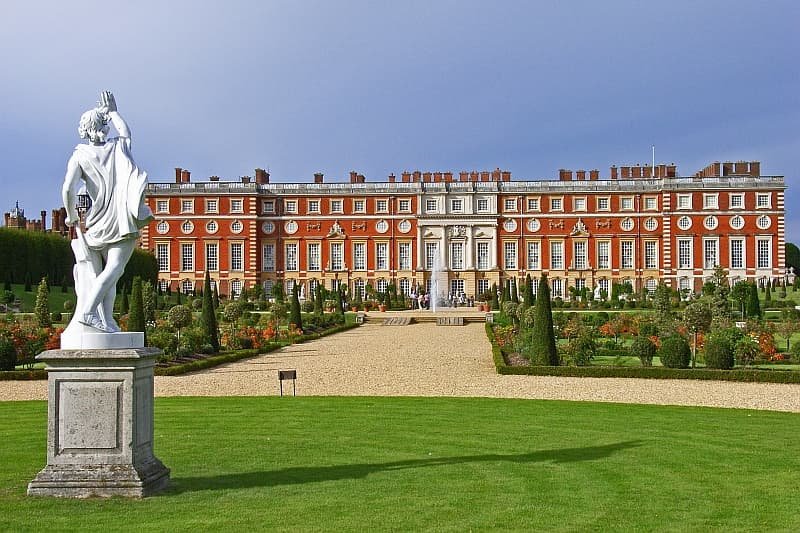
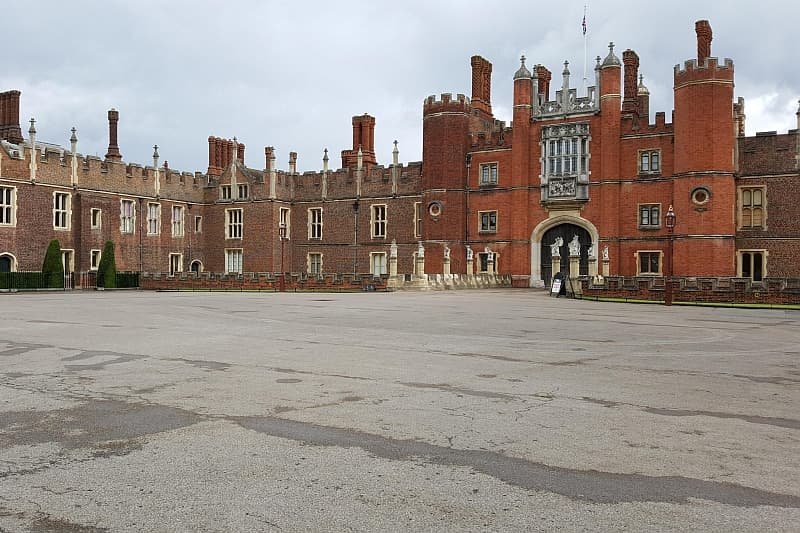
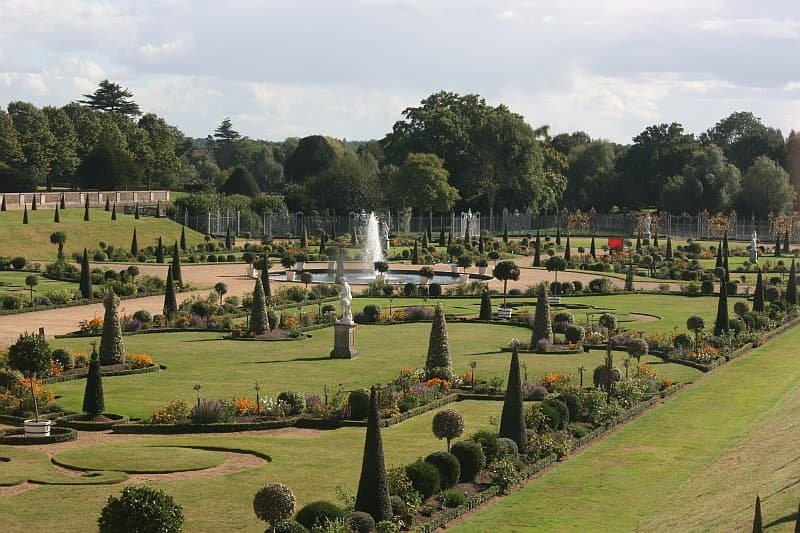
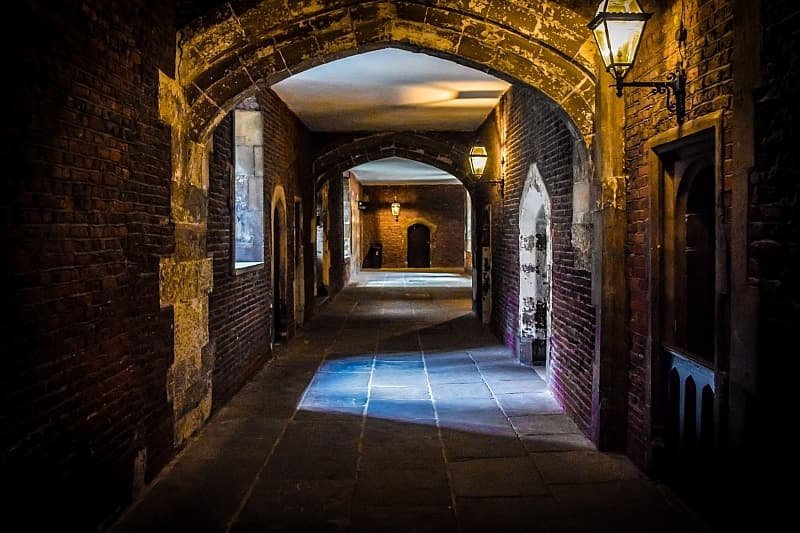
Venture west to Hampton Court Palace. Get lost in the maze. Walk the gardens slowly.
Spend an afternoon in Richmond Park or Bushy Park, where deer still roam and the city feels very far away.
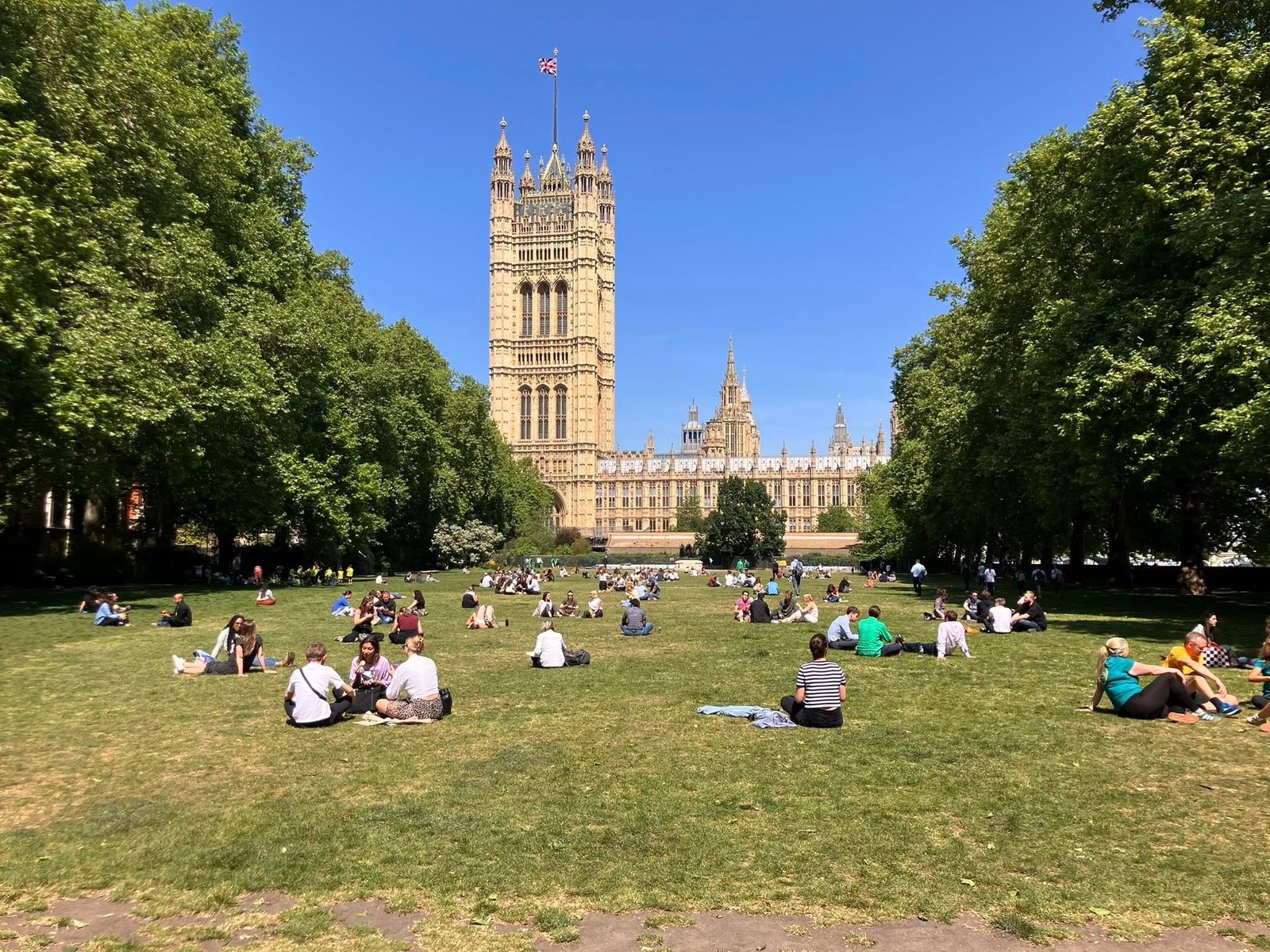
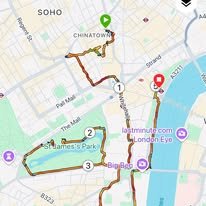
Follow the Thames on foot. Stay on a canal boat. Sit in Hyde Park and do nothing for an hour.
These moments won’t make a highlights reel — but they’re what people remember years later.
Markets, Music, and Match Days
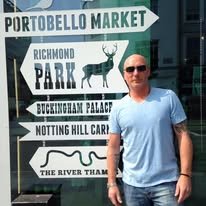
Browse the markets at Portobello Road and Notting Hill Gate. Each visit feels different depending on the weather, the crowd, the mood of the day.
See a concert at the O2.
Experience the scale of Wembley on a match or music night.
Watch rugby at Twickenham — it’s part sport, part ritual.
This city doesn’t separate culture into categories. It lets it overlap.
Easy Day Trips (Without Packing a Bag)
From King’s Cross, the city opens outward.
Oxford by train.
Stonehenge as a day trip.
Brighton if you need to see a British Beach lol
And if you want to extend the journey, Paris is just a few hours away via Eurostar — a rare chance to link two great cities without breaking the rhythm of your stay.
But don’t rush that decision.
Food, Always Evolving
London’s food scene no longer needs defending. From corner pubs to globally respected kitchens, the city is dense with Michelin-recognized restaurants — and just as many places where the best meal of your trip happens unexpectedly, late, and without a reservation.
Here, food is part of the city’s rhythm, not a separate attraction.
Why London Is More Than a Trip
London isn’t something you finish.
It’s something you grow into.
Summer evenings belong outside. Parks fill slowly. The city lingers.
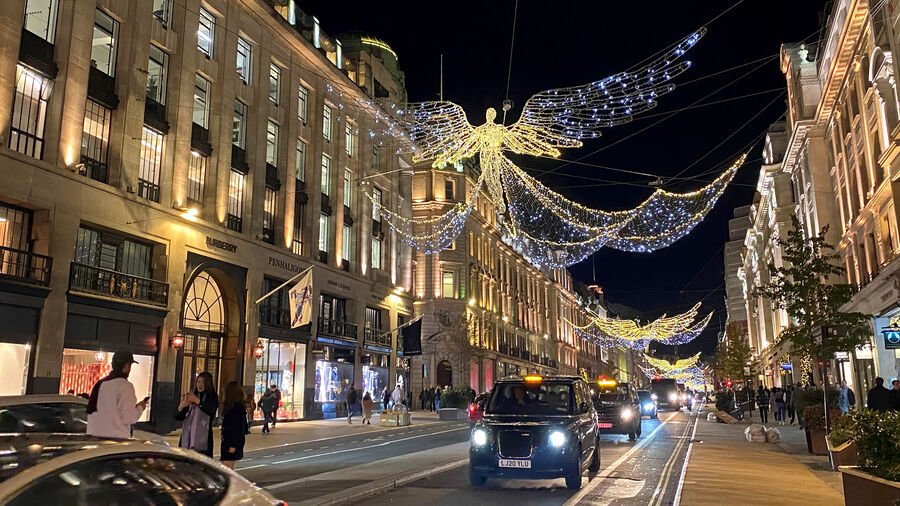
Winter tightens inward — Christmas lights, markets, warm pubs, early darkness that makes everything feel closer together.
London is a different city depending on when you meet it.
And that’s the point.
Too many people treat London as a gateway instead of a destination. Two days, a checklist, then on to somewhere “simpler.” London deserves your time. It isn’t loud about what it offers.
It doesn’t need to be.
This may be the greatest city in Europe — not because it tries to impress you, but because it keeps revealing more the longer you stay.
London reveals itself over time.
And the more time you give it, the more it gives back.
London, When You Know Where to Look
Some of London’s best moments aren’t landmarks. They’re timing, restraint, and knowing when not to follow the crowd.
Places that reward lingering
Hampton Court Palace early in the day, before tour groups arrive. The gardens matter more than the rooms. The maze is better when it’s quiet.
Richmond Park at golden hour. Deer move differently then. The city feels distant in a way that surprises people.
Bushy Park on a cold morning. Frost changes the scale of everything.
Walk the Thames between Hammersmith Bridge and Putney Bridge — fewer cameras, more locals, better pubs.
Markets worth your time (and those to skim)
Portobello Road Market early. Leave by midday. After that, it’s theatre.
Borough Market is best midweek. Weekends turn it into an endurance test.
Skip anything branded as “authentic London market” without locals standing in line.
Museums, selectively
The Victoria and Albert Museum rewards wandering without a plan. Don’t try to see it all.
The Imperial War Museum hits hardest when you’re not rushed.
The British Museum is best treated like a neighborhood you revisit, not a task to complete.
Seasonal London (this matters more than people admit)
Spring: Parks wake slowly. Blossoms in Greenwich Park feel earned.
Summer: Long evenings in Hyde Park with nothing planned. Wine by the Thames after sunset.
Autumn: The city sharpens. Best walking weather. Museums feel heavier in a good way.
Winter: Christmas lights, markets, early darkness. Pubs matter more. The city tightens inward — and that intimacy is part of the experience.
Sport and shared energy
Rugby at Twickenham Stadium isn’t about the score. It’s about ritual.
A match or concert at Wembley Stadium is overwhelming in scale — once is enough, but worth doing.
Even if you don’t follow football, being near match-day crowds teaches you something about the city.
Things to be cautious of
Don’t plan London by distance alone. Ten minutes on a map can become forty in reality.
Avoid peak commuter hours unless you enjoy being compressed into efficiency.
Skip attractions that promise “the best view” without context. London’s beauty is rarely panoramic — it’s layered.
Quiet day escapes
Oxford by train works easily and doesn’t break rhythm.
Stonehenge makes sense as a long day, not a rushed stop.
Brighton when you want contrast and salt air.
Paris via Eurostar is tempting — but only after London has had its time.
The quiet truth
London isn’t difficult. It’s discerning.
Give it time. Choose fewer things.
Pay attention to when — not just where.
That’s when the city opens up.
Worth Skipping (or Using Strategically)
Not everything labeled “tourist” is a mistake — but not everything deserves your time.
If something promises “the best view” or insists it must be done quickly, be skeptical. London doesn’t reveal itself from observation decks or tightly packed itineraries. Experiences built entirely around queues tend to flatten the city rather than deepen it.
That said, a hop-on, hop-off bus can be useful early on. Treated as orientation — not an experience — it can save a full day of navigating crowds and help you understand how the city fits together. Use it once, get your bearings, then step off and start walking.
London rewards curiosity over completion — and strategy over stubbornness.
Must-Eat London (By Budget)
£ | Cheap & Essential
These are non-negotiable — do at least one of them.
Fish & chips — proper shop, salt and vinegar, no reinvention
Kebab — late, standing up, minimal discussion
Bakery breakfast — pastries or a bacon roll from a local café
Street food (selectively) — weekday markets only; skip the weekend crush
££ | Reliable & Satisfying
Where London quietly excels.
Curry — neighborhood spot, not a hype destination
Pub food — pies, roasts, seasonal menus (quality varies; choose carefully)
Modern British bistros — casual, ingredient-led, unfussy
Global comfort food — Middle Eastern, Turkish, Italian done simply
£££ | Worth Planning For
Save this for one or two intentional nights.
Michelin-recognized restaurants — London has depth here, not just prestige
Chef-driven tasting menus — better midweek, calmer rooms
West End pre-theatre dining — early seatings, refined without drag
Rule of Thumb
London’s best meals aren’t always the most expensive — but the worst meals usually come from places trying too hard to impress tourists.
Eat close to where you are.
Avoid queues without locals in them.
And never save all your “good meals” for the end of the trip.
Best Breakfast & Cafés
Start simply. London mornings work best without ceremony.
Regency Cafe — classic full English, fast, no nonsense
E Pellicci — old-school East London institution
The Wolseley — elegant without being precious
Granger & Co. — lighter, modern, consistently good
Rule: if locals are eating quietly and reading the paper, you’re in the right place.
Late-Night Food (After Everything Else)
This is where London becomes honest.
Beigel Bake — 24 hours, salt beef, essential
Kebab Kid — classic late-night fix
Duck & Waffle — open late, views, controlled indulgence
VQ Restaurant — dependable when everything else closes
Late meals don’t need planning — they need proximity and restraint.
Do’s & Don’ts
A few things I’d do again — and a few I wouldn’t.
- Walk more than you plan. London reveals itself between destinations — along the Thames, through back streets, across parks that don’t announce themselves.
- Anchor each day with one intention. A show, a market, a match — let the rest remain flexible.
- Eat close to where you are. Neighborhood meals almost always outperform destination dining.
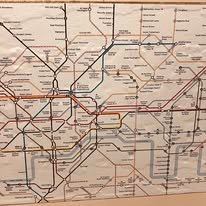
- Use trains intelligently. The Underground is efficient, but walking often tells you more about where you are.
- Leave the center regularly. Hampton Court, Richmond, Bushy Park — perspective comes from stepping just outside the obvious.
- Overbook dinners. London evenings work best when they’re allowed to drift.
- Rush through landmarks. A quick photo rarely delivers what lingering does.
- Assume distance equals inconvenience. Trains make London wider — use them.
- Chase “must-see” lists at peak hours. Early mornings and evenings are kinder.
- Treat London as a stopover. It’s not a gateway — it’s the destination.
Regrets & Lessons
With time, London teaches you different things than it did when you were younger.
The first regret is subtle: trying to be efficient in a city that doesn’t reward efficiency.
Earlier versions of me moved through London with purpose — trains caught, plans stacked, evenings capped because tomorrow had a start time. What I didn’t understand then was that the city’s real value lives in what interrupts your plans.
The nights that mattered weren’t planned. They happened when something ran long — a conversation, a walk, a second pint — and I let it. Those were the evenings where the city felt most alive, and I regret how often I cut them short for the comfort of predictability.
Another lesson came later: adventure changes shape as you age.
It stops being about accumulation and becomes about exposure. Not how many places you touched, but how open you were when you arrived. London rewards that openness. It gives back when you’re willing to be slightly lost, slightly tired, slightly unsure of what comes next.
There were times I mistook familiarity for understanding. Growing up near London made it easy to assume I “knew” it. But knowing a city isn’t about proximity — it’s about attention. London keeps revealing itself long after you think you’ve figured it out, and the mistake is believing there’s a finish line.
I also learned that chance favors those who leave room for it.
Some of the most memorable moments came from days without structure — wandering into neighborhoods without an agenda, following sound instead of maps, choosing a pub because it felt right rather than because it was recommended. London doesn’t reward chasing moments. It rewards being available for them.
If there’s a deeper regret, it’s this: not trusting stillness sooner.
There were years when slowing down felt like wasting time. Now it feels like the point. Sitting in a park without distraction. Walking the Thames without destination. Letting the city move around you instead of through you.
London taught me that adventure doesn’t disappear with age — it refines itself.
It becomes quieter, more intentional, more willing to wait. And paradoxically, that’s when the city gives you more.
The lesson London leaves you with isn’t about where to go next.
It’s about how to stay present where you are.
And the longer you listen, the more you realize:
London isn’t finished with you — as long as you’re not finished paying attention.
Final Thoughts
London isn’t a city you arrive in and conquer.
It’s one you grow into — slowly, repeatedly, and often without realizing it’s happening.
What makes London endure isn’t the landmarks or the history alone. It’s the way the city keeps pace with your life. It meets you differently at twenty than it does at forty or sixty. It doesn’t ask you to keep up — it asks you to notice more.
London teaches patience without ever saying so. It teaches restraint, curiosity, and the value of returning. You don’t leave feeling finished. You leave knowing there’s more — not in the sense of missing out, but in the sense of something waiting.
This is a city that rewards attention, not urgency. A place where the best moments often arrive quietly, unannounced, and slightly off schedule. Where depth reveals itself only if you stay long enough to stop looking for it.
If you give London your time, it won’t overwhelm you.
It will walk beside you.
And when you do leave — because eventually everyone does — you don’t carry a checklist with you. You carry a feeling. A rhythm. A sense that some cities don’t belong to a single trip.
London is one of them.