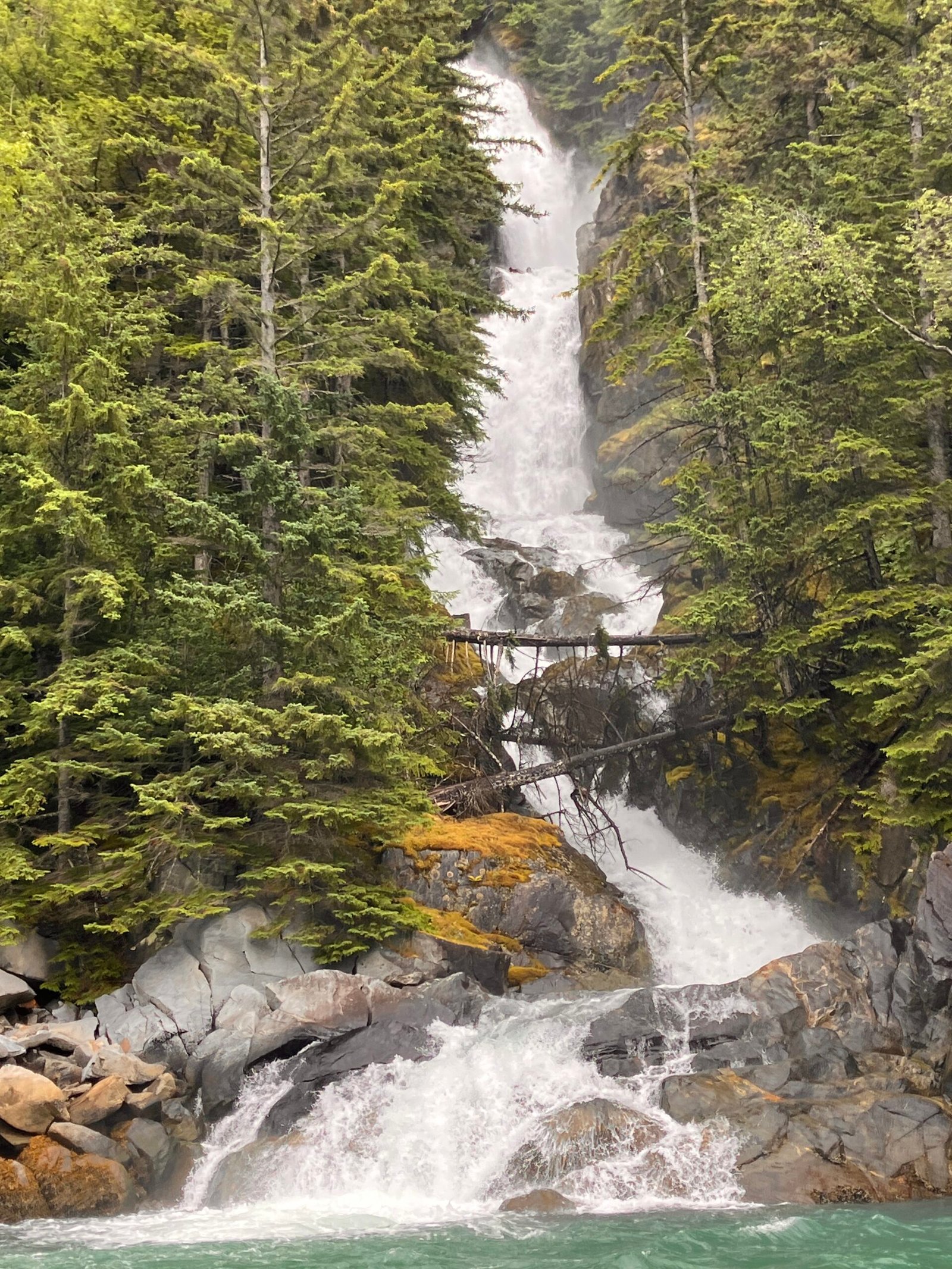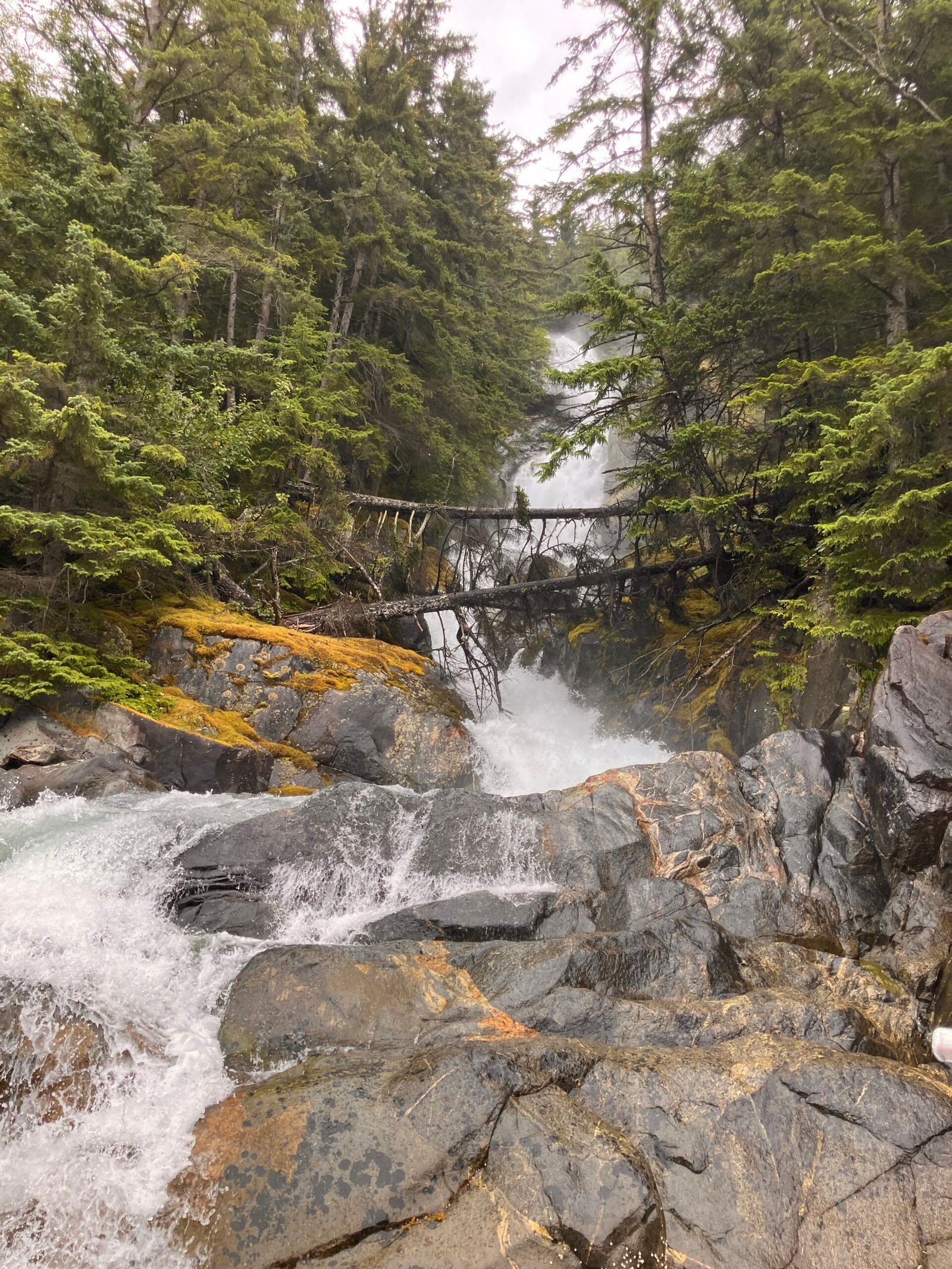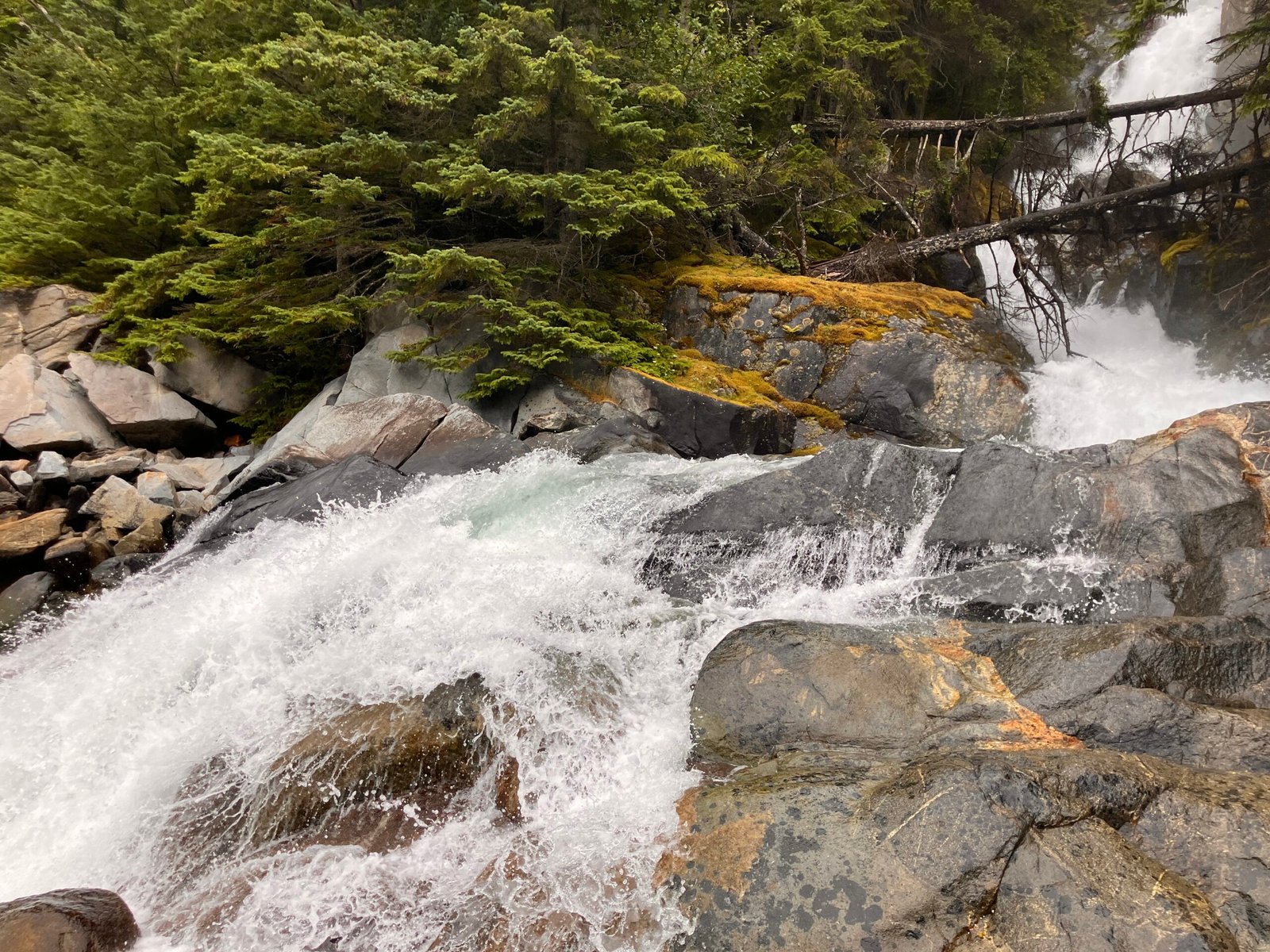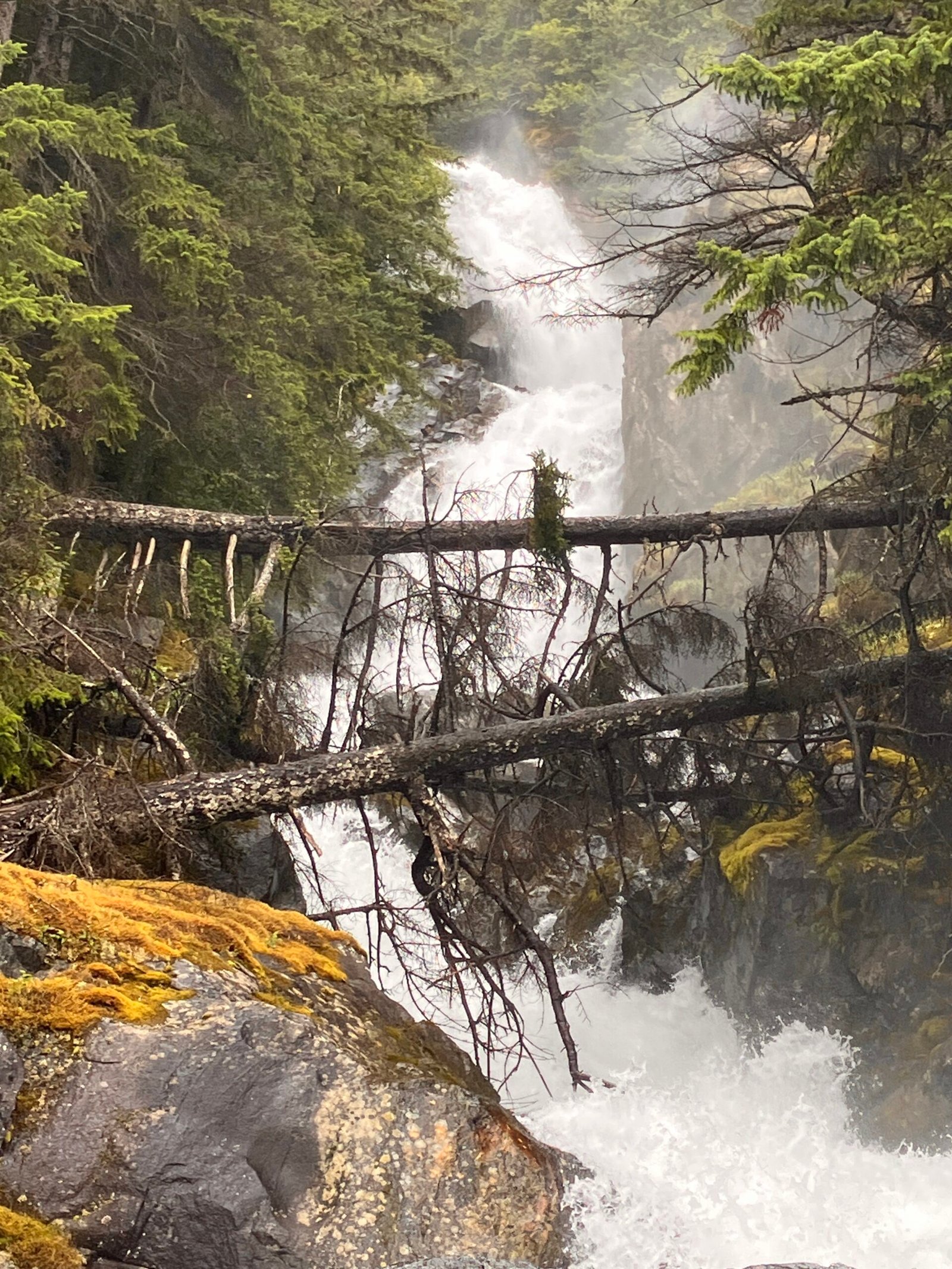
Alaska
Alaska is not a destination. It’s a perspective.
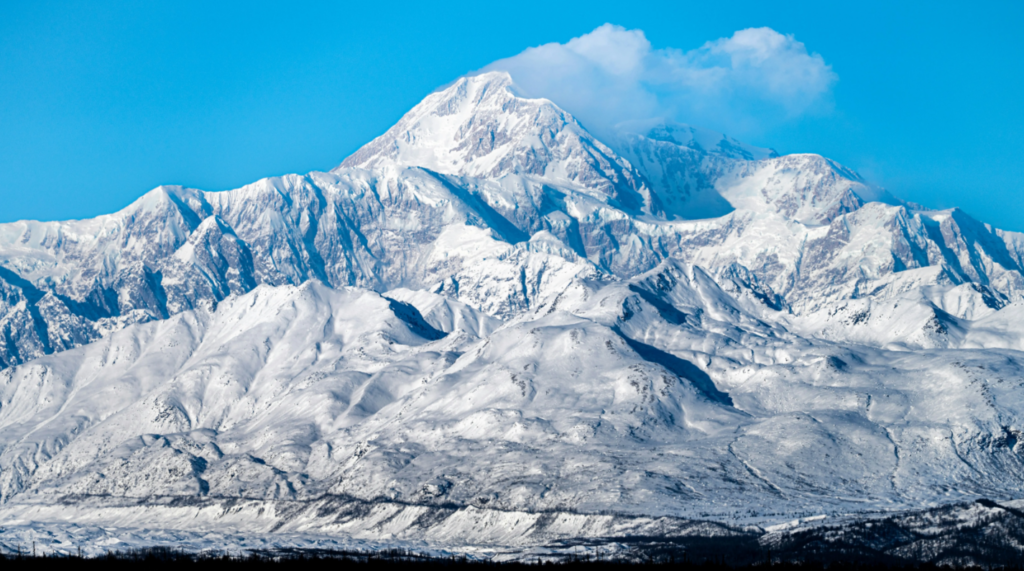
First Impressions
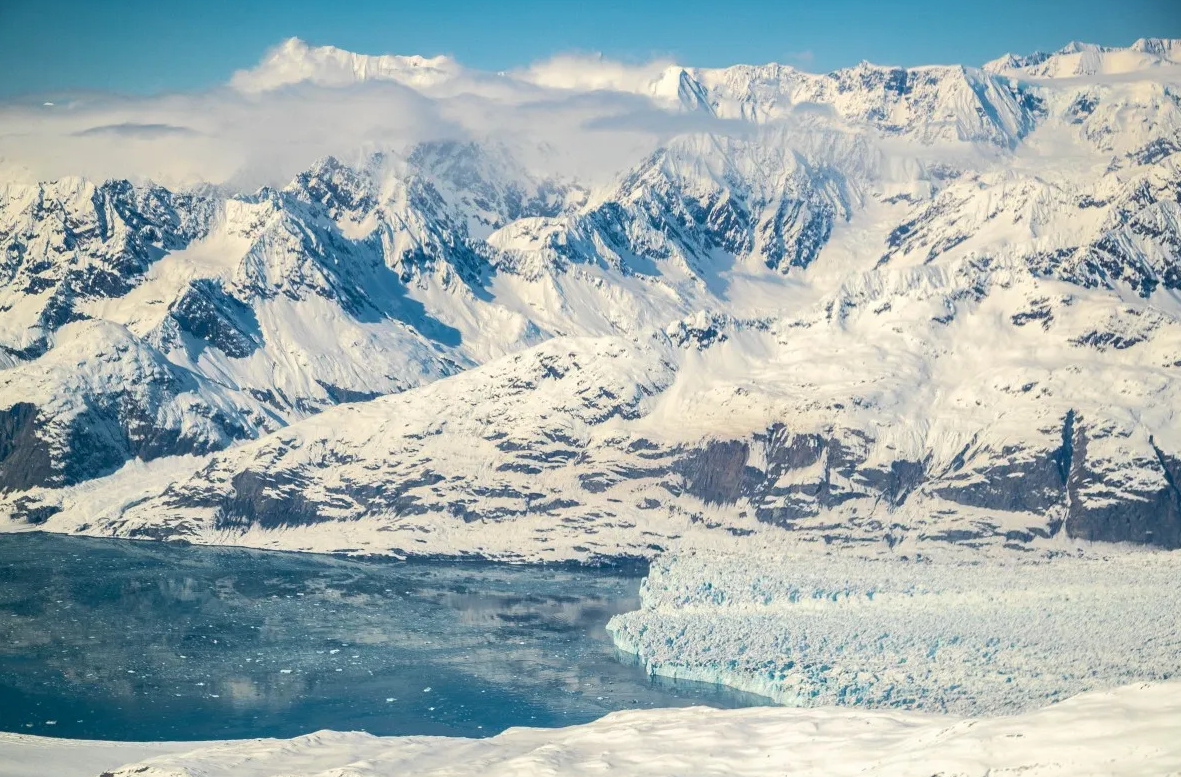
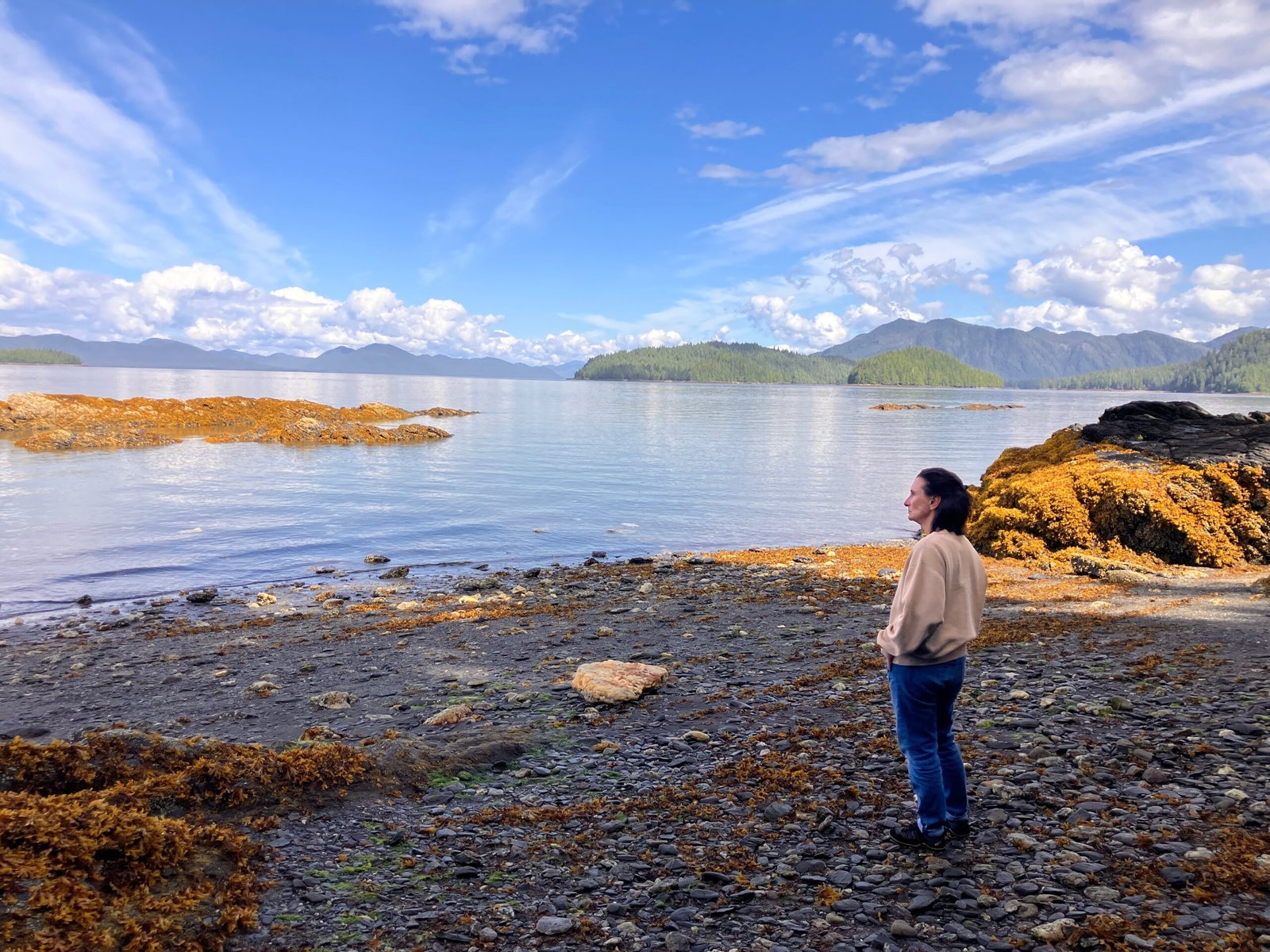
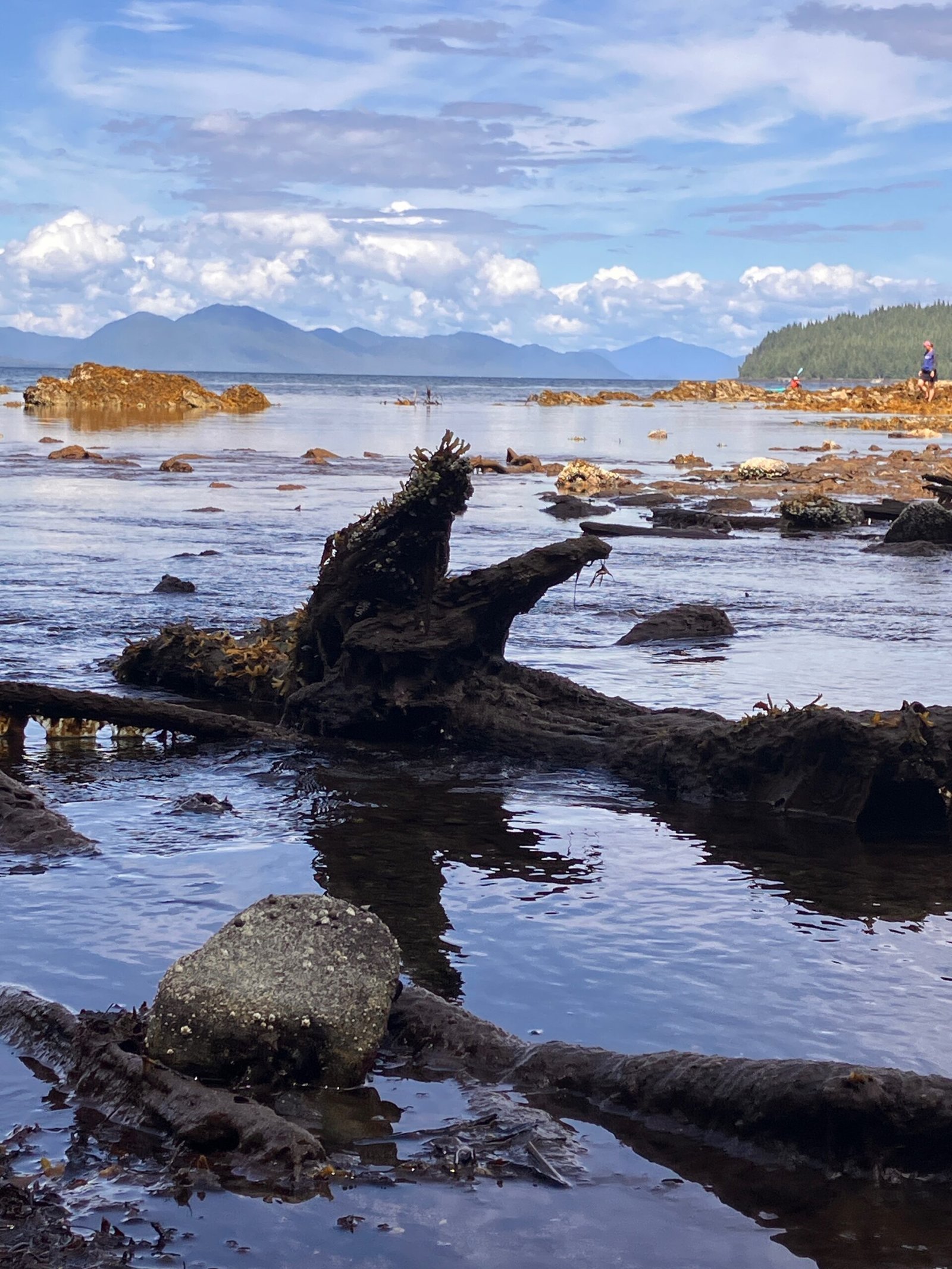
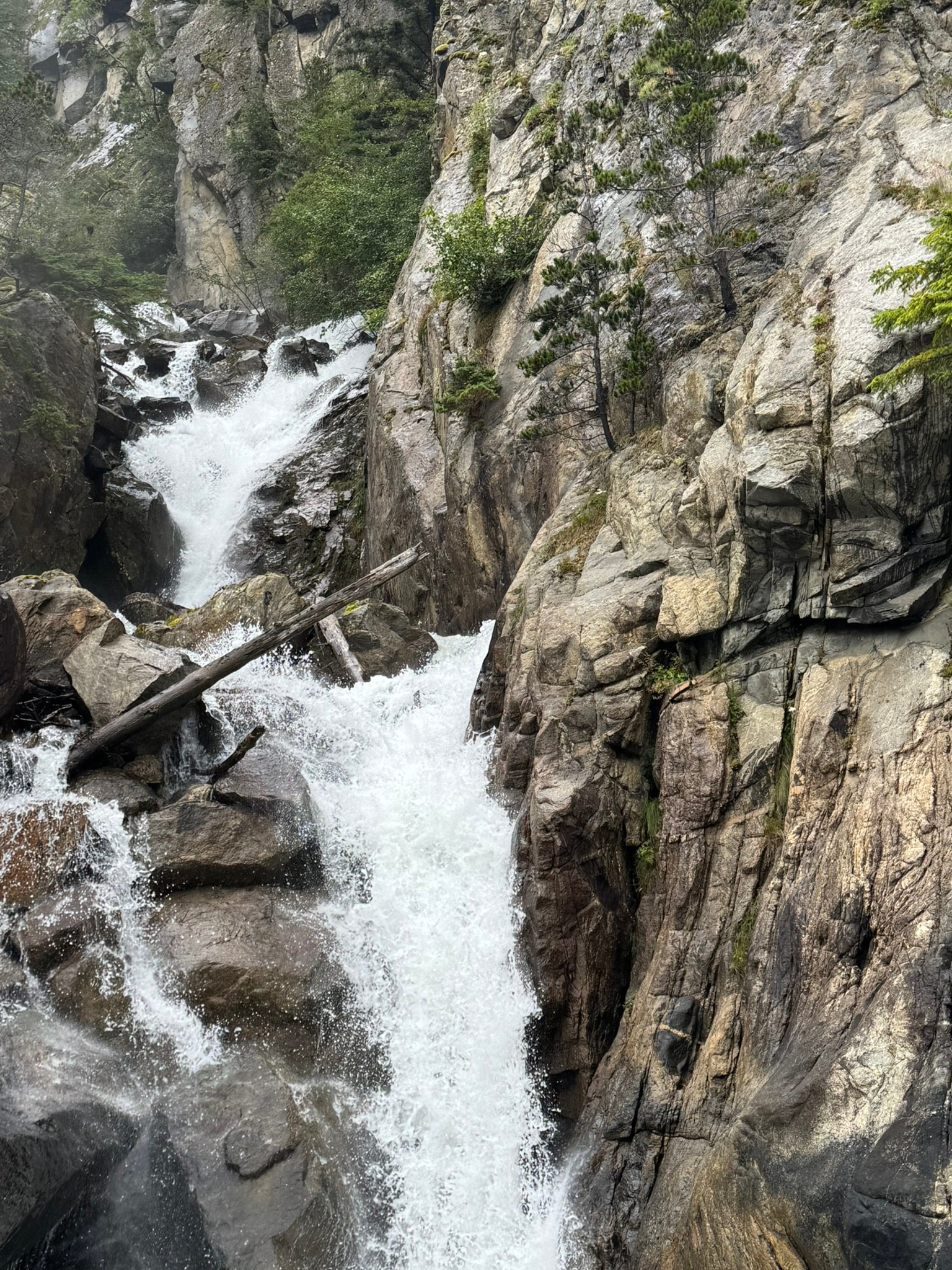
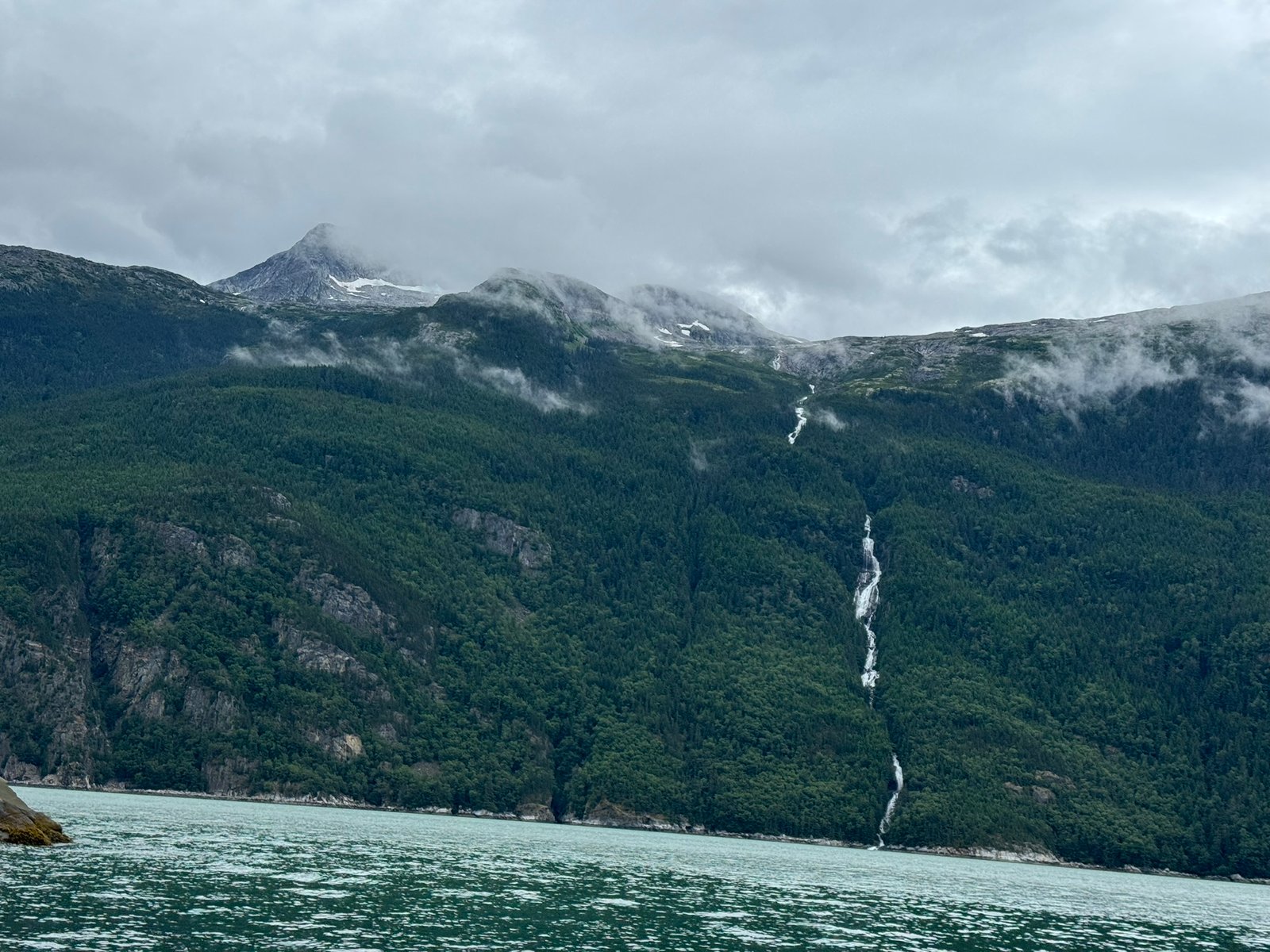
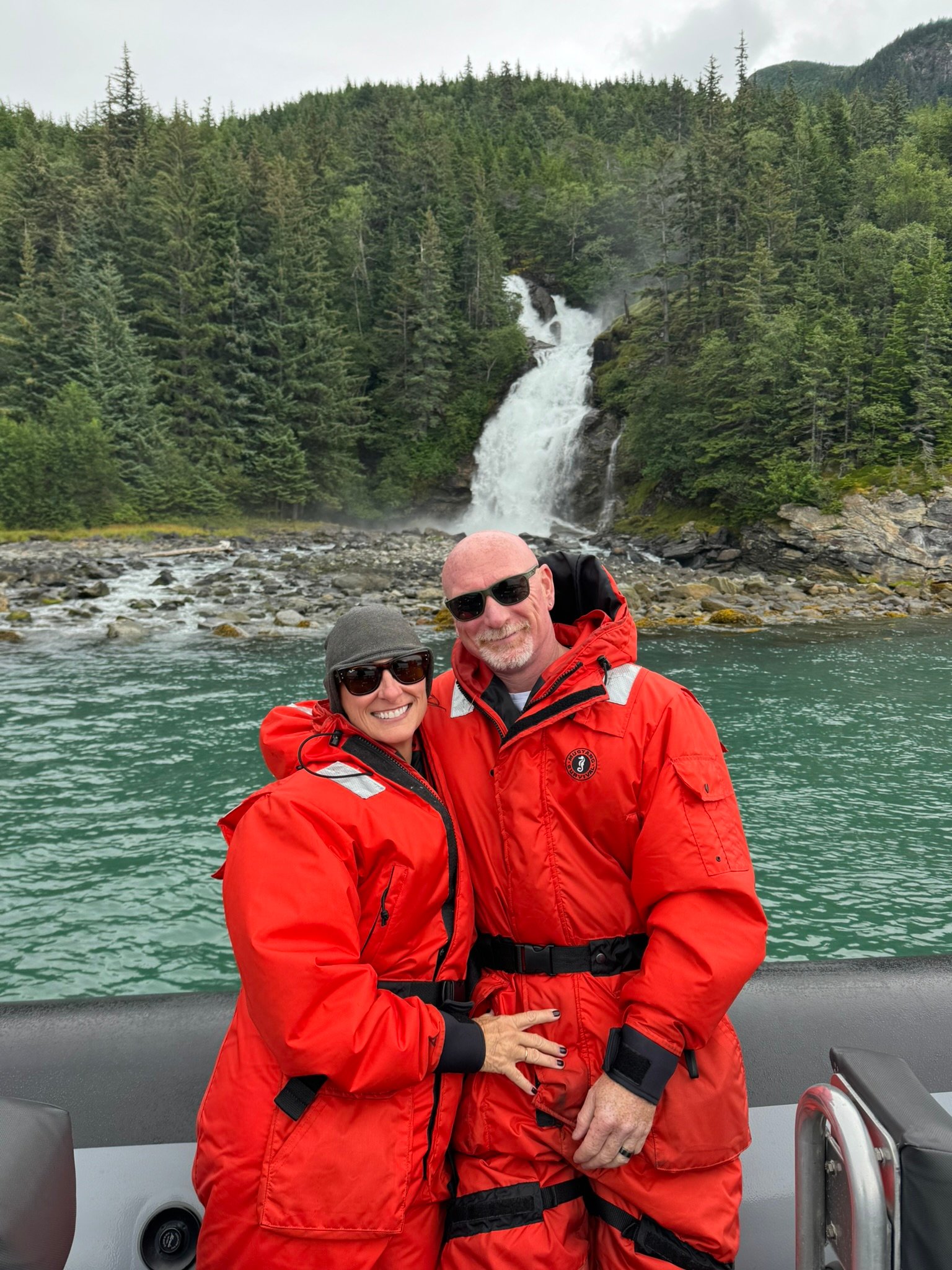
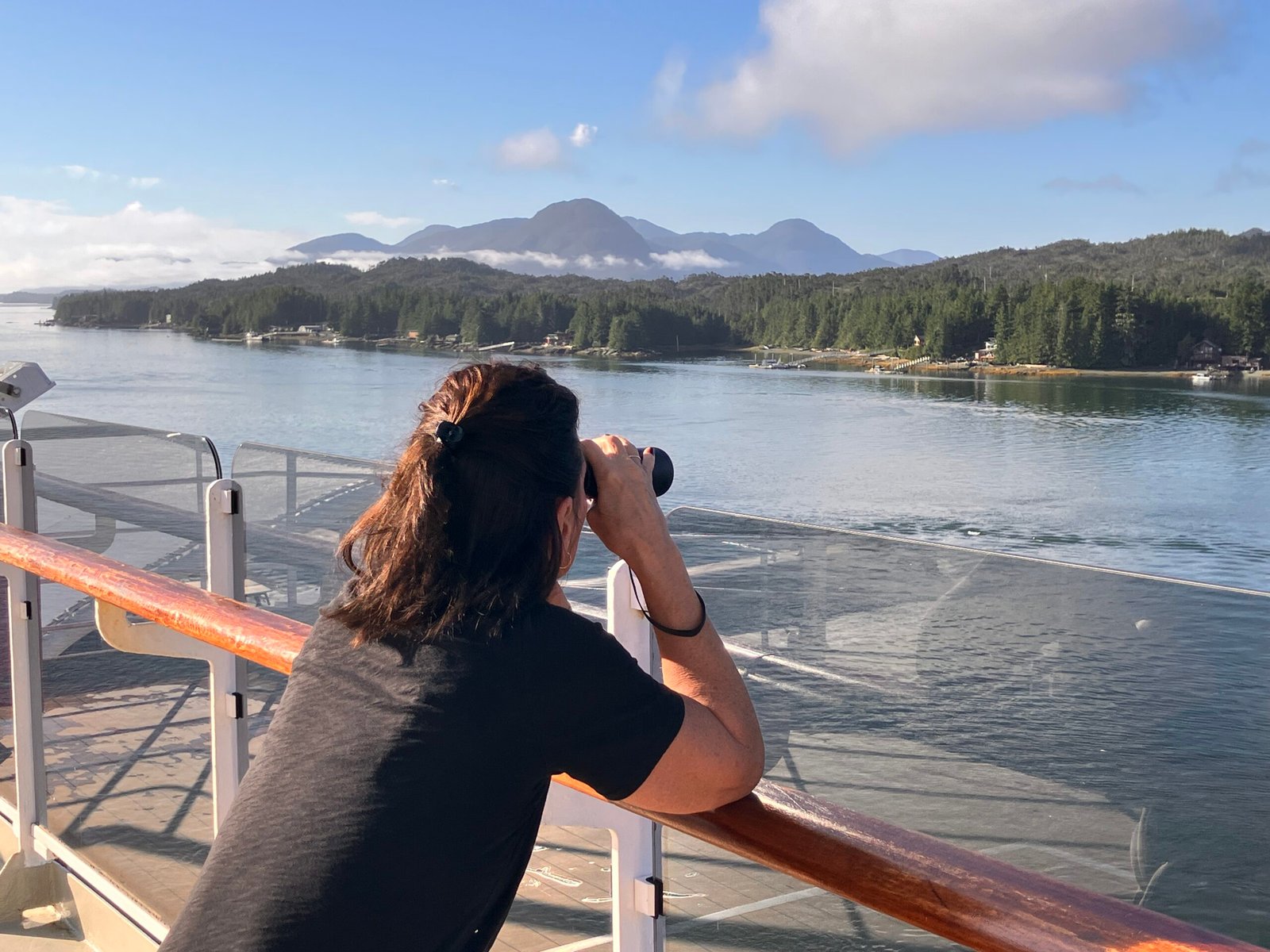
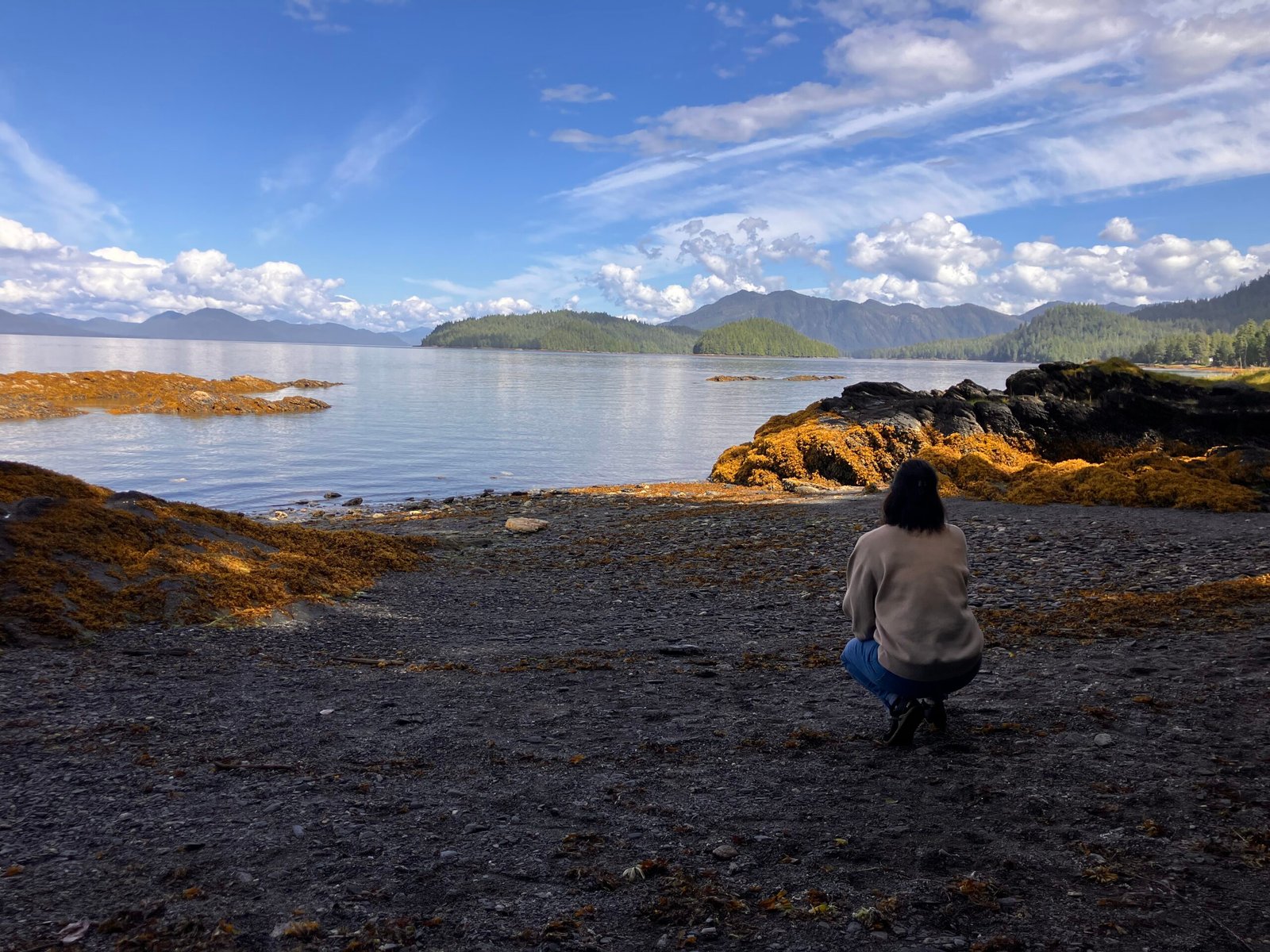
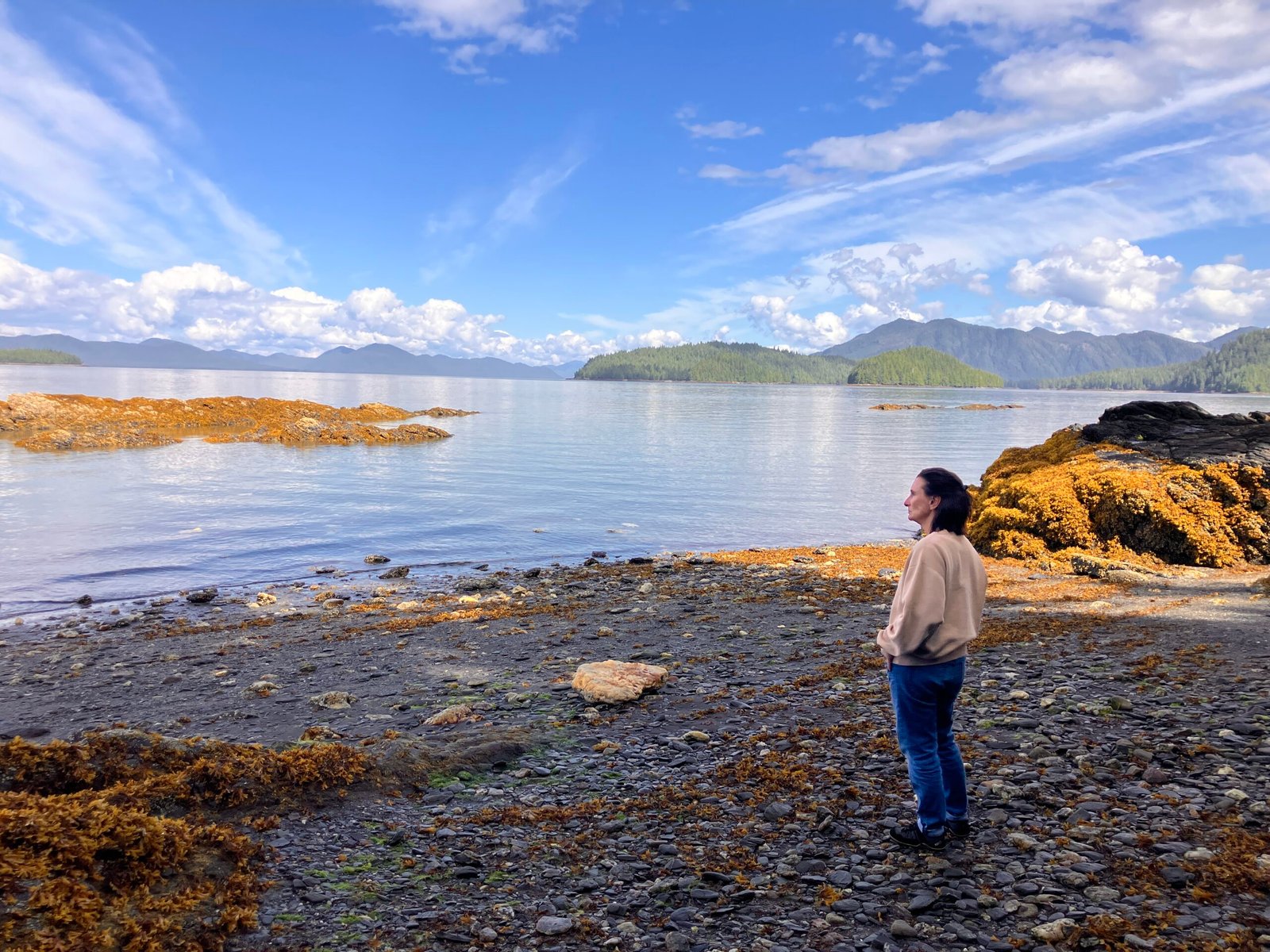
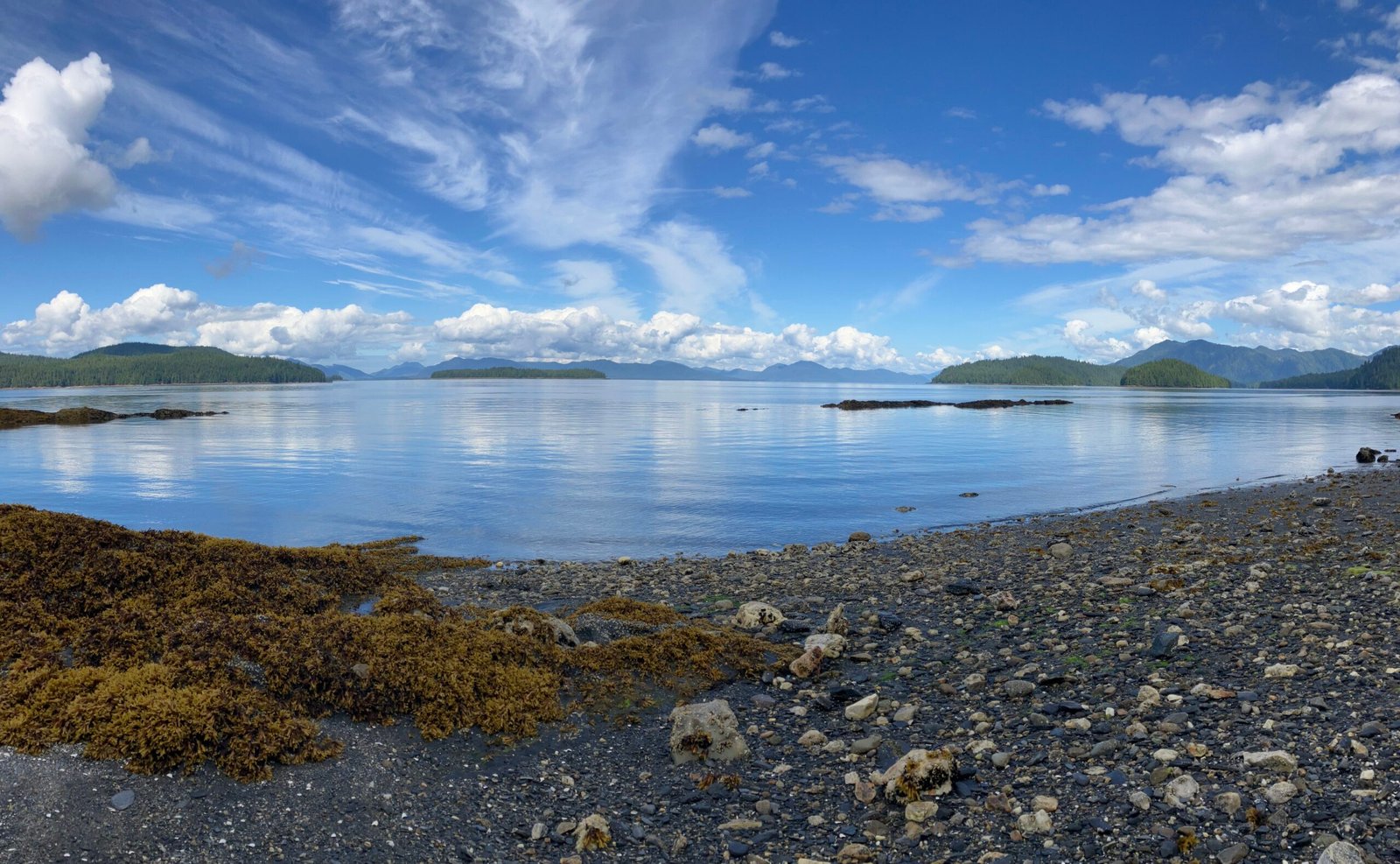
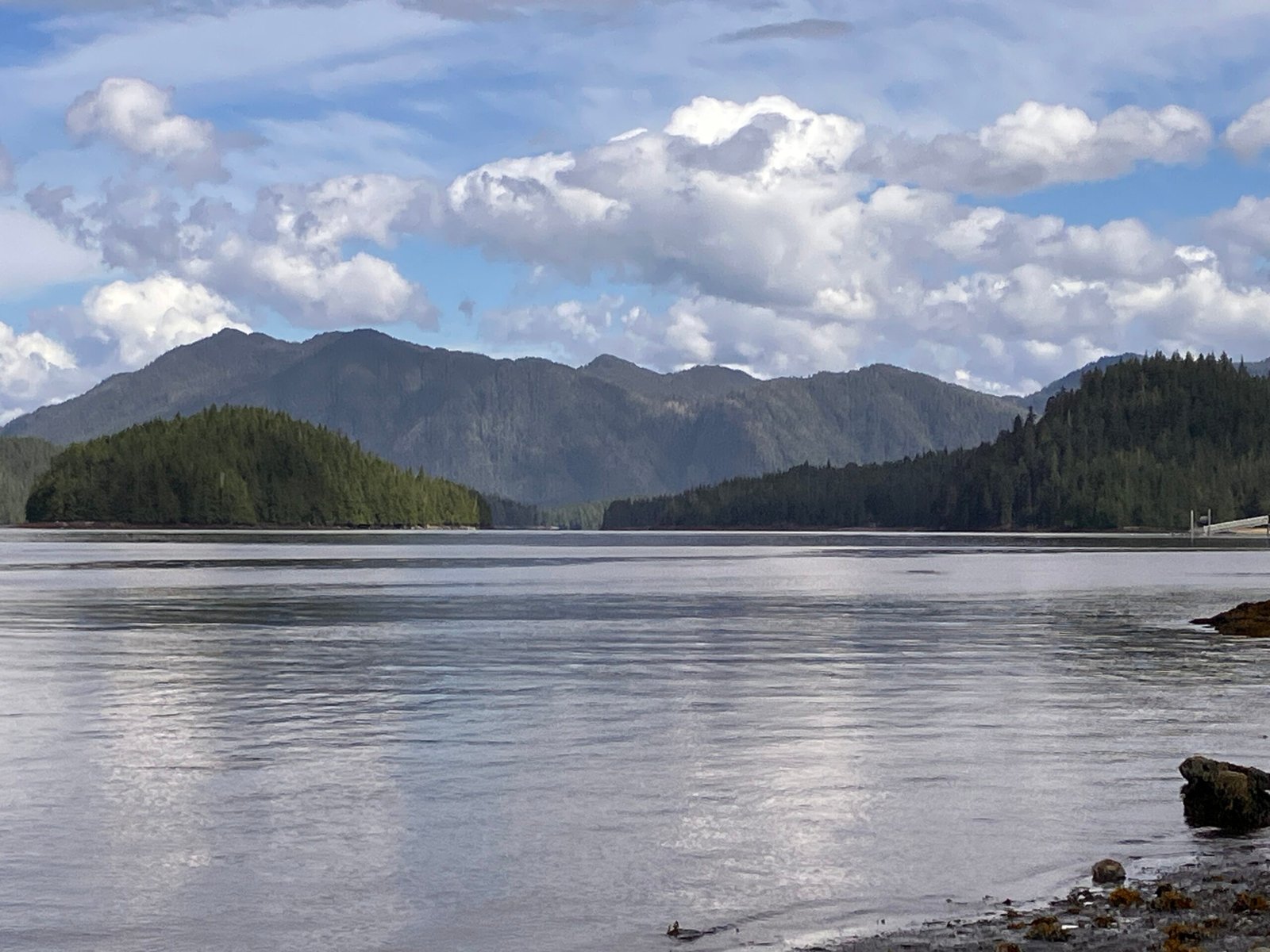
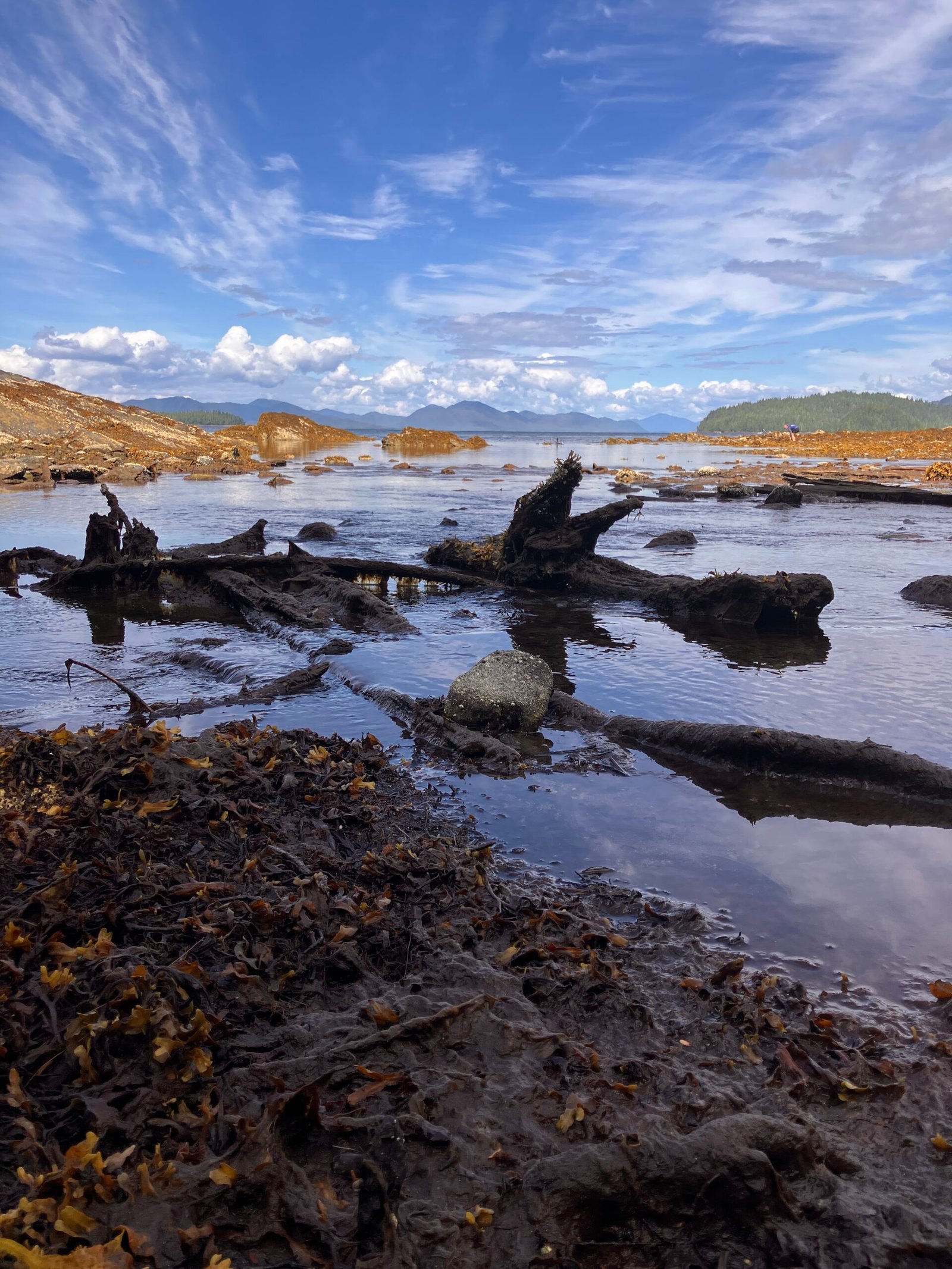
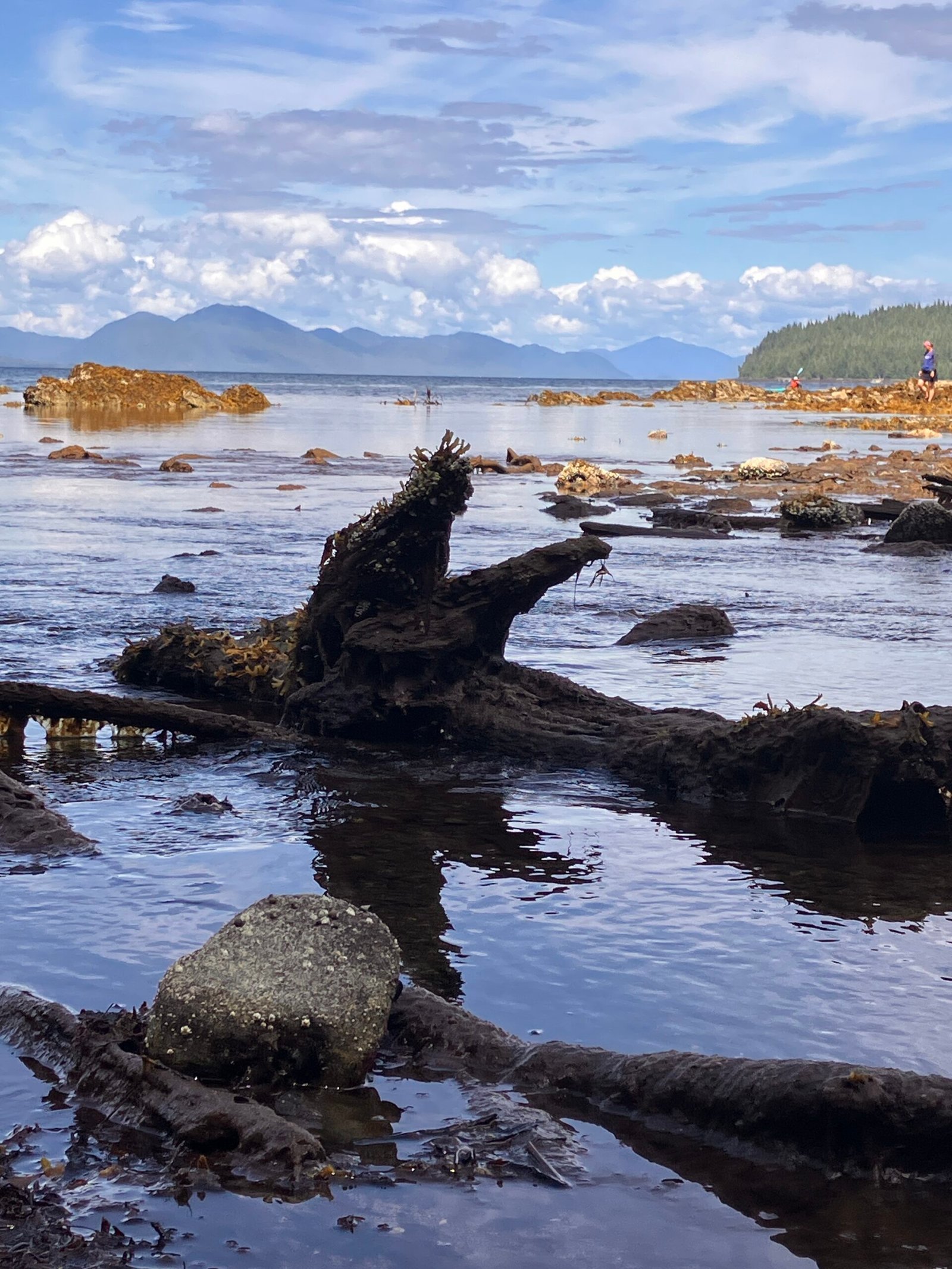
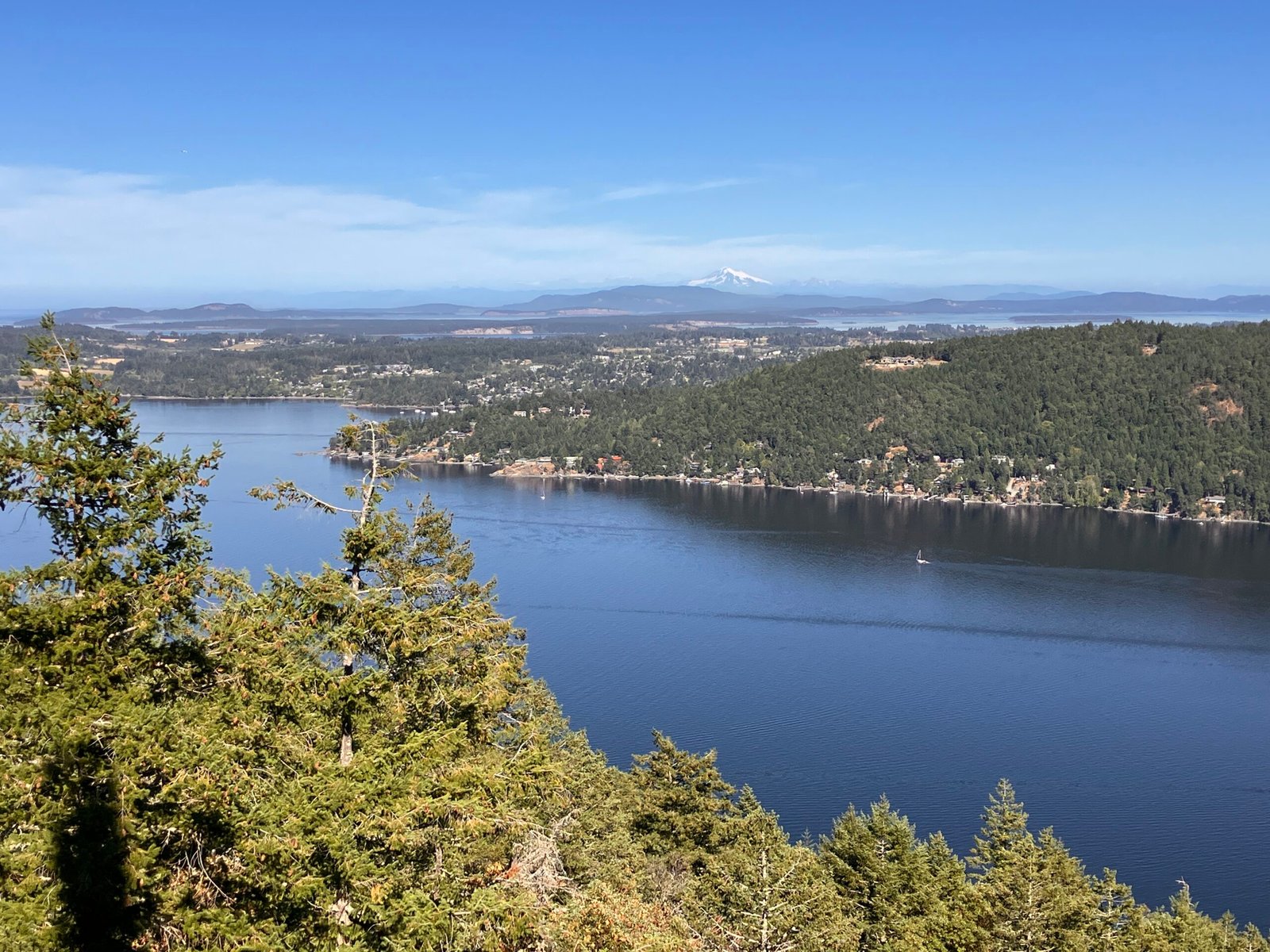
Seeing it from the water was the right beginning. The Inside Passage offers distance — and distance matters here. Glaciers make sense when they arrive slowly. Mountains feel heavier when they rise without commentary. From the deck, Alaska introduces itself on its own terms.
I don’t regret experiencing it this way. The cruise provided orientation, scale, and restraint. It let Alaska remain Alaska — vast, quiet, and uninterested in entertaining me.
But after seeing it, one thing becomes clear:
Alaska deserves more time than a port allows.
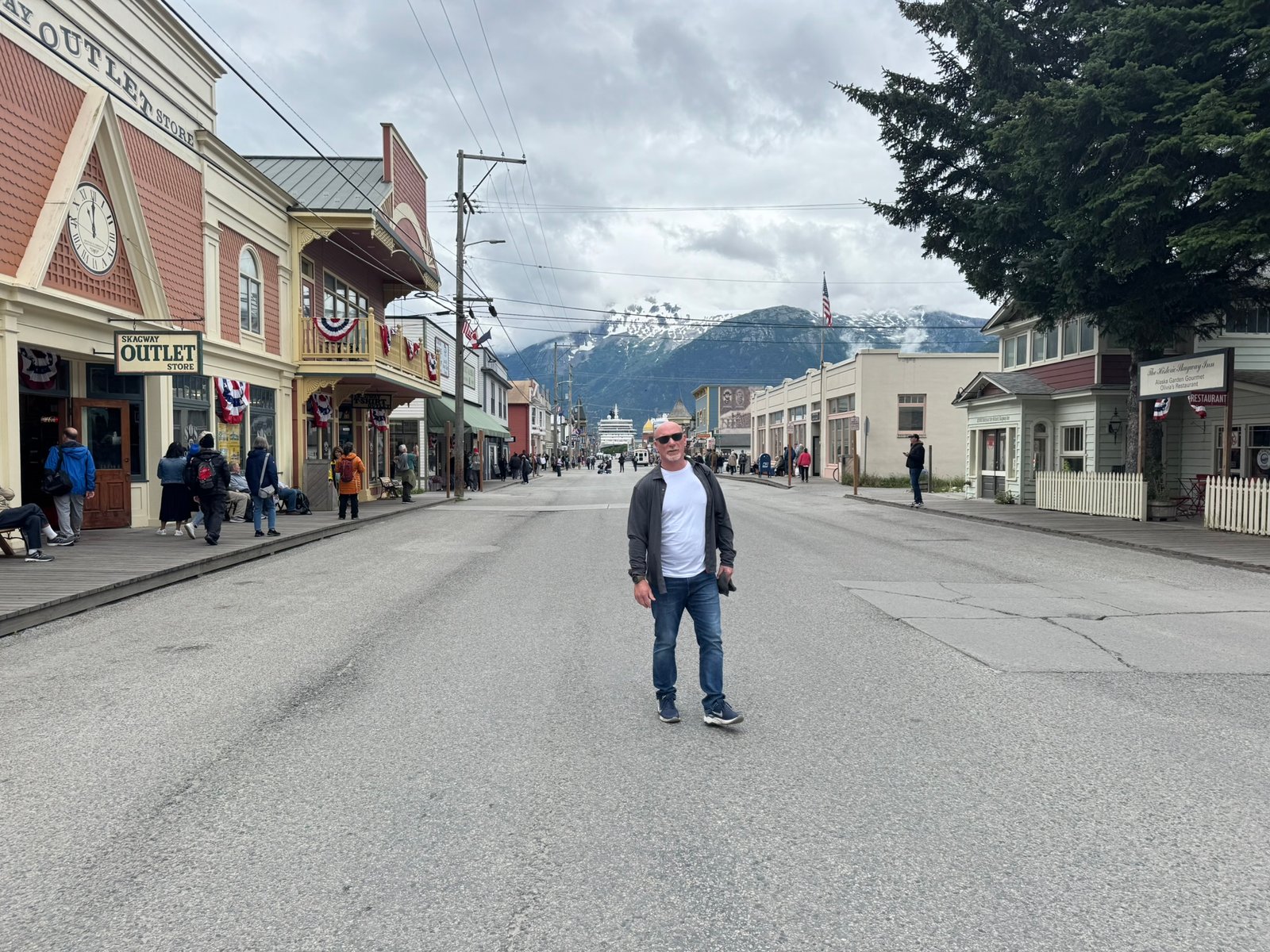
Each stop hints at something deeper. A working town that doesn’t pause for visitors. A trail that disappears just beyond where schedules turn people back. Roads that don’t connect neatly, because they were never meant to.
Alaska isn’t a place to sample. It’s a place to stay with.
An RV makes sense here. So does patience. Two days per place instead of hours. Mornings without departure times. Evenings where light lingers and plans dissolve. Space to move slowly, to follow weather instead of clocks, to let distance reshape your expectations.
The cruise shows you what’s possible.
The land invites you to commit.
Alaska rewards those who give it time — not because it demands effort, but because it changes when you stop trying to compress it. This isn’t travel measured in checkmarks. It’s travel measured in silence, scale, and how long you’re willing to remain present.
The Inside Passage was the introduction.
The real Alaska waits beyond it.
Snapshot
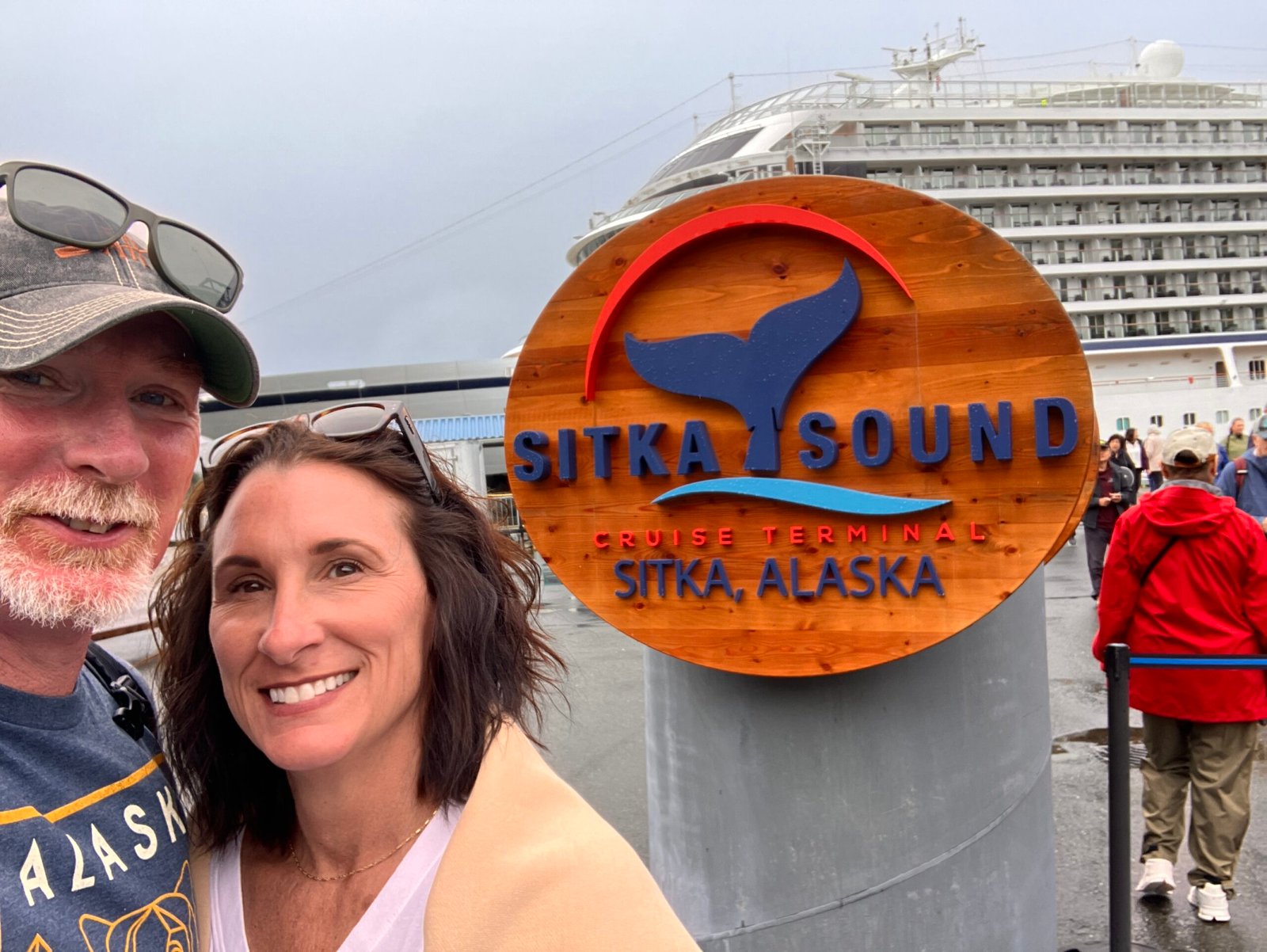
Route: Seattle → Inside Passage → Southeast Alaska (Ketchikan, Glacier Bay, Skagway, Tracy Arm Fjord, Juneau, Icy Strait Point, Sitka) → Victoria → Seattle
Travel Style: Orientation by water. Observation over urgency. Letting scale come to you instead of chasing it.
Pace: Unhurried, but incomplete by design. Enough time to understand the geography — not enough to fully inhabit it.
Why Alaska: Because Alaska reveals itself best when you arrive slowly. The Inside Passage offers perspective first: distance, silence, and context. It shows you the immensity before asking anything of you. And once you’ve seen it this way, the next step becomes obvious — Alaska isn’t meant to be visited briefly. It’s meant to be returned to, with more time, more space, and fewer constraints.
This route doesn’t try to capture Alaska. It introduces you to it.
The Experience
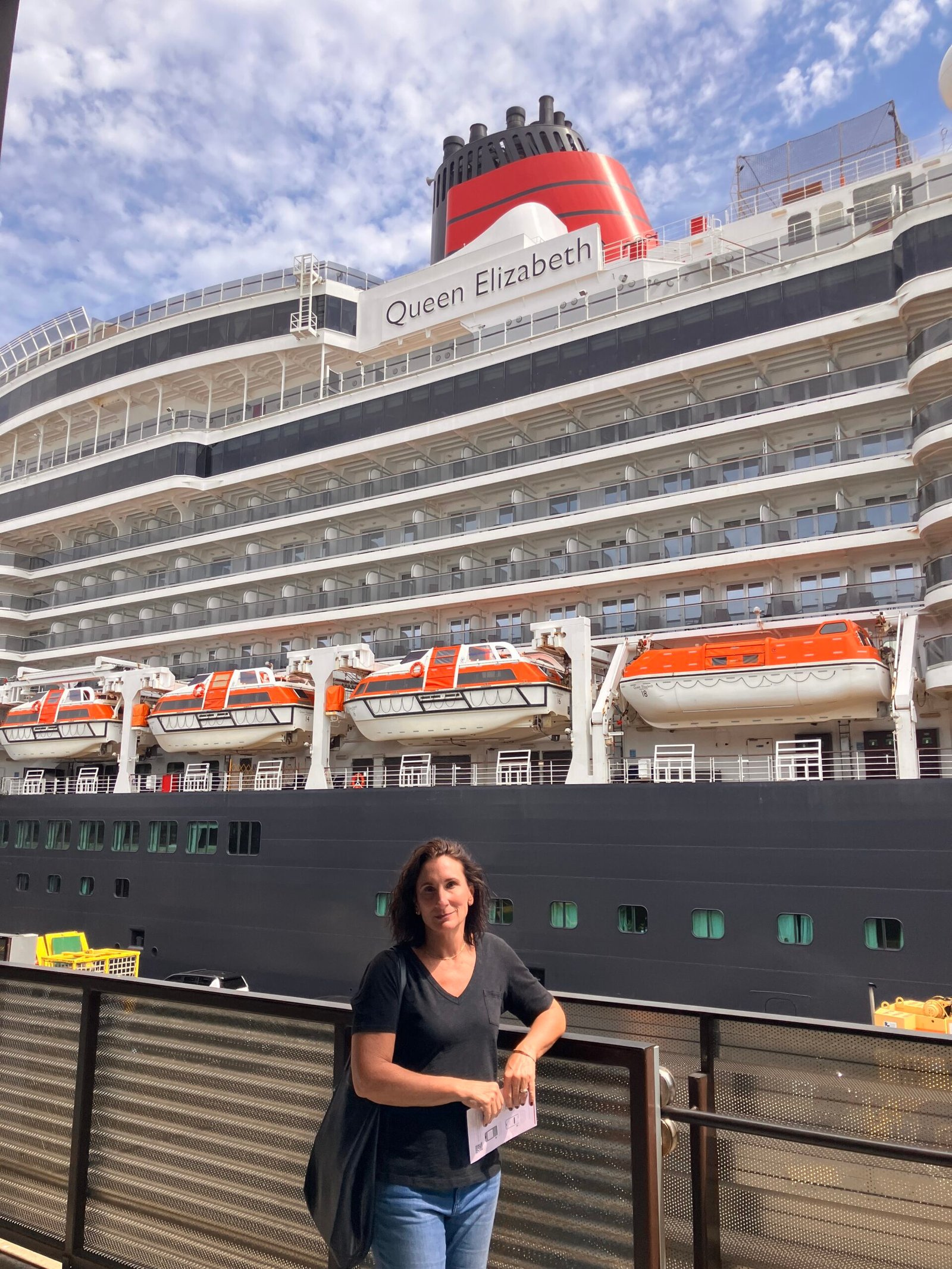
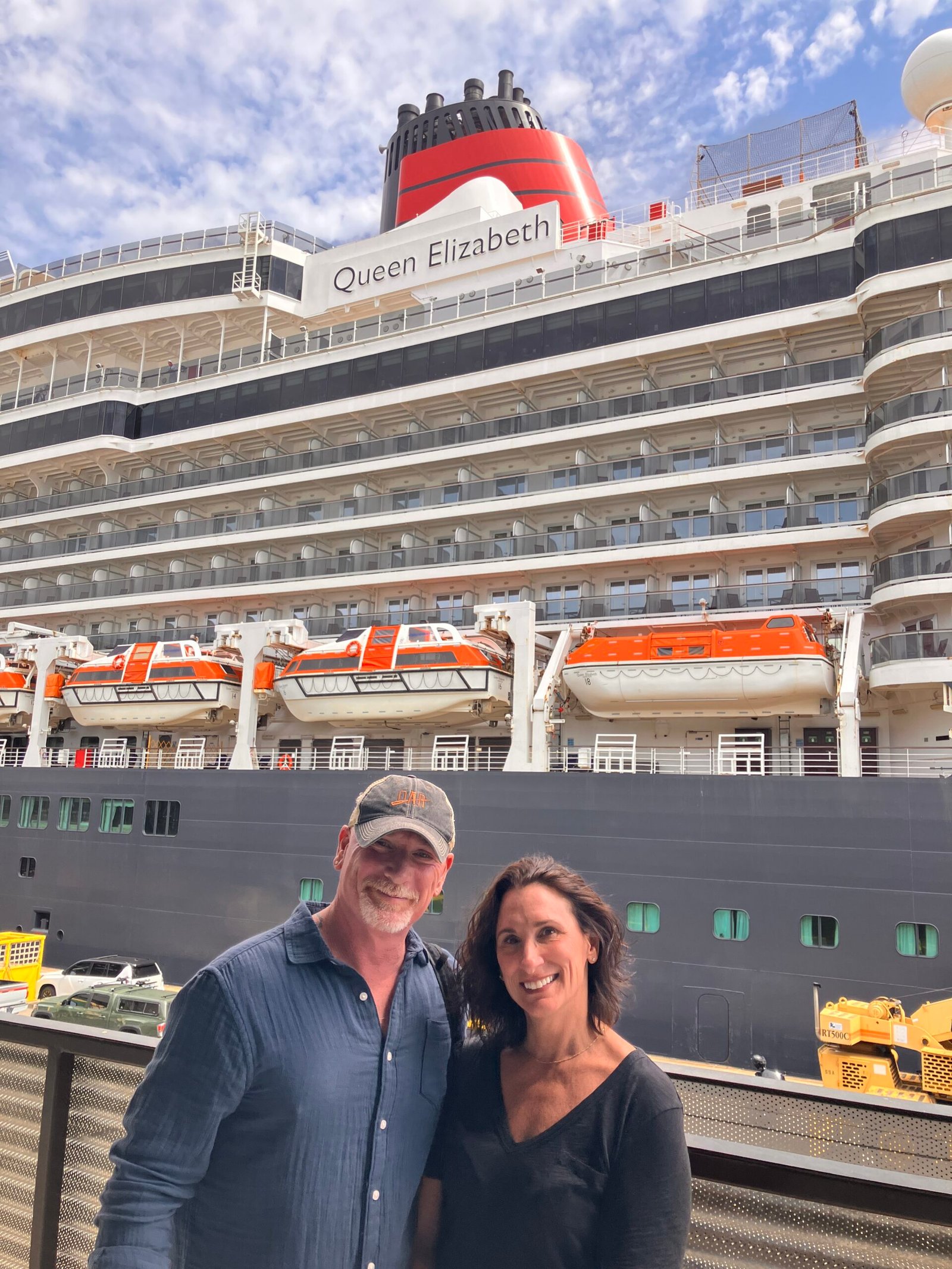
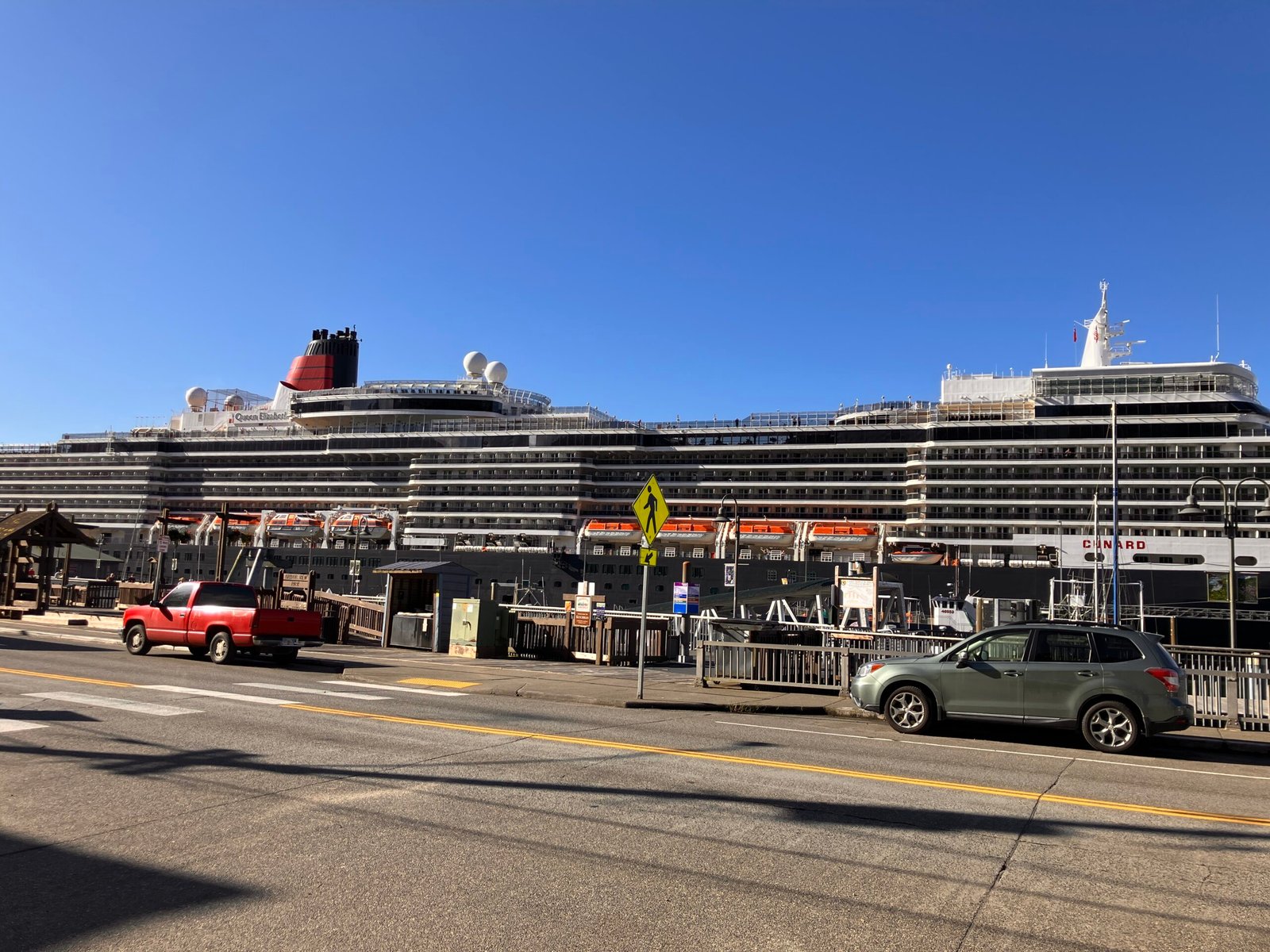
I chose Cunard deliberately.
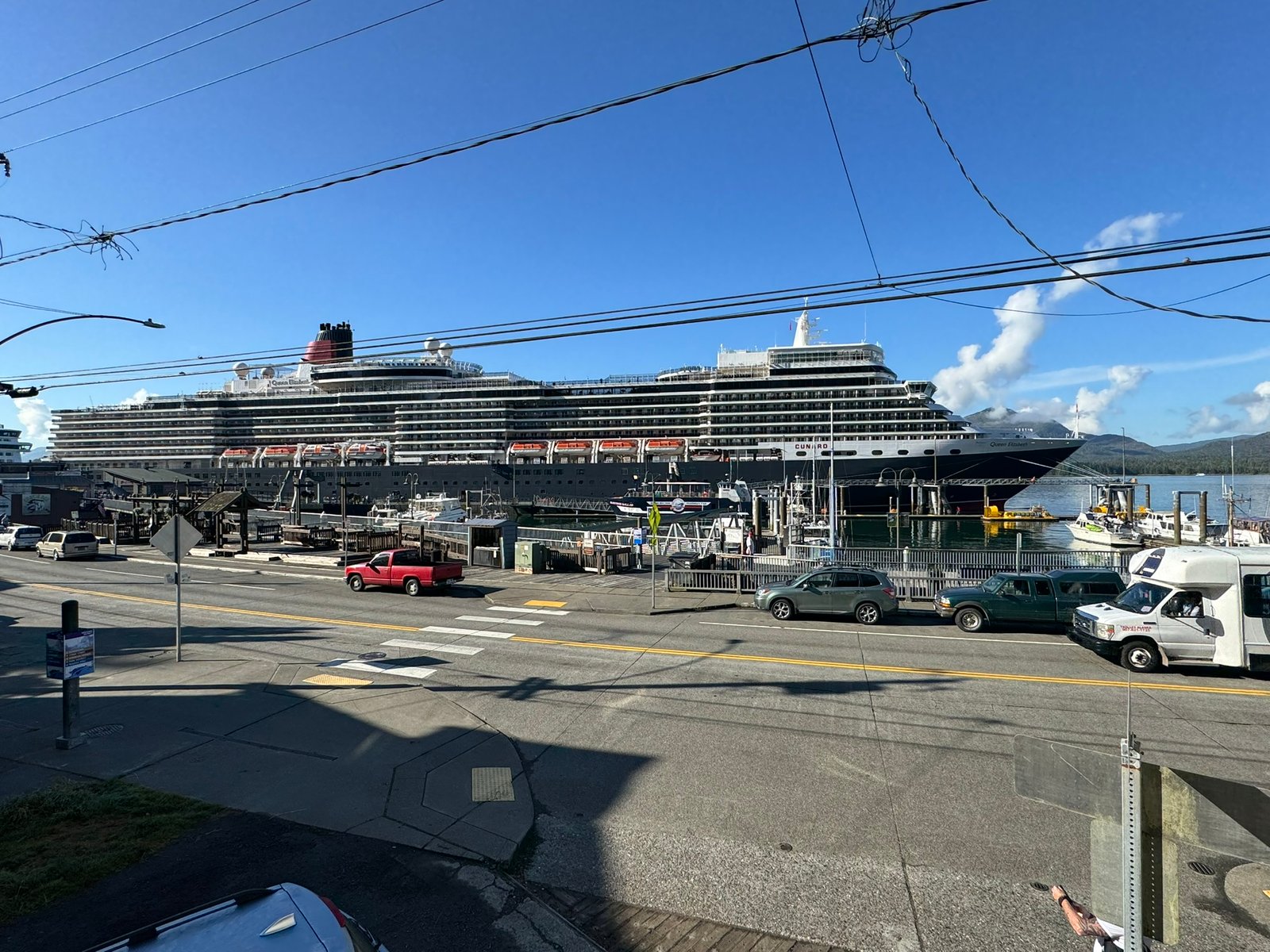
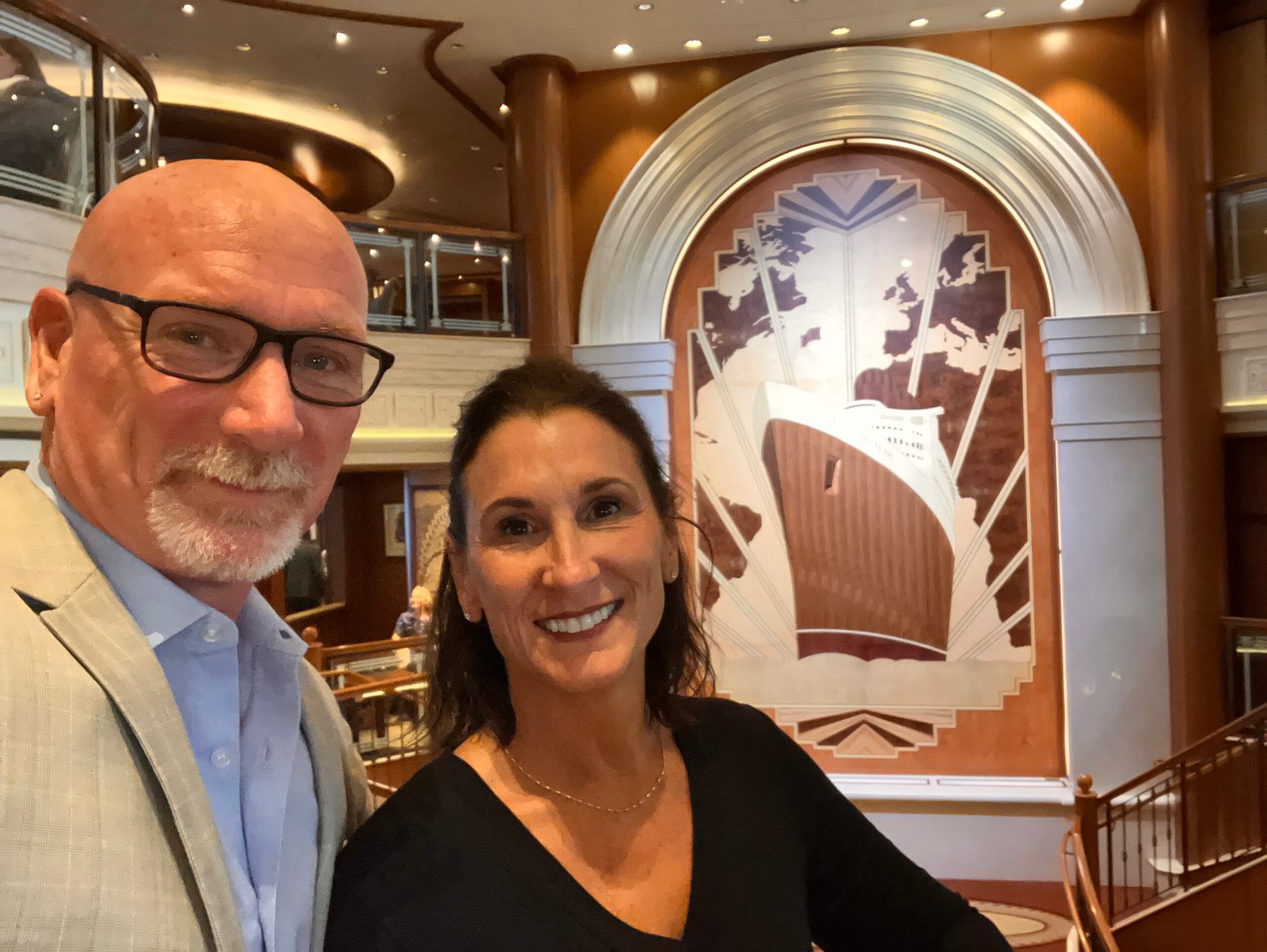
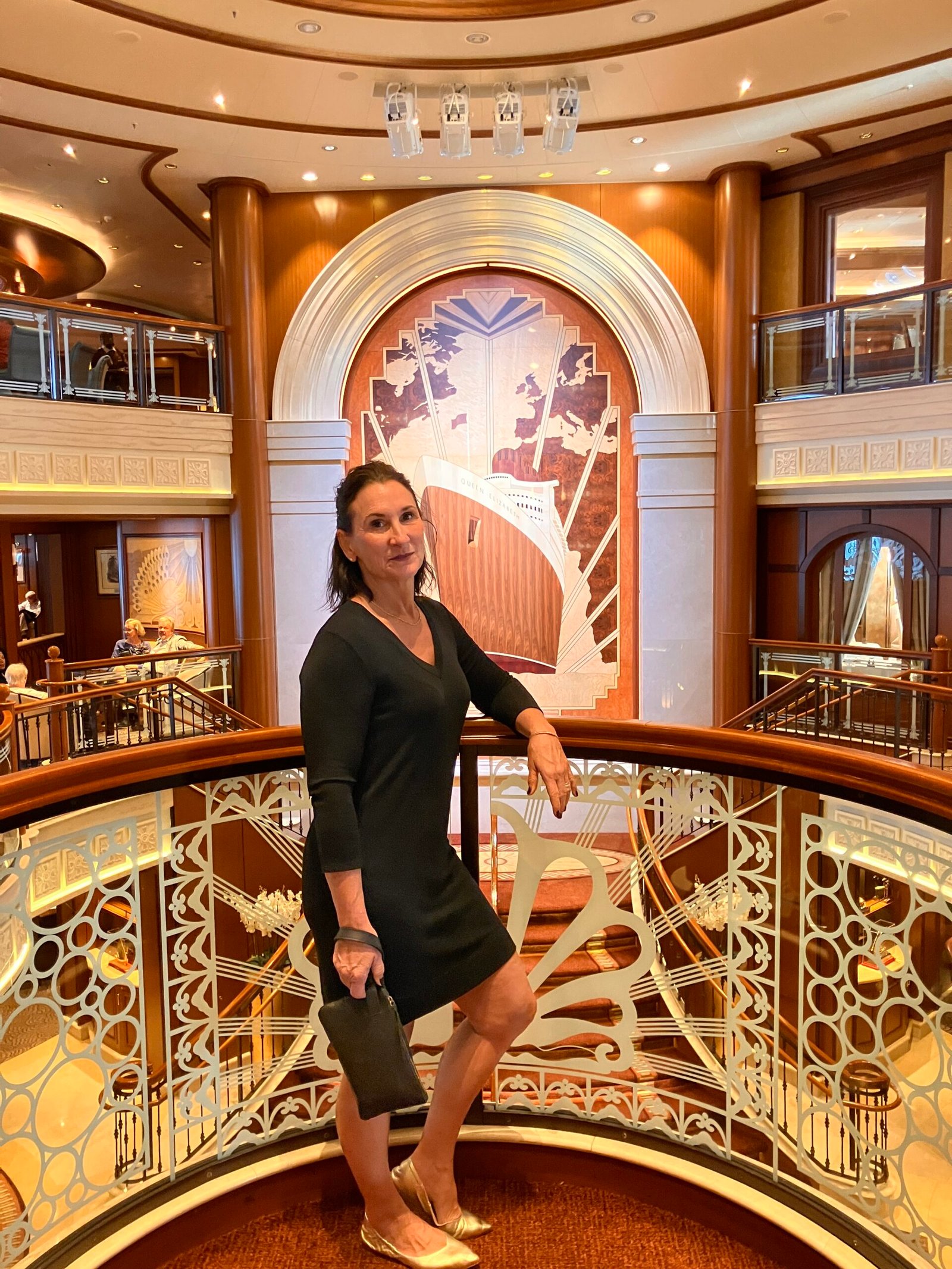
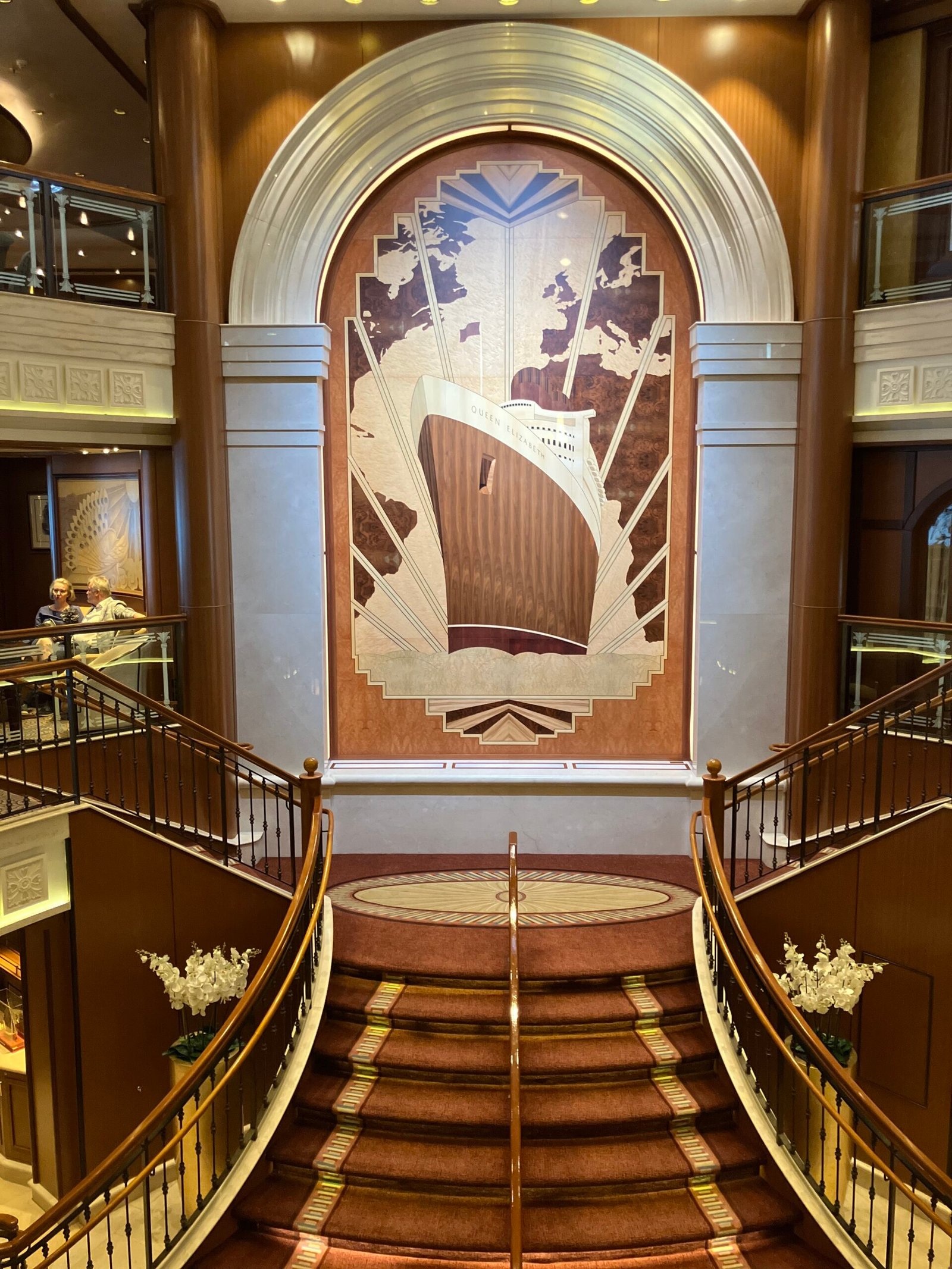
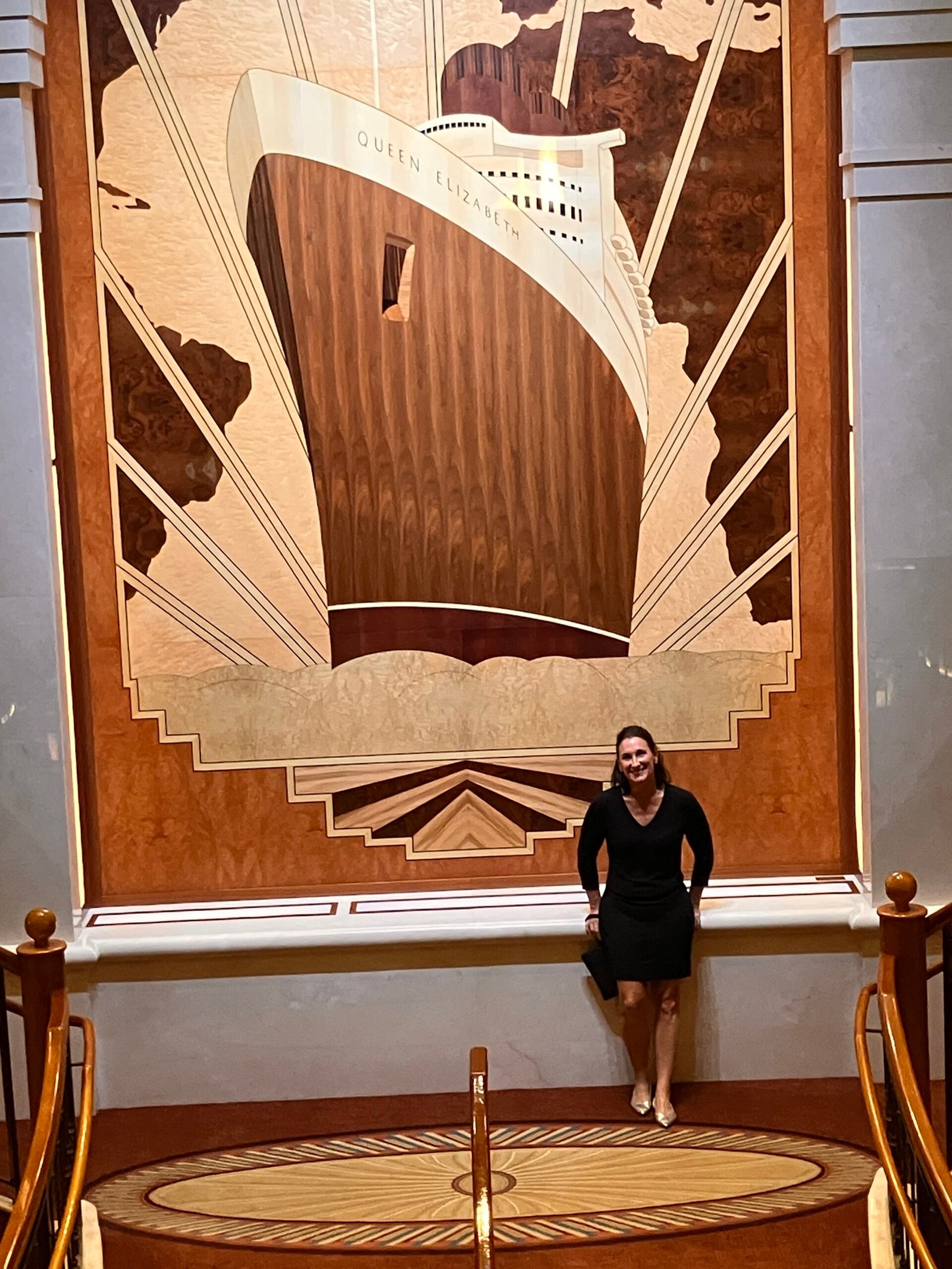
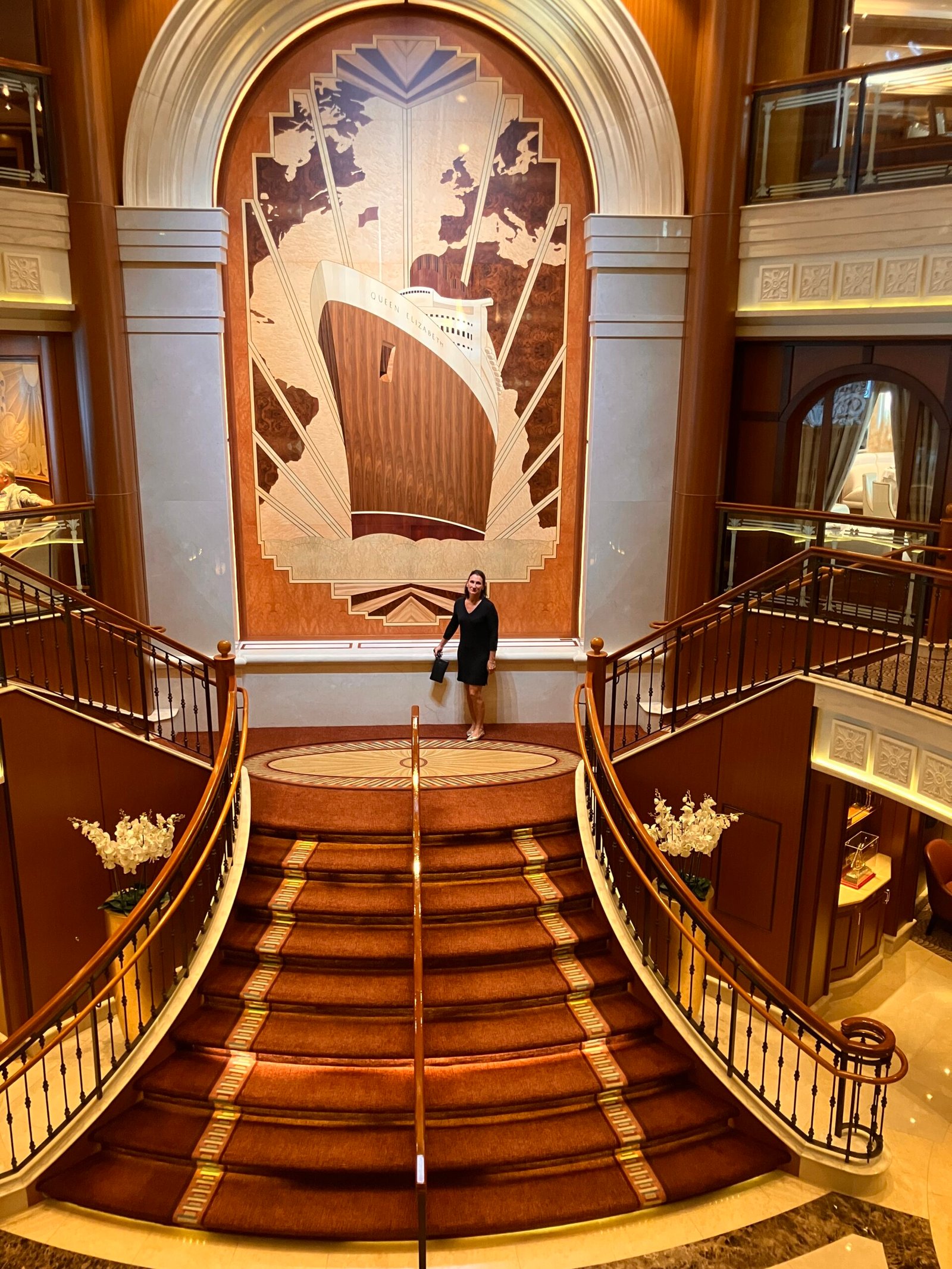
Growing up a poor kid in London, the name Queen Elizabeth carried weight. It represented a world I wasn’t part of — formality, distance, a kind of elegance that existed somewhere beyond reach. Stepping aboard Queen Elizabeth at fifty felt like closing a quiet loop. Not flashy. Just deeply satisfying. A personal milestone reached without needing to announce it.
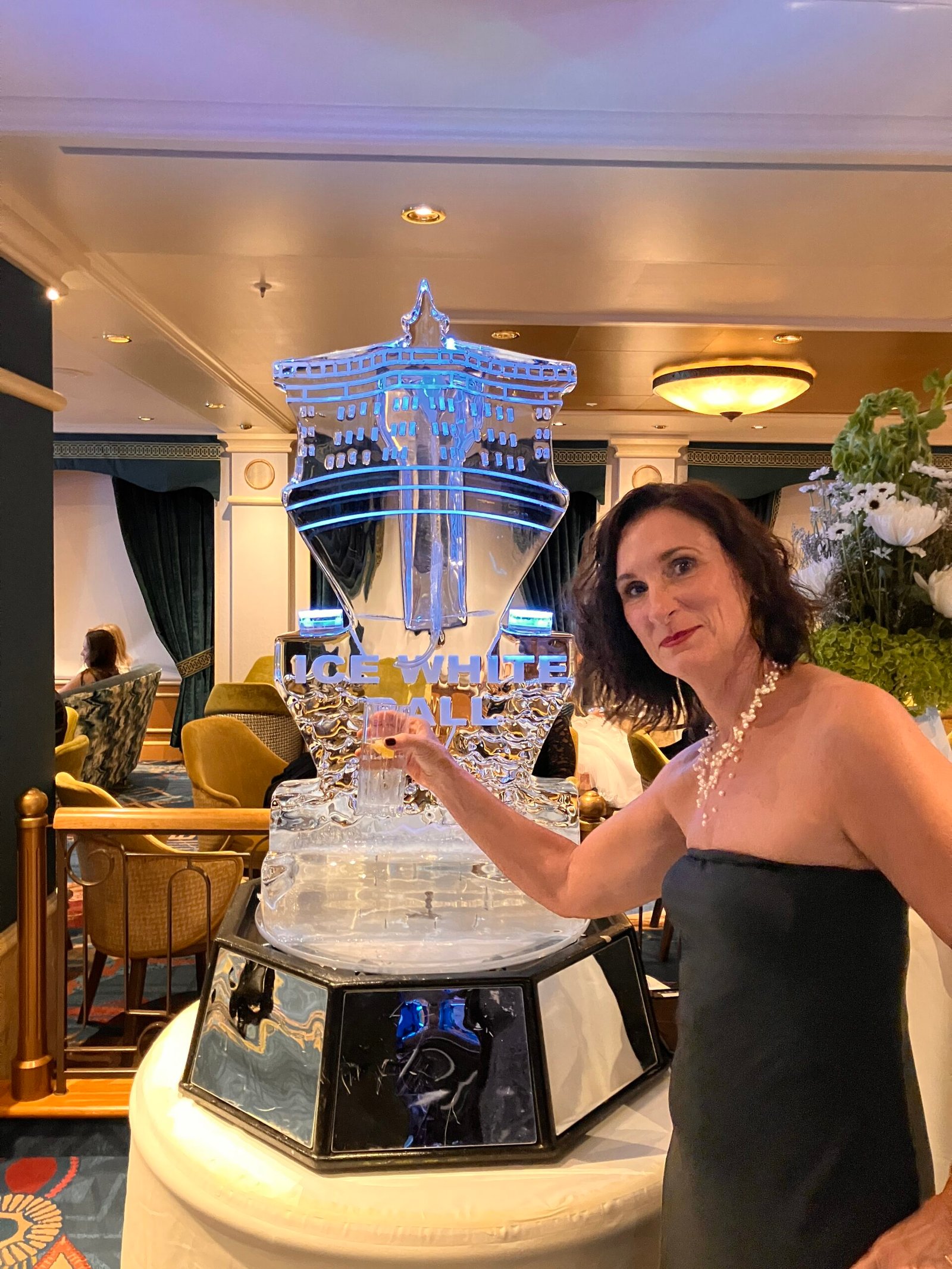
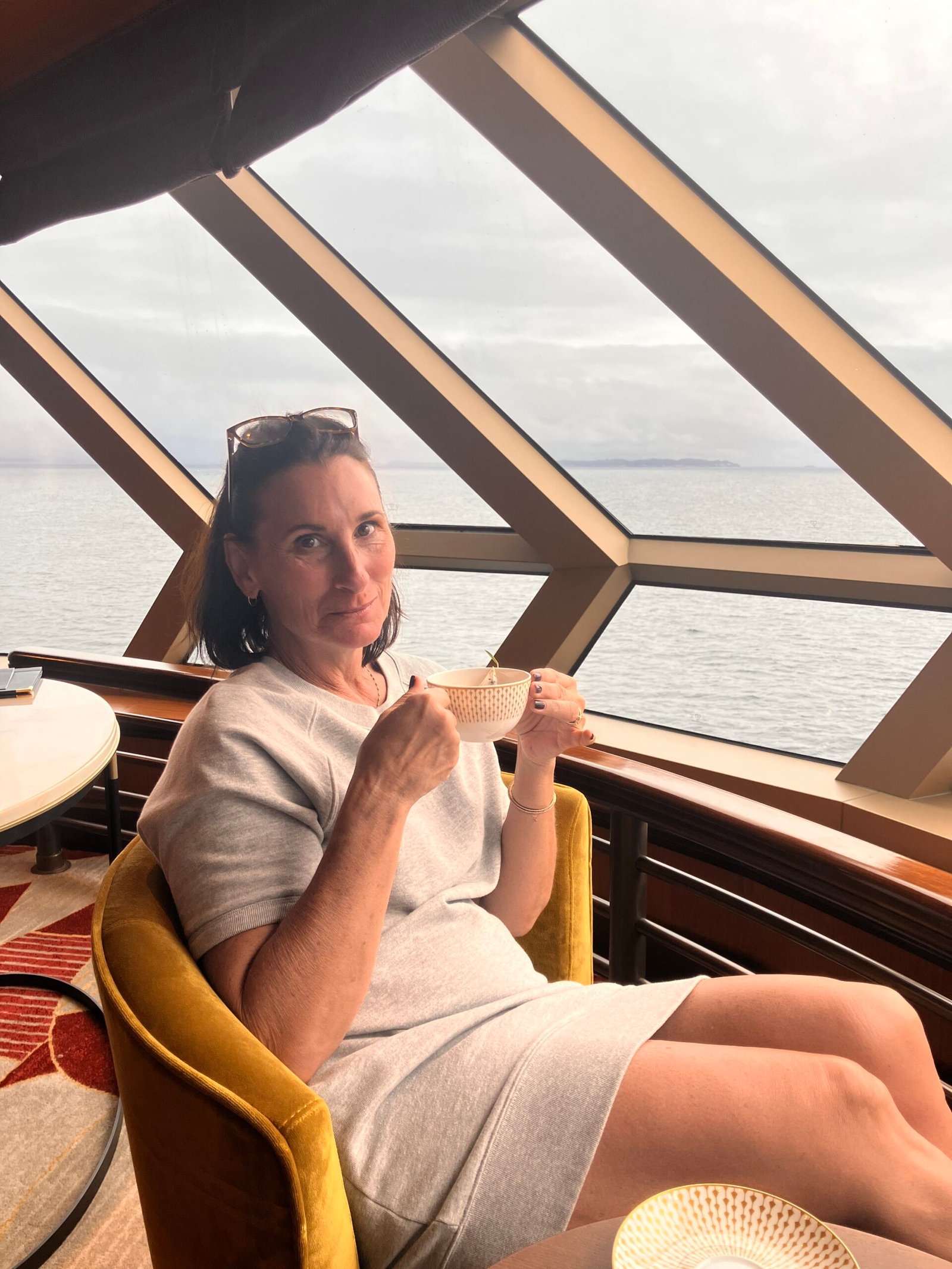
The ship itself delivered exactly what it promised. Opulent without apology. Calm. Restrained. There was an unmistakable old-world atmosphere — almost cinematic. At times it felt like stepping into a different era entirely. Compared to newer lines like Virgin, which lean hard into energy and spectacle, Cunard carried a near-Titanic sensibility: formal evenings, slower rhythms, an older crowd comfortable with silence. I didn’t regret it — but I noticed it.
And in Alaska, noticing matters.
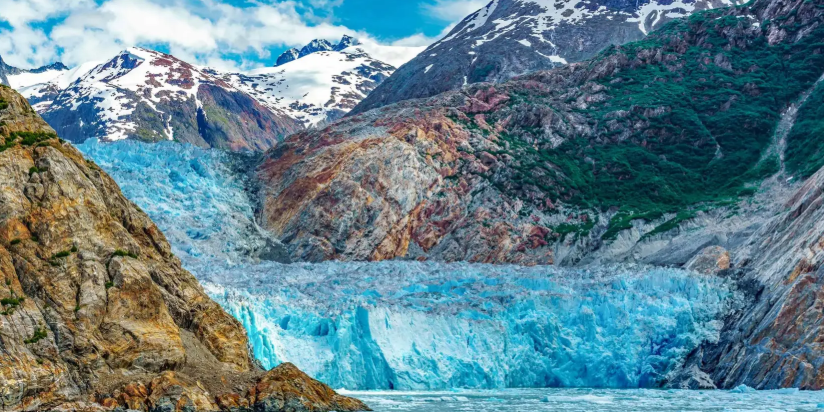
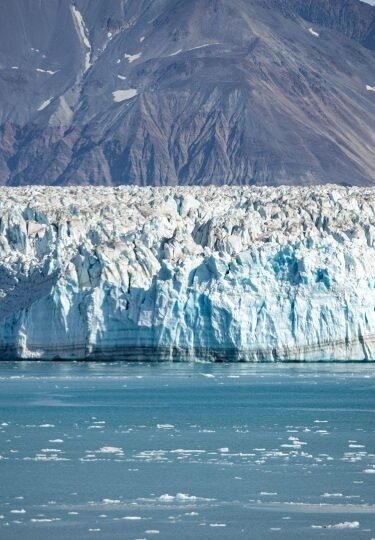
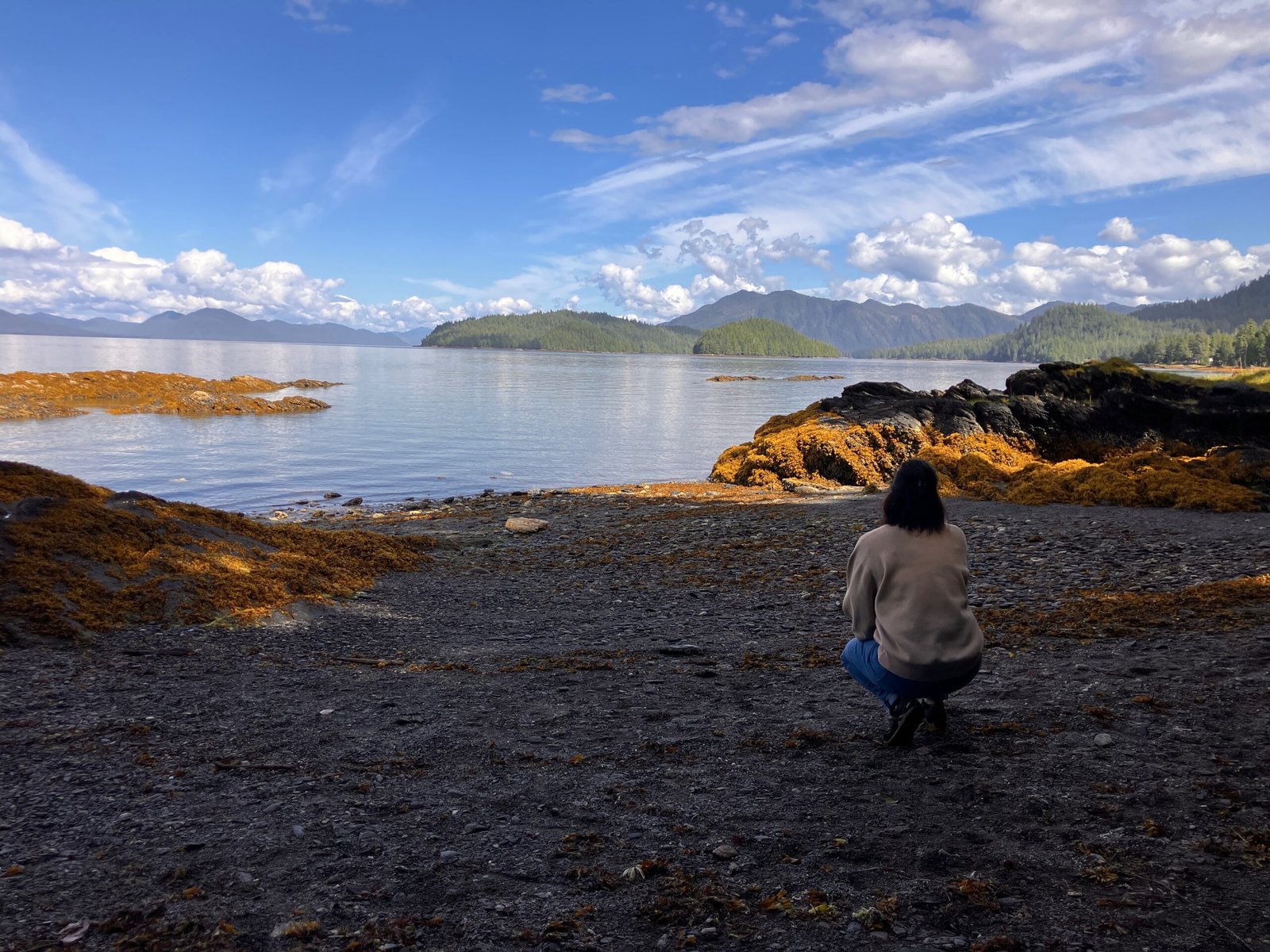
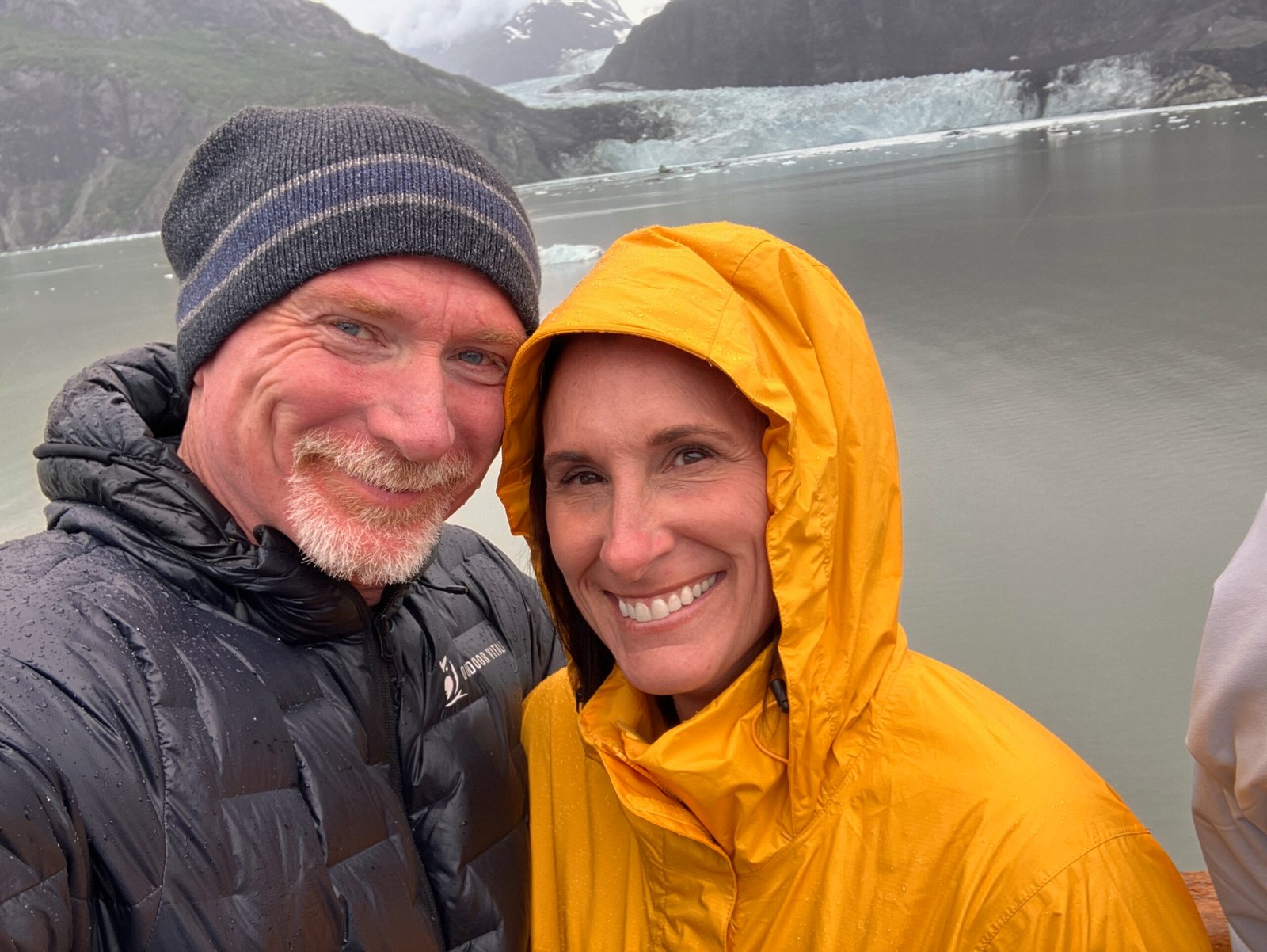
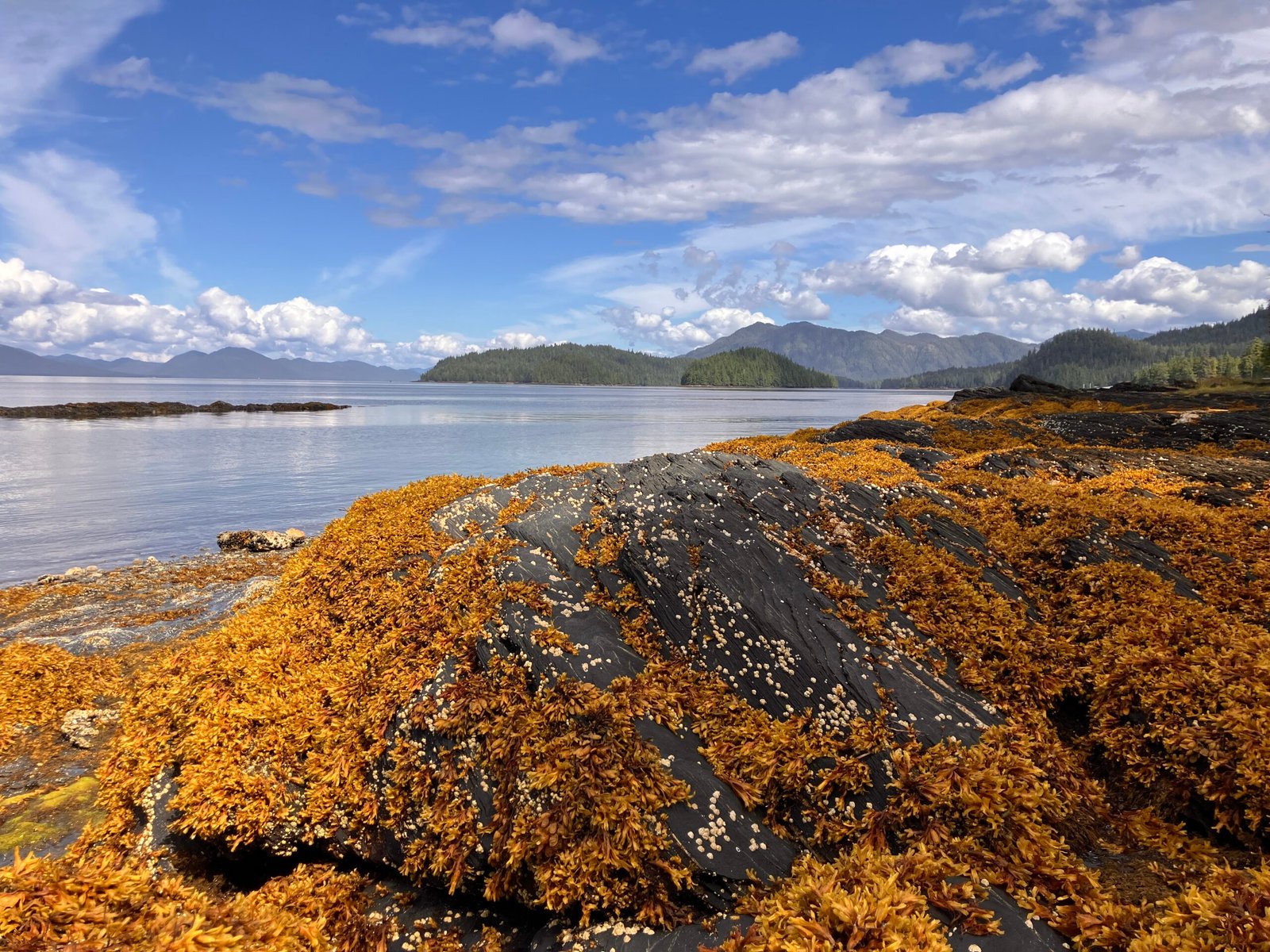
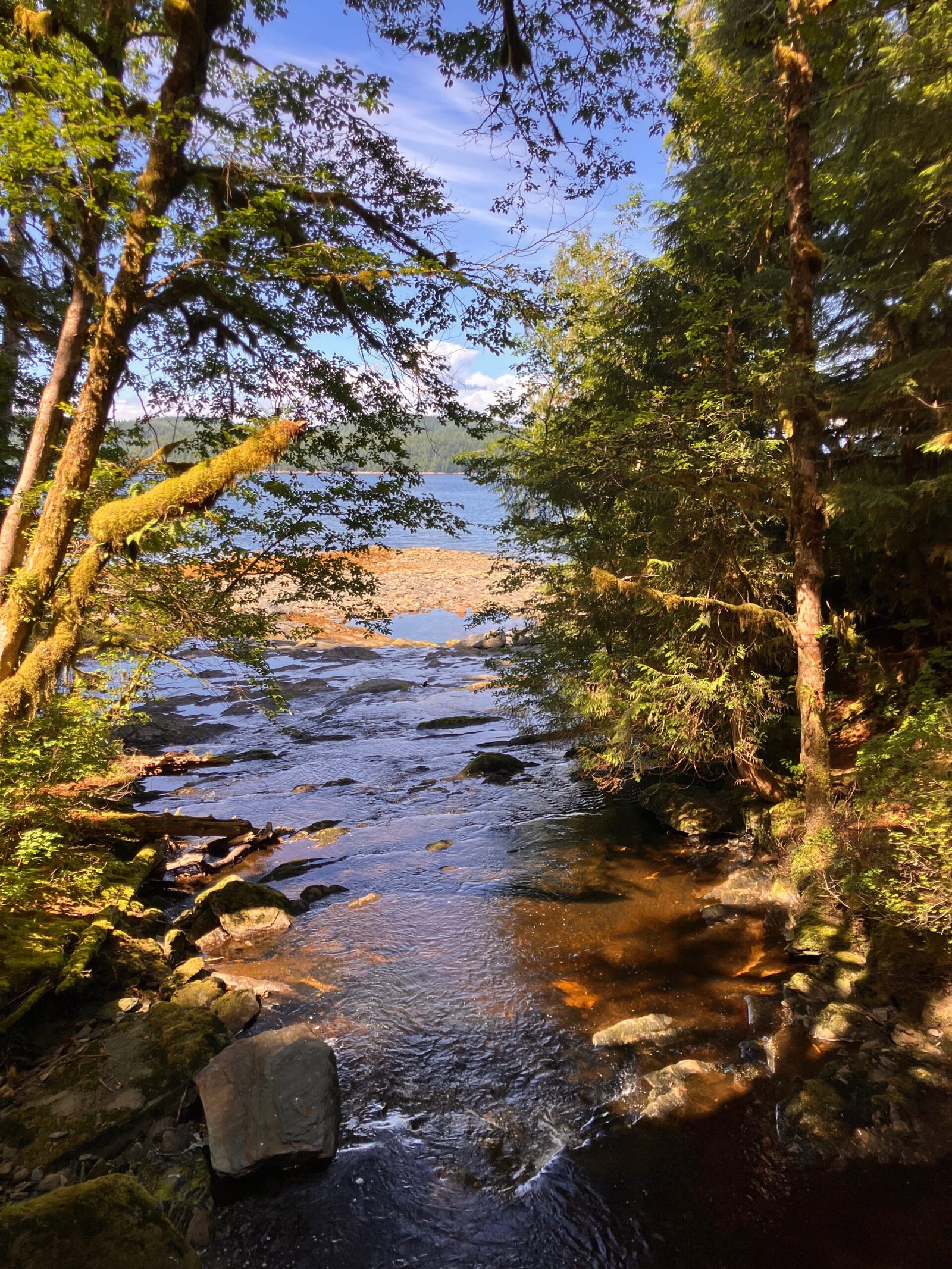
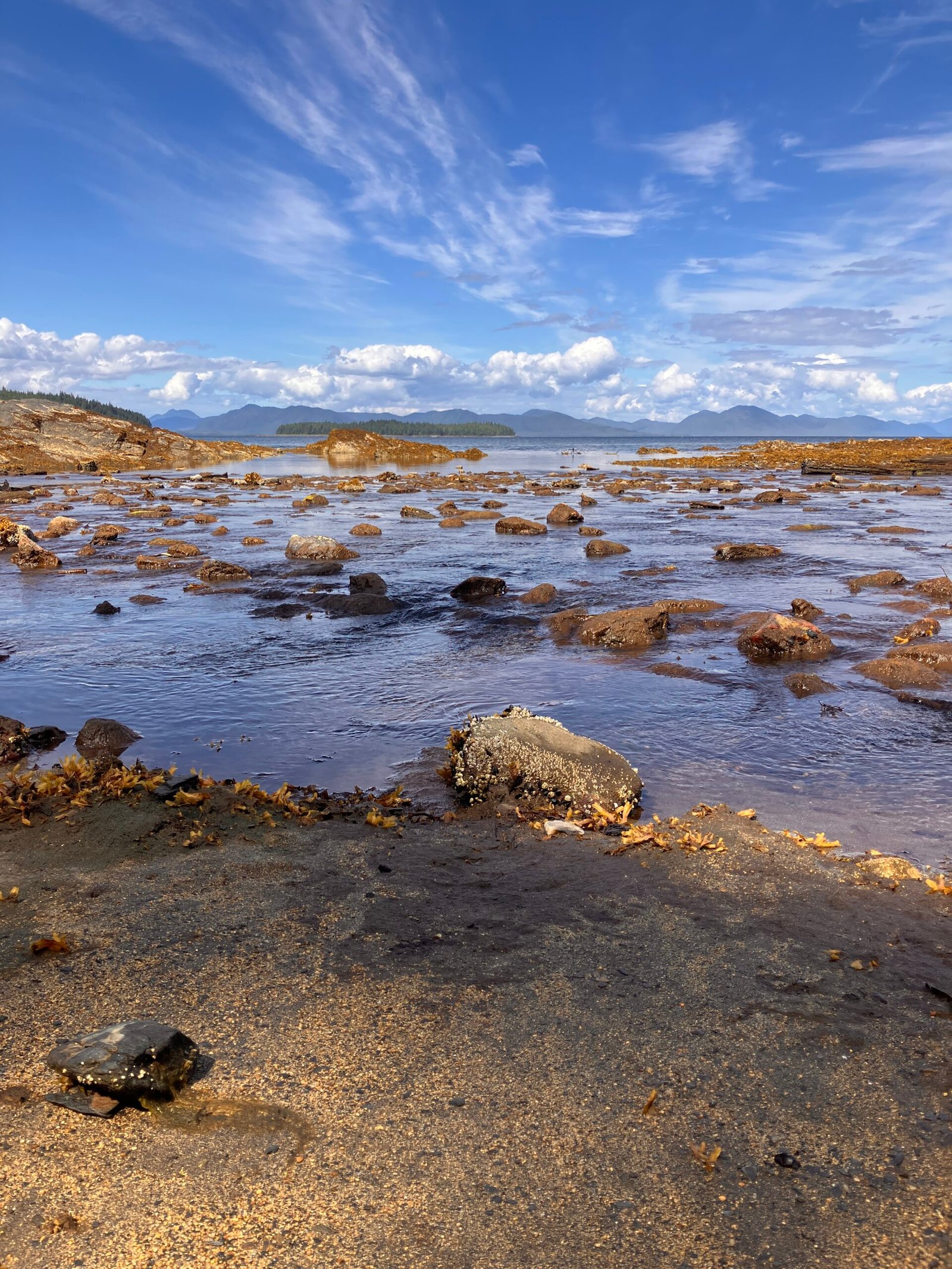
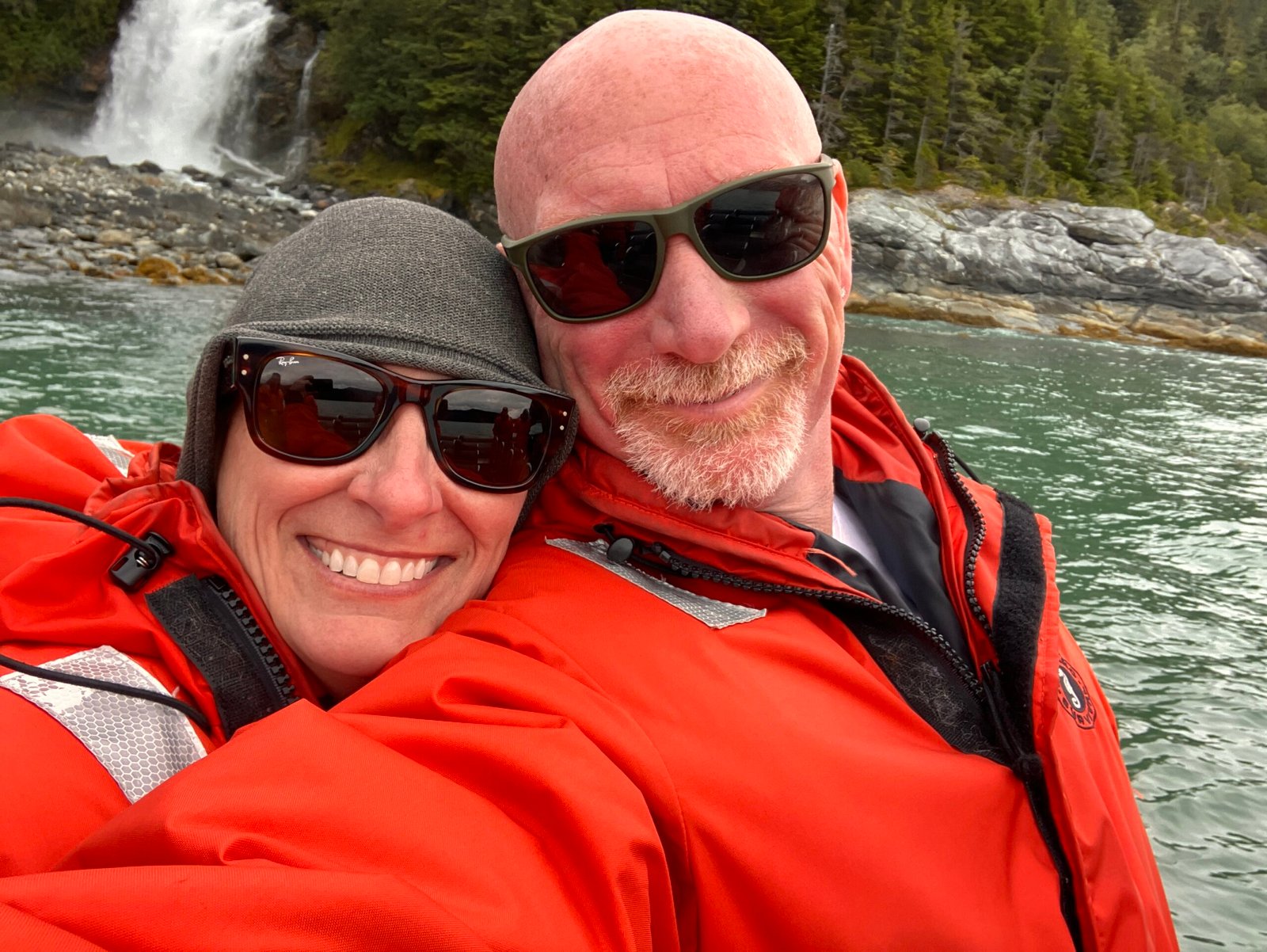
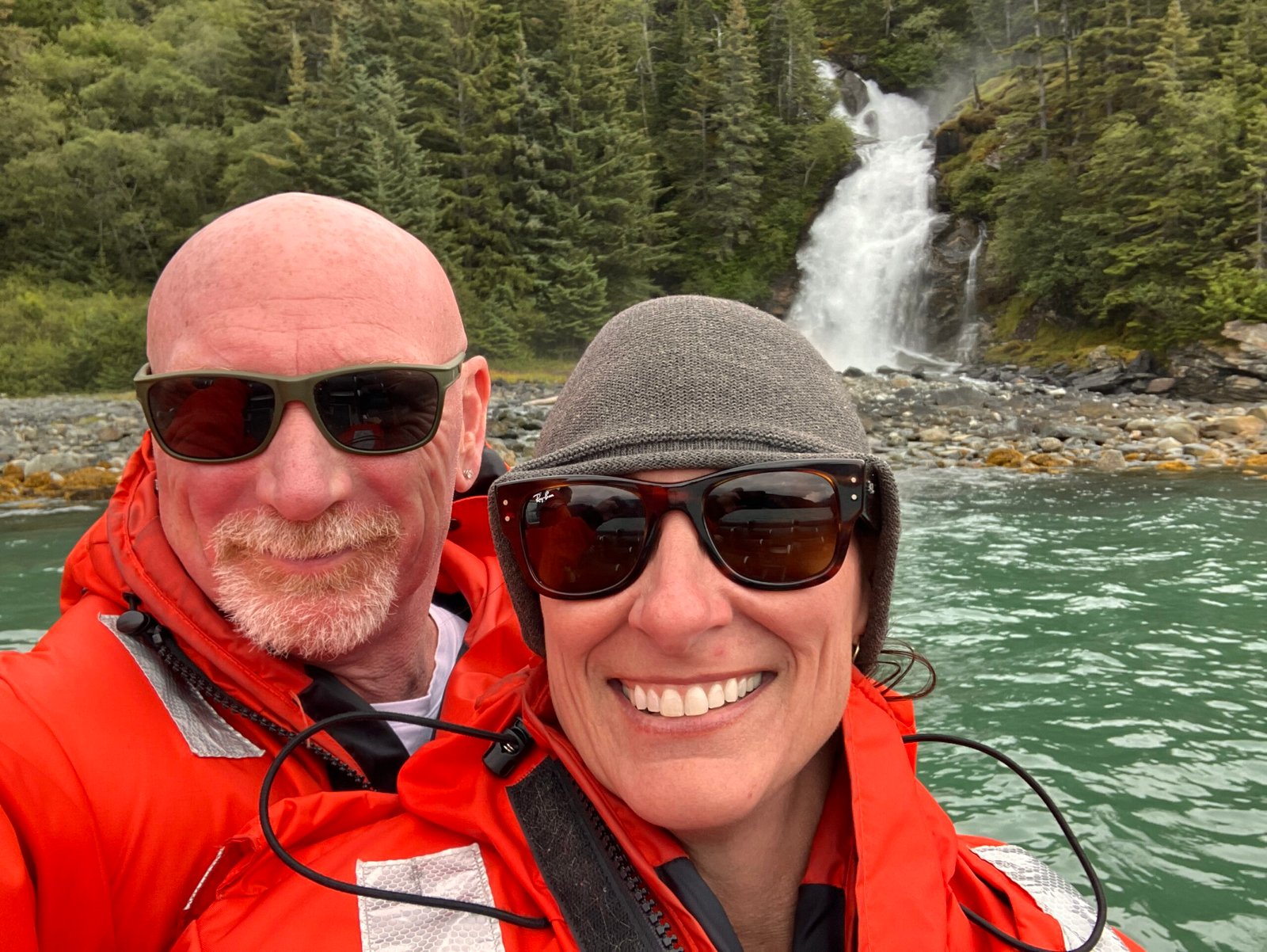
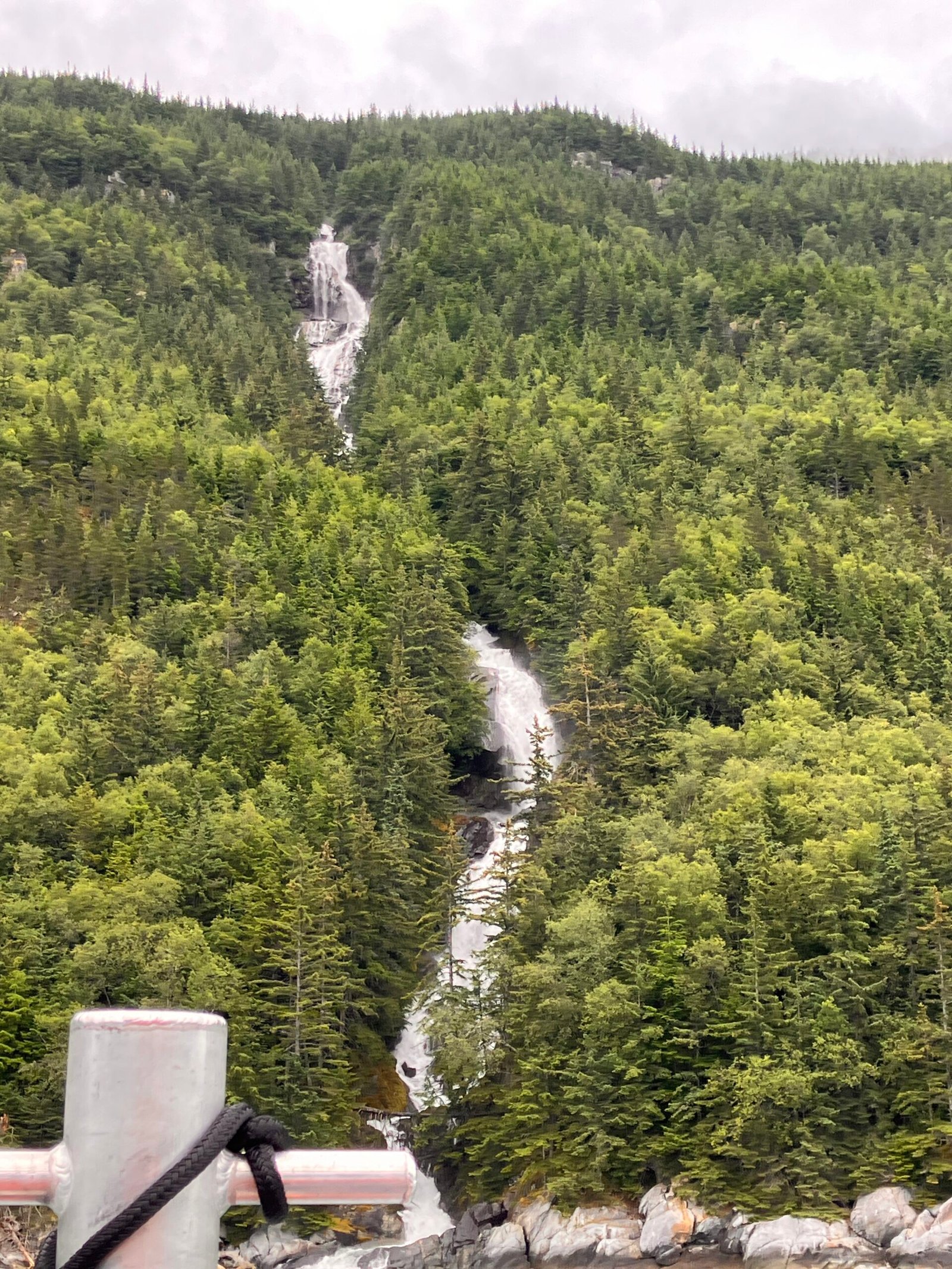
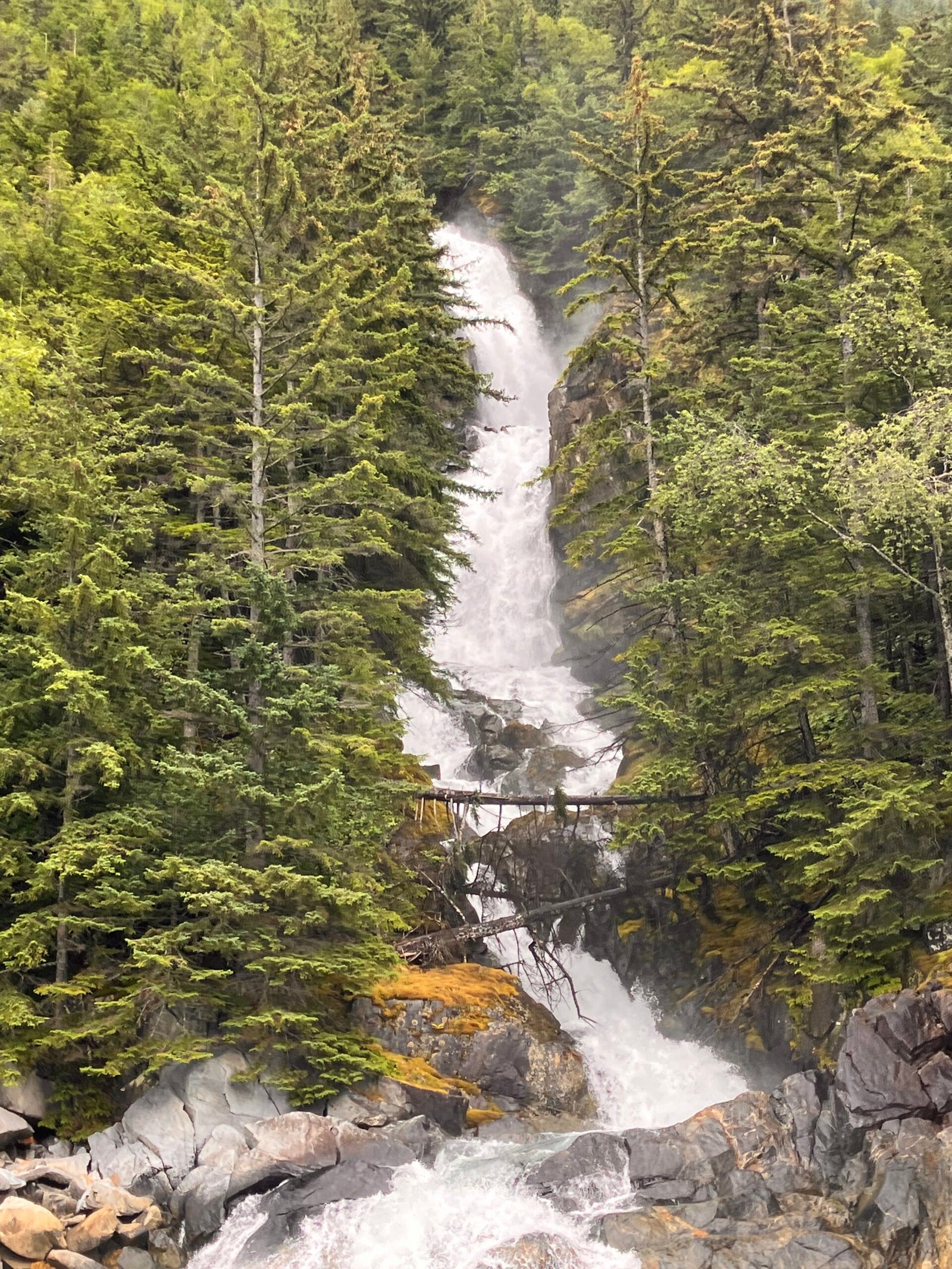
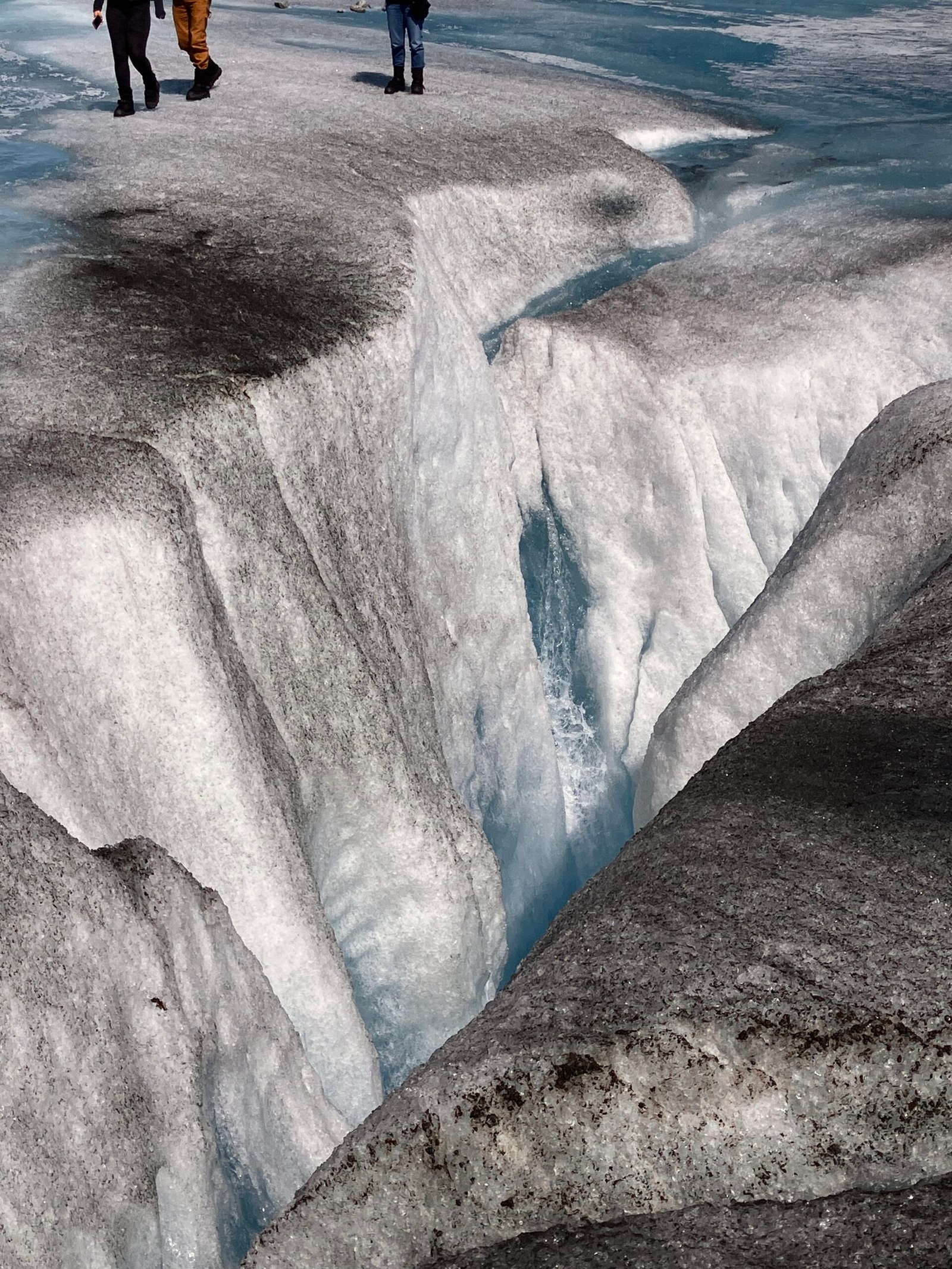
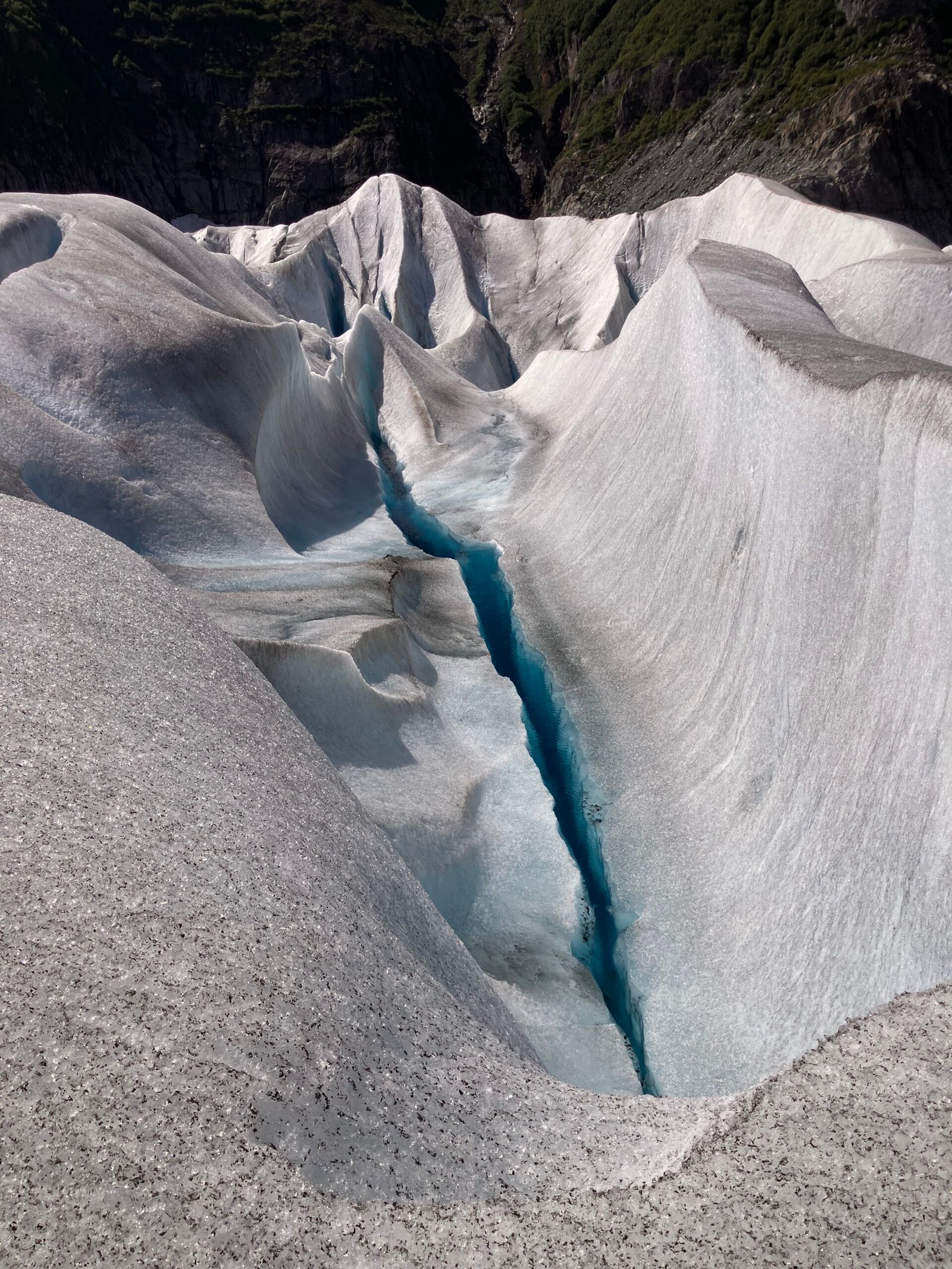
The Inside Passage was stunning in a way that never needed embellishment. Water like glass. Mountains rising abruptly from the sea. Glaciers that felt close enough to carry weight. Cruising works here — it gives you access, perspective, a gentle introduction to scale. But even as we moved effortlessly between ports, a familiar feeling returned: I wanted more time. More evenings. More unstructured hours ashore.
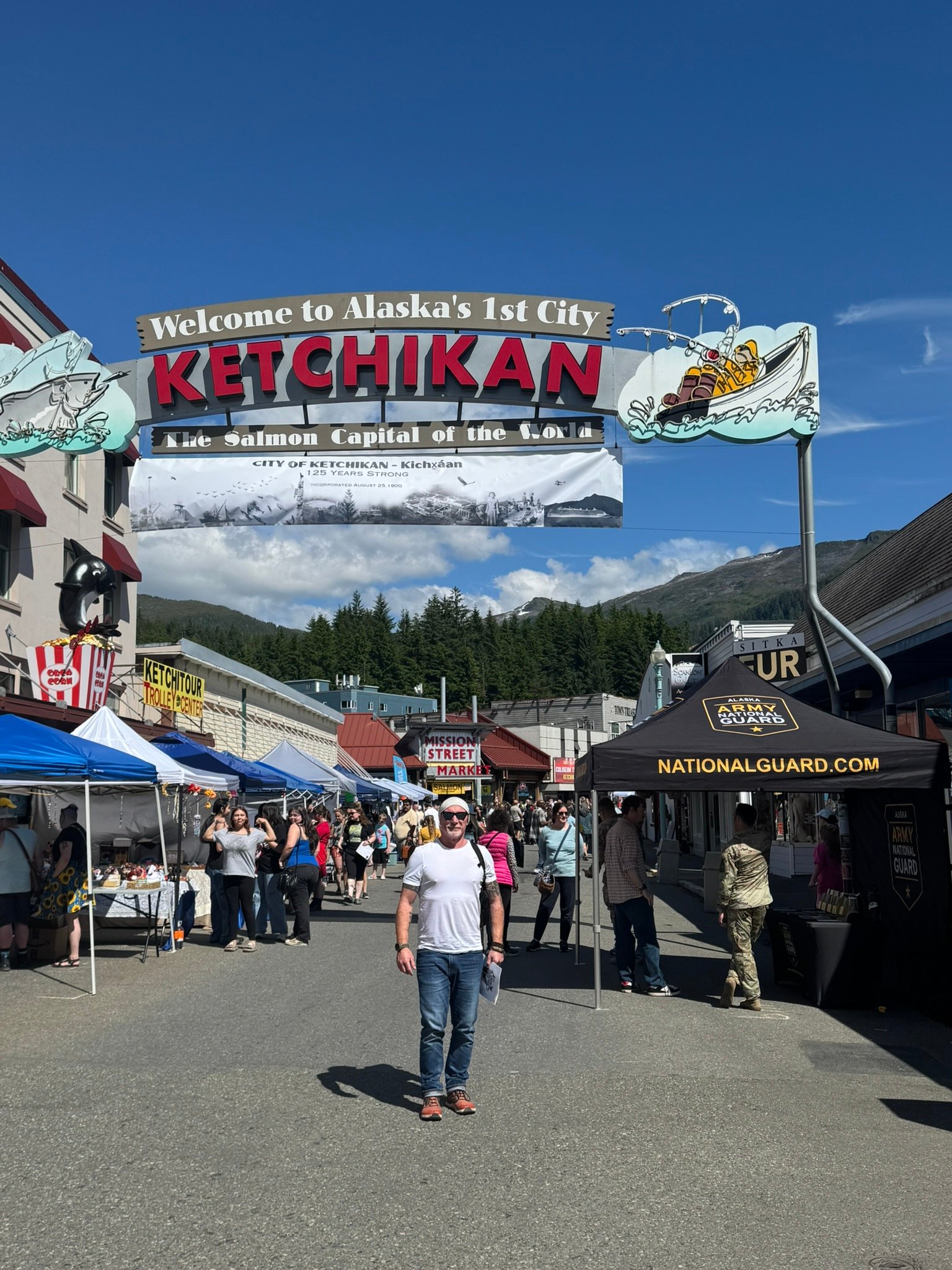
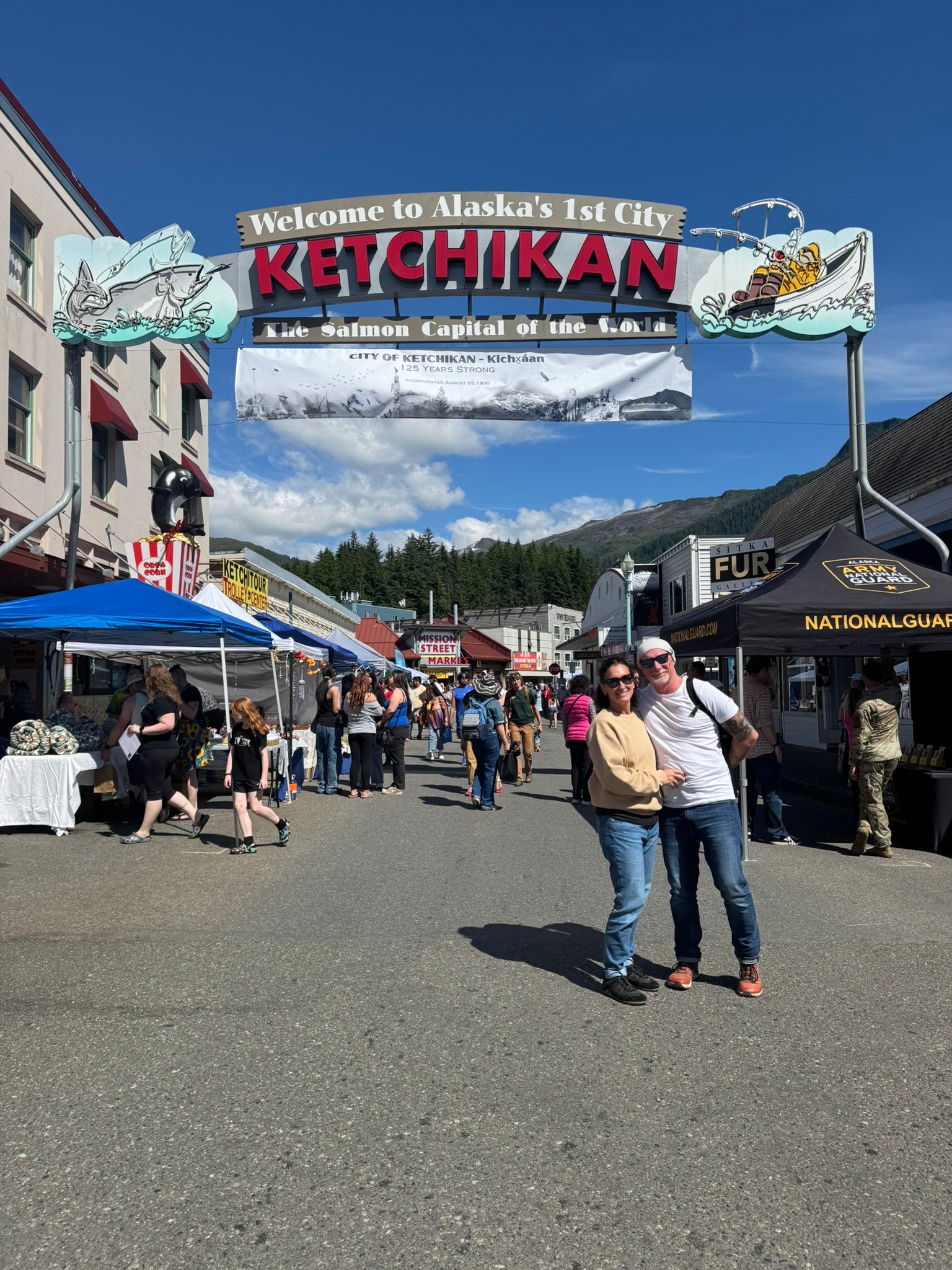
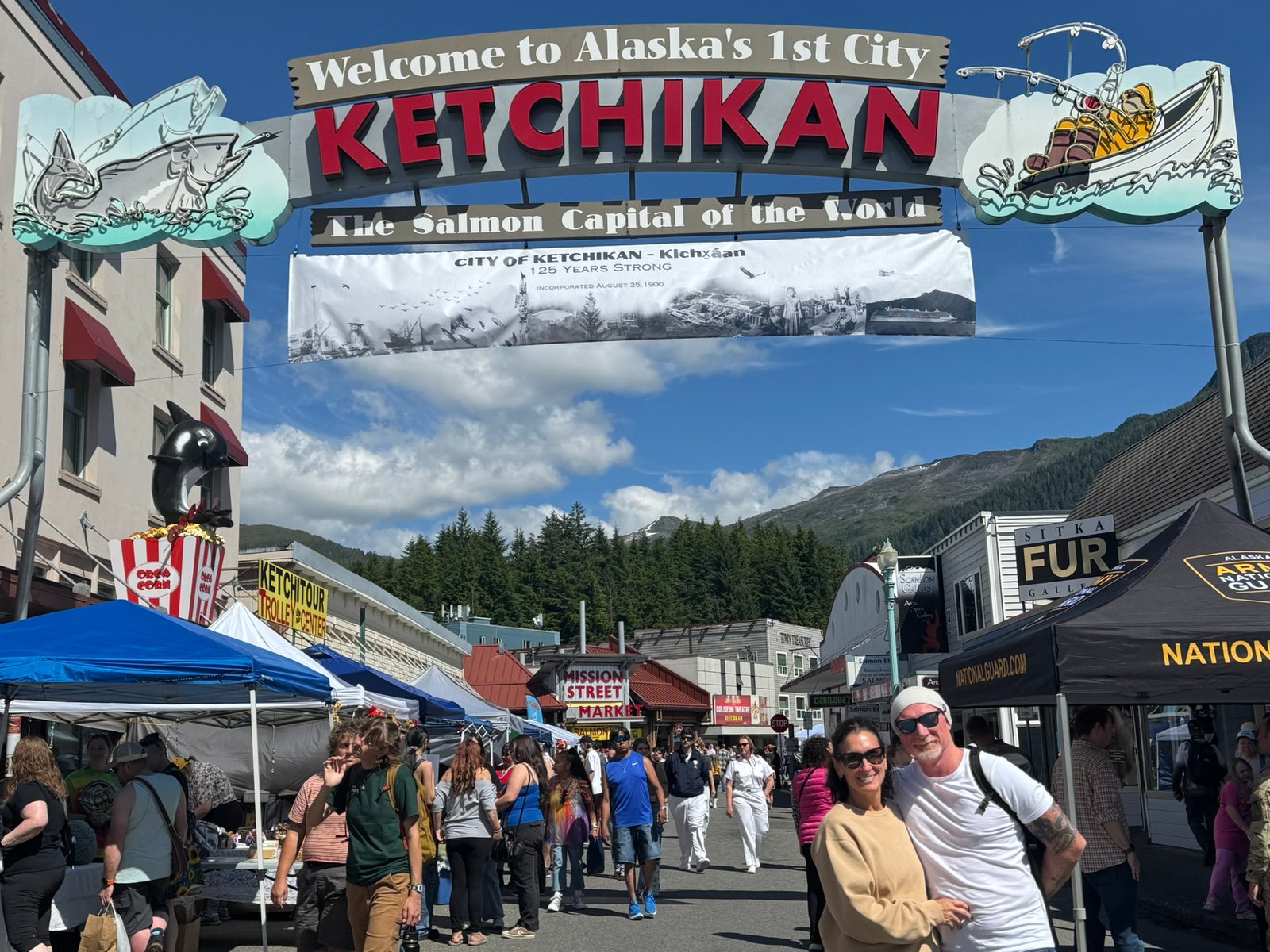
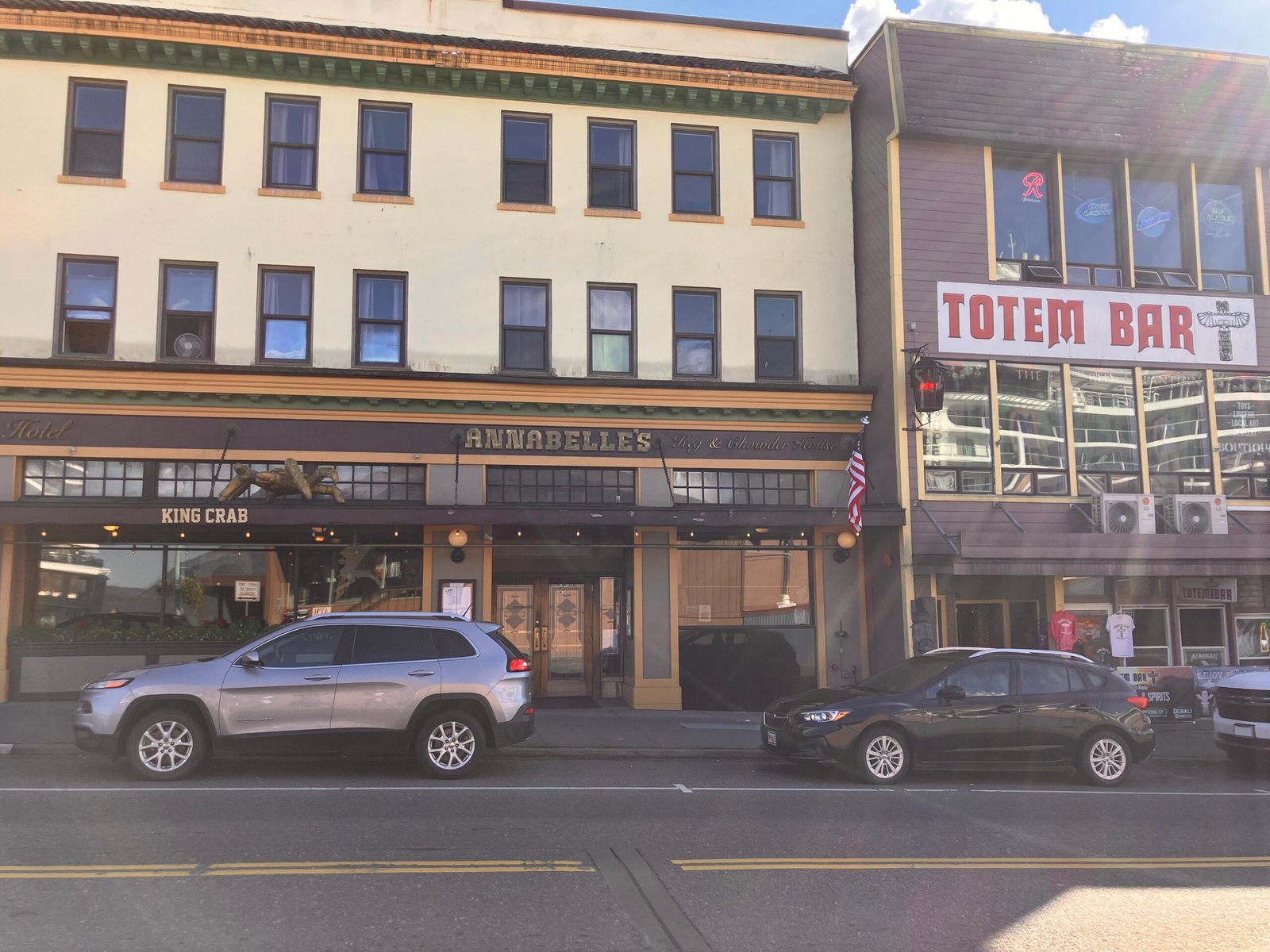
Ketchikan was the first place that felt truly grounded. Damp, layered, slightly rough around the edges. Rain wasn’t an inconvenience — it was part of the texture. Totem poles stood without explanation. Fishing boats worked while visitors wandered. Beneath the storefronts was a town that existed long before cruise schedules and will continue long after. It didn’t try to impress. That restraint made it memorable.
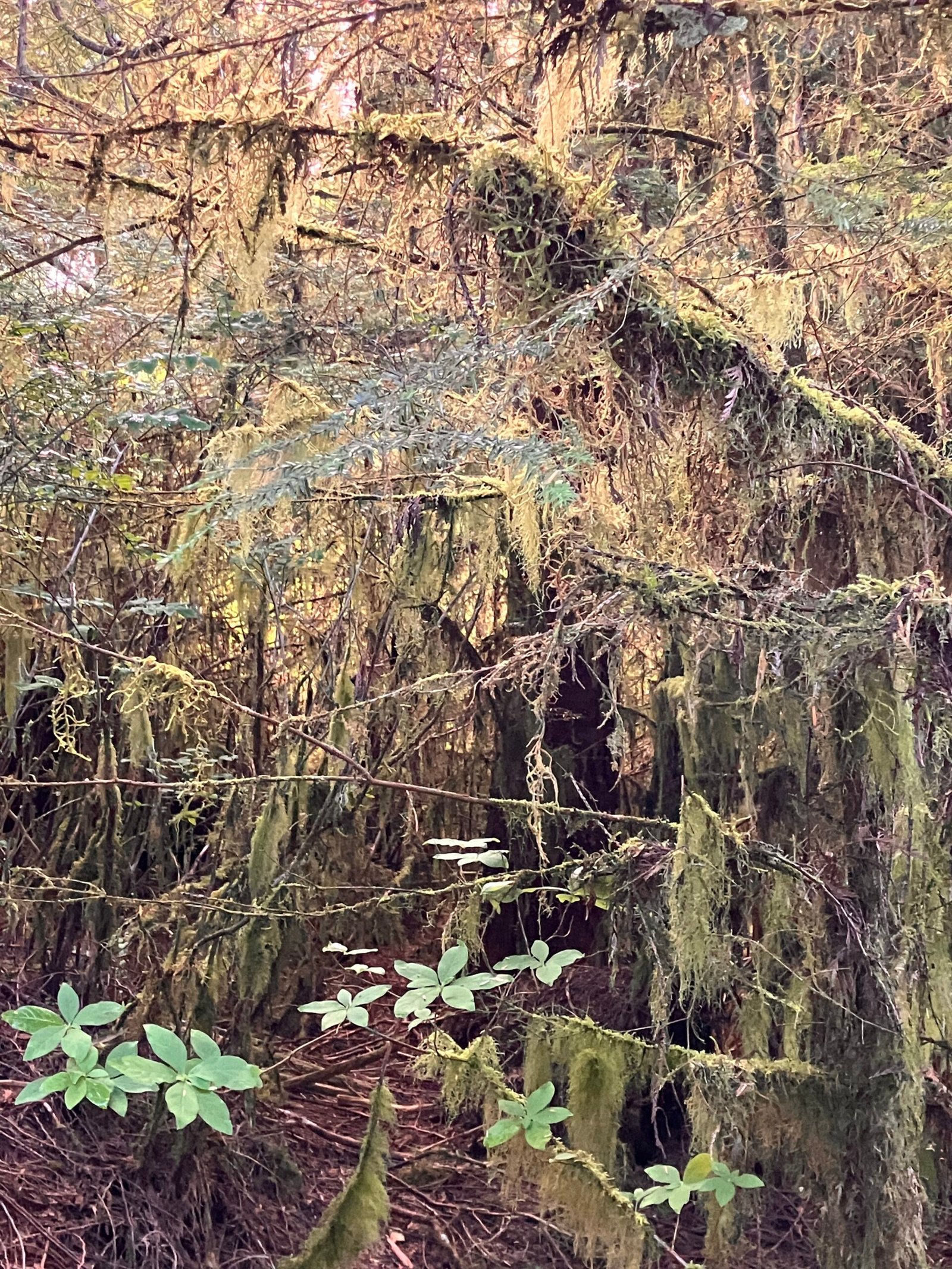
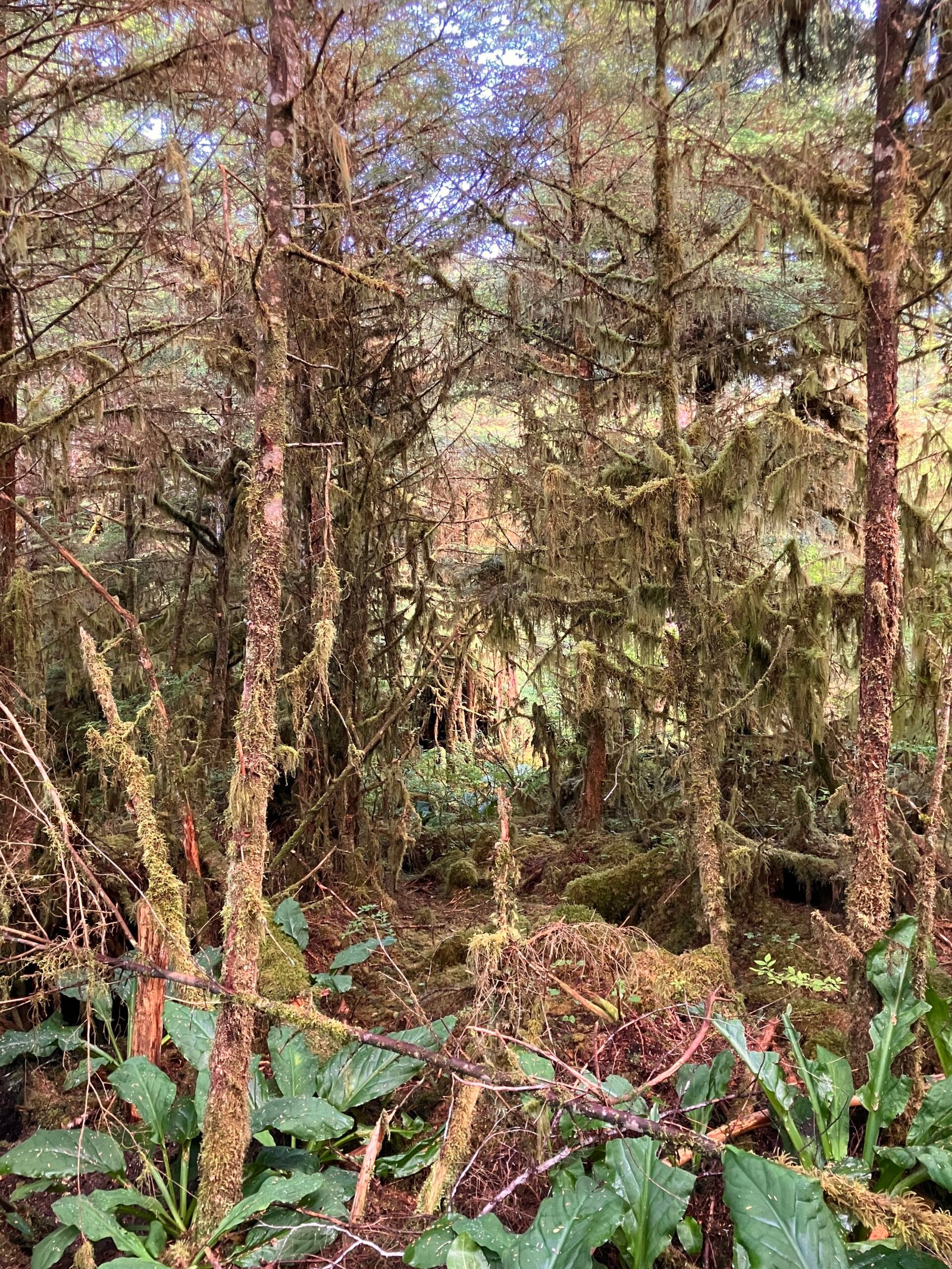
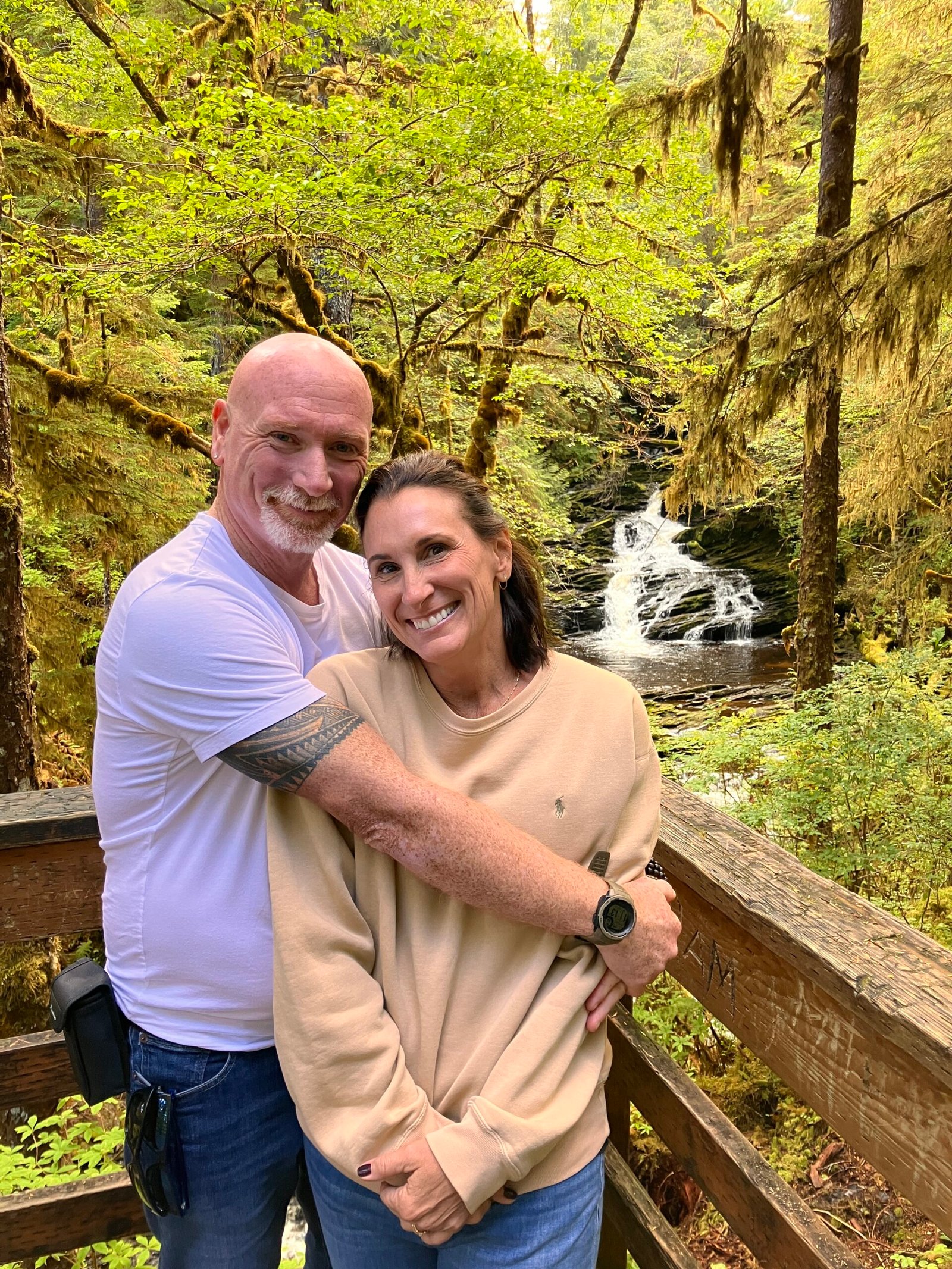
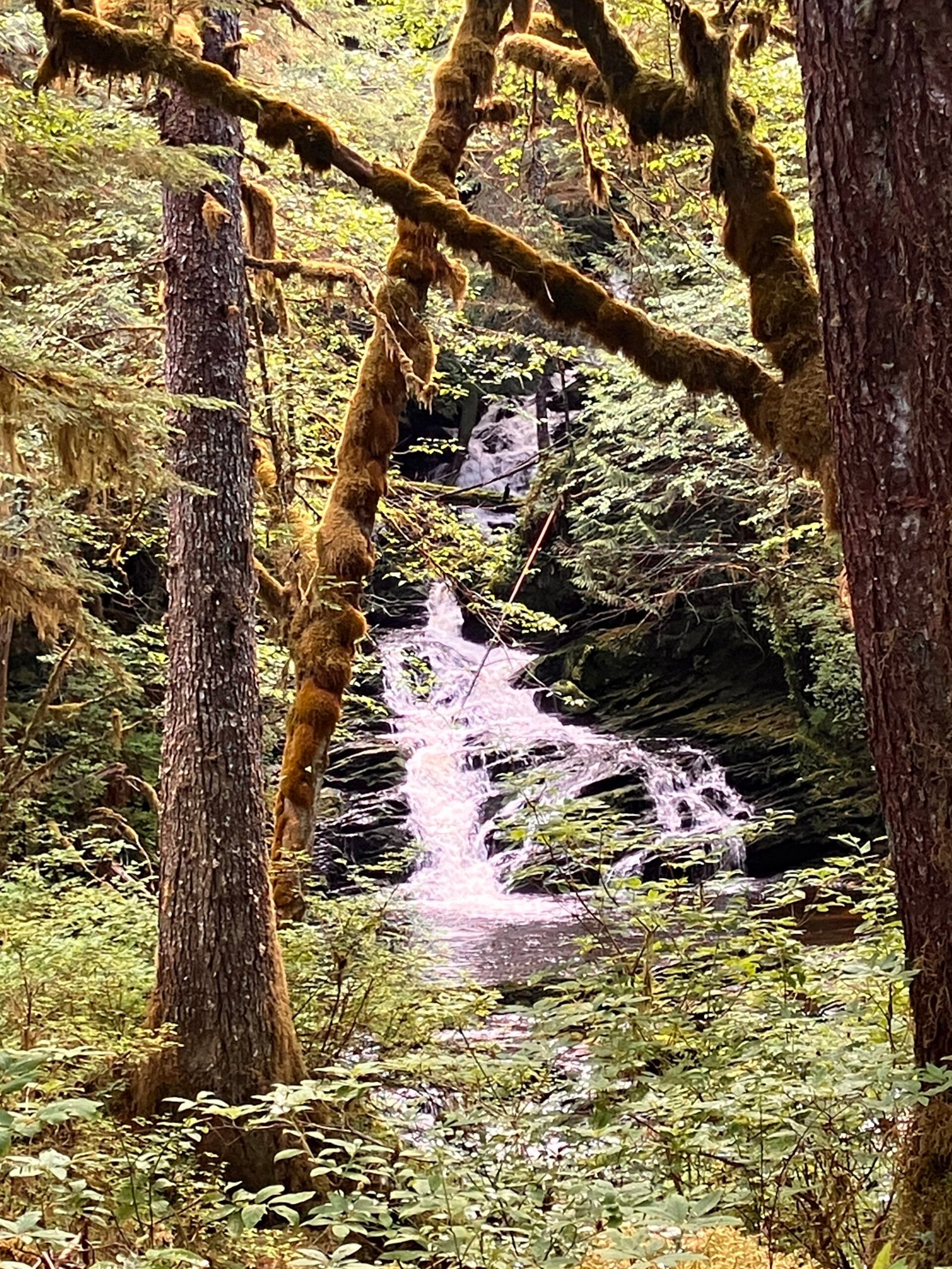
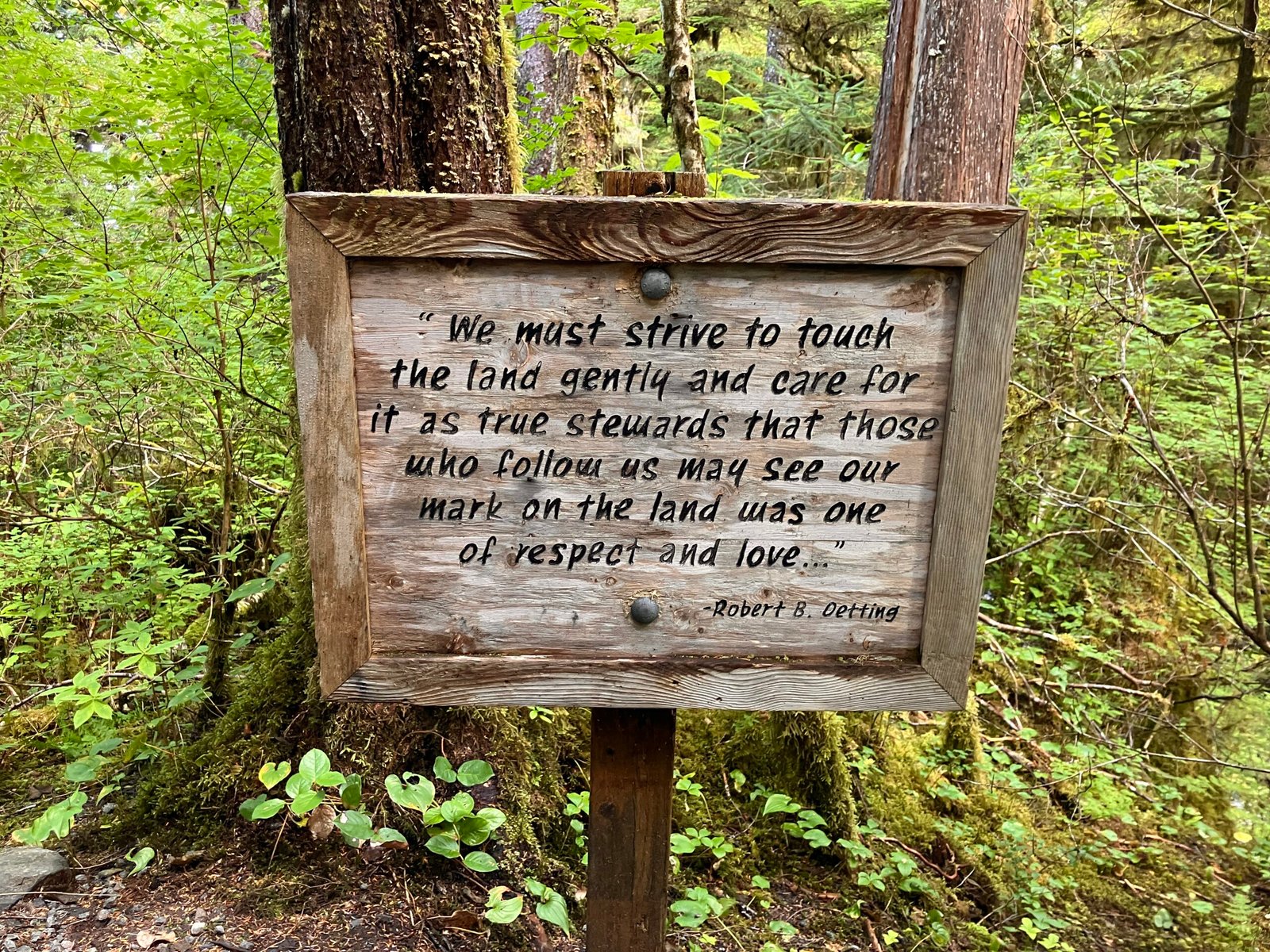
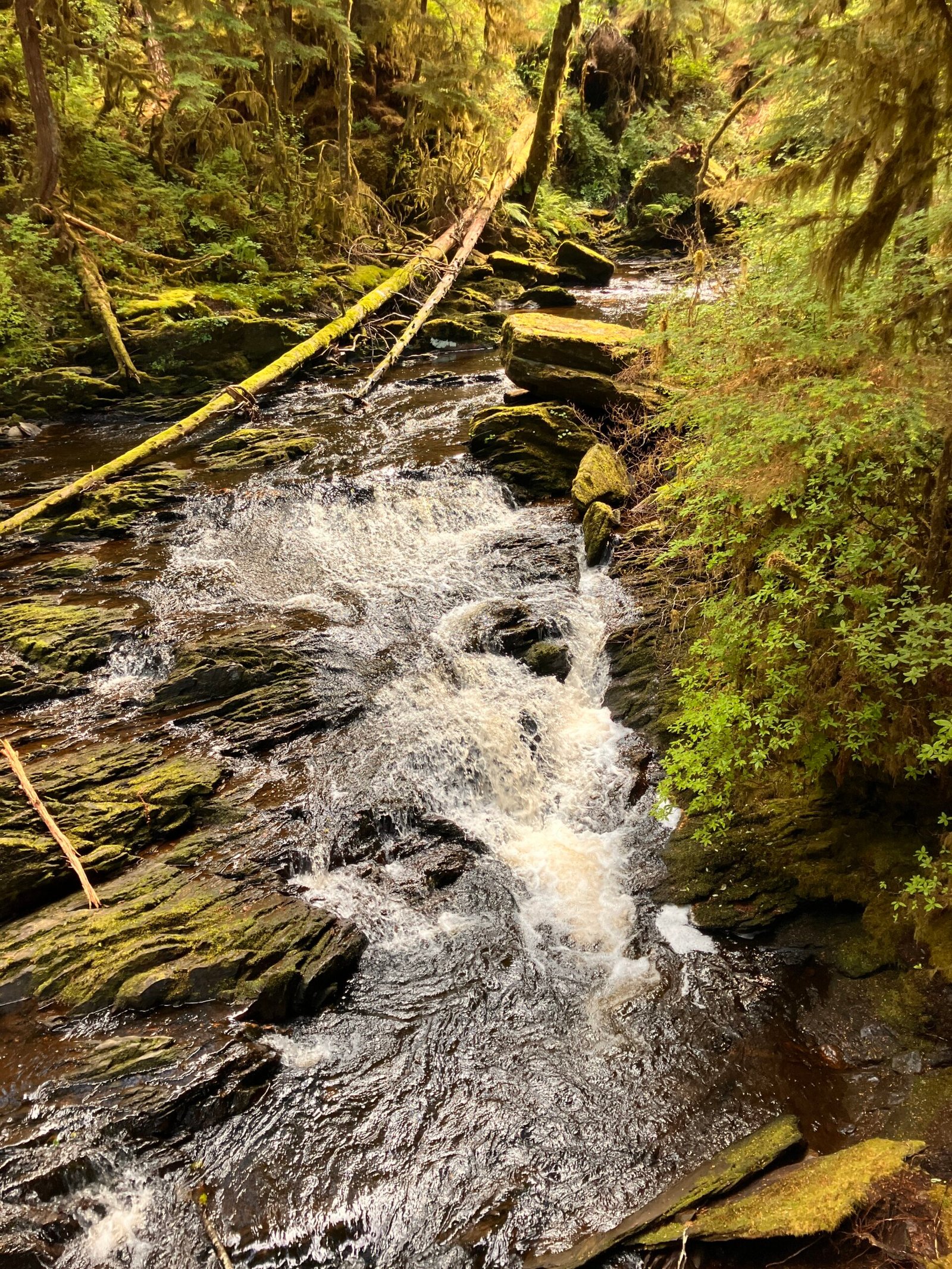
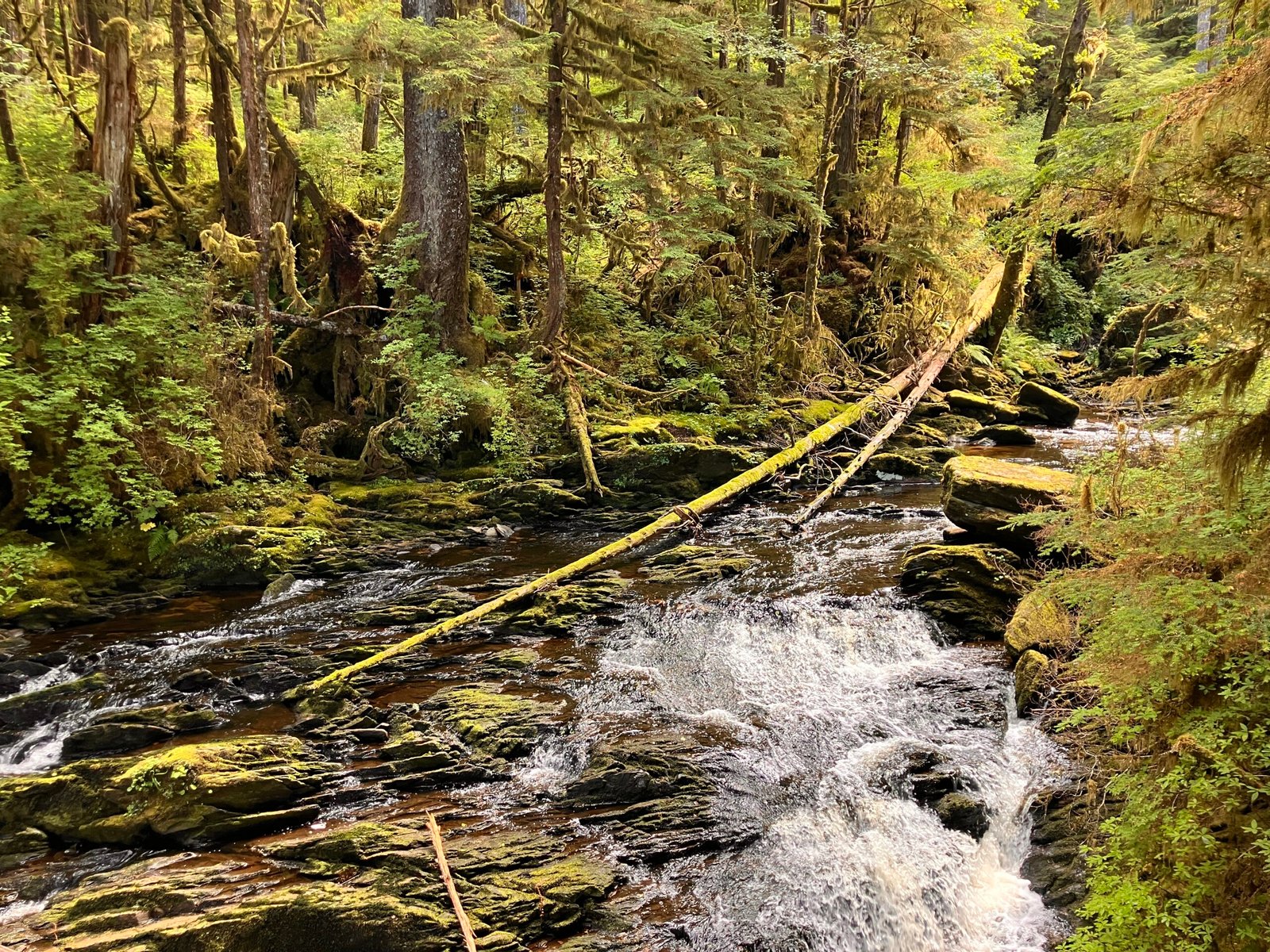
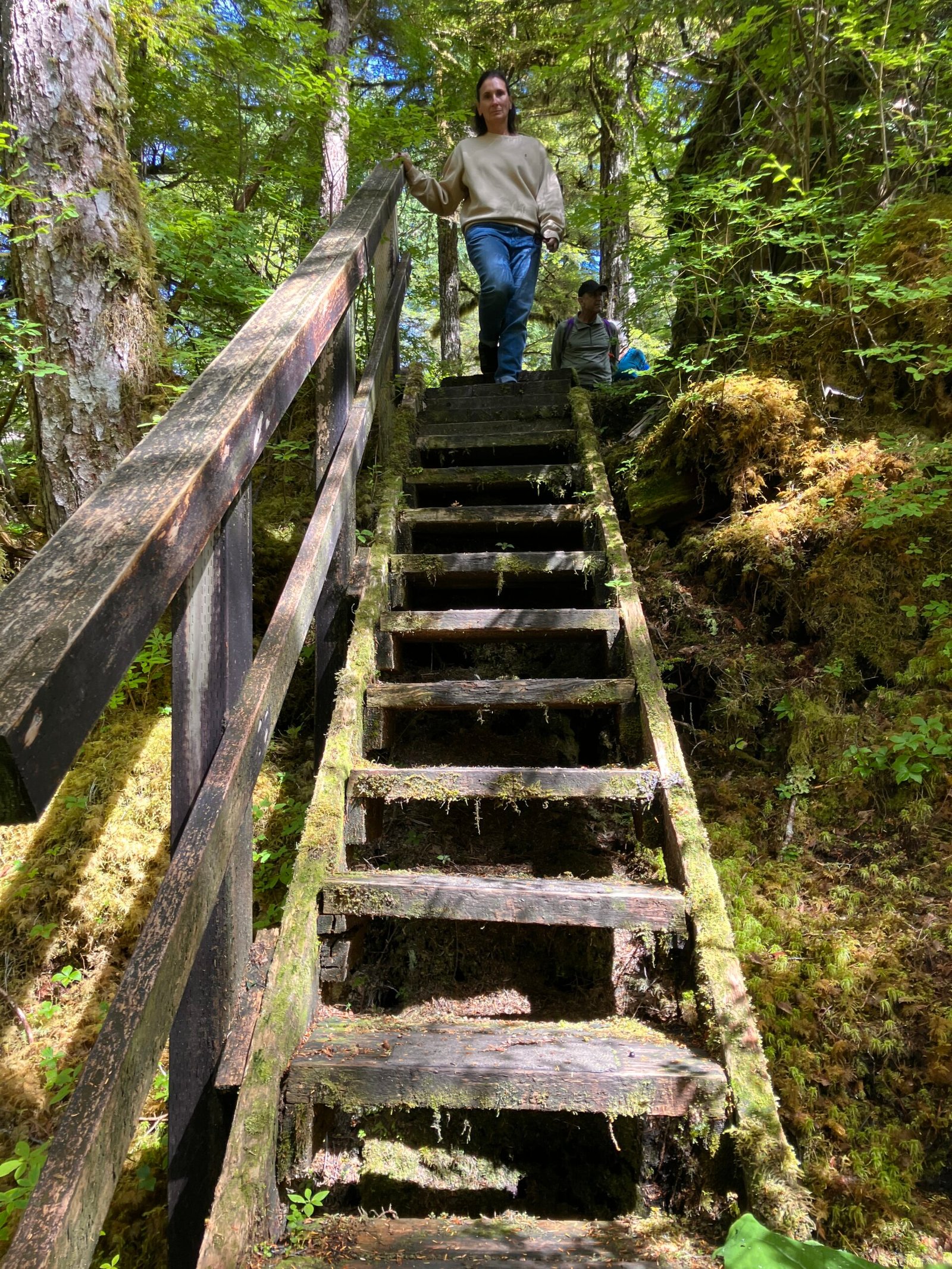
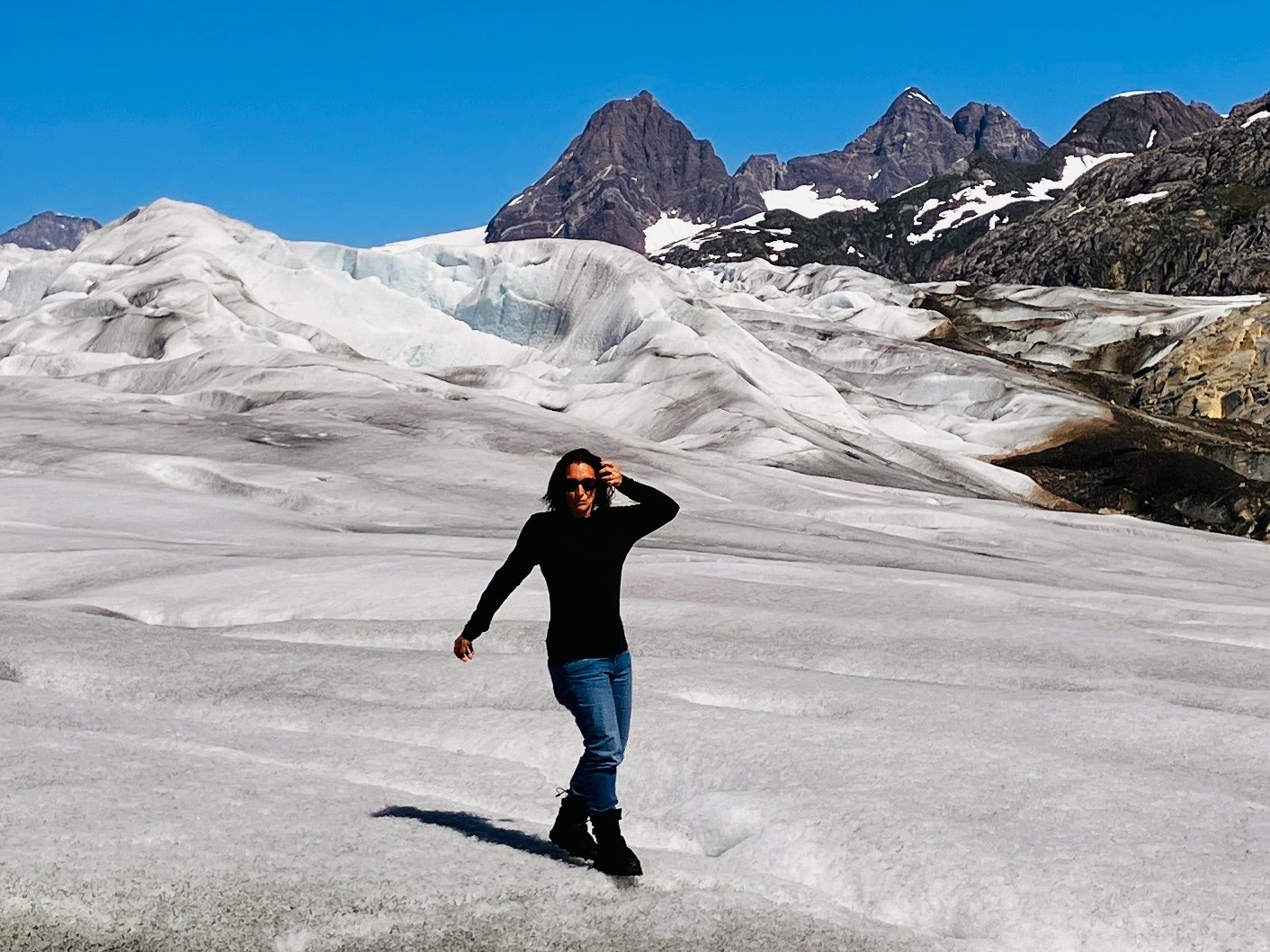
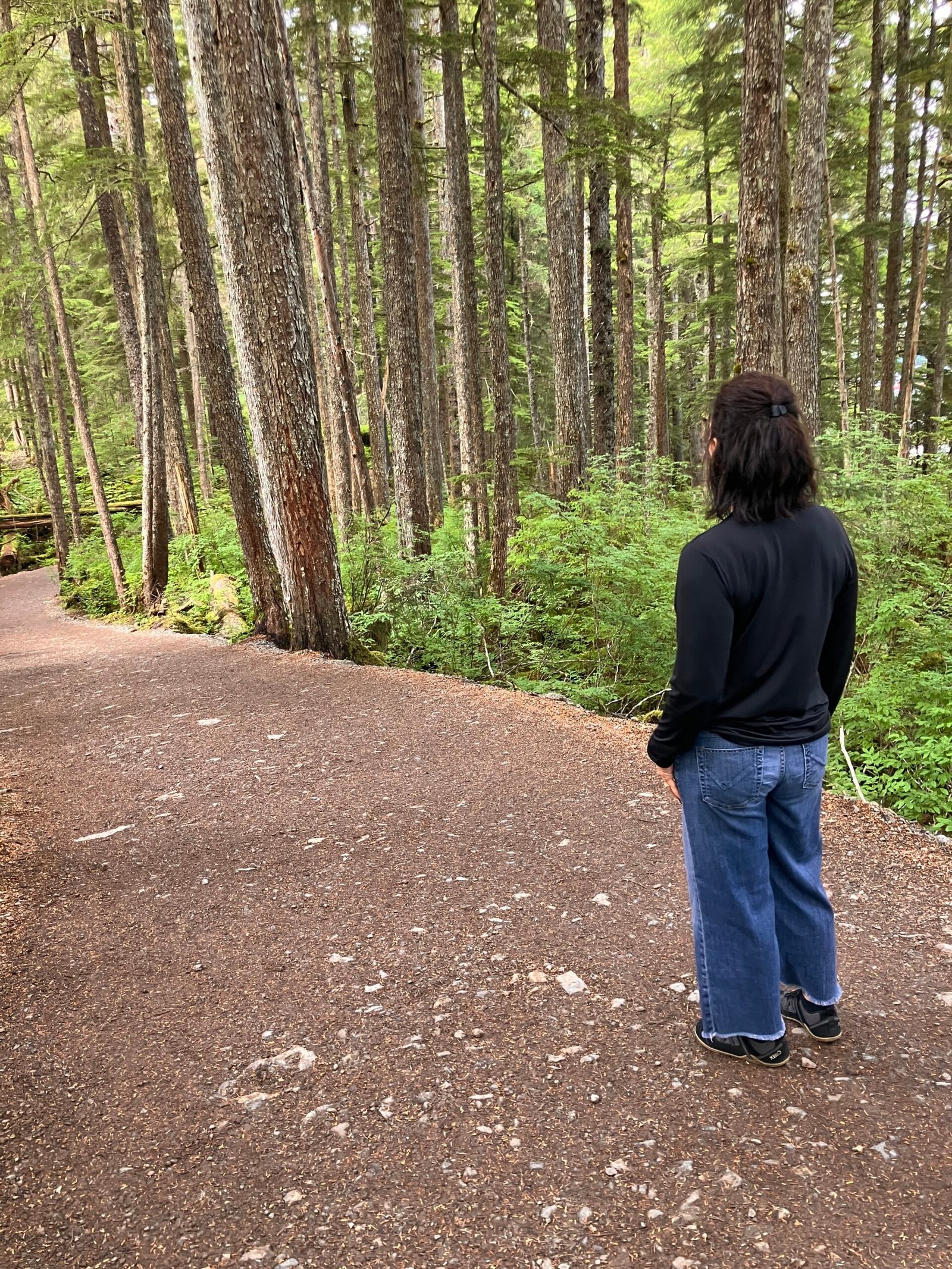
Juneau opened up in a different way. Bigger landscapes. More space between things. Mountains pressed in close behind the town, making it feel both exposed and protected at once. We skipped organized tours and chose day hikes instead — moving at our own pace, listening more than being told. That choice changed everything. Alaska doesn’t reward urgency. It rewards presence. Trails over timelines. Quiet over commentary.
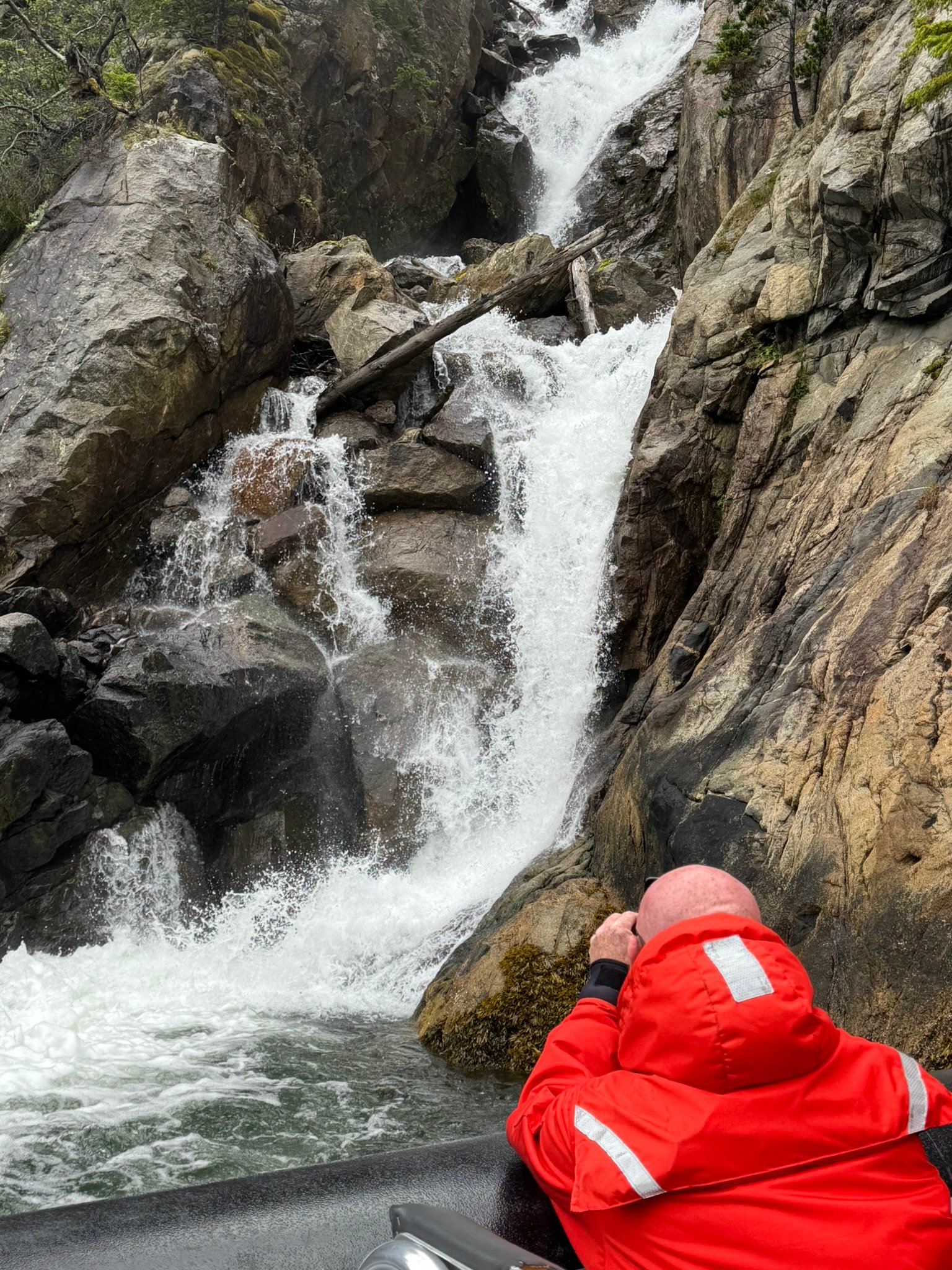
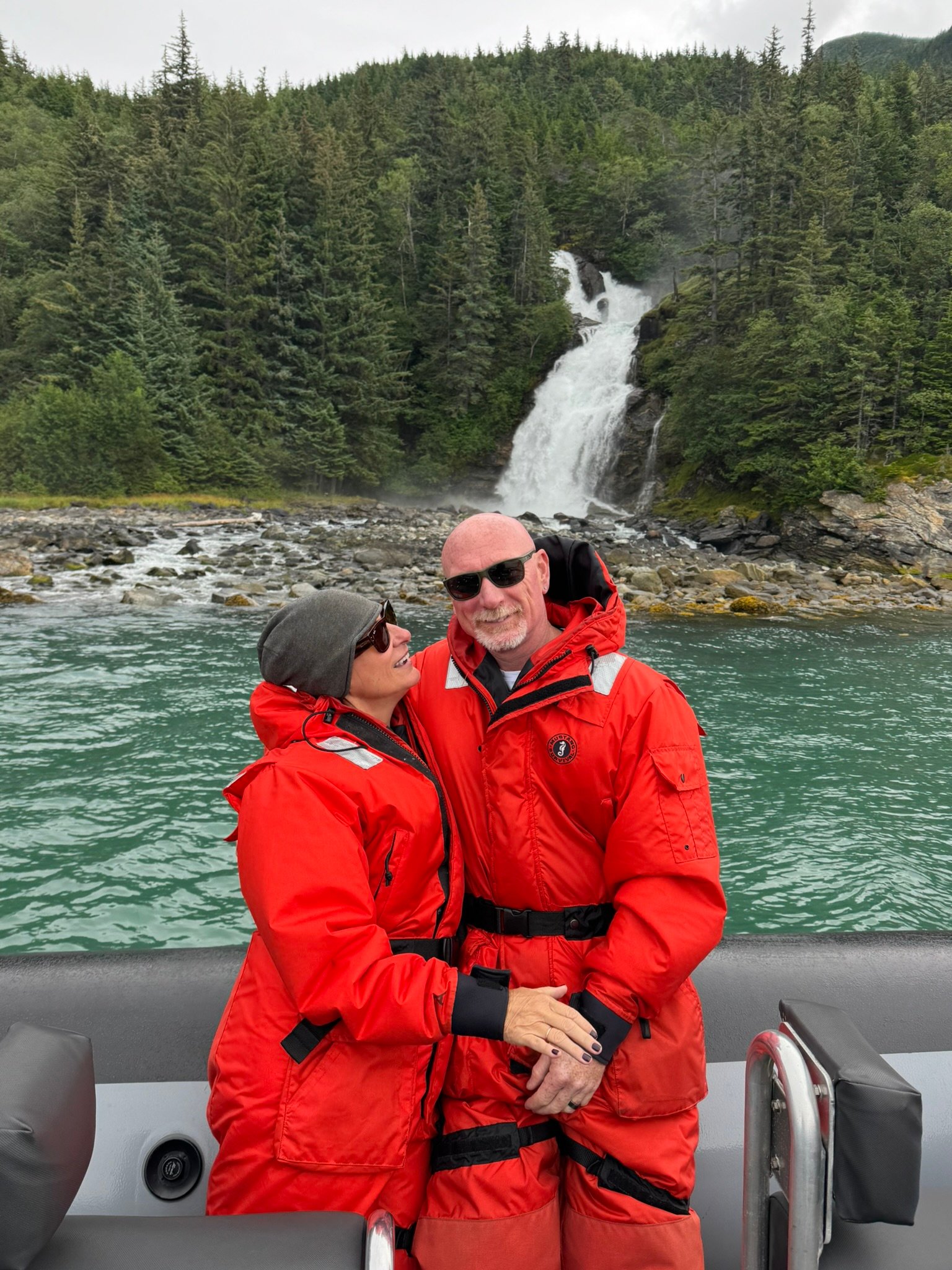
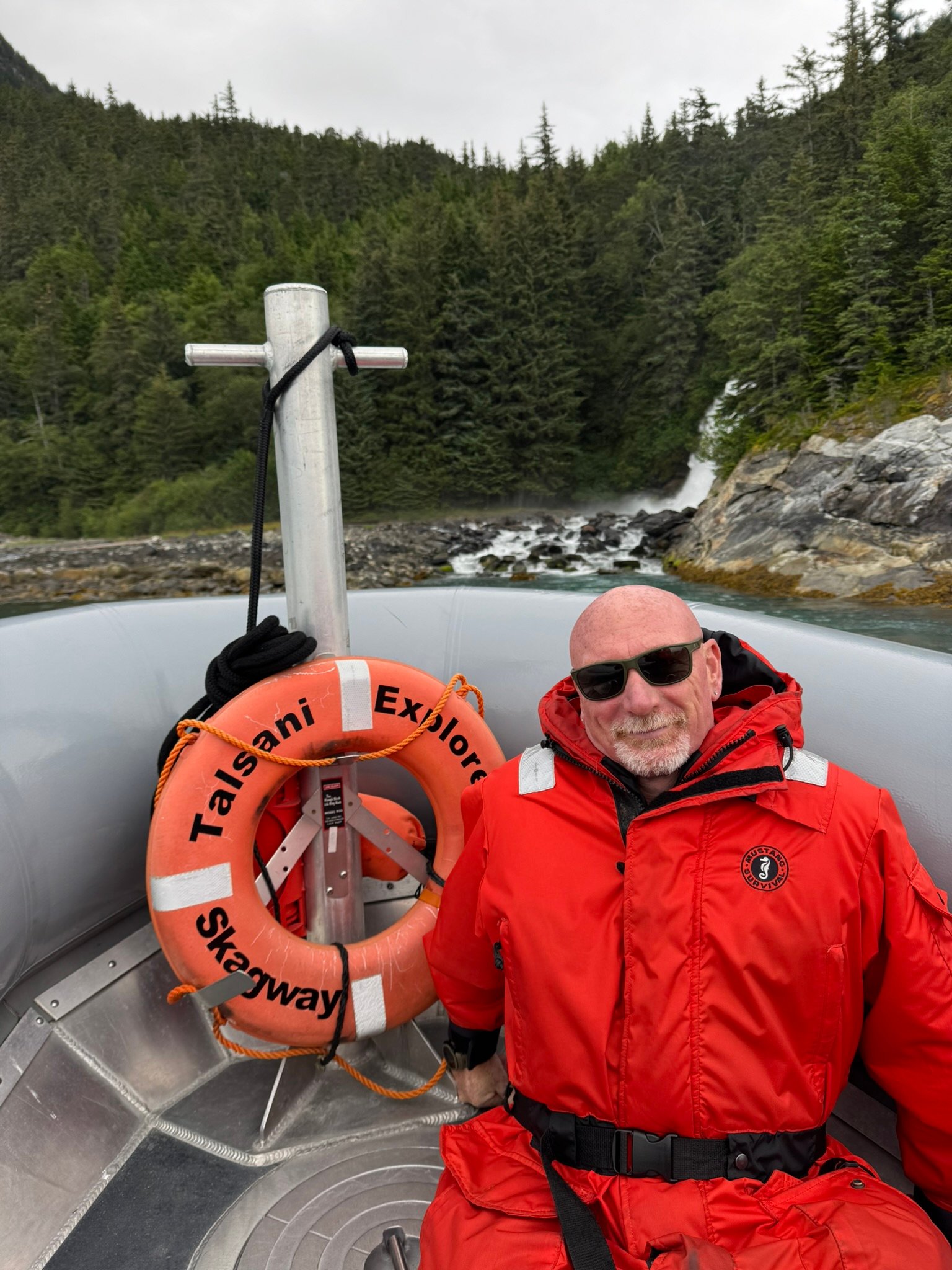
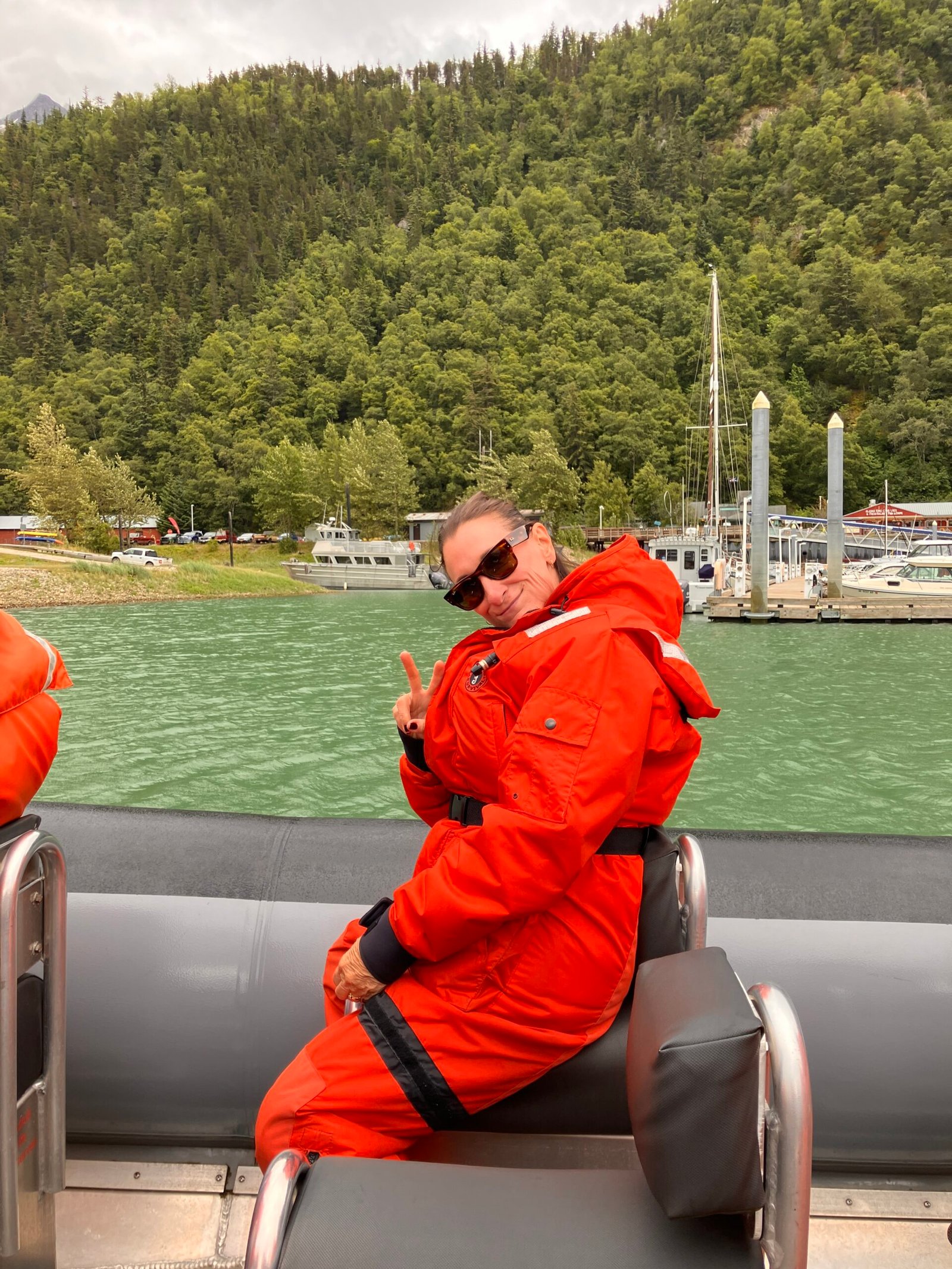
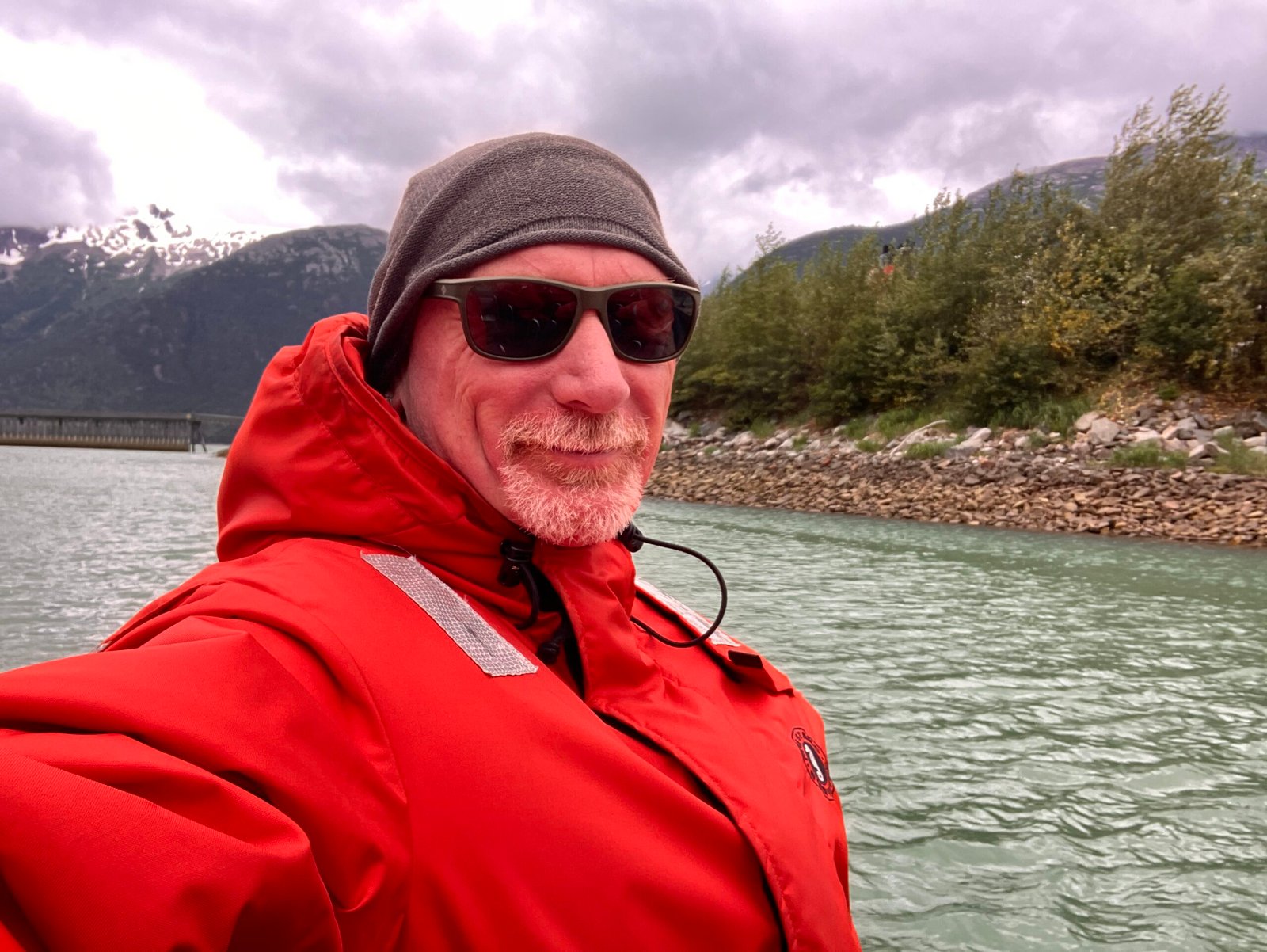
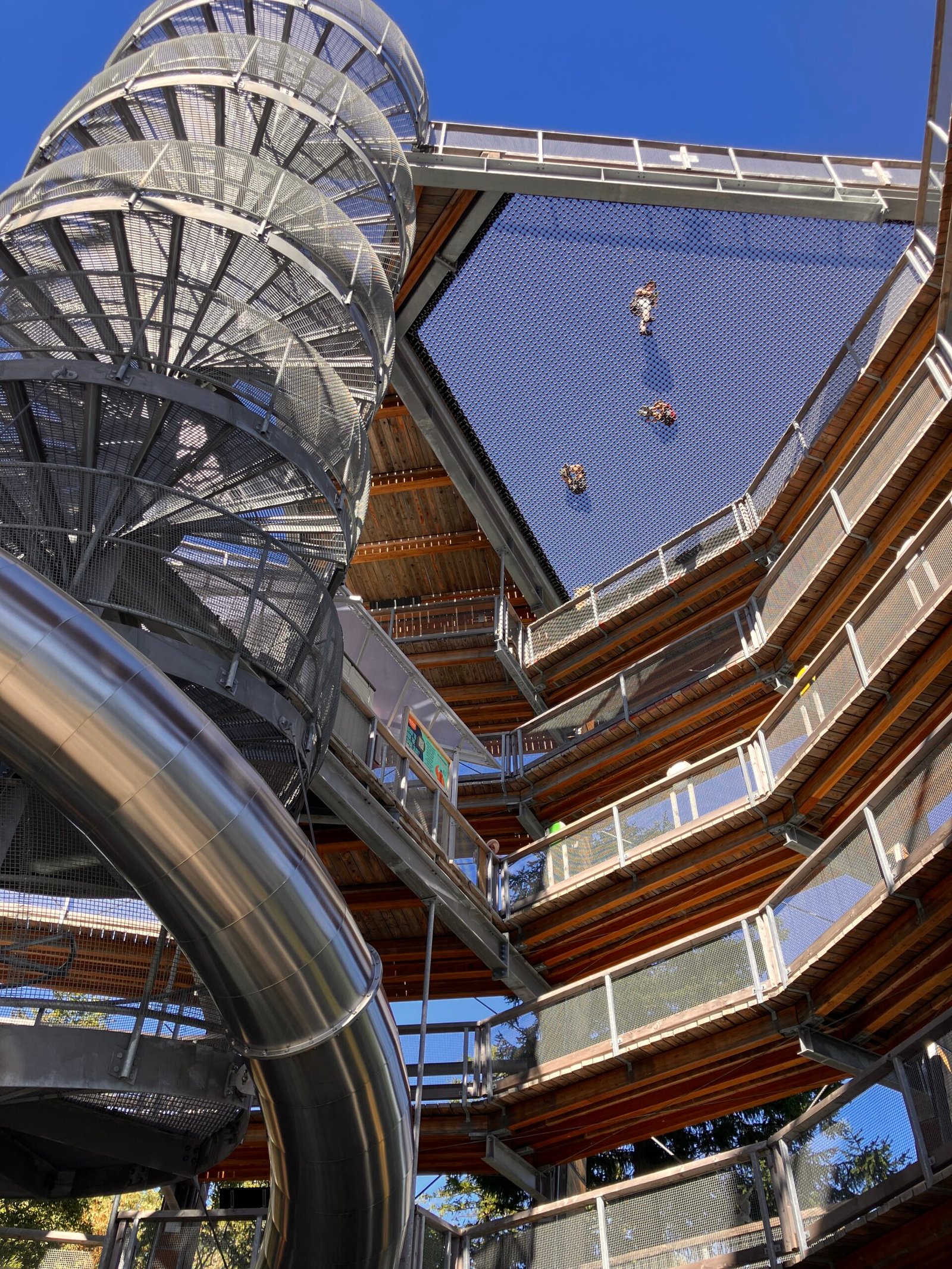
Icy Strait Point was visually spectacular — impossible to deny — but it also revealed the trade-off of accessibility. Everything functioned seamlessly. Too seamlessly. It felt curated, smoothed, designed for volume. Zip lines, packaged thrills, efficient movement. We opted out. Boat rides instead of adrenaline. Walking instead of spectacle. The scenery didn’t need amplification. Alaska never does.
That became an unspoken rule of the trip.
When offered speed, choose immersion.
When offered thrill, consider stillness.
When a place suggests slowing down, listen.
Across every port, the most meaningful moments weren’t scheduled. They happened between excursions. On decks. On trails. In long, quiet looks back toward shore. The cruise provided structure — but the experience lived just outside the official options.
And that’s the truth Alaska makes impossible to ignore.
A cruise is an excellent beginning here. It gives you scale, access, orientation. But Alaska deserves more than a passing relationship. It asks for space. Time. Evenings ashore. Weather accepted rather than avoided. Consider an RV or AirBnB road trip. Two days per stop. Room for detours and days that don’t resolve neatly.
The ship carried us beautifully. The ports opened doors. But Alaska itself made the case for returning differently.
Slower. Land-based. Unscripted.
The cruise wasn’t a conclusion.
It was an introduction.
And in Alaska, that distinction matters.
What Surprised Me
What surprised me most about Alaska wasn’t the size — I expected that. It was how quickly scale stopped being the point.
After the first day, the glaciers, mountains, and endless forests stopped feeling like spectacles and started feeling like constants. Alaska doesn’t escalate. It steadies. The land doesn’t try to outdo itself from port to port. Instead, it normalizes enormity. That shift — from awe to quiet acceptance — was unexpected and oddly grounding.
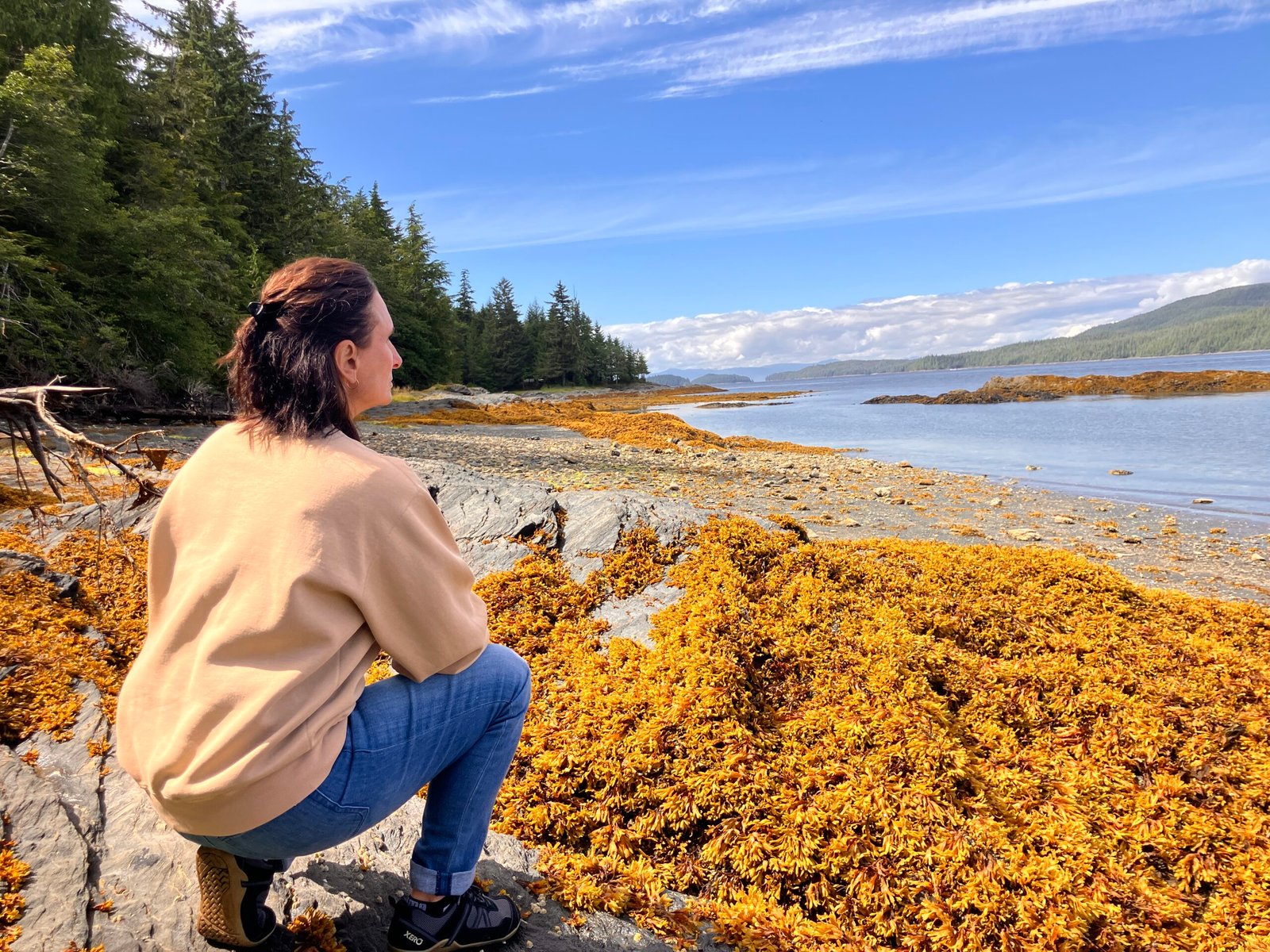
I was also surprised by how little I wanted to be entertained. On most trips, I look for activity to fill the edges of the day. In Alaska, the edges didn’t need filling. Standing still felt productive. Watching weather move across water felt like enough. Silence became something you noticed when it disappeared, not when it arrived.
Another surprise was how quickly scheduled experiences lost their appeal. Tours, timelines, and packaged thrills felt increasingly unnecessary. The most meaningful moments came from opting out — choosing trails over transport, decks over dining rooms, long looks over explanations. Alaska didn’t reward effort; it rewarded restraint.
I hadn’t expected how strongly evenings would matter — or how much I’d miss them. Leaving ports before towns settled back into themselves felt like leaving a conversation halfway through. Alaska felt incomplete without dusk ashore, without the quiet after visitors fade and places return to themselves.
And finally, I was surprised by how clearly Alaska pointed forward. Instead of feeling satisfied at the end, I felt oriented — like I’d been given context rather than closure. The trip didn’t answer questions. It clarified what kind of return would matter.
Alaska didn’t surprise me by being more dramatic than expected.
It surprised me by being calmer.
And by showing me that the more space a place has, the less it asks of you — and the more it gives back when you simply pay attention.
Do’s & Don’ts
A few things I’d do again — and a few I wouldn’t.
- Do choose presence over pace. Alaska opens when you slow down. Long looks matter more than long lists. If you have a choice between covering ground and standing still, stand still.
- Do get outside the moment you dock. Daylight here is generous, but time ashore isn’t. Use it on trails, waterfront walks, and places where weather can shape the experience instead of insulating you from it.
- Do favor hikes, boat rides, and open air over packaged thrills. Alaska doesn’t need amplification. Trails, water, and silence deliver more than zip lines and spectacle.
- Do dress for variability, not optimism. Weather changes quickly and unapologetically. Layers matter. Waterproof matters more than stylish.
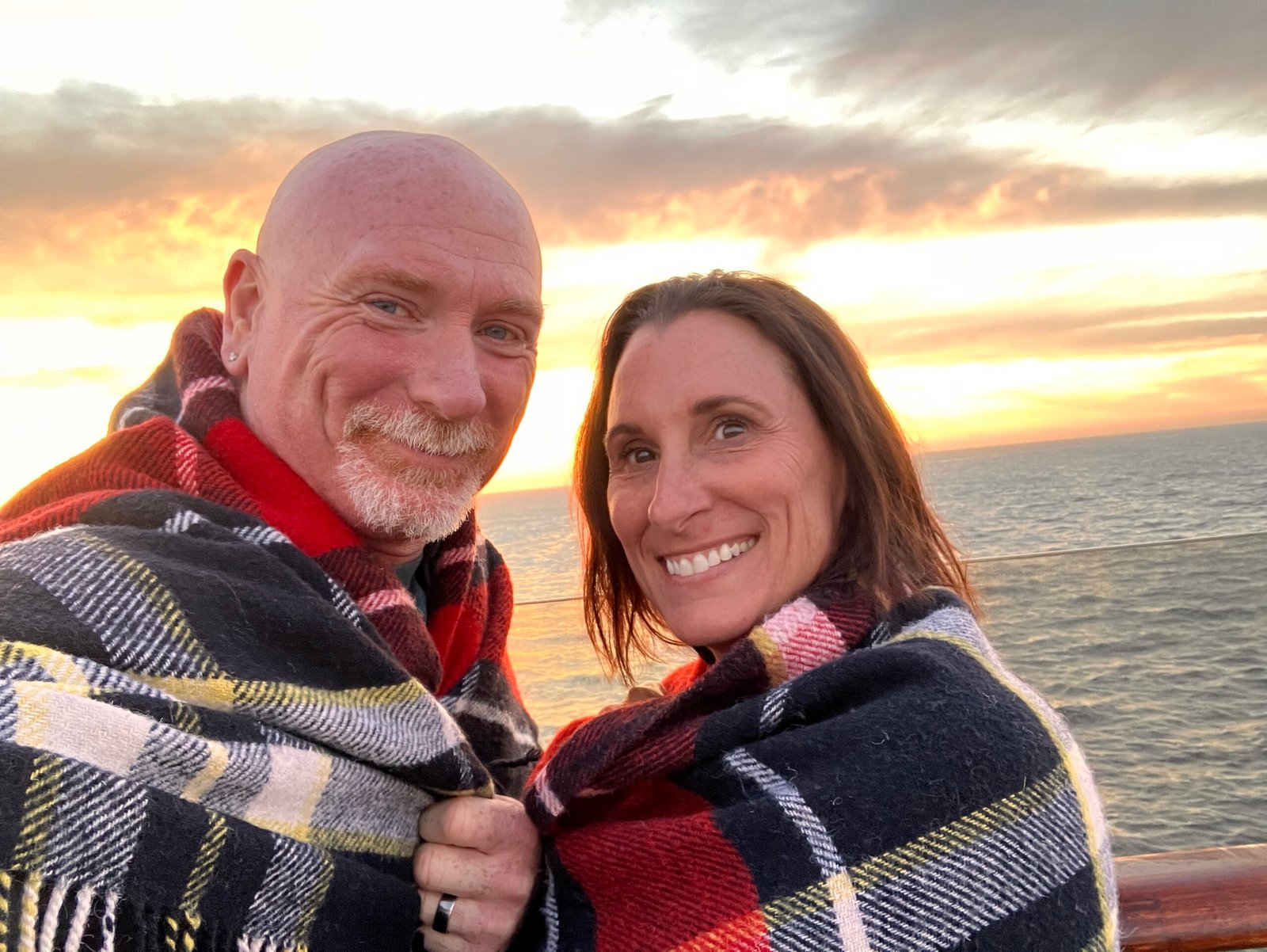
- Do spend time on deck. Some of the most meaningful moments happen between ports — glaciers passing quietly, mountains appearing without warning, light shifting across water. Don’t miss Alaska by staying inside.
- Do treat a cruise as orientation, not completion. It’s an excellent introduction. Let it show you what’s possible — then plan to come back with more time and fewer constraints.
- Don’t overschedule excursions. Tours compress experience. Alaska resists compression. One well-chosen outing beats three rushed ones.
- Don’t assume bigger or faster equals better. The most dramatic moments often arrive quietly and without warning. Alaska rarely rewards urgency.
- Don’t treat ports as interchangeable. Each place has its own character and rhythm. Give them space to feel distinct, even in a short window.
- Don’t chase adrenaline unless it’s genuinely yours. If something feels engineered to impress rather than immerse, it probably is. Alaska doesn’t need performance.
- List Item #2
- List Item #2
Regrets & Lessons
The regret isn’t choosing a cruise.
It’s realizing how quickly Alaska teaches you that time is the real currency here.
Every port made that clearer. A few hours ashore was enough to spark connection, but never enough to let it settle. Just as your body adjusted to the place — the weather, the light, the quiet — it was time to leave. That pattern repeated itself, and instead of frustration, it created clarity.
Alaska doesn’t reward sampling. It rewards commitment.
One of the biggest lessons was learning how little effort Alaska asks for — and how much it gives back when you stop trying to extract something from it. The moments that stayed weren’t planned. They weren’t narrated. They happened when we chose hikes over tours, decks over interiors, water over spectacle. Alaska didn’t need explaining. It needed space.
There was also a lesson in contrast. The formality and comfort of Cunard created a kind of buffer — beautiful, intentional, but still a buffer. It made the wild feel more distant. Safe. Observed. And while that had its place, it also highlighted what was missing: friction. Dirt. Evenings ashore. Weather accepted rather than avoided.
Another quiet realization came with age.
Adventure doesn’t mean doing more anymore. It means allowing more — uncertainty, silence, time without outcome. Alaska reframed that instinctively. It didn’t feel like something to conquer or consume. It felt like something to meet honestly, without urgency.
The final lesson was simple but persistent:
Alaska doesn’t belong to schedules.
It belongs to mornings without plans, roads that don’t resolve neatly, and days that end because the light changes — not because you have to be somewhere else.
Final Thoughts
Alaska doesn’t leave you with a sense of completion. It leaves you with recalibration.
After days of moving through water and light, of watching land appear and recede without urgency, the world you came from starts to feel louder than it needs to be. Distance stretches time. Silence sharpens attention. You stop looking for moments to mark and start noticing how long you can stand still without feeling the need to move.
There’s something disarming about a place that doesn’t care whether you’re there or not. Alaska exists at its own scale, with or without witnesses. Mountains rise without ceremony. Glaciers move without concern for being seen. Towns continue their rhythms regardless of who steps ashore for a few hours and who stays.
From the water, Alaska feels vast and restrained. From the land, it asks more of you — not effort, but patience. Time becomes the currency. Not how much you did, but how long you were willing to remain.
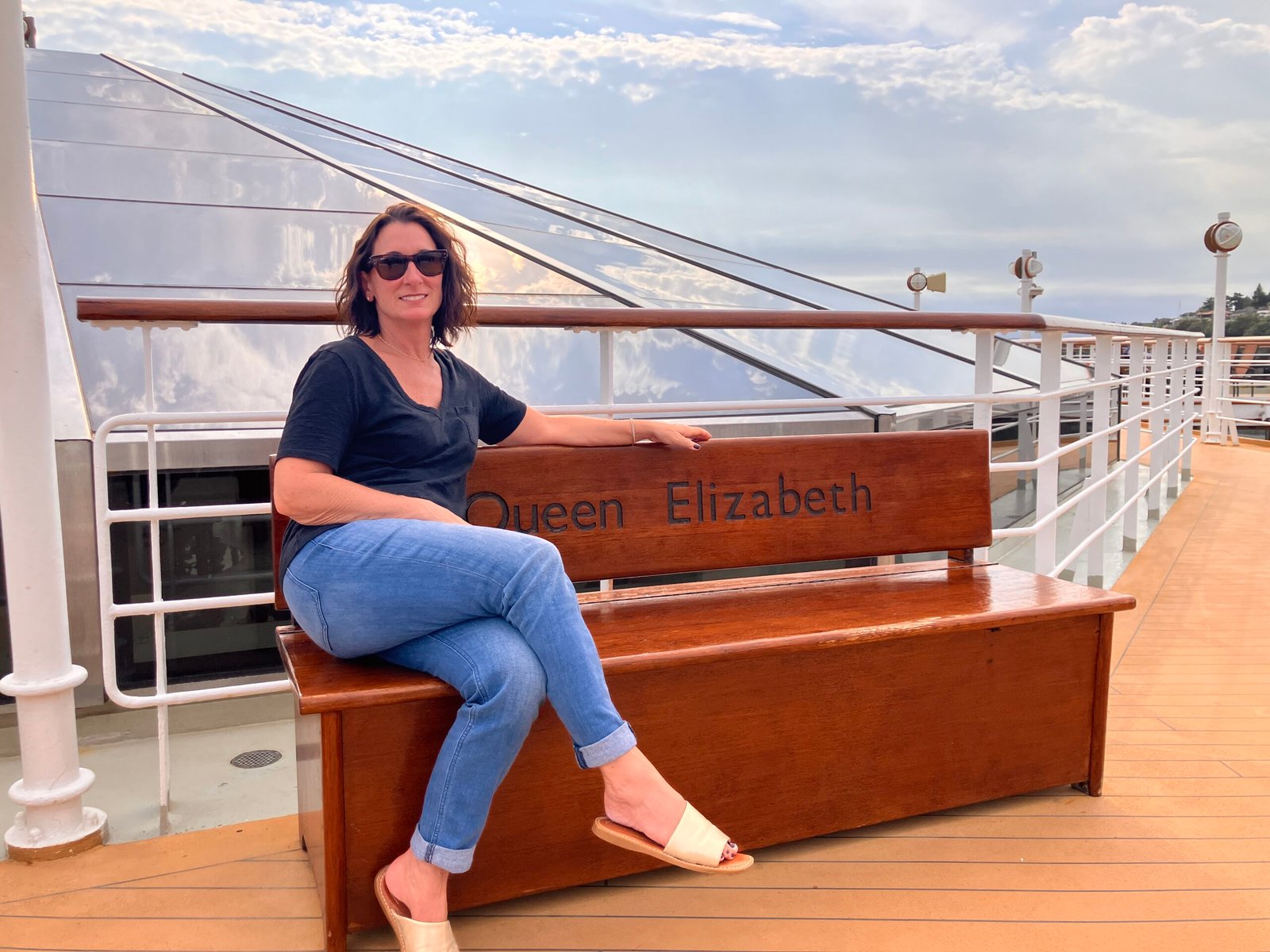
This journey wasn’t about adventure in the way it once might have been. It was about perspective — how age changes what you seek, how achievement becomes quieter, how fulfillment arrives without needing to announce itself. Standing on the deck of the Queen Elizabeth, that realization felt complete in a way I hadn’t expected.
The ship carried comfort and history. Alaska carried something older.
When it was time to leave, there was no rush to summarize or rank what had been seen. No urge to prove the trip meant something. It already had. The absence of closure was the point. Alaska doesn’t end. It waits.
And somewhere between the mist, the water, and the long light, it made something clear: this wasn’t a farewell. It was a beginning framed in patience.
Alaska doesn’t ask you to remember it.
It settles in quietly — and changes how you measure everything that comes after.