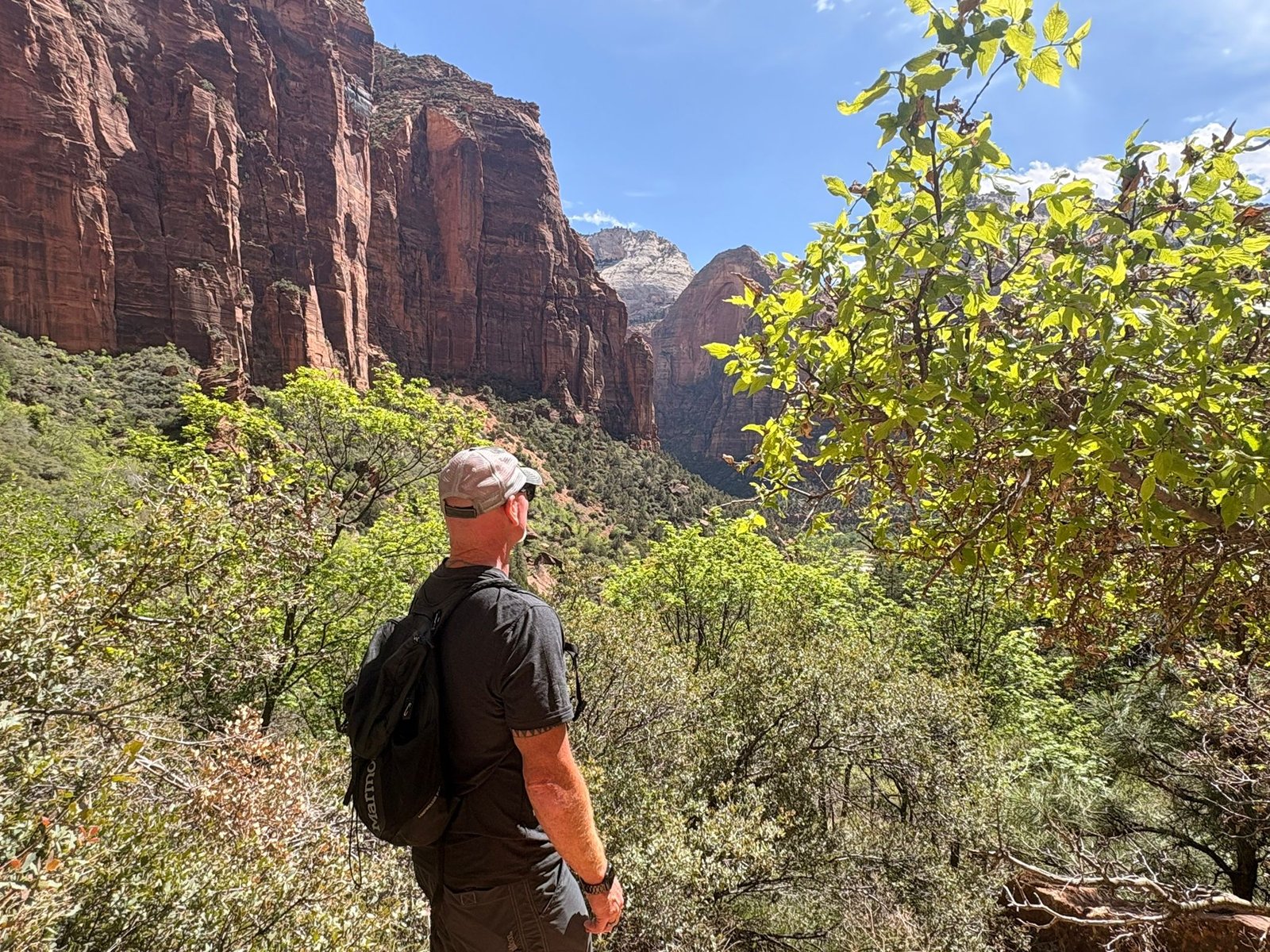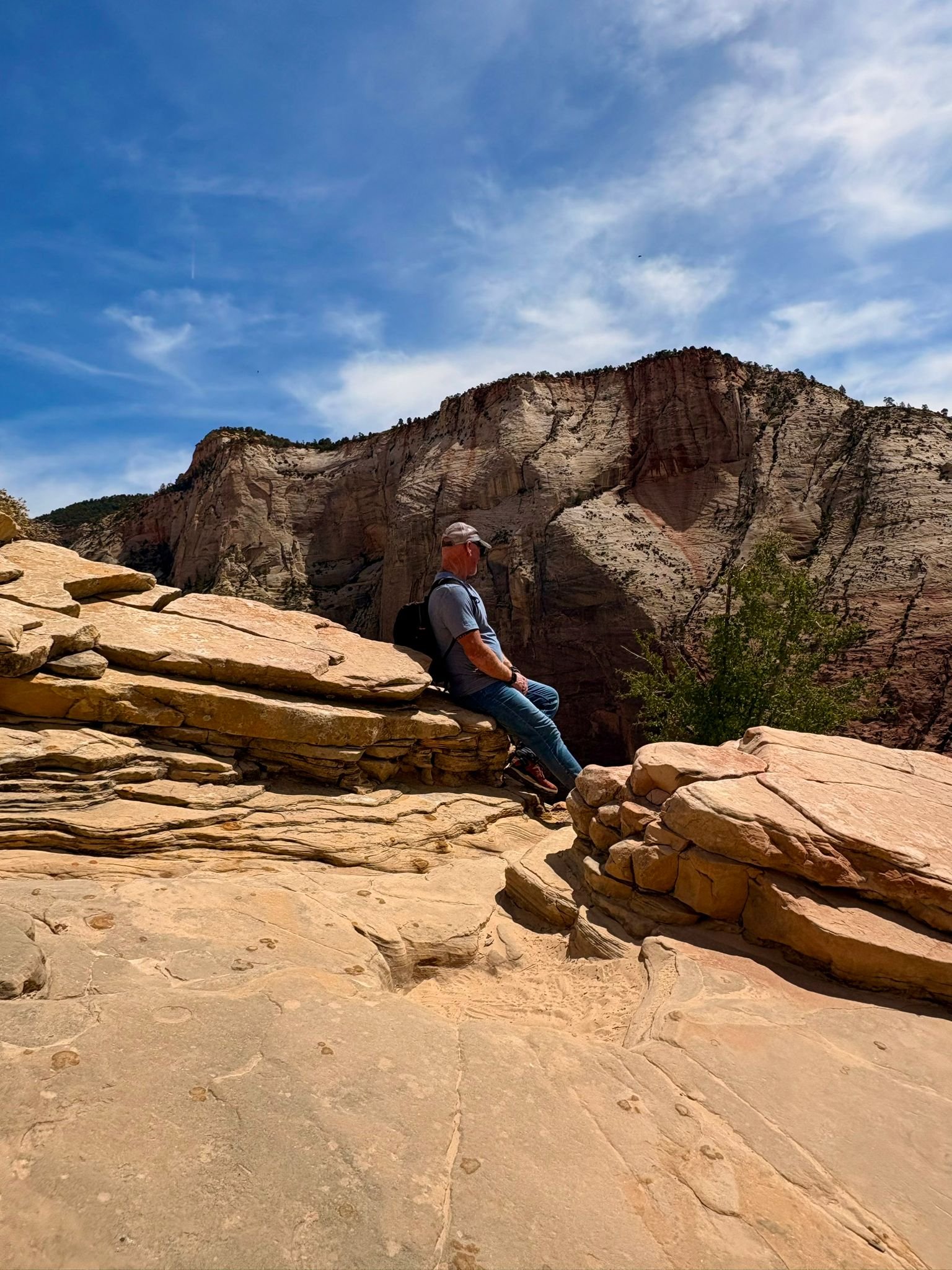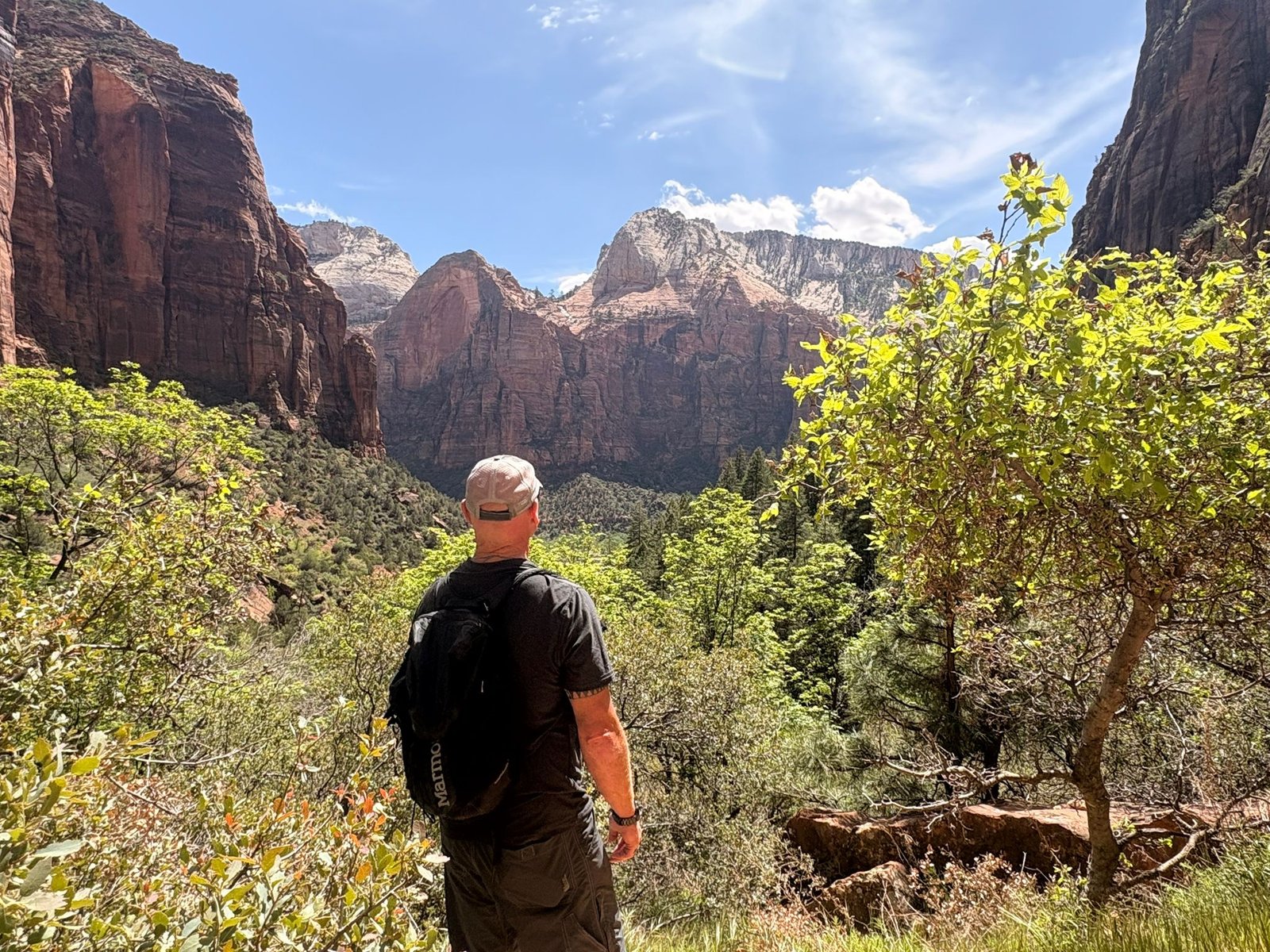
Utah
Scale, Movement, and What You Don’t Expect
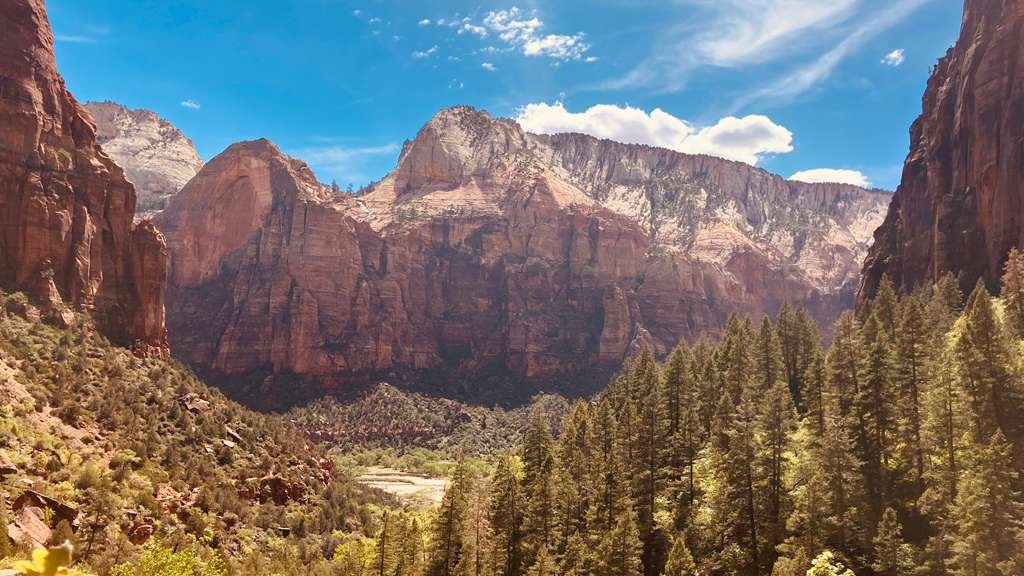
The parks draw you in. The experience is everything in between.
First Impressions
Utah didn’t feel random.
It felt structured from the start — not rigid, but intentional. The route, the timing, even the constraints of the RV shaped how the trip unfolded before we ever arrived.
You notice it quickly.
Distances that look manageable on paper start to stretch once you factor in setup, parking, and movement. The RV changes everything. You don’t just stop — you commit. Every decision carries weight, and that forces a different kind of awareness.
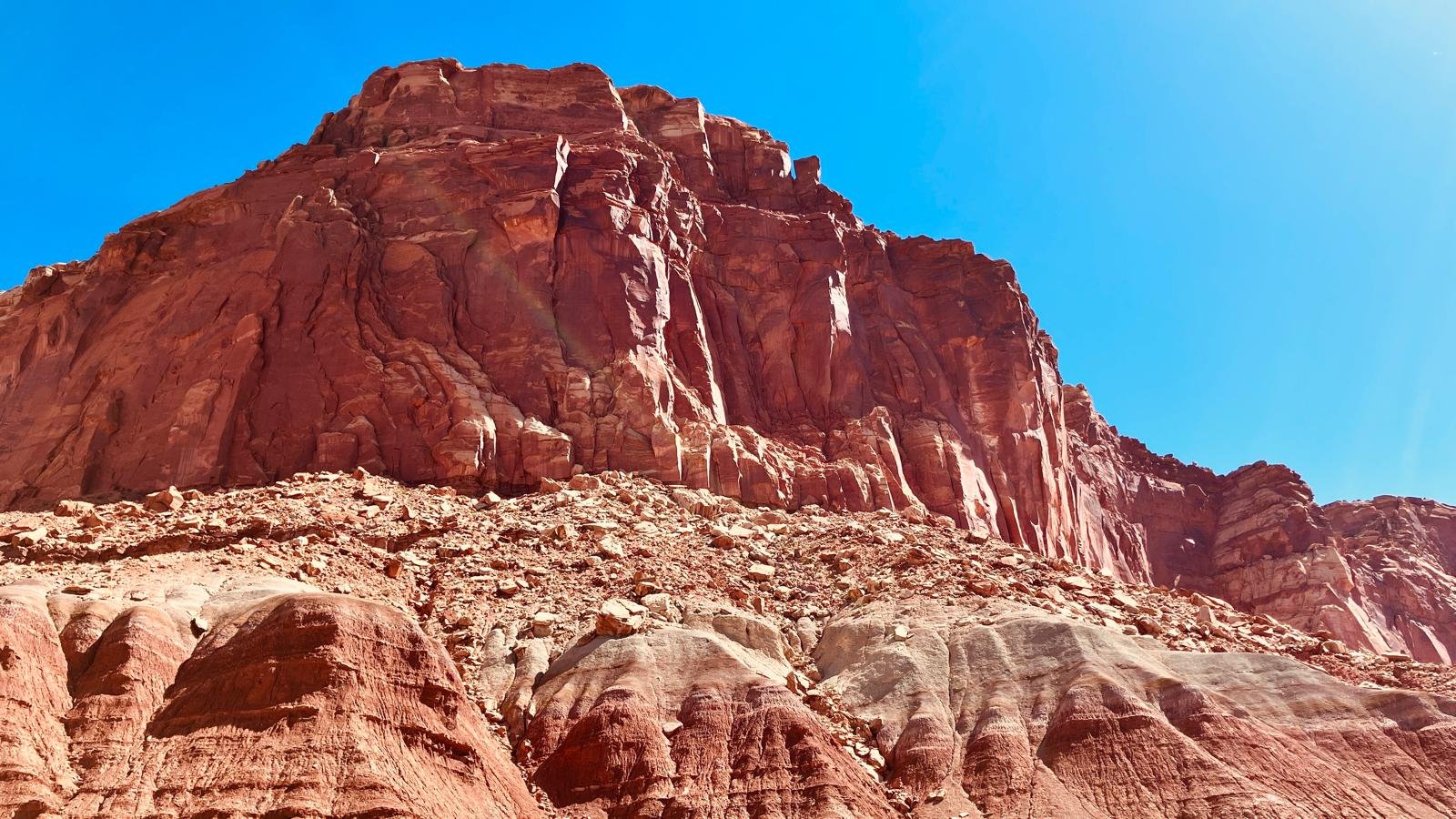
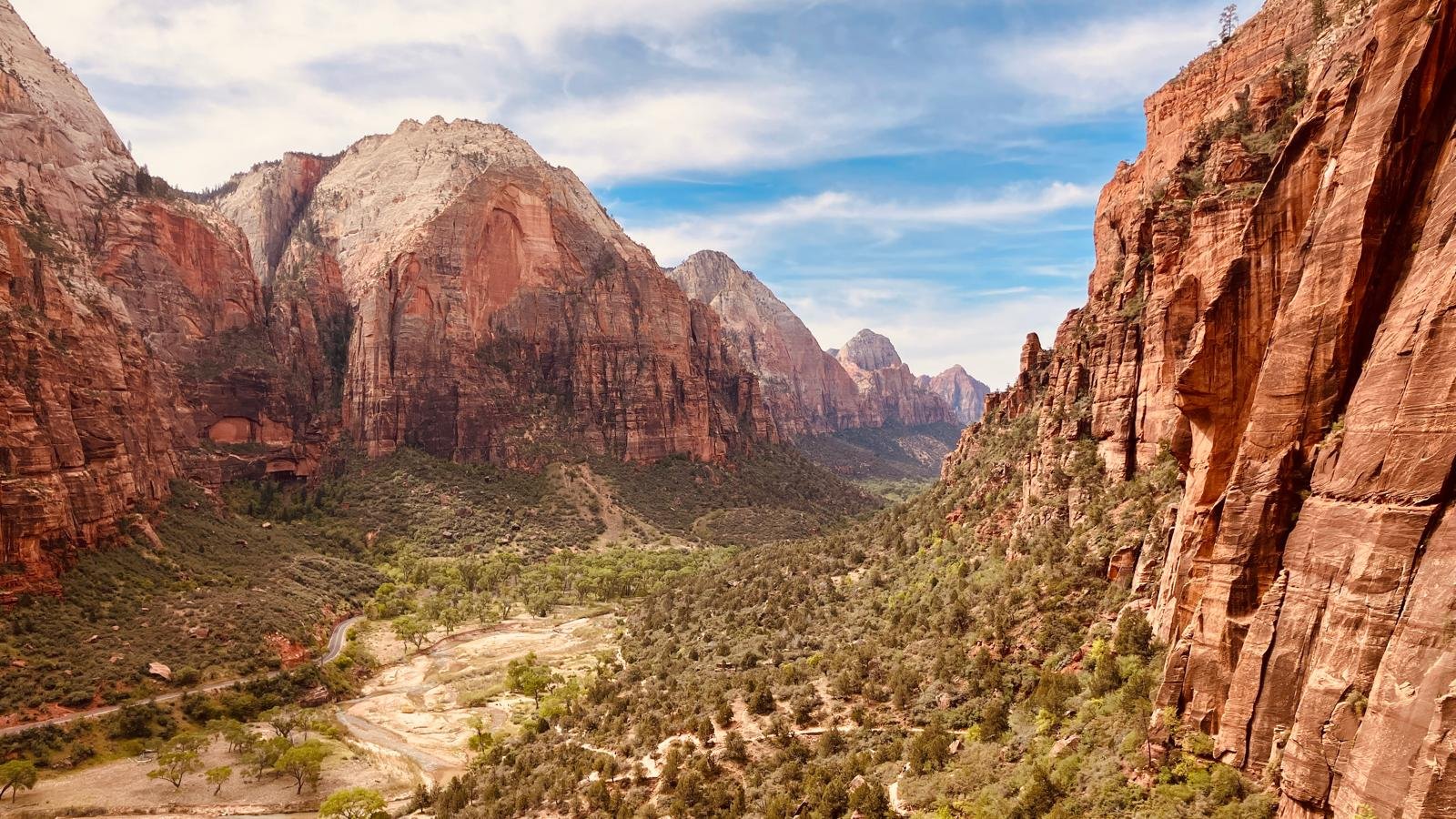
The landscape still hits — wide, open, constantly shifting — but what stands out early isn’t just the scale. It’s how much the experience depends on how you’ve built the trip.
Utah doesn’t reward spontaneity the way you think it will.
It rewards structure.
Snapshot
Route: Las Vegas → Zion → Bryce Canyon → Capitol Reef (via Highway 12)
Travel Style: RV-based, movement-driven, structured around access, timing, and constraint
Pace: Controlled. Built around early starts, protected legs, and leaving room where it matters
Why Utah: Because Utah isn’t just about where you go — it’s about how you move between places, and whether you’ve designed the trip to support that
This route wasn’t designed to “see everything.”
It was designed to:
- reduce friction where possible
- accept it where necessary
- and protect the parts of the trip that actually matter
The Experience
This trip wasn’t about maximizing stops.
It was about managing trade-offs.
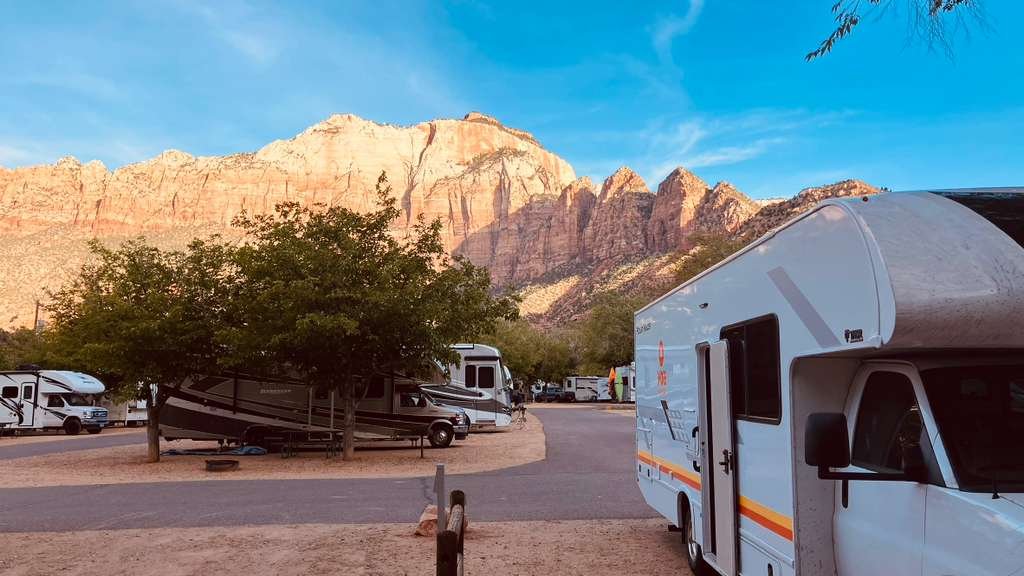
The RV introduced a layer that most Utah itineraries ignore. Movement slowed. Access changed. Parking dictated decisions. You couldn’t rely on spontaneity the same way you could in a car. Every leg had to be considered — not just for distance, but for what it would cost in time and energy.
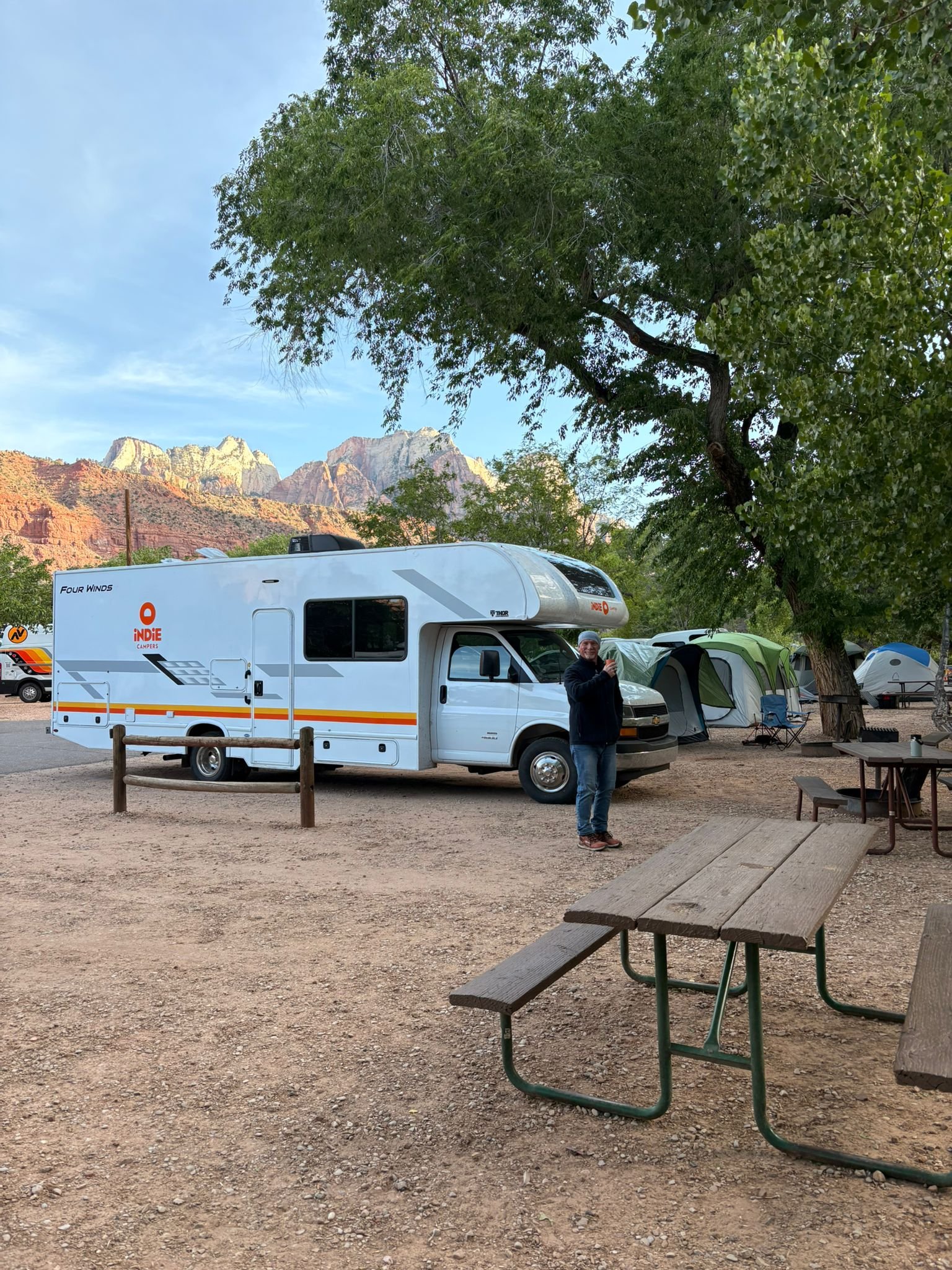
We used Indie Campers for the trip, and it worked the way you want something like this to work—reliable, simple, and without unnecessary friction. But even with the right setup, the RV changes how you think. You don’t just stop somewhere. You commit to it.
Zion made that clear immediately.
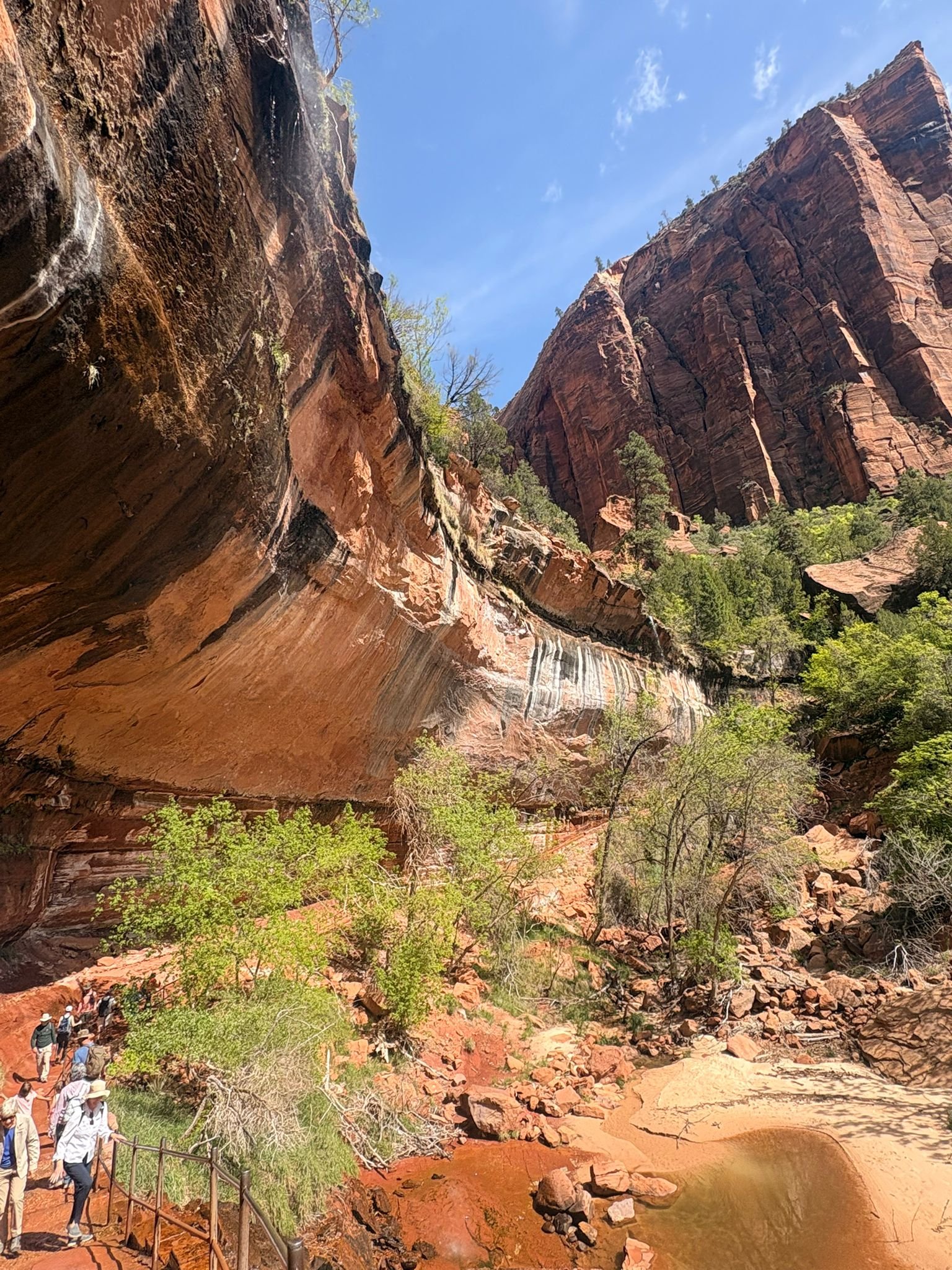
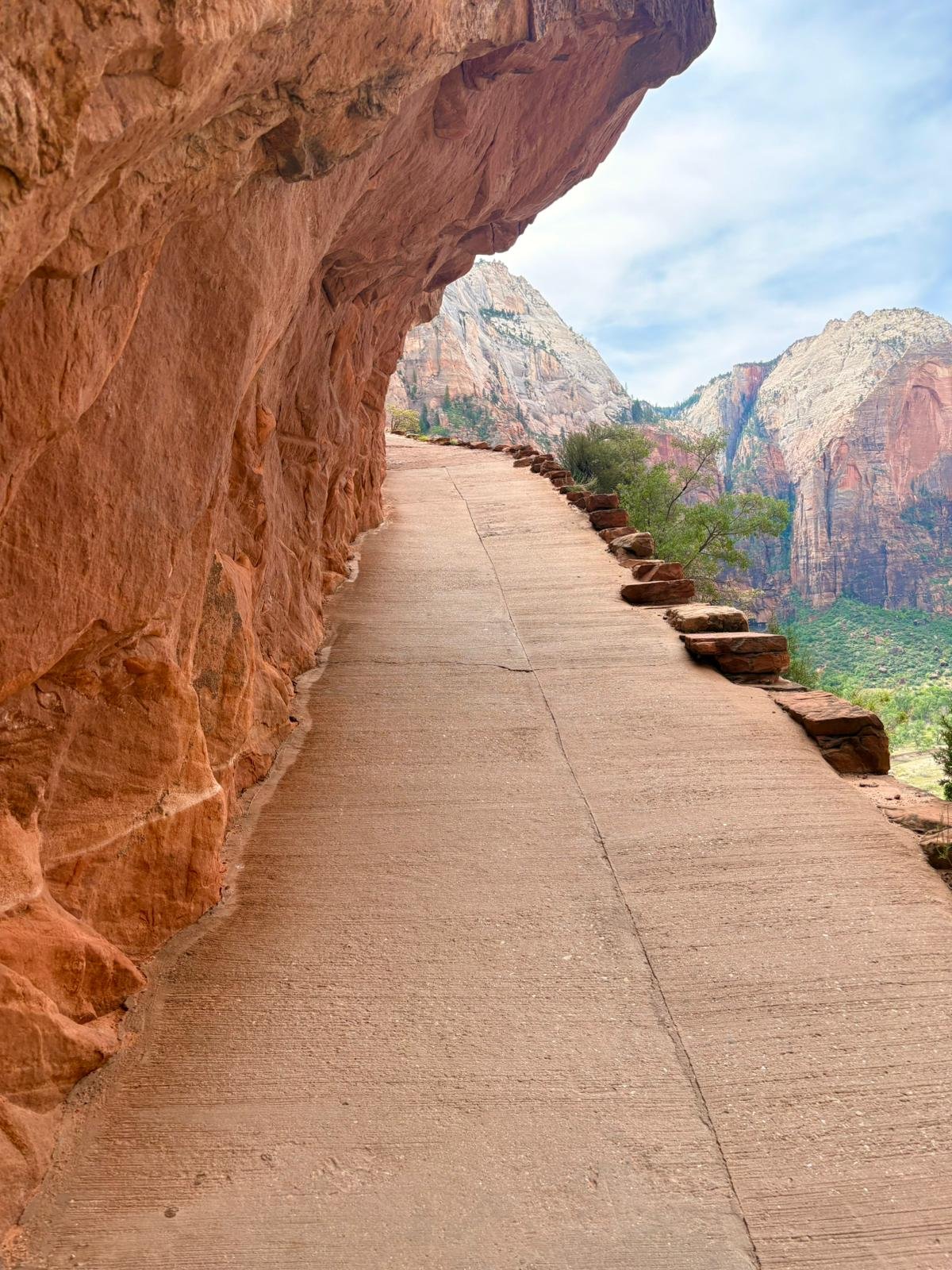
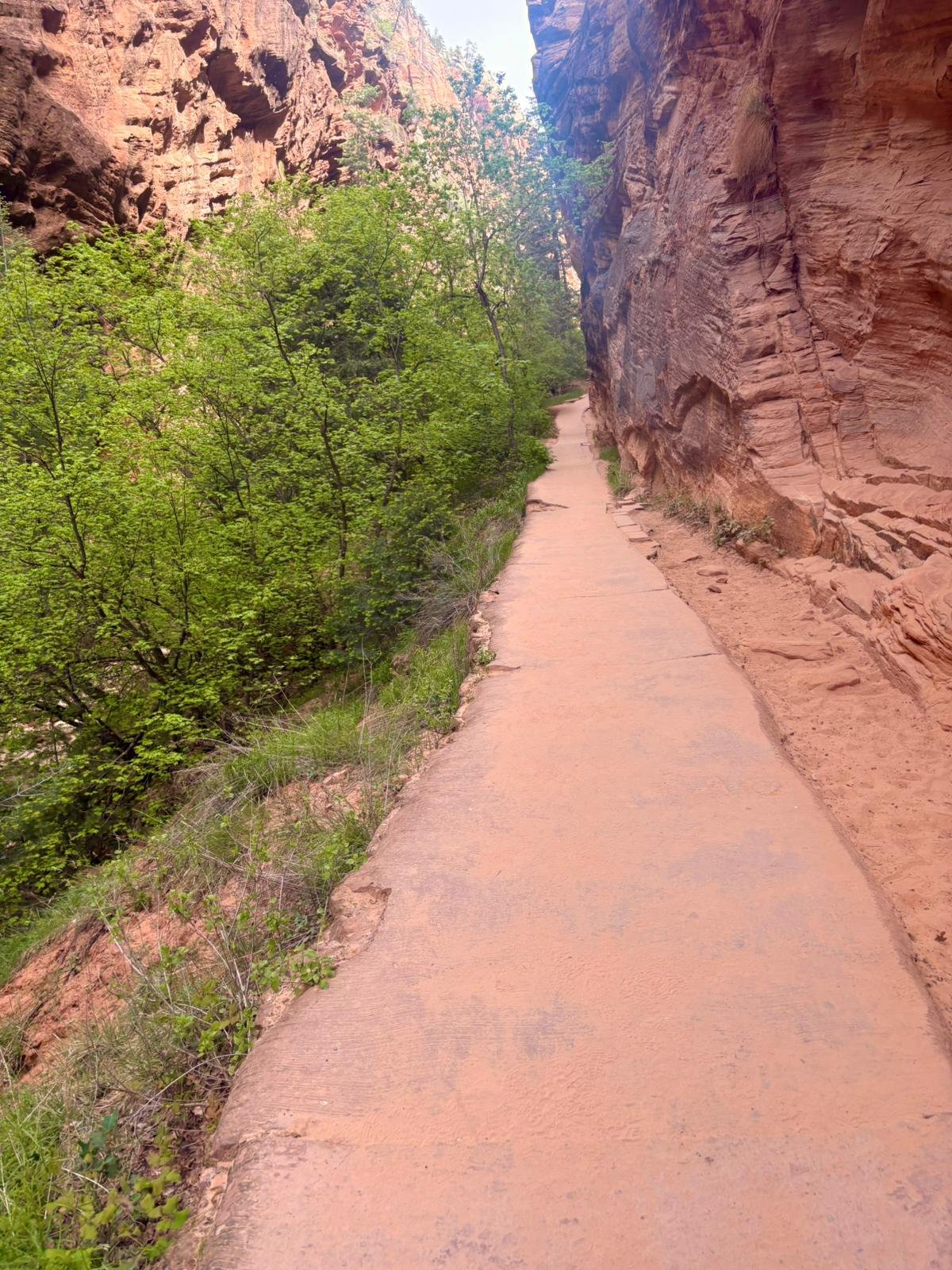
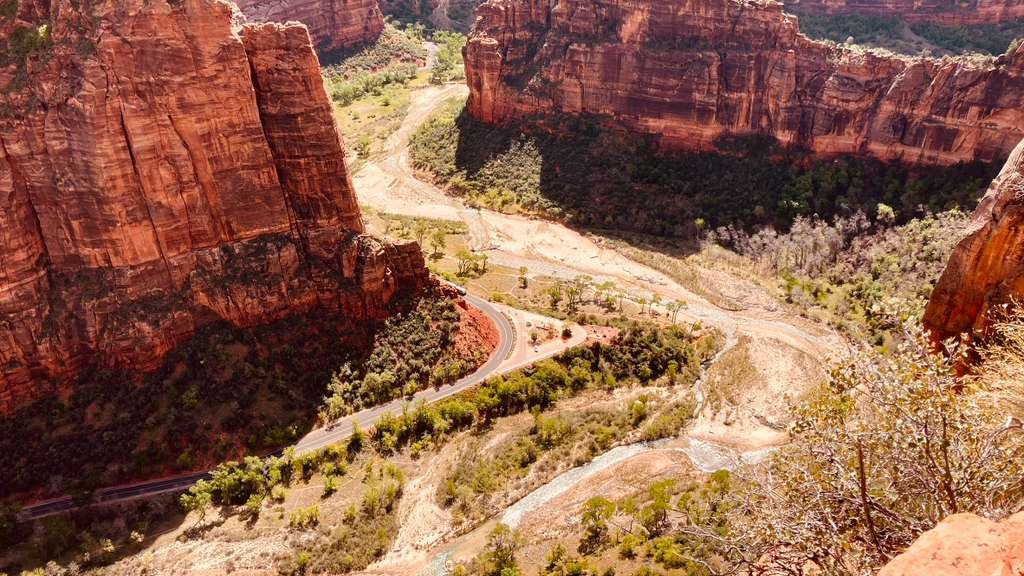
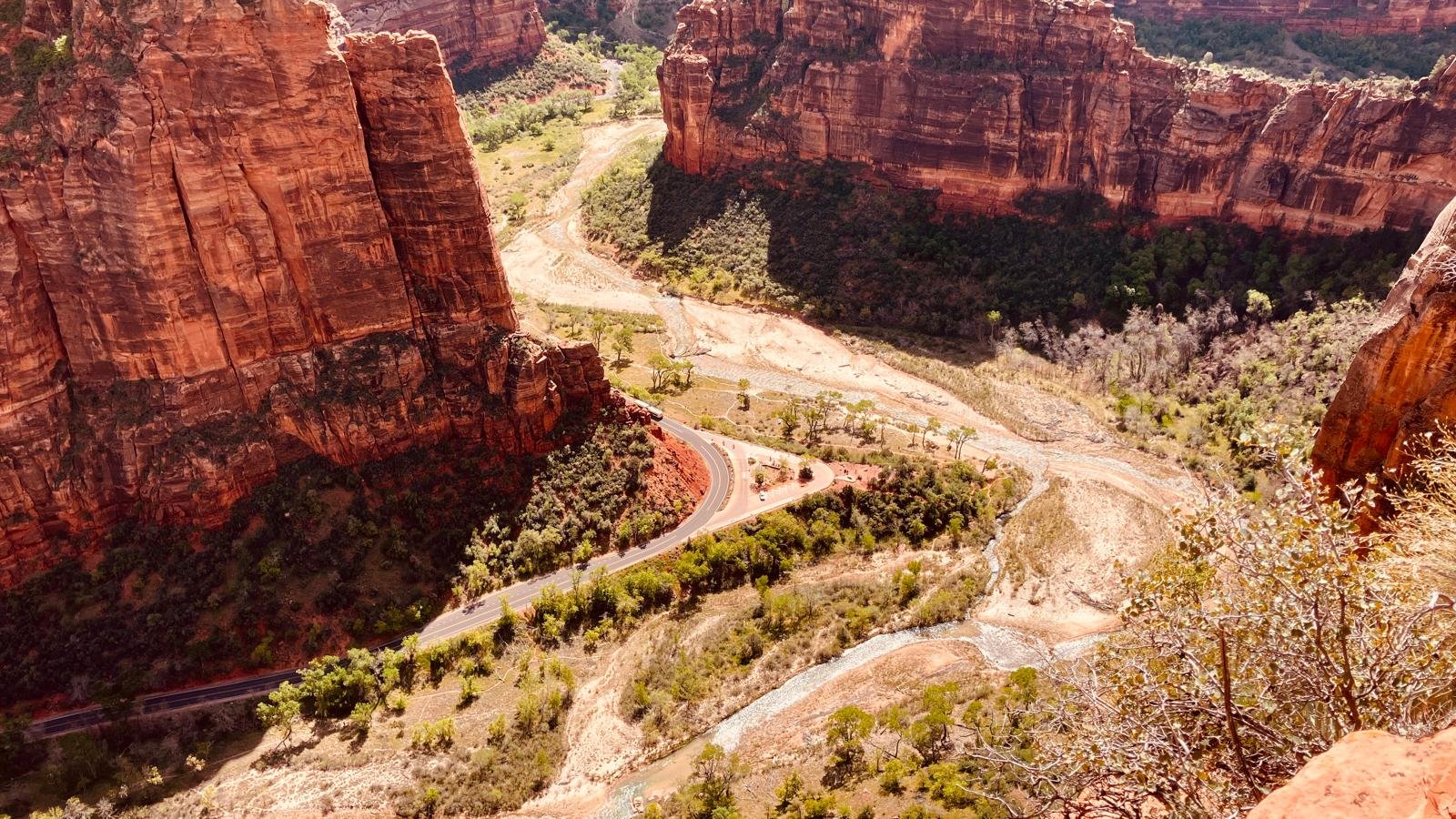
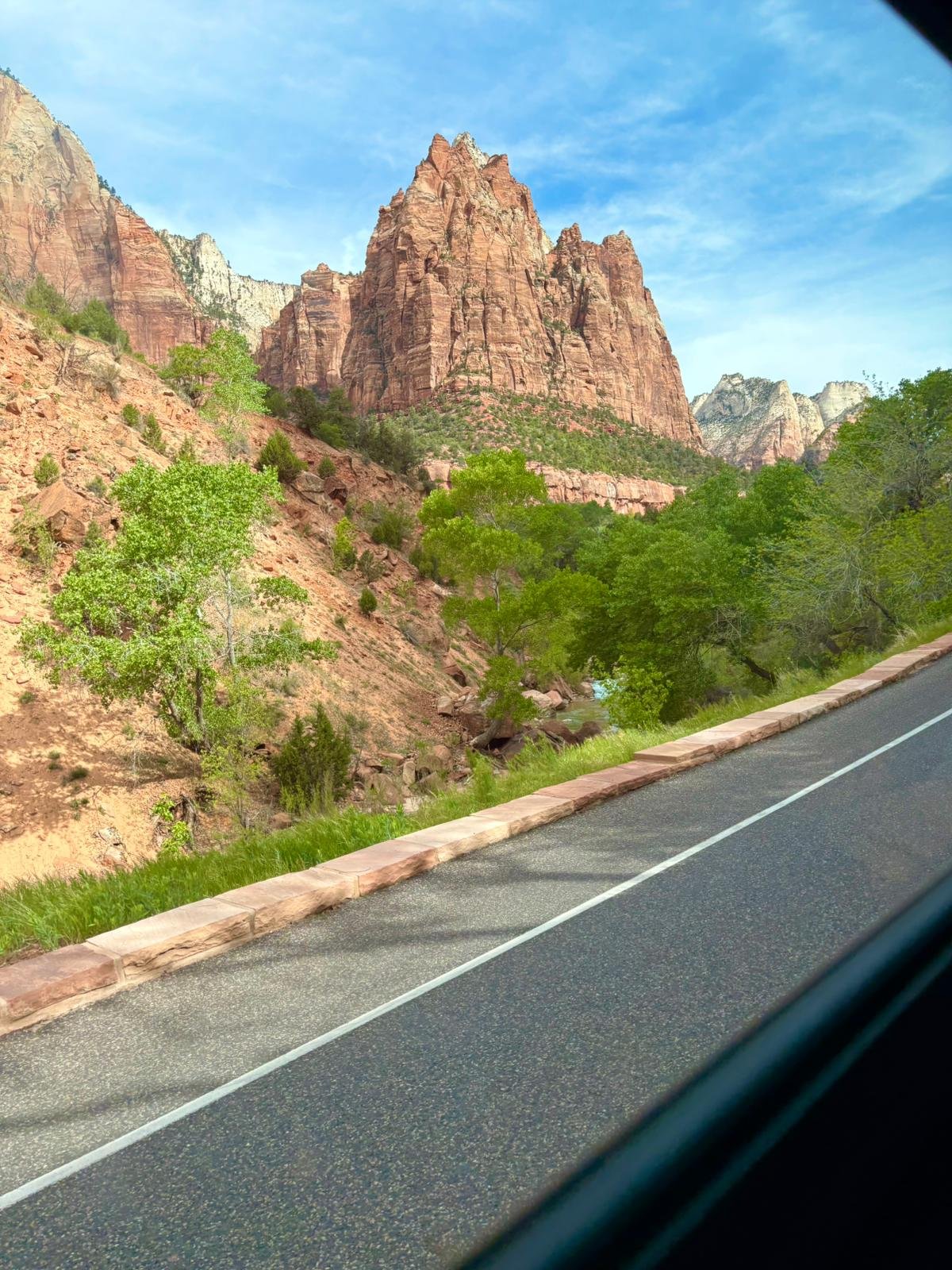
It’s the most logistically demanding stop on the route. Shuttle-only access removes flexibility, but it also removes friction if you use it correctly. Staying inside the system changes everything. You don’t fight for parking. You don’t chase access. You start your day from within it.
Even the drive into Zion forces a decision. The tunnel restriction for RVs is one of those moments where logistics become part of the experience. Paying the $15 escort fee isn’t a workaround—it’s the right call. The alternative is rerouting and breaking the flow. In a trip like this, protecting the route matters more than avoiding a small inconvenience.
Bryce shifted the focus.
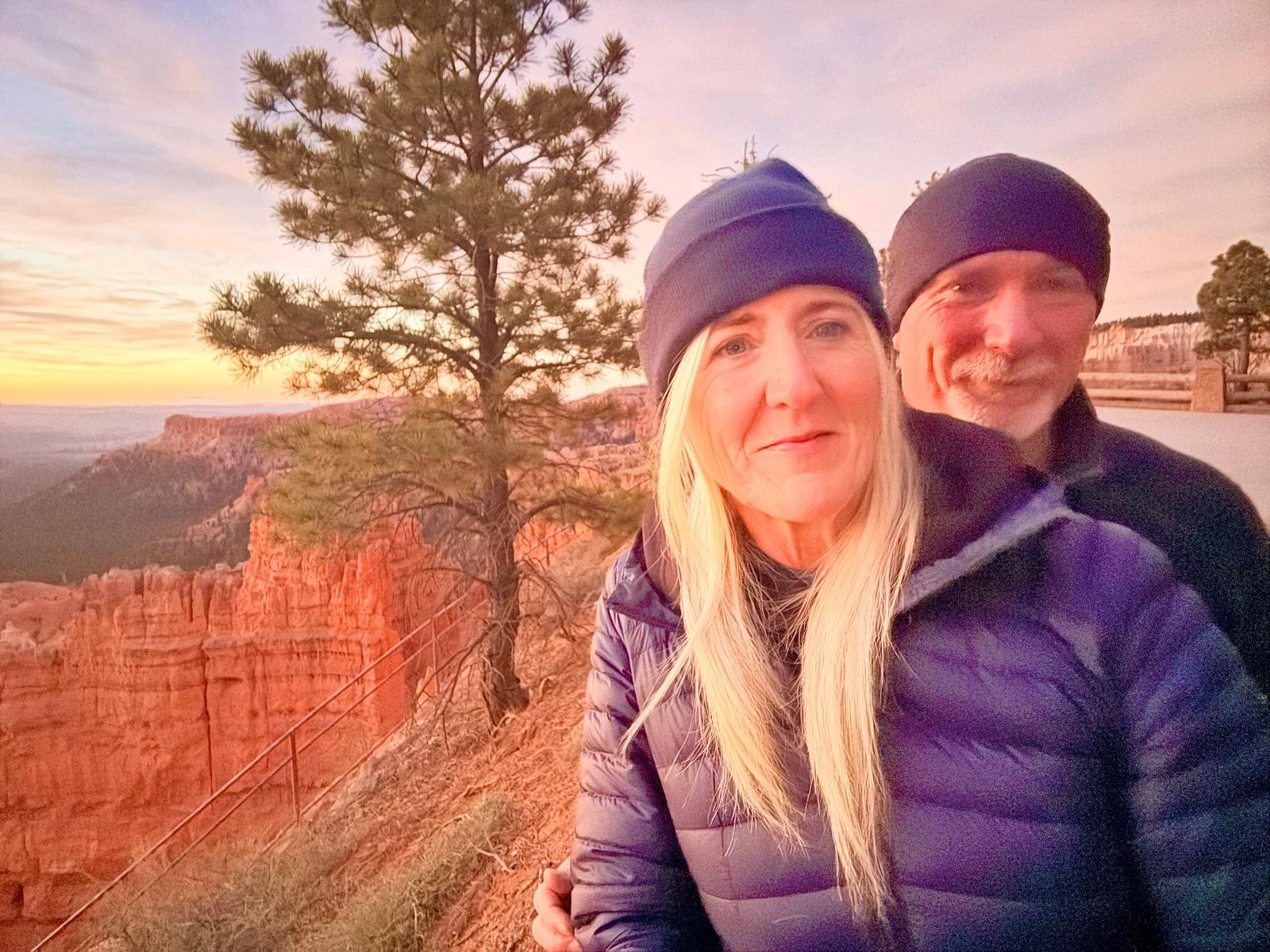
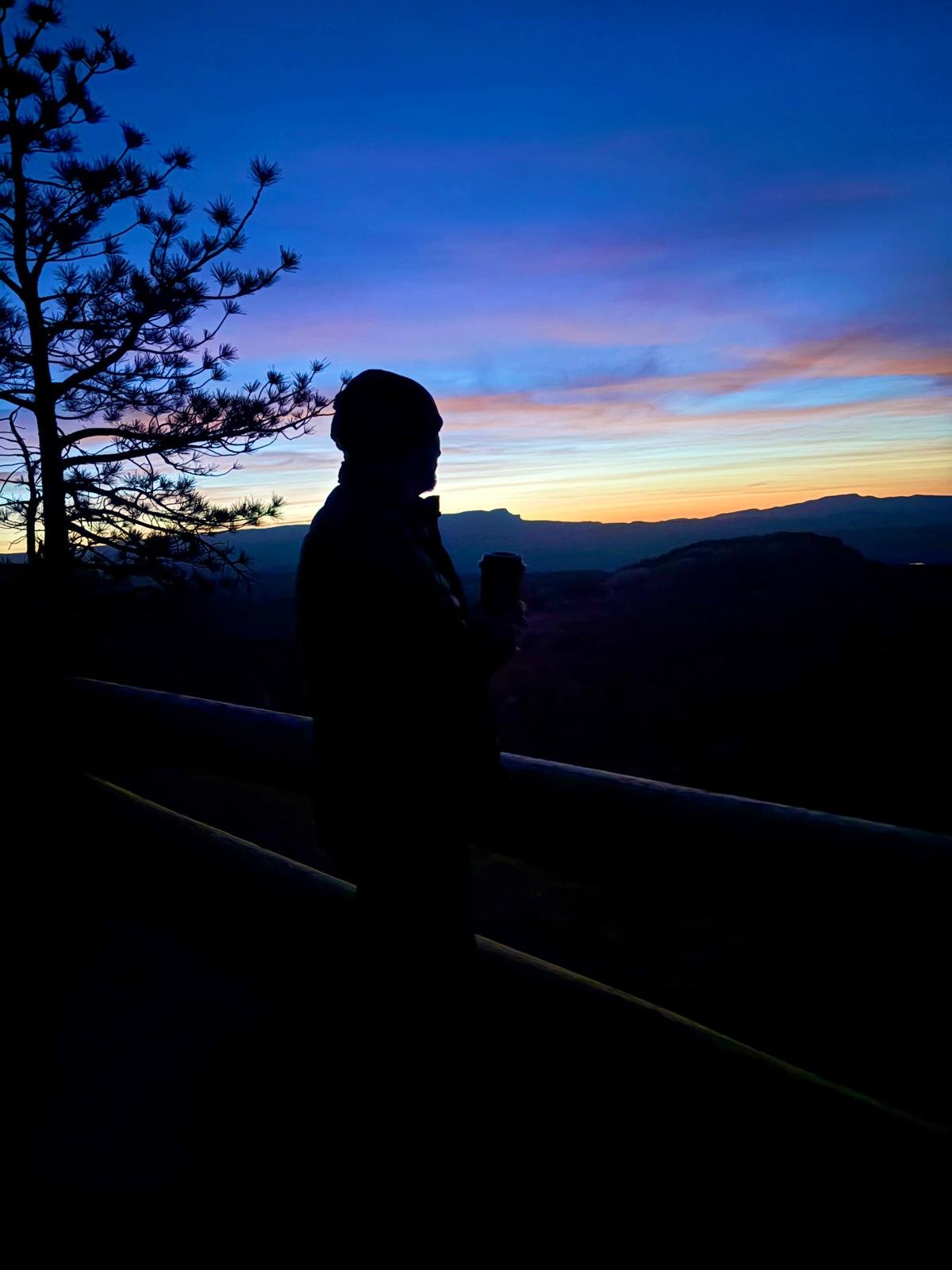
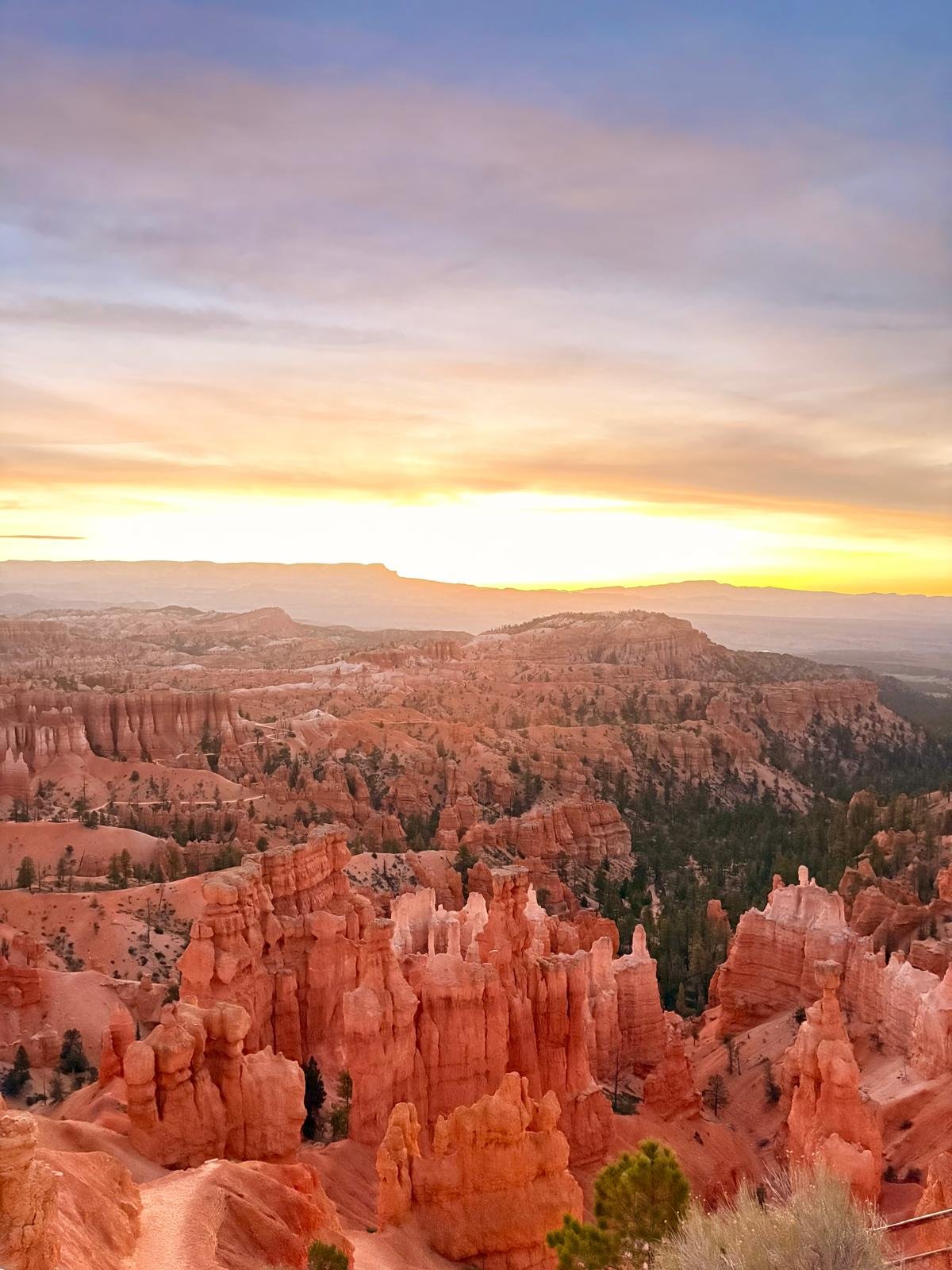
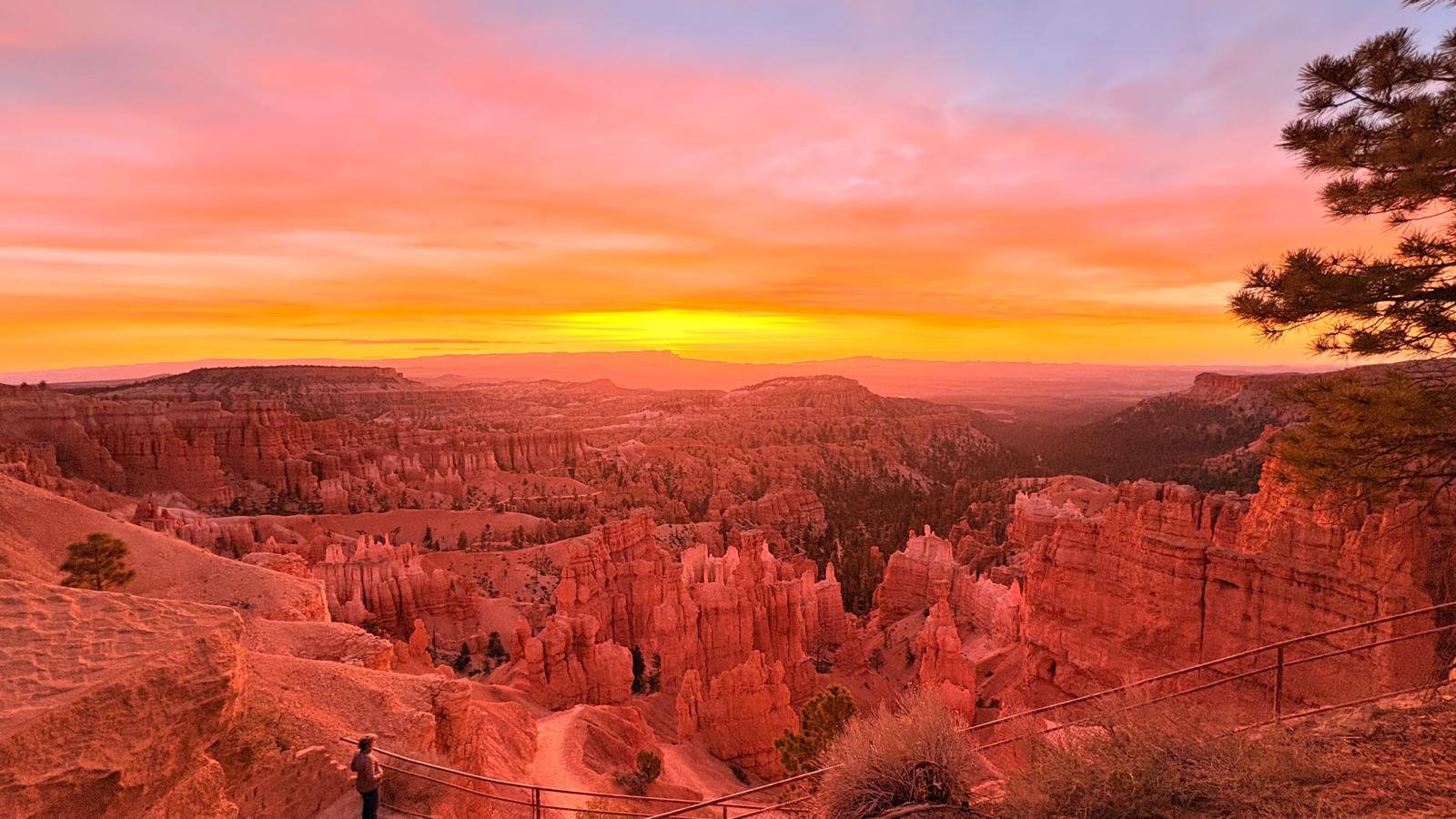
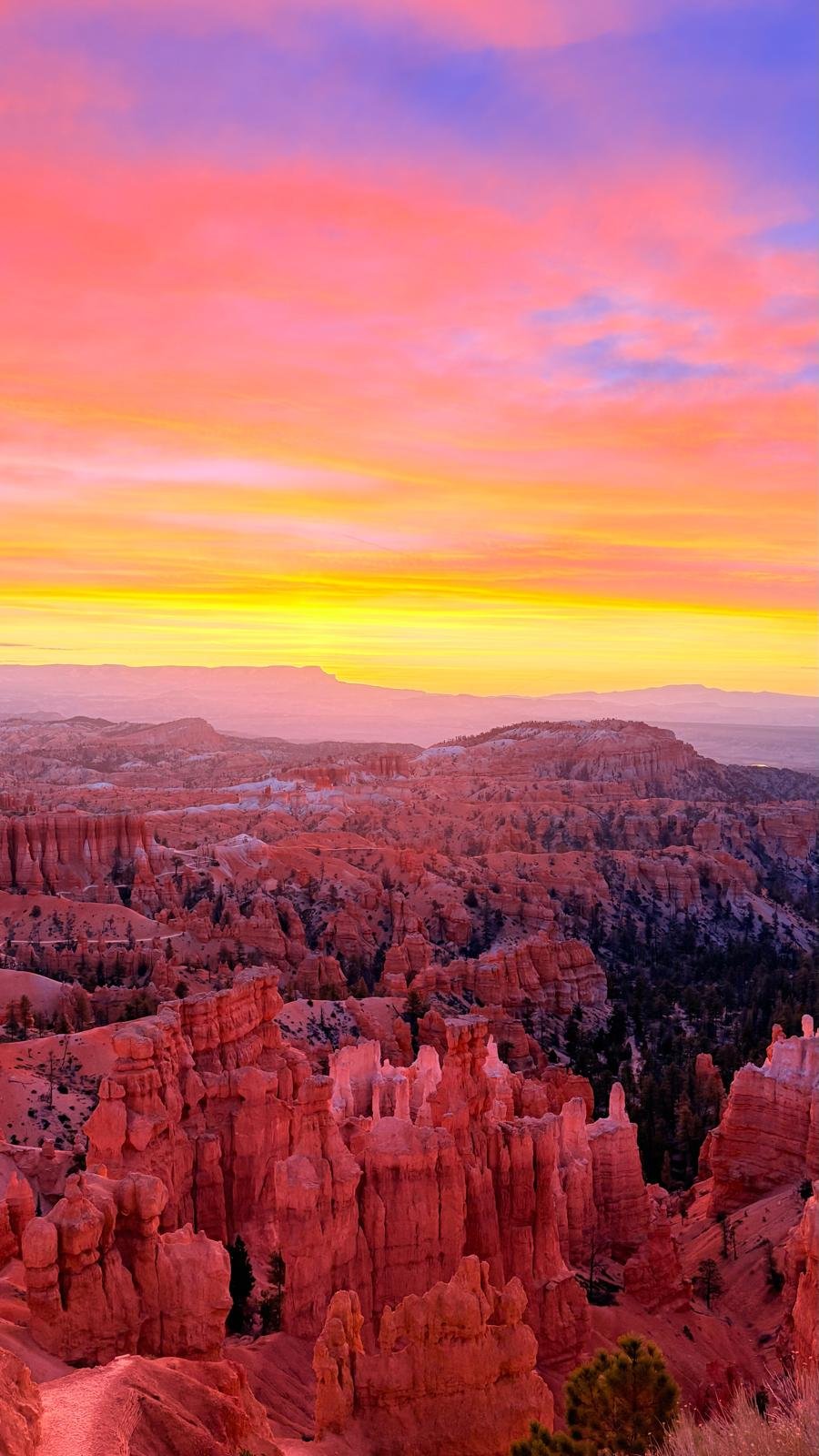
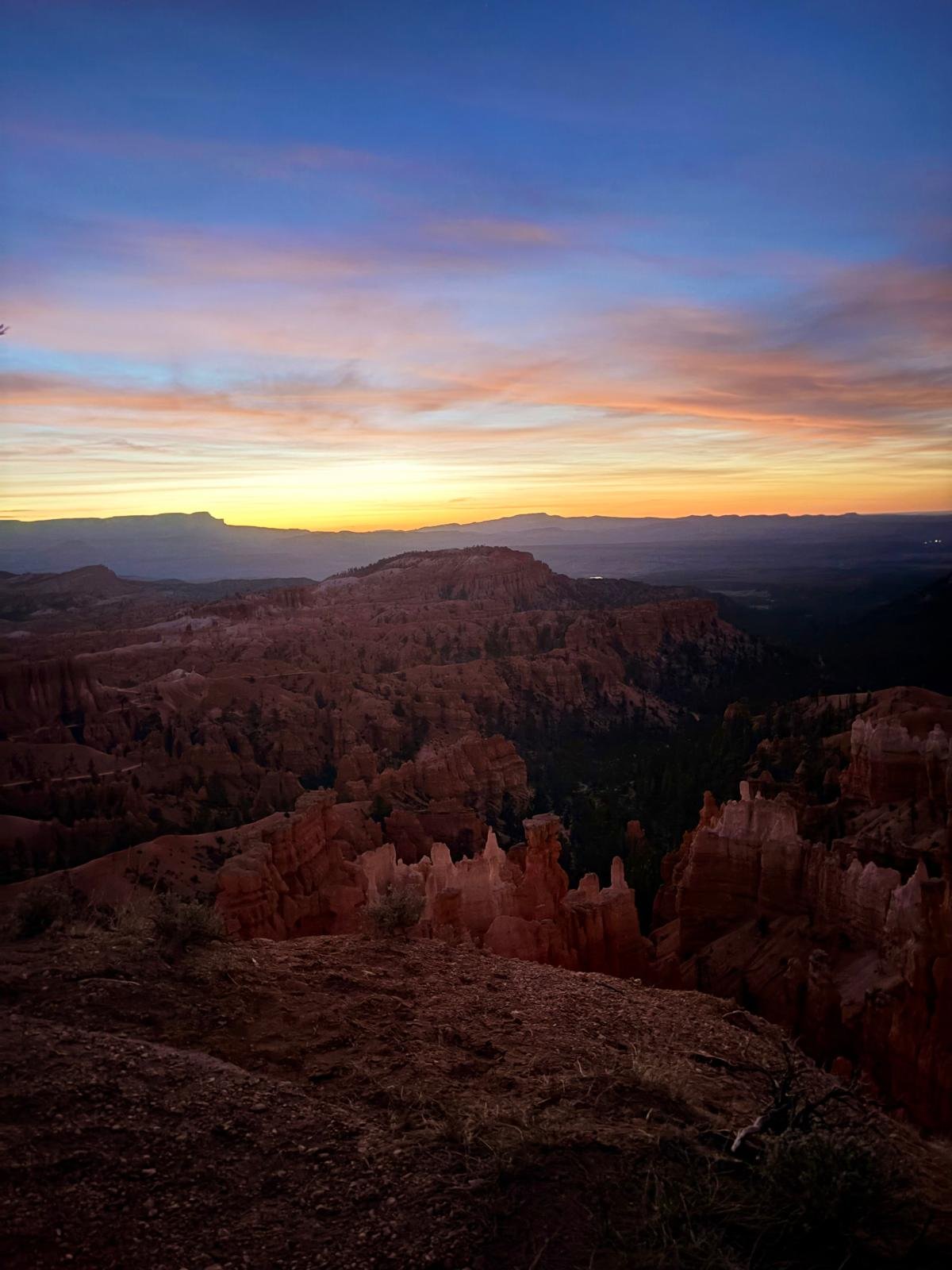
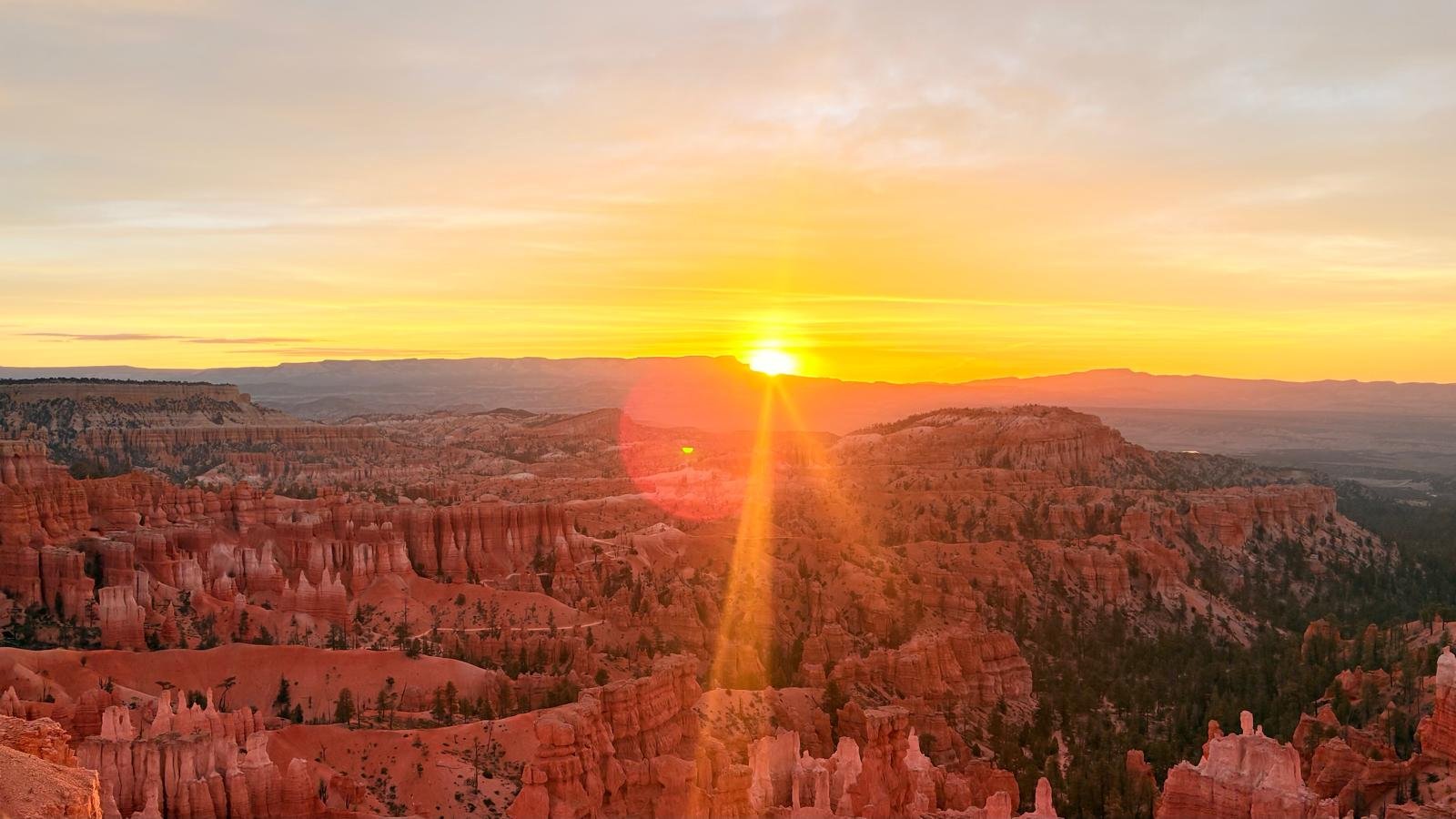
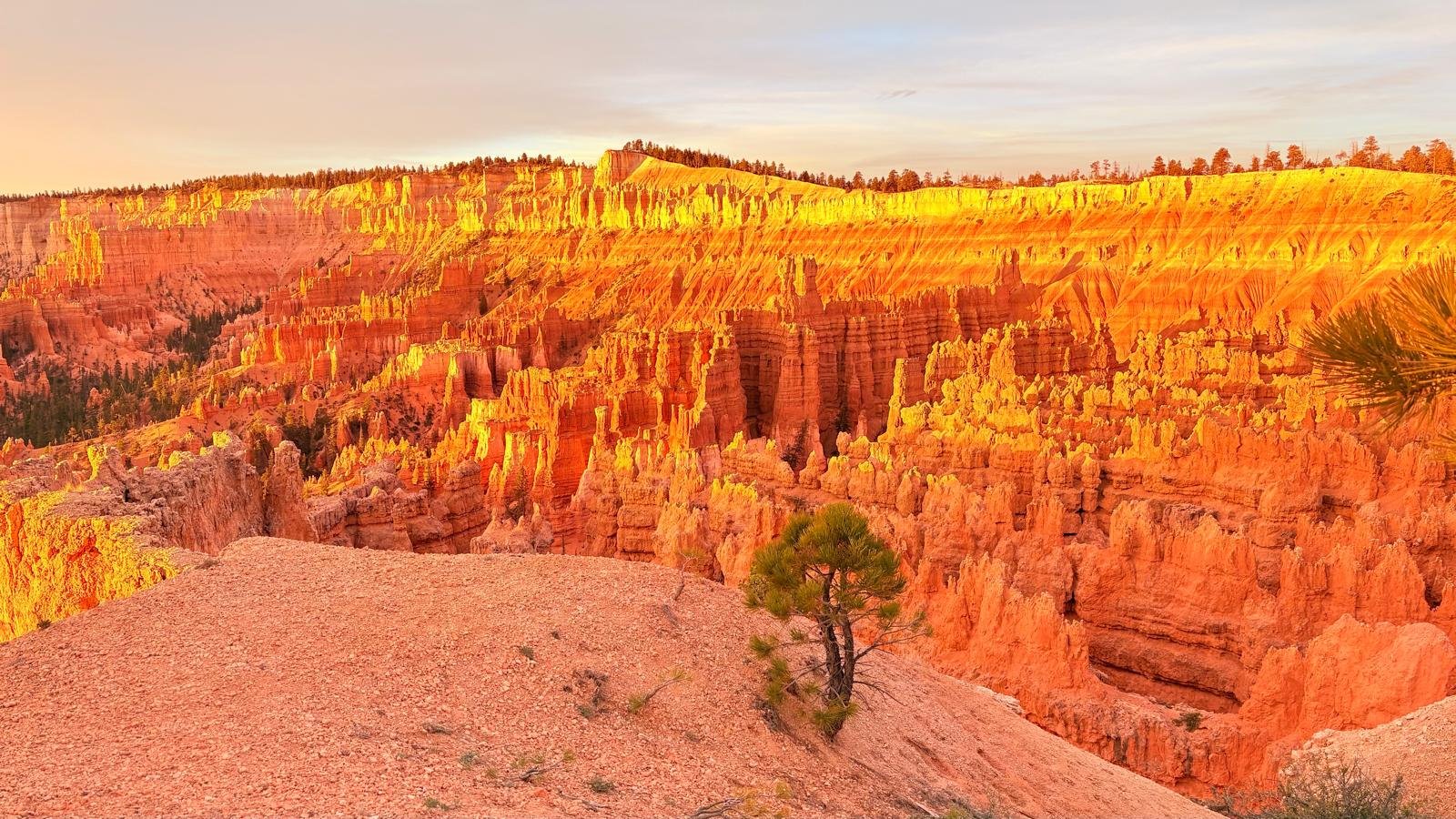
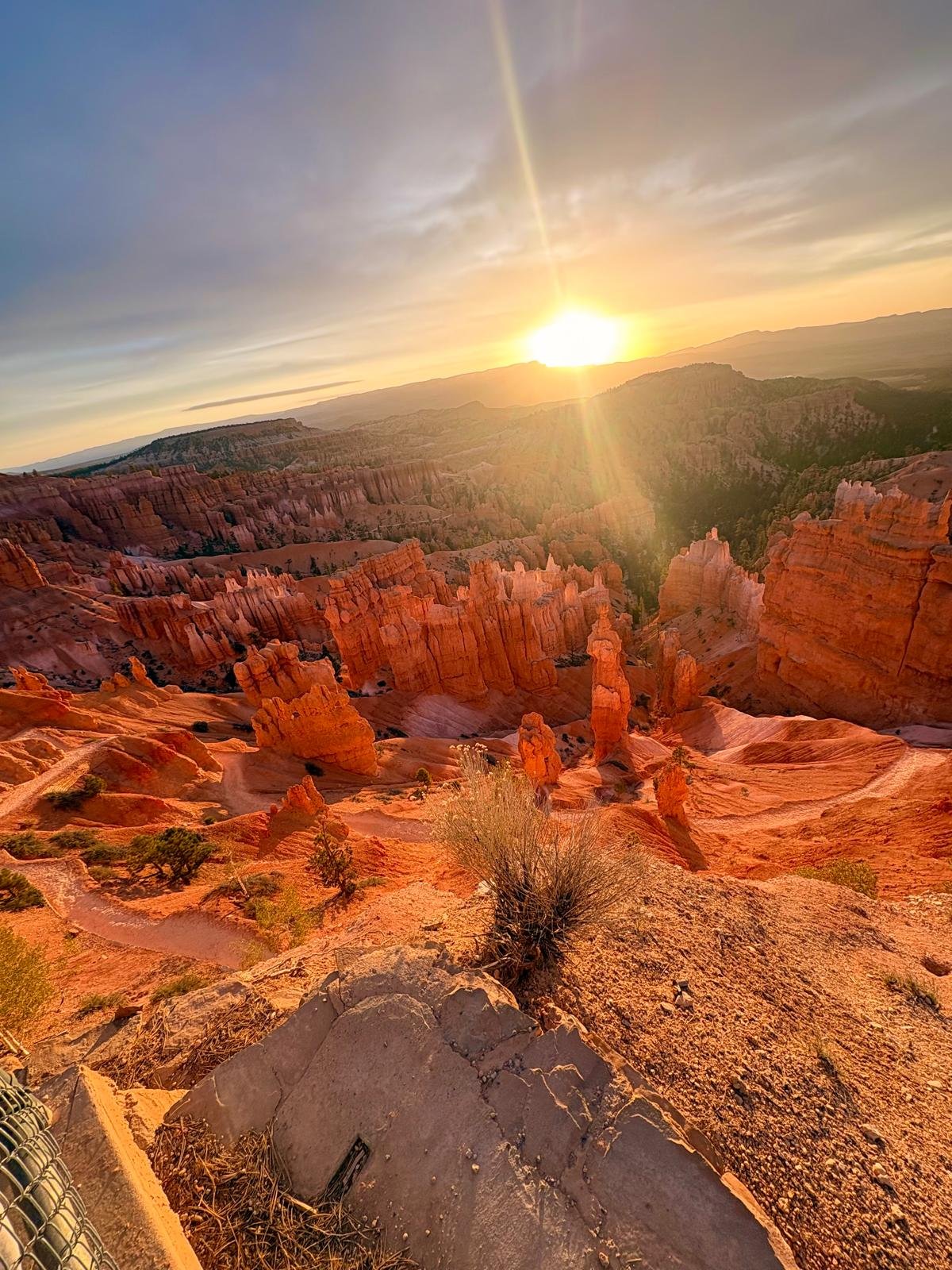
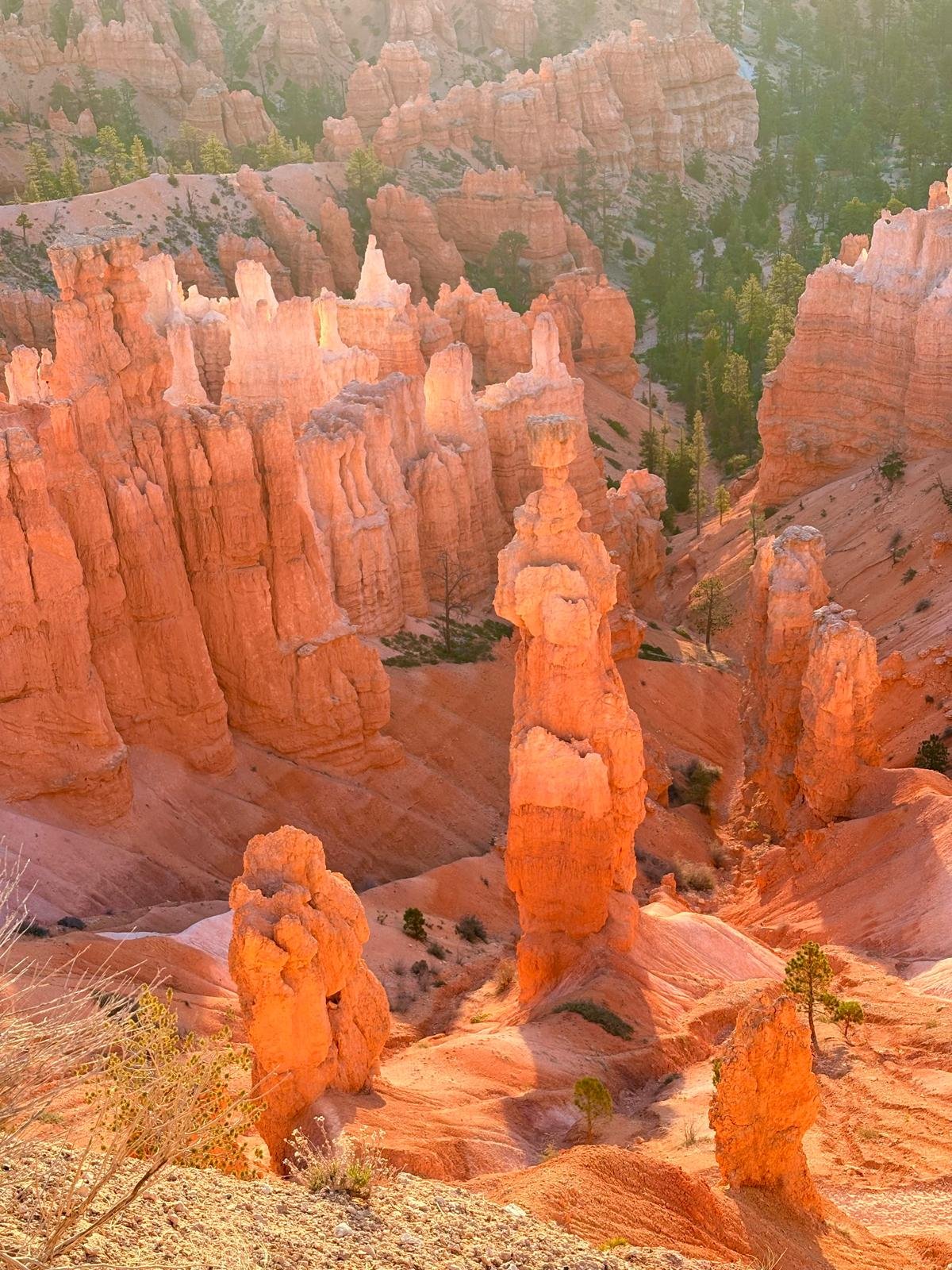
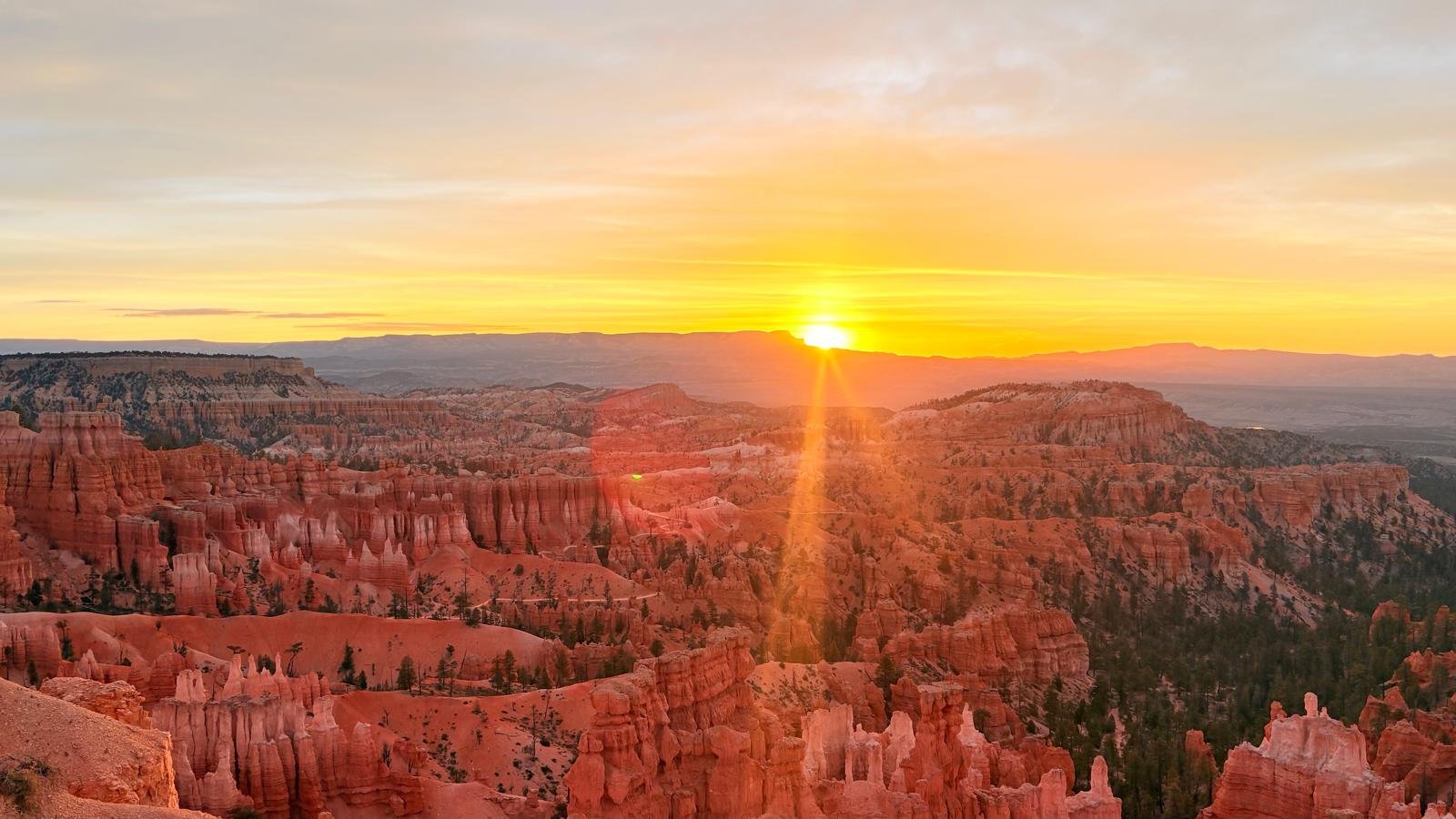
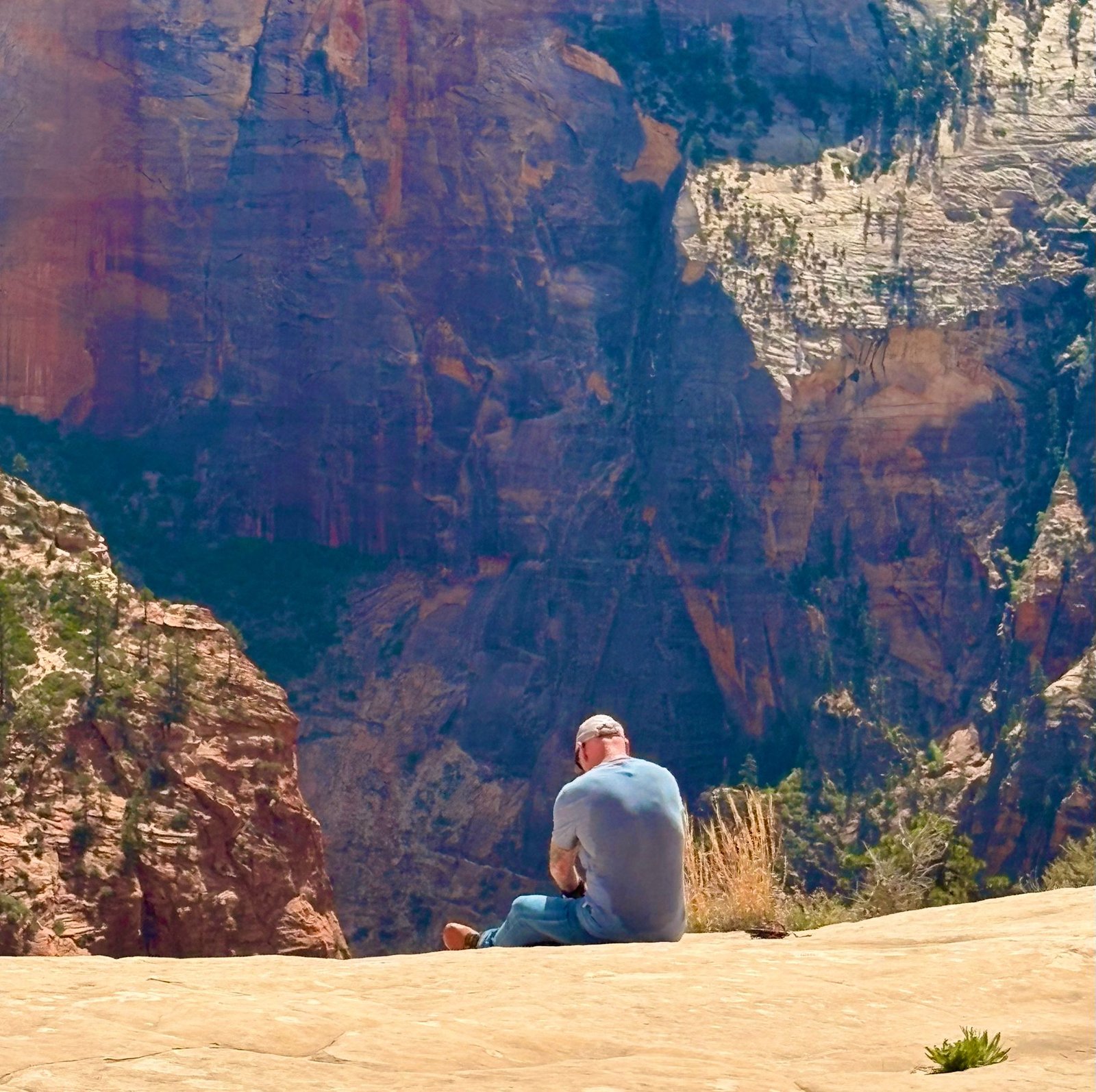
It’s smaller, more concentrated, but completely dependent on timing. Sunrise isn’t optional — it defines the experience. Miss it and you’ve missed the moment that gives the entire place context. The RV forced an early decision here: drive before sunrise, walk in, commit to it. But now your there, coffee in hand and ready to experience the awe of Bryce.
That wasn’t a burden.
It was clarity.
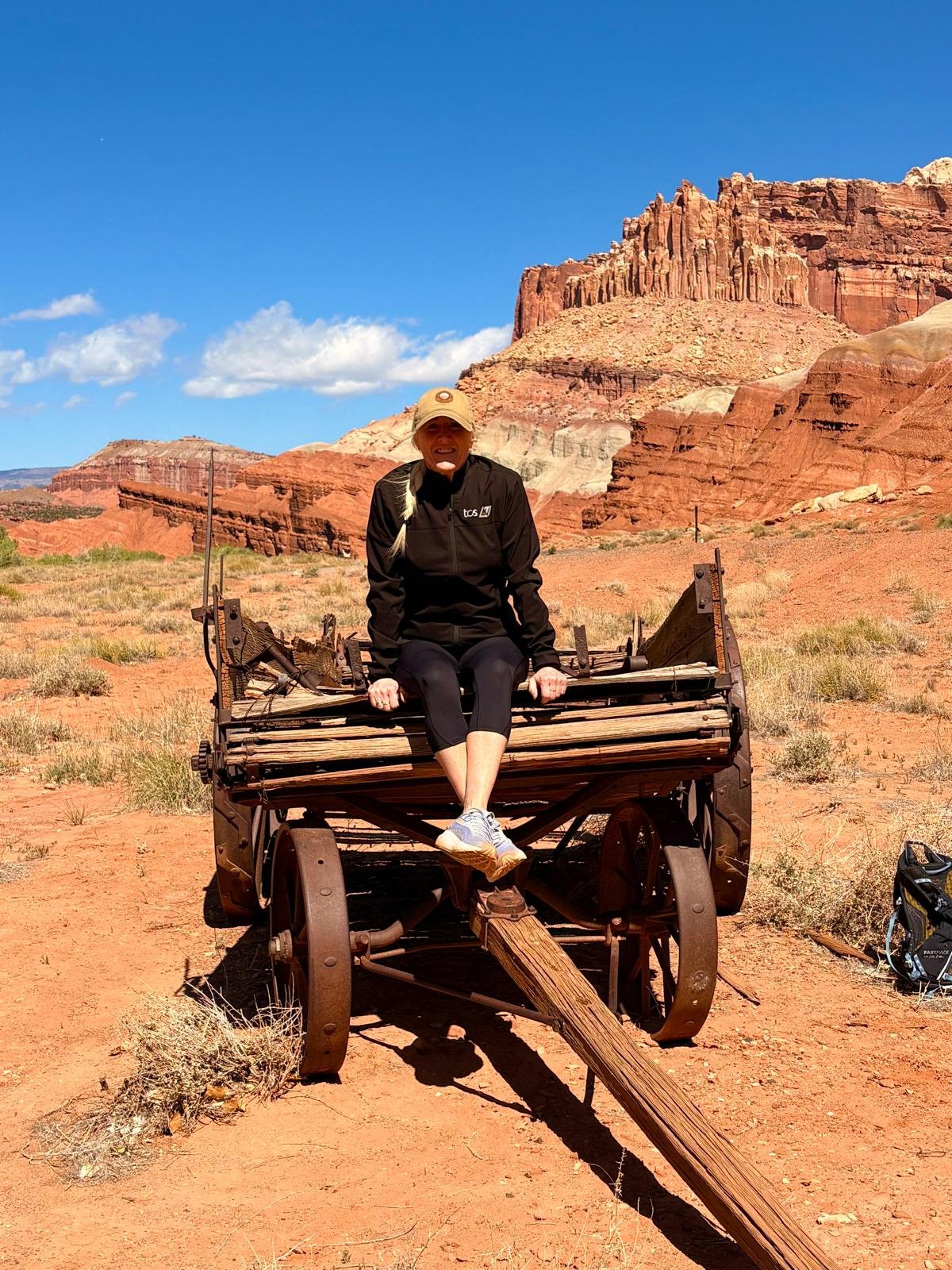
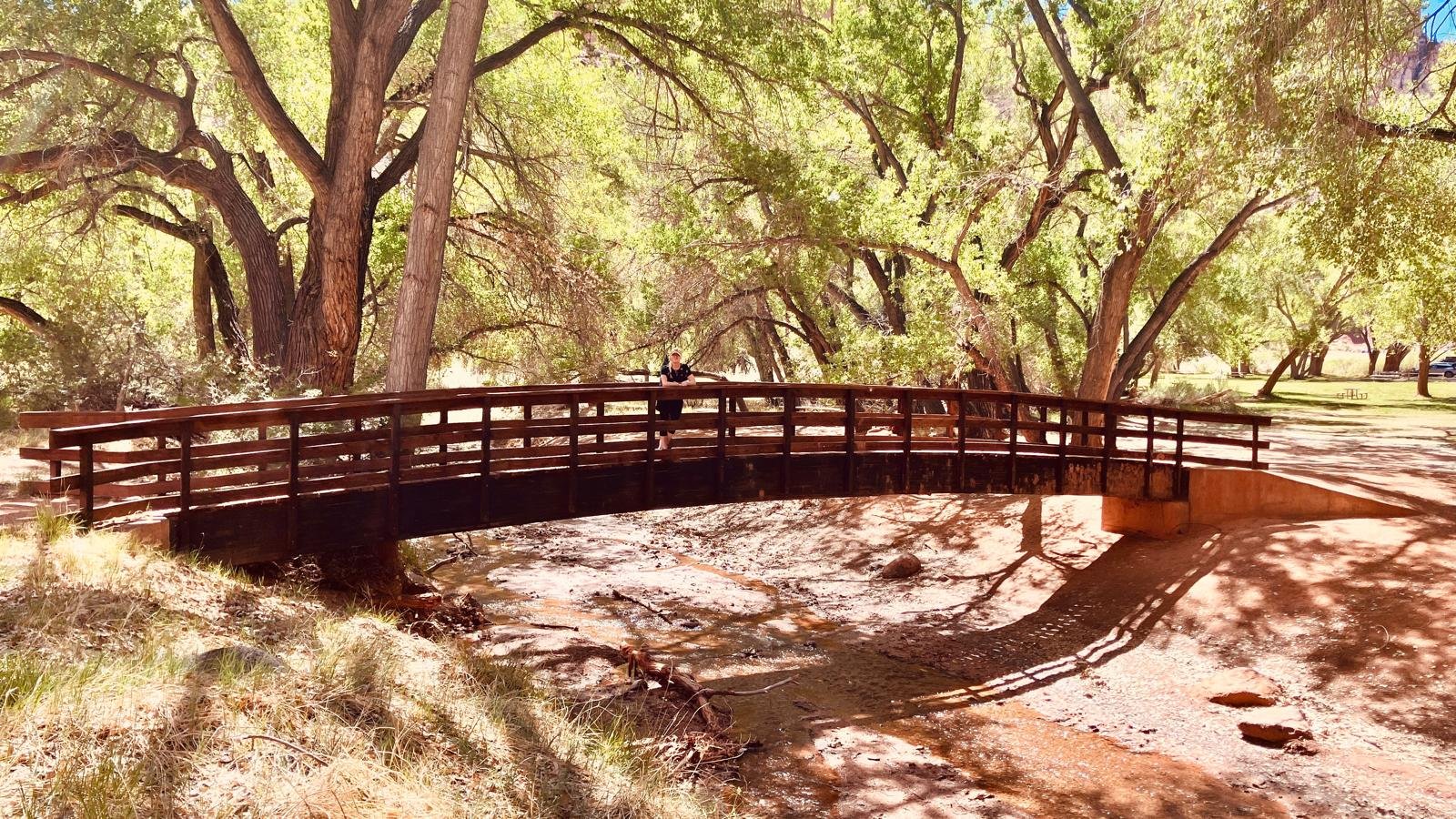
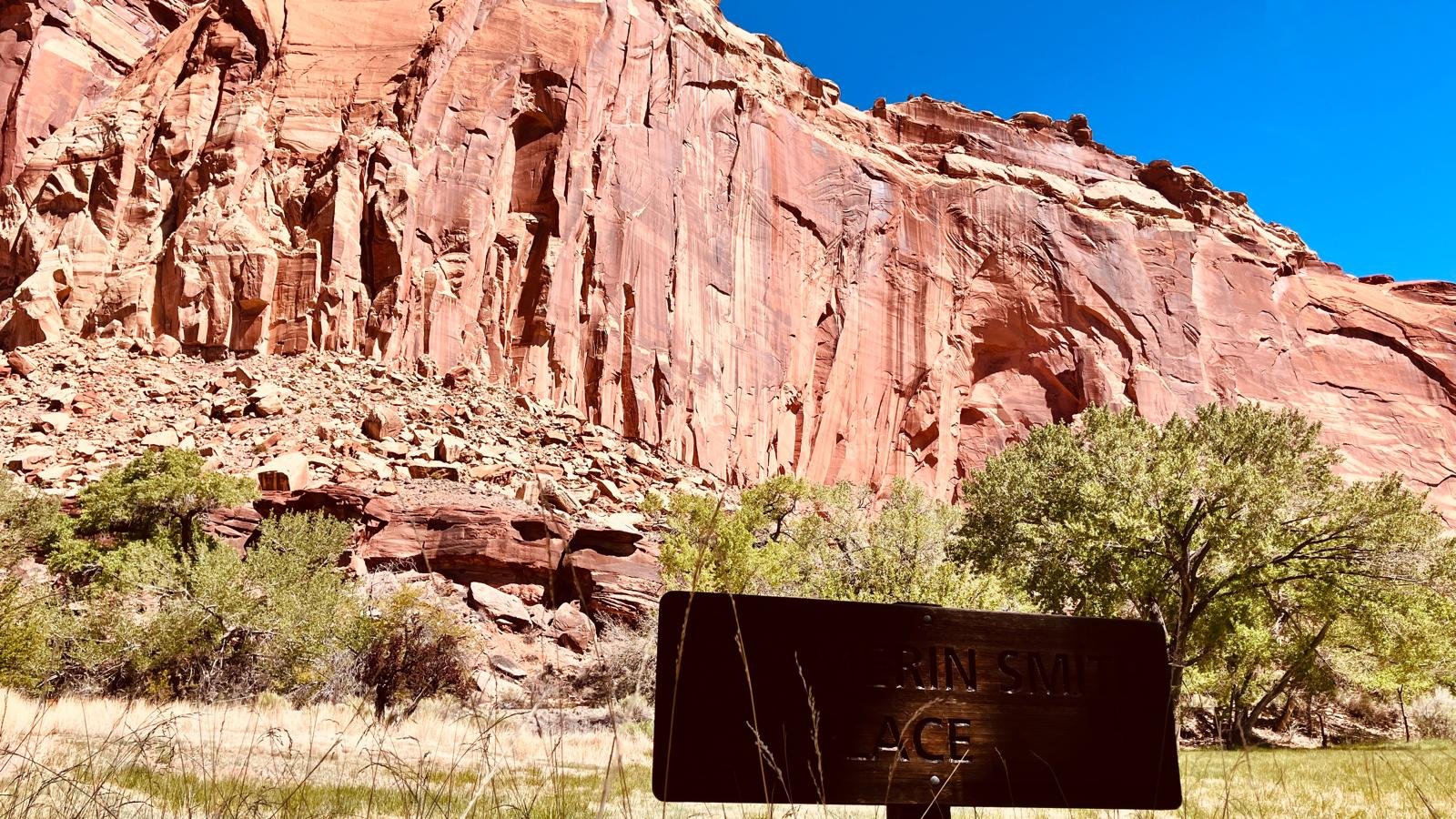
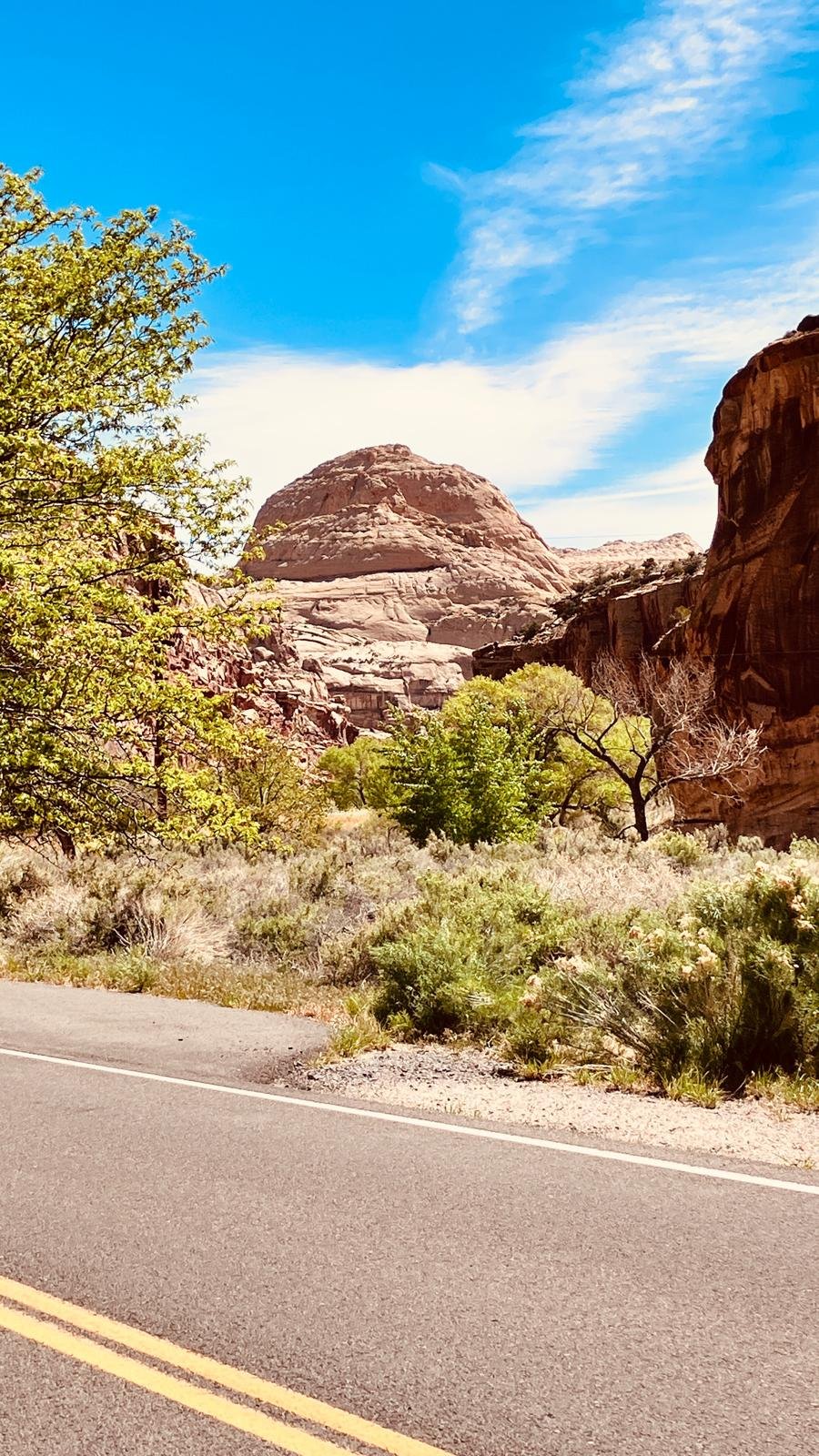
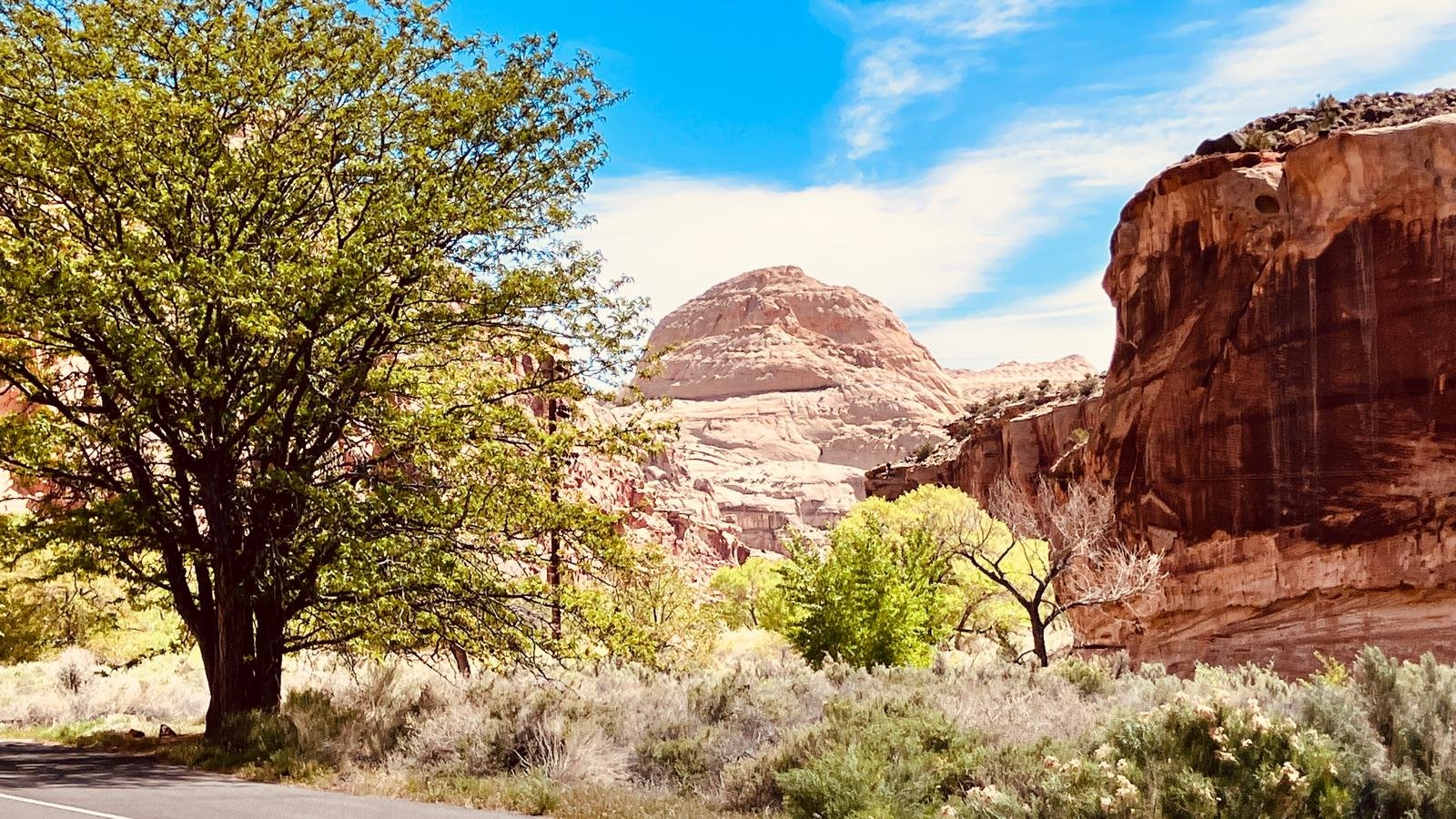
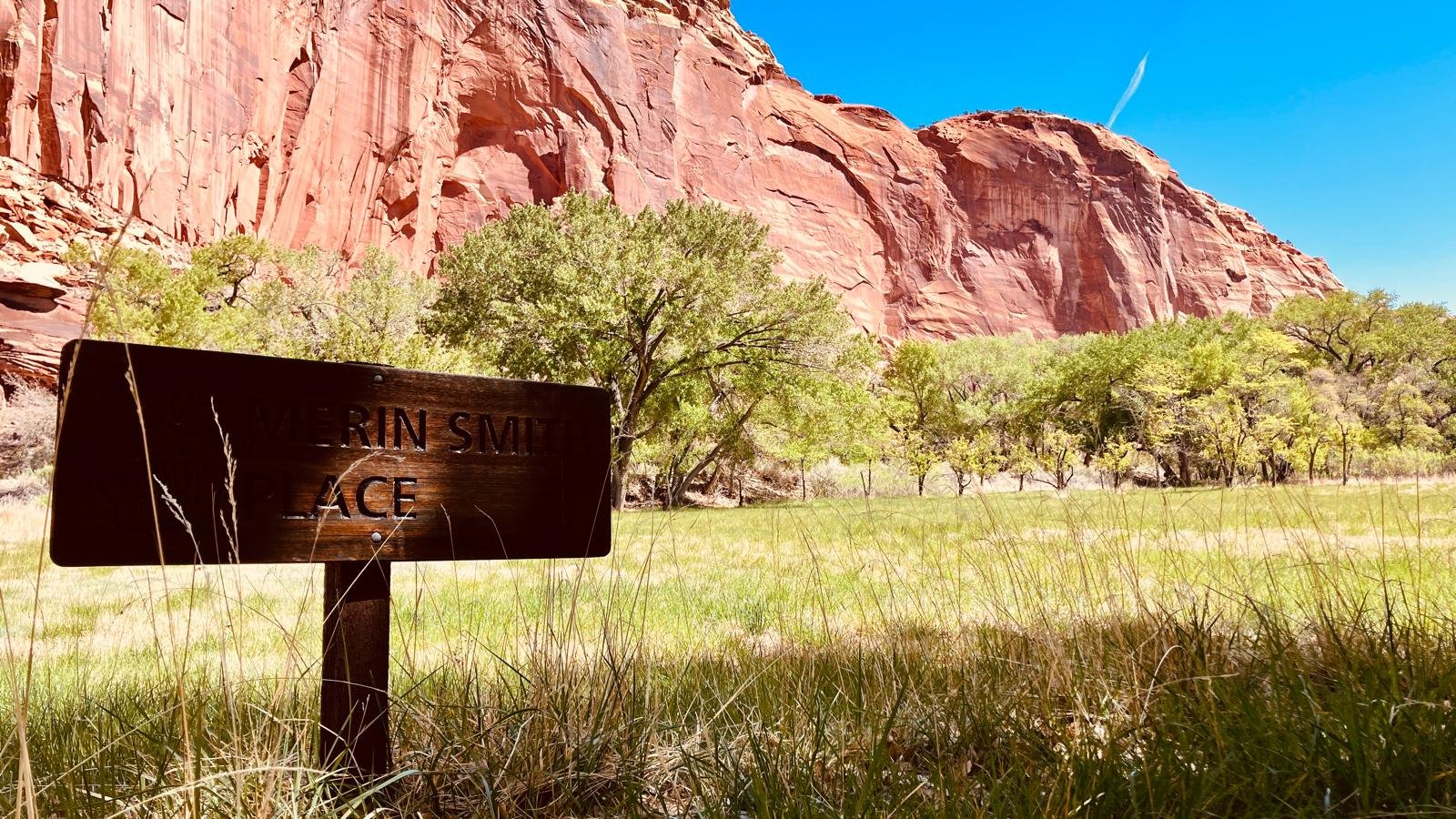
Capitol Reef changed the pace again. Using Capitol Reef RV Park & Glamping. Gave us the best location outside of the park.
Less structure. Less pressure. More space to move, stop, and adjust. It’s where the trip finally breathes. After Zion’s constraints and Bryce’s precision, Capitol Reef allows something different — a slower, more fluid experience that doesn’t feel scheduled.
And unexpectedly, it delivers more than people assume.
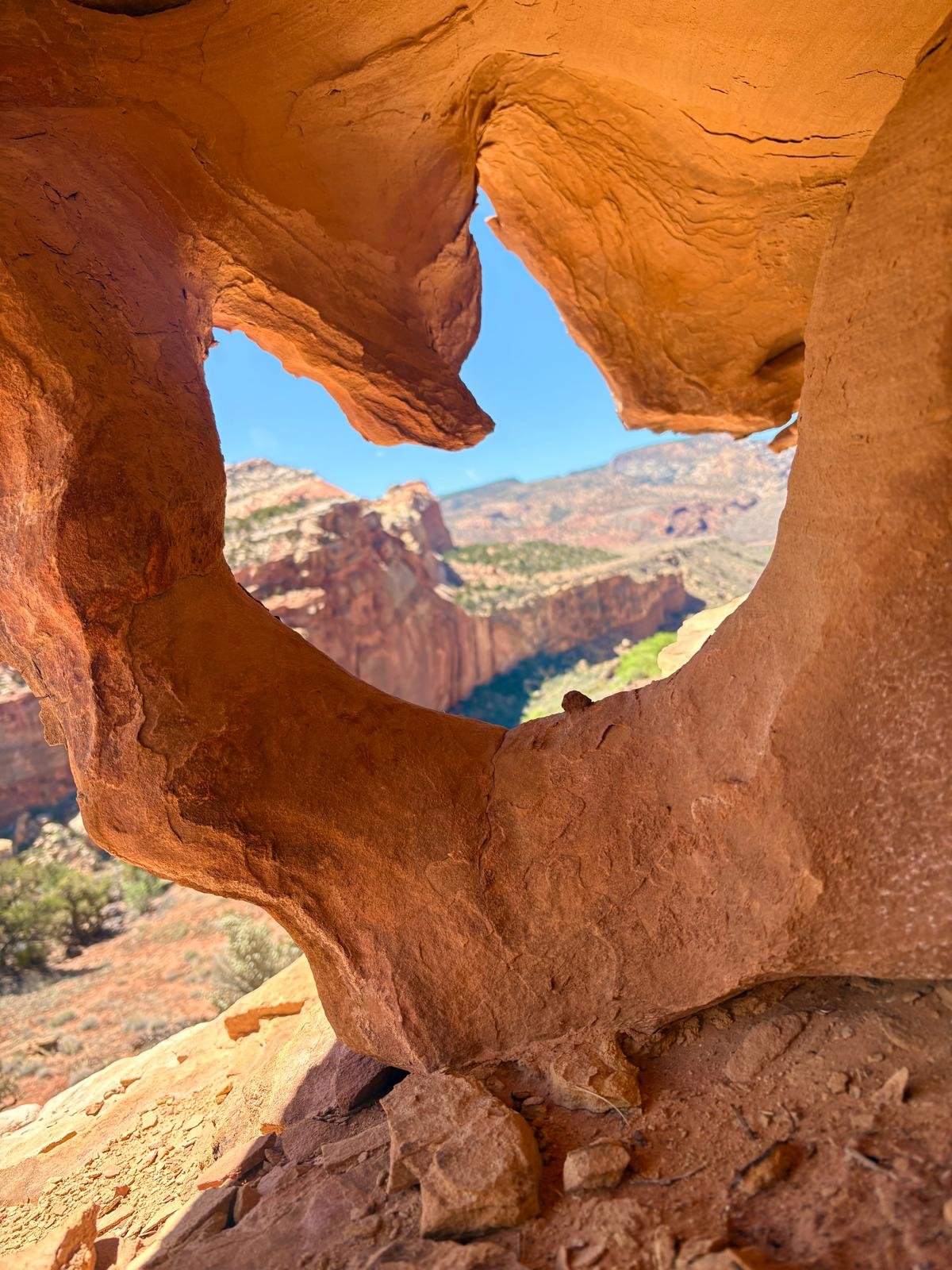
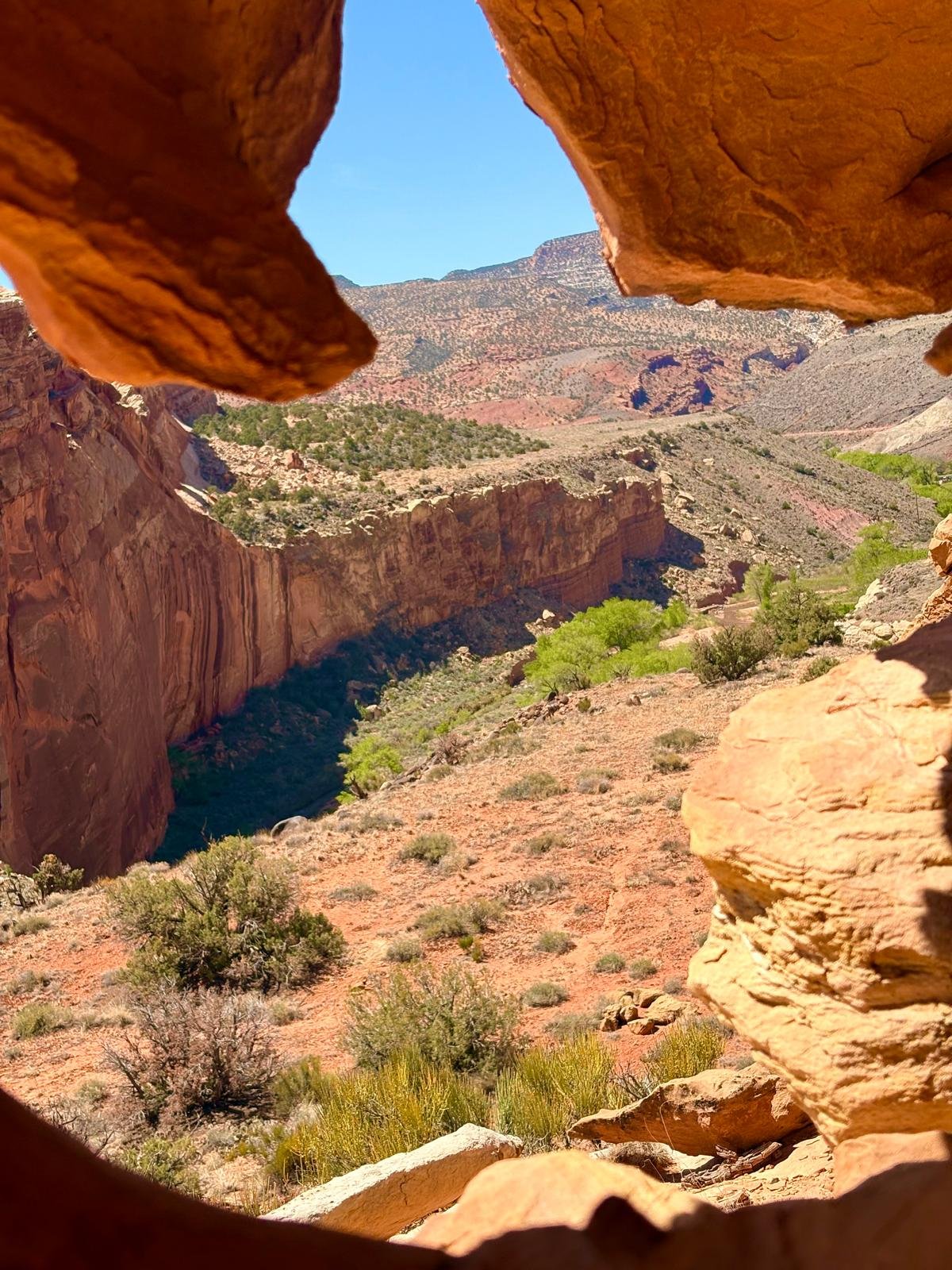
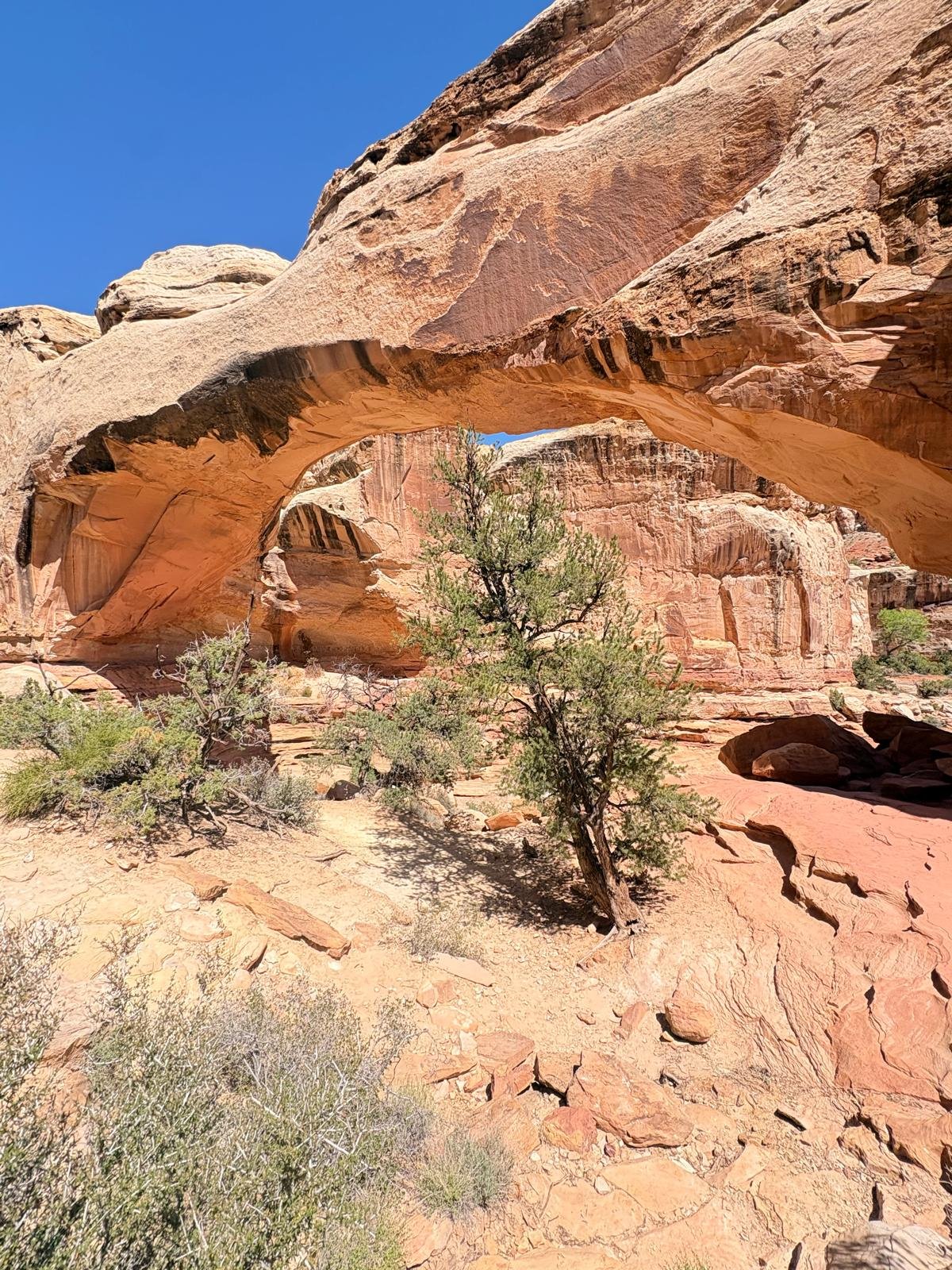
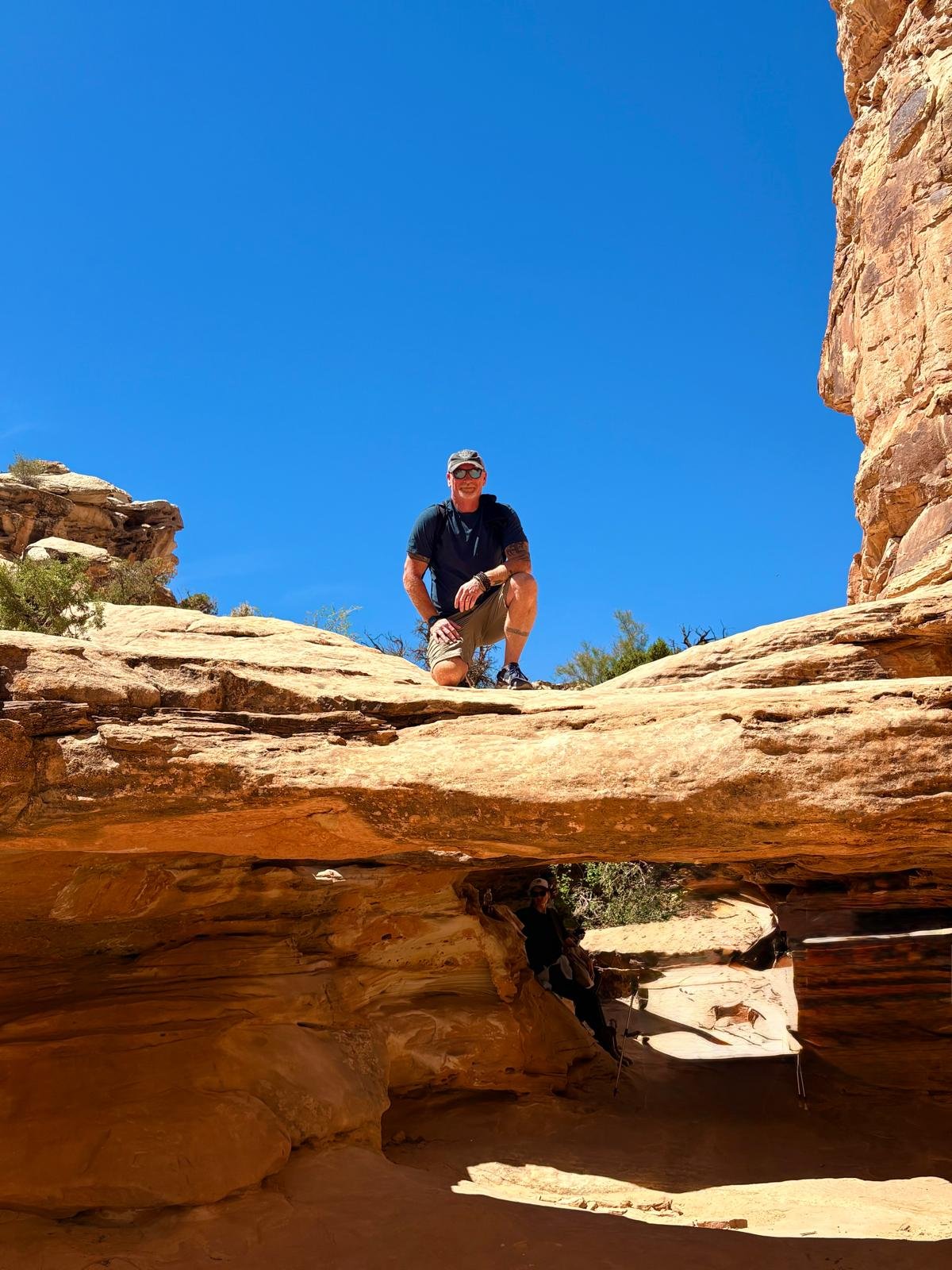
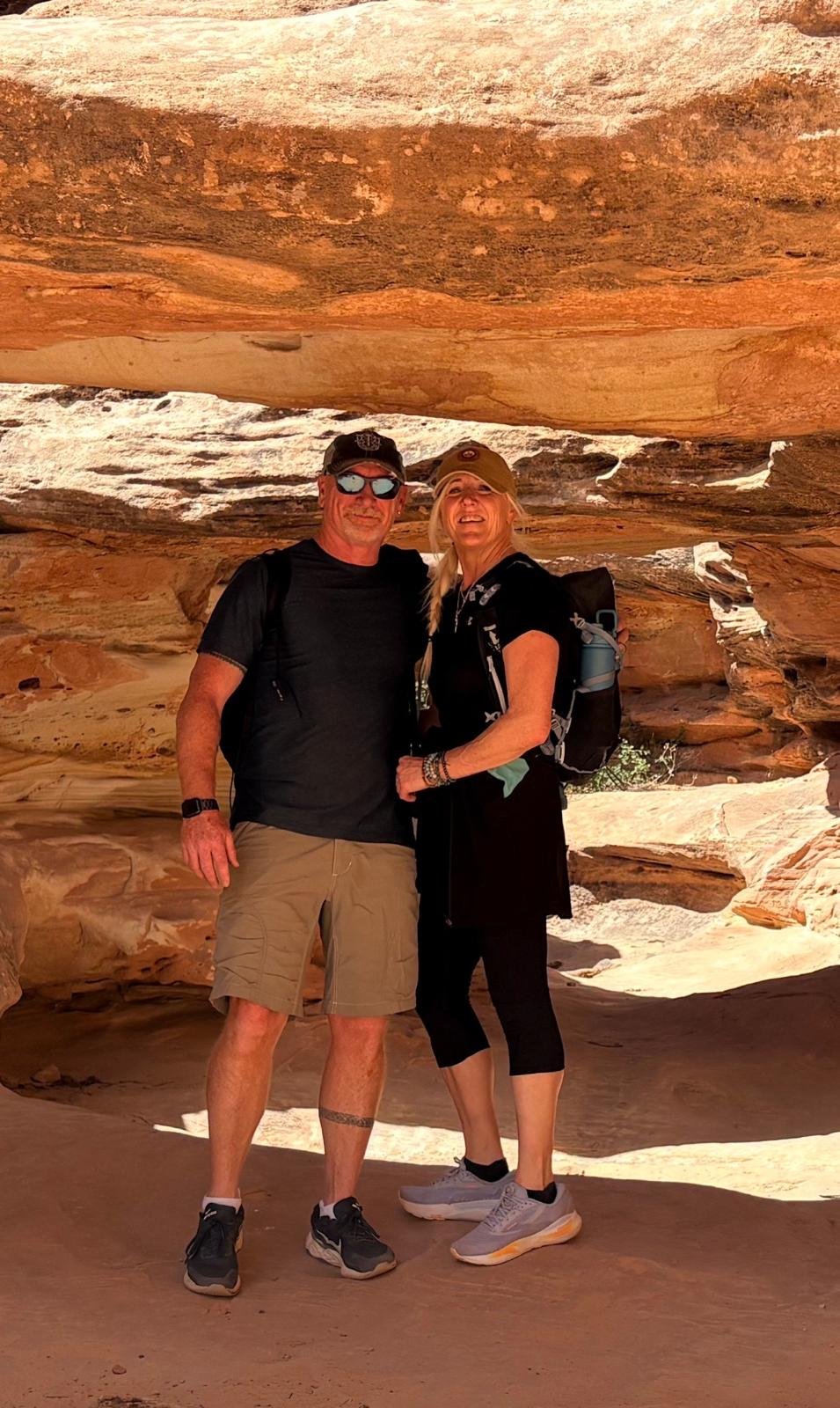
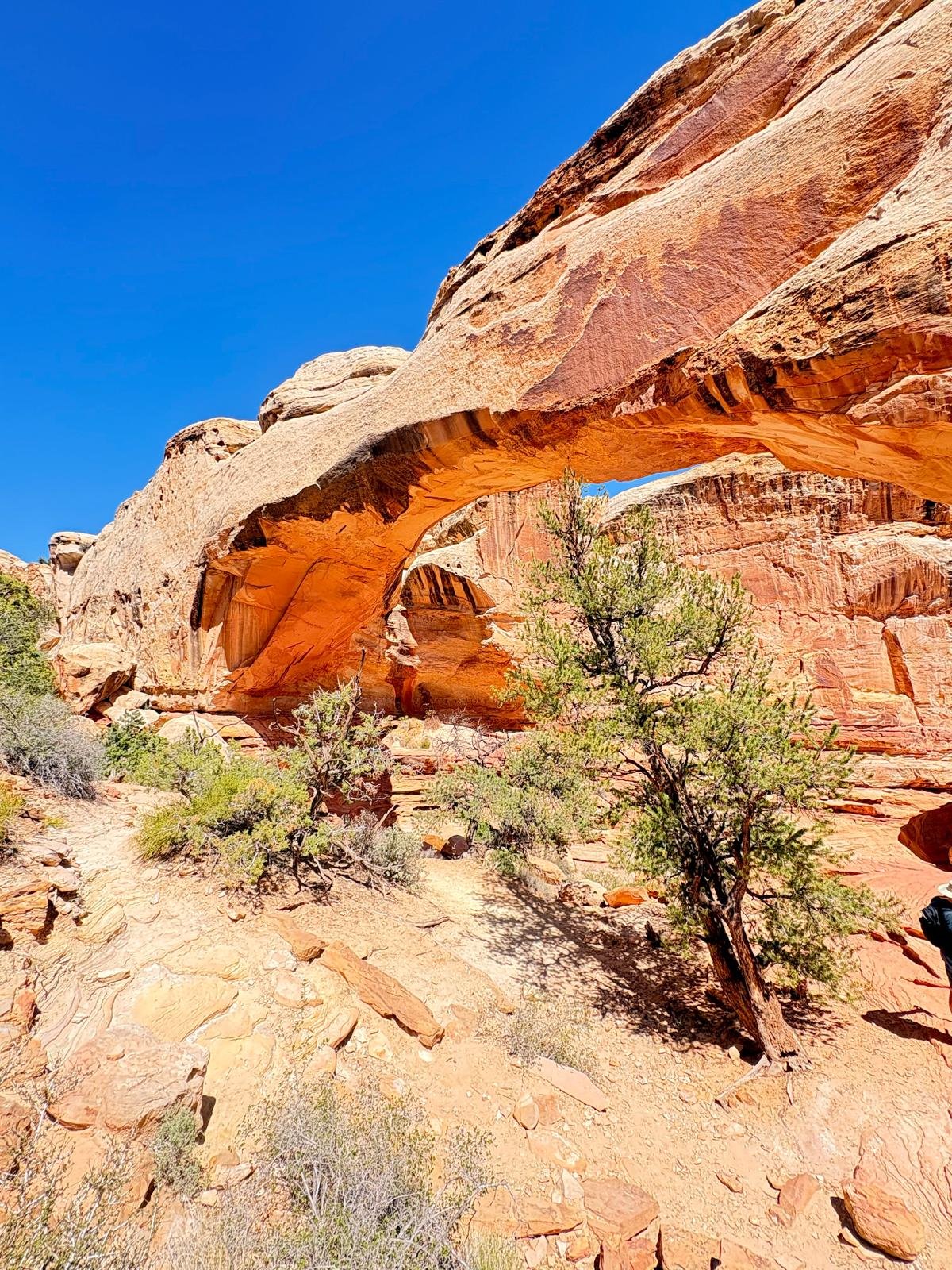
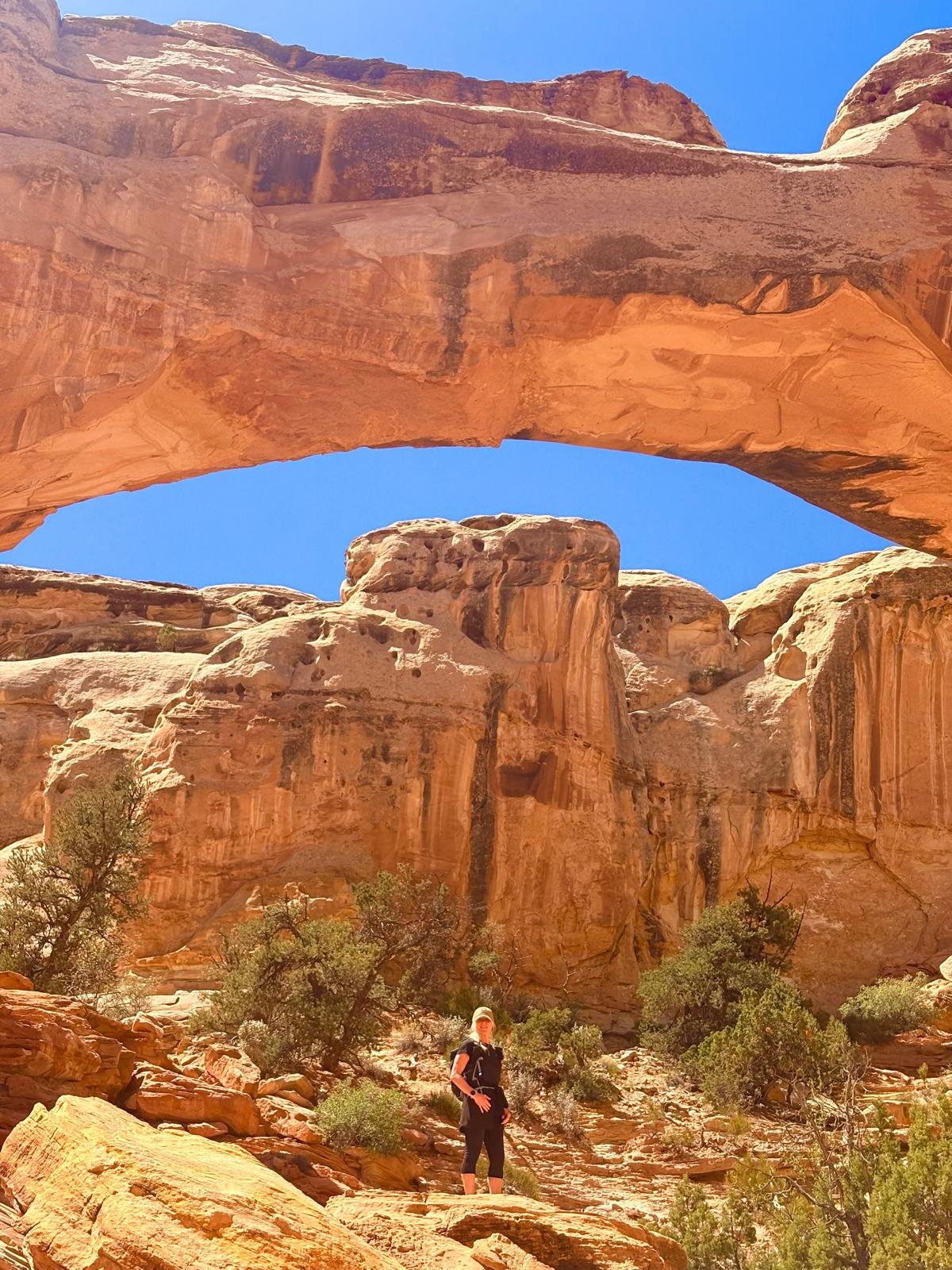
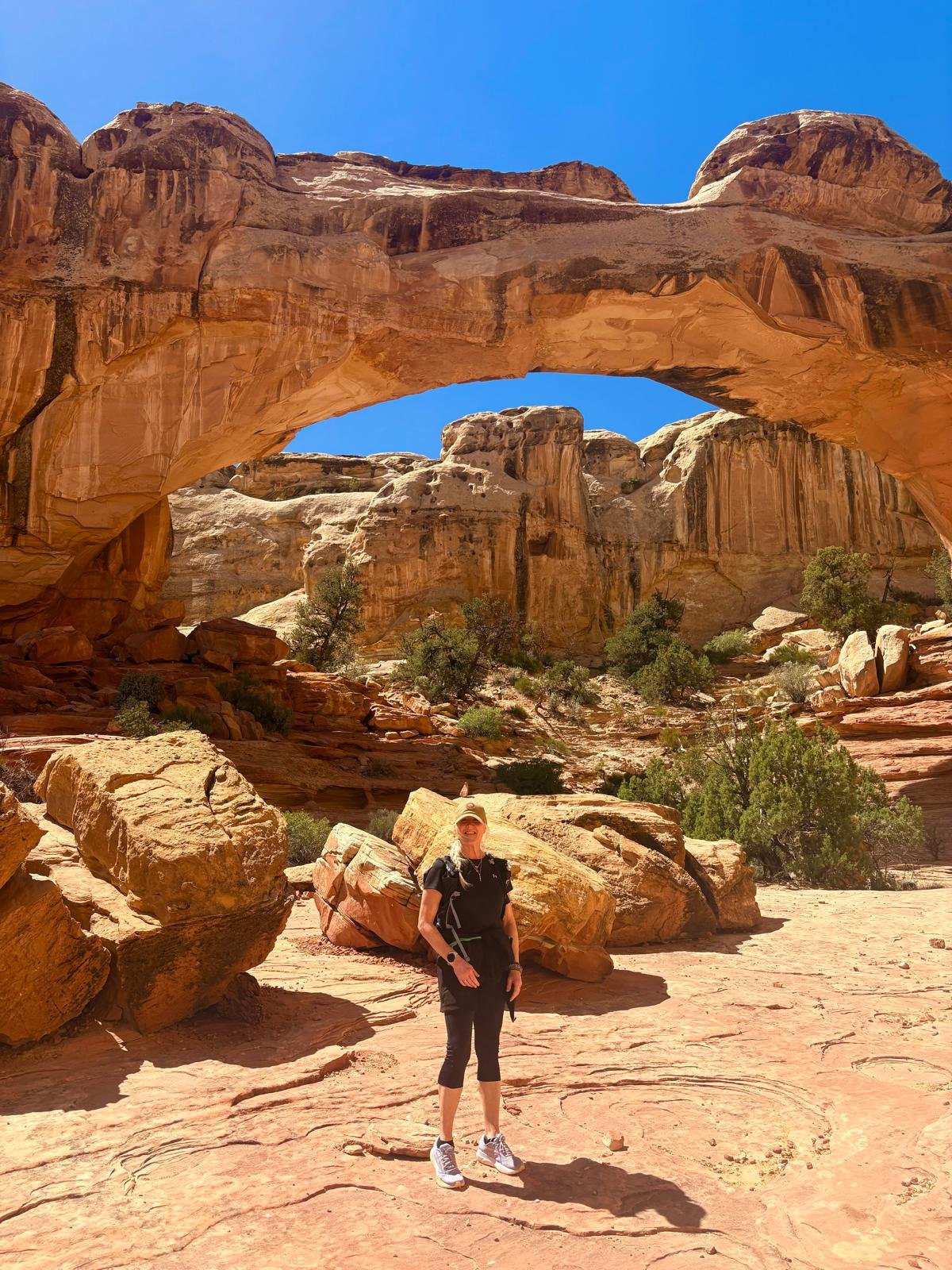
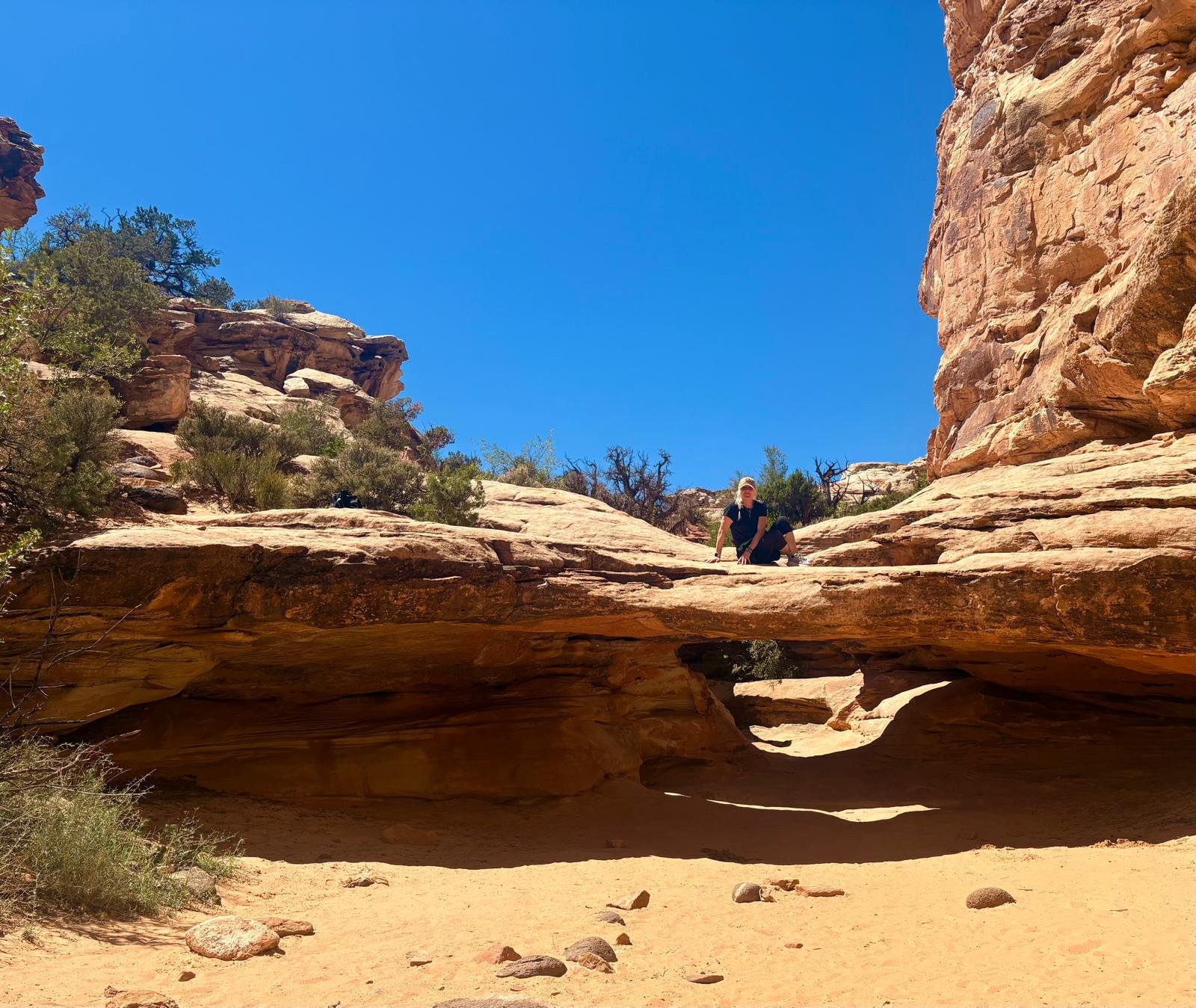
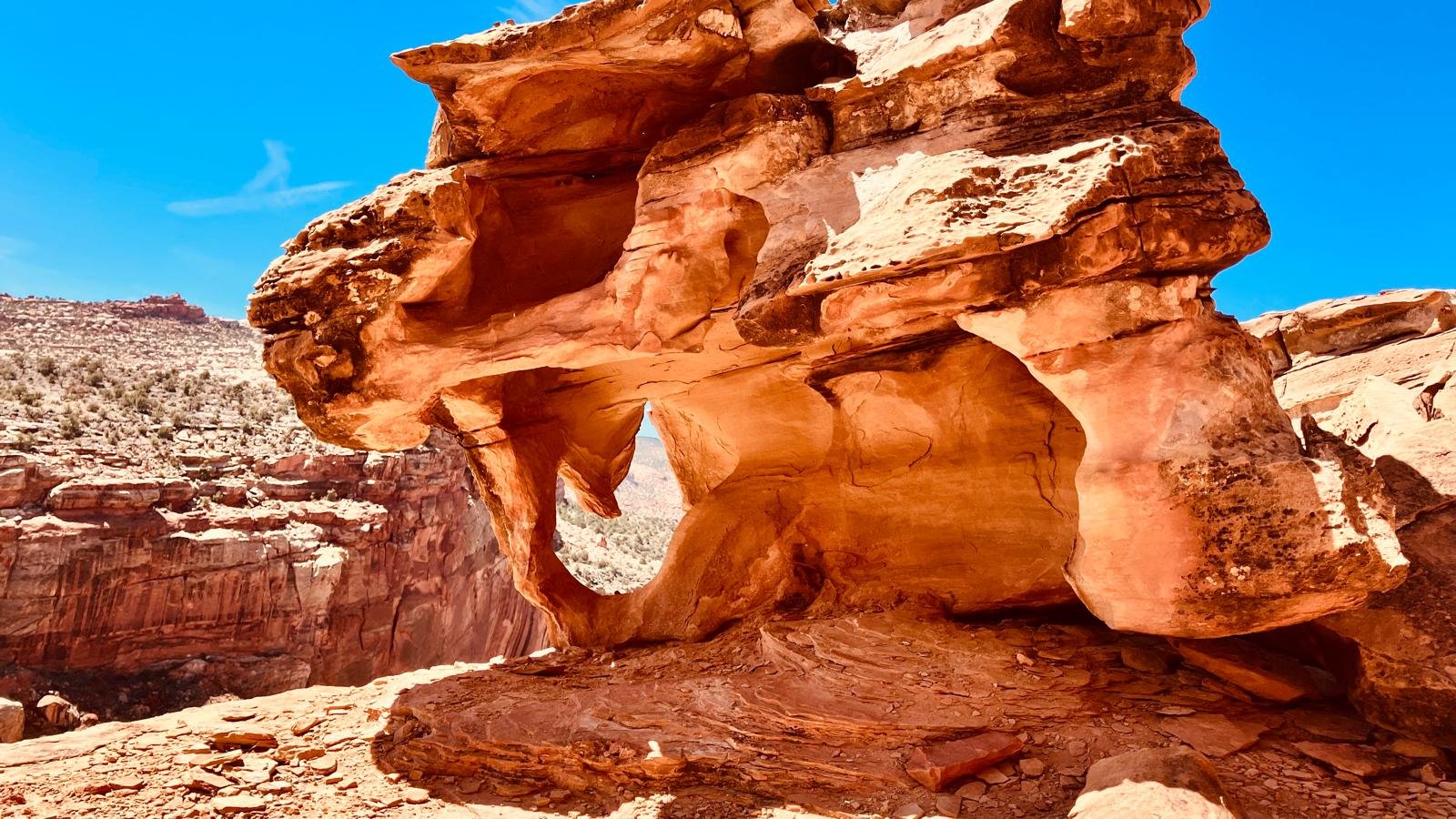
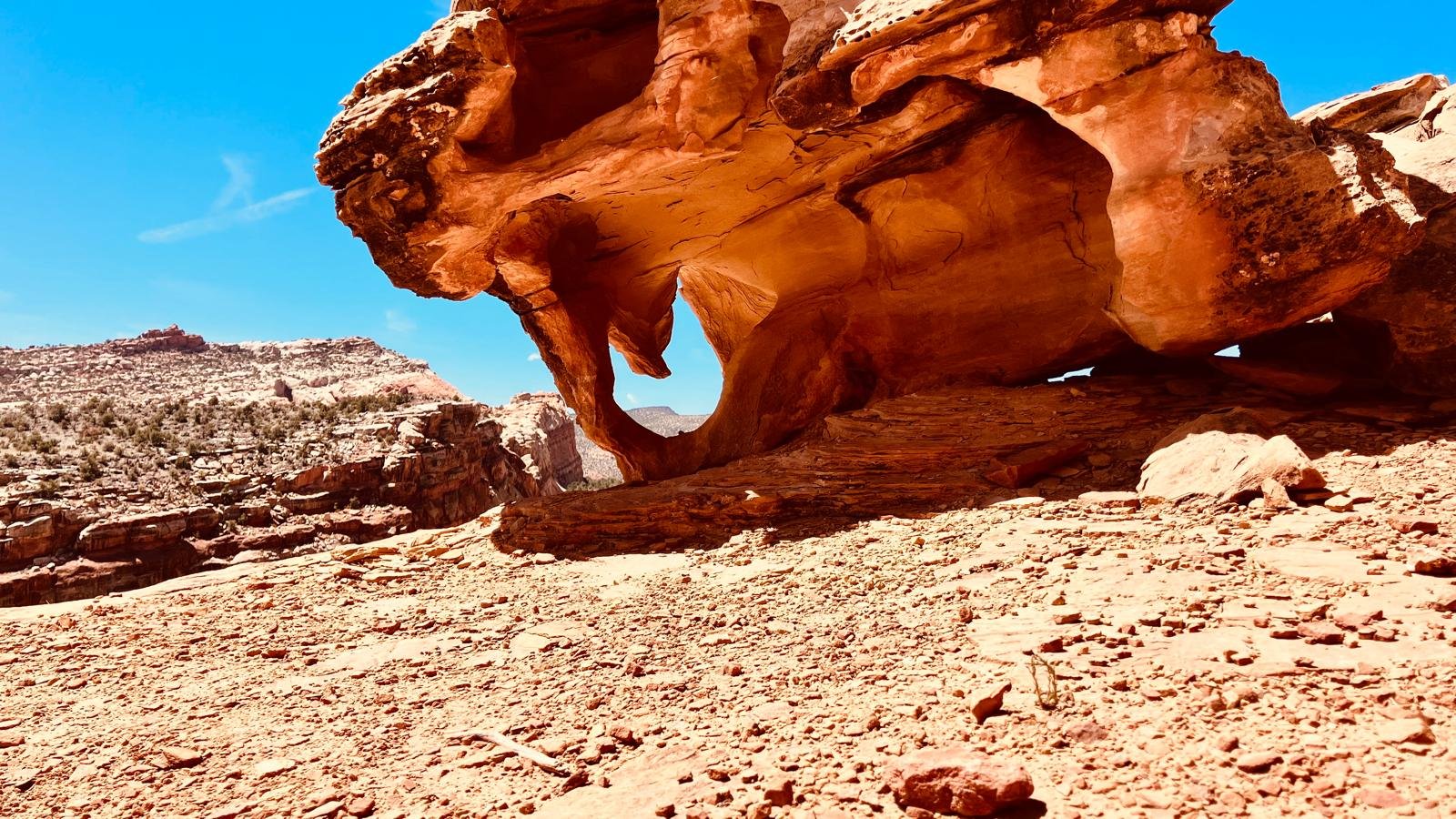
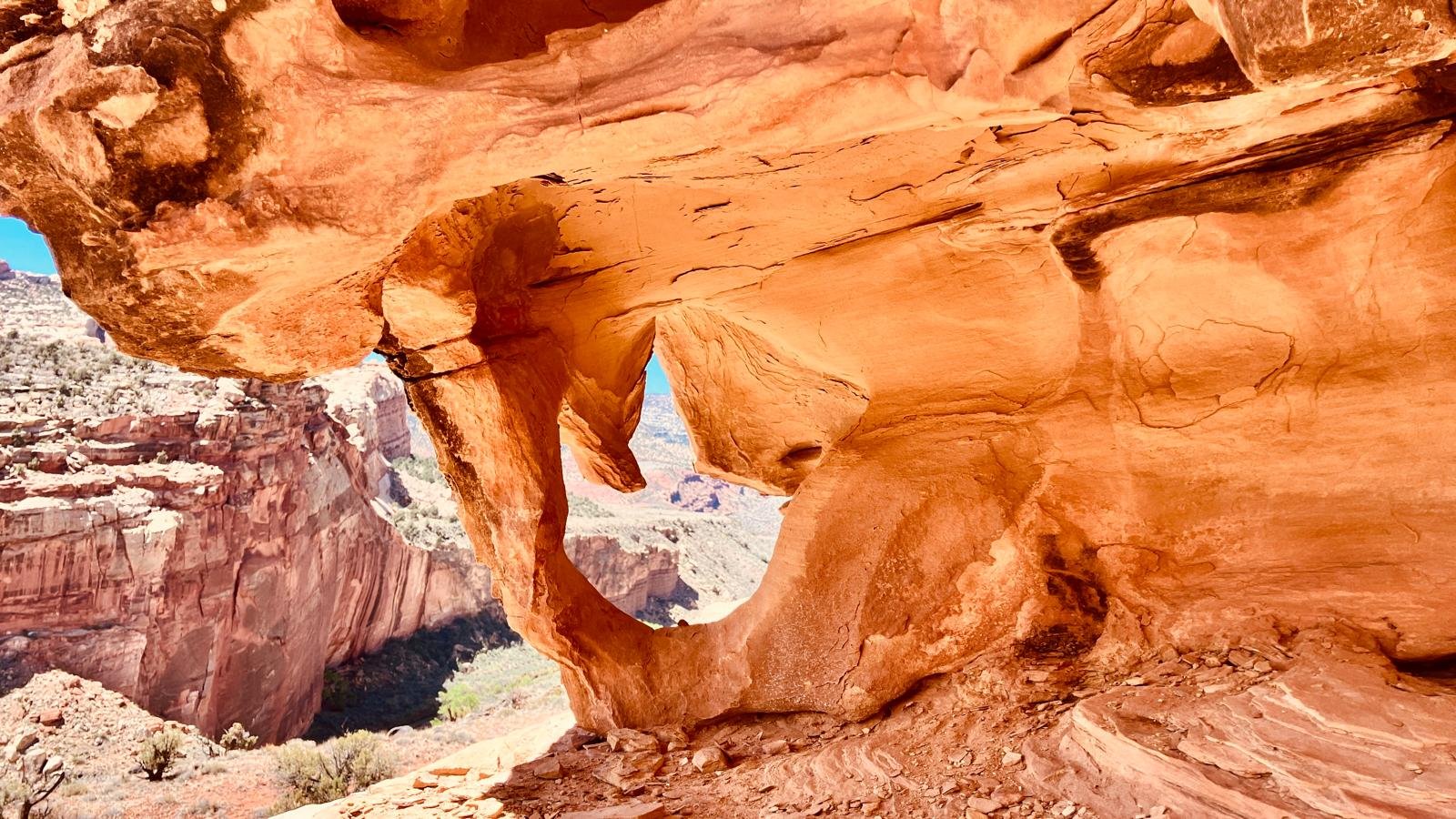
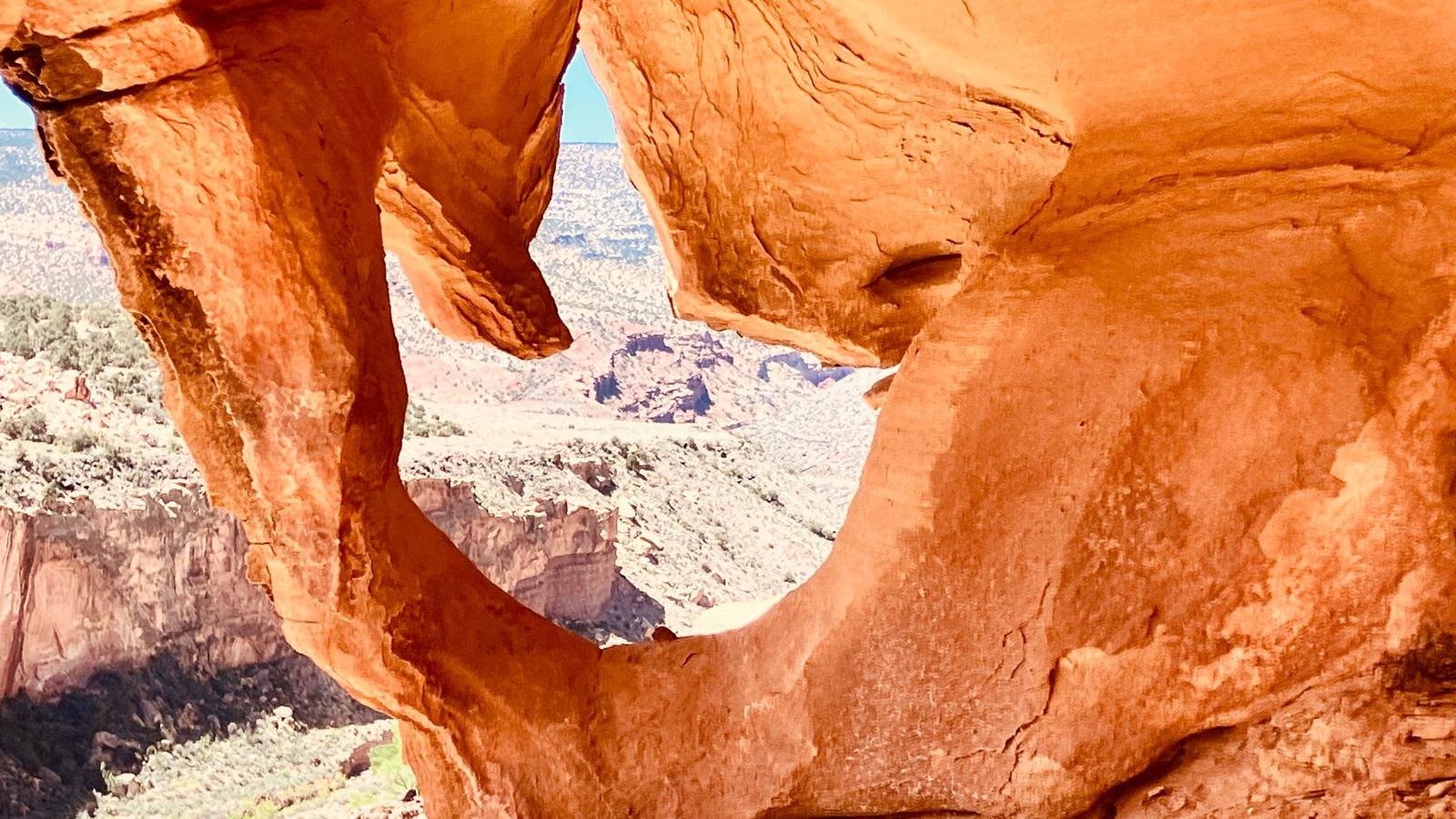
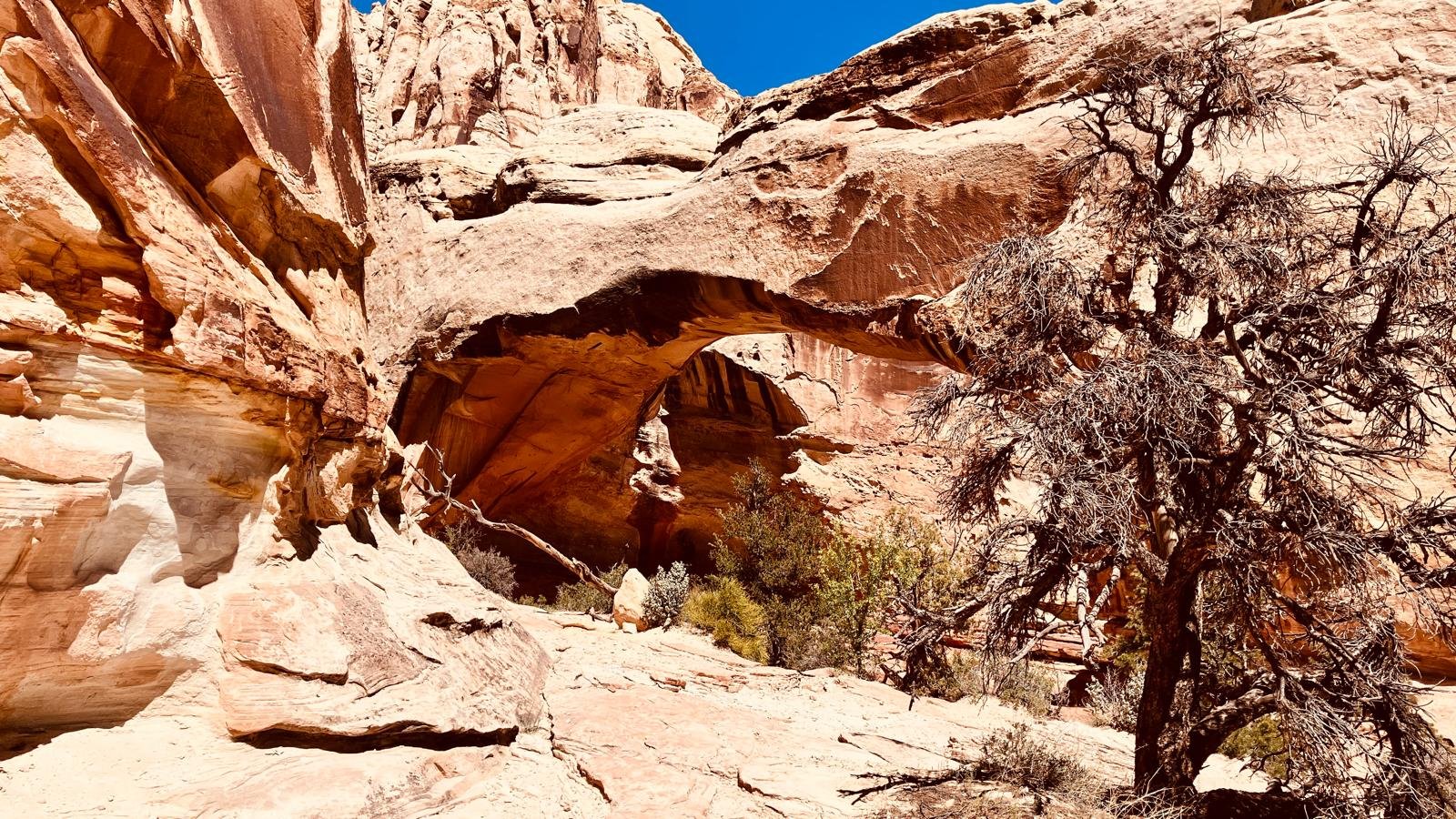
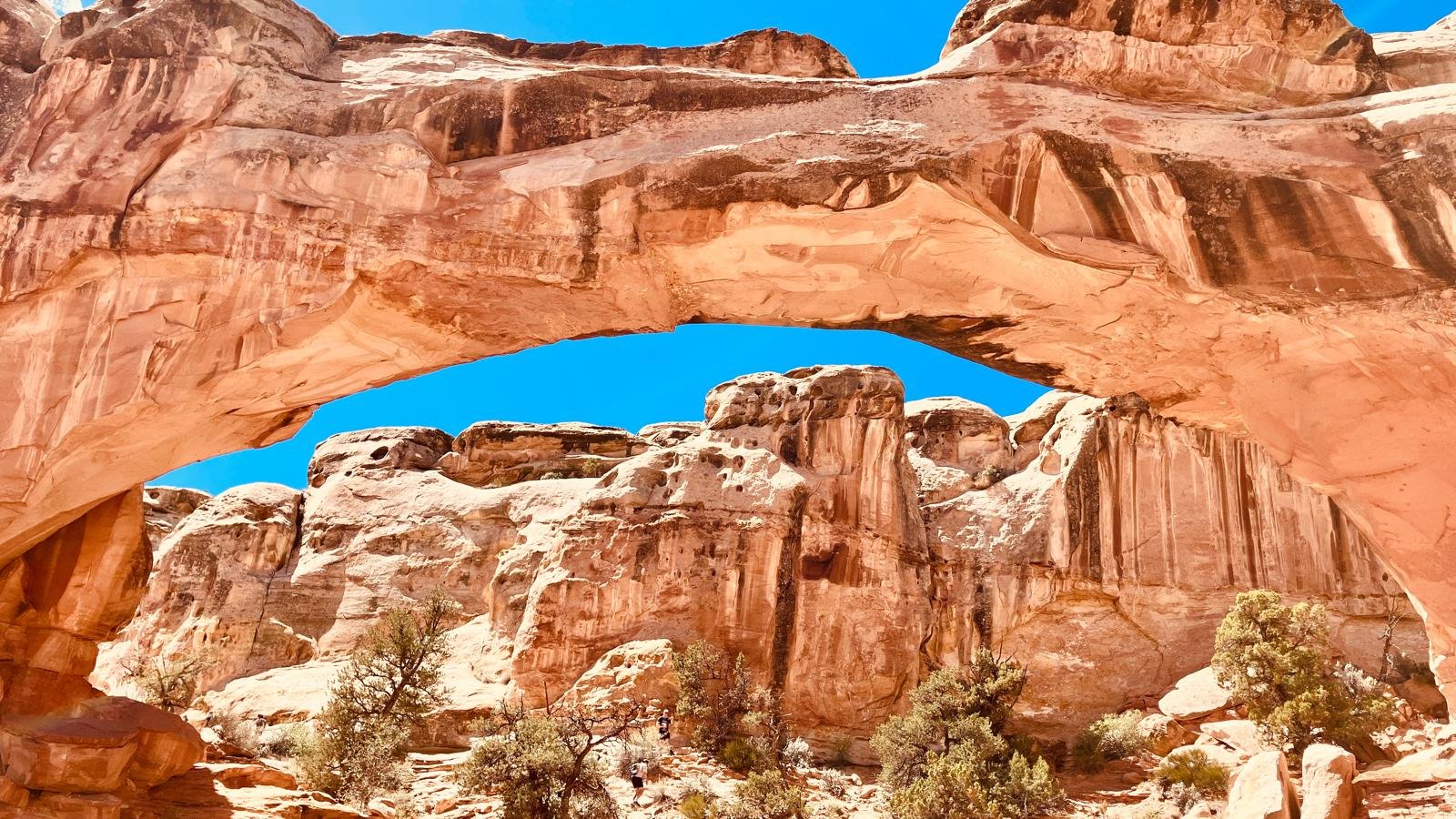
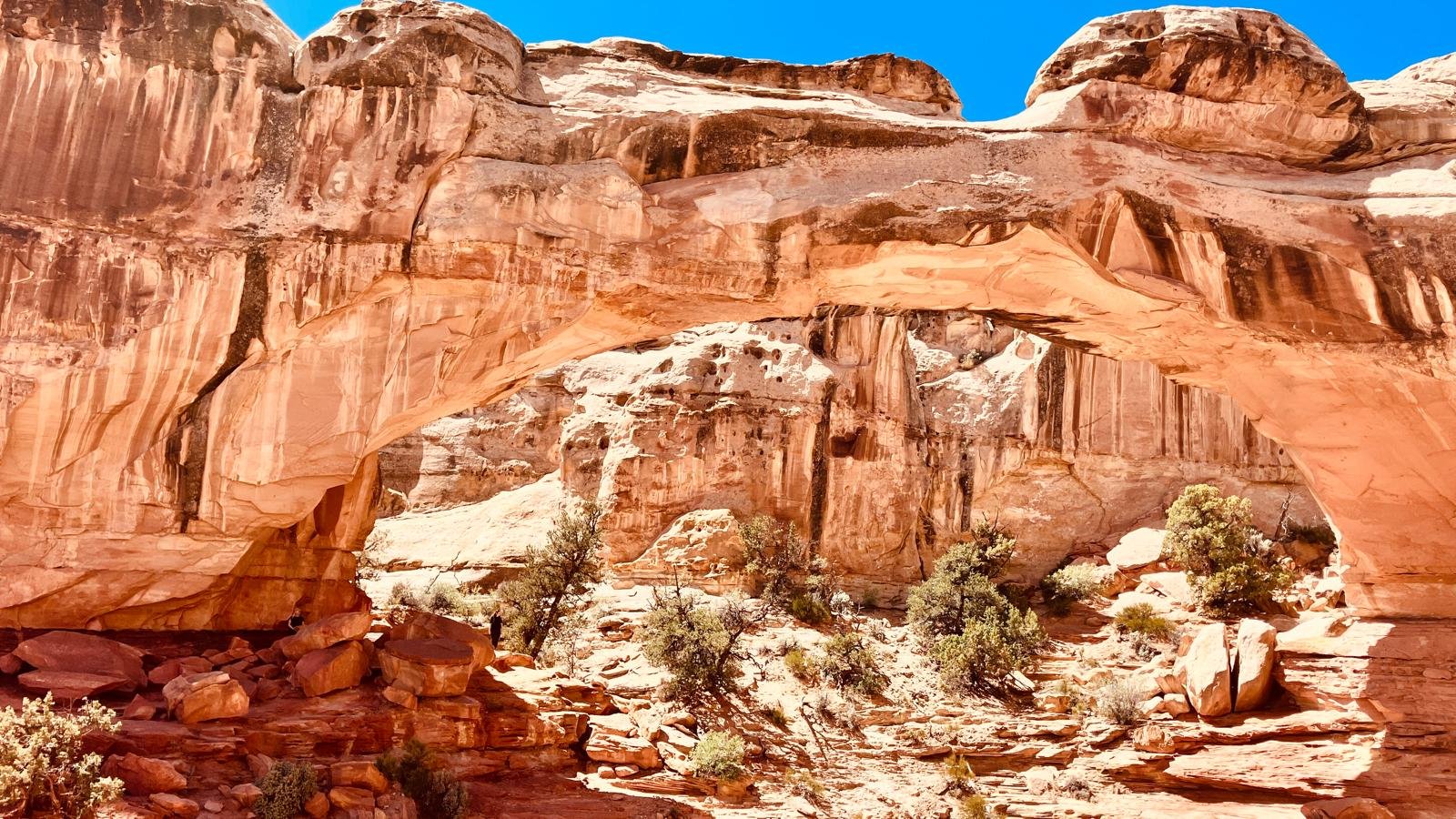
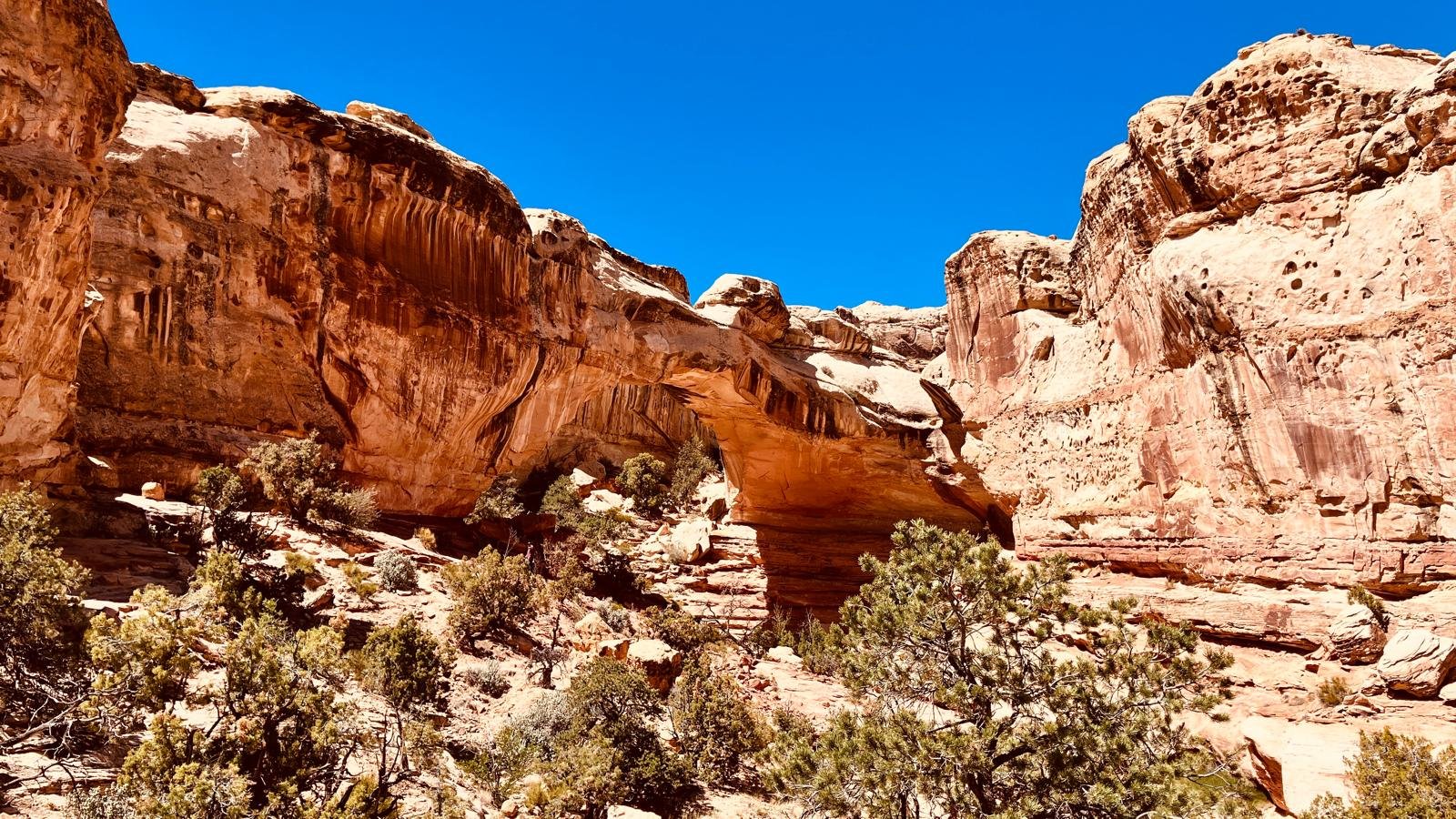
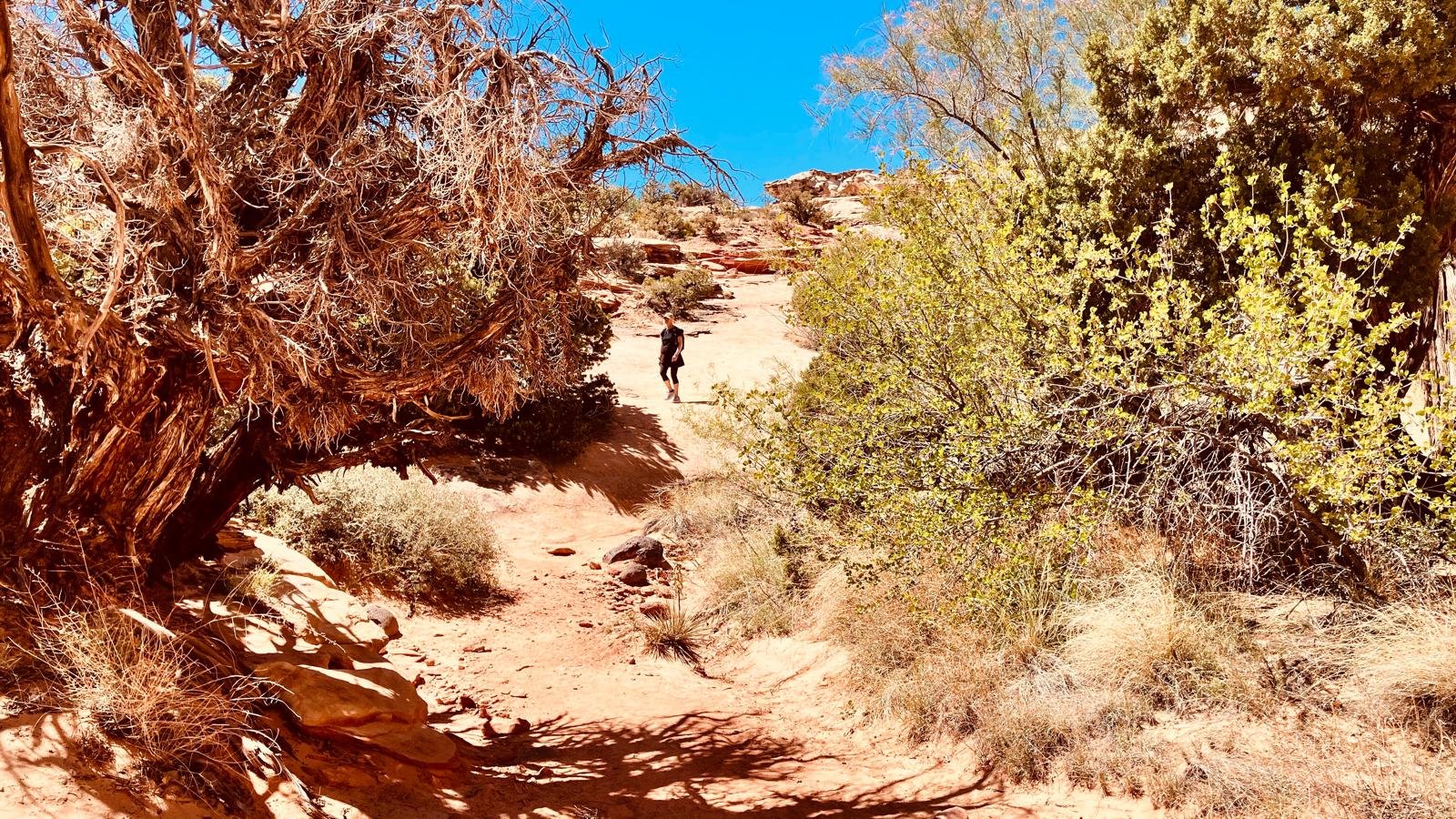
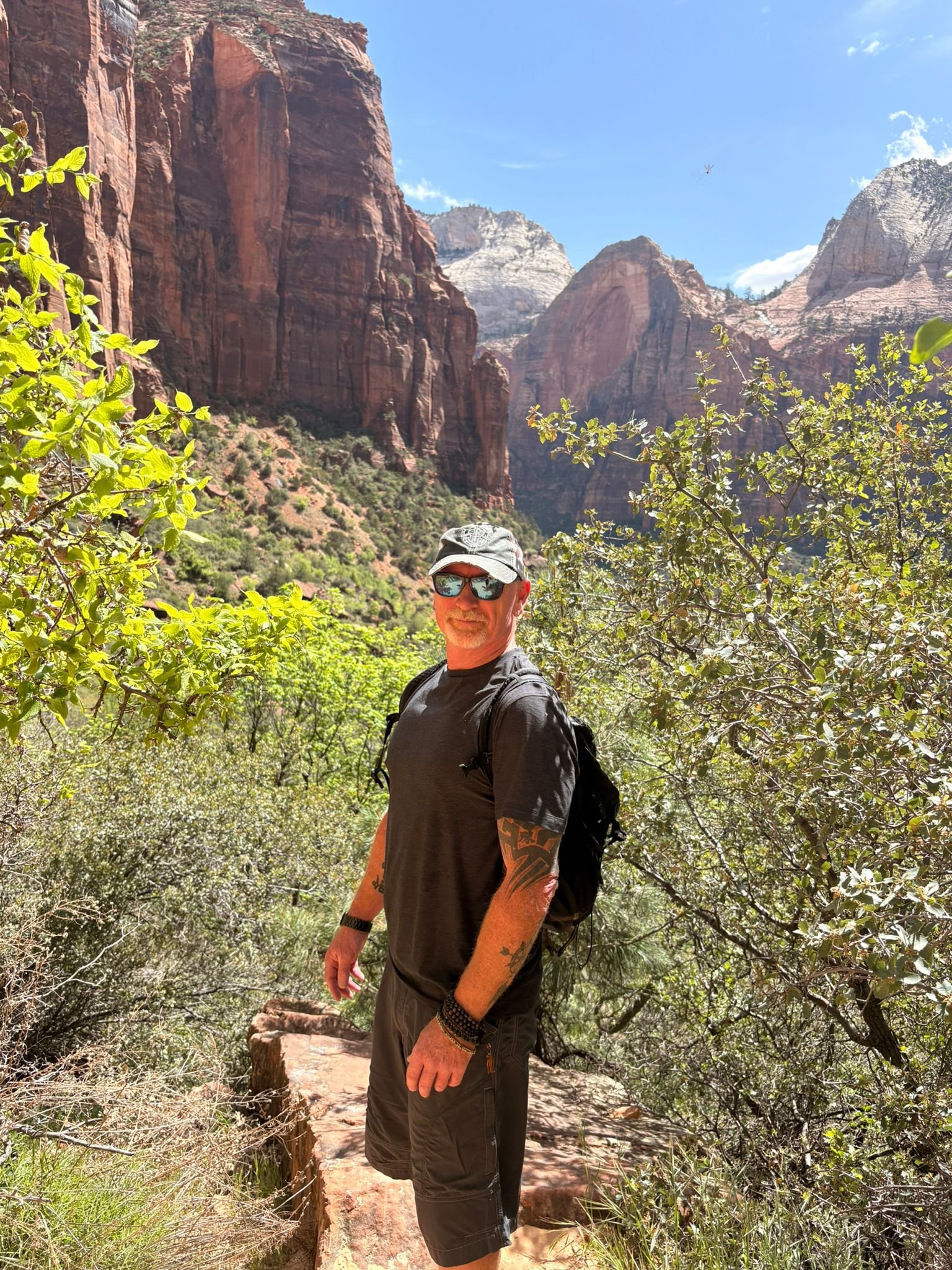
The hike to Hickman Bridge doesn’t just hold its own—it arguably surpasses what you expect from more famous stops like Arches National Park. Not because it’s bigger, but because of how it unfolds. The walk in matters. The buildup matters. And the lack of crowds changes everything.
That pattern shows up across the trip.
The best moments aren’t always the most well-known ones.
They’re the ones that require just enough intention to feel earned.
And then there’s the driving.
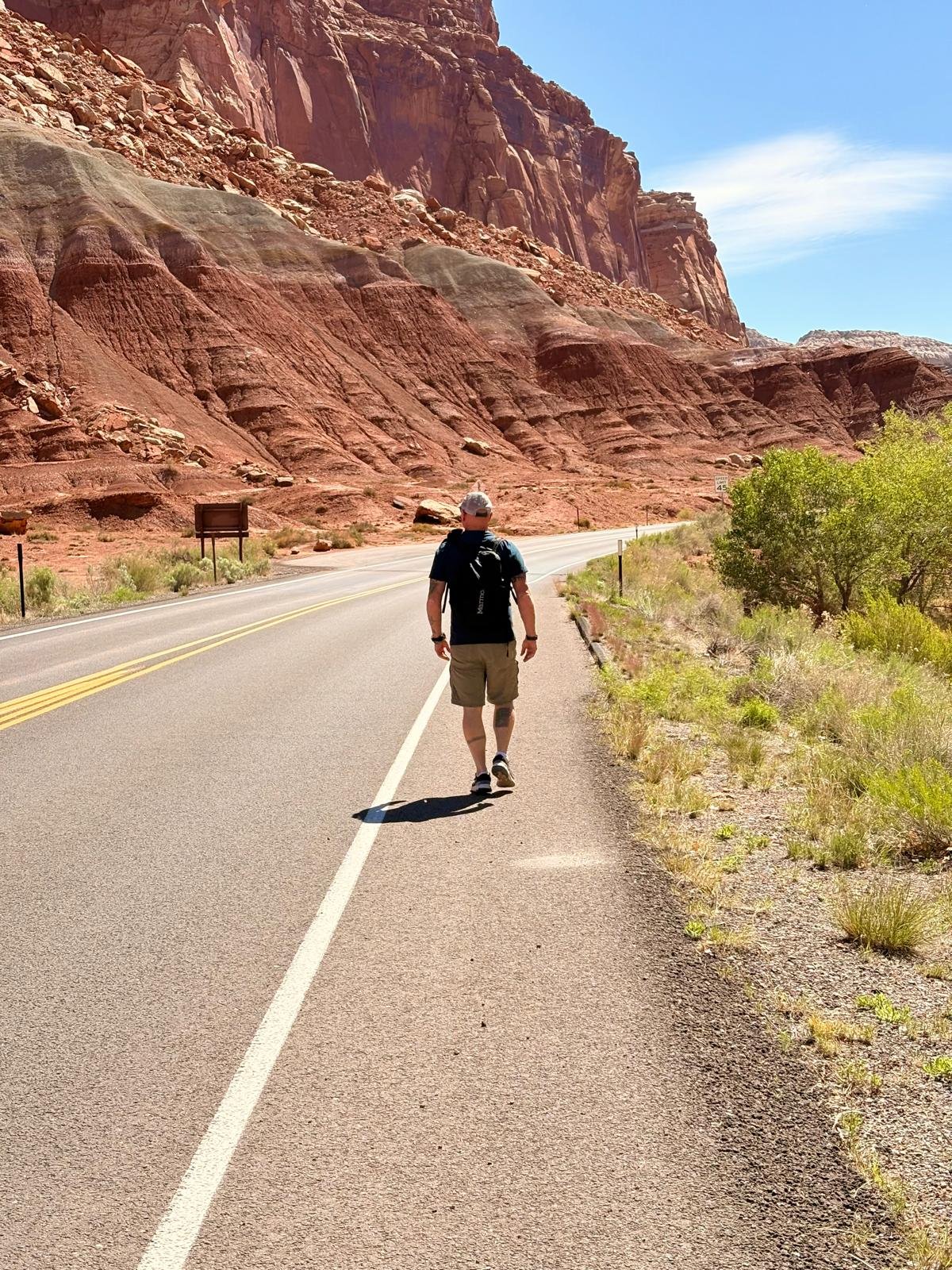
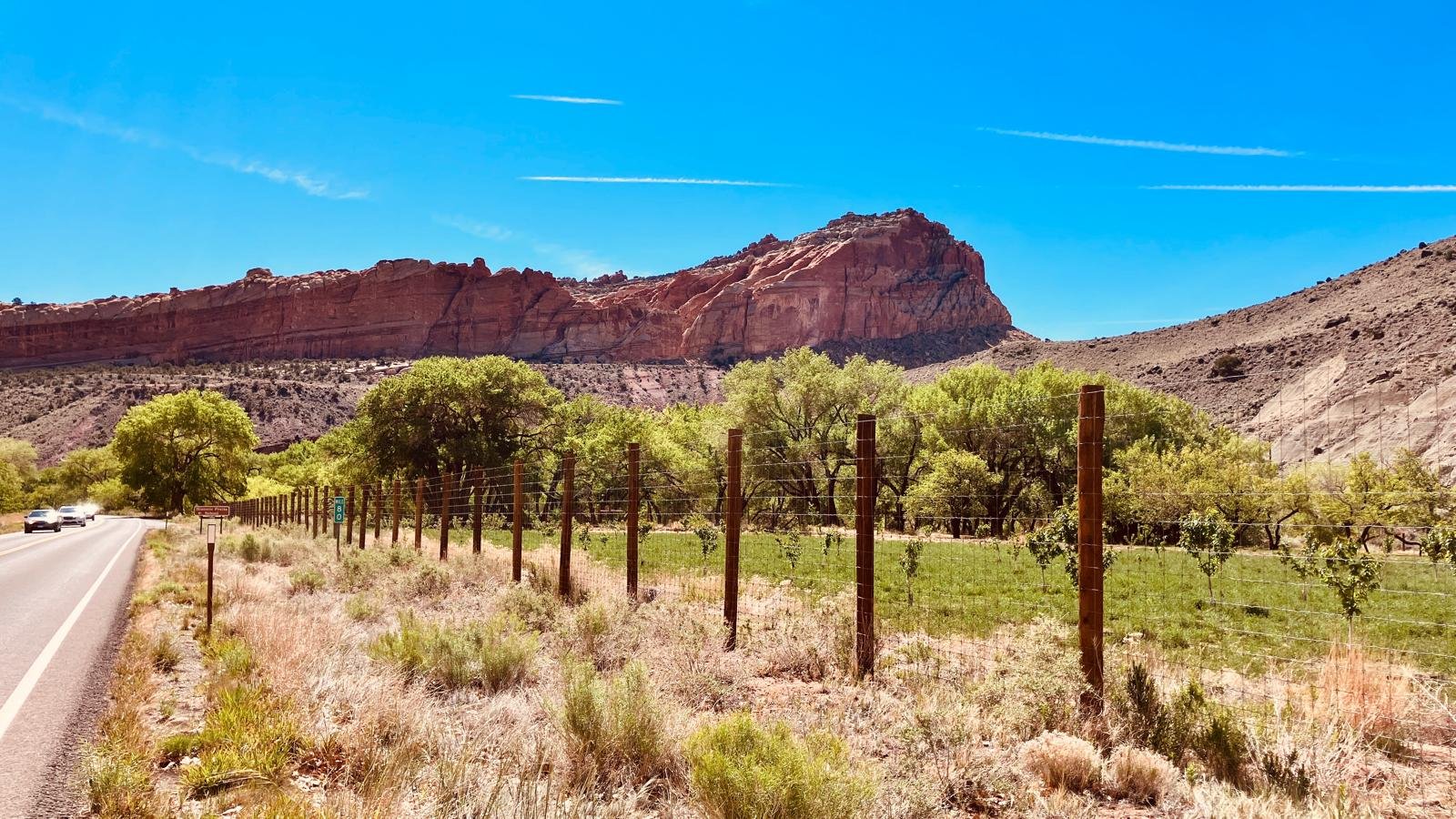
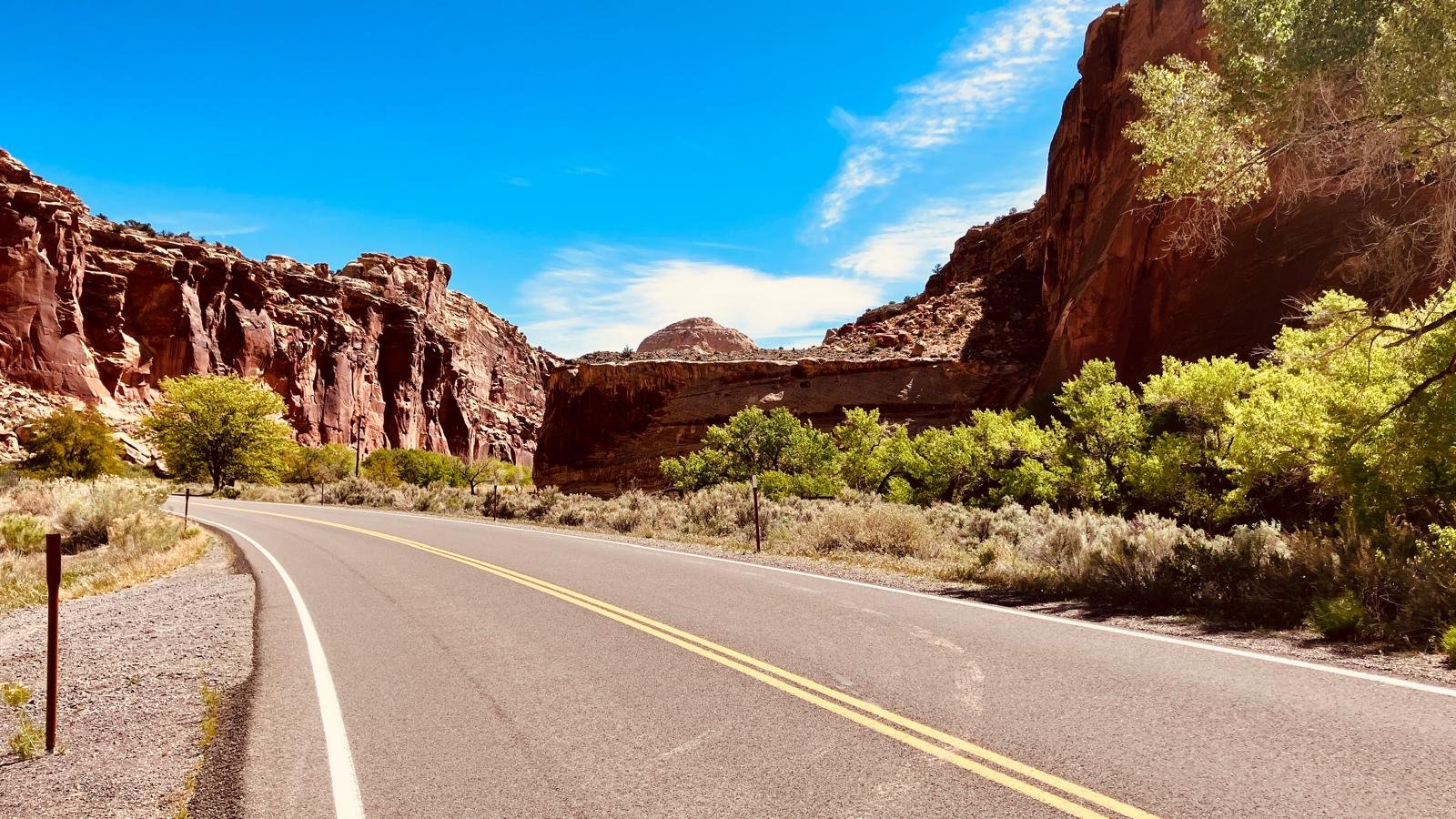
Highway 12 isn’t a transition. It’s a core part of the trip. The kind of road that forces you to slow down, pull over, and treat the movement itself as something worth experiencing.
It’s also the part most people underestimate.
Fuel stops matter. Timing matters. You don’t rush it without losing something. It’s not just one of the most scenic drives in the country—it’s one of the few stretches where the journey itself becomes the highlight.
That’s where Utah separates itself.
Not in the destinations —
but in how everything connects between them.
What Surprised Me
What surprised me most wasn’t the landscape.
It was how much the structure of the trip determined everything.
The RV didn’t just change how we traveled — it changed how we thought. Every decision had to be made earlier. Every mistake had a cost. You couldn’t rely on fixing things later in the day. Parking, timing, access—it all had to be considered before you moved.
That level of constraint wasn’t limiting.
It made everything clearer.
I was also surprised by how quickly priorities revealed themselves.
Zion wasn’t about doing more. It was about removing friction and letting the system work. Staying inside the shuttle flow changed the entire experience. You weren’t chasing access—you already had it.
Bryce wasn’t about exploring.
It was about timing.
Sunrise isn’t just a good idea there—it’s the experience. Miss it, and the entire stop loses its weight. Being in position before first light wasn’t an inconvenience. It was the difference between seeing Bryce and actually understanding it.
And Capitol Reef… didn’t behave the way people talk about it.
It wasn’t a filler stop. It wasn’t a transition between bigger names. It ended up delivering some of the most complete moments of the trip. The Hickman Bridge hike, the slower pace, the absence of crowds—it all added up to something that felt more personal than anything else on the route.
That wasn’t expected.
I was also surprised by how much the “middle” of the trip mattered.
Highway 12 wasn’t just scenic—it was essential. The stops, the pacing, the willingness to pull over and take it in—those moments carried as much weight as anything inside a park boundary.
Most people treat drives as something to get through.
In Utah, that’s where you lose the experience.
And finally, I didn’t expect how clearly the trip would point forward.
Not in terms of what we missed—but in how it could be done differently next time. More time in fewer places. Even more protection around key moments. Less pressure to move.
The trip didn’t feel incomplete.
It felt refined.
Do’s & Don’ts
A few things I’d do again — and a few I wouldn’t.
- Do build your trip around timing, not just distance
- Do protect key moments (Bryce sunrise, Highway 12, golden hour stops)
- Do leave room for detours, stops, and slower stretches.
- Do carry more water than you think you need
- Do accept that the RV will slow everything down — and plan for it
- Don’t stack parks too tightly.
- Don’t stack Zion, a major drive, and a hike in the same day
- Don’t underestimate how much the driving shapes the experience.
- Don’t assume you can “fit more in” later
Regrets & Lessons
Trying to compress decisions into the day instead of before it. Not allowing for downtime in Zion.
With an RV, that doesn’t work. You feel it immediately. Planning ahead isn’t optional — it’s part of the experience itself. At Capital RV and Glamping, the site is perfect but you are 10 miles from the park. Depending on your RV that changes a lot. depending on season parking can be brutal.
Underestimating how much the middle matters.
The drive between Bryce and Capitol Reef — especially Highway 12 — deserved even more time than we gave it. Not because we missed something, but because it’s the kind of stretch that changes the tone of the entire trip.
And realizing that Utah isn’t something you finish.
It’s something you refine the next time.
The first day feels easy. By the third or fourth, the combination of movement, terrain, and activity adds up. Without adjusting, it becomes something you push through instead of something you experience.
And most of all, not leaving enough space for what wasn’t planned.
Utah isn’t defined by the stops you make.
It’s defined by what happens between them.
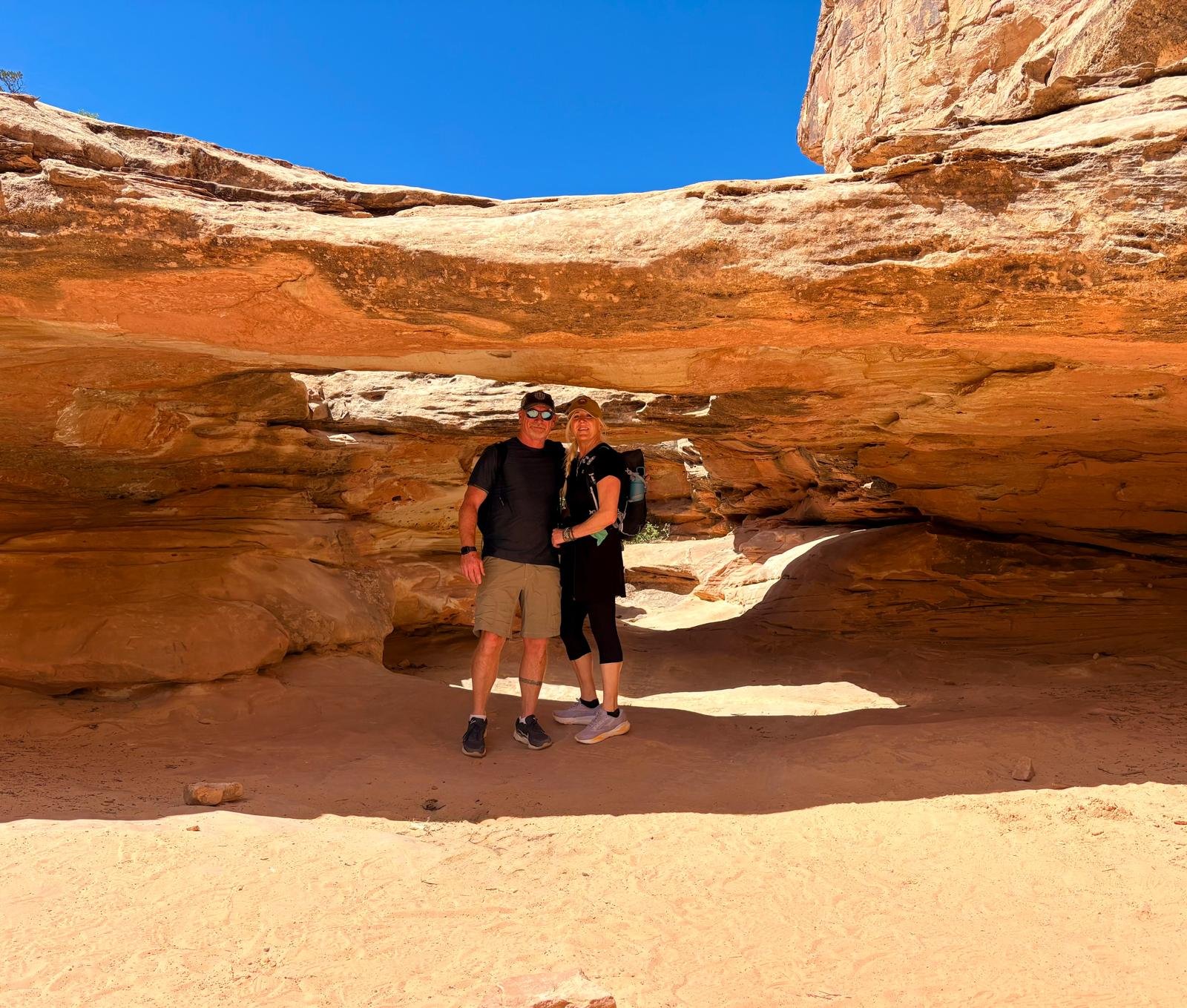
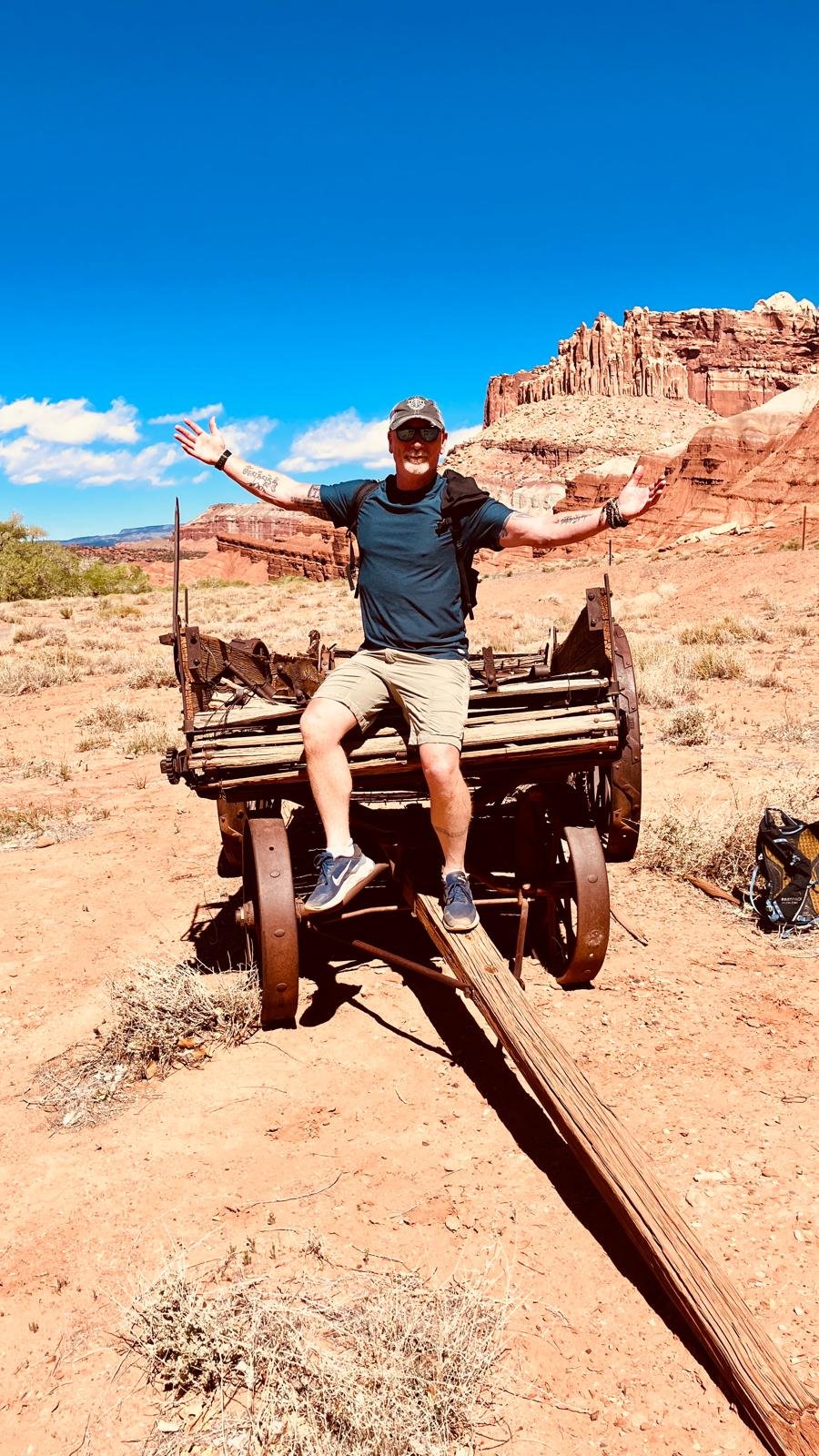
My experience was one of reflection. I was sharing the experience this time. I have experienced Utah many times. This was the first in RV. I would absolutely recommend this as the way to experience National Park Utah.
Final Thoughts
Utah didn’t leave me feeling finished.
It left me thinking about structure.
This trip worked because it was designed with intention—where to stay, when to move, what to protect, and what to let go. The RV added friction in ways I expected and in ways I didn’t. Every decision carried weight. You couldn’t just pivot without consequence. Parking mattered. Timing mattered. Even simple stops had to be thought through.
But that constraint also created clarity.
Zion demanded precision. Bryce demanded timing. Capitol Reef allowed space. And everything between them—especially Highway 12—became part of the experience, not something to move through quickly.
Looking back, the difference wasn’t what we saw.
It was how the trip was built.
That’s what Utah makes clear.
You can visit the parks.
Or you can design a trip that lets them unfold properly.
The first gives you moments.
The second gives you something that stays with you.
And once you’ve experienced it that way, it’s hard to go back to anything less intentional.
Start Planning Your Journey
Utah is easy to map out, but harder to experience well. The difference is in how you structure the time between places and how much you try to fit in.
If you want help building it the right way, start here.